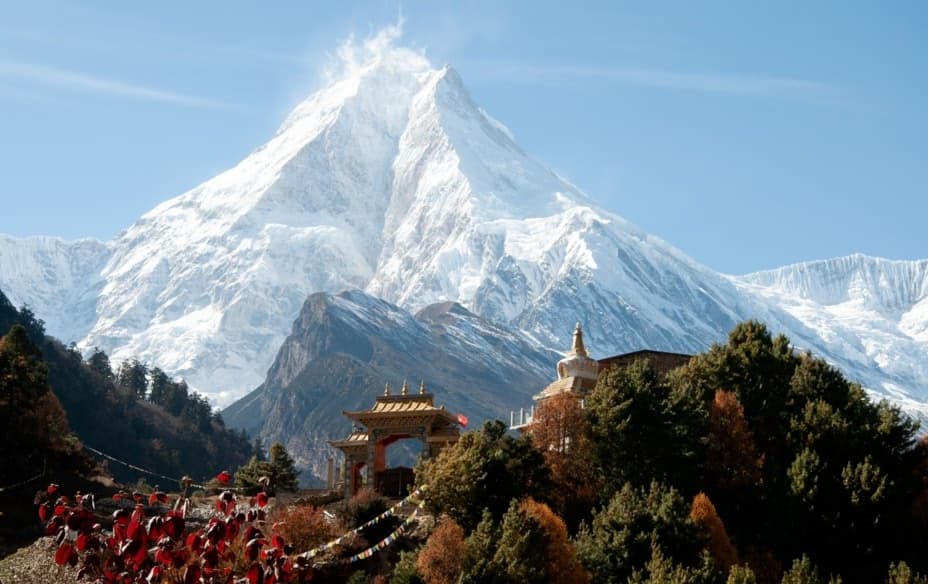
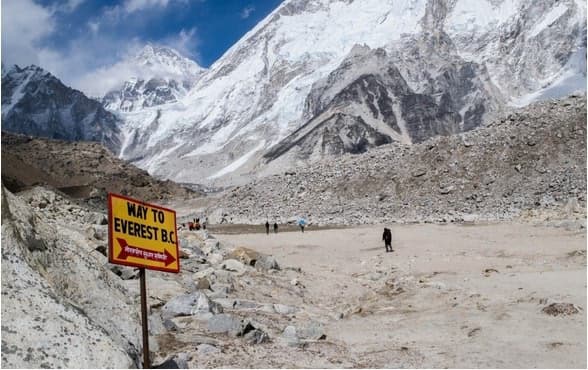
The Everest Death Zone is the extreme high-altitude region above 8,000 meters on Mount Everest where atmospheric oxygen drops to roughly one-third of sea-level levels, creating conditions that exceed the limits of sustained human survival. Extending from the upper fixed camps to the summit at 8,848.86 meters, this zone represents the final and most lethal segment of the ascent, where reduced barometric pressure sharply limits oxygen intake and forces the human body into rapid physiological decline. Even brief exposure initiates measurable oxygen debt, impaired cognition, and escalating risk of life-threatening altitude illnesses.
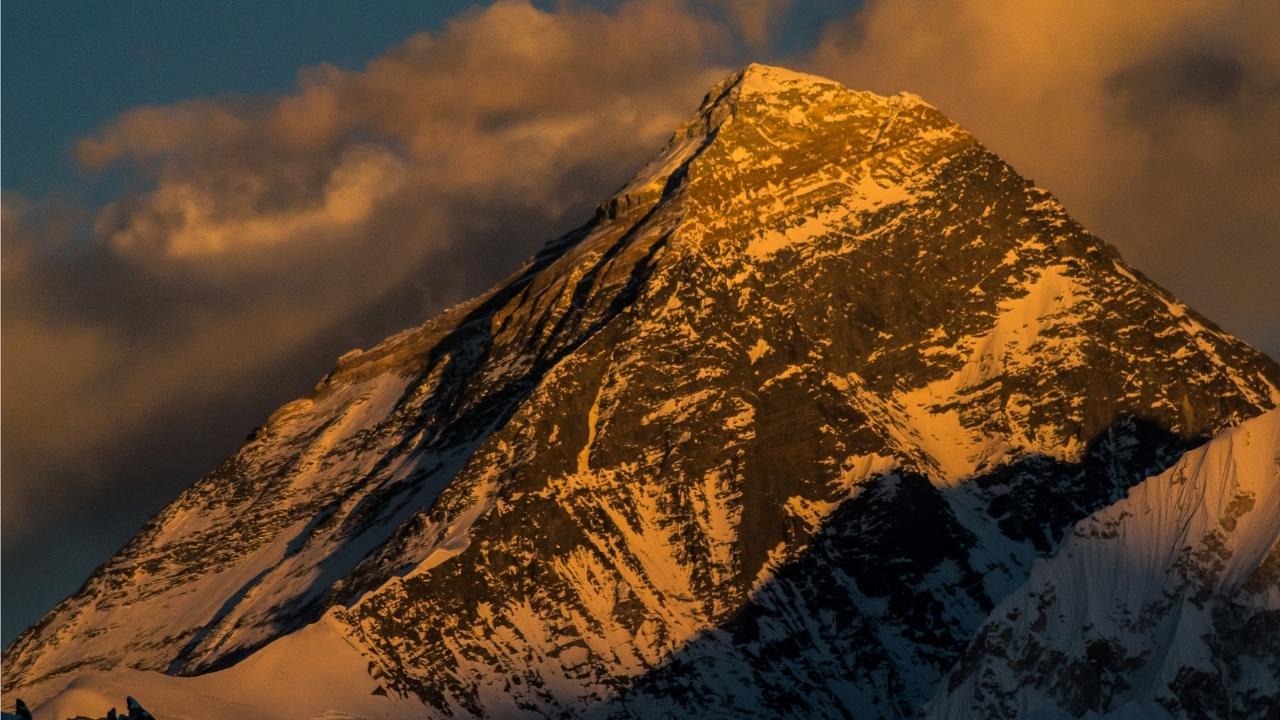
Within this environment, survival depends on external support systems rather than natural adaptation. Climbers rely on supplemental oxygen, strict acclimatization rotations, and tightly timed summit windows to counteract the effects of hypoxia, hypothermia, and exhaustion. The Death Zone is defined not only by its altitude but by its biological threshold: above 8,000 meters, the human body cannot fully recover or stabilize, and every additional hour spent at this elevation increases the probability of irreversible organ failure, neurological damage, or fatal collapse.
Where Is the Everest Death Zone Located on Mount Everest?
The Everest Death Zone occupies the uppermost 848.86 meters of Mount Everest, spanning from 8,000 meters (26,247 feet) to the true summit at 8,848.86 meters (29,031.7 feet). On the South Col Route (Nepal side), climbers enter the Death Zone immediately above Camp IV at 7,906 meters. On the Northeast Ridge Route (Tibet side), climbers transition into it just above the North Col at Camp V, positioned at 8,300 meters.
Mount Everest sits within the Mahalangur Himal sub-range of the Himalayas, straddling the border between Nepal and the Tibet Autonomous Region of China. The Death Zone on Everest is not a single flat elevation, it includes 3 distinct high-altitude features that increase physiological stress at different points:
The Balcony at 8,400 meters, the first major rest point inside the Death Zone on the Southeast Ridge
The South Summit at 8,749 meters, where wind exposure dramatically increases
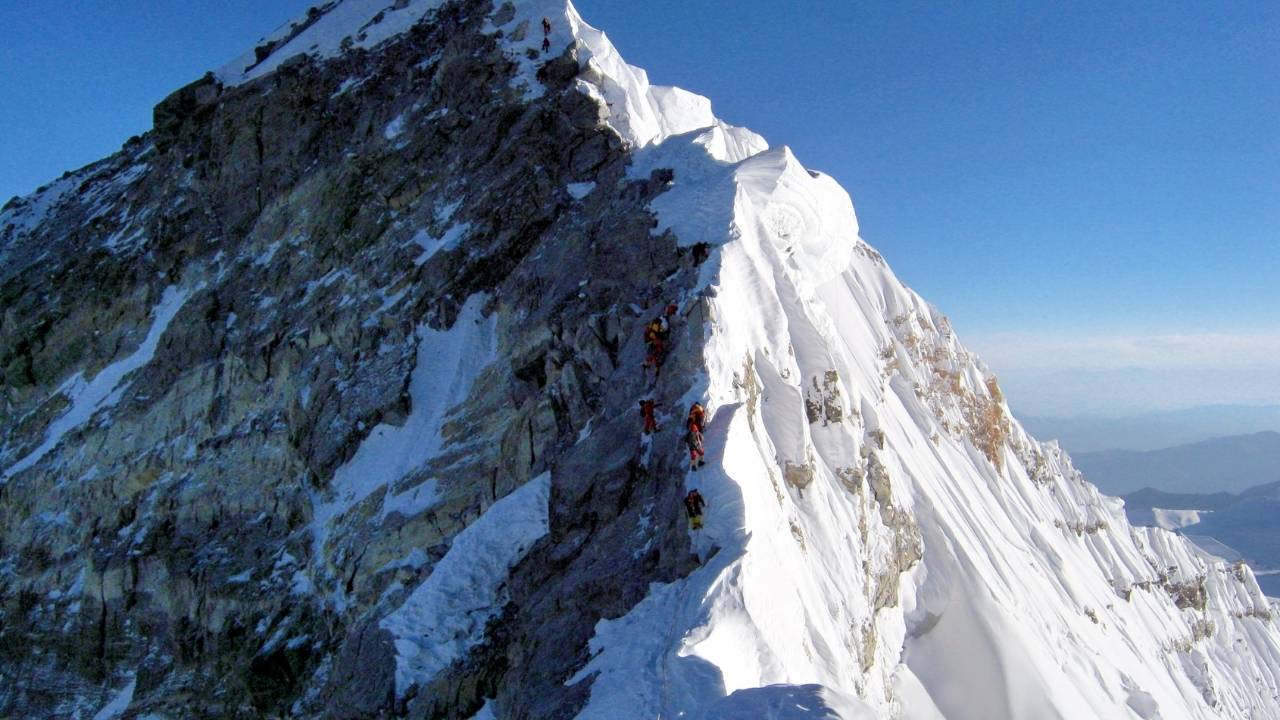
The Hillary Step (or its post-2015 earthquake remnant) at approximately 8,790 meters, the final technical crux before the summit
What most guides fail to mention: the South Col itself sits at 7,906 meters, technically below the Death Zone threshold, but oxygen pressure there already registers at just 37% of sea level. Climbers begin experiencing Death Zone-level physiological effects during rest at Camp IV, even before crossing the 8,000-meter threshold on summit day.
Why Is It Called the Death Zone on Everest?
The term 'Death Zone' was coined by Swiss physician Edouard Wyss-Dunant in 1952, the year prior to Edmund Hillary and Tenzing Norgay's first verified summit of Everest. Wyss-Dunant used it in his work The Mountain to describe altitudes where the human body consumes oxygen faster than it absorbs it, creating a biological countdown to organ failure.
The name is physiologically precise, not dramatic. At 8,000 meters, the partial pressure of oxygen in the atmosphere falls to approximately 253 millibars, compared to 760 millibars at sea level. The human body cannot generate adequate adenosine triphosphate (ATP), the cellular energy molecule, through aerobic metabolism at this pressure.
Three biological thresholds define why "Death Zone" is the accurate term rather than an exaggeration. Understanding altitude sickness in the Himalayas is essential context, because the Death Zone represents its most lethal extreme:
Acclimatization ceiling: No degree of prior altitude acclimatization increases the body's ability to sustain itself above 8,000 meters long-term. The body only deteriorates, never adapts.
Progressive cellular degradation: Each hour spent above 8,000 meters accelerates the breakdown of brain tissue, muscle mass, and red blood cell production.
Reversibility threshold: Below 8,000 meters, descent reverses most acute altitude symptoms within hours. Above it, even descent cannot reverse cellular damage accrued after 20+ hours of exposure.
Everest's popularity keeps climbing: according to the Nepal Department of Tourism's 2026 Facts & Figures report, 748 climbers from 43 countries reached the summit in Spring 2025 alone, pushing the cumulative total past 9,825 summiteers.
What Oxygen Levels Exist in the Everest Death Zone?
Oxygen concentration in the Everest Death Zone measures approximately 33% of sea-level availability, with the barometric pressure at the 8,848.86-meter summit registering between 253 and 334 millibars depending on seasonal atmospheric pressure variation.
The specific oxygen data by altitude within the Death Zone:
Altitude | Barometric Pressure | O₂ Partial Pressure | % of Sea Level O₂ |
8,000 m (Death Zone entry) | ~356 mbar | ~75 mbar | ~36% |
8,400 m (The Balcony) | ~328 mbar | ~69 mbar | ~33% |
8,749 m (South Summit) | ~305 mbar | ~64 mbar | ~31% |
8,848.86 m (Summit) | ~253–334 mbar | ~53–70 mbar | ~25–33% |
The summit's oxygen pressure varies by up to 25% between winter and spring due to the Hadley Cell atmospheric circulation. According to a 2025 field study on hypoxia and physiological limits at extreme altitude, arterial oxygen saturation near 8,900 m falls to roughly 30% of its sea-level value, a level most hospitalized ICU patients would be treated for immediately.
What this oxygen deficiency means in practical terms: a climber breathing normally at 8,848 meters inhales the same number of breaths per minute as at sea level, but each breath delivers only one-third the oxygen molecules. The body compensates by increasing breathing rate to 60 to 80 breaths per minute, four times the resting norm, which simultaneously increases carbon dioxide loss, disrupts blood pH, and accelerates dehydration.
What Happens to the Human Body in the Death Zone?
The human body undergoes 7 major physiological changes in the Everest Death Zone: hypoxic brain impairment, high-altitude cerebral edema (HACE), high-altitude pulmonary edema (HAPE), peripheral vasoconstriction, erythropoiesis acceleration, muscle catabolism, and gastrointestinal shutdown.
Neurological and Cerebral Effects
Hypoxia triggers cerebral vasodilation within 30 to 60 minutes of entering the Death Zone. Increased blood flow to the brain raises intracranial pressure, producing symptoms such as severe headache, ataxia (loss of coordination), visual disturbances, and executive function collapse. Decision-making deteriorates measurably, climbers in the Death Zone make judgment errors that they would never make at base camp, a phenomenon expedition psychologists call "hypoxic decision paralysis."
HACE, high-altitude cerebral edema, represents the most severe neurological outcome. It involves plasma leaking across the blood-brain barrier, causing the brain to swell within the rigid skull. Symptoms progress from headache and confusion to hallucinations, coma, and death within 6 to 12 hours if untreated. HACE strikes approximately 1 in 40 climbers who attempt the Everest summit without thorough acclimatization.
Pulmonary and Cardiovascular Effects
HAPE, high-altitude pulmonary edema, floods the alveoli with fluid, reducing gas exchange efficiency. Climbers experience a dry cough that transitions to pink frothy sputum, labored breathing at rest, and cyanosis (blue-tinted lips and fingernails). HAPE kills faster than HACE and accounts for the majority of altitude-related deaths at extreme elevation. Risk increases dramatically with ascent rates faster than 300 meters per day above 6,000 meters.
Thermoregulatory and Muscular Effects
The body prioritizes core organ perfusion by constricting blood flow to extremities, which accelerates frostbite in fingers, toes, and facial tissue even at temperatures above −20°C. Muscle catabolism, the body consuming its own muscle protein for fuel, begins within 48 hours above 8,000 meters, stripping 1 to 2 kilograms of lean muscle mass per day in extreme cases. Digestive enzyme production halts almost entirely, making caloric absorption from food close to impossible regardless of intake volume.
How Do Climbers Survive in the Everest Death Zone?
Climbers survive in the Everest Death Zone through 4 core strategies: supplemental oxygen delivery at 2 to 4 liters per minute, strict summit-day timing (departing Camp IV between 8:00 PM and midnight), continuous forward movement to minimize exposure duration, and real-time physiological self-assessment every 30 minutes.
The 20-Hour Rule
Experienced high-altitude guides enforce a strict total Death Zone exposure limit of 20 hours per summit attempt. Above this threshold, the probability of HACE or HAPE onset increases non-linearly. Climbers who summit in 9 hours from Camp IV and descend in 5 hours reach relative safety at Camp III within 14 total hours, maintaining an acceptable physiological margin.
Supplemental Oxygen Management
Most commercial Everest expeditions use supplemental oxygen starting at 7,000 to 7,500 meters, not at the Death Zone threshold itself. This pre-emptive use builds a physiological buffer before the most dangerous elevation band. Flow rates are calibrated:
2 liters per minute during rest and sleep at Camp IV, maintains safe baseline SpO₂
3 liters per minute during ascent through the Death Zone, supports sustained cardiovascular output
4 liters per minute during technical sections (Hillary Step, South Summit ridge), prevents acute hypoxia during maximum exertion
1 liter per minute reserve setting, extends cylinder duration during unexpected delays
Climbers who run out of supplemental oxygen above 8,500 meters face a physiological crisis that unfolds within 15 to 20 minutes. The body has no stored oxygen reservoir to draw from at that altitude. This is why experienced expedition leaders carry a mandatory 20% oxygen reserve when crossing the South Summit.
The Turnaround Rule
The most survivable decision in the Death Zone is a disciplined turnaround. Guides apply a 2:00 PM hard cutover rule, any climber who has not reached the summit by 2:00 PM Nepal Standard Time begins descent immediately regardless of summit proximity. Deteriorating afternoon weather, depleting oxygen reserves, and increasing fatigue create a combined lethality spike after 2:00 PM that has claimed more experienced climbers than technical difficulty.
What Are the Main Risks and Causes of Death There?
The 6 primary causes of death in the Everest Death Zone are: high-altitude pulmonary edema (HAPE), high-altitude cerebral edema (HACE), falls and avalanche trauma, hypothermia, exhaustion-induced immobility, and frostbite leading to systemic infection.
A 2026 Journal of Physiology analysis covering 1921-2024 found that overall mortality above base camp has fallen from 1.4% in the pre-2007 era to 0.7% today, with descent-phase deaths on summit day dropping from 3.0% to 0.8%, though the study also found most Sherpa fatalities now happen during route preparation rather than the summit push:
Falls and avalanches account for 33.7% of all Everest deaths, the single largest category
Altitude illness (HACE/HAPE) causes 26.9% of deaths
Exposure and exhaustion account for 25.9% of fatalities
Unknown causes (typically disappearance) represent 8.4% of deaths
The Death Zone above 8,000 meters concentrates the altitude illness and exhaustion categories disproportionately. What the raw statistics obscure: many fall-related deaths above 8,000 meters originate from HACE-induced ataxia, climbers lose coordination due to cerebral edema and then fall. The distinction between "fall death" and "altitude illness death" is frequently blurred in post-expedition reporting.
The Bodies Left Behind
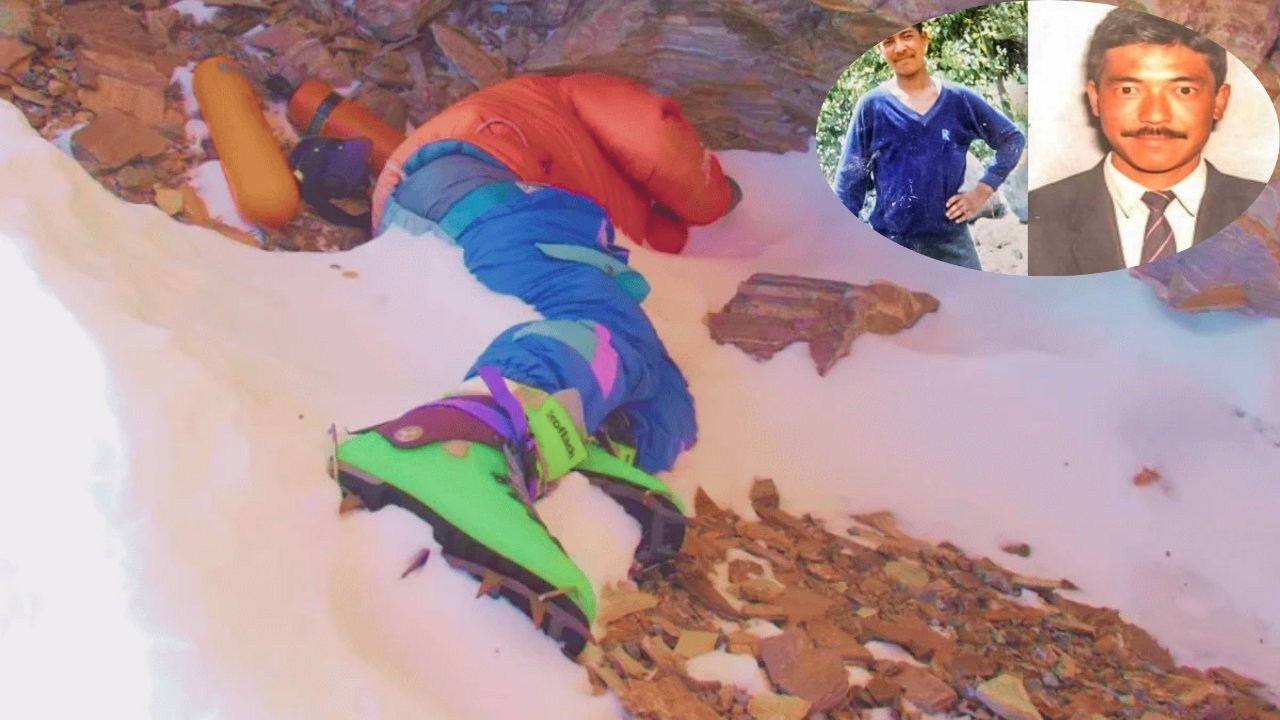
Over 200 human remains lie permanently on Mount Everest as of 2026, the majority concentrated in the Death Zone where retrieval carries prohibitive physiological risk for recovery teams. For a deeper look at who they were and why they remain, our detailed guide on Everest dead bodies covers the stories and ethics behind each case. The presence of these remains serves as a tangible marker of the zone's lethality and the permanent consequence of misjudged ascents.
How Do Weather Conditions Affect the Death Zone?
Weather conditions in the Everest Death Zone determine survivability across 4 critical variables: wind speed, temperature, jet stream position, and precipitation (snowfall). A single weather factor exceeding safe thresholds renders summit conditions unsurvivable regardless of a climber's fitness level.
Wind Speed Thresholds
At 8,000 meters, wind speeds above 60 kilometers per hour (37 mph) produce a windchill that reduces effective temperature by 15 to 25°C below ambient air temperature. At the summit during January, ambient temperatures average −36°C. For a full breakdown of seasonal variation and the physiological implications, see our guide on Mount Everest temperature extremes. A 60 km/h wind at that temperature produces an effective windchill of −60°C, the threshold at which exposed skin freezes in under 30 seconds and supplemental oxygen masks ice over.
Jet stream interaction is the decisive weather variable on Everest. The polar jet stream sits at approximately 8,000 to 9,000 meters over the Himalayas during winter and early spring. When the jet stream shifts northward in late April or early May, it creates the narrow weather windows that define Everest's climbing season. These windows last 3 to 7 days and produce summit-day wind speeds below 30 km/h.
Temperature Patterns by Month
Month | Summit Avg. Temp | Typical Wind Speed | Climber Activity |
January | −36°C | 150+ km/h | Zero summit attempts |
March | −28°C | 100–150 km/h | Expedition preparation |
May | −19°C | 15–30 km/h (windows) | Peak summit season |
July | −10°C | 40–80 km/h | Monsoon, near zero activity |
October | −22°C | 20–40 km/h (windows) | Secondary summit season |
The Sudden Weather Deterioration Risk
Conditions in the Death Zone deteriorate faster than meteorological models predict at lower elevations. A forecast showing 6-hour stability regularly collapses into ground-out whiteout conditions in under 90 minutes on the Southeast Ridge. The 1996 Everest disaster, which killed 8 climbers in a single event, was driven by a rapid weather system that reversed what appeared to be a stable summit window. All major guided expeditions now use a combination of Mountain Forecast, MeteoGroup, and satellite-uplinked pressure readings updated every 6 hours during summit rotation.
What Gear and Oxygen Systems Are Used at High Altitude?
Everest Death Zone climbers rely on 8 categories of critical gear: supplemental oxygen systems, down suits rated to −50°C, high-altitude mountaineering boots with integrated insulation, full-face oxygen masks, fixed-line ascenders, crampons with 12-point steel construction, expedition-grade sleeping systems, and pharmacological support.
Supplemental Oxygen Systems: Open-Circuit vs. Closed-Circuit
Two oxygen delivery systems serve Everest climbers, each with distinct performance characteristics:
Open-circuit systems: used by 95%+ of commercial Everest expeditions, deliver a continuous flow of oxygen-enriched air mixed with ambient air. The Poisk 7-liter cylinder (manufactured in Russia) and the Fujitsu-fabricated composite cylinders carry oxygen at 200 to 300 bar pressure. At 3 liters per minute flow rate, a 7-liter cylinder lasts approximately 8 to 10 hours. Most summit-day climbers carry 3 to 4 cylinders, with 1 to 2 pre-positioned at the Balcony (8,400 m) by Sherpas.
Closed-circuit rebreather systems: used by a small number of elite expeditions, recycle exhaled CO₂ through a chemical scrubber and re-enrich with pure oxygen, creating effective altitudes as low as 3,000 meters from a smaller oxygen supply. The Everest-adapted Poseidon MKVI system tested in the 2010s weighs 8 kilograms, significantly heavier than open-circuit rigs, limiting adoption.
Down Suits and Thermal Systems
The Feathered Friends Ptarmigan EX suit, Rab Summit Oxygen suit, and Mountain Hardwear Absolute Zero suit are three of the most widely deployed summit suits in 2025–2026 expeditions. Each uses 900+ fill-power goose down insulation and outer fabrics with a wind-resistance rating above 200 km/h. Suit fit is calibrated specifically for high-altitude use, looser than ski wear to allow full range of motion with harness and crampons integrated, while maintaining insulation loft.
High-altitude boots such as the La Sportiva Olympus Mons Cube and Millet Everest Summit GTX use a triple-boot construction: inner thermal liner, insulating midsole rated to −50°C, and waterproof/breathable outer shell. Boot failure, specifically delamination of the outer sole, has caused frostbite in several documented Everest incidents, underlining the importance of pre-expedition boot inspection.
How Does Acclimatization Help Before Entering the Death Zone?
Acclimatization prepares the body for the Everest Death Zone through 3 measurable physiological adaptations: increased red blood cell mass (erythropoiesis), enhanced mitochondrial density in muscle tissue, and improved hypoxic ventilatory response (HVR), the body's reflex to breathe more deeply when oxygen drops.
The Standard Acclimatization Rotation Protocol
Commercial Everest expeditions follow a structured rotation protocol across 40 to 60 days total expedition duration. Trekkers approaching from the Nepal side can start building this foundation early by following a proven Everest Base Camp acclimatization schedule before any summit attempt begins:
Arrive Lukla (2,860 m), trek to Everest Base Camp (5,364 m) over 8 to 12 days, establishes baseline cardiovascular response
Rotation 1: Climb from Base Camp to Camp II (6,400 m) and return, triggers initial erythropoiesis stimulation
Rotation 2: Reach Camp III (7,162 m) and sleep 1 to 2 nights, acclimatizes to pressure levels of the pre-Death Zone band
Rotation 3 (optional on guided trips): Touch Camp IV (7,906 m) and descend, primes the cardiovascular system for the Death Zone transition
Rest at lower altitude (Namche Bazaar or Dingboche at 3,400–4,410 m) for 5 to 7 days before the summit push, allows the body to consolidate adaptations made at high altitude
What Acclimatization Does Not Achieve
Acclimatization does not eliminate Death Zone lethality, it extends survivable exposure time. Properly acclimatized climbers tolerate the Death Zone for 20 to 30 hours before critical physiological decline. Unacclimatized climbers face serious altitude illness symptoms within 2 to 4 hours above 8,000 meters.
Pulse oximetry monitoring throughout the acclimatization process provides the most objective fitness marker. A resting SpO₂ reading below 80% at Camp II (6,400 m) after 2 days indicates inadequate acclimatization and warrants a repeat rotation or descent before further progress. Guides who enforce this standard reduce their clients' HACE/HAPE rates by an estimated 40 to 60% compared to expeditions without objective oximetry-based go/no-go criteria.
What Role Do Sherpas Play in the Everest Death Zone?
Sherpas perform 6 critical functions in the Everest Death Zone: fixing ropes on technical sections, pre-positioning oxygen cylinders at high camps, guiding clients through low-visibility whiteout conditions, monitoring client physiological status, executing emergency rescues, and carrying loads that typically exceed the client's own pack weight by 5 to 10 kilograms.
The Genetic and Physiological Advantage of Sherpas
Sherpa high-altitude performance is not purely cultural or experiential, it is partially genetic. A 2024 bioRxiv study on Sherpa highlanders in Namche Bazaar found measurable mRNA-level downregulation of the EPAS1 and EGLN1 genes, offering a mechanistic explanation for why Sherpas resist the hyperviscosity and blood-clot risk that affects non-Sherpa climbers at extreme altitude. This variant allows Sherpas to maintain efficient oxygen transport without the excessive red blood cell production that causes hyperviscosity and blood clot risk in non-Sherpa high-altitude climbers.
Practical result: Sherpas routinely make 4 to 8 summit attempts per season without the physiological degradation that would occur in non-Sherpa guides performing equivalent workload.
The Economics and Risk of Sherpa Work
The average summit Sherpa earns $3,000 to $10,000 USD per expedition season in 2025–2026, with senior Sirdar guides earning $15,000 to $25,000 for full expedition management. This represents significant income by Nepalese standards, but the occupational mortality rate for Everest Sherpas historically exceeds that of most other professions globally. The 2014 Khumbu Icefall avalanche, which killed 16 Sherpa climbers, catalyzed industry-wide discussions about load-carry route safety and Sherpa compensation standards that continued through the 2020s.
How Many Deaths Have Occurred in the Everest Death Zone?
A total of at least 344 deaths had been reported on Mount Everest by late May 2026, with the Himalayan Database listing 339 deaths through December 2025 and additional 2026 fatalities reported in the current season. The mountain records an average of 4 to 6 deaths per climbing season, with mortality rates fluctuating significantly between the South Col (Nepal) and Northeast Ridge (Tibet) routes.
Death Statistics by Route and Elevation
The South Col Route records approximately 60% of all Everest fatalities despite handling roughly 70% of total summit traffic, a per-climber mortality rate broadly consistent between routes. The Northeast Ridge, while technically more demanding on paper, sees fewer deaths in absolute numbers due to lower total climber volume following Chinese permit restrictions implemented in 2019.
By decade, Everest fatalities follow a counter-intuitive pattern; our comprehensive breakdown of Everest fatality data by decade adds further context on causes and trends:
1922–1952: 14 deaths in limited pre-war expeditions
1953–1979: 37 deaths as summit attempts increased after first ascent
1980–1999: 91 deaths during the commercialization era
2000–2019: 122 deaths despite massive advances in gear and forecasting
2020–2026: 46 deaths across 7 seasons
The 2000–2019 period shows higher absolute deaths despite better equipment because total climber volume increased by 400% versus the 1980s. The fatality rate per summiter has declined from approximately 37 deaths per 100 summits in the 1980s to under 1 death per 100 summits in 2019–2024, reflecting genuine safety improvements in acclimatization protocols, weather forecasting, and guided expedition management.
When Is the Best Time to Climb Through the Death Zone?
The optimal period to traverse the Everest Death Zone is during the spring climbing window from late April 15 to May 31, when the polar jet stream retreats northward, summit temperatures rise to −15°C to −25°C, and wind speeds during forecast windows drop below 30 km/h for 3 to 7 consecutive days.
Spring vs. Autumn Windows Compared
Variable | Spring (Apr–May) | Autumn (Sep–Oct) |
Duration of primary window | 3–7 days | 2–5 days |
Average summit-day temp | −19°C | −25°C |
Typical wind speed | 15–30 km/h | 20–45 km/h |
Success rate | ~55% of attempts | ~35% of attempts |
Active permit holders | 700–900 | 150–250 |
Monsoon precipitation risk | Low (pre-monsoon) | Moderate (post-monsoon residuals) |
Spring delivers a higher success rate because the pre-monsoon atmospheric stabilization pattern produces more frequent and longer calm windows. The monsoon season itself (June–August) renders the Death Zone unclimatic, persistent high humidity, daily snowfall, and unstable convective storm systems eliminate all serious summit activity.
The Significance of Jet Stream Forecasting
Modern Everest expeditions use 3 to 5 day jet stream position forecasts sourced from European Centre for Medium-Range Weather Forecasts (ECMWF) models. When the wind speeds at the 300 hPa pressure level over the Himalaya drop significantly, it signals the jet stream's northward displacement and marks the opening of a potential summit window. Expedition leaders who incorporate ECMWF data into their go/no-go decisions outperform those relying solely on ground-level weather station data by an estimated 20 to 30% in summit success rate.
How Can Guided Everest Expeditions Help You Navigate the Death Zone Safely?
Guided Everest expeditions reduce Death Zone mortality risk through 5 operational advantages: professional acclimatization scheduling, continuous weather monitoring with meteorologist consultation, pre-positioned oxygen and emergency equipment at high camps, medically trained high-altitude staff, and established turnaround protocols enforced by experienced lead guides.
Commercial guided expeditions operating on Everest in 2025–2026 include operators such as Himalayan Experience (Himex), Mountain Trip, Alpine Ascents International, Adventure Consultants, and Nepali operators including Seven Summit Treks and Imagine Nepal Treks. Permit costs issued by the Nepal Department of Tourism currently sit at USD $15,000 per climber for the spring season, with full guided expedition packages ranging from $45,000 to $120,000 depending on service level. Permit costs are set directly by Nepal's Department of Tourism, whose current royalty schedule (effective September 2025) lists the per-climber spring-season fee for foreign climbers alongside separate garbage-management deposit requirements that guided operators build into their package pricing.
What a Professional Guide Provides in the Death Zone
An experienced high-altitude guide performs 4 specific interventions in the Death Zone that solo or self-guided climbers cannot replicate:
Continuous SpO₂ monitoring: checking client blood oxygen every 20 to 30 minutes and adjusting flow rates proactively rather than reactively
Navigational orientation in whiteout conditions: using GPS waypoints and fixed rope familiarity to maintain direction when visual landmarks disappear
HACE/HAPE early intervention: administering dexamethasone (8 mg initial dose) or nifedipine and initiating descent before full edema onset
Physical assisted descent: supporting or short-roping an impaired climber during the most dangerous descent phase from the South Summit to the South Col
Can Guided Expeditions Reduce Risks in the Everest Death Zone?
Guided expeditions demonstrably reduce Everest Death Zone fatality risk, climbers on fully guided commercial expeditions with professional Sherpa support experience a mortality rate of approximately 0.5 to 0.7 deaths per 100 summits, compared to 2.5 to 4.0 deaths per 100 summits for unsupported or minimally supported expeditions on historical data.
The risk reduction derives from structural protocol differences, not just experience levels. Guided expeditions enforce 3 non-negotiable safety standards that solo climbers frequently skip:
Medical pre-screening: Cardiac stress tests, pulmonary function assessments, and high-altitude exposure history reviews filter climbers with elevated HAPE or HACE risk before the expedition begins
Fixed turn-around times: 12:00 to 2:00 PM summit cutoffs prevent extended Death Zone exposure in deteriorating afternoon conditions
Emergency oxygen redundancy: 2 full reserve cylinders stored at Camp IV and at The Balcony for medical emergencies, independent of summit-day oxygen allocation
What guided expeditions do not eliminate: the fundamental physiological reality that every human body entering the Death Zone is deteriorating. Guides manage the rate and consequences of that deterioration, they do not reverse the underlying hypoxic biology. A climber in a fully guided expedition still accumulates cellular oxygen debt, still faces frostbite risk, and still depends on weather windows beyond any operator's control. For climbers looking to test their high-altitude readiness before committing to Everest's Death Zone, our Lobuche Peak climbing package offers a structured 6,119-meter introduction to the same Khumbu environment.
What Are the Key Takeaways About Everest Death Zone?
The Everest Death Zone, the band of altitude from 8,000 to 8,848.86 meters, represents the most physiologically hostile environment accessible to non-specialist humans. Its defining characteristic is oxygen availability at 33% of sea-level concentration, creating a survivability ceiling of 16 to 24 hours for unassisted climbers.
The 7 essential facts every climber and Everest researcher must understand:
The Death Zone begins at 8,000 meters (26,247 feet) and encompasses the final 848.86 meters of Everest's vertical rise
Oxygen partial pressure at the summit registers 253 to 334 millibars, varying by up to 25% seasonally due to jet stream position
HAPE and HACE are the 2 primary altitude illness killers above 8,000 meters, accounting for 26.9% of all recorded Everest fatalities
At least 344 confirmed deaths have occurred on Everest through early 2026, with per-summiter fatality rates declining from 37 per 100 summits (1980s) to under 1 per 100 summits in recent years.
Spring windows from April 15 to May 31 deliver 55% summit success rates, compared to 35% in the autumn season, the best single statistical indicator for timing a Death Zone attempt
Sherpas carry a variant of the EPAS1 gene that enables efficient high-altitude oxygen transport without hyperviscosity risk, giving them a genuine physiological advantage above 8,000 meters
Guided expeditions achieve 0.5 to 0.7 deaths per 100 summits versus 2.5 to 4.0 for unsupported attempts, the single most actionable risk-reduction decision available to Everest aspirants
Understanding the Everest Death Zone means understanding a fundamental human boundary: the point at which Earth's atmosphere no longer supports independent human survival. Every summit achieved above 8,000 meters represents a calculated, technology-assisted, time-limited incursion into an environment that the human body was not evolved to occupy, and every successful descent represents the equally important decision to leave it.