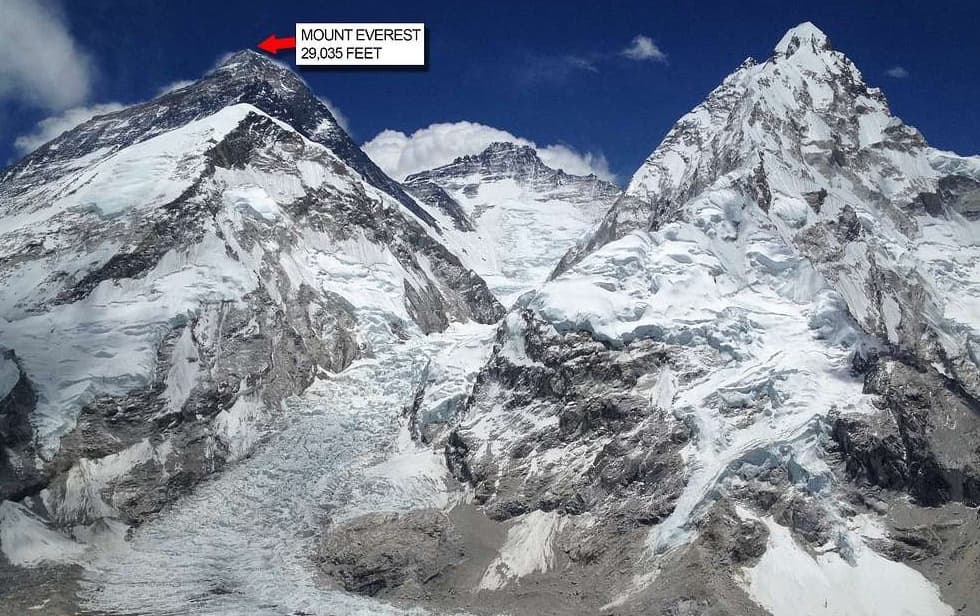
The cheapest way to complete the Everest Base Camp Trek refers to a budget-optimized trekking approach in Nepal that typically costs around $800–$1,200 USD when organized independently using local services, off-season timing, and cost-efficient travel decisions. The route spans from Lukla to Everest Base Camp at 5,380m and passes through the Khumbu region, where expenses are heavily influenced by flights from Kathmandu, teahouse accommodation, food pricing at altitude, and mandatory permits. Significant savings come from booking directly with Nepali agencies, renting trekking gear in Kathmandu, choosing lower-cost teahouses, and trekking during off-peak months when demand and pricing drop across the entire trail.
Cost reduction on the Everest Base Camp route depends on managing every major expense category, including Lukla flight strategies, guide and porter hiring methods, local transportation alternatives, and daily food and accommodation choices along the trail. Additional budget factors such as permits, insurance, gear rental, and hidden costs like charging, WiFi, and hot showers also shape the final expenditure. This guide systematically breaks down each component of the EBC budget and highlights practical methods to minimize costs while maintaining safety, acclimatization quality, and overall trekking efficiency in the Himalayas.
What Makes the Everest Base Camp Trek Expensive?
The Everest Base Camp Trek becomes expensive due to 5 primary cost drivers: international flights to Kathmandu, domestic flights to Lukla, trekking permits, accommodation and food in the Khumbu region, and guide or porter fees, each compounding the total if not individually managed.
The Khumbu region operates at high altitude, which means all food, fuel, and supplies are carried in by porter or flown in by helicopter. This "last-mile logistics premium" inflates every price on the route by 30–150% above Kathmandu prices. A simple meal of dal bhat costs NPR 400–600 (~$3–$4.50 USD) in Namche Bazaar compared to NPR 150–200 in Kathmandu.
The 4 cost categories that catch most trekkers off-guard are:
Gear purchases made at home before departure (often unnecessary, most can be rented)
International trekking packages marked up 200–300% above local market rates
Seasonal pricing during October and November peak season, when teahouse prices rise 20–30%
Helicopter evacuation insurance misunderstood as optional rather than essential
What most people overlook: the Everest region has no road access. Every dollar saved on logistics directly reduces total trek cost. The single biggest variable in any EBC budget is not the permits or accommodation, it is the method of reaching Lukla.
When Is The Cheapest Time To Trek The Everest Base Camp Trek?
The cheapest months to trek Everest Base Camp are December, January, February, June, July, and August, Nepal's off-season periods, when teahouse rates drop by 20–35%, flight availability to Lukla increases, and trekking agency package prices fall 15–25% below peak-season rates. Nepal's trekking demand keeps climbing, international visitor arrivals rose 15.7% year-on-year in January 2026, according to the Nepal Tourism Board's official Tourism Insights bulletin which helps explain why teahouse rates and Lukla flight prices keep climbing during Nepal's traditional September-November and March-May peaks.
Nepal's trekking calendar divides into 2 peak seasons, spring (March–May) and autumn (September–November), and 2 shoulder/off seasons. The price difference between peak and off-season is measurable across every cost category.
The table below shows average teahouse room costs by season in 2026:
Season | Months | Avg. Room Cost/Night (USD) | Relative Demand |
Peak Autumn | Sep–Nov | $6–$12 | Very High |
Peak Spring | Mar–May | $5–$10 | High |
Off-Season Winter | Dec–Feb | $3–$6 | Low |
Monsoon | Jun–Aug | $3–$5 | Very Low |
December through February brings cold temperatures but clear skies above 3,500m. The trails are quiet, teahouses offer discounts to fill rooms, and permit queues disappear. For a full comparison of weather windows, visibility, and trail conditions across all months, see our dedicated guide on the best time for EBC trek. Monsoon trekking in June–August carries cloud cover and leeches below Namche Bazaar, but the Khumbu Valley above sits in a rain shadow, conditions remain manageable and accommodation drops to the lowest annual rates.
The practical implication: a trekker choosing January over October saves approximately $150–$300 USD on accommodation alone across a standard 14-day itinerary.
How Can You Reduce Flight Costs To Lukla Airport?
Flight costs to Lukla Airport drop significantly when trekkers book Kathmandu-to-Lukla tickets directly through Nepali airlines such as Tara Air or Summit Air, avoid international booking platforms, and travel on weekday departures, cutting ticket prices from $350–$500 (round-trip) down to $180–$250 USD.
Lukla (Tenzing-Hillary Airport) is the standard entry point to the Khumbu region. Round-trip flights from Kathmandu cost $180–$250 USD when booked through local Nepali travel agents or directly via airline offices in Thamel, Kathmandu.
3 proven strategies reduce Lukla flight costs:
Book directly at the airline counter in Thamel or at Tribhuvan International Airport, local rates are 30–40% cheaper than rates quoted on international booking platforms
Use the Ramechhap (Manthali Airport) departure option: during peak season, many flights depart from Ramechhap (4–5 hours east of Kathmandu by bus), and these tickets cost $80–$120 USD less than Kathmandu departures
Trek in, fly out (or vice versa): the Jiri to Everest Base Camp route eliminates one flight leg entirely; trekkers take a bus from Kathmandu to Salleri or Jiri for NPR 600–900 (~$4.50–$7 USD) and begin trekking from there, adding 7–10 days but saving $100–$130 USD
What most trekkers miss: Ramechhap departures require an early morning bus from Kathmandu (3:00–4:00 AM departure), but the combined bus-plus-flight cost comes in at $60–$90 USD versus $180–$250 for a Kathmandu departure during October–November peak season. Nepal's domestic aviation routes shift each season, so reviewing the latest Lukla flight schedule changes before booking is an essential final step.
Can You Save Money By Choosing Local Transportation In Nepal?
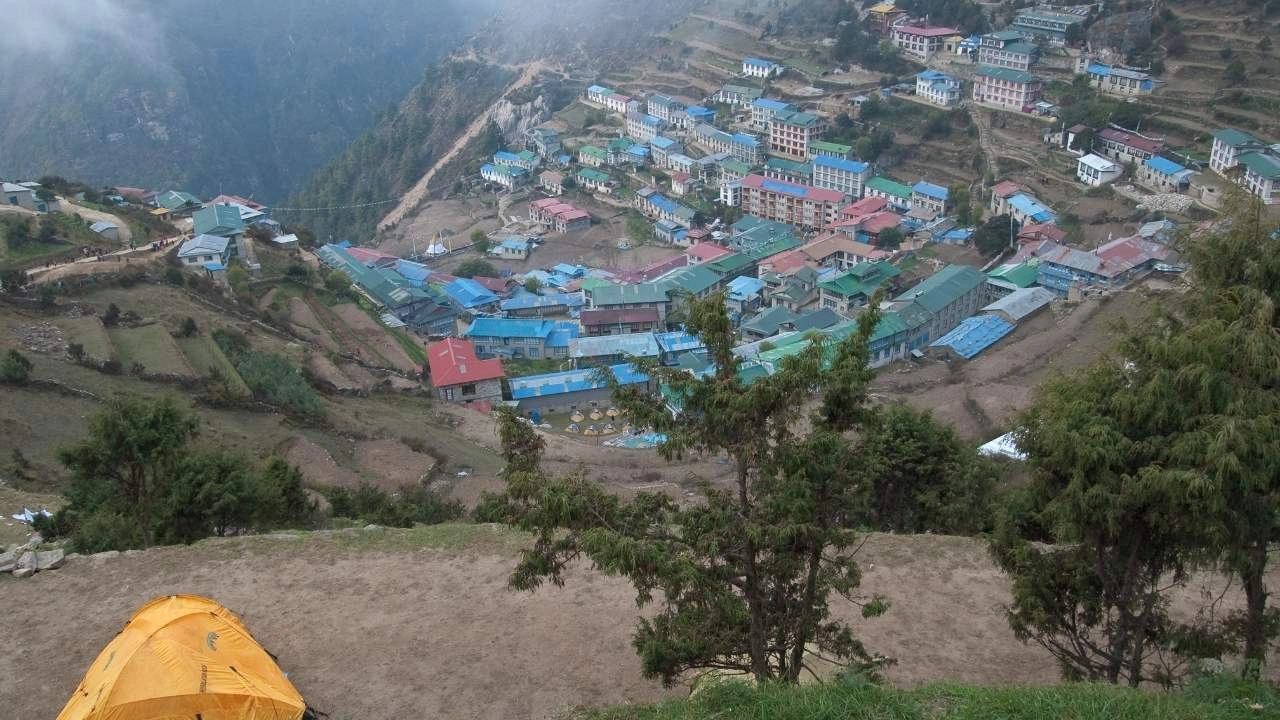
Local transportation within Nepal, including tourist buses, local buses, and shared jeeps, reduces Kathmandu arrival-to-departure costs by $80–$200 USD compared to private taxis and airport transfers, with the Kathmandu-to-Ramechhap bus route costing NPR 500–800 (~$3.75–$6 USD) versus NPR 8,000–12,000 ($60–$90 USD) for a private vehicle.
Transportation within Nepal offers 3 tiers of cost:
Local government buses: cheapest option, NPR 300–600 per route, slower and less comfortable
Tourist buses: comfortable, NPR 600–1,200, recommended for longer routes
Private taxis and jeeps: convenient, NPR 3,000–15,000 depending on distance
For EBC trekkers, the relevant transportation decisions occur at 4 points: airport transfer in Kathmandu, Kathmandu-to-Ramechhap (if using Manthali Airport), Lukla-to-trek start on foot, and return journey. Using tourist buses on the Kathmandu-to-Ramechhap sector instead of private jeeps saves NPR 7,000–11,000 ($52–$82 USD) per person.
The Jiri trek alternative replaces Lukla flight costs entirely. The Kathmandu-to-Jiri bus fare runs NPR 600–900 ($4.50–$7 USD). Combined with the 7-day walk to Namche Bazaar, this route adds trekking days but eliminates one of the largest single expenses on the EBC budget.
What Is The Cheapest Accommodation Along The Everest Base Camp Route?
The cheapest accommodation on the Everest Base Camp route consists of basic teahouse rooms priced at $3–$6 USD per night during off-season, with free or near-free rooms offered by teahouses that require guests to eat all meals at their establishment, a standard practice throughout the Khumbu region.
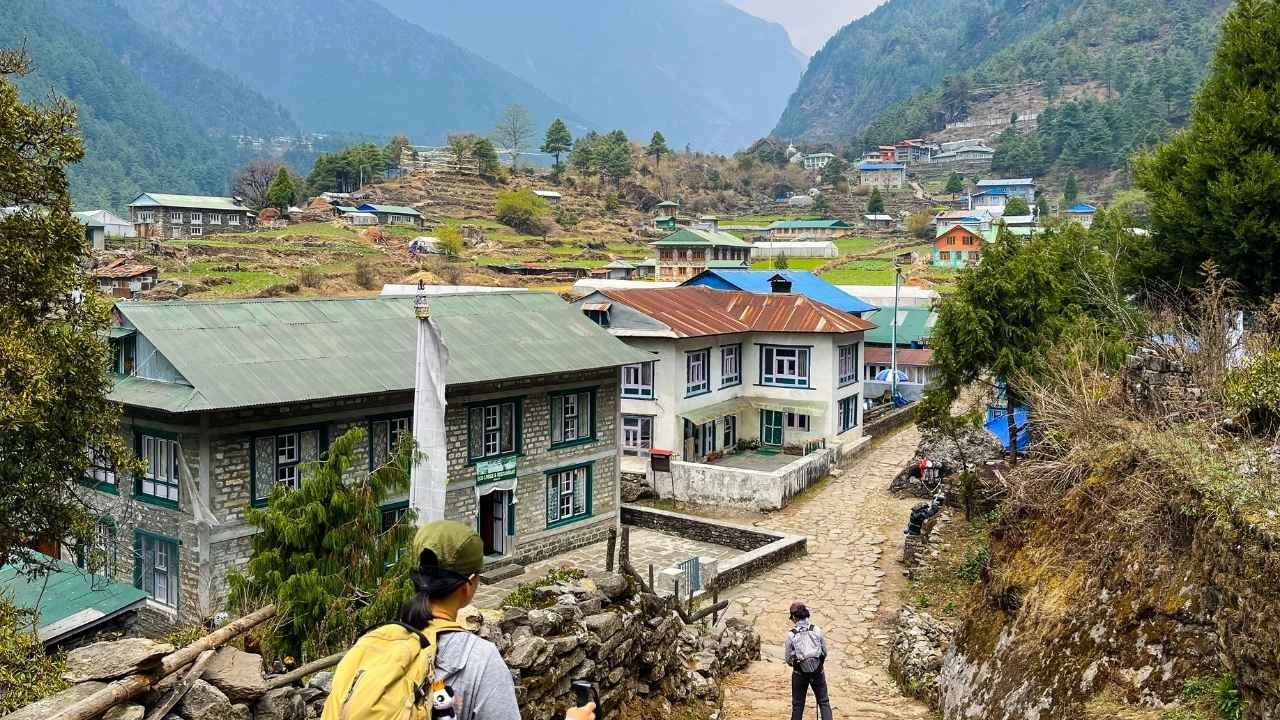
Teahouses (mountain guesthouses) line the entire EBC route from Lukla (2,860m) to Gorakshep (5,164m). Room quality and price both escalate with altitude, but the fundamental structure stays consistent: a small room with 2 single beds, shared bathroom, and minimal insulation.
The room-with-meals arrangement is the most misunderstood cost dynamic on the route. Many teahouses offer free or NPR 200–300 rooms on the condition that guests take breakfast and dinner at that teahouse. The meals themselves cost NPR 400–900 ($3–$7 USD) each. Trekkers who understand this dynamic and commit to eating at their teahouse access the cheapest possible accommodation without paying for separate lodging.
3 accommodation cost benchmarks along the route in 2026:
Location | Altitude | Off-Season Room/Night | Peak-Season Room/Night |
Phakding | 2,610m | $2–$4 | $5–$8 |
Namche Bazaar | 3,440m | $4–$7 | $8–$15 |
Dingboche | 4,410m | $3–$6 | $7–$12 |
Gorakshep | 5,164m | $5–$10 | $12–$20 |
Camping is theoretically cheaper but logistically impractical on the EBC route. Teahouses dominate the landscape, camping adds porter loads for tent and sleeping equipment, and the cost difference rarely justifies the added complexity.
How Does Food Cost Impact Your Budget On The Trek?
Food on the Everest Base Camp trek costs $15–$30 USD per day per person, depending on altitude, season, and meal choices, with dal bhat (lentil rice) being the single most cost-effective meal at $4–$6 USD and providing unlimited refills at most teahouses along the route.
Food prices on the EBC route increase by approximately NPR 100–200 per dish for every 1,000m of altitude gain above Lukla. The closer you are to Everest Base Camp, the more every calorie costs due to supply chain constraints.
The 3 most cost-effective food strategies on the EBC trek are:
Order dal bhat at every dinner: the "dal bhat power, 24 hour" rule is real; this traditional Nepali meal includes unlimited rice, lentil soup, vegetables, and pickle, and most teahouses refill it at no extra charge
Carry snacks from Kathmandu or Namche Bazaar: energy bars, nuts, and chocolate cost 40–60% less in Kathmandu and Namche compared to higher-altitude stops like Dingboche or Lobuche
Avoid imported Western food options: pasta, pizza, and burgers on the trail cost $8–$15 USD per dish versus $4–$6 for local Nepali meals
A daily food budget of $15 USD is achievable with disciplined meal choices. $20–$25 USD per day provides comfortable variety. Budgets above $30/day reflect frequent Western-food choices, multiple hot drinks per day, and snack purchases from teahouse shops.
Hot drinks are a significant hidden food cost. A cup of tea costs NPR 150–400 ($1.10–$3 USD) depending on altitude. Over a 14-day trek with 3 hot drinks per day, this adds $46–$126 USD to the food budget.
Is It Cheaper To Go Solo Or With A Guide?
Trekking Everest Base Camp completely solo without a guide is no longer legally permitted for foreign nationals in 2026 under Nepal's strictly enforced 'No Guide, No Trek' mandate. All foreign hikers must be accompanied by a government-licensed guide registered through an authorized agency, a requirement confirmed in the U.S. Embassy Nepal's official alert on the mandatory guide requirement, issued jointly with Nepal's Ministry of Culture, Tourism and Civil Aviation. The most cost-effective legal approach is trekking independently with a directly hired local guide, bringing the baseline budget to around $1,100–$1,400 USD.
Since 2023, Nepal's government has officially required all foreign trekkers in the Everest region to hire a licensed guide or trek through a registered trekking agency. This regulation, enforced at Monjo (the Sagarmatha National Park entry checkpoint), eliminates the purely solo option for most foreign nationals.
The practical cost comparison:
Approach | Estimated 14-Day Cost (USD) |
Independent Hiker + Private Guide | $1,100 – $1,400 |
Local Agency Package (Guide & Porter) | $1,300 – $1,800 |
International package (guide included) | $2,800–$5,000 |
The most cost-effective legal arrangement for most trekkers in 2026 is hiring a local Nepali guide directly in Kathmandu or Lukla, rather than booking through an international agency. For a full breakdown of every expense category from flights to permits, our dedicated page on Everest Base Camp trek cost covers the complete picture. A locally hired licensed guide charges $25–$35 USD per day, compared to $60–$100+ per day when bundled inside a Western tour operator package.
Common mistake: many trekkers assume that hiring a guide removes their ability to control pace or itinerary. In practice, most local guides adapt fully to trekker preferences, acclimatization needs, and daily schedules.
Do Permits Increase The Total Cost Of The Everest Base Camp Trek?
Permits add a fixed $44–$46 USD to the Everest Base Camp trek budget in 2026, comprising the Sagarmatha National Park Permit (~$22 USD / NPR 3,000) and the Khumbu Pasang Lhamu Rural Municipality Permit (~$22 USD / NPR 3,000). The traditional TIMS card has been completely discontinued in the Everest region and is no longer required or checked at trail checkpoints.
Permit costs on the EBC route are non-negotiable and government-fixed, confirmed at NPR 3,000 for foreign visitors by the Sagarmatha National Park visitor fact sheet (Department of National Parks and Wildlife Conservation) which also notes that 30-50% of this fee is reinvested directly into Khumbu Buffer Zone community and conservation programs.
The 2 permits required for EBC in 2026:
Sagarmatha National Park Entry Permit: NPR 3,000 for foreigners, NPR 1,500 for SAARC nationals, and NPR 100 for Nepali citizens; arrange it in Kathmandu before the trek, and expect it to be checked at Jorsale rather than purchased there.
Khumbu Pasang Lhamu Rural Municipality Permit: NPR 3,000 (~$22 USD); collected directly at checkpoints in Lukla or Monjo to fund local community infrastructure and regional trail maintenance
Total permit cost: NPR 6000 for most foreign trekkers. SAARC nationals (India, Pakistan, Bangladesh, Sri Lanka, Bhutan, Maldives) pay approximately 25–30% less on the national park permit.
Permit acquisition efficiency matters. Purchasing the Sagarmatha permit in Kathmandu at the NTB office (Bhrikutimandap) saves time versus purchasing at Monjo, where queues during peak season run 60–120 minutes.
What Gear Can You Rent Instead Of Buying?
Trekkers rent 7 essential gear items in Kathmandu's Thamel district instead of purchasing, down jacket, sleeping bag, trekking poles, crampons, duffel bag, gaiters, and altitude boots, at combined costs of $2–$5 USD per item per day, saving $400–$800 USD over purchasing equivalent gear new.
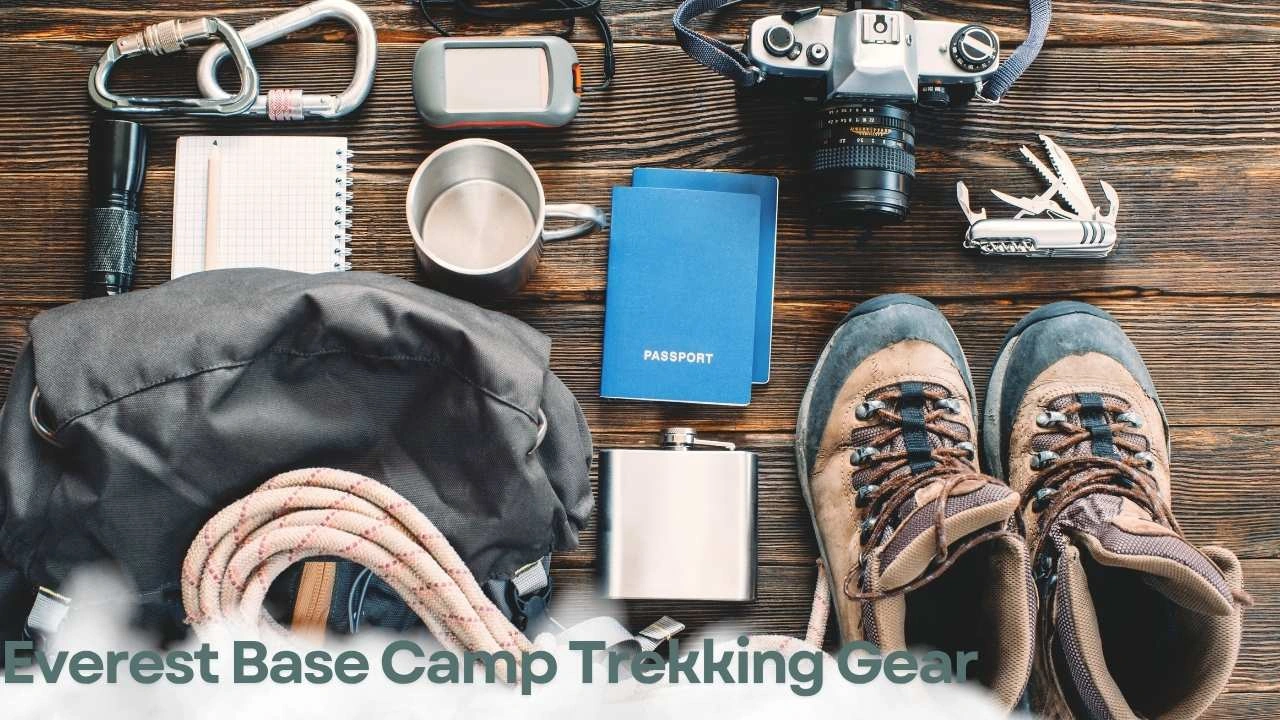
Gear purchasing is one of the most over-spent categories for first-time EBC trekkers. The Thamel district in Kathmandu operates a well-developed gear rental market with both genuine brands and high-quality Nepali duplicates available.
Rental cost comparison for a 14-day trek:
Gear Item | Rental Cost (14 days) | Purchase Cost (New) | Savings |
Down jacket (-20°C rated) | $30–$45 | $180–$350 | $150–$305 |
Sleeping bag (-15°C rated) | $28–$42 | $120–$250 | $92–$208 |
Trekking poles (pair) | $14–$21 | $40–$120 | $26–$99 |
Crampons | $10–$18 | $35–$80 | $25–$62 |
Duffel bag (60–80L) | $7–$14 | $30–$80 | $23–$66 |
The 3 items most worth purchasing rather than renting: trekking boots (rental boots carry hygiene risks and poor fit increases blister and injury probability), base layers (personal hygiene), and headlamp (reliability and battery trust for overnight emergencies).
Gear quality inspection matters before any rental agreement. Examine zipper integrity on down jackets, temperature rating labels on sleeping bags, and basket security on trekking poles. Reputable rental shops in Thamel include those on Jyatha Marg and Chaksibari Marg streets.
How Do Teahouse Choices Affect Your Trekking Budget?
Teahouse selection directly controls 40–55% of the total daily EBC trekking budget through the room-meal obligation system, choosing teahouses that include free accommodation with meal purchases reduces nightly costs to $0–$3 USD for lodging while keeping meal quality comparable across most operators on the route.
Not all teahouses are equal in their pricing structures. The Khumbu region has 3 distinct teahouse tiers in 2026:
Basic family-run teahouses: free or NPR 200–400 rooms when 2 meals are purchased; simple menus, shared squat toilets, no hot shower
Mid-range lodges: NPR 500–1,000/night rooms, attached bathrooms, diverse menus, occasional hot shower (NPR 300–600 extra)
Premium lodges: NPR 1,500–3,000+/night, en-suite bathrooms, WiFi, charging stations included in room rate, Western food menus
The free-room-with-meals model deployed by basic teahouses represents the most budget-efficient accommodation strategy on the route. Trekkers who commit to this approach pay only for food, typically $8–$15 per day for 2 meals, while lodging cost disappears from the budget.
The hidden cost of premium lodges: WiFi and charging are frequently priced separately (NPR 500–700 for WiFi, NPR 300–500 per device for charging) even at expensive lodges that appear to include these services. At basic teahouses, phone charging costs NPR 200–400 per charge regardless.
Villages with the most competitive teahouse pricing due to density of options: Phakding, Namche Bazaar, Dingboche, and Lobuche. Villages with fewer options and higher prices: Tengboche, Pheriche, and Gorakshep.
What Budget Itinerary Works Best For A Cheap Everest Base Camp Trek?
The most cost-effective EBC itinerary runs 14–16 days, departs from Lukla, follows the standard Khumbu Valley route with 2 acclimatization days in Namche Bazaar, and returns to Lukla via the same trail, keeping total trekking costs (excluding flights) at $400–$600 USD for a budget-focused traveler in 2026.
The standard 14-day budget itinerary structure:
Day | Route | Altitude | Approx. Daily Cost (USD) |
1 | Lukla → Phakding | 2,610m | $10–$15 |
2 | Phakding → Namche Bazaar | 3,440m | $12–$18 |
3–4 | Acclimatization in Namche | 3,440m | $15–$22/day |
5 | Namche → Tengboche | 3,860m | $12–$18 |
6 | Tengboche → Dingboche | 4,410m | $14–$20 |
7–8 | Acclimatization in Dingboche | 4,410m | $15–$22/day |
9 | Dingboche → Lobuche | 4,940m | $16–$24 |
10 | Lobuche → Gorakshep → EBC → Gorakshep | 5,380m | $20–$30 |
11 | Gorakshep → Kala Patthar → Pheriche | 5,545m | $18–$26 |
12 | Pheriche → Namche | 3,440m | $12–$18 |
13 | Namche → Lukla | 2,860m | $10–$14 |
14 | Lukla flight back | — | Flight cost |
Total trekking cost (accommodation + food, no guide): $420–$580 USD for 13 nights. Adding a local guide at $30/day for 13 days adds $390, bringing the total to $810–$970 USD before flights and permits.
The 2-day acclimatization stop in Namche is essential for safety, not optional. Following a proven EBC acclimatization schedule ensures the body adapts safely to altitude gain; cutting corners here is the single most expensive mistake a budget trekker can make. Trekkers who skip Namche acclimatization face a statistically higher probability of altitude sickness above 4,000m, which triggers helicopter evacuation costs starting at $3,000–$5,000 USD.
How Can You Save Money On Guides And Porters?
Hiring guides and porters directly in Lukla or Namche Bazaar reduces guide costs to $20–$30 USD/day and porter costs to $18–$25 USD/day, compared to $40–$60/day for guides and $30–$45/day for porters arranged through Kathmandu-based international agencies.
The guide and porter hiring market in Nepal operates at 2 price levels: the Kathmandu agency market and the direct Khumbu market. Direct hiring in Lukla or Namche delivers the same licensed guides and experienced porters at 30–50% lower cost.
4 considerations when hiring guides and porters directly:
Verify guide licensing, ask to see the Nepal Tourism Board (NTB) trekking guide license; licensed guides carry ID cards with license numbers
Confirm porter load limits, ethical porter loads run 20–25kg maximum; exceeding this is both exploitative and illegal under Nepal's porter protection guidelines
Include meals and accommodation in the agreement, clarify upfront whether guide and porter daily rates include their own food and lodging (standard practice) or whether you cover these separately
Agree on rest days and return policy, define the day-rate structure for acclimatization days, weather delays, and early return scenarios
A single porter handles one trekker's pack (up to 20kg) at $18–$25/day. Groups of 2–4 trekkers sharing one porter each reduce per-person porter costs to $9–$12.50/day. Porter-guide roles, where one individual performs both functions for solo trekkers, cost $30–$40/day and represent the best value option for solo travelers.
What Are The Hidden Costs Of The Everest Base Camp Trek?
The 8 most common hidden costs on the Everest Base Camp trek total $150–$400 USD and include: battery charging fees, WiFi charges, hot shower fees, bottled water expenses, altitude sickness medication, excess baggage on Lukla flights, tip culture obligations, and Kathmandu accommodation before and after the trek.
These costs appear rarely in standard EBC budget breakdowns but materially affect final totals.
The 8 hidden costs with 2026 estimates:
Battery charging: NPR 200–500 ($1.50–$3.75) per device per charge; $20–$50 total over 14 days
WiFi access: NPR 300–700 ($2.25–$5.25) per session; $30–$70 total
Hot showers: NPR 300–600 ($2.25–$4.50) per shower; $15–$45 total
Bottled water vs. purification tablets: bottled water costs NPR 200–500 at altitude; purification tablets or a SteriPen filter system eliminates this cost above NPR 150 investment upfront
Altitude sickness medication (Diamox): acetazolamide costs $10–$30 USD for a 14-day supply; purchase in Kathmandu, not on the trail
Excess baggage on Lukla flights: each airline allows 10–15kg; charges of $2–$4 per kg apply above the limit
Tips for guide and porter: standard practice is NPR 1,000–2,000 ($7.50–$15) per trekking day shared between guide and porter; $100–$200 total for a 14-day trek
Kathmandu accommodation and food: 2–3 days pre-trek and 1–2 days post-trek adds $30–$100 depending on guesthouse quality
Water purification is the single highest-ROI hidden cost intervention. A $25 USD SteriPen or $8 pack of purification tablets eliminates $60–$120 in bottled water expenses over the route while also reducing plastic waste, a growing concern in the Sagarmatha National Park.
How Does Insurance Affect Your Trekking Budget?
Trekking insurance for Everest Base Camp costs $80–$200 USD for a 3–4 week policy that covers helicopter evacuation up to 6,000m, medical expenses, trip cancellation, and baggage loss, making it one of the cheapest per-day expenses on the trek but one of the most financially critical given helicopter evacuation costs of $3,000–$5,000 USD.
Insurance is the one EBC cost category where cutting corners produces catastrophic risk, a point underscored by the Himalayan Rescue Association Nepal's official rescue brochure which operates a staffed high-altitude medical post directly on the route at Pheriche (4,240m) and advises every trekker to register with their embassy and confirm helicopter-evacuation coverage before departure. A helicopter evacuation from Kala Patthar (5,545m) to Kathmandu costs $3,000–$5,000 USD uninsured. Rescue operations from above Base Camp escalate to $8,000–$15,000 USD.
3 insurance policy types relevant to EBC trekkers:
Travel + trekking insurance with helicopter rescue coverage: covers altitude evacuations, medical costs, trip cancellation; costs $80–$200 for a 3–4 week Nepal trip; providers include World Nomads, True Traveller, and Tata AIG Nepal
Nepal-specific rescue insurance via Himalayan Rescue Association: covers rescue coordination in Nepal; supplement to, not replacement for, standard travel insurance
Credit card travel insurance: some premium credit cards include travel coverage but frequently exclude high-altitude trekking above 4,000–5,000m, verify exclusions explicitly before relying on this option
The key policy term to verify: altitude ceiling for helicopter evacuation. Policies with 4,000m ceiling exclude most of the EBC route. Ensure coverage explicitly states 6,000m or higher. Sagarmatha National Park sits at 5,380m at Base Camp; Kala Patthar reaches 5,545m.
Insurance purchased from a Nepali provider in Kathmandu often costs 20–30% less than equivalent international policies. Local providers like Nepal Insurance Company and Shikhar Insurance offer localized medical policies in Kathmandu, though the vast majority of international trekkers use global specialty providers like World Nomads or True Traveller to guarantee seamless emergency high-altitude helicopter evacuation coverage up to 6,000m.
How Can Group Trekking Reduce Overall Costs?
Group trekking with 4–6 people reduces per-person costs by $200–$450 USD compared to solo arrangements by distributing guide fees, porter loads, and shared transport costs, with groups of 4 typically reaching the lowest cost-per-person threshold before group discounts plateau.
Group economics on the EBC trek work at 3 levels:
Guide cost sharing: one licensed guide leads the entire group regardless of size; at $25–$35/day, a group of 4 pays $6.25–$8.75/person/day versus $25–$35/day solo
Porter cost sharing: each porter carries 20–25kg; 2 trekkers sharing one porter halve porter costs per person
Agency package discounts: local agencies reduce group package rates by 10–20% for groups of 4+ trekkers
The optimal group size for cost efficiency is 4 trekkers. Groups below 4 still benefit from guide sharing but carry higher porter costs per person. Groups above 6 may require a second guide, which increases total costs without proportional savings.
Common mistake: groups organized through different international agencies pay separately for guides, porters, and transportation even when trekking together. Groups that coordinate locally, hiring guides and porters as one unit before the trek, access true group pricing.
Group teahouse discounts apply at some lodges when booking 4+ rooms simultaneously. Negotiating a group meal rate (fixed menu, fixed price) with teahouse owners at each stop reduces food cost variability and saves NPR 100–200 per person per meal versus à la carte ordering.
How Should You Plan The Cheapest Everest Base Camp Trek With Local Support?
Planning the cheapest Everest Base Camp trek with local support requires 6 sequential steps: book flights to Kathmandu independently, hire a local Nepali trekking agency in Thamel, rent gear in Thamel before departure, obtain permits at NTB Bhrikutimandap, arrange Lukla flights through the agency, and hire guide and porter directly in Lukla, compressing overhead costs at every stage.
The planning sequence matters because each decision unlocks the next cost-saving option. Trekkers who lock international flights and packages first eliminate the flexibility needed to optimize local costs.
The 6-step planning sequence for the cheapest EBC trek in 2026:
Step 1: Book your international flight to Kathmandu independently. Use Google Flights, Skyscanner, or direct airline bookings. Target Tribhuvan International Airport (KTM). Average fares from major hubs: $600–$900 from Europe, $900–$1,300 from North America, $400–$700 from Southeast Asia.
Step 2: Arrange accommodation in Thamel, Kathmandu for 2–3 pre-trek nights. Budget guesthouses in Thamel cost $8–$20/night with breakfast. This buffer time allows gear rental, permit acquisition, and agency selection.
Step 3: Hire a local trekking agency in Thamel. Request a minimum package: Lukla flight booking + permit coordination + guide assignment. Full-service local packages cost $600–$1,200 for 14 days including guide, porter, permits, and Lukla flights. Avoid agencies quoting below $500 for this scope, corners are being cut.
Step 4: Rent all rentable gear in Thamel. Allocate 3–5 hours for gear rental shops on Jyatha Marg. Budget $60–$100 for the full rental kit for 14 days.
Step 5: Obtain permits at NTB Bhrikutimandap (New Road area, Kathmandu) before departure. Bring 2 passport photos and a passport photocopy. Total time: 30–60 minutes. Total cost: $50–$70 USD.
Step 6: Fly to Lukla on a weekday morning departure. Lukla flights depart 6:00–9:00 AM local time. Weather cancellations occur, build 1–2 buffer days into your Kathmandu departure date relative to any international flight home.
Can Local Trek Agencies Help Reduce Everest Base Camp Costs?
Local Nepali trek agencies in Kathmandu's Thamel district reduce EBC costs by 40–60% compared to international operators by eliminating multi-layer commissions, hiring local guides and porters at domestic market rates, and providing permit acquisition services without international markup, with reputable agencies offering 14-day EBC packages at $600–$1,200 USD including guide, porter, and Lukla flights.
Local agencies operate at cost structures that international operators cannot match. Working with vetted local trekking companies in Nepal puts trekkers directly in contact with ground operators who run the actual trip, cutting out the commission layers entirely. A Western trekking company selling an EBC package for $3,500 USD often pays a Kathmandu ground operator $1,200–$1,800 for actual services. The remainder covers marketing, international staff, insurance administration, and profit margin.
5 questions to ask any local Nepali trekking agency before booking:
Is the guide NTB-licensed?, request the guide's license number; verifiable through Nepal Tourism Board's database
Is the porter covered by insurance and paid above the minimum wage?, ethical operators pay porters NPR 1,200–1,800/day ($9–$13.50 USD); below this signals poor labor standards
What does the package price specifically include and exclude?, get itemized costs in writing; common exclusions include park permits, TIMS card, personal meals, and international flights
Does the agency hold Trekking Agencies' Association of Nepal (TAAN) membership?, TAAN membership signals regulatory compliance and accountability
Can they provide 3 recent client references?, direct feedback from past trekkers validates service quality
Booking 4–8 weeks in advance secures better guide availability and Lukla flight seats during shoulder seasons. Peak season bookings (September–November) warrant 2–3 months advance planning.
What Are The Key Takeaways About The Cheapest Everest Base Camp Trek?
The cheapest Everest Base Camp trek in 2026 costs $1,100–$1,600 USD total for an independent trekker using local services, covering international flights, Lukla flights, permits, rented gear, teahouse accommodation, local food, a locally hired guide and porter, and basic insurance, representing a 50–65% reduction versus international tour packages.
The 10 key cost reduction actions that deliver the highest savings:
Travel in off-season (December–February or June–August) to reduce teahouse and package costs by 20–35%
Book Lukla flights through a local Nepali agency or directly through Tara Air / Summit Air to save $80–$150 per round-trip
Use Ramechhap (Manthali) departures during peak season to save $80–$120 on Lukla flights
Hire a local Nepali guide directly, not through international operators, at $25–$35/day versus $60–$100/day bundled in packages
Rent gear in Thamel rather than purchasing before departure, saving $400–$800 on equipment
Eat dal bhat for dinner daily and carry snacks from Kathmandu to reduce daily food costs to $12–$18 USD
Use water purification tablets or a SteriPen to eliminate $60–$120 in bottled water expenses
Purchase insurance from a Nepali provider (Tata AIG Nepal or Nepal Insurance) at 20–30% below international policy rates
Trek in a group of 4 to distribute guide and porter costs across participants
Obtain all permits in Kathmandu before departure to avoid queue delays at Monjo
The Everest Base Camp trek remains one of the world's most accessible Himalayan treks when approached with local knowledge and direct booking practices. The mountain is the same regardless of how much the package costs. The trekker who plans carefully, hires locally, rents strategically, and travels off-season reaches the same Base Camp at 5,380m, for a fraction of the cost quoted by international operators.
Planning your EBC trek starts with one decision: hire local first, supplement with international services only where local options fall short. Every other cost-saving strategy follows from that foundation. When you're ready to take the next step, explore our full Everest Base Camp trek package to review the complete itinerary, inclusions, and pricing from a trusted local operator.