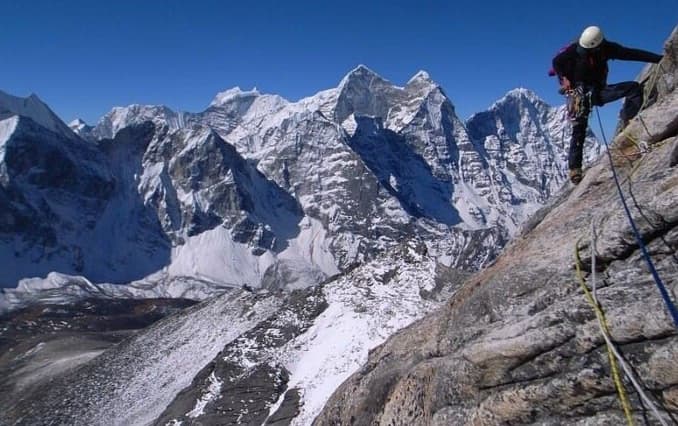
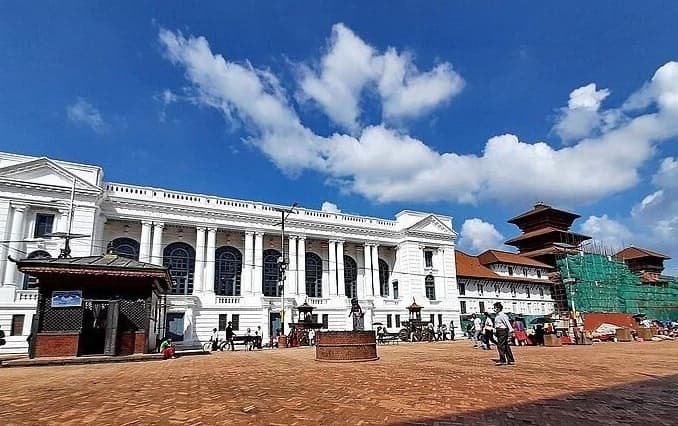
Nepal is the world's premier destination for hiking, trekking, and peak climbing, offering an unmatched combination of Himalayan landscapes, diverse trekking routes, technical climbing opportunities, rich mountain cultures, and protected natural areas. From gentle foothill hikes and classic teahouse treks to challenging high-altitude expeditions and Himalayan summit climbs, the country provides adventures for every experience level. Well-developed trekking infrastructure, experienced local guides, conservation-focused tourism, and an extensive network of trails make Nepal one of the most accessible and rewarding mountain destinations for travelers seeking both natural beauty and authentic cultural experiences.
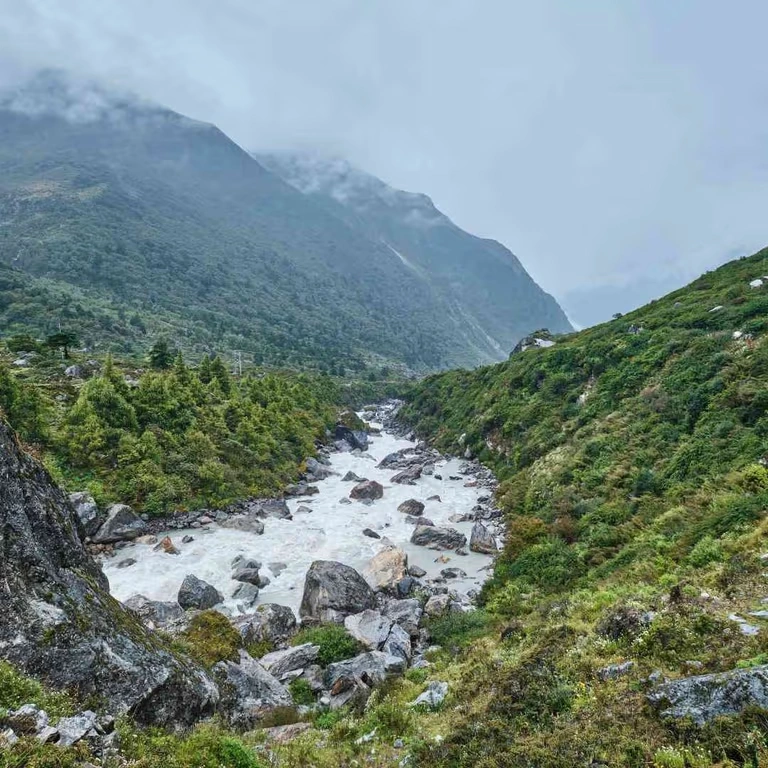
This guide explores everything that makes Nepal exceptional for mountain adventures, including its famous trekking regions, world-renowned hiking trails, trekking peaks, national parks, climbing opportunities, seasonal conditions, permit requirements, safety practices, wildlife, local communities, and sustainable tourism initiatives. Whether you are planning your first Himalayan hike, preparing for a multi-week trek, or aiming to climb a trekking peak above 6,000 meters, understanding Nepal's landscapes, regulations, and adventure options will help you choose the right experience and make the most of your journey in the Himalayas.
What Makes Nepal a World-Class Adventure Destination?
Nepal combines extreme elevation range, 20 protected natural areas, and four distinct adventure tiers (leisure hiking, moderate trekking, high-altitude trekking, and technical peak climbing) inside one country, a combination unavailable anywhere else on earth.
The Department of National Parks and Wildlife Conservation manages 12 national parks, 1 wildlife reserve, 1 hunting reserve, and 6 conservation areas, covering 23.39% of Nepal's total land area. That protected network underpins almost every trekking route in the country, which means trail access, permit revenue, and conservation funding all run through the same system.
Why Do Travelers Choose Nepal Over Other Mountain Destinations?
Travelers choose Nepal because it delivers the highest accessible peaks on the planet at a fraction of the cost of comparable expeditions elsewhere, with infrastructure (teahouses, airstrips, rescue services) built specifically around foot traffic.
A trekker can fly into Lukla, reach Everest Base Camp on foot within 8 days, and return to Kathmandu within two weeks total, without renting a vehicle or arranging a multi-country itinerary. The Andes and the Alps offer high-altitude trekking too, but neither region packs 8 peaks above 8,000 meters into a single, walkable corridor the way the Nepal Himalaya does.
What Makes Nepal Suitable for Every Experience Level?
Nepal organizes its adventure tourism into 4 experience tiers: leisure hikes (3 to 5 days), moderate treks (7 to 12 days), high-altitude treks (12 to 18 days), and technical peak climbs (6,000 meters and above).
A first-time hiker can complete the Poon Hill trek in 4 days without prior mountain experience. A seasoned trekker can step up to Everest Base Camp or the Annapurna Circuit. A climber with basic mountaineering skills can attempt Island Peak or Mera Peak. Each tier uses the same guide and permit infrastructure, so progression from one level to the next rarely requires switching trekking agencies or regions.
Why Is the Himalayan Landscape Ideal for Hiking and Trekking?
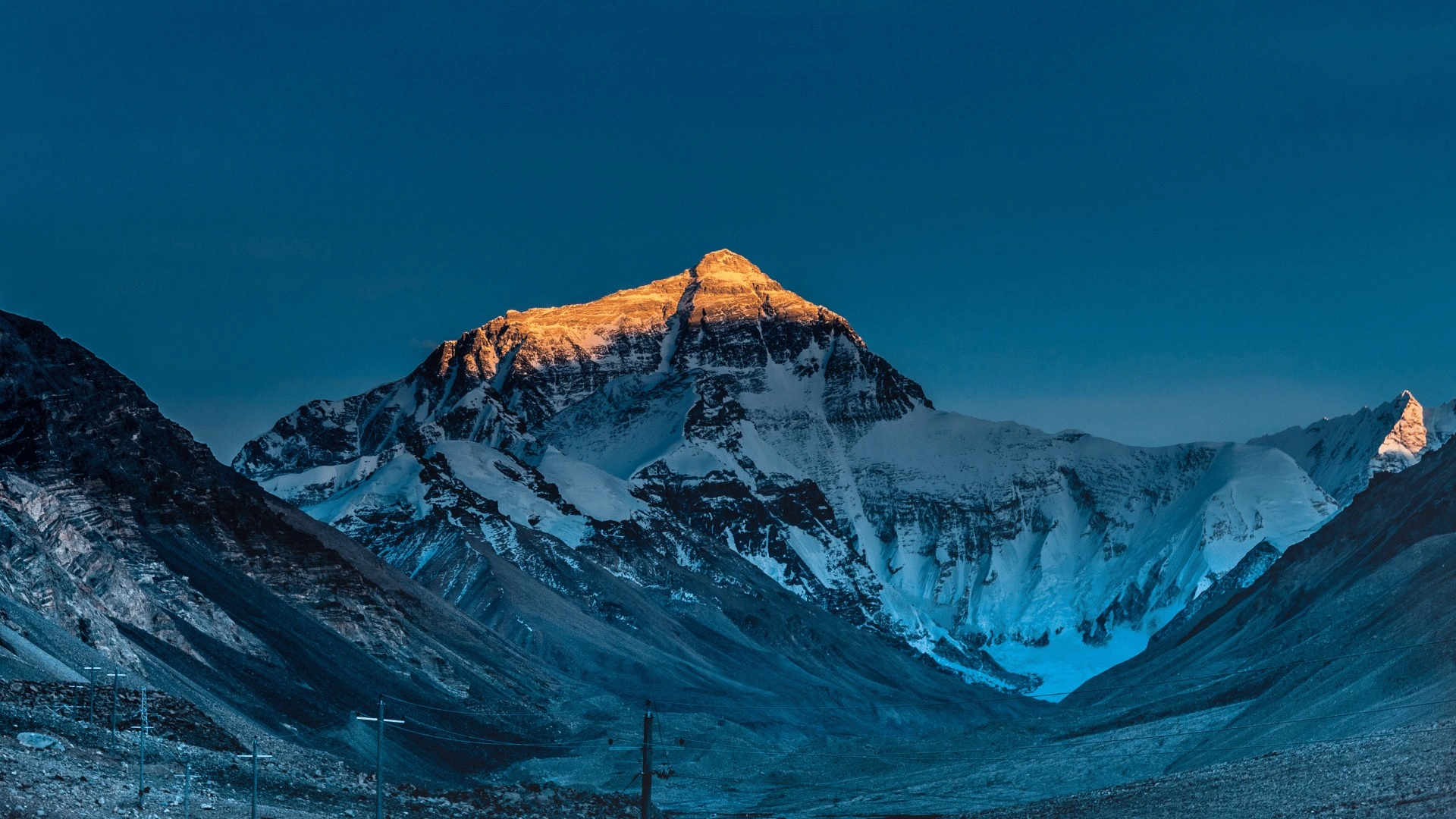
Nepal's terrain climbs from 60 meters above sea level in the southern Terai to 8,849 meters at the Everest summit within roughly 200 kilometers, producing 6 distinct climate and vegetation zones in a single trekking itinerary.
That vertical compression is the reason a single trek can pass through subtropical jungle, temperate pine forest, alpine meadow, and glacial moraine in the space of two weeks. Few trekking destinations offer that much ecological variation without requiring separate flights between regions.
How Do Nepal's Diverse Trails Appeal to Different Travelers?
Nepal's trail network spans gentle ridge walks near Pokhara, multi-week circuits through the Annapurna and Manaslu regions, and technical high passes above 5,000 meters, matching almost any fitness level or time budget.
Families and casual hikers gravitate toward short loops like the Australian Camp or Sarangkot ridge walk. Trekkers with 1 to 2 weeks favor Annapurna Base Camp or the Langtang Valley. Trekkers seeking a serious physical and altitude challenge choose the Three Passes route in the Everest region, which crosses Kongma La, Cho La, and Renjo La, each above 5,300 meters.
What Natural Scenery Can You Experience During a Trek?
A single trek through central or eastern Nepal typically passes through:
Rhododendron and oak forests below 3,000 meters, in bloom from March to April
Glacial rivers and suspension bridges crossing gorges in the mid-hills
Terraced farmland built into hillsides by Gurung and Magar communities
High alpine meadows and yak pastures above 3,500 meters
Glacial lakes such as Gokyo and Tilicho, the latter sitting above 4,900 meters
Close-range views of 8,000-meter peaks, often visible from teahouse windows
Which Famous Trekking Routes Make Nepal Unique?
Nepal's signature routes split into 3 categories: the Everest region, the Annapurna region, and a growing set of restricted or off-the-beaten-path circuits, each managed under a different permit and conservation system.
Why Is the Everest Region So Popular?
The Everest region draws trekkers because it leads directly to the base of the world's highest mountain through Sagarmatha National Park, a UNESCO World Heritage Site, on the classic Everest Base Camp Trek, a route most trekkers complete in 12 to 16 days.
Sagarmatha National Park charges foreign trekkers an entry permit fee of NPR 3,000 in 2026. The local Khumbu Pasang Lhamu Rural Municipality, which replaced the TIMS card requirement in this specific region, charges its own trail entry fee of NPR 3,000, raised from NPR 2,000 during 2025. Beyond Everest Base Camp itself, the region offers Gokyo Lakes, Kala Patthar's sunrise viewpoint at 5,545 meters, and the Three Passes circuit for trekkers who want a longer, more technical loop through the same valleys.
What Makes the Annapurna Region a Top Choice?
The Annapurna Conservation Area, Nepal's largest protected area at 7,629 square kilometers, offers the country's widest variety of trek lengths, from the 4-day Poon Hill loop to the 18-day Annapurna Circuit.
A foreign trekker pays NPR 3,000 for the Annapurna Conservation Area Permit in 2026. The region's appeal rests on its accessibility from Pokhara, its dense network of teahouses, and its combination of low-altitude rice terraces with high-altitude passes like Thorong La at 5,416 meters. Annapurna Base Camp adds a sanctuary-style finish, with the trail ending inside a natural amphitheater surrounded by Annapurna I, Hiunchuli, and Machhapuchhre. Trekkers with only 4 to 7 days available often choose the Mardi Himal Trek instead, a quieter ridge route that reaches 4,500 meters and delivers comparable Annapurna massif views with a fraction of the foot traffic.
Which Hidden Trekking Routes Offer Quieter Adventures?
Nepal's restricted and semi-restricted regions, including Upper Mustang, Manaslu, Nar Phu, and Kanchenjunga, see a fraction of the foot traffic of Everest or Annapurna while offering comparable scenery and culture.
Upper Mustang requires a special permit costing USD 500 for the first 10 days and USD 50 for each additional day, issued only through a registered trekking agency. The Mustang region recorded 161,122 foreign visitors in 2025, an 18.71% increase over 2024, signaling growing interest in the Upper Mustang Trek, a trans-Himalayan, rain-shadow landscape. Manaslu Circuit and Kanchenjunga Base Camp offer similar isolation, with both routes passing through conservation areas rather than national parks and requiring a licensed guide as part of the permit process.
Why Is Nepal One of the Best Countries for Peak Climbing?
Nepal hosts 27 trekking peaks managed by the Nepal Mountaineering Association (NMA) between 5,800 and 6,500 meters, plus the country's 8 mountains above 8,000 meters, covering both entry-level peak climbing and full-scale expedition mountaineering.
That range matters because it lets a climber build experience gradually. A trekker can summit a 6,000-meter peak one season and return for an 8,000-meter expedition once conditioning and technical skill catch up, without ever leaving Nepal's permit system.
What Is Peak Climbing and How Does It Differ from Mountaineering?
Peak climbing refers to ascents of NMA-designated peaks under 6,500 meters using simplified permits and shorter logistics, while mountaineering refers to expeditions on 7,000-meter-plus peaks like Everest, regulated directly by Nepal's Department of Tourism.
A peak climbing permit for a popular NMA peak costs USD 350 per climber in spring 2026 and USD 175 per climber in autumn, winter, and summer, plus a refundable USD 500 garbage deposit per team. A full Everest climbing permit, by comparison, costs USD 15,000 per foreign climber in 2026, up from USD 11,000 in prior years, and requires expedition operators to provide death repatriation insurance with a minimum coverage of NPR 5 million for their high-altitude workers. The difference in cost and complexity reflects the difference in objective risk, logistics, and required experience between the two categories.
Which Trekking Peaks Are Most Popular in Nepal?
The most frequently climbed NMA trekking peaks include:
Island Peak (Imja Tse), 6,189 meters, in the Everest region
Mera Peak, 6,476 meters, Nepal's highest trekking peak
Lobuche East, 6,119 meters, a technical step up from Island Peak
Pisang Peak, 6,091 meters, in the Annapurna region near the Nar Phu valley
Yala Peak, 5,500 meters, in Langtang, currently exempt from royalty fees
Island Peak climbing and Mera Peak see the highest volume of climbers because both can be combined with an existing Everest region trek, letting climbers add a summit without arranging a separate expedition. The table below compares height and 2026 NMA permit fees for the most climbed trekking peaks, showing how season changes the cost more than the peak itself does.
Trekking Peak | Height | Spring Fee (per climber) | Autumn/Winter/Summer Fee |
Mera Peak | 6,476 m | USD 350 | USD 175 |
Island Peak | 6,189 m | USD 350 | USD 175 |
Lobuche East | 6,119 m | USD 350 | USD 175 |
Pisang Peak | 6,091 m | USD 350 | USD 175 |
Yala Peak | 5,500 m | Royalty-free | Royalty-free |
Every fee above sits on top of a refundable USD 500 garbage deposit per team, charged once regardless of how many climbers join the permit.
What Skills and Preparation Are Needed for Peak Climbing?
Peak climbing requires basic mountaineering skills (crampon use, ice axe technique, and fixed-rope ascent with a jumar), prior trekking experience above 5,000 meters, and 8 to 12 weeks of dedicated cardiovascular and strength training before departure.
Most NMA trekking peaks involve a glacier crossing and a fixed-rope summit push, which means climbers train on technical terrain before arriving in Nepal, then refine those skills during a short on-site training day with their NMA-certified guide. Climbers without prior high-altitude experience typically pair a peak climb with an acclimatization trek of 7 to 10 days beforehand, rather than flying directly to base camp.
How Does Nepal Offer Adventures for Every Budget?
Nepal accommodates trekking budgets from roughly USD 25 to USD 40 per day for a standard teahouse trek up to USD 15,000 and beyond for an 8,000-meter expedition, covering every tier between those extremes.
That range exists because Nepal's cost structure separates clearly into permits, guide and porter fees, accommodation, and logistics, letting travelers scale each component independently rather than paying a single fixed package rate.
What Types of Trekking Packages Are Available?
Trekking packages in Nepal generally fall into 3 categories:
Budget teahouse treks, using shared lodges and set meals, suited to popular routes like Everest Base Camp and Annapurna Base Camp
Standard guided treks, adding a private guide, porter, and pre-arranged transport, the most common format for first-time visitors
Premium and luxury treks, using upgraded lodges or private camps with attached bathrooms, hot showers, and enhanced meal service on the same trails
Each tier uses the identical trail and permit system; the difference lies entirely in accommodation standard and staff ratio, not in route access. The table below breaks down the daily cost components that make up a standard guided trek, separate from one-time permit fees.
Cost Component | Typical Daily Range |
Licensed English-speaking guide | USD 30 to USD 40 |
Porter | USD 20 to USD 25 |
Teahouse lodging | USD 5 to USD 10 |
Meals (3 per day) | USD 15 to USD 20 |
Wi-Fi and charging | USD 5 to USD 10 |
Permits, flights to trailheads like Lukla, and equipment rental sit outside this daily range and get paid once per trip rather than once per day.
How Can Independent and Guided Treks Compare?
Independent trekking without a licensed guide is no longer permitted on most major Nepal trekking routes, following a rule introduced by the Trekking Agencies' Association of Nepal and the Nepal Tourism Board in 2023 that made registered guides mandatory.
A trekker found on a designated trail without a permit or guide faces an on-the-spot fine equivalent to roughly USD 120. As of March 23, 2026, restricted-area permits no longer require a minimum group size of two people, which means solo travelers can now obtain these permits as individuals, provided they still book through a registered trekking agency and travel with a licensed guide. The practical effect is that "independent trekking" in Nepal today means traveling without a large group, not traveling without professional support.
When Is the Best Time to Visit Nepal for Hiking, Trekking, and Peak Climbing?
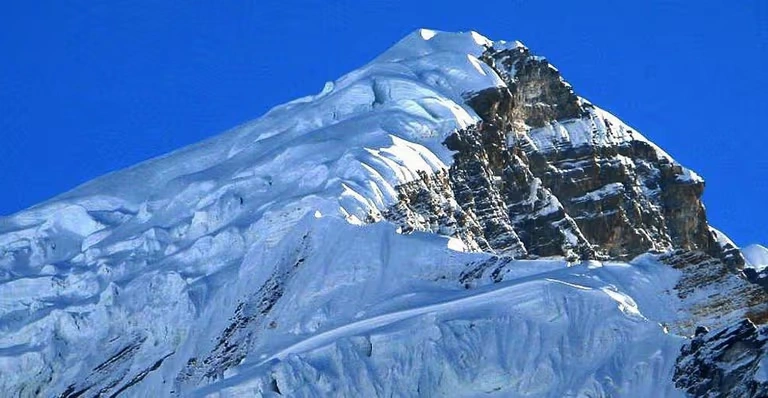
Nepal has 2 primary trekking seasons, spring (March to May) and autumn (September to November), both offering stable weather and clear mountain visibility, plus 2 secondary seasons (winter and monsoon) suited to specific regions.
Which Seasons Offer the Best Weather and Mountain Views?
Spring and autumn deliver the clearest mountain views in Nepal because both seasons fall outside the monsoon's cloud cover and outside winter's heaviest snowfall at high altitude.
Spring brings blooming rhododendron forests across the mid-hills and gradually warming temperatures, making it the preferred season for peak climbing, reflected in the higher USD 350 NMA permit fee charged during these months. Autumn follows directly after the monsoon, which washes dust out of the air and produces the sharpest long-distance mountain visibility of the year, a major reason October recorded Nepal's highest tourist arrivals of 2025.
How Do Trail Conditions Change Throughout the Year?
Winter (December to February) keeps lower-altitude trails open and quiet but closes most high passes above 5,000 meters; monsoon (June to August) brings daily rainfall and landslide risk to central Nepal but leaves rain-shadow regions like Upper Mustang and Dolpo largely unaffected.
Winter trekking suits routes like Poon Hill, Annapurna Base Camp's lower stretches, or short Everest region treks that stop below Lobuche. Monsoon trekking works specifically in the trans-Himalayan valleys north of the main Himalayan range, where the mountains themselves block most of the rain before it reaches the trail. For a month-by-month breakdown of temperatures, rainfall, and trail conditions by region, see our guide to the best time to trek in Nepal.
What Wildlife, Culture, and Heritage Can You Experience Along the Trails?
Nepal's trekking trails run directly through the homelands of the Sherpa, Gurung, Tamang, Magar, and Thakali communities and through protected habitat for snow leopards, red pandas, and Himalayan tahr. The Himalayan monal, Nepal's national bird, appears at elevations above 2,500 meters along the Annapurna and Langtang routes, while musk deer and blue sheep inhabit the alpine zones bordering Sagarmatha and Manaslu National Parks.
How Do Local Communities Enrich the Trekking Experience?
Local communities shape the trekking experience through family-run teahouses, monasteries built directly along trail routes, and seasonal festivals such as Mani Rimdu in the Khumbu and the Tiji Festival in Upper Mustang.
Trekkers passing through Namche Bazaar, Khumjung, or Manang interact daily with the same families who maintain the trail, run the lodges, and often work as porters or guides on the same route. That overlap between hospitality and stewardship is part of why permit revenue tied to these regions funds local schools and health posts rather than disappearing into a national budget line.
Which National Parks and Conservation Areas Can You Explore?
Nepal's 20 protected areas, managed by the Department of National Parks and Wildlife Conservation and the National Trust for Nature Conservation, include:
Sagarmatha National Park, a UNESCO World Heritage Site protecting the Everest region
Annapurna Conservation Area, Nepal's largest protected area at 7,629 square kilometers
Manaslu Conservation Area, bordering the Annapurna region to the east
Kanchenjunga Conservation Area, home to over 250 recorded bird species
Langtang National Park, the closest Himalayan national park to Kathmandu
Chitwan National Park, a lowland UNESCO site often combined with a mountain trek for travelers seeking both jungle wildlife and high-altitude scenery in one trip
How Safe Is Hiking and Trekking in Nepal?
Trekking in Nepal carries 3 primary risk categories (altitude sickness, weather exposure, and trail conditions), all of which are manageable through proper acclimatization, professional guiding, and travel insurance that covers high-altitude helicopter evacuation. For a broader look at Nepal travel safety beyond the trail itself, see our dedicated guide.
What Safety Measures Should Trekkers Follow?
Trekkers reduce risk by scheduling acclimatization days for every 1,000 meters of elevation gain above 3,000 meters, recognizing early symptoms of acute mountain sickness, and carrying travel insurance with rescue coverage up to at least 6,000 meters.
Early symptoms of acute mountain sickness include headache, nausea, and disrupted sleep, and the standard response is to stop ascending and descend if symptoms worsen rather than push through them. A guide trained in wilderness first aid recognizes these symptoms earlier than most independent travelers, which is one of the clearest safety advantages a licensed guide provides on a high-altitude route.
Why Is Hiring a Professional Guide Beneficial?
A professional guide, mandatory on nearly all major Nepal trekking routes since 2023, provides route knowledge, wilderness first aid training, direct communication with rescue services, and NMA certification for peak climbs, all of which reduce the most common causes of trekking incidents.
Guides licensed through Nepal's Department of Tourism complete training in altitude illness recognition, weather pattern reading specific to their region, and emergency coordination with helicopter rescue services. On peak climbs, an NMA-certified guide also manages the technical sections, fixed ropes, and glacier crossings that fall outside a standard trekking guide's scope.
What Should You Pack for a Trek or Peak Climb in Nepal?
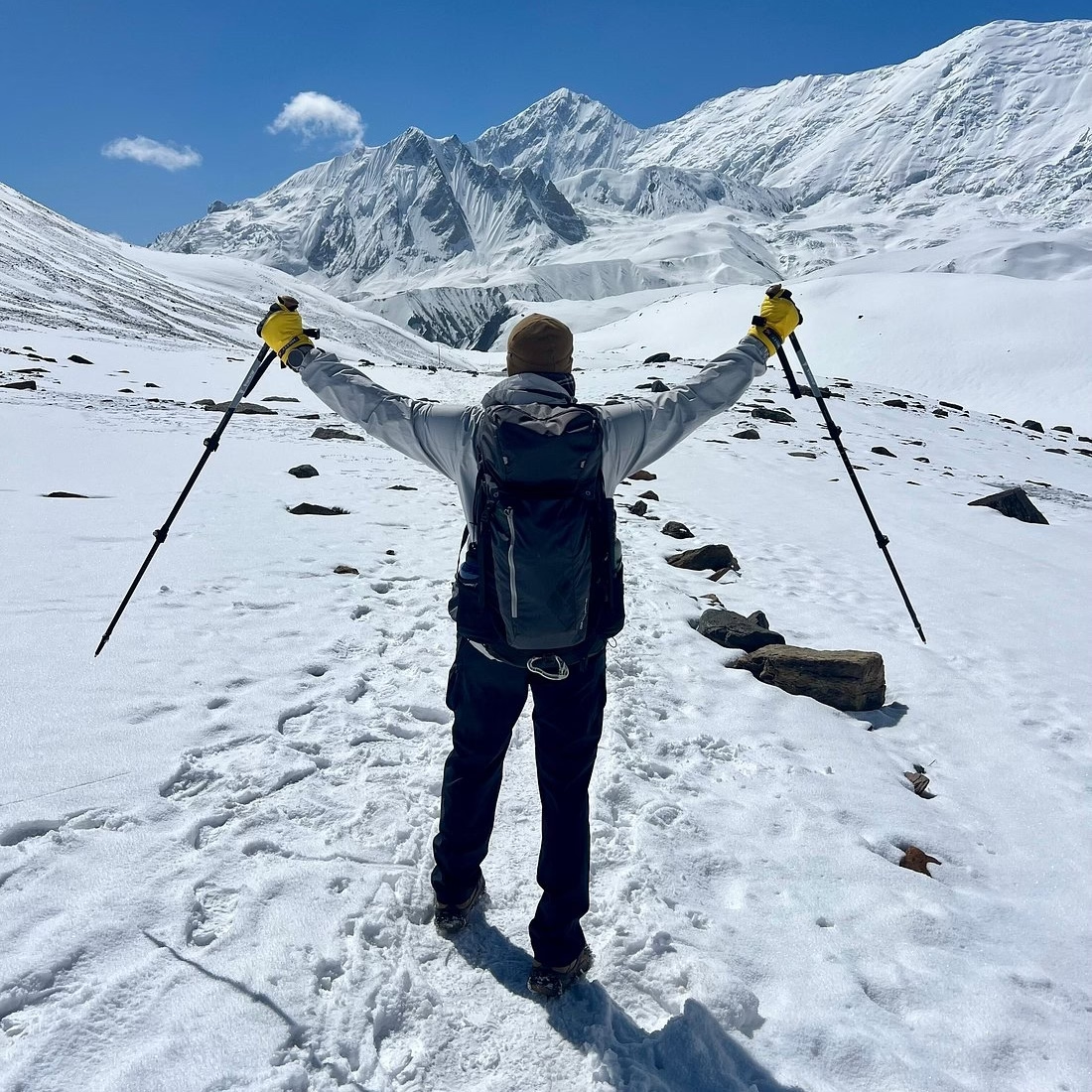
Trekking and peak climbing gear in Nepal divides into 5 categories: clothing layers, footwear, sleep and insulation equipment, technical climbing gear (for peak ascents), and personal health items.
Which Essential Gear Should Every Trekker Carry?
A standard high-altitude trekking kit includes:
An insulated down jacket rated for sub-zero temperatures
A waterproof, breathable outer shell for wind and precipitation
Moisture-wicking base layers for temperature regulation across elevation changes
Sturdy, broken-in trekking boots with ankle support
Trekking poles for descents and river crossings
A headlamp with spare batteries for early starts and teahouse blackouts
Water purification tablets or a filter, reducing reliance on plastic bottles
A 4-season sleeping bag rated to at least -15°C for high-pass nights
High-SPF sunscreen and UV-blocking sunglasses, since UV exposure increases with altitude
Peak climbers add crampons, an ice axe, a climbing harness, an ascender (jumar), and a helmet, most of which can be rented in Kathmandu rather than purchased.
How Can You Prepare Physically Before Your Adventure?
Physical preparation for a Nepal trek involves 8 to 12 weeks of cardiovascular training, weighted-pack hiking, and stair or hill climbing, building the specific muscular endurance that flat-terrain training does not develop.
Training that mimics the actual demands of the trail, multi-hour days carrying a daypack, repeated elevation gain and loss, builds more relevant fitness than gym cardio alone. Climbers preparing for a technical peak add crampon and rope practice on accessible terrain before departure, so the on-site training day in Nepal becomes a refresher rather than a first introduction.
Why Is Sustainable and Responsible Trekking Important in Nepal?
Trekking permit and conservation fees fund management of the 23.39% of Nepal's land area held under protected status, and local entry fees channel revenue directly into the rural municipalities that host the country's most visited trails.
How Can Travelers Help Protect Nepal's Mountain Environment?
Travelers protect Nepal's mountain environment by carrying out all non-biodegradable waste, using water filtration instead of single-use plastic bottles, staying on marked trails, and maintaining distance from wildlife such as Himalayan tahr and musk deer.
The NMA's USD 500 garbage deposit per climbing team, refunded only after a team demonstrates it carried waste back down, exists specifically because high-altitude waste removal is expensive and slow without that financial incentive. The Khumbu region has restricted single-use plastics under 30 microns thick since January 2020, and the Annapurna region now bans glass and plastic bottles entirely on routes leading to Annapurna Base Camp and Mardi Himal, which means a refillable bottle and a filter or purification tablets function as required gear, not optional extras, on those specific trails. The same principle applies at the trekking level more broadly: lodges across the Everest and Annapurna regions increasingly run on solar power and efficient cookstoves, and choosing those lodges supports the same conservation goal without requiring any extra effort from the trekker.
How Can Responsible Tourism Benefit Local Communities?
Responsible tourism channels income directly to local communities through guide and porter wages, family-run teahouses, and conservation fees that the National Trust for Nature Conservation reinvests in local schools, health posts, and trail infrastructure.
Hiring guides and porters from the region a trekker is visiting, rather than bringing staff from Kathmandu, keeps a larger share of trip spending inside the local economy. Homestay programs in regions like Sirubari and parts of the Annapurna foothills extend that benefit further, putting lodging revenue directly into individual households rather than larger lodge operations.
How Can Nepal Intrepid Treks Help You Experience the Best of Nepal?
Nepal Intrepid Treks operates as a government-registered trekking agency, handling the full permit chain a 2026 trek now requires: conservation area permits, national park entry fees, restricted-area documentation, and NMA peak climbing permits, alongside the licensed guides that current regulations make mandatory on nearly every major route. That combination matters more in 2026 than in previous years, since solo and independent trekking without an agency-arranged guide is no longer an option on Nepal's main trails. Working with an established agency removes the administrative risk entirely: permits are filed correctly, guides hold current NMA or Department of Tourism certification, and itineraries already account for required acclimatization days.
Which Trekking and Peak Climbing Adventures Does Nepal Intrepid Treks Offer?
Nepal Intrepid Treks runs itineraries across every region covered in this guide: Everest region treks (Everest Base Camp, Gokyo Lakes, the Three Passes), Annapurna region treks (Annapurna Base Camp, the Annapurna Circuit, Poon Hill), off-the-beaten-path circuits (Manaslu, Upper Mustang, Kanchenjunga, Nar Phu), peak climbing expeditions (Island Peak, Mera Peak, Lobuche East), and short hikes around Kathmandu and Pokhara for travelers with limited time. Each itinerary can be adjusted for budget tier, group size, and physical preparation level, and the agency's guides handle permit logistics for whichever combination of regions a trip requires.
What Are the Key Takeaways About Why Nepal Is the Best for Hiking, Trekking, and Peak Climbing?
Nepal earns its position as the best hiking, trekking, and peak climbing destination through a combination no other country replicates: 8 of the world's 14 highest peaks, 20 protected natural areas covering nearly a quarter of the country, trail options spanning 3-day hikes to 6-week expeditions, and a permit and guide system that, while more regulated in 2026 than in past years, makes professional, safe access to that terrain available to nearly any traveler willing to plan ahead. Whether the goal is a short cultural walk near Pokhara, a 12-day push to Everest Base Camp, or a technical summit of Island Peak, the same mountains, the same permit framework, and the same network of guides connect all of it into a single, navigable adventure.