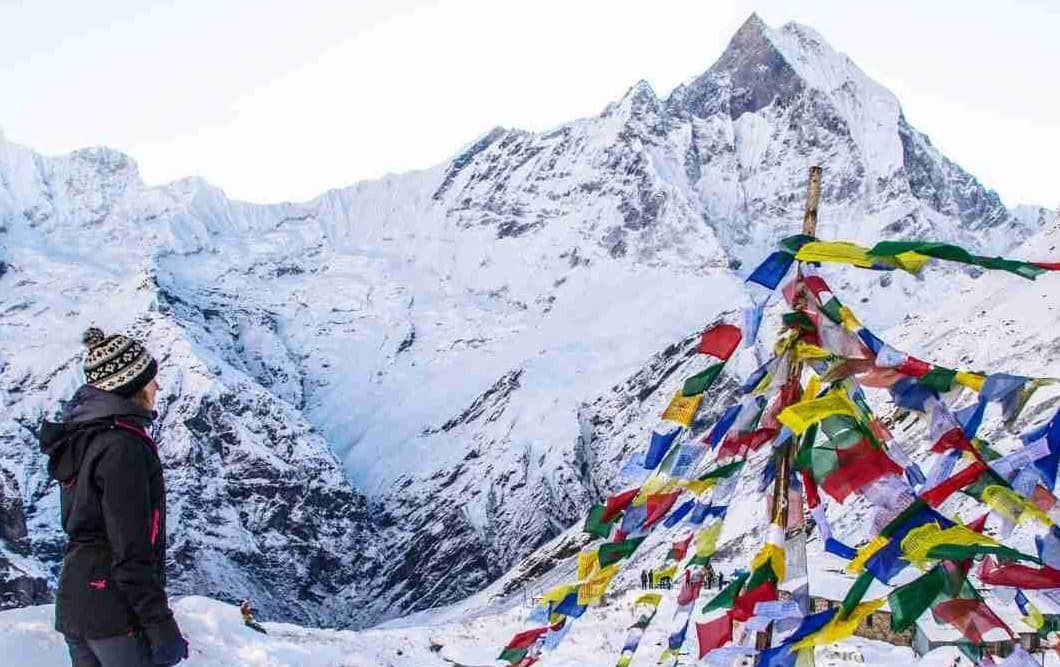
The Everest Base Camp trek is Nepal’s best-known high-altitude trekking route, following a 130-km round-trip trail from Lukla (2,860 m) through the Khumbu region to Everest Base Camp at 5,364 meters. The best time for the Everest Base Camp trek is usually spring (March to May) and autumn (September to November) because these seasons bring the most stable weather, clearer Himalayan views, safer trail conditions, and better overall trekking reliability. Seasonal timing on the EBC trek directly affects temperature, visibility, snow cover, rainfall, Lukla flight performance, teahouse availability, trail crowding, and altitude comfort, making month selection one of the most important planning decisions for any trekker.
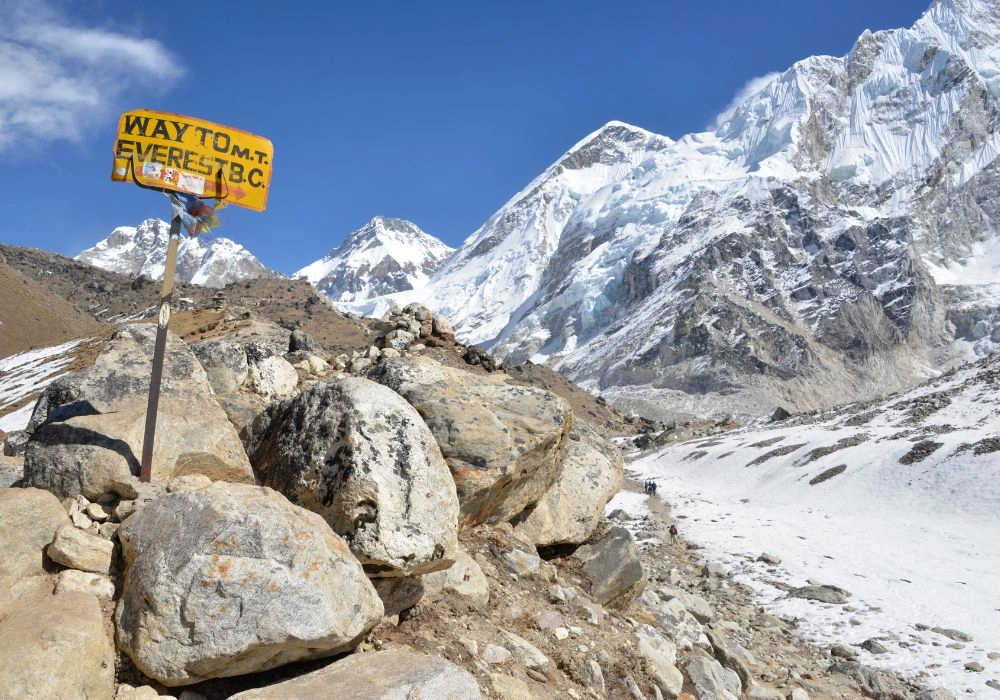
The best season, however, depends on your trekking goal. October is the strongest all-round month for beginners and high completion rates, April offers the best spring balance of weather and scenery, November delivers the sharpest mountain photography and fewer crowds, and March or late September give experienced trekkers better value with lighter traffic on the trail. A complete Everest Base Camp season guide must therefore compare all 12 months, including winter and monsoon risks, while also showing how weather, trail conditions, flights, costs, and crowd levels change across the year so trekkers can choose the right window for their experience level and priorities.
Why Is Spring a Top Season for the Everest Base Camp Trek?
Spring (March–May) ranks as a top EBC trek season because daytime temperatures at Namche Bazaar (3,440 m) reach 10°C–15°C, pre-monsoon skies remain clear through mid-May, and the Khumbu rhododendron forests bloom at elevations between 2,800 m and 4,000 m.
Spring delivers 3 distinct advantages over other seasons:
Stable pre-monsoon weather patterns from March 1 through approximately May 10, with afternoon cloud buildup beginning in late April
Active mountaineering season on Everest's southern face, meaning helicopter rescue assets are concentrated in the Khumbu region
Rhododendron bloom windows at 3 elevation bands: pink rhododendrons at 2,800–3,200 m (March), red rhododendrons at 3,200–3,600 m (April), and white rhododendrons at 3,600–4,000 m (May)
Spring is one of the two main Everest Base Camp trekking seasons, especially from March through May, when conditions are generally favorable for trekking and rhododendrons bloom at lower elevations. Rather than relying on a precise share of annual permits without a clearly published dataset, it is more accurate to say that spring is consistently one of the busiest EBC seasons alongside autumn.
Trail surfaces in spring carry residual winter snow above 4,500 m through early March. By April 1, most trails below 5,000 m are clear of snow accumulation. Temperatures at EBC itself range from -8°C at night to 5°C at midday during April.
What Is March Like on the Everest Base Camp Trek?
March delivers the clearest pre-season conditions on the EBC trek, with visibility reaching 80–120 km on clear mornings, minimal trail crowds (15–20% fewer trekkers than April), and daytime temperatures at base camp between -10°C and 2°C.
March on the EBC trek carries 4 characteristics trekkers encounter directly:
Residual snow on the Khumbu Glacier approach above 4,900 m, requiring microspikes or traction devices from Lobuche to Gorak Shep
Lower teahouse occupancy rates of 30–50% versus 85–95% during peak October, meaning better room selection and quieter acclimatization days
Sharp morning visibility windows from 6:00 AM to 9:00 AM before wind picks up, providing unobstructed views of Ama Dablam (6,812 m), Lhotse (8,516 m), and Nuptse (7,861 m)
Flight disruptions at Lukla (IATA: LUA) averaging 1–2 delay days due to winter jet stream remnants in early March, decreasing to near zero by March 20
Night temperatures at Namche Bazaar in March average -5°C, requiring a sleeping bag rated to -15°C. At Dingboche (4,410 m), nighttime temperatures drop to -12°C. Trekkers packing for March require one additional insulation layer versus April.
How Does April Compare on the Everest Base Camp Trek?
April is the single most balanced month for the EBC trek, combining stable weather, full rhododendron bloom at 3,200–4,000 m, Ama Dablam and Everest summit bid activity overhead, and daytime EBC temperatures of 2°C–8°C.
April on the EBC trek differs from March across 3 measurable dimensions:
Trail temperatures rise 5°C–8°C compared to March averages, reducing the cold-weather gear requirement at elevations below 4,500 m
Permit volume peaks, with April 15–30 representing the highest daily trekker density of the entire spring season, approximately 300–400 trekkers on the Namche–Tengboche section simultaneously
Everest climbing season becomes visible, with fixed-rope teams ascending the Lhotse Face observable from Kala Patthar (5,644 m), Nepal's most accessible Everest viewpoint
According to the Himalayan Database's official expedition archive guide, which now documents more than 11,500 expeditions and 90,800 climbing members across 490 Nepal Himalaya peaks, April trekkers routinely witness live summit-rotation activity on the Lhotse Face as expedition teams stage for the May summit window. This adds an experiential dimension unavailable in autumn.
Teahouse prices in April run 10–15% higher than March across the 8 main trail stops, reflecting increased demand. Advance booking 60–90 days prior secures preferred lodges at Tengboche and Lobuche.
Is May Too Busy or Risky Before the Monsoon?
May divides into 2 distinct trekking windows: May 1–15 maintains spring conditions with Everest summit-window visibility, while May 16–31 carries increasing monsoon approach risk with afternoon precipitation probability rising from 20% to 55% at Namche Bazaar.
May on the EBC trek produces 3 outcomes trekkers experience:
Summit-season concentration from May 1–20, placing the highest number of active mountaineers at Base Camp and the greatest helicopter traffic in the Khumbu, creating visual and atmospheric intensity at EBC
Increasing cloud cover after May 10, with morning clarity windows narrowing from 4–5 hours to 2–3 hours by May 25
Trail crowding peaking between Namche Bazaar and Tengboche, where the combined yak, porter, and trekker traffic creates the most congested trail conditions of any month
Trekkers scheduling Kala Patthar sunrise photography (the primary clear-sky Everest view at 5,644 m) achieve best results before May 15. After May 20, pre-dawn cloud bands at 4,500–5,000 m obscure the Everest massif on 4 out of 7 mornings statistically.
May remains a viable EBC trek month for trekkers prioritizing summit-season atmosphere over pristine photography windows.
Why Is Autumn Another Best Time for the Everest Base Camp Trek?
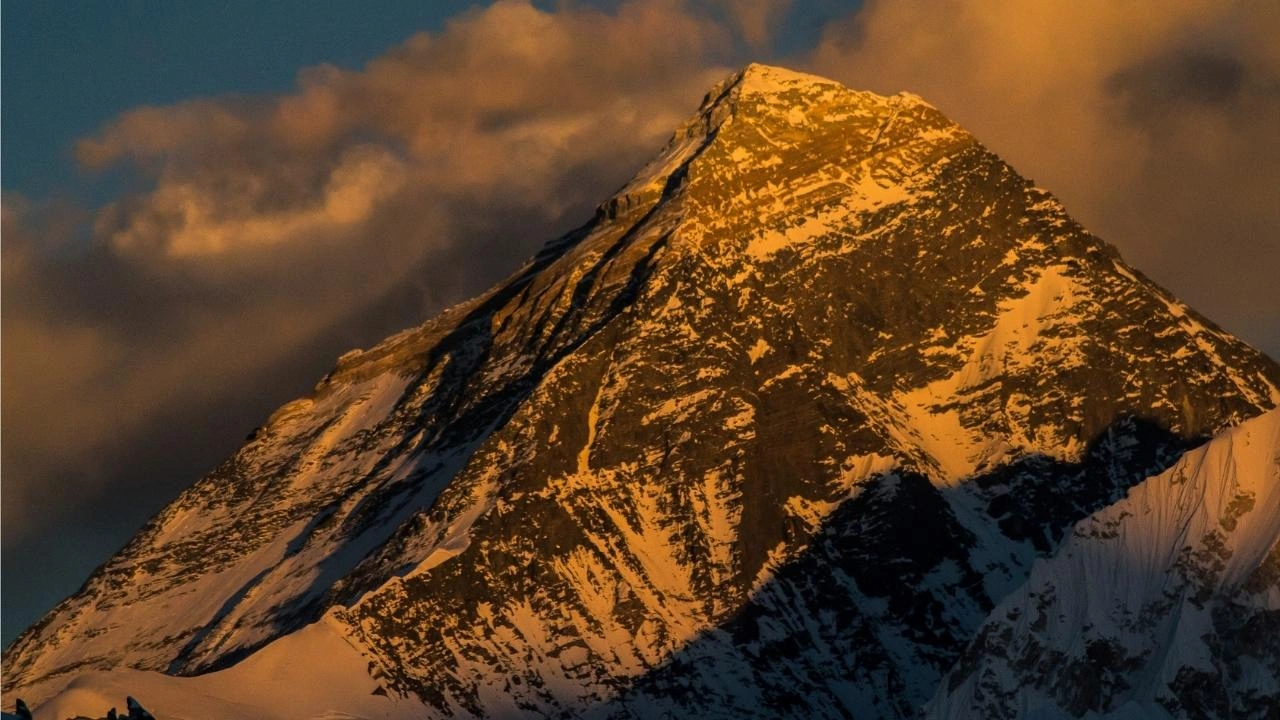
Autumn (September–November) is the second-best EBC trek season because post-monsoon air clarity produces the sharpest Himalayan visibility of the entire year, trail surfaces stabilize within 2 weeks of monsoon exit (approximately September 15), and temperatures remain warmer than spring at equivalent elevations through October.
Autumn delivers 4 characteristics that distinguish it from spring:
Post-monsoon washed air eliminates haze and dust, producing visibility distances of 100–150 km on clear October mornings, measurably sharper than spring conditions
Stable daytime temperatures at EBC averaging 3°C–10°C through October, 3°C–5°C warmer than equivalent spring months
No residual snow on trails below 5,200 m from mid-September through November, removing the traction device requirement present in early spring
Peak flower and moss vegetation on the Khumbu valley floor following monsoon rainfall, creating the greenest trail corridor of the year
Per the government's Nepal Tourism Statistics 2023 report, Sagarmatha National Park logged 52,499 foreign visitors for the year, with October (8,551) and November (11,479) together accounting for roughly 38% of all autumn arrivals, confirming October and November as the park's busiest stretch.
What Should You Expect in September on the EBC Trek?
September on the EBC trek delivers improving conditions across 4 dimensions: monsoon precipitation drops from 80% daily probability to 15% daily probability between September 1 and September 30, trail vegetation reaches peak green density, leech presence on lower trails (below 3,000 m) remains active through September 15, and trekker volumes stay 35–40% below October peak levels.
September splits into 2 phases:
Early September (1–15): Monsoon tail persists with afternoon rain showers at 40–60% probability below 4,000 m. Trail mud on the Phakding–Namche Bazaar section requires waterproof boots. Leeches are present on forested sections between Lukla (2,860 m) and Namche Bazaar (3,440 m).
Late September (16–30): Monsoon exit produces rapid clearing. Visibility shifts from 20–40 km to 60–100 km within days of the monsoon's departure. Trail surfaces dry within 5–7 days of the final rain event.
Teahouse availability in September is the highest of the 4 primary trekking months. Advance booking is not required for most trail stops, except Tengboche monastery lodges, which fill year-round.
Why Is October the Peak Month for the EBC Trek?
October is the peak EBC trek month because it combines the year's highest clear-day frequency (22–26 clear days out of 31), post-monsoon vegetation color, daytime Kala Patthar temperatures of 3°C–8°C, and the full autumn social atmosphere of Namche Bazaar's busiest market weeks.
October on the EBC trek delivers 5 measurable peak conditions:
Highest clear-sky frequency of all 12 months, with visibility averaging 100–150 km on peak days
Maximum trekker density, with 300–500 people per day on the Namche–Tengboche section and 85–95% teahouse occupancy throughout the route
Dashain and Tihar festival windows (October 10–25 depending on lunar calendar), during which Sherpa cultural celebrations at Namche Bazaar and Khumjung village occur
Everest post-expedition Base Camp still populated by autumn climbing teams on Lhotse, Cho Oyu, and Pumori, providing camp visibility
Peak-season teahouse pricing, running 15–25% higher than September equivalents at Namche Bazaar, Tengboche, and Lobuche
Permit rules should be checked again before departure: per NTB's current TIMS Card guidance, the Everest region is an exception to the standard TIMS system, trekkers instead need the Sagarmatha National Park permit and the Khumbu Pasang Lhamu Rural Municipality permit, arranged through a licensed guide. Budget planning should therefore be based on the current official park fee and the latest guide/TIMS rules in force at the time of travel.
Is November Colder but Clearer for the EBC Trek?
November is colder but produces superior photography conditions versus October, with nighttime temperatures at EBC dropping to -15°C to -20°C, Lukla flight delay rates decreasing to near zero due to calm wind patterns, trekker volumes falling 40–50% below October, and morning air clarity producing the highest-contrast Himalayan photography window of the year.
November on the EBC trek presents 3 trade-offs trekkers evaluate:
Cold gain vs. crowd loss: Temperatures at Namche Bazaar drop from October's 5°C nighttime average to November's -3°C average, requiring a full winter sleeping bag (-20°C rated). Trail occupancy drops to 40–50% of October levels.
Photography gain vs. cold penalty: The lower atmospheric moisture in November produces the sharpest, highest-contrast morning light on Everest, Lhotse, and Ama Dablam. Photography-focused trekkers with cold-weather experience consistently rank November as the optimal month.
Flight reliability vs. season end: Lukla flight delays average 0.3 days in November versus 1.5 days in October during weather disruptions. By November 25, jet stream intrusion begins increasing Lukla delay probability for December departures.
Trekkers completing EBC in November require full 4-season gear above 4,500 m, including down-insulated pants, double-layer gloves, and a balaclava for Kala Patthar dawn starts.
How Do Winter and Monsoon Affect the EBC Trek?
.webp)
Winter (December–February) and monsoon (June–August) are the 2 off-seasons for the EBC trek. Winter closes the route to most trekkers due to -25°C to -35°C temperatures at EBC and snowbound trails above 4,500 m. Monsoon reduces visibility to under 5 km on most days and saturates trails with daily rainfall averaging 150–300 mm per month at Namche Bazaar.
These 2 off-seasons differ structurally across 4 dimensions: temperature range, precipitation type, trail accessibility, and teahouse service availability.
Can You Trek to EBC in Winter?
EBC winter trekking is achievable from December 1 through February 28 for experienced high-altitude trekkers, with the route requiring -30°C-rated sleeping systems, 4-season tents above 4,800 m, and expanded contingency days due to Lukla closure rates averaging 4–6 days per month during January.
Winter EBC trekking involves 4 objective conditions:
Temperature range at EBC: -15°C daytime to -35°C nighttime in January, the coldest month. At Namche Bazaar (3,440 m), temperatures average -8°C daytime and -18°C nighttime.
Snow coverage: Trails above 4,500 m carry 30–80 cm of accumulated snow from late November through February. The Lobuche–Gorak Shep section requires crampons and ice axe competency from December 15 onward.
Teahouse service reduction: 60–70% of teahouses between Dingboche and EBC close completely from December 15 to February 15. Advance arrangements with open teahouses are mandatory.
Trekker numbers: Approximately 200–400 trekkers per month complete EBC in winter, versus 8,000–12,000 in October. Trail solitude is absolute above Tengboche.
Cold-induced physiological stress at extreme winter altitudes significantly raises the risk of altitude sickness in Himalaya, making winter EBC trekking suitable only for experienced mountaineers with prior 5,000-meter winter experience, not first-time high-altitude trekkers.
Is the EBC Trek Worth It During Monsoon Season?
Monsoon EBC trekking (June–August) carries 4 structural disadvantages: daily precipitation averaging 8–12 hours at elevations below 4,000 m, mountain views obscured on 85–90% of days, leeches active on all forested sections below 3,500 m, and landslide risk on the Phakding–Namche Bazaar section averaging 3–5 trail closures per month.
Monsoon trekking presents 2 alternative values:
Solitude and reduced cost: Teahouse prices drop 20–30% below spring peak. Trekker counts fall to 300–600 per month, producing the emptiest trails of the year above Namche Bazaar.
Tibetan high passes: Some trekkers combine monsoon timing with the Three Passes Trek (Kongma La 5,535 m, Cho La 5,420 m, Renjo La 5,360 m), as the rain shadow on the northern side of Kongma La and Cho La produces drier conditions than the monsoon-facing southern valleys.
Standard EBC completion rates in monsoon drop to 60–70% versus 88–92% in autumn, primarily due to Lukla flight cancellations and trail mud slowing pace below EBC trek acclimatization schedule requirements.
How Do Weather and Visibility Change by Month at EBC?
Weather and visibility at Everest Base Camp (5,364 m) follow a 12-month cycle driven by 3 atmospheric systems: the South Asian Monsoon (June–September), the post-monsoon high-pressure ridge (October–November), and the winter westerly jet stream (December–February). Each system produces distinct temperature ranges, precipitation patterns, and visibility distances at the Khumbu Glacier terminus.
The table below defines EBC weather characteristics across all 12 months. Temperature data references Gorak Shep (5,164 m), the nearest permanent settlement to EBC. Visibility data references Kala Patthar (5,644 m) dawn conditions.
Month | Avg Day Temp (EBC) | Avg Night Temp (EBC) | Avg Visibility (Kala Patthar) | Precipitation Type | Trek Rating |
January | -12°C | -28°C | 80–120 km (on clear days) | Snow | Extreme difficulty |
February | -10°C | -25°C | 80–120 km (on clear days) | Snow | Very high difficulty |
March | -5°C | -18°C | 80–120 km | Mixed snow/rain | Moderate–High |
April | 2°C | -12°C | 70–110 km | Minimal rain | Optimal |
May | 5°C | -8°C | 50–90 km | Increasing rain | Good–Moderate |
June | 8°C | -2°C | 5–20 km | Heavy rain | Not recommended |
July | 10°C | 2°C | 3–15 km | Heavy rain | Not recommended |
August | 9°C | 0°C | 5–20 km | Heavy rain | Not recommended |
September | 7°C | -4°C | 20–90 km (improving) | Decreasing rain | Fair–Good |
October | 5°C | -8°C | 100–150 km | Negligible | Optimal |
November | 0°C | -15°C | 100–150 km | Negligible | Very good |
December | -8°C | -22°C | 80–120 km (on clear days) | Snow | Extreme difficulty |
Temperature variation across the trek's elevation range spans 15°C–20°C between Lukla (2,860 m) and EBC (5,364 m) on any given day, requiring layered clothing systems regardless of season.
When Are the Clearest Mountain Views at EBC?
The clearest mountain views at EBC and Kala Patthar occur across 2 windows: late October 1–November 20 for post-monsoon clarity, and March 10–April 30 for pre-monsoon clarity. Post-monsoon October–November visibility averages 100–150 km and produces the highest-contrast Himalayan photography conditions of the year due to near-zero atmospheric moisture.
The 5 primary viewpoints on the EBC trek and their optimal clarity windows are:
The Kala Patthar viewpoint (5,644 m) is best visited from October 5–November 15. Dawn temperatures reach -8°C to -15°C, and it provides the closest publicly accessible direct view of Everest's south face (5.1 km line of sight to summit).
Tengboche Monastery (3,860 m): Best from October and April. Frames Ama Dablam (6,812 m) directly north with foreground monastery architecture.
Namche Bazaar viewpoint (3,500 m): Best from October–November mornings. Provides first route view of Everest summit above the Lhotse–Nuptse wall.
Gokyo Ri (5,357 m): Best from October 10–November 10. The Gokyo Lakes valley produces mirror reflections of Cho Oyu (8,201 m) and the Ngozumpa Glacier.
Everest Base Camp itself (5,364 m): Provides views of the Khumbu Icefall and Western Cwm but not Everest's summit directly, which is blocked by the Nuptse ridge.
When Are Trails Snowier, Wetter, or Less Predictable?
Trails on the EBC route reach their snowiest state from December 15–February 28 above 4,500 m, their wettest state from June 15–August 31 below 4,000 m, and their least predictable state during the monsoon transition periods of late May (May 20–June 10) and monsoon exit (September 1–20).
The 4 trail sections with highest seasonal variability are:
Lobuche to Gorak Shep (4,940 m–5,164 m): Carries snow from December–March, requiring traction gear. This 4.8-km section is the most technically demanding in adverse conditions.
Phakding to Namche Bazaar (2,652 m–3,440 m): Wettest section during monsoon, with 3–5 bridge closures per month from flooding. The Dudh Koshi river crossings become dangerous above 3-meter water levels.
Tengboche to Dingboche (3,860 m–4,410 m): Exposed ridge crossing prone to afternoon thunderstorm lightning in late May and early June.
EBC to Kala Patthar (5,364 m–5,644 m): Iced in shadow sections from November through March before 9:00 AM. Microspikes required from November 15 onward.
How Do Crowds, Costs, and Flights Affect Trek Timing?
Crowds, permit costs, flight disruptions, and teahouse pricing peak simultaneously in October and April, while September and March offer the same trekking conditions at 15–25% lower total trip cost and 30–40% lower teahouse occupancy rates.
Trek timing decisions involve 4 logistical variables beyond weather: Lukla flight reliability, trekking permit availability, teahouse price fluctuation, and trail density.
When Are Lukla Flights Most Likely to Be Delayed?
Lukla (Tenzing-Hillary Airport, IATA: LUA) flight delays peak during 3 windows: October 1–15 (combined weather and peak traffic), late May (pre-monsoon afternoon cloud development), and January–February (winter westerly jet stream incursions). The airport operates at 2,860 m elevation with a 527-meter runway and 12% gradient, making it the world's most operationally sensitive trekking gateway airport.
Lukla flight delay statistics across seasons:
October: Average 1.5–2.5 delay days per week during bad weather windows. Afternoon fog at Kathmandu (TIA) causes more cancellations than Lukla-side weather.
November: Average 0.2–0.5 delay days per week. The calmest Lukla operational month of the year.
March–April: Average 0.5–1.0 delay days per week. Pre-monsoon afternoon cloud buildup causes afternoon flight cancellations, with morning slots maintaining 90%+ on-time performance.
January–February: Average 3–5 delay days per month due to jet stream cloud bands at Phaphlu and Salleri passes en route from Kathmandu.
Monsoon (June–August): Average 8–12 delay days per month. Multi-day disruptions of 3–5 consecutive days occur during monsoon surge events.
Building 2 buffer days at Lukla (arrival) and 2 buffer days at Lukla (departure) into the itinerary eliminates 95% of missed connections. For a full breakdown of how to prepare for Lukla flight delays and what options are available when cancellations occur, helicopter alternatives from Lukla to Kathmandu operate during partial-weather windows at USD 250–350 per person.
Which Months Are Busiest and Most Expensive for EBC?
October is the busiest and most expensive EBC trek month, with Sagarmatha National Park issuing approximately 4,200–5,500 trekking permits in October 2022–2023 alone, teahouse prices at Namche Bazaar running NPR 1,200–2,000 (USD 9–15) per night versus NPR 800–1,200 (USD 6–9) in September, and guided group packages averaging USD 1,400–1,800 for a 14-day trek versus USD 1,100–1,400 in March.
The 4 busiest EBC trail months in descending order are:
October: 4,200–5,500 permits. Peak crowd density between Tengboche and Lobuche.
April: 3,500–4,500 permits. Concentrated permit load from climbing expedition support traffic.
November: 2,000–2,800 permits. High-quality conditions with declining crowds.
March: 1,500–2,200 permits. Early spring with lowest spring-season crowding.
Porter and guide wages during peak October run 10–15% above off-peak rates. For a full breakdown of every cost variable by season, see our guide to Everest Base Camp trek cost; Kathmandu–Lukla flight tickets cost USD 180–220 per person in October versus USD 140–170 in September or November.
Which Season Is Best for Your Trekking Goals and Experience?
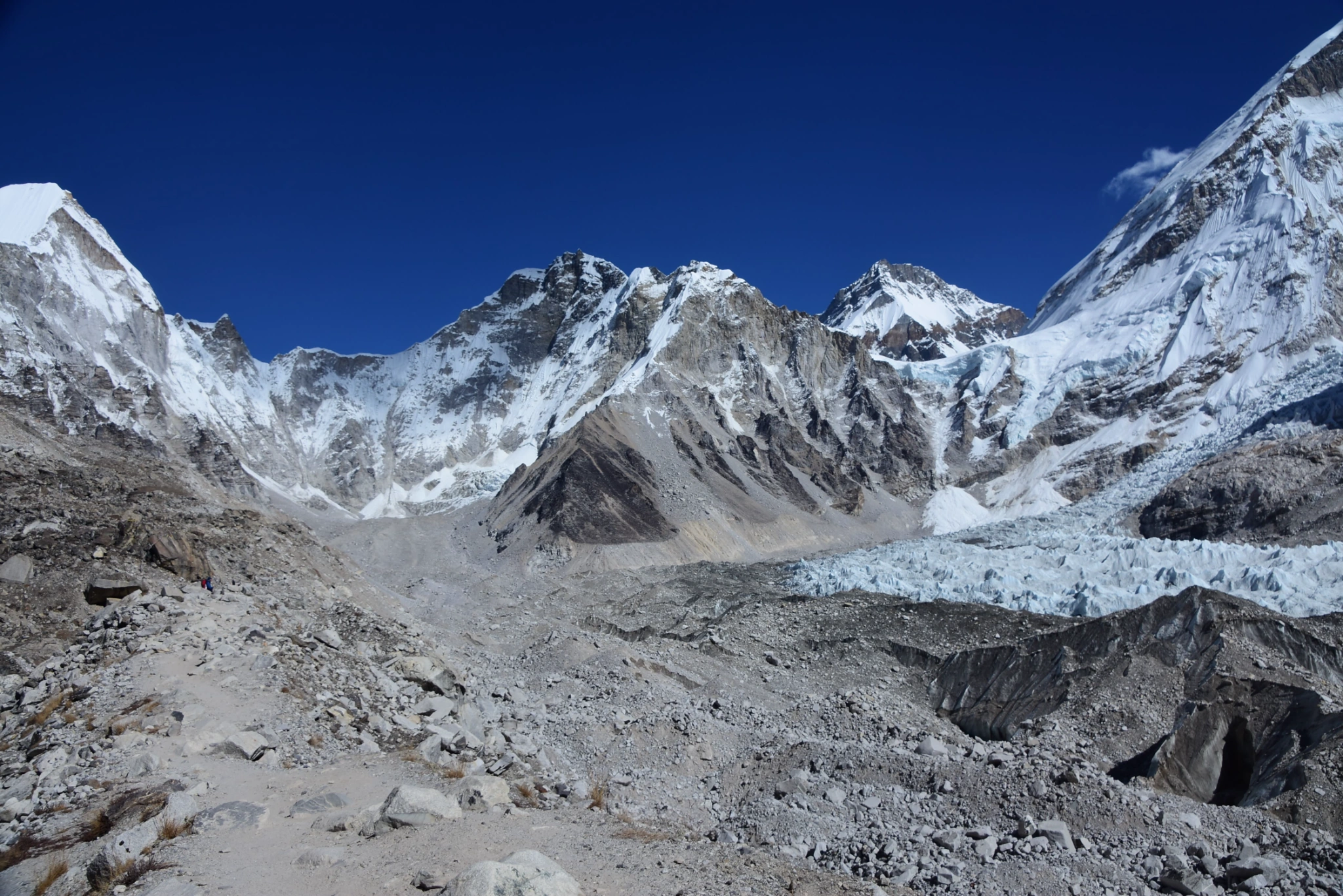
Season selection for the EBC trek maps directly to 4 trekking goal profiles: first-time trekkers optimize for October, experienced cold-weather trekkers gain maximum photography value in November, summit-season observers prioritize April–May, and budget-focused trekkers achieve the best cost-to-condition ratio in March or September.
Each trekking profile aligns with a specific seasonal window based on 3 decision factors: experience level, primary trek objective, and acceptable risk tolerance.
When Should Beginners Trek to Everest Base Camp?
Beginner trekkers achieve the highest EBC completion rates, 88–92%, during October 1–20 and April 10–30, when stable weather reduces weather-related turnaround decisions, trail infrastructure operates at full capacity, and emergency rescue response times are fastest due to maximum helicopter operator presence.
Beginner-specific advantages by season:
October 1–20: Full teahouse operation, maximum rescue infrastructure, stable weather, and the clearest acclimatization conditions. The 2 mandatory acclimatization days at Namche Bazaar (3,440 m) and Dingboche (4,410 m) are most comfortable with October temperatures.
April 10–30: Similar infrastructure availability to October. Warmer trail temperatures reduce cold-stress at high altitude. Rhododendron bloom adds visual engagement on acclimatization walks.
September 20–30: An underutilized beginner window. Weather has stabilized, teahouses are fully operational, and crowds are 40% below October peak, reducing altitude-stress from crowded lodges and contaminated water sources.
Beginners trekking independently require TIMS card (Trekking Information Management System) registration, Sagarmatha National Park permit, and travel insurance covering helicopter evacuation to USD 100,000 minimum.
When Is Best for Photography and Quieter Trails at EBC?
The optimal EBC photography and solitude window is November 1–20, combining the year's highest post-monsoon air clarity (100–150 km visibility), 40–50% fewer trekkers than October, golden-hour light on Ama Dablam at 17:00–17:30 local time, and dawn temperatures at Kala Patthar of -12°C to -18°C requiring full cold-weather photography gear.
Photography-specific seasonal advantages across 3 months:
November: Highest clarity, lowest post-monsoon crowds, longest winter golden-hour windows on Himalayan faces. Requires -20°C battery warming precautions for mirrorless and DSLR cameras at Kala Patthar.
March: Best low-season photography window. Morning visibility reaches 80–100 km on clear days. Rhododendron foliage at lower elevations provides foreground depth in 16–35mm wide compositions.
October (early): October 1–10 delivers post-monsoon vegetation green against snow-dusted high peaks before trail crowds peak. The week before Dasain festival (usually October 1–8) offers the rarest cultural-plus-landscape photography combination.
How Should You Plan the Right Everest Base Camp Trek?
Planning the right Everest Base Camp trek requires 5 sequential decisions: season selection based on trekking goals, permit acquisition (Sagarmatha National Park permit + TIMS card), Lukla flight booking 60–90 days in advance, teahouse reservation for October and April, and acclimatization schedule design adhering to the 300-meter-per-night ascent rule above 3,000 m.
The standard 14-day EBC trek itinerary follows this elevation progression:
Day 1: Fly Kathmandu (1,400 m) → Lukla (2,860 m). Trek to Phakding (2,652 m).
Day 2: Phakding → Namche Bazaar (3,440 m). First significant elevation gain: +788 m.
Day 3: Namche Bazaar acclimatization day. Hike to Everest View Hotel (3,880 m) and return.
Day 4: Namche Bazaar → Tengboche (3,860 m). Passes through Khumjung (3,790 m).
Day 5: Tengboche → Dingboche (4,410 m). Crosses Imja Khola river valley.
Day 6: Dingboche acclimatization. Hike to Nagarjun Hill (5,100 m) for Lhotse views.
Day 7: Dingboche → Lobuche (4,940 m). Passes Thukla Pass memorial (4,830 m).
Day 8: Lobuche → Gorak Shep (5,164 m) → Everest Base Camp (5,364 m) → return to Gorak Shep.
Day 9: Gorak Shep → Kala Patthar (5,644 m) dawn → descend to Pheriche (4,371 m).
Days 10–13: Descent via Tengboche, Namche Bazaar, Phakding to Lukla.
Day 14: Fly Lukla → Kathmandu.
This schedule includes 2 acclimatization days and follows the Wilderness Medical Society's 2024 Clinical Practice Guidelines, which recommend capping sleeping-elevation gain at 500 meters per day above 3,000 m and building in a rest day every 3 to 4 days.
Can a Guided Everest Base Camp Trek Help You Choose?
A guided Everest Base Camp trek provides 4 logistical advantages over independent trekking: pre-arranged teahouse bookings across all 14 nights, permit processing (saving 3–4 hours in Kathmandu), trained mountain guide with altitude illness recognition certification, and fixed itinerary buffer days built into the schedule for Lukla delays.
Guided EBC trek costs in 2024–2025 range across 3 service tiers:
Budget guided group treks: USD 900–1,200 for 14 days, including permits, teahouse accommodation, and a licensed guide. Group size: 8–16 trekkers.
Standard guided treks: USD 1,200–1,800 for 14 days, including private porter (1 porter per 2 trekkers), licensed guide, and insurance coverage coordination.
Premium guided treks: USD 2,000–3,500 for 14 days, including private guide, private porter, pre-booked premium teahouses, and daily weather briefings from a meteorological service.
The Sagarmatha National Park entry permit is NPR 3,000 for foreign nationals, and the Khumbu Pasang Lhamu Rural Municipality Trek-Card is NPR 3,000 for other countries and NPR 2,000 for SAARC countries and China; travelers should then verify whether a licensed guide and agency-issued TIMS card are required under the current NTB rule.
What Are the Key Takeaways About the Best Time for EBC?
The best time for the Everest Base Camp trek distills to 4 primary conclusions: October delivers peak conditions for first-time trekkers; April delivers the best spring balance of weather, culture, and mountain spectacle; November delivers the highest photography value at the cost of cold; and March or September deliver the best cost-to-condition ratio for experienced trekkers accepting minor weather trade-offs.
The 4-factor decision matrix for EBC season selection:
First-time trekkers prioritizing completion: Book October 1–20 or April 10–30. These windows deliver the highest completion rates, best infrastructure access, and most reliable helicopter evacuation response.
Photography-focused trekkers: Book November 1–15 for clarity, or March 15–31 for rhododendron foreground. Both windows produce sharp Himalayan visibility with 30–40% fewer trekkers than peak months.
Budget-conscious trekkers: Book September 20–30 or March 1–20 for 15–25% lower teahouse prices, lower permit competition, and equivalent weather conditions to peak season at matching elevations.
Experienced high-altitude trekkers seeking solitude: Book November 15–30 for near-empty trails, winter-threshold cold, and the most remote EBC experience achievable outside full winter conditions.
The Everest Base Camp trek remains one of Nepal's 2 most-trekked high-altitude routes (alongside the Annapurna Circuit at 160–230 km length). Season selection determines 4 outcome variables simultaneously: summit-day weather, trail safety, total cost, and the nature of the experience at EBC itself. Every season delivers a fundamentally different version of the same 130-km route.