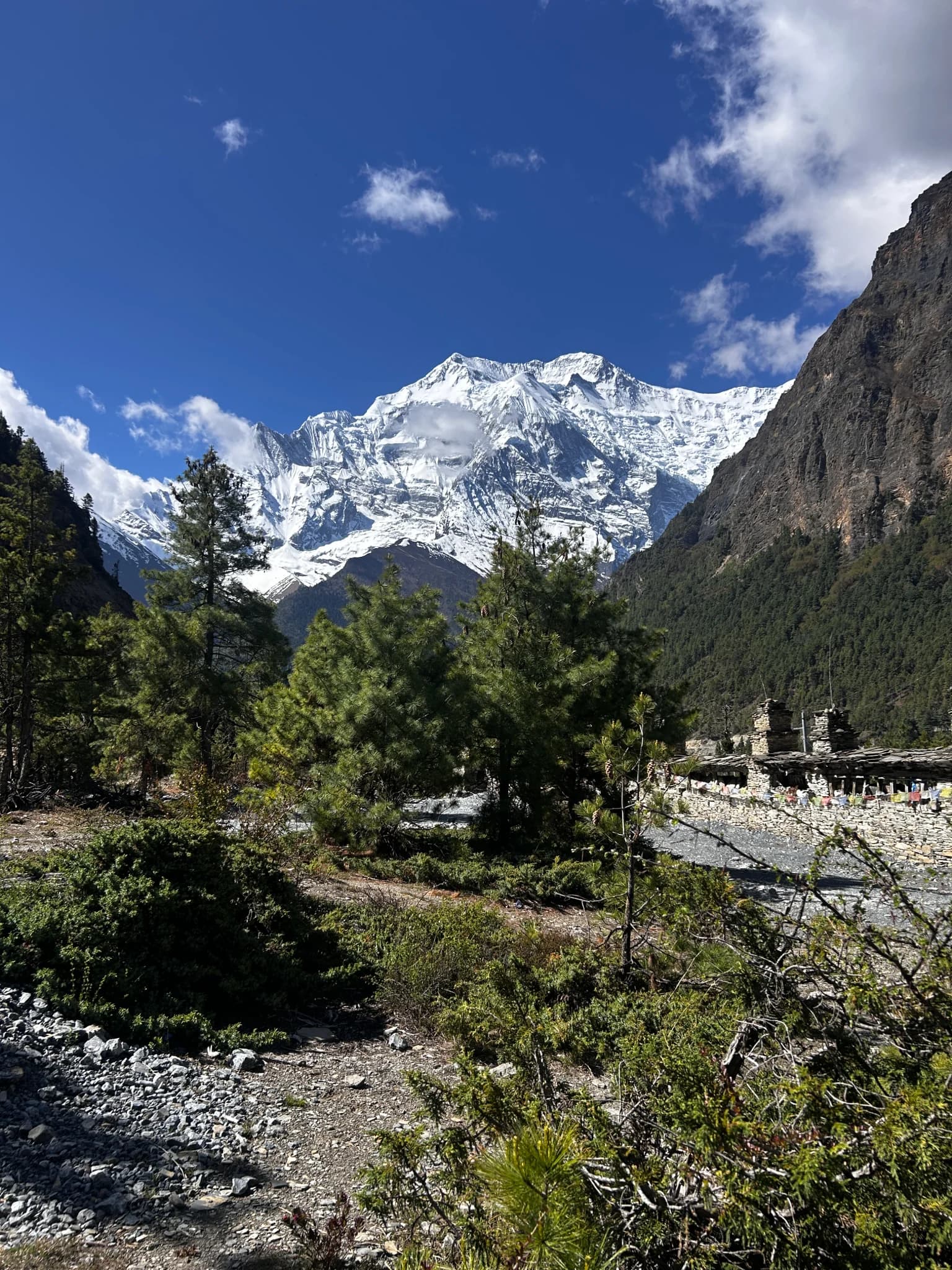
Trek Difficulty
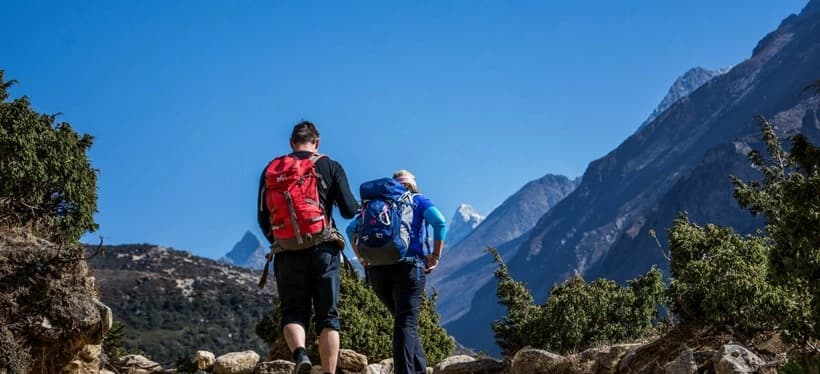
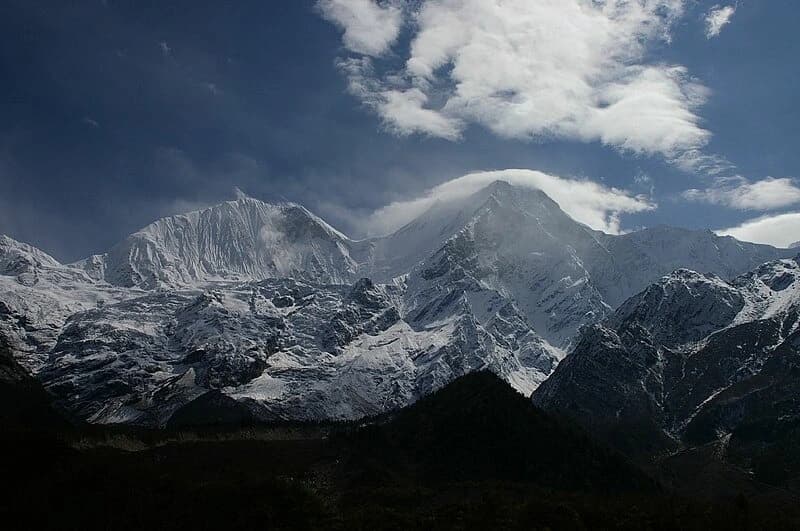
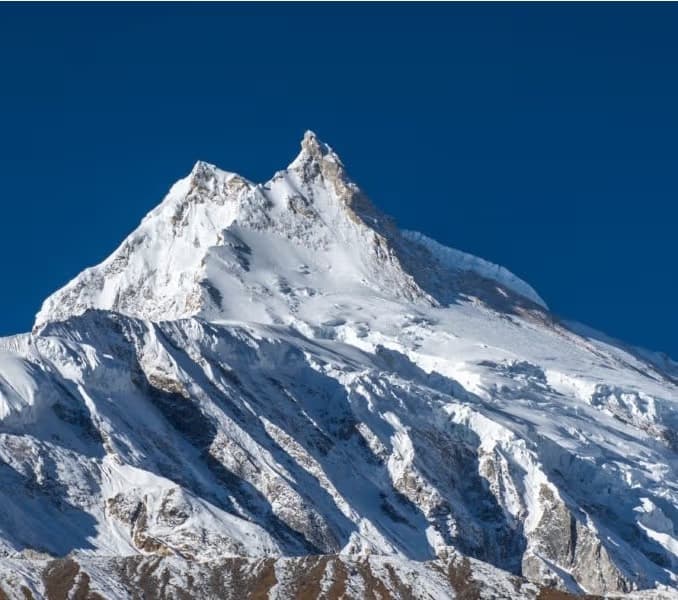
The Manaslu Circuit Trek difficulty is considered at a moderate level. This journey balances cultural immersion with raw Himalayan adventure. You need to understand that this is not the kind of trek where you can walk in with minimal preparation. This Manaslu Circuit Trek route demands endurance, acclimatization, and a steady mindset. The overall journey spans across 14 to 16 days, and you will cover an approximate distance of 177 kilometers. During this Himalayan adventure, you will need to traverse the trails that constantly shift between steep ascents, rocky descents, and narrow ridges.
The difficulty of this trek is not only in the physical aspect but also in the altitude and remoteness of the region. Another major key challenge is the altitude gain. You will start your trek at around 900 meters at Machha Khola and reach the maximum point over 5,106 meters at Larke La Pass. As you ascend to the higher part of the trails, the air starts to get thinner, and your body needs time to adapt. That’s why rest days, such as the one in Sama Gaon, are strategically placed to reduce the risk of Altitude Mountain Sickness (AMS). In terms of daily walking distance, trekkers need to cover around 4 to 8 hours per day. So, a good level of fitness and preparation is essential if you want to explore this remote mountain trail of the west-central Himalayas.
Best Time to Trek
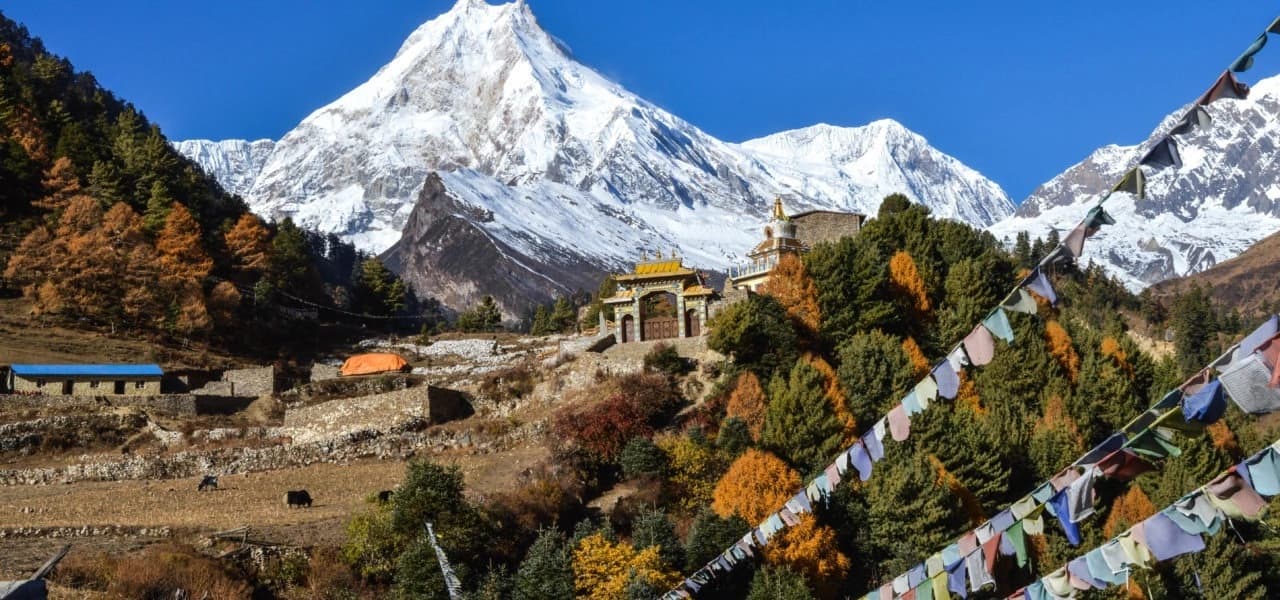
Choosing the Manaslu Circuit Trek is crucial, as the experience on the trail changes dramatically depending on when you decide to go. Since this is a high-altitude journey that takes you from subtropical river valleys to the icy heights of Larke La Pass, the weather factors dictate not just the scenery but also safety and comfort. The most popular and reliable trekking seasons are spring (March to May) and autumn (September to November). These periods offer the most stable weather, clear skies, and comfortable temperatures, which is why they are often called the prime trekking windows. In the spring season, the hillsides at lower altitudes burst into life with blooming rhododendrons, making the trails vibrant and colorful.
Temperatures are mild, ranging from 10 to 20°C in lower regions, and the visibility is excellent. The spring season also carries less risk of heavy snowfall blocking the pass compared to winter. Likewise, the autumn season is considered another golden time for this trek. The summer monsoon washes the air clean and leaves behind crystal-clear mountain views. Temperatures are crisp and pleasant, with temperatures around 12 to 18°C. The autumn season also coincides with some of Nepal’s major festivals like Dashain and Tihar. So, trekkers can witness local celebrations in the villages, which will add cultural richness to the journey.
Packing List for Manaslu Circuit Trek in Nepal
Packing right for your Nepal Manaslu Circuit Trek can make or break your journey. Since the trail takes you through a mix of climates from humid lowlands and alpine forests to snow-covered passes, it is necessary to pack a versatile set of gear to handle both warm days and freezing nights. Here is a detailed suggested packing list for the journey.
Clothing
- Base layers (thermal tops and bottoms)
- Trekking shirts and t-shirts
- Long-sleeve trekking shirt
- Light fleece or sweater
- Down jacket
- Windproof jacket or softshell
- Rain jacket or poncho
- Trekking pants
- Lightweight casual pants
- Hiking shorts
- Innerwear/undergarments (sufficient pairs)
- Neck gaiter or buff
- Sun hat or cap
- Warm beanie/wool hat
- Gloves (lightweight and insulated pair)
- Socks
Footwear
- Trekking boots (sturdy, waterproof, broken-in)
- Light sports/trainer shoes
- Camp slippers or Crocs
- Sock liners
Gear and Accessories
- Backpack
- Duffel bag
- Sleeping bag (four-seasonal)
- Trekking poles
- Water bottle or hydration bladder (2–3 liters capacity)
- Water purification system (tablets or filter)
- Sunglasses with UV protection
- Headlamp or flashlight
- Power bank (10,000–20,000 mAh)
- Universal adapter
- Trekking map, guidebook and GPS device
Personal Essentials
- Toothbrush, toothpaste, biodegradable soap, shampoo
- Light travel towel (quick-dry)
- Sunscreen (SPF 50+) and lip balm (with UV protection)
- Foot powder or antifungal cream
- Hand sanitizer and wet wipes
- Toilet paper/tissue
- Insect repellent
- Small first aid kit
- Personal medication
- Snacks and energy bars
- Reusable shopping bag
Accommodation and Food During Trek
The Manaslu Circuit Trek takes you across some of the most remote areas in Nepal. In these stretches of the Himalayas, the infrastructure is modest compared to commercialized regions like Everest or Annapurna. Still, you will find the trekking adventure well-supported by a network of teahouses that provide food and lodging along the route. Teahouses on the Manaslu Circuit Trek Nepal are simple, functional and built to serve trekkers and locals alike.
The rooms inside these teahouses typically have two single wooden beds with mattresses, pillows, and blankets.
The walls are thin, and heating is rare except for the central dining hall, where a stove fueled by wood or yak dung provides warmth in the evenings. It is where trekkers usually gather around to share their stories. Bathrooms are usually on a shared basis; squat toilets are common in lower sections, and a mix of squat and western-style toilets is found higher up. Hot showers are also available, often solar-heated or provided via buckets. The higher you go, the more basic things get. So, as a trekker in this remote region, you need to manage your expectations; this may not be a luxury trek, but it’s authentic mountain hospitality.
Meal Options
The teahouses along the Manaslu Circuit Trek route serve a surprisingly wide range of healthy and delicious meals, despite the extreme remoteness of the region. While most of the diet is based on the traditional Nepali cuisine, many teahouses also offer Tibetan and a few Western options. This gives trekkers enough variety to fuel their long days on the trail. Here’s a breakdown of meals that you can expect at the teahouses:
Breakfast Options
- Tibetan bread with jam or honey
- Pancakes (plain, apple, banana, chocolate, or honey)
- Toast with butter or jam
- Porridge
- Oatmeal
- Omelet
- Boiled eggs
- Muesli or granola
- Hash browns or fried potatoes
- Rice pudding
Lunch and Dinner
- Dal bhat (rice, lentil soup, vegetable curry, pickles)
- Noodles (fried or soup-based)
- Fried rice
- Chowmein
- Spaghetti
- Momos
- Thukpa
- Sherpa stew
- Pizza
- Macaroni or pasta dishes
- Potato-based dishes
- Burger
- Roti and chapati
- Shyakpa
Beverages
- Tea (black, milk, masala, herbal, or green)
- Ginger lemon tea
- Coffee
- Hot chocolate
- Milk
- Soft drinks (Coke, Fanta, Sprite)
- Bottled water
- Local alcohol (raksi, tongba, chhyang)
- Fruit juice
Drinking Water
Access to safe drinking water is one of the most critical considerations on this remote mountain trail. The trail of the Nepal Manaslu Circuit Trek traverses remote villages, deep valleys, and high-altitude passes. In such remote segments, the tap water is scarce, and untreated natural sources carry health risks. So, there are three safe options that you can choose from: buy bottled water, treat tap water, or refill bottles at the teahouses. The use of plastic bottles affects the delicate Himalayan environment, and the price for it also increases with the increase in altitude.
Instead, you can bring a reusable bottle or hydration bladder (2 to 3 liter capacity) and buy boiled water at the teahouses. This way, you will be able to meet the daily hydration quota without taking risks. There is also the option to fill your bottle at clean stations (taps and streams). But do not consume the water without purifying it first.
Training and Preparation
The Nepal Manaslu Circuit Trek is physically demanding, spanning across 177 km over 14 to 16 days. You will reach the highest point of the trek at Larke La Pass (5,106 meters). So, even if this journey is not physically strenuous, preparing well in advance is key to enjoying the trek safely and comfortably.
- Physical Training: For the physical training, it's best if you focus on cardio, endurance, and leg strength. Activities like jogging, cycling, and stair climbing will help you build stamina. Meanwhile, exercises like squats, lunges, and core exercises will strengthen the muscles that you will have to rely on during long days of trekking. Hiking with a loaded backpack is also highly recommended as it simulates real conditions.
- Mental Preparation: Besides physical aspects, trekking at high altitude also tests your patience and resilience. The trekking days are long, trails can be steep, and weather conditions are unpredictable. Practicing mindfulness, pacing yourself, and maintaining a positive attitude will help you manage fatigue and stress with more ease.
- Acclimatization: One of the biggest challenges of the Manaslu Circuit Trek is its high-altitude nature. Thus, you will need to follow a proper acclimatization schedule, drink plenty of water, move at a comfortable pace, and avoid rushing. Being careful about these factors reduces the risk of Altitude Mountain Sickness (AMS). Some trekkers also use Diamox (altitude sickness medication), but you should consult a doctor before using it.
Necessary Permits
The Manaslu region is a restricted area, which means trekkers cannot enter without the necessary permits. These regulations exist to preserve the environment, protect local communities, and manage trekking foot traffic in this remote Himalayan region. Before starting the trek, it is mandatory to obtain the following permits:
- Manaslu Restricted Area Permit (RAP)
- Annapurna Conservation Area Permit (ACAP)
- Manaslu Conservation Area Permit (MCAP)
You can obtain these permits in Kathmandu or Pokhara, from the Nepal Tourism Board office or through a registered trekking agency. You cannot apply individually for the restricted area permit as it is only provided to registered trekking agencies. To apply for these permits, you will need to provide passport-sized photos, a copy of your passport and the trek dates to complete the process.
Is This Trek Suitable for Beginners?
The Manaslu Circuit Trek is a moderate-level adventure in the remote part of the Himalayas. So, it is not an ideal choice for a beginner trekker who is not familiar with the high-altitude environment. Beginners unfamiliar with trekking at altitude may also experience fatigue or altitude sickness if they are not thoroughly prepared for this remote adventure. That said, the trek is still manageable for beginners with the right support. If you are a beginner, you need to hire a licensed guide and porter to help you with the journey. These professional companions will help you with navigation, safety, and logistics so you will be able to enjoy a hassle free jounrey.
It is also crucial to follow a well-balanced acclimatization schedule at stops like Sama Gaon and Samdo. Managing pace, taking rest days, and staying in teahouses along the route ensures comfort and gradual adaptation. With basic hiking experience, good fitness, and careful planning, beginners can still enjoy the trek safely. This journey offers stunning Himalayan scenery, rich culture, and rewarding experiences. But, still, preparation and realistic expectations are key for a successful endeavour for anyone attempting it for the first time.
Travel Visa
For most international travelers, obtaining a Nepal tourist visa is a straightforward process, which makes it easy to start the Manaslu Circuit Trekking adventure. You can obtain the visas on arrival at the Tribhuvan International Airport in Kathmandu or at land border entry points. There are primarily three types of visa that you can apply for, depending on your intended period of stay:
- 15-day tourist visa— USD 30
- 30-day tourist visa— USD 50
- 90-day tourist visa— USD 125
For those who want to arrange a visa in advance, you can submit your application online through the official Department of Immigration website. The online process provides approval in advance, but travelers still need to present their passport and printed approval on arrival. If you plan on staying longer than your intended period, you can also get a visa extension. For that, you will need to get at least a 15-day extension, which costs around USD 45.