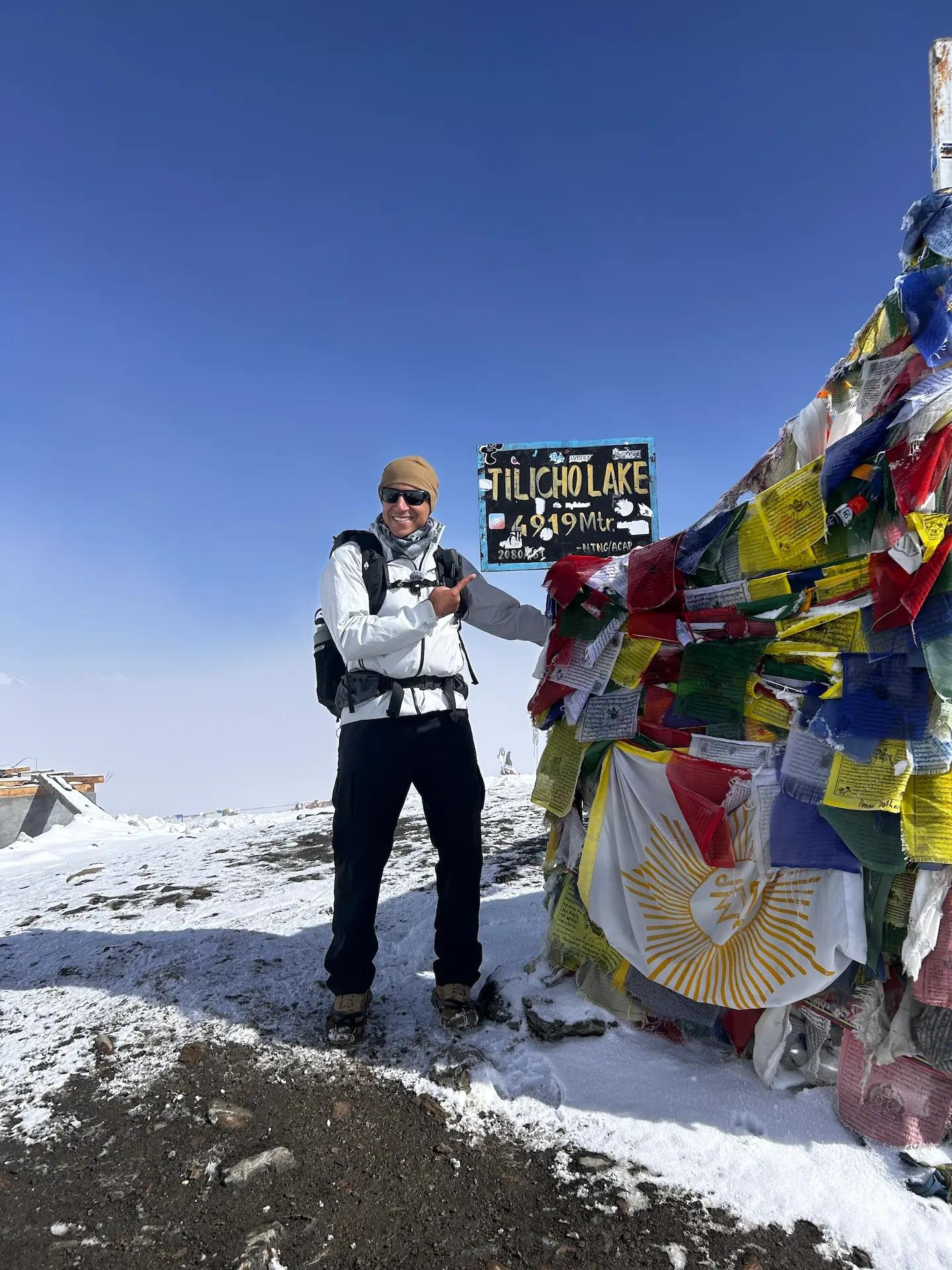
The best time to visit Nepal and Bhutan in winter is December to February, with early to mid-December offering the clearest Himalayan views, dry weather, and major cultural festivals. February is another excellent choice for warmer afternoons, the Punakha Tshechu, and winter wildlife experiences. From Kathmandu, Pokhara, and Chitwan to Paro, Thimphu, Punakha, and Phobjikha, both countries offer diverse winter experiences, including Himalayan sightseeing, monastery visits, wildlife safaris, and scenic mountain landscapes.
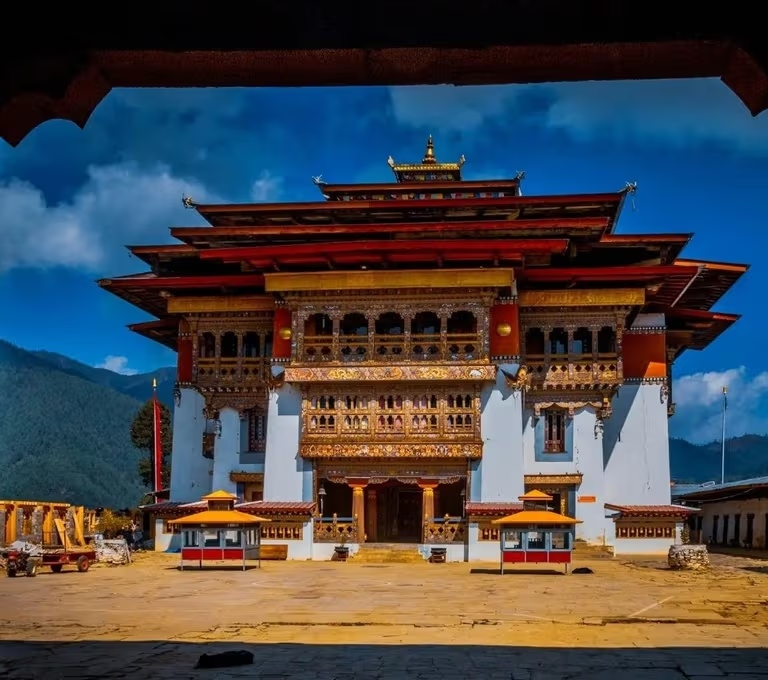
Winter travel in Nepal and Bhutan also brings freezing nights, high-altitude snowfall, icy trekking trails, shorter daylight hours, and occasional flight delays caused by fog. Choosing the right month and altitude is essential for enjoying destinations such as Ghorepani Poon Hill, Tiger's Nest Monastery, and the Everest viewpoints. Explore the winter weather, monthly temperatures, trekking routes, festivals, best destinations, travel costs, and practical travel tips to plan a comfortable and rewarding Nepal and Bhutan winter tour in 2026–27.
When Does Winter Begin and End in Nepal and Bhutan?
Winter runs from December through February in both Nepal and Bhutan. Cold air settles in by early December, temperatures bottom out in the second half of January, and spring warmth returns in late February. Elevation shifts these dates by two to four weeks.
What Are the Winter Months in Nepal?
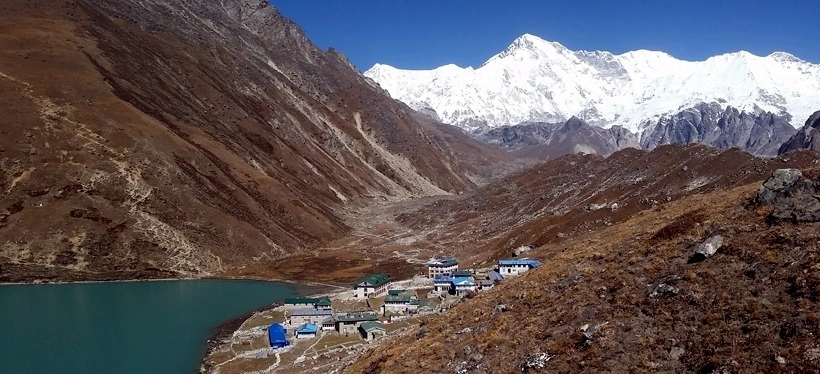
Nepal's winter months are December, January, and February, with cold mornings starting in late November. The Nepali calendar places winter between mid-December and mid-March (Poush to Falgun), which explains why cold snaps still arrive in early March.
Altitude decides how winter feels. Kathmandu (1,400 m) stays dry and sunny with chilly nights. The Terai lowlands, including Chitwan, run 8 to 10°C warmer. Above 3,500 m, winter conditions begin in November and last until early March. Climate records show that every month from December to February stays under 30 mm of rainfall in Kathmandu, which makes it the most reliable dry window of the year.
What Are the Winter Months in Bhutan?
Bhutan's winter months are December, January, and February. The high valleys of Bumthang and Phobjikha turn cold by late November, while low-lying Punakha stays mild through the whole season.
The Bhutanese calendar adds a cultural layer. Winter coincides with the 11th and 12th lunar months, when farm work stops and villages hold their largest festivals. Trongsa hosts its Tshechu in December, and Punakha hosts its festivals in February. Travelers who arrive in these months meet communities with time to celebrate, which is a different experience from the busy planting and harvest seasons.
How Cold Do Nepal and Bhutan Get During Winter?
Both countries stay comfortable in the lowlands and freeze at altitude. Kathmandu falls to 2–4°C (36–39°F) at night, Paro drops to −5°C (23°F) in January, and Everest-region trekking camps register −15°C to −25°C (5°F to −13°F) after dark.
Temperature falls about 6.5°C for every 1,000 m of altitude gained. A Kathmandu day at 18°C therefore translates to roughly 5°C in Namche Bazaar (3,440 m) and below −5°C at 4,500 m. Sun exposure changes the picture again. At 3,500 m, a sunny trail feels 15°C warmer than shade, so travelers strip layers at noon and re-layer at 3 pm.
What Weather Conditions Can Travelers Expect in December, January, and February?
December brings crisp, clear days. January brings the deepest cold. February brings warming afternoons and the first haze of spring. All three months share low rainfall, strong sunshine, and cold nights.
December: Stable skies, excellent mountain visibility, and the lowest haze of the year.
January: The coldest weeks, with ground frost in Paro and Bumthang and fog across the Terai.
February: Longer days, rising valley temperatures, and occasional late-winter snow at higher elevations.
Daylight is the constraint in every month. Sunset arrives near 5:15 pm in December in both Kathmandu and Thimphu, so plan sightseeing and trekking stages to finish by mid-afternoon.
Which Is the Best Month to Visit Nepal and Bhutan in Winter?
December is the best single month for a combined Nepal and Bhutan winter trip. It offers the clearest skies, the most festivals per week, and milder nights than January. February ranks second for warmth and cultural events, and January ranks third for cold and crowds in Bhutan's highlands.
Is December a Good Time to Visit Nepal and Bhutan?
Yes, December is an excellent time to visit Nepal and Bhutan. Skies are crisp, Himalayan peaks stand out sharply, and lowland temperatures stay between 3 and 19°C. Bhutan stages its biggest winter festivals this month.
According to the festival schedule published by Bhutanese operators, the Druk Wangyel Tshechu takes place at Dochula Pass on 13 December 2026, and the Trongsa Tshechu runs 17–21 December 2026. Bhutan's National Day on 17 December adds national celebrations in Thimphu.
The catch is demand. Christmas and New Year weeks (roughly 20 December to 5 January) fill hotels in Kathmandu, Paro, and Thimphu. Book flights and Bhutan permits 8 to 10 weeks ahead for these dates. Early December, before the holiday rush, gives the same weather with lower prices and easier flights.
Is January the Best Month for a Winter Trip to Nepal and Bhutan?
January is not the best month, but it suits travelers who want empty trails and quiet monasteries. It is the coldest month: Paro averages −5°C at night, Bumthang matches it, and Terai fog delays morning flights and road transfers.
In real-world planning, January travelers do best when they stay at lower elevations, keep Chitwan and Punakha in the itinerary, and avoid early-morning departures.
January does offer two advantages. Sites such as Tiger's Nest and Swayambhunath see their smallest crowds of the year. Heated rooms, hot stone baths, and wood-stove dining rooms also feel more rewarding when the air is truly cold.
Is February a Good Time to Explore Nepal and Bhutan?
February is a very good time to explore Nepal and Bhutan. Afternoons warm up to 13–22°C across the main valleys, days grow longer, and Bhutan's festival calendar fills with major events.
Punakha hosts the Punakha Dromchoe on 13–15 February 2027 and the Punakha Tshechu on 16–18 February 2027, according to the tentative 2027 schedule. Trongsa stages the Lhamoi Dromchhen on 11–13 February 2027. Lunar dates shift, so confirm them 60 days before travel. Nepal adds Tibetan New Year (Gyalpo Lhosar) and Maha Shivaratri season at Pashupatinath, which falls in February or March depending on the year.
Visibility declines slightly. Late-February haze softens distant peaks, and the best mountain photographs come before 9 am.
How Do December, January, and February Compare for Winter Travel?
December wins on visibility, January wins on solitude, and February wins on warmth and festivals. The table below compares the three months across the factors that decide most itineraries, including weather, crowds, and cultural events.
Factor | December | January | February |
Kathmandu day / night | 18°C / 3°C | 17°C / 2°C | 19°C / 5°C |
Paro day / night | 11°C / −1°C | 9°C / −5°C | 13°C / 1°C |
Himalayan visibility | Excellent | Very good | Good (haze builds) |
Crowds and prices | High at Christmas | Lowest | Moderate |
Bhutan festivals | Trongsa, Dochula | Few | Punakha, Trongsa |
Best for | First-time visitors | Solitude seekers | Culture and warmth |
Pick December when mountain views matter most. Choose February when you want festivals and gentler nights. Reserve January for travelers who prefer solitude over comfort.
What Is the Weather Like in Nepal During Winter?
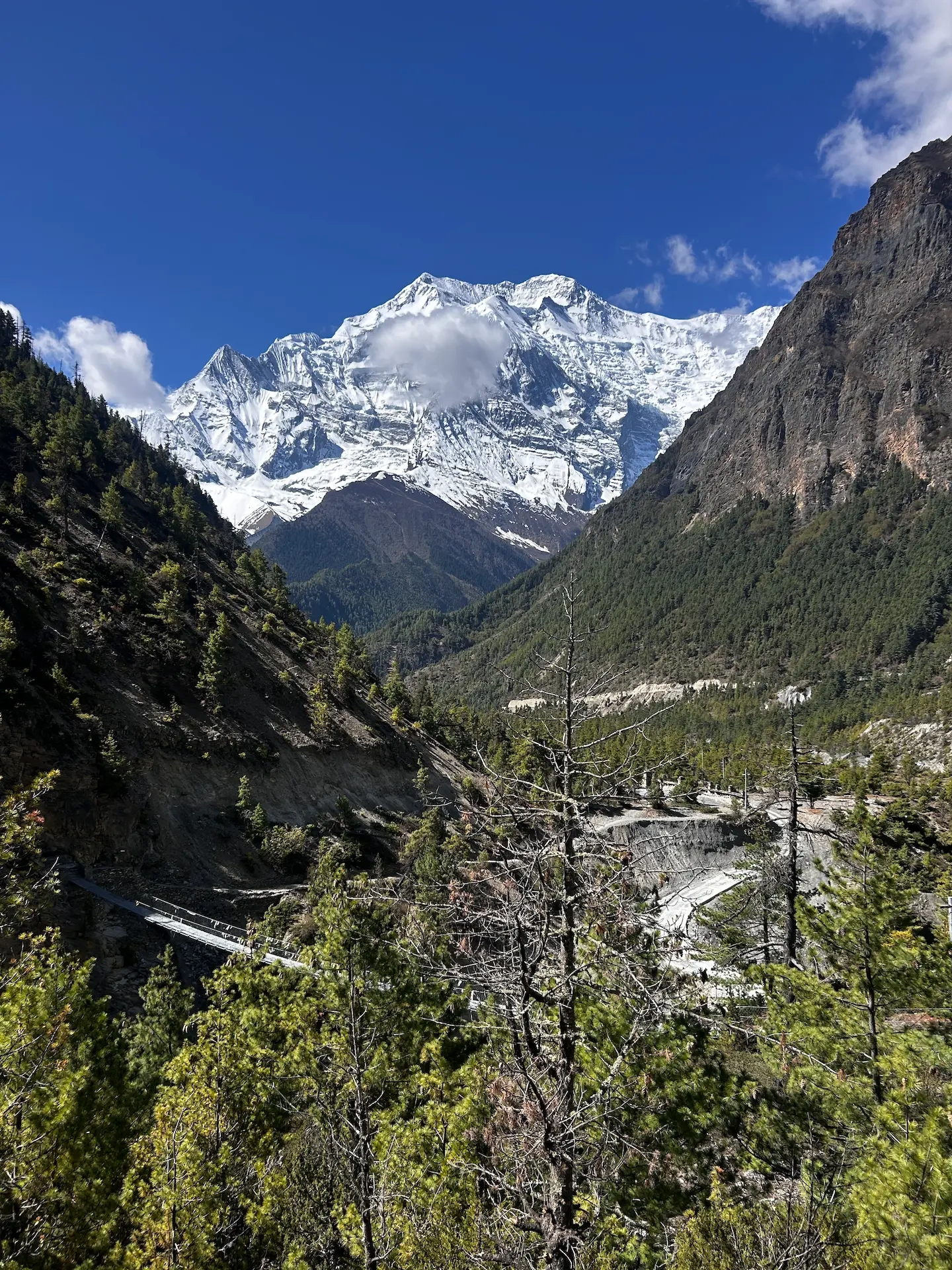
Nepal's winter weather is dry, sunny, and cold at night. Lowlands enjoy comfortable days of 17–24°C, mid-hills drop below freezing after dark, and high Himalayan regions hold snow and sub-zero temperatures from November to March.
What Are the Daytime and Nighttime Temperatures in Nepal?
Daytime temperatures in Nepal range from 17–24°C in the lowlands to −5–5°C above 4,000 m. Nighttime temperatures range from 3–8°C in Kathmandu and Pokhara to below −15°C at high camps.
Kathmandu (1,400 m): 17–19°C by day, 2–5°C at night.
Pokhara (820 m): 19–22°C by day, 6–9°C at night.
Chitwan (150 m): 22–25°C by day, 7–10°C at night, with morning fog.
Namche Bazaar (3,440 m): around 5°C by day, −8°C at night.
Gorak Shep (5,164 m): well below −20°C at night in January.
Kathmandu homes and many hotels lack central heating. Request a room with a heater or electric blanket when booking, since a 3°C night inside a concrete room feels colder than the thermometer suggests.
Does It Snow in Nepal During Winter?
Snow falls in Nepal's high Himalaya every winter, but it rarely reaches the main tourist lowlands. Kathmandu, Pokhara, and Chitwan stay snow-free, while Everest, Annapurna, and Langtang regions hold snow above 3,000 m.
Kalinchowk (3,800 m), 4 to 5 hours from Kathmandu, is the most accessible snow destination, with reliable cover in January and February. Nagarkot and Shivapuri see a light dusting only in unusual cold snaps. Pokhara visitors reach snowline at Ghorepani and Poon Hill, where fresh snow appears several times each winter.
Plan for conditions, not calendar dates. A trail at 3,000 m can be clear on Monday and ice-covered on Wednesday. Local guides read the forecast, and their daily decision to proceed or wait protects travelers from the avoidable mistakes we see most often, such as pushing on after fresh snowfall.
Which Regions of Nepal Have the Best Winter Weather?
Chitwan, Pokhara, and the Kathmandu Valley have the best winter weather in Nepal. Chitwan offers the warmest days, Pokhara offers lake views with clear mornings, and Kathmandu offers dry cultural sightseeing.
Chitwan and the Terai: warmest region, ideal for jungle safaris, though January fog delays flights and drives.
Pokhara: mild days, Phewa Lake, and Annapurna and Machapuchare views from Sarangkot at dawn.
Kathmandu Valley: dry weather and short drives between UNESCO sites.
Mid-hill trekking zones (1,500–3,200 m): cold nights but sunny, stable days.
Kathmandu's winter air quality is the weak point. According to IQAir monitoring data, the valley regularly records "unhealthy" readings from December to February. Pack an N95 or FFP2 mask, and schedule outdoor sightseeing for late morning after valley winds clear the air.
How Does Winter Weather Affect Trekking in Nepal?
Winter weather makes low and mid-altitude trekking excellent and high-altitude trekking demanding. Mornings are clear, trails are quiet, and rain is absent, but cold, short days, and snow limit routes above 4,000 m.
Treks below 3,500 m, such as Ghorepani Poon Hill, Mardi Himal's lower sections, and Langtang's lower valley, run smoothly. High passes close in practice. Thorong La (5,416 m), Cho La, Renjo La, and Larke La collect heavy snow and carry serious avalanche and exposure risk, so the Annapurna Circuit and Everest Three Passes are poor winter choices.
Daylight averages 10.5 hours. Start trekking at 7 am to finish before the afternoon wind and cold arrive. Tea houses run reduced menus and unheated bedrooms, so a −15°C-rated sleeping bag is a basic requirement.
What Is the Weather Like in Bhutan During Winter?
Bhutan's winter weather is dry and sunny with cold mornings and nights. Valleys such as Paro, Thimphu, and Bumthang fall below freezing after dark, while Punakha stays mild. Snow concentrates on high passes rather than the main towns.
What Are the Daytime and Nighttime Temperatures in Bhutan?
Bhutan's daytime temperatures range from 9–19°C in the main valleys. Nighttime temperatures range from −5°C in Paro and Bumthang to 4–7°C in Punakha. The table below lists average highs and lows by region and month.
Region (elevation) | December | January | February |
Paro (2,280 m) | 11°C / −1°C | 9°C / −5°C | 13°C / 1°C |
Thimphu (2,320 m) | 14°C / −1°C | 12°C / −2°C | 14°C / 0°C |
Punakha (1,300 m) | 15°C / 7°C | 16°C / 4°C | 19°C / 5°C |
Bumthang (2,600 m) | 12°C / −2°C | 10°C / −5°C | 10°C / −1°C |
Phobjikha (about 2,900 m) is colder than any town on this list, with hard frost and cold, clear mornings. Punakha stays the warmest by 8 to 10°C, which makes it the natural base for travelers who dislike cold.
Most hotels in Paro and Thimphu run wood-burning stoves (bukharis) or heaters. Ask for a bukhari room in Phobjikha and Bumthang, where the stove is the difference between a comfortable night and a long one.
Does It Snow in Bhutan During Winter?
Snow falls on Bhutan's high passes each winter, but it is not guaranteed in Thimphu or Paro. Dochula (3,100 m), Chele La (3,988 m), and Pele La (3,420 m) collect snow most often. The towns see snow in colder years, typically in January or February.
Fresh snowfall closes mountain roads for several hours, not days. Bhutan's road crews clear major highways quickly, though black ice on Dochula and Chele La makes early-morning driving slower. Travelers who want snow photographs have the best chance in Bumthang, Phobjikha, and Haa after a cold front.
Treat snow as a bonus, not a guarantee. Pick Bhutan for clear skies and festivals.
Which Regions of Bhutan Are Best to Visit in Winter?
Punakha, Paro, and Thimphu are the best regions of Bhutan to visit in winter. Punakha is warmest, Paro and Thimphu offer manageable cold with sunny afternoons, and Phobjikha delivers the black-necked cranes.
Punakha: mild days, fewer visitors at the dzong, and white-bellied heron sightings along the rivers.
Paro: dry trails to Tiger's Nest and a short transfer from the airport.
Thimphu: compact sightseeing with short drives.
Phobjikha: black-necked cranes winter here from late October until about February.
Bumthang: spiritually rich but the coldest option; best for travelers with warm gear and extra days.
According to the Royal Society for Protection of Nature, Phobjikha Valley hosts several hundred black-necked cranes each winter, and the birds leave for Tibet between late February and March. Visit before mid-February for the best sightings.
How Does Bhutan's Winter Weather Affect Sightseeing?
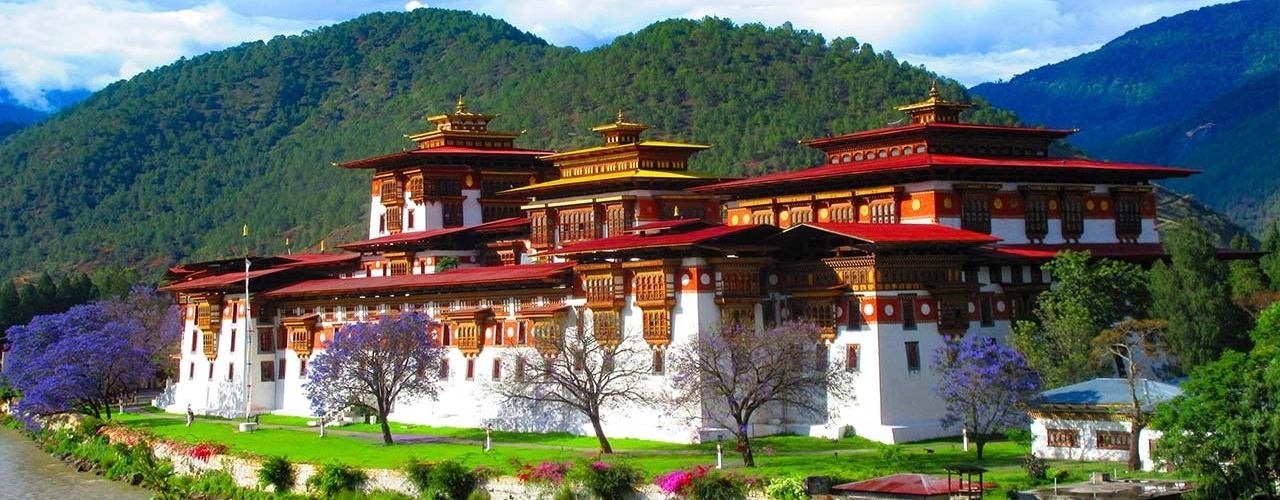
Winter weather improves Bhutan sightseeing more than it limits it. Clear air sharpens views from Dochula, trails stay dry, and monasteries are quiet. Cold mornings, icy paths, and short daylight are the limits.
The Tiger's Nest hike (about 700 m of ascent, 5 to 6 hours round trip) is a better winter walk than a summer one: no mud, no rain, and cooler climbing temperatures. Start at 7:30 am, wear boots with grip, and carry a trekking pole for icy sections near the cafeteria viewpoint.
Dzongs and temples close around 5 pm, and daylight fades by 5:15 pm. Visit dzongs in the afternoon, leave cold-weather drives for the middle of the day, and avoid driving on mountain passes after dark.
Which Are the Best Places to Visit in Nepal and Bhutan in Winter?
The best winter destinations pair low-altitude cultural centers with clear Himalayan viewpoints. In Nepal, that means Kathmandu Valley, Pokhara, Chitwan, and Nagarkot. In Bhutan, that means Paro, Thimphu, Punakha, and Phobjikha.
Which Places in Nepal Are Best for Winter Travel?
Kathmandu Valley, Pokhara, Chitwan National Park, Lumbini, and Nagarkot are the 5 best Nepal places for winter travel. Each stays below 1,500 m or offers easy road access, and each delivers sunny weather and short transfers.
Kathmandu Valley: temples, bazaars, and 7 UNESCO World Heritage Sites.
Pokhara: lakeside calm, paragliding, and Annapurna views.
Chitwan National Park: one-horned rhinoceros and Bengal tiger habitat, with cool mornings ideal for walks.
Lumbini: the Buddha's birthplace, a UNESCO site since 1997, with fog in January mornings.
Nagarkot: Himalayan sunrise views 32 km from Kathmandu.
Which Himalayan Destinations Offer the Best Winter Views?
Poon Hill, Sarangkot, Nagarkot, Dhulikhel, and the Everest View Hotel offer the best winter views of the Himalayas. Winter mornings produce the clearest air of the year, with peaks visible from 6 am until about 10 am.
Poon Hill (3,210 m) shows Dhaulagiri and Annapurna at sunrise. Sarangkot reveals Machapuchare reflected in Phewa Lake. The Everest View Hotel (3,880 m) sits above Namche and frames Everest, Lhotse, and Ama Dablam. A one-hour Everest mountain flight from Kathmandu delivers the same peaks without cold-weather trekking. Book the earliest morning flight for the clearest skies; airlines guarantee everyone a window view as the plane loops back along the range.
Which Cultural and Heritage Sites Are Worth Visiting in Nepal?
Pashupatinath, Boudhanath, Swayambhunath, Patan Durbar Square, and Bhaktapur Durbar Square are the 5 cultural sites most worth visiting in Nepal. Winter's dry weather makes walking between sites comfortable.
Pashupatinath: Nepal's holiest Hindu temple complex, on the Bagmati River.
Boudhanath: one of the largest stupas in the world and the center of Tibetan Buddhism in Nepal.
Swayambhunath: a hilltop stupa with valley views, reached by 365 steps.
Patan Durbar Square: a showcase of Newar architecture and metalwork.
Bhaktapur Durbar Square: a medieval city center with brick lanes and pottery squares.
Winter visitors see these sites with fewer tour groups, and Boudhanath's evening butter-lamp circuits are more atmospheric in the crisp air. Visit Bhaktapur in the morning for soft light and warm tea at the courtyard cafés.
Which Places in Bhutan Are Best for Winter Travel?
Paro, Thimphu, Punakha, Phobjikha, and Bumthang are the 5 best Bhutan places for winter travel. Western Bhutan combines short drives, working dzongs, and the country's most famous monasteries, which keeps cold-weather logistics simple.
A classic winter route runs Paro, Thimphu, Punakha, Phobjikha, and back to Paro over 6 to 8 nights. Every night carries Bhutan's USD 100 Sustainable Development Fee, so the route length decides the budget more than the season does. Eastern Bhutan (Mongar, Trashigang) stays warmer at low elevation but demands long road days that suit repeat visitors.
Which Monasteries, Valleys, and Cultural Sites Are Best to Explore in Bhutan?
Paro Taktsang (Tiger's Nest), Punakha Dzong, Tashichho Dzong, Gangtey Monastery, and Jambay Lhakhang are the 5 best Bhutan monasteries and cultural sites to explore in winter.
Paro Taktsang (3,120 m): a cliffside monastery reached by a 5 to 6 hour round-trip hike.
Punakha Dzong: a 17th-century fortress at the meeting of the Pho Chhu and Mo Chhu rivers, and the winter seat of Bhutan's central monk body.
Tashichho Dzong, Thimphu: the seat of government, open to visitors after office hours on weekdays and all day on weekends and public holidays.
Gangtey Monastery, Phobjikha: a 17th-century monastery above the crane valley.
Jambay Lhakhang, Bumthang: one of Bhutan's oldest temples, dated to the 7th century.
Punakha Dzong is the winter highlight. The central monk body moves there from Thimphu in the cold months, which means active prayer halls and monks in residence during your visit. Dochula Pass, with its 108 memorial chortens, rewards an early stop for Himalayan views. Add Chimi Lhakhang and the Khamsum Yulley Namgyal Chorten in Punakha, and the Haa Valley for a quieter day trip over Chele La.
What Are the Best Winter Trekking Opportunities in Nepal?
The best winter trekking in Nepal sits between 2,000 and 3,800 m. Ghorepani Poon Hill, Everest View, Mardi Himal's lower camps, Langtang's lower valley, and Helambu give clear skies, quiet trails, and manageable cold without high-pass exposure.
Which Nepal Treks Are Suitable for December, January, and February?
Ghorepani Poon Hill, Everest View, Langtang Valley (lower), Mardi Himal (to Low or High Camp), and Helambu are suitable for December through February. All five stay mostly under 4,000 m and rely on established tea house routes.
Trek | Peak altitude | Typical duration | Winter notes |
Ghorepani Poon Hill | 3,210 m | 4–5 days | Best beginner winter trek |
Everest View | 3,880 m | 6–7 days | Flight-dependent, superb views |
Langtang Valley (lower) | 3,500 m | 6–7 days | Quiet, cold nights |
Mardi Himal | 3,580 m (High Camp) | 5–6 days | Snow likely above Forest Camp |
Helambu | 3,500 m | 5–6 days | Close to Kathmandu |
Routes that stay out of the safe window include the Annapurna Circuit over Thorong La, the Everest Three Passes, and Manaslu's Larke La. Annapurna Base Camp and Everest Base Camp operate in winter, but avalanche risk and extreme cold restrict them to experienced, well-equipped trekkers. Read Nepal Intrepid Treks' Annapurna Base Camp trek in winter and Mardi Himal trek in winter guides for route-specific risks.
Is Ghorepani Poon Hill Trek Possible During Winter?
Yes, the Ghorepani Poon Hill trek is possible in winter and is the best beginner winter trek in Nepal. It tops out at 3,210 m, runs 4 to 5 days from Pokhara, and delivers Dhaulagiri and Annapurna sunrise views.
Expect 2 to 3°C below freezing at Ghorepani (2,874 m) at night and −8°C windchill on the Poon Hill summit at dawn. Snow arrives in short bursts between December and February, and guides rate the stone steps above Ghorepani as the most slippery section. Hike with microspikes after fresh snow.
Tea houses at Ghorepani and Tadapani run dining-room stoves, and winter occupancy stays low, so rooms are easy to secure. The Annapurna Conservation Area Permit (NPR 3,000) is required. Nepal Intrepid Treks lists the Poon Hill trek as a standard itinerary.
Is Everest View Trek Suitable for Winter?
Yes, the Everest View trek is suitable for winter if you have a flexible schedule. It reaches 3,880 m at the Everest View Hotel, runs 6 to 7 days, and offers some of the clearest Everest views of the year.
Winter flights from Kathmandu to Lukla take 25 to 35 minutes, and nearly all departures leave before 9 am. Lukla's 527 m runway has an 11.7-degree gradient and no overshoot margin, and flights operate under visual flight rules, so cloud and fog cancel departures. Winter schedules run fewer daily flights than peak season, which reduces backup options.
Add 2 spare days to the itinerary. Keep your flight home 3 days after the planned return from Lukla. A helicopter transfer (private charter around USD 2,800 for five passengers) remains the emergency alternative. Travelers who prefer to skip the cold, early starts, and flight risk book the Everest heli tour instead.
What Are the Benefits and Challenges of Trekking in Nepal During Winter?
The 5 main benefits of winter trekking are clear skies, empty trails, easy lodging, crisp mountain views, and dry conditions. The 5 main challenges are freezing nights, short days, snow and ice, limited routes, and flight disruption.
Benefits:
Clear skies: early-morning visibility is the best of the year.
Empty trails: trekker numbers fall sharply compared with October and April.
Easy lodging: tea houses have spare beds without advance booking.
Cold, crisp light: photographers get sharp ridgelines.
Dry weather: rain and leeches are absent.
Challenges:
Freezing nights: unheated rooms demand a −15°C sleeping bag.
Short days: 10 to 10.5 hours of usable daylight.
Snow and ice: slower walking and avalanche risk on steep slopes.
Limited routes: high passes are off the table.
Flight disruption: Lukla and Kathmandu delays are common.
The most frequent mistake we see is underestimating cold at 3,000 m and above. Travelers pack for Kathmandu's 18°C days and meet −10°C nights. While independent trekking is still permitted in the Everest (Khumbu) region, hiring a guide is highly recommended and mandatory across most other trekking regions in Nepal.
What Are the Best Things to Do in Nepal and Bhutan During Winter?
The best winter activities are festivals, wildlife safaris, short treks, scenic flights, and hot stone baths. Winter combines dry-weather outdoor activity with the cultural season, when monasteries and villages host their major celebrations.
Which Winter Festivals and Cultural Celebrations Can Travelers Experience in Nepal and Bhutan?
Bhutan hosts its biggest winter festivals in December (Trongsa Tshechu) and February (Punakha Tshechu). Nepal hosts Tamu Lhosar, Maghe Sankranti, Sonam Lhosar, Gyalpo Lhosar, and Maha Shivaratri.
Bhutan, based on the tentative 2026–27 schedule:
Druk Wangyel Tshechu, Dochula: 13 December 2026.
Trongsa Tshechu: 17–21 December 2026.
Bhutan National Day: 17 December each year.
Nabji Lhakhang Drup: 24–26 December 2026.
Lhamoi Dromchhen, Trongsa: 11–13 February 2027.
Punakha Dromchoe: 13–15 February 2027.
Punakha Tshechu: 16–18 February 2027.
Nepal:
Tamu Lhosar (Gurung New Year): 30 December every year.
Maghe Sankranti: around 14 January, with sesame sweets and ritual river baths.
Sonam Lhosar (Tamang New Year): late January to February.
Gyalpo Lhosar (Tibetan New Year): early to mid-February, celebrated at Boudhanath.
Maha Shivaratri: February or March, with hundreds of thousands of pilgrims at Pashupatinath.
Bhutanese festival dates follow the lunar calendar and shift between years. Confirm them with a licensed operator 60 days before booking nonrefundable flights. Aim to attend the final day of a Tshechu, when the thongdrol (giant sacred thangka) unfurls at dawn.
What Outdoor Activities Are Available in Nepal and Bhutan During Winter?
Winter outdoor activities include short treks, jungle safaris, paragliding, birdwatching, day hikes, and scenic flights. Dry, stable weather supports every one of them.
Short treks: Poon Hill, Everest View, Helambu, and the Kathmandu Valley rim.
Jungle safaris: Chitwan and Bardia, where cool mornings keep wildlife active.
Paragliding: Pokhara's winter air is calm and clear.
Birdwatching: black-necked cranes in Phobjikha and white-bellied herons near Punakha.
Day hikes: Tiger's Nest, Dochula to Lungchutse, and Haa Valley ridgelines.
Scenic flights: Everest mountain flights from Kathmandu.
Bhutan's hot stone bath (dotsho) is the signature winter experience. Farmhouses heat river stones over a fire and drop them into a wooden tub of water infused with artemisia. Archery tournaments, Bhutan's national sport, also run through the cold months in most valleys.
Can Travelers Experience Himalayan Snowfall and Mountain Views in Winter?
Yes. Travelers see Himalayan snowfall at Kalinchowk, Poon Hill, Dochula, and Phobjikha, and mountain views at nearly every cultural destination. Clear mornings are the norm at the best viewpoints.
For snowfall, choose Kalinchowk in Nepal (January and February) or Dochula and Phobjikha in Bhutan after a cold front. For mountain views, fly Kathmandu to Paro and sit on the left side, where Everest, Makalu, and Kanchenjunga appear on clear days. Add Dochula Pass for the Bhutanese Himalaya, including Gangkhar Puensum, and Nagarkot for the Langtang and Everest ranges.
Snowfall is weather, not a booking guarantee. Schedule 2 flexible days when snow matters to you, so a storm shifts the plan without breaking it.
What Should Travelers Know Before Visiting Nepal and Bhutan in Winter?
Pack layers, plan for flight and road delays, confirm health and safety basics, and prepare permits and fees in advance. These four checks prevent most winter-trip problems in Nepal and Bhutan.
What Clothes Should You Pack for a Winter Trip to Nepal and Bhutan?
Pack a layering system: merino base layers, fleece mid-layer, down jacket, windproof shell, insulated boots, warm gloves, and a wool hat. The 5 essentials below cover cities, dzongs, and treks up to 4,000 m.
Base layers: 2 merino or synthetic sets for warmth and moisture control.
Insulation: a fleece and a down jacket rated to −10°C comfort for treks.
Outer shell: a windproof, waterproof jacket and trousers.
Extremities: liner and insulated gloves, a hat, a neck buff, and wool socks.
Footwear: waterproof boots with grip, plus camp shoes.
Add a −15°C to −20°C sleeping bag (rentable in Kathmandu and Pokhara), UV-rated sunglasses (category 3), SPF 50 sunscreen, lip balm, moisturizer, an insulated bottle, and a headlamp with spare batteries. Cold drains batteries quickly, so sleep with phones and power banks inside the sleeping bag.
For Bhutan's dzongs and temples, cover shoulders and knees and remove hats and shoes at entrances.
What Are the Road and Flight Conditions in Nepal and Bhutan During Winter?
Winter roads and flights run normally with morning fog, ice, and wind as the main disruptors. Kathmandu and Terai airports see fog delays, Lukla flights cancel in cloud, and Bhutan's mountain roads carry black ice at dawn.
Kathmandu domestic flights: morning fog in December and January causes delays and diversions.
Lukla flights: most operate before 9 am, and a flight not out by mid-morning rarely leaves that day.
Kathmandu–Paro flights: Drukair and Bhutan Airlines operate this 75 to 90 minute route; clear winter skies suit Paro's visual-approach airport, and morning departures avoid afternoon wind limits.
Road transfers: Kathmandu to Pokhara takes 6 to 8 hours, and Kathmandu to Chitwan takes 5 to 6.
Bhutan roads: Thimphu to Punakha crosses Dochula (3,100 m), and scheduled stoppages for road works add waiting time.
Build a 1-day buffer before every international departure.
Are Nepal and Bhutan Safe to Visit During Winter?
Yes, both are safe for winter travel with sensible precautions. Crime against tourists stays low in both countries. The real risks are cold exposure, altitude, icy trails, and air pollution in Kathmandu.
Altitude: Acute mountain sickness begins from 2,500 m, and Bhutan's Paro (2,235 m), Dochula (3,100 m), and Tiger's Nest (3,120 m) are acclimatizing steps for later Nepal treks.
Cold injury: keep fingers, toes, and ears covered; frostbite begins within hours at −15°C windchill.
Air quality: wear an N95 mask in Kathmandu.
Insurance: buy a policy covering helicopter evacuation to at least 4,000 m.
Advisories: read your government's current Nepal and Bhutan travel advice before departure.
Sequence matters. A Bhutan leg first, with Tiger's Nest and Dochula, prepares the body for a Poon Hill or Everest View trek in Nepal afterward.
What Travel Permits and Entry Requirements Should You Know About Nepal and Bhutan?
Nepal requires a tourist visa (USD 30 for 15 days, USD 50 for 30 days, USD 125 for 90 days) and trekking permits. Bhutan requires a visa (USD 40) plus the Sustainable Development Fee (USD 100 per adult per night).
Nepal's Department of Immigration issues visas on arrival at Tribhuvan Airport or through online pre-registration, with a 6-month passport validity requirement. The pre-arrival barcode stays valid for 15 days.
Trekking permits, per current fees (confirm before travel):
Annapurna Conservation Area Permit: NPR 3,000.
Sagarmatha National Park permit: NPR 3,000.
Khumbu Pasang Lhamu local permit: NPR 3,000.
The TIMS card is no longer required on Everest-region routes. Keep in mind that while guides are legally mandatory for most of Nepal, the Everest region remains the exception where independent trekking is still permitted.
Bhutan's Department of Tourism lists the SDF at USD 100 per adult per night, confirmed through 31 August 2027. Children aged 6–11 pay USD 50, and children under 6 pay nothing. Indian nationals pay INR 1,200 per night. Bhutan has no winter discount on the SDF, so winter saves money on the Nepal side but not the Bhutan side. A licensed Bhutanese operator arranges visas, guides, and transport.
How Can Nepal Intrepid Treks Help You Plan a Winter Trip to Nepal and Bhutan?
Nepal Intrepid Treks helps by matching your travel month, fitness, and interests to the right altitude, route, and flight sequence. Winter trips succeed or fail on those decisions, and local planning removes the guesswork.
Nepal Intrepid Treks is a Kathmandu-based trekking company (Nayabazar-16) with more than 10 years of experience, a 5.0 rating from 170 reviews on Tripadvisor, and affiliations with the Nepal Mountaineering Association and the Trekking Agencies' Association of Nepal. The team plans winter itineraries around the realities covered above: cold nights, early flights, short days, and flexible buffers.
Planning a winter trip? Share your dates and interests, and the team will suggest the best month and route. Contact Nepal Intrepid Treks through the contact page.
Can Nepal Intrepid Treks Arrange a Nepal and Bhutan Winter Tour?
Yes, Nepal Intrepid Treks can arrange a combined Nepal and Bhutan winter tour as a custom itinerary. You share your dates, budget, and fitness level, and the team builds the Nepal leg and coordinates the Bhutan leg with its licensed Bhutanese operator network.
A typical 12 to 14 day winter framework looks like this:
Days 1–2: Kathmandu sightseeing at Pashupatinath, Boudhanath, and Swayambhunath.
Day 3: Fly Kathmandu to Paro; visit Rinpung Dzong.
Days 4–8: Thimphu, Dochula, Punakha, Phobjikha, and Tiger's Nest.
Day 9: Fly Paro to Kathmandu.
Days 10–13: Pokhara and the Ghorepani Poon Hill trek, or the Everest View trek.
Day 14: Buffer day and departure.
Each element flexes. Festival seekers pick December or February dates, warmth seekers swap trekking for Chitwan and Lumbini, and travelers with spare days add Bumthang or Helambu.
Bhutan routes your nights, SDF, and visa through a licensed operator, so confirm dates early. Send your preferred month and trip length at least 8 weeks before travel, and the team confirms a plan with prices, permits, and flight options.
Ready to build your itinerary? Call or message Nepal Intrepid Treks at +977 9849009919, or send your dates through the contact page. The team replies with a draft route and an honest view of the weather risks for your chosen month.
What Are the Key Takeaways About the Best Time to Visit Nepal and Bhutan in Winter?
The best time to visit Nepal and Bhutan in winter is early to mid-December for clarity and festivals, and February for warmth and the Punakha Tshechu. January suits travelers who want solitude and accept cold.
The 8 takeaways:
Season: winter is December to February in both countries, with dry, sunny weather.
Best month: December leads for mountain views, and February follows for festivals.
Cold: nights fall to −5°C in Paro and below −15°C at Everest-region camps.
Snow: snow stays on high passes and at Kalinchowk; Kathmandu and Pokhara remain snow-free.
Trekking: Poon Hill and Everest View work well, and high passes close in practice.
Festivals: Trongsa Tshechu (17–21 December 2026) and Punakha Tshechu (16–18 February 2027) anchor the season.
Logistics: fog and cloud delay flights, so build buffer days and fly in the morning.
Costs: Bhutan's USD 100 nightly fee applies year-round, while Nepal's lowlands offer lower-season value.
Match the month to your priority, plan around the cold, and book Bhutan and Lukla segments early. Choose the best time to visit Nepal and Bhutan in winter by deciding what matters most: clear views, festivals, or quiet trails.