Travel insurance for Nepal trekking provides financial and medical protection for trekkers traveling through the Himalayas, where high altitude, remote terrain, and unpredictable weather create risks that standard travel insurance policies often exclude. Popular routes such as Everest Base Camp, Annapurna Circuit, Langtang Valley, Manaslu Circuit, Upper Mustang, and the Three Passes Trek reach elevations above 4,000 to 5,500 meters, increasing the likelihood of altitude illness, injuries, flight disruptions, and emergency helicopter evacuation. Choosing a policy with adequate medical coverage, high-altitude benefits, and trip protection is essential for reducing out-of-pocket expenses and meeting Nepal's trekking requirements.
Understanding how Nepal trekking insurance works involves more than comparing prices or coverage amounts. Maximum altitude limits, helicopter rescue benefits, emergency medical expenses, trip cancellation protection, pre-existing condition clauses, activity exclusions, and claim requirements all affect whether a policy provides valid coverage during a Himalayan trek. Evaluating these factors before departure helps trekkers select appropriate insurance for their route and avoid costly coverage gaps when facing emergencies such as Acute Mountain Sickness (AMS), High Altitude Pulmonary Edema (HAPE), High Altitude Cerebral Edema (HACE), traumatic injuries, or unexpected interruptions while trekking in Nepal.
Why Is Travel Insurance Important for Trekking in Nepal?
Nepal trekking requires travel insurance because 4 specific risk factors create financial exposure that standard health plans do not address: helicopter evacuation averaging $10,000 to $15,000 USD out-of-pocket without coverage, mandatory upfront payment at Kathmandu hospitals, no ground ambulance access from high-altitude trails, and non-refundable flights and permits representing $2,500 to $6,000 USD in total trip costs.
Nepal's mountain terrain has no standard safety infrastructure. Trails in the Khumbu, Langtang, Annapurna, and Manaslu regions sit 3 to 5 full trekking days from the nearest paved road. When a medical emergency develops at altitude, helicopter evacuation is the only extraction method.
What Risks Do Trekkers Face in Nepal?
Trekkers in Nepal face 5 documented risk categories: altitude illness, trauma from trail falls, gastrointestinal infection, weather-related disruptions, and flight cancellations. According to established peer-reviewed research published in High Altitude Medicine & Biology, AMS incidence on the Annapurna Circuit reaches 45% at 3,500 meters using the Lake Louise Score threshold. A separate Everest region study recorded AMS rates of 51% between 4,500 and 5,000 meters.
Trail terrain in Nepal involves unstable scree fields, river crossing bridges, narrow ridgeline paths, and rapid weather shifts that deposit ice and snow at elevation. Himalayan Rescue Association patient records indicate that acute altitude illnesses, specifically severe AMS, HAPE, and HACE, account for over 60% to 80% of helicopter evacuation requests in the Khumbu region, while orthopedic trauma makes up a secondary fraction of emergency extractions. Gastrointestinal infections, specifically Giardia lamblia and enterotoxigenic E. coli, hospitalize hundreds of trekkers annually at Kathmandu facilities after untreated trail-water exposure.
Flight cancellations are a sixth risk unique to Nepal. Tenzing-Hillary Airport in Lukla (elevation 2,845 meters), the main gateway for Everest Base Camp, runs one of the most disruption-prone flight schedules in Asia. Weather closures strand trekkers for 2 to 7 days on average during monsoon season edges and winter storms, adding unplanned accommodation and meal costs to a fixed trip budget.
Why Do Many Trekking Permits Require Travel Insurance?
As of April 2025, travel insurance is legally mandatory for all foreign trekkers in Nepal before any permit is issued, enforced jointly by the Nepal Tourism Board (NTB) and the Trekking Agencies Association of Nepal (TAAN). The 2026 TIMS digital framework stores each trekker's insurance policy details within a QR-coded permit, with active verification at all trail checkpoints.
Permits affected by the mandatory insurance requirement include the TIMS card, all National Park entry permits (Sagarmatha, Langtang, Makalu-Barun), ACAP and MCAP conservation area permits, and all Restricted Area Permits for zones including Upper Mustang, Dolpo, Nar Phu, and Tsum Valley. Restricted Area Permits apply a higher minimum: evacuation coverage of at least $15,000 USD is a documented requirement for these zones. Trekkers caught at checkpoints without valid insurance face immediate fines, permit cancellation, and potential multi-year trekking bans.
How Can Insurance Protect Your Nepal Trip Costs?
Insurance protects Nepal trekking investments across 4 pre-paid cost categories: international flights averaging $800 to $3,000 USD, non-refundable trekking permits costing $20 to $500 USD, guide and porter deposits between $200 and $600 USD, and peak-season lodge bookings with no-refund policies.
Trip cancellation coverage reimburses these expenses when a covered reason forces cancellation before departure, including sudden illness, injury, natural disaster at the destination, or a government travel advisory at level 3 or 4. Voluntary cancellation without a covered trigger receives no reimbursement.
Trip interruption coverage handles mid-trek exit costs when a medical evacuation cuts the journey short. The total financial exposure on a 3-week Everest Base Camp trek, including international flights, permits, guides, gear rental, and accommodation, ranges from $2,500 to $6,000 USD. Without insurance, that full amount is at risk.
What Coverage Should Nepal Trekking Insurance Include?
Nepal trekking insurance requires 5 core coverage types: emergency medical treatment, high-altitude helicopter evacuation, trip cancellation and interruption, baggage loss, and accidental death and disability. Standard travel insurance policies exclude high-altitude activities by default, so every coverage type requires explicit altitude-threshold verification before purchase.
Why Is Emergency Medical Coverage Essential?
Emergency medical coverage is essential because hospitals in Kathmandu (CIWEC Hospital Travel Medicine Center, Norvic International Hospital, and Grande International Hospital) require upfront payment or direct insurer billing confirmation before treating non-critical patients. Treatment for High Altitude Pulmonary Edema (HAPE), combined with ICU stabilization and evacuation transport, costs between $3,000 and $12,000 USD in Kathmandu facilities.

Nepal's health infrastructure outside Kathmandu consists primarily of small health posts with limited diagnostic capacity. The Himalayan Rescue Association aid post in Pheriche (elevation 4,371 meters) and the HRA facility in Manang (elevation 3,519 meters) provide stabilization and assessment but not surgical or intensive care treatment. Any condition requiring advanced medical intervention means transfer to Kathmandu, adding transport costs on top of the initial treatment bill.
The minimum medical coverage threshold for Nepal trekking is $100,000 USD. Trekkers on Everest Base Camp, Manaslu Circuit, or any remote high-altitude route are better protected at $200,000 USD: evacuation, Kathmandu hospitalization, and home-country repatriation can combine to exceed the lower limit.
Why Is High-Altitude Coverage Important?
High-altitude coverage activates above the elevation threshold where standard policies exclude claims (typically 4,000 meters) and pays for helicopter rescues, supplemental oxygen, and altitude illness treatments that cover the majority of Nepal trekking emergencies. Without this endorsement, a policy that appears comprehensive becomes financially void at the exact elevation where emergencies occur.
The coverage gap is not theoretical. Thorong La Pass on the Annapurna Circuit sits at 5,416 meters. Kala Patthar above Everest Base Camp reaches 5,645 meters. Both fall within standard trekking itineraries, and both exceed the 4,000-meter exclusion ceiling of most non-specialized adventure policies. Trekking endorsements extend valid coverage to 6,000 meters. Mountaineering endorsements extend coverage to 7,000 meters or above for technical peak ascents.
How Does Trip Cancellation Coverage Work?
Trip cancellation coverage reimburses pre-paid, non-refundable expenses when a trekker cancels before departure due to a covered reason, with reimbursement limits ranging from $2,500 to $10,000 USD depending on the policy tier selected.
Standard covered cancellation triggers include sudden illness or injury preventing travel, death of a traveling companion or immediate family member, natural disasters affecting the trekking destination, government-issued travel advisories at warning level 3 or 4, and weather-driven flight delays in Nepal that prevent reaching the Lukla trailhead on schedule. Voluntary cancellation without a covered trigger receives no reimbursement. According to operational statistics from the Civil Aviation Authority of Nepal Annual Safety & Operations Report, mountain airstrips like Lukla experience weather disruptions impacting up to 40% of flights during peak transition periods, frequently stranding trekkers for multiple days.
Cancel for Any Reason (CFAR) upgrades, available as optional add-ons from several providers, reimburse 50% to 75% of pre-paid costs regardless of cancellation reason. CFAR upgrades cost 40% to 60% more than standard cancellation coverage and require purchase within 14 to 21 days of the initial trip deposit. Trekkers booking Nepal trips 6 to 12 months in advance benefit most from CFAR, given the long window in which plans can change.
How Does Altitude Affect Travel Insurance for Nepal?
Altitude determines whether a Nepal trekking insurance policy is valid or void at the moment of a claim. Standard travel policies exclude claims above 3,000 to 4,000 meters. Trekking-specific policies extend valid coverage to 5,500 to 6,000 meters. Exceeding the stated altitude limit invalidates all claims including evacuation, medical treatment, and trip interruption.
What Elevation Limits Do Insurers Use?
Insurers apply 4 common elevation thresholds across policy tiers: 3,000 meters for basic travel policies, 4,000 meters for adventure travel add-ons, 6,000 meters for trekking-specific policies, and 7,000 meters or above for mountaineering endorsements.
This table maps each elevation threshold to the treks it covers:
Policy Type | Maximum Altitude | Applicable Nepal Treks |
Standard Travel | 3,000 m | Kathmandu Valley walks only |
Adventure Add-On | 4,000 m | Annapurna Base Camp (4,130 m, marginal) |
Trekking-Specific | 6,000 m | EBC, Manaslu, Langtang, Three Passes |
Mountaineering Endorsement | 7,000+ m | Trekking peaks, technical ascents |
Policies that state altitude limits in feet rather than meters require unit conversion before comparison. 19,685 feet equals 6,000 meters, which is the threshold most trekking policies apply. Confirm both units when reviewing documentation, as discrepancies between policy marketing language and fine print create coverage gaps that insurers enforce during claims.
Which Treks Require High-Altitude Coverage?
7 major Nepal trekking routes require verified high-altitude coverage above 5,000 meters: Everest Base Camp (5,364 m), Gokyo Lakes via Renjo La (5,360 m), Kala Patthar (5,645 m), Annapurna Circuit trek via Thorong La Pass (5,416 m), Manaslu Circuit via Larkya La Pass (5,160 m), Kanchenjunga Base Camp (5,143 m), and Three Passes Trek with Kongma La (5,535 m).
Annapurna Base Camp (4,130 meters) sits above the 4,000-meter exclusion threshold of adventure add-on policies, creating a marginal coverage gap on policies without explicit trekking endorsements. Langtang Valley treks peak at Tserko Ri (4,984 meters), which sits above the adventure policy ceiling. Even routes marketed as "moderate" regularly exceed the altitude limits of standard and entry-level adventure policies.
How Can You Verify Altitude Limits Before Buying?
Verify altitude limits by reviewing 3 specific policy sections before purchase: the hazardous activities exclusion clause, the adventure sports or trekking endorsement schedule, and the geographical limitations section.
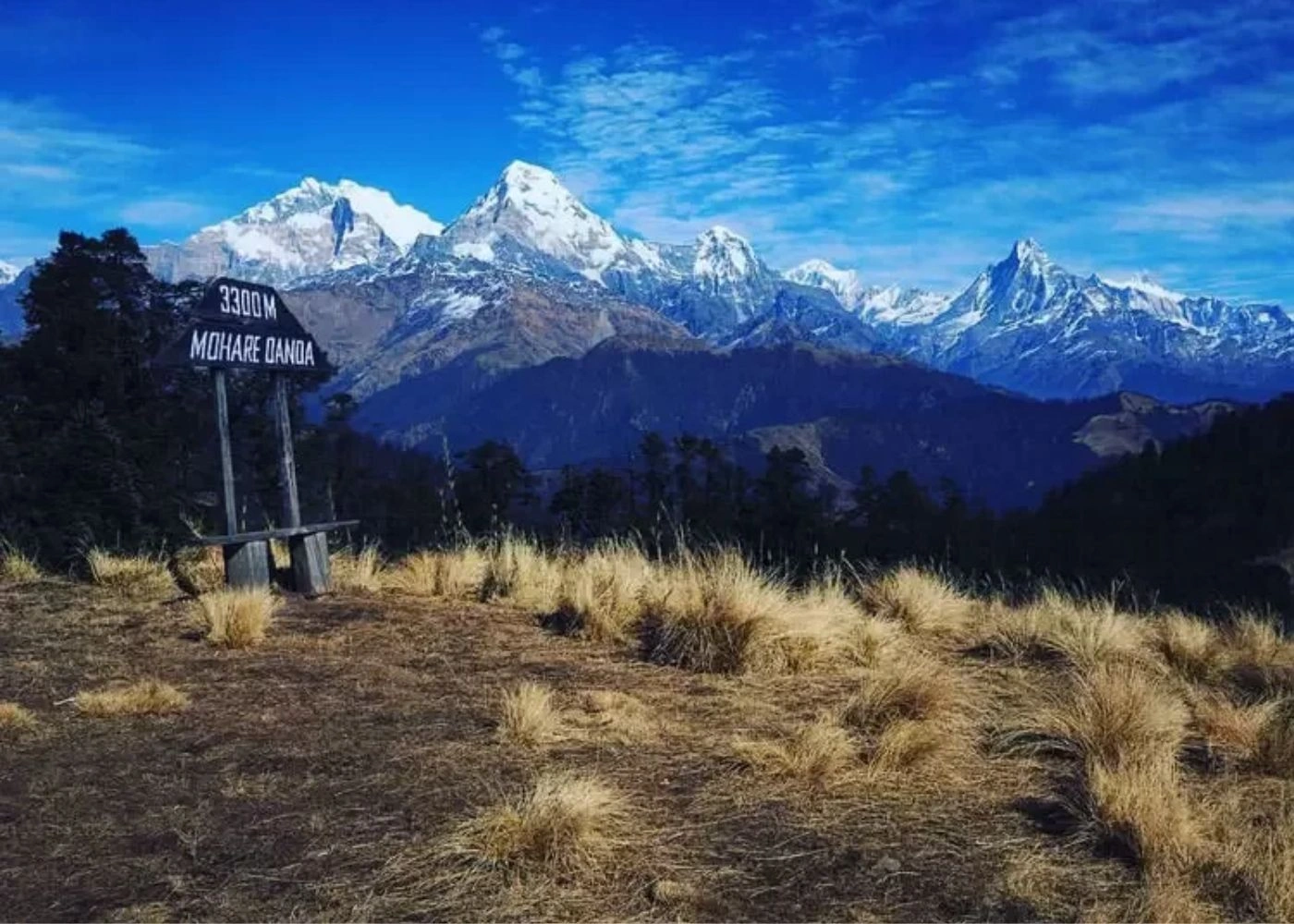
The hazardous activities exclusion clause lists excluded activities alongside their elevation thresholds. The trekking endorsement specifies the maximum altitude to which it applies. The geographical limitations section confirms Nepal as a covered destination. After reviewing these documents, call the insurer's direct claims line, not the sales line, and ask: "Does this policy cover helicopter evacuation at 5,500 meters in Nepal's Khumbu region?" Verbal confirmation holds no weight in the claims process. Request written confirmation via email.
Which Medical Emergencies Are Common During Nepal Treks?
Nepal trekkers encounter 5 primary medical emergency categories: Acute Mountain Sickness (AMS), High Altitude Cerebral Edema (HACE), High Altitude Pulmonary Edema (HAPE), musculoskeletal trauma from trail falls, and gastrointestinal illness requiring intravenous rehydration. Each category carries distinct coverage implications within trekking insurance policies.
How Does Insurance Cover Acute Mountain Sickness?
Insurance covers AMS treatment when the policy includes explicit high-altitude medical coverage, paying for HRA aid post consultation, supplemental oxygen supply, Dexamethasone or Acetazolamide prescription costs, and helicopter evacuation when descent alone is not medically viable.
AMS is a cluster of non-specific symptoms (headache, nausea, fatigue, dizziness, and disrupted sleep) developing within 6 to 12 hours of ascending above 2,500 meters. According to peer-reviewed research from High Altitude Medicine & Biology, AMS incidence at 3,500 meters on the Annapurna Circuit measures 45% using the Lake Louise Score (LLS ≥3). At 4,500 to 5,000 meters in the Khumbu, AMS rates reach 51%.
HACE (High Altitude Cerebral Edema) and HAPE (High Altitude Pulmonary Edema), the most dangerous forms of altitude sickness in Himalaya, require helicopter evacuation in 100% of confirmed cases. Both conditions develop rapidly: HAPE within 2 to 4 days of rapid ascent. Mortality rates without evacuation exceed 50% for HACE. Several budget policies list AMS as a covered condition but explicitly exclude HACE and HAPE in the fine print. Verify that all 3 altitude illness variants appear in the covered conditions schedule. Clinical data published in the Wilderness Environmental Medicine Clinical Review of HAPE & HACE indicates that severe altitude illnesses account for 60% to 80% of all emergency helicopter evacuations in high-altitude Himalayan trekking corridors.
What Injuries Are Typically Covered?
Trail injuries covered by Nepal trekking insurance include 6 trauma types: limb fractures from falls, ankle and knee ligament tears, head injuries from rockfall or trail stumbles, spinal trauma from suspension bridge or cliff-edge incidents, burn injuries from lodge heating equipment, and photokeratitis (snow blindness) from UV exposure above 4,000 meters.
Fractures are the most common evacuation-triggering trauma on Nepal trails. The combination of heavy backpacks, altitude-induced coordination impairment, rocky terrain, and unpredictable weather produces fall rates significantly higher than low-altitude trekking environments. A 2022 study indexed in the National Institutes of Health database on Everest Base Camp trekkers found that 40.5% of surveyed trekkers experienced at least one medical incident during their trek, with nearly 50% of those incidents attributable to altitude illness and the rest to trauma injuries.
Photokeratitis, caused by UV exposure reflecting off snow and ice above 4,000 meters, presents as severe eye pain, photophobia, and temporary vision loss. Insurers cover it under medical treatment provisions when the claim includes supporting documentation from the treatment site.
How Are Hospital Expenses Handled in Nepal?
Hospital expenses in Nepal process through 2 mechanisms: direct billing when the insurer holds an active network agreement with the facility, and post-treatment reimbursement when the trekker pays upfront and submits a documented claims package.
CIWEC Hospital Travel Medicine Center and Norvic International Hospital in Kathmandu maintain direct billing arrangements with several major international travel insurers, including World Nomads, IMG Global, and Allianz Travel Partners. Direct billing eliminates the need to carry large cash reserves. Trekkers treated at remote health posts (Pheriche, Manang, Jomsom, or Lukla) pay cash at point of care and claim reimbursement afterward.
Retain all receipts, HRA diagnostic reports, pulse oximetry records, and discharge summaries. These documents form the claims evidence package that insurers require for altitude illness reimbursement. Missing documentation is the primary cause of initially rejected claims on Nepal trekking policies.
Why Is Helicopter Evacuation Coverage Important?
Helicopter evacuation coverage is the single most financially critical element of Nepal trekking insurance because ground transport to medical facilities is physically impossible from most high-altitude trail locations. Air evacuation is the only rapid life-saving option in serious medical emergencies. In 2024, over 500 confirmed helicopter rescues occurred in Nepal's trekking regions, with uninsured rescue costs averaging $10,000 to $15,000 USD per operation.
How Much Can Helicopter Rescue Cost in Nepal?
Helicopter rescue in Nepal costs between $3,000 and $15,000 USD in 2026, determined by 4 variables: evacuation distance to the nearest hospital, flight altitude, terrain complexity, and time of day.
According to 2026 charter operator data from domestic networks, realistic baseline emergency evacuation costs are structured as follows:
Evacuation from mid-altitude hubs (Pheriche, Dingboche, or Namche Bazaar) to Kathmandu: $2,500 to $3,500 USD
High-altitude lifts above 5,000 meters (Lobuche, Gorak Shep, or EBC): $3,500 to $6,000 USD
Deep-wilderness extractions from restricted or highly isolated zones (Kanchenjunga, Upper Dolpo, or Makalu): $10,000 to $15,000+ USD
Night evacuations carry 40% to 60% surcharges above daytime rates. Weather-hold days, when helicopters are grounded by cloud cover, wind, or fog, generate standby fees. The Airbus H125 (formerly AS350 B3), the primary high-altitude rescue helicopter in Nepal, requires specialized maintenance and crew certification that drives baseline operational costs above standard aviation markets. A trekker with a $5,000 USD evacuation limit faces $1,000 to $5,000 USD in potential out-of-pocket exposure on a Khumbu rescue alone.
When Is Emergency Evacuation Necessary?
Emergency evacuation is medically indicated in 5 confirmed scenarios: confirmed or suspected HACE or HAPE; limb fractures preventing independent walking; severe gastrointestinal illness with dehydration unresponsive to oral rehydration therapy; head injuries with altered consciousness; and cardiac events at altitude.
Experienced guides assess evacuation necessity with 3 objective tools: pulse oximetry readings, the Lake Louise Acute Mountain Sickness Score, and direct observation of coordination and cognitive function. Foot descent of 500 to 1,000 vertical meters resolves mild-to-moderate AMS in most cases and is the first intervention before helicopter coordination begins. Legitimate helicopter evacuations in Nepal are reserved for patients who cannot descend on foot or who do not improve despite descending.
One documented risk specific to Nepal's rescue system is fraud-driven evacuation pressure. As documented in various industry investigations and government reports regarding Nepal's rescue industry, some operators and guides have historically been known to pressure trekkers with mild symptoms into unnecessary rescues for commission-based financial gain. Trekkers facing non-emergency evacuation pressure can request objective clinical justification, specifically a Lake Louise Score and pulse oximetry reading, before authorizing the evacuation.
What Limits Should Evacuation Coverage Have?
Evacuation coverage limits for Nepal trekking insurance fall within 3 appropriate tiers: $100,000 USD minimum for standard popular routes, $150,000 USD for remote region treks including Kanchenjunga, Dolpo, and Upper Mustang, and $250,000 USD when the policy also covers medical repatriation to the trekker's home country.
The $100,000 USD minimum covers helicopter extraction plus Kathmandu hospitalization for most scenarios on the EBC, Annapurna Circuit, and Langtang routes. Medical repatriation from Nepal to North America, Europe, or Australia adds $25,000 to $80,000 USD via air ambulance or commercial repatriation with medical escort. Confirm whether the policy bundles evacuation and repatriation under a single limit or separates them. That distinction changes the effective protection level significantly.
Which Activities Should Be Covered During a Nepal Trek?
Nepal trekking policies cover walking on established trails below technical climbing thresholds, but 3 activity categories require explicit endorsement verification: trail running, fixed-rope or via ferrata sections, and summit day activities on Nepal Mountaineering Association (NMA) registered trekking peaks.
Are Popular Treks Covered by Standard Policies?
Standard trekking-specific policies cover 8 of Nepal's most-traveled routes without additional endorsements: Everest Base Camp, Gokyo Lakes, Annapurna Circuit, Annapurna Base Camp, Langtang Valley, Manaslu Circuit, Upper Mustang, and Poon Hill. The policy's stated altitude maximum must reach 6,000 meters for this coverage to apply.
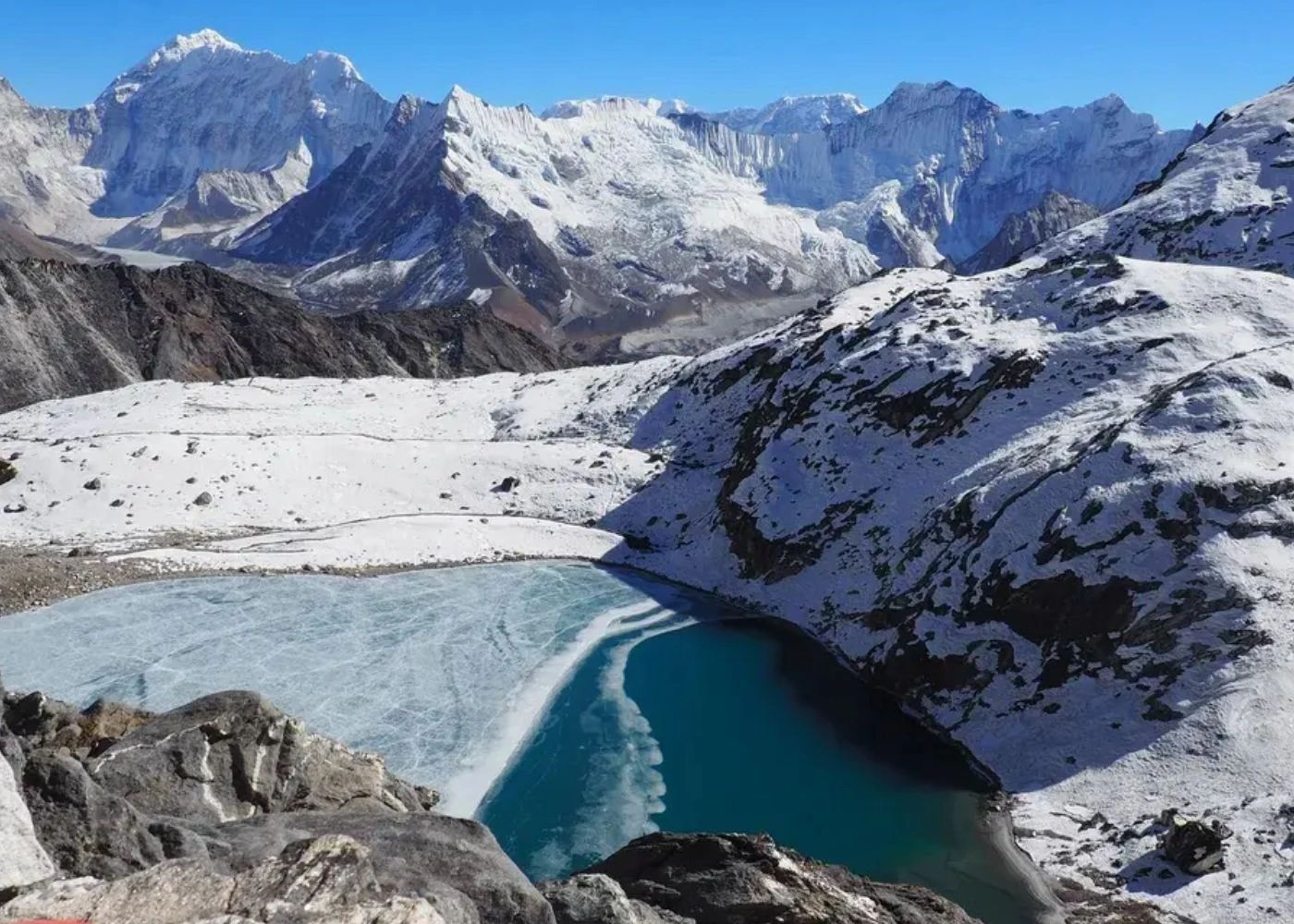
The Three Passes Trek, crossing Kongma La (5,535 m), Cho La (5,420 m), and Renjo La (5,360 m), falls within trekking coverage on 6,000-meter-limit policies. Island Peak (Imja Tse, 6,189 m) and Mera Peak (6,476 m), both classified as NMA trekking peaks, involve glacier travel and fixed-rope ascending techniques. These activities require mountaineering endorsements regardless of how the trek is marketed. Always verify the permit category issued by the Nepal Mountaineering Association to confirm the applicable insurance tier.
Do Insurers Cover Mountaineering Activities?
Insurers cover mountaineering activities on Nepal's 103 registered trekking peaks (classified below 6,500 m) through a mountaineering endorsement add-on that costs 30% to 80% more than standard trekking coverage. Technical climbing above 6,500 meters (Everest at 8,849 m, Lhotse at 8,516 m, Cho Oyu at 8,201 m) requires specialist expedition insurance from providers including Global Rescue, Battleface, and Lexington National Insurance's expedition products.
The Nepal Mountaineering Association classifies 414 approved trekking and climbing peaks across 2 primary permit categories: open trekking peaks available through standard NMA application, and expedition peaks requiring Ministry of Tourism authorization with full climbing team registration. Insurance requirements differ by category. Confirm which permit classification applies to every summit on the itinerary before purchasing coverage.
Are Adventure Sports Exclusions Common?
Adventure sports exclusions appear in 78% of standard travel insurance policies and specifically exclude 4 activities common among Nepal travelers: bungee jumping over the Bhote Koshi gorge, whitewater rafting Class IV and V rapids, paragliding above Pokhara, and technical rock climbing outside designated trekking trails.
These exclusions apply across the entire trip, including trekking days. A trekker who paraglides in Pokhara on day 2 and sustains an unrelated knee injury on the EBC trail on day 12 could face a denied claim if the insurer determines the undisclosed paragliding represents a pattern of adventure activity not declared on the policy. An adventure sports rider, available from providers like World Nomads and IMG Global, extends coverage to these activities for a small additional premium.
How Can You Compare Travel Insurance Plans for Nepal Trekking?
Compare Nepal trekking insurance plans across 5 criteria: maximum altitude limit, helicopter evacuation sub-limit, pre-existing condition stability period, 24/7 emergency assistance line capacity, and verified claims reputation from independent review platforms.
Which Policy Features Matter Most?
The 3 policy features with the highest direct impact on claim outcomes are: helicopter evacuation limit (minimum $150,000 USD for EBC-level treks), emergency medical limit (minimum $200,000 USD), and 24/7 emergency assistance with Nepal-specific network capacity. Pre-existing condition exclusions, activity exclusions, and altitude caps determine claim eligibility before any financial limits become relevant. A policy with a $500,000 USD evacuation limit but a 4,000-meter altitude cap provides zero valid coverage on the EBC route.
Emergency assistance line quality matters as much as financial limits. Policies backed by assistance providers with active Nepal networks (International SOS, AXA Assistance, and Seven Corners Assist) coordinate directly with Kathmandu-based helicopter companies. Policies without Nepal-specific assistance infrastructure require the trekker to self-arrange evacuation and claim reimbursement post-treatment. That adds dangerous coordination delays during life-threatening altitude emergencies.
How Do Deductibles Affect Coverage?
Deductibles on Nepal trekking insurance range from $0 to $500 USD and reduce reimbursement on every individual claim. A $500 USD deductible on a $5,000 helicopter evacuation claim reduces the payout to $4,500 USD. The same $500 deductible on a $300 trail medical consultation eliminates the reimbursement entirely.
Zero-deductible policies carry premium costs 15% to 25% higher than equivalent deductible-bearing plans. For Nepal-specific high-cost emergencies, where individual claims regularly exceed $5,000 USD, the zero-deductible premium increase is a defensible cost. Trekkers with existing high-limit health insurance that covers some international treatment may find moderate deductibles acceptable when the trekking policy is a secondary coverage layer.
What Questions Should You Ask Before Buying?
Ask insurers these 6 specific questions before purchasing any Nepal trekking policy:
What is the maximum altitude this policy covers for trekking activities in Nepal?
Does helicopter evacuation coverage include coordination services or reimbursement only?
Are AMS, HAPE, and HACE explicitly listed as covered medical conditions in the policy schedule?
Does trip interruption coverage apply when weather cancels Lukla flight connections?
What documentation does the insurer require to process altitude illness claims?
Does the pre-existing condition clause require a stability period before departure, and how long is it?
Request written answers to all 6 questions. Verbal assurances from sales representatives carry no weight in the claims process. Written confirmation establishes the coverage baseline the insurer is bound to honor.
What Exclusions Should Trekkers Understand?
Nepal trekking insurance policies contain 6 common exclusions that deny claims: pre-existing medical conditions not disclosed on the application, activities outside the stated policy scope, alcohol or substance use at the time of injury, self-inflicted injuries, travel to regions under active government travel advisories, and trekking above the policy's stated altitude limit.
Are Pre-Existing Conditions Covered?
Pre-existing conditions receive valid coverage under Nepal trekking policies when 3 conditions are satisfied: the condition was medically stable for the required stability period before departure (typically 60 to 180 days), the condition is fully declared on the insurance application, and the insurer provides written acceptance of the declared condition's coverage.
Cardiovascular conditions, respiratory conditions including asthma and COPD, and Type 2 diabetes are the 3 pre-existing categories most relevant to high-altitude trekking and most frequently cited in denied altitude illness claims. Undisclosed hypertension, for example, creates a basis for insurers to deny HAPE claims given the documented physiological relationship between systemic blood pressure and pulmonary vascular response at altitude.
Several insurers, including Battleface, True Traveller, and select IMG Global plans, offer waived or reduced stability periods when the policy is purchased within 14 to 21 days of the initial trip deposit. That window provides the most favorable pre-existing condition terms available and is the primary reason to buy insurance at the point of booking rather than closer to departure.
What Claims Can Insurers Reject?
Insurers reject Nepal trekking claims for 5 documented reasons: the injury or illness occurred above the policy's stated altitude limit, the activity performed was listed as an exclusion, the trekker departed against documented medical advice, a pre-existing condition was not declared, or the supporting documentation package was incomplete.
Documentation gaps account for approximately 30% of initially rejected claims that subsequently succeed on appeal when complete records are provided. Evidence required for a successful Nepal altitude illness claim includes: HRA aid post medical report, Kathmandu hospital admission and discharge documentation, evacuation company invoice with flight details, pulse oximetry records from trail assessment, and photographic evidence of the location and circumstances of the incident. Trekkers retaining no documentation face near-zero success on disputed altitude illness claims.
How Can You Avoid Coverage Gaps?
Avoid coverage gaps by verifying 5 factors before departure: confirm the policy altitude limit exceeds the trek's highest point by at least 500 meters, verify activity endorsements cover every planned activity on the full itinerary, disclose all pre-existing conditions in writing on the application form, purchase the policy before any non-refundable trip payment is made, and save the emergency assistance direct-dial number on two devices before leaving Kathmandu.
A pre-departure policy review against the trekking itinerary, completed 30 to 60 days before departure, identifies gaps while solutions remain available. Upgrading altitude limits, adding activity endorsements, or switching insurers carries zero friction at this stage. The same adjustments become impossible after the trek begins.
Common mistakes that create coverage gaps include purchasing standard adventure policies for routes above 4,000 meters, failing to declare respiratory conditions before Himalayan altitude exposure, and assuming bundled credit card travel insurance meets Nepal's mandatory coverage requirements. Most card-linked policies do not include high-altitude helicopter evacuation.
How Should You Choose Travel Insurance for Nepal Trekking?
Choose Nepal trekking insurance by matching policy specifications to 4 route-specific variables: the maximum elevation of the planned route, all activities beyond standard walking in the itinerary, the trekker's complete medical history, and the total financial value of all non-refundable pre-paid trip costs.
Identify the trek's highest point. Confirm the policy altitude limit exceeds that point. Verify helicopter evacuation coverage applies at that elevation. Cross-check all activity exclusions against every planned adventure in the trip window. Declare all health conditions in writing. Confirm the emergency assistance number operates 24 hours with Nepal-specific coordination.
For the Everest Base Camp trek, minimum insurance specifications are 6,000-meter altitude coverage, $150,000 USD helicopter evacuation limit, $200,000 USD emergency medical limit, and trip cancellation equal to total pre-paid expenses. For Annapurna Circuit via Thorong La Pass (5,416 m), identical altitude and evacuation specifications apply. For the Manaslu Circuit trek and Kanchenjunga, restricted area permit requirements mandate $15,000 USD minimum evacuation coverage. Policies covering these zones need higher overall limits to remain valid.
Under official regulations outlined in the Nepal Ministry of Culture, Tourism and Civil Aviation Tourist Standards Report, verified travel insurance covering emergency search, rescue, and medical treatment is a statutory prerequisite for all high-altitude trekking permits.
Can Travel Insurance Providers Help You Find Suitable Coverage?
Travel insurance comparison platforms filter policies by destination, altitude, and activity type, returning only plans that meet Nepal trekking specifications. Three platforms consistently surface Nepal-appropriate policies: InsureMyTrip (US-based, filters by trek altitude), SquareMouth (US-based, allows Nepal-specific search), and World Nomads' direct quote tool (available globally, pre-verified for high-altitude trekking).
Providers with documented Nepal-specific trekking coverage include World Nomads Standard and Explorer plans, IMG Global's iTravelInsured Sport and Patriot International products, and Battleface's Adventure Travel plan. (Note: Avoid using basic nomad subscription plans like SafetyWing for high-altitude routes, as they explicitly exclude helicopter search-and-rescue services, which are the only extraction methods available on roadless trails). Each insurer's policy wording uses different terminology for altitude limits and activity exclusions. Direct policy document review remains mandatory regardless of platform filtering results.
Reputable Nepal-based trekking agencies registered with TAAN maintain updated lists of insurance providers whose policies local evacuation operators and Kathmandu hospitals accept without prior authorization delays. Consulting an agency before purchasing insurance adds a Nepal-specific verification layer that platform comparison tools cannot replicate.
What Are the Key Takeaways About Travel Insurance for Nepal Trekking?
Travel insurance for Nepal trekking requires 5 non-negotiable specifications: altitude coverage exceeding the trek's highest point, helicopter evacuation coverage of at least $100,000 USD (and $150,000 USD for routes above 5,000 meters), emergency medical coverage of at least $200,000 USD, trip cancellation coverage matching all pre-paid expenses, and a 24/7 emergency assistance line with Nepal-specific coordination capacity.
Standard travel insurance policies are invalid above 3,000 to 4,000 meters, the elevation range where most Nepal trekking emergencies occur. As of April 2025, travel insurance is legally mandatory for all foreign trekkers before any permit is issued. Nepal's 2026 digital TIMS verification system stores and checks insurance credentials at every trail checkpoint.
Helicopter evacuation from the Khumbu region costs $6,000 to $10,000 USD. Kathmandu hospitalization for HAPE or HACE adds $3,000 to $12,000 USD. Medical repatriation to a home country adds $25,000 to $80,000 USD. Combined, these 3 cost categories create a potential financial exposure exceeding $100,000 USD. The correct insurance policy eliminates that exposure entirely.
Peer-reviewed research from High Altitude Medicine & Biology records AMS incidence at 45% on the Annapurna Circuit at 3,500 meters, rising to 51% between 4,500 and 5,000 meters. Pre-existing conditions, undeclared activities, and altitude exceedances are the 3 primary claim rejection triggers. Addressing all 3 requires a single pre-departure policy review. That 30 minutes determines whether a mountain emergency becomes a manageable setback or a $15,000 bill with no coverage. Before finalizing your coverage, explore the best treks in Nepal to confirm your policy altitude limit and evacuation coverage match the exact elevation your route demands. According to peer-reviewed epidemiological research published in PLOS ONE & High Altitude Medicine & Biology Annapurna AMS Study, acute mountain sickness (AMS) incidence reaches 45% at 3,500 meters on the Annapurna Circuit, climbing to 51% between 4,500 and 5,000 meters.