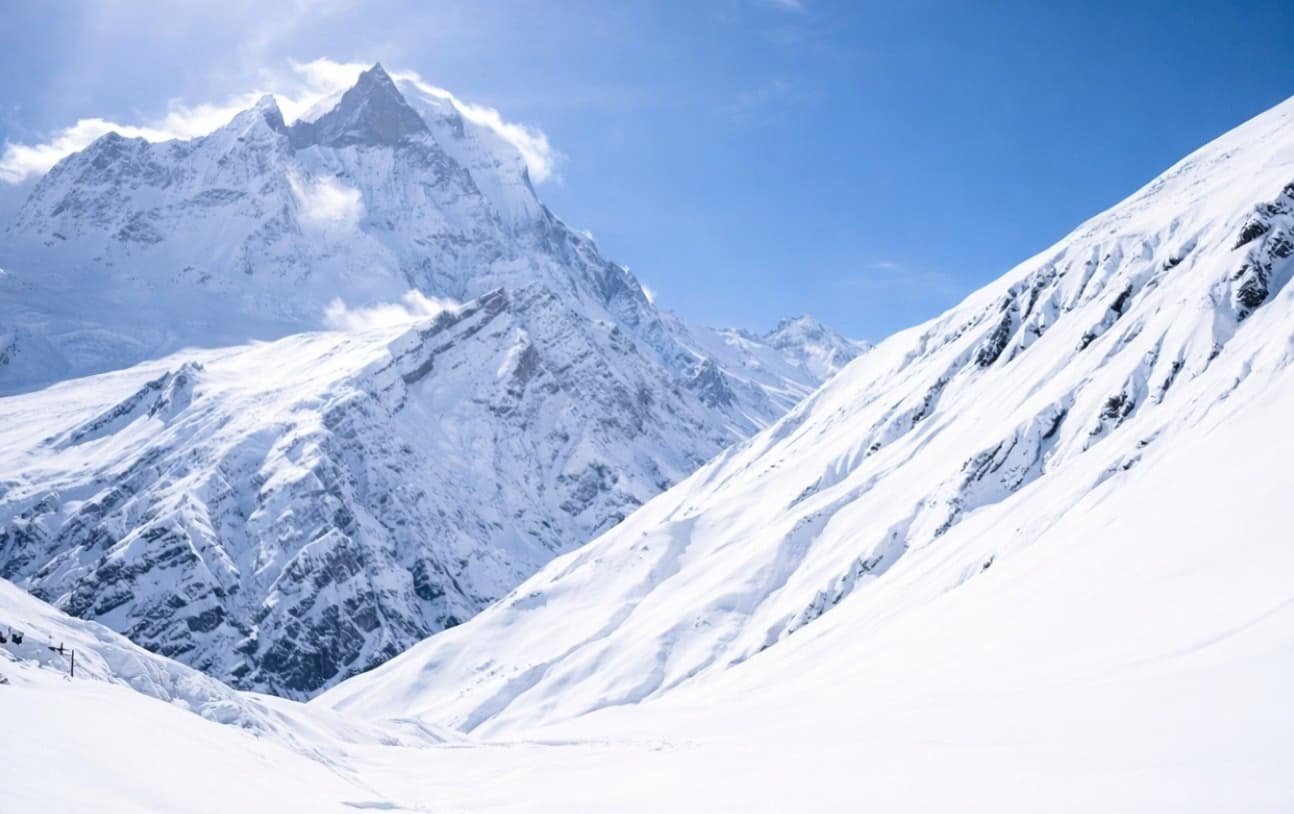
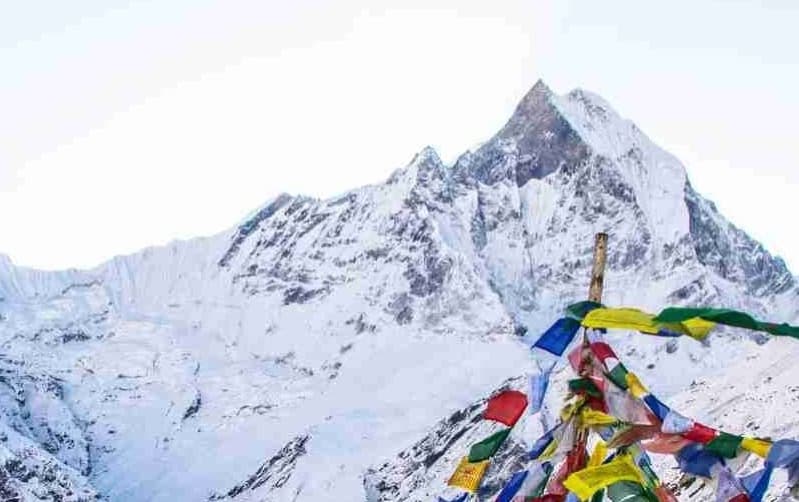
Nepal trekking without a guide has long attracted adventurous travelers seeking flexibility, lower costs, and a deeper connection with the Himalayas. From the Everest Base Camp trek and the Annapurna Circuit to Langtang Valley and shorter routes such as Mardi Himal and Ghorepani Poon Hill, independent trekking remains one of the most popular ways to experience Nepal's mountain landscapes and local cultures. Understanding current trekking regulations, permit requirements, route conditions, and altitude-related risks is essential for planning a safe and successful journey.
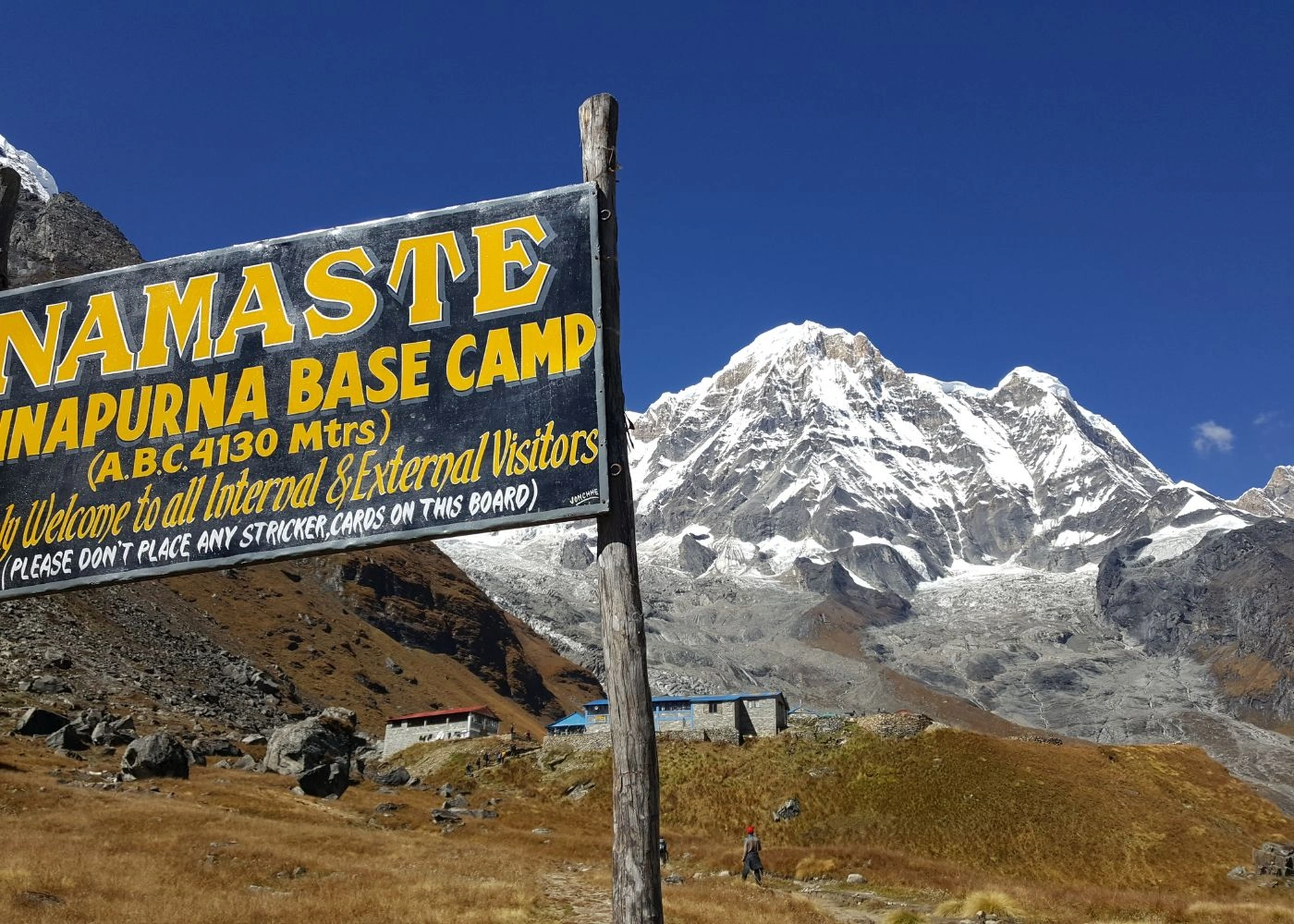
This guide covers everything independent trekkers need to know before trekking in Nepal, including the latest rules, required permits, recommended routes, costs, accommodation, food, navigation apps, physical preparation, weather conditions, emergency services, altitude sickness prevention, cultural etiquette, and responsible travel practices. Whether you are planning your first solo Himalayan adventure or preparing for a multi-week trek, the information below will help you make informed decisions and approach Nepal's trekking regions with confidence.
What Factors Have the Biggest Impact on Nepal Trekking Costs?
The 5 factors with the greatest impact on Nepal trekking costs are trek duration, trekking season, altitude and region, guide/porter arrangements, and permit requirements. Together, these 5 variables determine roughly 80% of your total spend before you even board your first flight to Kathmandu.
Most trekkers underestimate how compounding these factors are. A 14-day high-altitude trek in October with a licensed guide, teahouse upgrades, and restricted-area permits costs 3–4 times more than the same number of days on a low-altitude trail in the off-season without a guide. The price gap is not random, it follows a clear logic once you understand each driver.
How Do Trek Duration and Distance Affect Your Budget?
Trek duration directly multiplies every daily cost: accommodation, meals, guide fees, and porter wages all accumulate per day. A 7-day Poon Hill trek has 7 nights of teahouse fees and 7 days of guide pay. A 21-day Manaslu Circuit has 21 of each, plus higher altitude meals and a restricted-area permit that charges per week.
Distance affects cost through the elevation profile, not just the kilometers. Trails that gain 3,000+ meters of altitude push teahouse prices up by 60–120% compared to valley-floor stays because resupply to those lodges depends on porters or helicopters. A 5-day section at high altitude costs more per day than a 10-day section at moderate altitude. With an average stay of 13 days, trekking remains the economic backbone of Nepal, contributing nearly 20% to the national GDP (Analysis of Tourist Arrivals and GDP Contribution).
Practical implication: Adding 3 extra days to a trek increases total cost by 15–25%, not 10%, because extra days at higher camps carry premium per-night pricing.
How Does Trekking Season Influence Prices?
The 4 trekking seasons in Nepal, pre-monsoon spring (March–May), post-monsoon autumn (October–November), winter (December–February), and monsoon (June–September), carry distinct price structures.
Autumn (October–November) is peak season. Teahouse prices run 20–35% higher than shoulder-season rates. Guided packages cost more because agencies raise rates when demand peaks. Domestic flights to Lukla sell out weeks in advance at full fare ($220–$250 one way as of 2026).
Spring (March–May) is the second peak. Prices mirror autumn for most routes. Everest Base Camp sees its highest concentration of trekkers in April and May, which pushes accommodation rates at Namche Bazaar and Gorak Shep to seasonal highs.
Winter (December–February) and monsoon (June–September) offer 15–30% lower teahouse rates. Trade-offs include trail closures above 4,500m in winter and leeches plus visibility problems in monsoon. These seasons suit budget-focused trekkers on lower-altitude routes.
How Does Trek Difficulty Change Overall Expenses?
Trek difficulty raises costs through 3 specific mechanisms: altitude-driven food and accommodation premiums, mandatory guide requirements for restricted zones, and higher insurance and evacuation risks. Since April 2023, solo trekking is prohibited in most regions, requiring all foreigners to hire a licensed guide (US Embassy Alert: Mandatory Trekking Guide Policy).
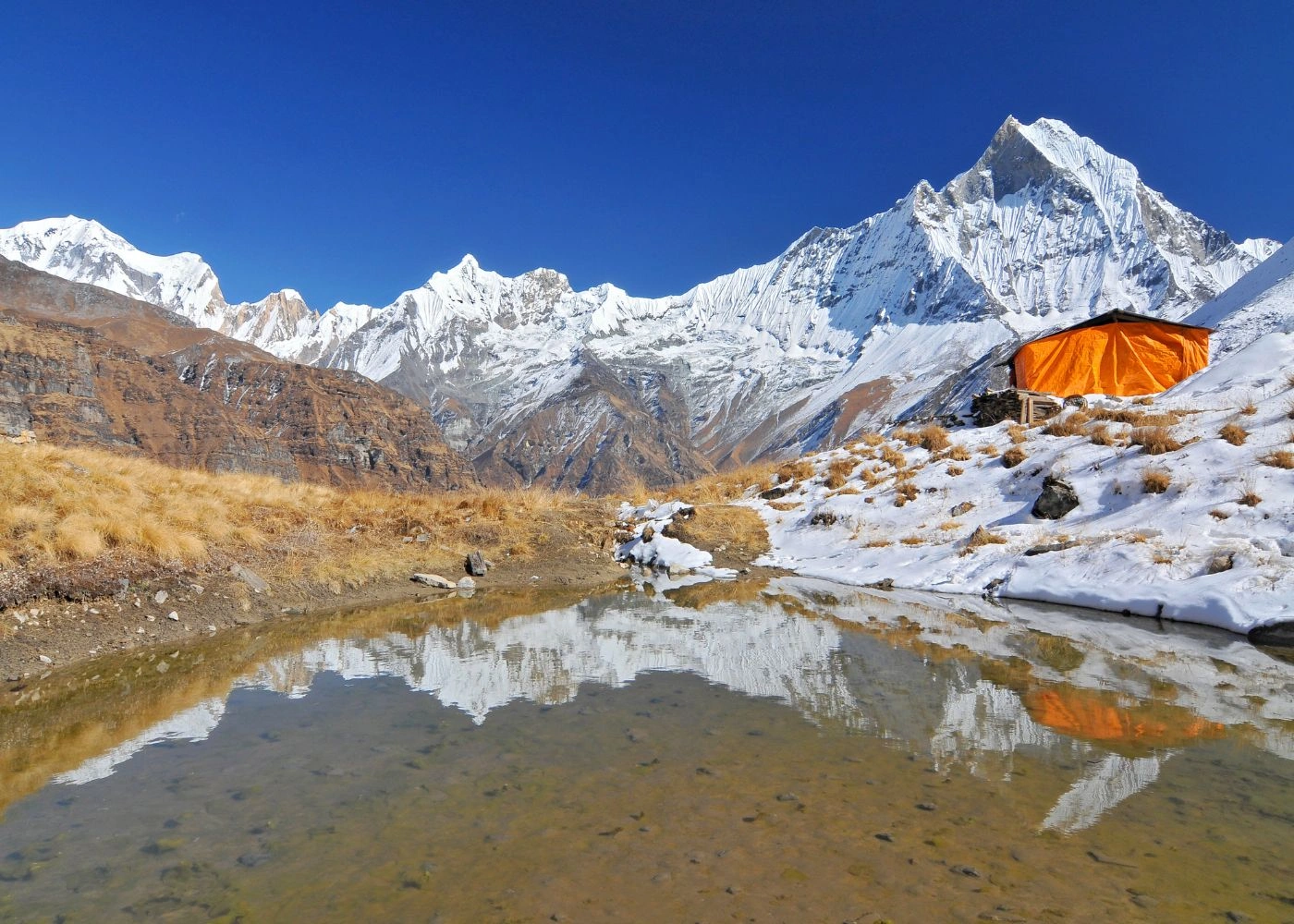
Restricted Area Treks (Upper Mustang, Manaslu, Upper Dolpo): These high-security zones carry premium Restricted Area Permits (RAPs), such as Upper Mustang’s $500 USD fee for the initial 10 days. Under immigration rules, solo travelers are now legally permitted to apply for these restricted permits independently—the historic requirement demanding a minimum group size of two foreign trekkers has been dropped. However, single travelers are still strictly required to trek with an authorized, licensed guide and book through a registered agency.
Technically demanding high-altitude routes like Everest Base Camp, Annapurna Circuit, and Dhaulagiri Circuit require more acclimatization days, which add both time and cost. Each rest day at a teahouse costs $20–$50 for accommodation and food.
How Much Does a Typical Nepal Trek Cost?
A typical Nepal trek costs $35–$60 per day for budget trekkers, $75–$150 per day at mid-range, and $200–$400 per day for premium experiences. These per-day figures exclude international flights, travel insurance, and pre/post-trek Kathmandu accommodation, which add $200–$600 to total trip cost.
The table below maps common trek types to realistic 2026 total budgets:
Trek | Duration | Budget Total | Mid-Range Total | Premium Total |
Poon Hill | 4–5 days | $200–$300 | $400–$650 | $900–$1,400 |
Langtang Valley | 7–10 days | $400–$700 | $800–$1,500 | $1,800–$3,000 |
Annapurna Base Camp | 10–12 days | $600–$900 | $1,200–$2,000 | $2,500–$4,000 |
Everest Base Camp | 12–16 days | $1,000–$1,600 | $2,000–$3,500 | $4,000–$7,000 |
Annapurna Circuit | 15–20 days | $900–$1,400 | $1,800–$3,000 | $3,500–$6,000 |
Manaslu Circuit | 14–18 days | $1,500–$2,200 | $2,500–$4,000 | $5,000–$8,000 |
What Is the Average Budget for a Low-Cost Trek?
A low-cost Nepal trek averages $35–$50 per day, covering basic teahouse accommodation ($5–$12/night), 3 meals ($12–$18/day), and incidental costs like water and snacks ($3–$5/day).
Dal bhat, a set meal of rice, lentil soup, vegetables, and pickle, costs $5–$8 at lower elevations and refills are free at most teahouses, making it the single most cost-efficient meal on any trail.
What most budget guides overlook: carrying snacks and electrolytes from Kathmandu saves $4–$8 per day versus buying on-trail. Chocolate bars cost $0.80 in Thamel and $3.50 at Thorong High Camp.
What Should You Expect to Spend on a Mid-Range Trek?
A mid-range Nepal trek costs $75–$150 per day, covering private teahouse rooms ($15–$30/night), varied meals including some Western food ($20–$35/day), a licensed guide ($25–$35/day), and a porter for luggage ($15–$20/day).
Mid-range trekkers choose private rooms over dormitories, eat at recommended teahouses rather than cheapest-available, and hire at least one support staff. This tier represents the most popular trekking style among international visitors. Guide and porter fees alone account for $40–$55 of the daily mid-range budget, a cost many first-time trekkers fail to factor in when planning.
How Much Does a Premium Trekking Experience Cost?
A premium Nepal trek costs $200–$400 per day, covering high-end lodge accommodation at properties like Yeti Mountain Home or Summit Hotels ($80–$200/night), full-board meals, an experienced senior guide, a dedicated porter, and agency-managed logistics.
Premium experiences include helicopter returns, guaranteed hot showers at altitude lodges, and pre-booked accommodations on popular routes where peak-season walk-ins risk no availability. For a complete breakdown of what drives these figures, our guide to the Everest Base Camp trek cost covers every expense category from Lukla flights to luxury lodge rates. The Everest Base Camp Luxury Lodge Trek offered by top Kathmandu agencies runs $4,000–$7,000 per person for 14 days in 2026, including internal flights and airport transfers.
How Much Do Trekking Permits Cost in Nepal?
Nepal trekking permits cost $10–$700 depending on the permit type, route, and nationality. Most popular routes require 2–3 separate permits. Budget a minimum of $40–$60 for standard routes like Everest Base Camp or Annapurna, and $600–$800 for restricted-area routes like Upper Mustang.
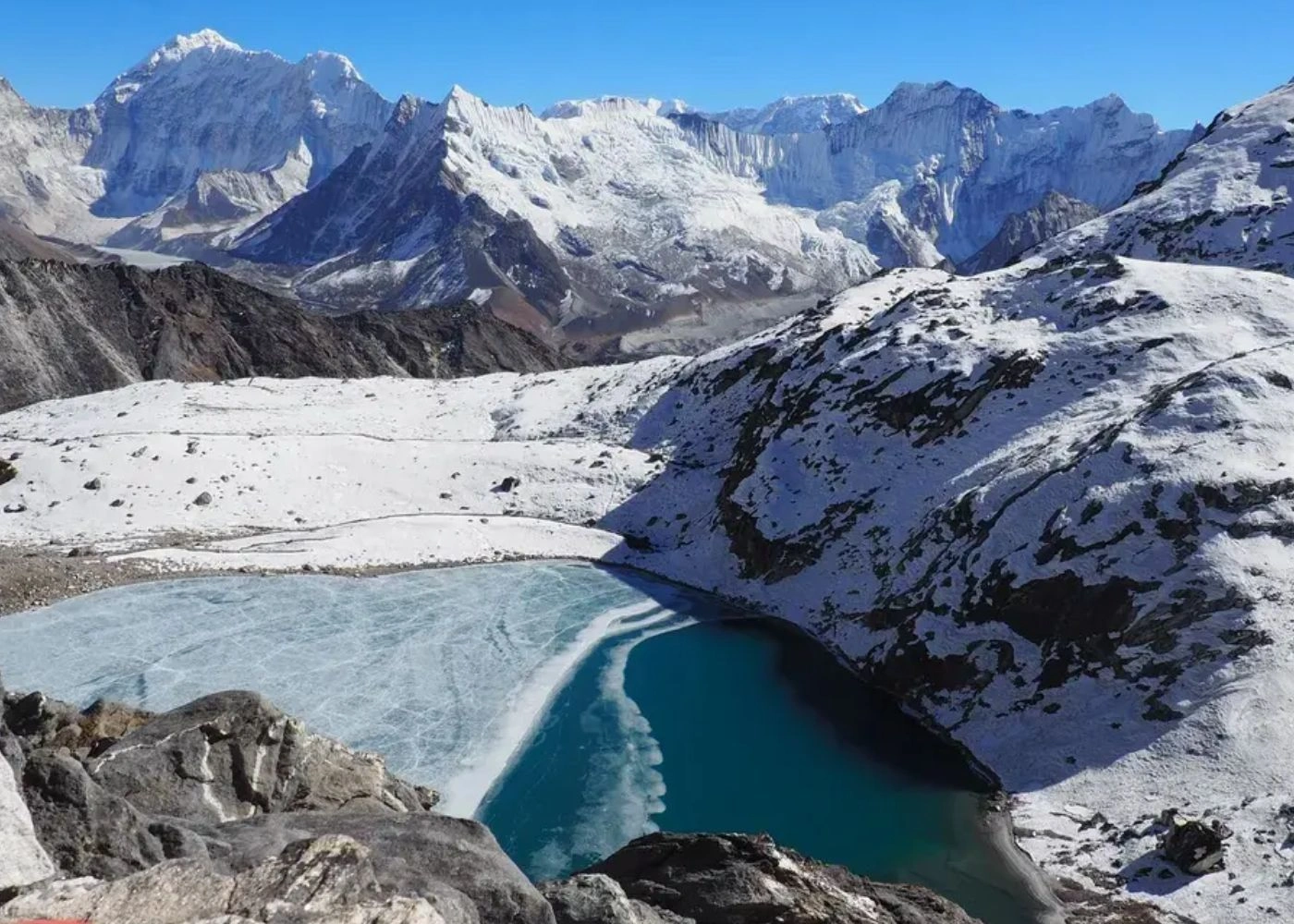
Permit costs have increased across all categories since 2022. The Nepal Tourism Board revised permit structures, and several conservation areas raised entry fees in 2024. Plan for the 2026 rates listed below.
Which Permits Are Required for Popular Trekking Routes?
The 4 most common permit types for Nepal treks are the TIMS Card, Sagarmatha National Park Entry Permit, Annapurna Conservation Area Permit (ACAP), and Restricted Area Permits. Standard national park entry fees for popular routes like Everest and Annapurna are fixed at NPR 3,000 (DNPWC National Park Entry Fees).
TIMS Card (Trekkers' Information Management System): NPR 2000 for all international travellers. Issued in Kathmandu or Pokhara.
Sagarmatha National Park Permit: NPR 3,000 per entry. Required for all Everest region treks including Everest Base Camp, Gokyo Lakes, and Three Passes.
ACAP (Annapurna Conservation Area Permit): NPR 3,000 per entry. Required for Annapurna Base Camp, Annapurna Circuit, Poon Hill, and Tilicho Lake treks. For the full permit breakdown specific to that route, including mandatory guide costs added in 2023, see our dedicated guide to Annapurna Base Camp permit costs.
Langtang National Park Permit: NPR 3,000 per entry. Required for Langtang Valley, Gosaikunda, and Helambu treks.
SAARC nationals (India, Bangladesh, Pakistan, Sri Lanka, Bhutan, Maldives) pay reduced fees, approximately 30–50% of standard rates, for national park and conservation area permits. All foreign independent trekkers must now obtain a TIMS card through a registered agency for NPR 2,000 (Nepal Tourism Board TIMS Card Regulations).
How Do Permit Fees Vary by Region?
Restricted-area permits are the highest-cost category and vary sharply by region. The 5 primary restricted-area fees active in 2026 are:
Upper Mustang Trek: $500 for the first 10 days, $50 per additional day. Requires a licensed guide.
Upper Dolpo: $500 for the first 10 days, $50 per additional day.
Lower Dolpo: $30 per week.
Manaslu Conservation Area: $100 for the first week (September–November), $75 per week in other seasons. Plus a Manaslu Conservation Area Permit at $30.
Kanchenjunga Conservation Area: $20 per entry. Restricted area permit adds $10 per week.
Standard national park and conservation areas (Everest, Annapurna, Langtang) charge flat entry fees with no time limits. Restricted areas charge progressive fees that incentivize shorter stays, a cost factor trekkers often miss when planning 3-week itineraries through remote regions. Trekkers visiting the restricted Upper Mustang region must pay a premium fee of USD 500 for the first 10 days (Department of Immigration Restricted Area Permit Fees).
What Are the Costs of Hiring Guides and Porters?
Licensed trekking guides cost $25–$35 per day, and porters cost $15–$22 per day in 2026. These daily rates are set by the Trekking Agencies' Association of Nepal (TAAN) as minimum wage benchmarks. Reputable agencies pay at or above these minimums.
Hiring guides and porters is not just a service, it is one of the most direct economic contributions a trekker makes to mountain communities. The trekking support workforce employs over 500,000 Nepalis, and fair hiring practices are directly linked to responsible trekking standards.
How Much Does a Licensed Trekking Guide Cost Per Day?
A licensed trekking guide costs $25–$35 per day for standard routes and $35–$50 per day for high-altitude or restricted-area routes where advanced certifications (Wilderness First Responder, high-altitude training) command a premium.
Guide fees cover their daily wage only. Trekkers are expected to pay for the guide's accommodation ($5–$15/night), food ($10–$20/day), and a tipping amount of $5–$10/day at the end of the trek. Total all-in guide cost runs $40–$65 per day when these additions are factored.
What most cost comparisons miss: experienced high-altitude guides who speak multiple languages and carry first aid certification charge $45–$60/day. The difference between a $25/day guide and a $45/day guide is often the difference between a safe descent and a medical evacuation.
How Much Does a Porter Cost Per Day?
A porter costs $15–$22 per day for standard loads up to 25kg. Porters carry trekkers' bags, freeing trekkers to focus on the trail and reducing physical fatigue on long ascent days.
Porter accommodation ($5–$10/night) and meals ($8–$12/day) are paid separately by the trekker or agency. Total porter cost runs $28–$44 per day inclusive. On a 10-day trek, budget $280–$440 for a single porter.
A critical detail many trekkers overlook: porters are not equipped to carry loads above 4,000m without cold-weather gear. Responsible hiring means either providing or verifying that your agency provides porters with proper footwear, jackets, and sleeping bags, costs that ethical agencies build into their rates.
Is Hiring a Guide or Porter Worth the Expense?
Hiring a guide is worth the expense on 5 specific trek categories: restricted-area treks (legally required), high-altitude routes above 4,500m, first-time Nepal trekkers, solo women trekkers, and routes where trail junctions are ambiguous (Dhaulagiri Circuit, Dolpo, remote Kanchenjunga). Guides also play a direct safety role on high-altitude routes, for a full overview of symptoms, prevention strategies, and descent protocols, see our guide to altitude sickness prevention.
Hiring a porter is worth the cost for trekkers carrying more than 8kg of gear, anyone with knee, hip, or back issues, and trekkers on treks longer than 10 days where physical fatigue compounds.
How Much Does Accommodation Cost During a Nepal Trek?
Teahouse accommodation in Nepal costs $5–$60 per night depending on elevation, season, and lodge standard. Basic dormitory beds start at $3–$5 in lower-altitude villages. Private rooms with attached bathrooms at peak-season high-altitude teahouses reach $40–$60.
The teahouse system, a network of family-run lodges along major trekking corridors, is what makes Nepal accessible to budget trekkers. No tent or camping equipment is required on standard routes. This infrastructure reduces the daily cost of trekking more than any other single factor.
What Are Typical Teahouse Prices Along Popular Routes?
Teahouse prices on the 3 most popular routes in 2026 break down as follows:
Everest Base Camp Route:
Phakding (2,610m): $5–$10/night
Namche Bazaar (3,440m): $10–$20/night
Tengboche (3,860m): $12–$18/night
Dingboche (4,410m): $15–$25/night
Lobuche (4,940m): $20–$35/night
Gorak Shep (5,164m): $25–$45/night
Annapurna Circuit:
Besisahar (760m): $4–$8/night
Chame (2,670m): $5–$10/night
Manang (3,500m): $8–$15/night
Thorong Phedi (4,450m): $15–$25/night
Muktinath (3,710m): $8–$18/night
Langtang Valley:
Syabrubesi (1,460m): $4–$8/night
Lama Hotel (2,380m): $5–$10/night
Langtang Village (3,430m): $8–$15/night
Kyanjin Gompa (3,870m): $10–$20/night
Most teahouses on popular routes expect trekkers to eat dinner and breakfast at the lodge as a condition of the cheap room rate. This is an unwritten norm, not a formal rule, but declining to eat at your teahouse often results in being charged the full room rate of $15–$30 rather than the subsidized $5–$10.
How Do Accommodation Costs Change by Region and Season?
Accommodation costs follow 2 compounding variables: altitude and foot traffic season.
Altitude adds cost because every food and supply item at high elevation arrives by porter or yak. Lodges at 5,000m pay 3–4 times more to stock identical supplies than lodges at 2,000m. Trekkers absorb this markup through meal and room prices.
Season adds cost because peak-season demand (October–November, April–May) allows teahouses to set higher rates with full occupancy assured. Off-season trekkers negotiate 20–40% discounts on the same rooms. Winter trekkers on lower-altitude routes like Poon Hill and Langtang Valley consistently secure the lowest teahouse rates of the year.
How Much Should You Budget for Food and Drinks?
Food and drinks on a Nepal trek cost $15–$40 per day at lower to mid-altitude teahouses, and $25–$55 per day at altitudes above 4,500m. Three meals plus 2 liters of boiled water per day is the standard daily food cost framework.
What Do Meals Typically Cost on the Trail?
Meal costs on Nepal's trekking routes follow a consistent pattern by course type:
Dal Bhat (rice, lentil soup, vegetables, pickle): $5–$8 at below 3,000m; $10–$15 above 4,000m
Noodle soup or thenthuk: $4–$7 below 3,000m; $8–$12 above 4,000m
Tibetan bread with jam and butter: $3–$5
Western breakfast (eggs, toast, porridge): $5–$9
Pizza or pasta (available in tourist hubs like Namche): $8–$14
Boiled water (1 liter): $1–$3
Bottled water (1 liter): $1.50–$4 depending on altitude
Hot tea (milk tea or black tea): $1–$2.50
Coffee: $2–$5 (limited availability above Namche)
Beer (local Everest or Gorkha beer): $4–$8 at lower elevations, $8–$15 at high altitude
A realistic daily food budget is $18–$25 for 3 budget meals below 3,500m, and $28–$45 for the same 3 meals above 4,500m.
Why Are Food Prices Higher at Higher Elevations?
Food prices increase with elevation because supply chains above 4,000m depend entirely on human and animal porterage, no roads reach Lobuche, Gorak Shep, or High Camp teahouses. Every potato, gas canister, and bag of flour arrives on a porter's back, adding $0.50–$2.00 per kilogram per 1,000m of altitude gain.
A kilogram of rice costs $0.80 in Kathmandu, $1.50 in Namche Bazaar (3,440m), and $3.50 at Gorak Shep (5,164m). Teahouses price meals to cover these supply costs while maintaining enough margin to stay operational through the 4–5 month off-season when no trekkers arrive.
Boiled water is consistently cheaper than bottled water at all altitudes. Carrying a water purification solution (iodine or chlorine tablets cost $2–$3 for a 30-day supply in Kathmandu) further reduces daily water costs by $3–$8.
What Transportation Costs Should You Expect?
Transportation to and within Nepal trekking regions costs $15–$500 per journey depending on mode and destination. International flights to Kathmandu from major departure cities (London, New York, Sydney, Delhi) are the largest single transport cost and are not covered in per-day trekking budgets.
How Much Do Domestic Flights to Trekking Regions Cost?
Domestic flights from Kathmandu to key trekking gateways cost the following in 2026:
Kathmandu to Lukla (Everest region): USD $256 one way. Return fare: $370–$500. Shared charter options available at $165–$200 if you're flexible on dates.
Kathmandu to Pokhara: $100–$120 one way (30-minute flight).
Kathmandu to Bharatpur/Chitwan region: $80–$110 one way.
Pokhara to Jomsom (Mustang gateway): $80–$100 one way.
Kathmandu to Nepalgunj (Far West Nepal gateway): $120–$150 one way.
Nepalgunj to Juphal (Dolpo gateway): $160–$200 one way.
Lukla Airport carries a weather cancellation rate of 15–20% during monsoon fringe weeks. Trekkers should budget 1–2 extra Kathmandu hotel nights ($20–$60/night in Thamel) as buffer for flight delays. This is one of the most overlooked line items in Everest region trekking budgets.
What Are the Costs of Buses and Private Transfers?
Overland transport costs are significantly lower than domestic flights and serve most Annapurna and Langtang region treks:
Kathmandu to Pokhara (tourist bus): $8–$12 one way (7–8 hours)
Kathmandu to Pokhara (private car): $80–$120 one way
Pokhara to Nayapul (Annapurna trailhead): $8–$15 by taxi
Kathmandu to Syabrubesi (Langtang trailhead): $7–$10 by local bus (7–8 hours), $100–$140 by private jeep
Kathmandu to Solu Khumbu via jeep (Phaplu/Salleri): $35–$50 for a shared jeep, an alternative to Lukla flights that costs less but adds 2 days of walking.
Hiring a private jeep from Kathmandu to Langtang trailhead at $100–$140 is the single best overland value for trekkers with heavy gear or groups of 4+, splitting cost to $25–$35 per person. For a remote circuit that packages overland transfer, high-altitude passes, and restricted-area logistics into one itinerary, the Manaslu Circuit Trek is a benchmark for what full transport + permit planning looks like in practice.
What Gear and Equipment Expenses Should You Plan For?
Gear costs for a Nepal trek range from $0 (if you already own everything) to $800–$1,500 for first-time buyers purchasing all essential items new. Kathmandu's Thamel district offers a full gear market, both rental and retail, where trekkers buy or rent everything from down jackets to trekking poles.
Should You Rent or Buy Trekking Gear in Nepal?
Renting gear in Kathmandu makes financial sense for 6 high-cost, single-use items: down sleeping bags ($2–$3/day), down jackets ($2–$4/day), trekking poles ($1–$2/day), crampons ($1–$2/day), duffle bags for porter loads ($1–$2/day), and altitude tents for expedition camps ($5–$10/day).
Buying gear is better for items worn daily that affect comfort and blister risk: trekking boots, moisture-wicking base layers, trekking socks, and sun protection. These items perform better when broken in before the trek starts.
Thamel sells name-brand gear (North Face, Arc'teryx, Mammut) alongside factory-second and replica items. Authentic gear from authorized Kathmandu retailers costs 20–35% less than the same items bought in Europe, Australia, or North America. Replicas are visually identical but lack technical performance, a $25 down jacket replica is unacceptable at 5,000m; a $120 authentic down jacket is a safety investment.
Which Essential Items Add the Most to Your Budget?
The 5 gear items that most significantly affect trek readiness and budget are:
Trekking boots (waterproof, ankle support): $80–$250 new in Kathmandu. Rentals not recommended.
Down sleeping bag rated to -10°C or lower: $60–$200 to buy; $2–$3/day to rent. Renting is cost-effective for a single trip.
Down jacket (600+ fill power): $80–$180 to buy; $2–$4/day to rent.
Trekking poles (pair): $20–$60 to buy; $1–$2/day to rent.
Portable solar charger or power bank: $20–$60 to buy. Charging devices at teahouses costs $2–$5 per device. A power bank with 20,000mAh capacity eliminates on-trail charging costs entirely.
Medical kit, water purification tablets, high SPF sunscreen (critical above treeline), and altitude sickness medication (Diamox, consult a physician) add $30–$80 to pre-trek preparation costs. For a complete item-by-item packing reference before you shop or rent in Thamel, see our Nepal trekking equipment checklist.
How Can You Reduce Nepal Trekking Costs Without Sacrificing Safety?
Nepal trekking costs reduce by 25–40% through 4 strategies: trekking in shoulder/off-season, booking through local Nepali agencies rather than foreign operators, hiring guide and porter directly through TAAN-registered freelancers, and carrying snacks and daily-use supplies from Kathmandu.
These strategies save money without cutting corners on safety permits, licensed guides, or reliable teahouses.
When Is the Cheapest Time to Trek in Nepal?
The cheapest time to trek in Nepal is late November to late February (winter) and June–early September (monsoon) for budget-focused trekkers. These periods carry 20–40% lower teahouse rates, reduced domestic flight fares, and negotiable guide rates due to lower demand.
Winter trekking (December–February) works well for Annapurna Base Camp, Poon Hill, Langtang Valley below 4,000m, and Everest region to Namche Bazaar. Trails above 4,500m become dangerously icy and snowbound in January–February.
Monsoon trekking (June–August) suits high-altitude rain-shadow regions: Upper Mustang, Upper Dolpo, and the Spiti side of the trans-Himalayan route. These areas receive 60–70% less rainfall than the southern Himalayan slopes and remain open while lower-altitude trails turn muddy.
The real insight most budget trekking guides miss: late November (after Tihar festival, before Christmas) is the single best value window, trails are clear, teahouses are open, autumn crowds have dropped, but prices have not yet fallen to full winter lows. Trekkers get 85% of the peak-season experience at 75–80% of peak-season prices.
Which Budgeting Strategies Save the Most Money?
The 7 budgeting strategies that produce the largest Nepal trekking cost savings are:
Book through a Kathmandu-based local agency rather than a foreign tour operator. Local agencies charge $800–$2,500 for a fully guided 14-day Everest Base Camp trek. Foreign operators charge $2,500–$6,000 for identical logistics.
Eat dal bhat at every dinner and breakfast. Dal bhat averages $6–$8 below 3,500m with free refills. Replacing 2 meals per day with dal bhat saves $8–$15/day versus Western menu options.
Carry water purification tablets from Kathmandu. Eliminating bottled water purchases saves $3–$8/day over a 14-day trek, totaling $42–$112 in savings.
Carry Kathmandu-bought snacks for trail nutrition. Energy bars, nuts, and dried fruit purchased in Thamel cost 60–70% less than identical items bought at altitude stops.
Take the overland route to Lukla gateway. Jeep to Salleri/Phaplu + 2 extra walking days avoids $370–$500 in Lukla flight costs. This is the choice experienced budget trekkers consistently make.
Share a porter between 2 trekkers. Each trekker contributes $8–$12/day for 25kg of combined luggage, halving the per-person porter cost.
Trek in a group of 4–6 independent trekkers. Negotiated guide rates, shared jeep transfers, and group teahouse bookings reduce per-person costs on every line item by 10–20%.
How Should You Plan Nepal Trekking Costs With Professional Trek Support?
Planning Nepal trekking costs with a professional trekking company gives you price certainty, permit handling, emergency support infrastructure, and vetted staff, 4 benefits that independently managed treks cannot guarantee at the same level.
Can a Trekking Company Help You Manage Nepal Trekking Costs?
A licensed Nepal trekking company manages costs through transparent package pricing that bundles permits, guide fees, porter wages, and teahouse bookings into a fixed daily rate. This eliminates 6 common budget overruns that independent trekkers routinely face:
Permit application errors requiring re-issuance ($15–$30 extra)
Unlicensed guides charging exploitative rates
Porter disputes over load weight and pay
Teahouse overcrowding forcing paid accommodation upgrades in peak season
Emergency evacuation coordination costs ($50–$200 in logistics, separate from insurance payouts)
Incorrect seasonal budgeting based on outdated online information
When selecting a trekking company, verify TAAN (Trekking Agencies' Association of Nepal) or NMA (Nepal Mountaineering Association) registration, confirm that guide and porter wages meet the 2026 TAAN minimums, and request an itemized cost breakdown showing permit fees separately from agency service fees.
Responsible trekking includes ensuring your support staff is paid fairly, equipped with safety gear at altitude, and covered by accident insurance, costs that reputable agencies include in their quotes and that budget operators often omit.
What Are the Key Takeaways About Nepal Trekking Costs?
Nepal trekking costs are predictable, plannable, and flexible across a wide budget range. The 8 key cost facts every trekker carries into their planning:
Daily costs range from $35 (budget) to $400+ (premium) per day on trail, excluding international flights and pre/post-trek Kathmandu costs.
Permits cost $40–$800 depending on route, standard routes require $40–$60 in permits; restricted areas cost $500–$800 or more.
Licensed guides cost $25–$35/day base rate; total cost including their accommodation and food runs $40–$65/day.
Porters cost $15–$22/day base rate; total cost including their accommodation and food runs $28–$44/day.
Teahouse accommodation ranges from $5 at low altitude to $60 at high altitude in peak season.
Food costs $15–$55/day depending on altitude and menu choices; dal bhat is the cost-effective trail staple.
Domestic flights to Lukla cost $185–$250 one way; overland alternatives cost $35–$50 and add 2 walking days.
Trekking in late November or in winter reduces total costs by 20–40% compared to October peak season.
Nepal delivers an unmatched return on investment for outdoor adventure travel. A $1,500 two-week budget trek accesses trails that circle peaks over 8,000m, passes through villages accessible to no other transport, and funds livelihoods in some of the most isolated mountain communities on Earth. Planning your budget accurately is what separates a financially stress-free trek from one that runs out of rupees at 4,900m.