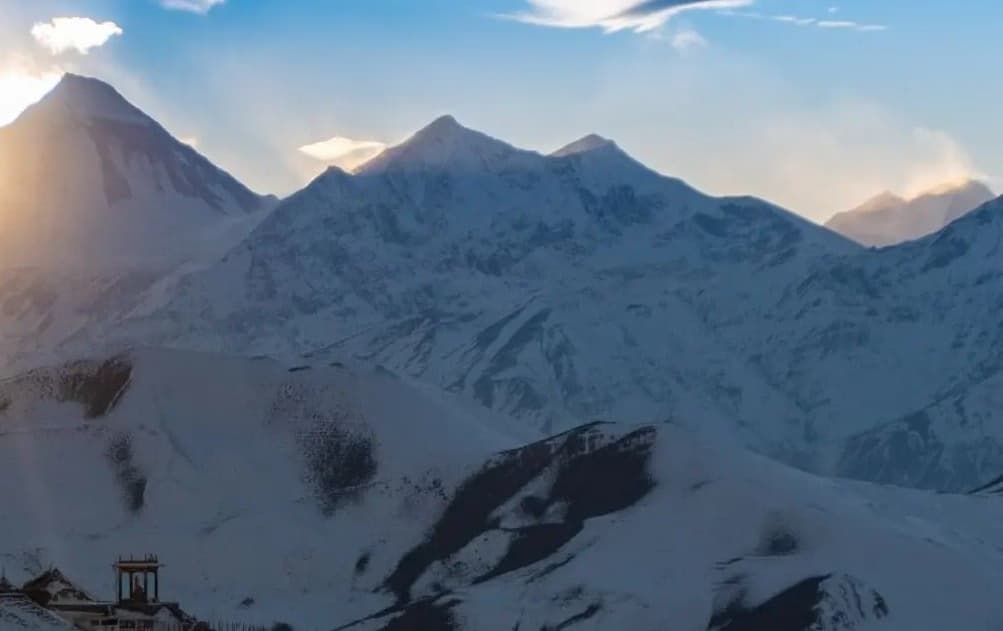
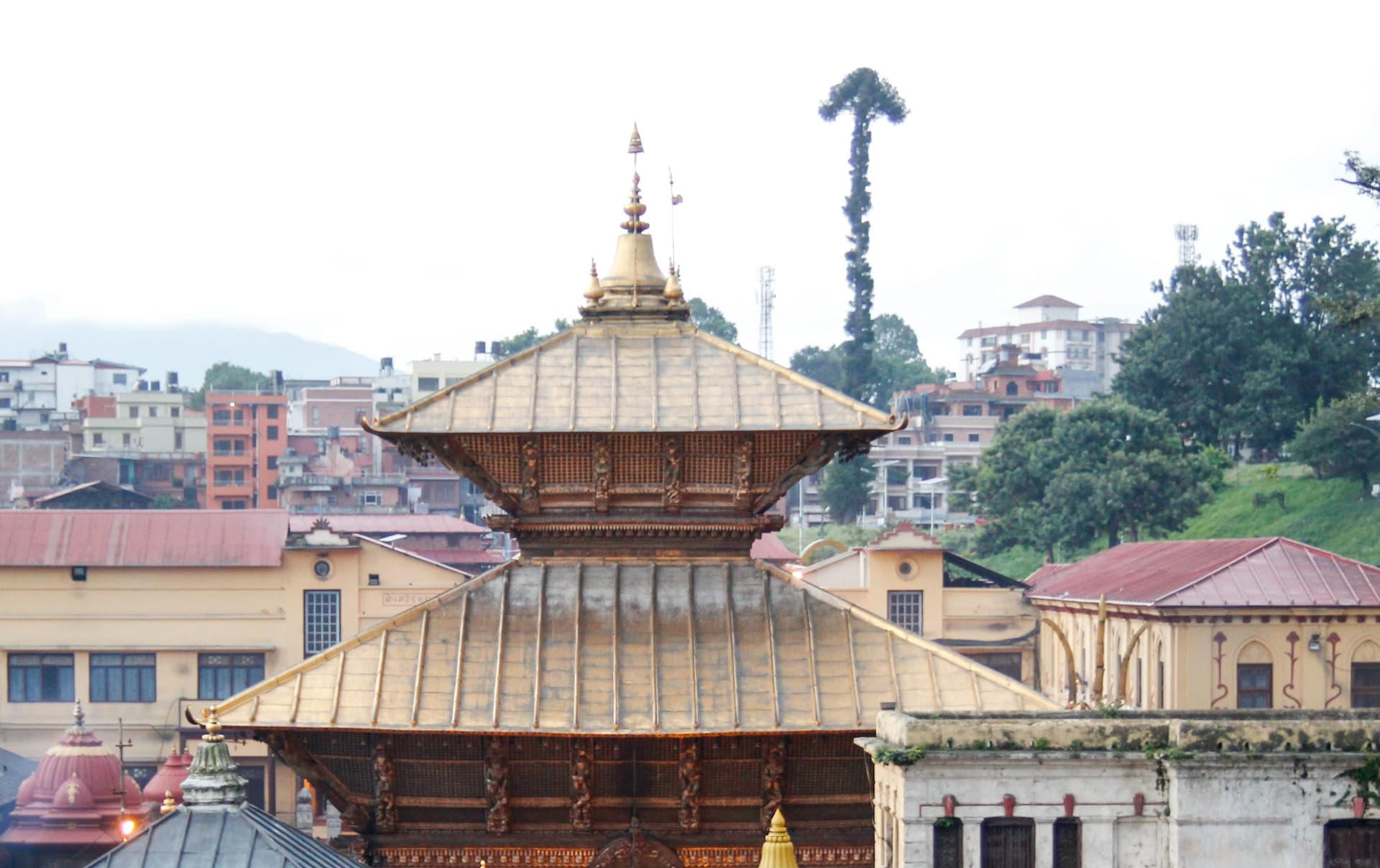
Nepal offers some of the most diverse snowfall experiences in the Himalayas, combining snow-covered hill stations, sacred alpine lakes, panoramic viewpoints, and high-altitude trekking routes within a relatively small geographic area. The country's unique topography, shaped by eight of the world's fourteen peaks above 8,000 meters, creates favorable winter conditions from November to February across multiple elevation zones. From easily accessible destinations near Kathmandu to remote Himalayan valleys above 4,000 meters, travelers can experience everything from light seasonal snowfall to deep alpine snow surrounded by some of the highest mountains on Earth.
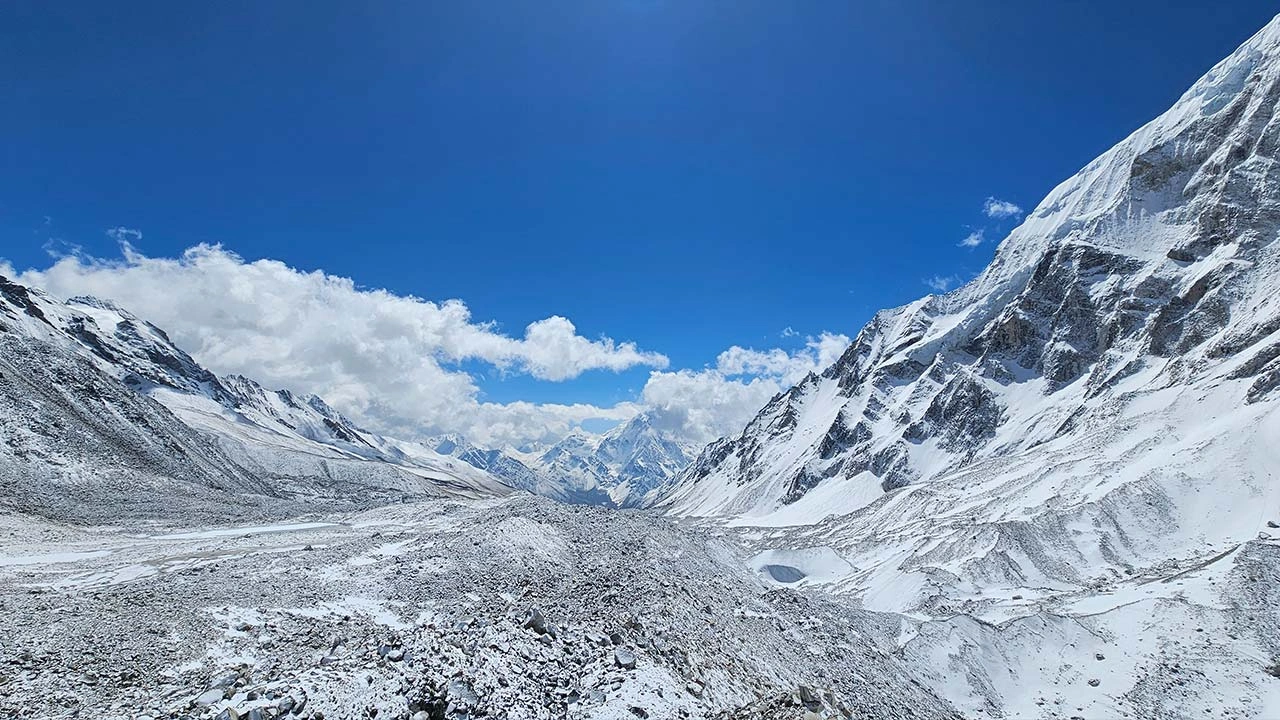
Whether you are looking for a one-day winter getaway, a short scenic trek, or a multi-day Himalayan adventure, Nepal provides snowfall destinations for every travel style and fitness level. Clear post-monsoon skies, fewer crowds, and spectacular views of Everest, Annapurna, Dhaulagiri, Langtang, and Manaslu make winter one of the most rewarding seasons to explore the country. This guide highlights the 10 best snowfall places in Nepal, along with their elevations, best months to visit, major attractions, accessibility, and essential travel information to help you plan the perfect winter experience.
Why Is Nepal a Popular Destination for Snowfall Experiences?
Nepal is a popular destination for winter travel because it offers a wide range of snowfall experiences, from easily accessible hill stations to high-altitude trekking routes, with snowfall typically occurring between late November and February depending on elevation and weather conditions. Nepal's dramatic topography, including eight of the world's fourteen 8,000-meter peaks, creates favorable conditions for winter snowfall across many hill and Himalayan regions through orographic precipitation. This means snowfall is not confined to extreme trekking altitudes, places like Chandragiri (2,551 m) and Nagarkot (2,195 m) receive snowfall accessible by cable car or private vehicle.
What most travel content misses: Nepal's winter snowfall is drier and clearer than monsoon snow. Post-monsoon skies from November onward produce mountain visibility that summer visitors never see. Everest, Annapurna, and Dhaulagiri appear in crystalline detail after fresh snowfall, a visual reward that elevates every destination on this list.
The 10 destinations in this guide split into 3 practical categories:
Easy-access snow (under 3 hours from Kathmandu): Nagarkot, Daman, Chandragiri Hills, Phulchowki Hill
Mid-range trekking snow (3–6 hours + moderate trail): Kalinchowk, Poon Hill
High-altitude expedition snow (multiday trek + acclimatization): Gosaikunda, Mardi Himal, Langtang Valley, Manang
Where Is Snowfall in Nepal Today?
In most winters, snowfall generally follows an elevation-based pattern, although the timing and intensity vary depending on seasonal weather systems.
For real-time snowfall data in Nepal, 3 reliable sources provide current conditions:
DHM Nepal (Department of Hydrology and Meteorology): dhm.gov.np, official snow and rainfall records by district
Windy.com / Meteoblue.com: Satellite-based snow cover maps for specific trekking altitudes
Nepal Telecom Weather Alerts: SMS-based district weather warnings
For real-time snowfall data in Nepal, 3 reliable sources provide current conditions: DHM Nepal's 2023 Climate Summary, which recorded 91% of normal national precipitation and above-normal temperatures for the year, offers official snow and rainfall records by district.
As of the 2025–2026 winter season, Nepal's highest snowfall zones, Manang, Langtang, and Gosaikunda, receive their first major accumulation in late November. Kalinchowk and Poon Hill peak in January. Nagarkot and Chandragiri occasionally receive light to moderate snowfall during active winter weather systems, most commonly between December and January. For a month-by-month breakdown of snow windows and trail conditions, see our guide on the best time for Nepal snowfall.
Heavy snowfall can temporarily disrupt road access to destinations above 2,500 meters, so travelers should check local road conditions before departure. Always check district road conditions through the Nepal Army or local municipality before travel.
1. Kalinchowk
Kalinchowk sits at 3,842 m (12,605 ft) in Dolakha district, approximately 132 km northeast of Kathmandu. It is the closest high-altitude snowfall destination to Kathmandu accessible via road and cable car, making it the top winter day-trip choice for Nepali travelers and international visitors alike.
What Attractions Can You Enjoy During Winter in Kalinchowk?
Kalinchowk offers 4 primary winter attractions: the Kalinchowk Bhagwati Temple (a major Shakti Peetha at 3,842 m), a 1.5 km cable car ride, panoramic views of Gaurishankar (7,134 m) and Melungtse (7,181 m), and deep snowfields that typically accumulate 60–90 cm by peak January.
The Kalinchowk Bhagwati Temple is one of Nepal's most revered goddess shrines. Devotees visit year-round, but winter draws a specific crowd: those who believe prayers offered in snow carry heightened spiritual weight. The temple sits directly at the cable car terminus.
The cable car covers 1.5 km in approximately 15 minutes. The alternative trail takes 2 hours on foot from Kuri village. In heavy snow, the foot trail becomes dangerous; the cable car is the only viable ascent from late January onward.
What most visitors overlook: the northwest-facing ridge behind the temple opens a clear sightline to the Rolwaling range, Gaurishankar, Melungtse, and Phurbi Chyachu, peaks that Nagarkot and Daman cannot see. This view alone separates Kalinchowk from every other easy-access snow destination near Kathmandu.
When Is the Best Time to Visit Kalinchowk for Snow?
The best time to visit Kalinchowk for snow is January, when snow accumulation averages 60–90 cm at the temple level, daytime temperatures range from -5°C to 3°C, and the cable car operates on its regular 7 AM–4 PM schedule.
The snow window at Kalinchowk runs from mid-December through February. December delivers the first reliable snowfall, usually 10–20 cm. January is peak accumulation month. February sees gradual melting but still offers good snow coverage above 3,000 m.
Travel logistics to factor in: The base town of Charikot (1,981 m) serves as the overnight hub. Hotels in Charikot range from NPR 500 to NPR 2,500 per night. The road from Dhulikhel to Kuri (cable car base) is partially unpaved, a 4WD vehicle is strongly recommended from December onward.
2. Poon Hill
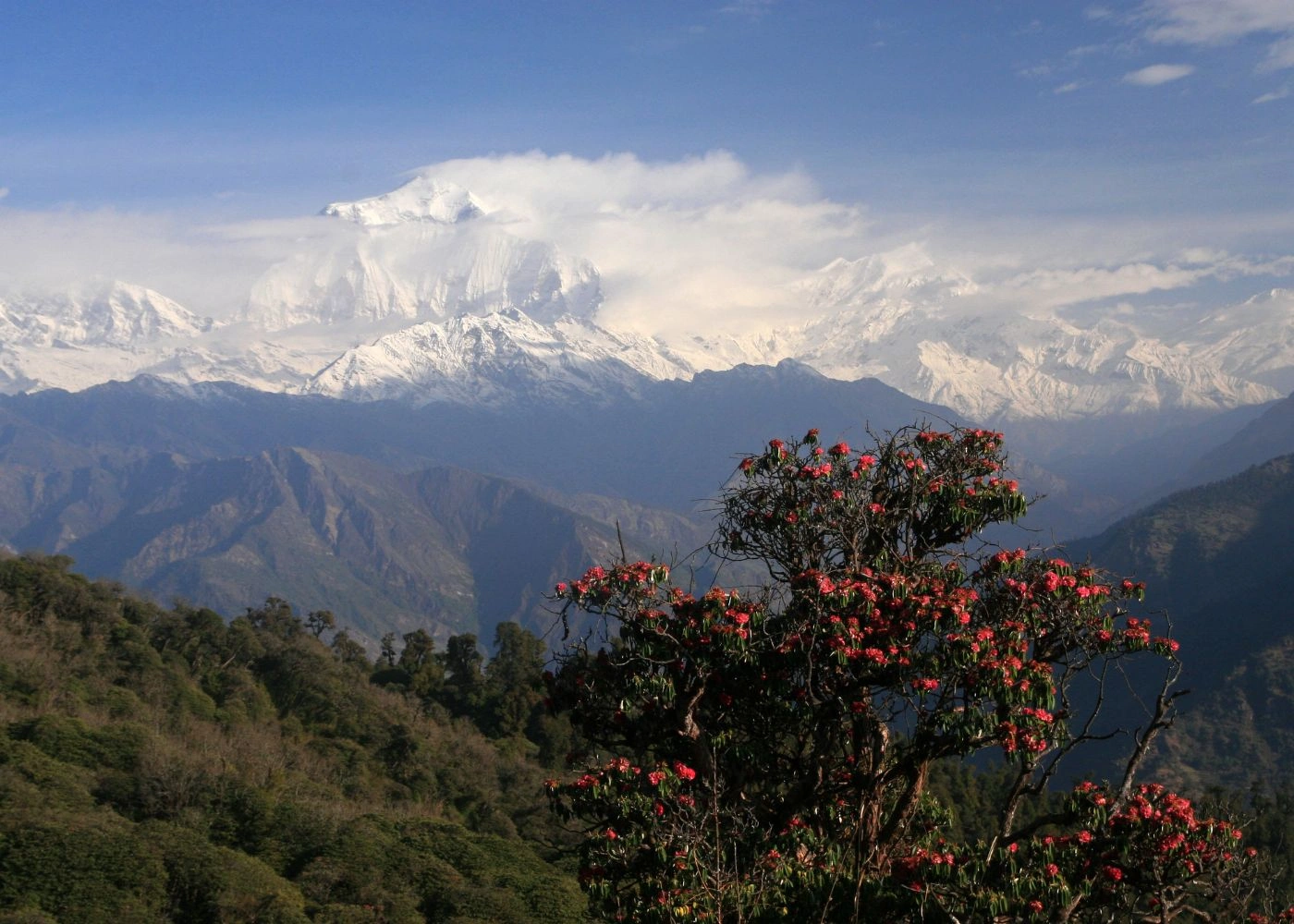
Poon Hill stands at 3,210 m (10,531 ft) in the Annapurna Conservation Area, reached via the Ghorepani–Poon Hill trek starting from Nayapul, 42 km from Pokhara. It is Nepal's most-visited short-trek destination and transforms into one of the country's most dramatic snowfall viewpoints from December to February.
What Can Trekkers Expect During Winter at Poon Hill?
Trekkers at Poon Hill in winter experience temperatures of -10°C to -15°C at night, 30–40% fewer crowds than the spring season, snow-covered rhododendron forests from Ulleri (1,960 m) upward, and unobstructed sunrise views over Dhaulagiri (8,167 m) and Annapurna South (7,219 m).
The Ghorepani–Poon Hill trek covers 4–5 days round trip from Nayapul. The first 2 days ascend through rhododendron forests. From late December, snow begins at Ulleri. By Ghorepani (2,860 m), the trail is typically blanketed in 20–40 cm of snow.
Winter trekkers gain one significant advantage competitors rarely mention: Poon Hill's northeast-facing slope catches early sunrise light on a horizontal sweep of 7 major peaks, Dhaulagiri, Tukuche, Nilgiri, Annapurna South, Hiunchuli, Machhapuchhre (Fishtail), and Annapurna I, all within a single 270° panorama. No other snowfall destination in Nepal delivers this concentration of 7,000 m+ and 8,000 m peaks in one frame.
The main practical challenge in winter: Ghorepani's teahouses reduce to 60–70% capacity from December to February. Book ahead, especially around Nepal's winter festivals (Maghe Sankranti, mid-January). Sleeping bag rated to -15°C is mandatory; teahouses provide blankets but heated rooms are limited.
3. Gosaikunda Lake
Gosaikunda is a glacially-formed sacred lake at 4,380 m (14,370 ft) in Langtang National Park, Rasuwa district. It is one of Nepal's holiest pilgrimage sites, Hindus believe it was created by Lord Shiva, and it freezes completely from mid-December through March.
What Should Visitors Know Before Visiting Gosaikunda in Winter?
Visitors to Gosaikunda in winter must prepare for temperatures reaching -20°C at night, a fully frozen lake surface, and real altitude risk: a peer-reviewed University of British Columbia and Tribhuvan University study found that 34% of pilgrims ascending to this same 4,380 m lake developed acute mountain sickness, with older and female visitors at greatest risk.
Gosaikunda is not a casual winter destination. The trail from Dhunche (1,960 m) gains 2,420 m of altitude over 3 days. Trekkers who want to combine the sacred lake with the full valley experience can follow the Langtang Gosaikunda Lake Trek, a 15-day itinerary that takes in both Kyanjin Gompa and the frozen lake in a single journey. The Laurebina La pass at 4,610 m, 230 m above the lake, accumulates up to 1.5 m of snow in January, requiring trekking poles and microspike traction devices.
The frozen lake itself is both the destination and the hazard. The ice surface appears walkable but fractures at the inlet streams even in deep winter. Trekkers who attempt to cross the lake have fallen through at inlet points where geothermal activity prevents full freezing. Stick to the shore trail.
The reward at winter Gosaikunda is rare: the lake surface mirrors the Langtang Lirung (7,227 m) wall directly to its north. In January at 7 AM, the reflection of Langtang's ice-fall on the frozen lake is one of Nepal's most photographed winter images, yet fewer than 200 trekkers witness it per year due to the access difficulty.
4. Nagarkot
Nagarkot is a hill station at 2,195 m (7,201 ft) in Bhaktapur district, 32 km east of Kathmandu. It is the most accessible snowfall viewpoint from Kathmandu, reachable in 90 minutes by car, and the only destination on this list where visitors watch snowfall while seated at a hotel breakfast table.
What Mountain Views Can Be Seen From Nagarkot After Snowfall?
Nagarkot's east-facing ridge provides views of 13 Himalayan peaks, including Mount Everest (8,849 m) at 145 km distance, Lhotse (8,516 m), Makalu (8,485 m), Cho Oyu (8,188 m), and the Langtang range, all framed by white-frosted pine forests after fresh snowfall.
Post-snowfall visibility at Nagarkot reaches exceptional clarity because winter precipitation strips particulate matter from the air. The Kathmandu Valley's notorious winter haze clears completely within 12 hours of snowfall, the same mechanism responsible for Nagarkot's best mountain views.
The snowfall pattern at Nagarkot is episodic rather than continuous. Snow arrives in 3–6 discrete events between December and late January, each depositing 5–20 cm and melting within 24–48 hours at this altitude. This creates a specific travel strategy: monitor Kathmandu weather forecasts for an incoming cold front, then drive up the morning after snow falls.
Accommodation sits at every budget level along the ridge. 7 resort-style hotels offer heated rooms with floor-to-ceiling mountain-view windows, a winter comfort level that Kalinchowk and Gosaikunda cannot match. For travelers who want snow scenery without trekking hardship, Nagarkot is Nepal's clearest answer.
5. Daman
Daman occupies a ridge at 2,322 m (7,618 ft) in Makwanpur district, 72 km southwest of Kathmandu on the historic Tribhuvan Highway. Daman is renowned for offering one of Nepal's widest Himalayan panoramas, with views of several of the country's highest peaks on clear winter days.
Why Do Nature Lovers Prefer Daman During Winter?
Nature lovers prefer Daman in winter because it delivers the broadest single-frame Himalayan panorama in Nepal, a 415 km horizontal sweep from Dhaulagiri (8,167 m) in the west to Everest (8,849 m) in the east, combined with 3–5 snowfall events per season and quieter conditions than Nagarkot.
The sweeping panorama from Daman showcases six of the world's 14 eight-thousanders—Dhaulagiri, Annapurna I, Manaslu, Cho Oyu, Lhotse, and Mount Everest—alongside prominent, massive seven-thousanders like Himalchuli (7,893 m) and Ngadi Chuli (7,871 m). Shishapangma (8,027 m) in Tibet is visible on exceptionally clear days, pushing the count to 9. This is the widest accessible 8,000 m panorama in Nepal at road-reachable altitude.
Nepal's only astronomical observatory stands at Daman, operated by the Tribhuvan University. The observatory opens to the public on select winter evenings. At 2,322 m with minimal light pollution, winter nights reveal the Milky Way band across the sky, a visual experience amplified after snowfall clears the valley haze.
What competitors miss: Daman sits on the rain-shadow line of the Mahabharat range. Daman often experiences more frequent winter snowfall than some nearby hill stations due to its local topography and weather patterns. The Tribhuvan Highway access road becomes icier than Nagarkot's route, bring chains or hire a vehicle with winter tyres.
6. Phulchowki Hill
Phulchowki is the highest rim point of the Kathmandu Valley at 2,782 m (9,127 ft), located 16 km south of Kathmandu in the Lalitpur district. The name translates to "flower hill", a reference to its 42-species rhododendron coverage that turns snow-white in January.
What Activities Can Visitors Enjoy at Phulchowki During Winter?
Visitors at Phulchowki in winter engage in 4 primary activities: summit hiking on the 4.5 km trail from the base, birdwatching across 320+ recorded species including winter Himalayan visitors, photography of snow-draped rhododendron and oak forests, and temple visits at the summit Phulchowki Mai shrine.
Phulchowki is Nepal's most underrated proximity snowfall destination. At 16 km from central Kathmandu, it beats Nagarkot (32 km) by half the distance. A 4WD vehicle reaches to within 500 m of the summit via a rough road, or visitors hike the full 4.5 km trail from Godavari (1,570 m) in approximately 3 hours.
The birdwatching here is exceptional in winter. A Journal of Institute of Forestry Nepal survey of the hill's foothills situates Phulchowki among Nepal's 27 nationally designated Important Bird Areas, part of a national tally of 886 recorded species, roughly 9% of all bird species on Earth. Phulchowki holds Nepal's highest bird diversity per unit area, 320+ species documented by BirdLife International. Winter migrants include the Himalayan Griffon, Wall Creeper, and Kalij Pheasant. Birders visit specifically for January–February sightings unavailable at lower altitudes.
Snow depth at Phulchowki peaks at 20–40 cm in January. The dense forest canopy holds snow on branches 2–3 days longer than open ridgelines at equivalent altitude, creating the layered snow-forest aesthetic that photographers target after Kathmandu Valley snowfall events.
7. Chandragiri Hills
Chandragiri stands at 2,551 m (8,369 ft) in Chandragiri municipality, 20 km southwest of Kathmandu. Its 2.9 km gondola cable car, inaugurated in 2016 and one of the longest in South Asia, makes it the most physically effortless snowfall destination in Nepal.
What Makes the Chandragiri Cable Car Journey Special in Winter?
The Chandragiri cable car journey in winter delivers a 15-minute aerial ascent through snow-dusted Himalayan oak and rhododendron forest, transitioning from Kathmandu Valley floor visibility at 1,430 m base to a 180° panoramic Himalayan view at 2,551 m summit, all without a single step of trekking.
The cable car carries 8 passengers per cabin across 2.9 km at approximately 6 m/s. In winter, the cabins rise above the Kathmandu Valley inversion layer, the visible brown haze band, into clear air, producing a dramatic before-and-after visual as passengers ascend.
The Bhaleshwor Mahadev Temple at the summit is one of Nepal's 64 sacred Shiva sites. Winter pilgrimages here are quieter than festival seasons, and temple priests typically open the inner sanctum during low-traffic winter months.
The snow advantage at Chandragiri is specific: it receives 2–4 snowfall events per season (December–January), and the cable car continues to operate in moderate snow. This is the only snowfall destination in Nepal where visitors can ascend through an active snowfall event in a heated gondola cabin. For families with young children or travelers with mobility limitations, this distinction is decisive.
8. Mardi Himal
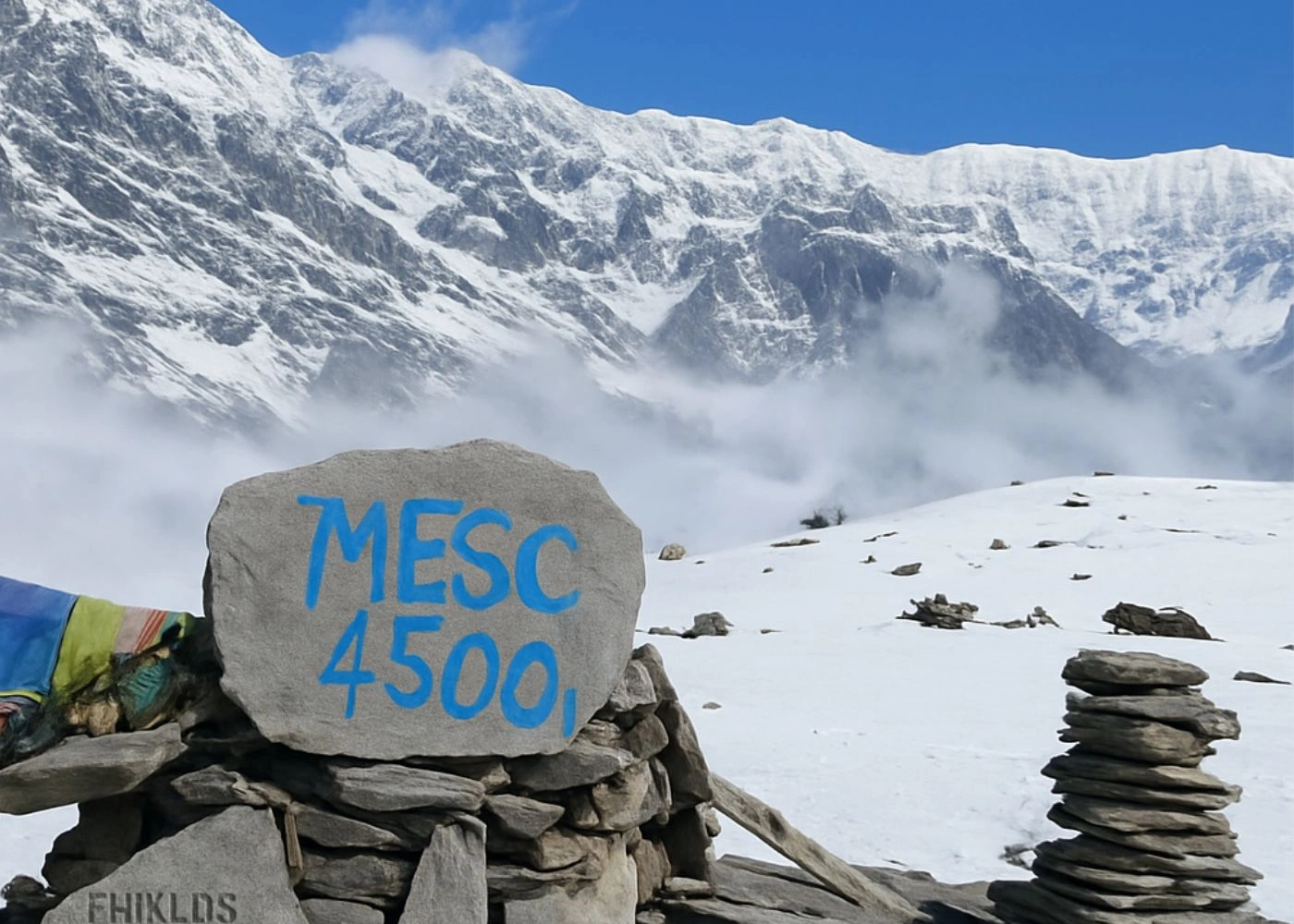
Mardi Himal Trek reaches a High altitude at 4,500 m (14,764 ft) and a Base Camp at 4,200 m in the Annapurna Conservation Area. According to the National Trust for Nature Conservation's 2022 annual report, the wider Annapurna Conservation Area already draws over 60% of all trekkers visiting Nepal, more than three times the Everest region's total, which is what makes routes like Mardi Himal feel like a genuine escape even within Nepal's busiest trekking region.
What Makes the Mardi Himal Trek Appealing During Snow Season?
The Mardi Himal Trek is appealing during snow season because it delivers Machhapuchhre (Fishtail, 6,993 m) face-on views from 4,500 m, operates with 60–70% fewer trekkers than the Poon Hill route in winter, accumulates 40–80 cm of snow above 3,500 m from December, and completes in 7–10 days from Pokhara.
The trek begins at Kande (1,770 m), 30 km from Pokhara, and ascends through Forest Camp (2,520 m), Low Camp (3,050 m), High Camp (4,500 m), and Mardi Himal Base Camp (4,200 m). Snow starts at Forest Camp in heavy winter years and covers the full trail above 3,500 m by January.
What separates Mardi Himal from Poon Hill for experienced winter trekkers: the Machhapuchhre view at High Camp is closer and more vertical. Fishtail's south face fills 40° of the visual field from 4,500 m, a proximity that Poon Hill at 3,210 m cannot replicate. The Annapurna South wall and Hiunchuli flank it at equal scale.
The practical winter challenge: teahouses above Low Camp (3,050 m) close from late December through February, leaving only basic shelter at High Camp. Trekkers carry full camping gear or coordinate with Pokhara-based agencies that maintain seasonal high-camp provisions. This self-sufficiency requirement is why Mardi Himal stays uncrowded in winter, and why the experience remains genuinely wild. For full cost, itinerary, and permit details, see the complete Mardi Himal Trek guide.
9. Langtang Valley
.webp)
Langtang Valley sits at approximately 3,500 m (11,500 ft) in Rasuwa district, with the key destination of Kyanjin Gompa at 3,870 m (12,697 ft). The valley is the 3rd most popular trekking region in Nepal and the fastest-accessed high-altitude snow destination, Syabrubesi trailhead is only 117 km from Kathmandu.
What Should Travelers Prepare for Before Visiting Langtang Valley in Winter?
Travelers preparing for Langtang Valley in winter must account for 4 critical factors: temperatures reaching -15°C at Kyanjin Gompa, potential trail closure for 3–7 days after heavy snowfall, mandatory Langtang National Park entry permit (NPR 3,000), and acclimatization at Lama Hotel (2,470 m) before ascending to 3,870 m.
Langtang Valley receives some of Nepal's most reliable winter snowfall. From November onward, the valley above 3,000 m stays snow-covered through March. The Langtang Lirung glacier wall (7,227 m) above Kyanjin dominates the valley's north side, a 3 km-wide ice face visible from the valley floor.
Two context points most travel articles omit. First, the 2015 earthquake destroyed the original Langtang village: ICIMOD's field analysis of the disaster found that ice and debris which had been building up on Langtang Lirung around 4,500 m broke loose and triggered the avalanche and pressure wave that buried the settlement, killing an estimated 310 people and over 200 yaks.. The rebuilt village stands 300 m higher on safer terrain. Travelers visit a community with living memory of that disaster, a human dimension worth acknowledging. For the complete day-by-day route and permit requirements, the Langtang Valley Trek guide covers everything from Syabrubesi to Kyanjin Gompa.
Second, Kyanjin Gompa hosts the highest yak cheese factory in Nepal's Langtang region, producing traditional hard yak cheese using methods unchanged since the 12th century. Winter production decreases when herders move yaks to lower pastures, but the factory remains open for visits through December.
10. Manang
Manang village sits at 3,519 m (11,545 ft) in Manang district on the Annapurna Circuit, sheltered in a north-facing rain shadow that produces a distinctly arid, high-altitude winter different from Nepal's other snowfall destinations. It is the highest-altitude village on this list accessible by motor vehicle (via Chame, Manang district road).
What Attractions and Experiences Await Visitors in Manang During Winter?
Manang in winter offers views of 4 major peaks above 7,000 m (Annapurna II at 7,937 m, Annapurna III at 7,555 m, Annapurna IV at 7,525 m, Gangapurna at 7,454 m), the frozen Gangapurna Glacier lake, Tilicho Lake access (4,919 m), traditional Tibetan-influenced architecture, and locally produced apple products.
Manang sits in the Kali Gandaki rain shadow, which means it receives less precipitation than equivalent altitudes on the southern Annapurna slopes. Annual snowfall here is 60–80 cm versus 150–200 cm at Ghorepani. This drier snow is compacted and crystalline, ideal for winter photography and walking, rather than the heavy wet snow of mid-elevation destinations.
Gangapurna Lake at 3,537 m, a 20-minute walk from Manang village, freezes from late November. The lake surface reflects the Gangapurna glacier face directly to its north. The reflection photography window at Gangapurna Lake runs from 7 AM to 10 AM before surface ice cracks from solar warming.
Tilicho Lake at 4,919 m, famed globally as one of the highest altitude large lakes in the world, sits 15 km west of Manang. In winter, reaching it requires a full-day guided excursion with crampons and ice axes above 4,400 m. The route is accessible to fit, experienced trekkers in January–February with proper equipment. The frozen lake surface at 4,919 m under clear winter sky is arguably the most extreme snowfall experience on this list.
Manang's local apple orchards produce apple brandy and dried apples sold in village shops. Both are winter staples for trekkers spending 2–3 acclimatization days in the village.
How Can You Plan the Perfect Trip to Nepal's Snowfall Destinations?
The perfect Nepal snowfall trip plan matches destination altitude to your available trek time, physical fitness, and risk tolerance across 3 decision variables: days available (1 day vs. 3–5 days vs. 7–10+ days), starting location (Kathmandu vs. Pokhara), and desired snow intensity (light dusting vs. deep accumulation).
The planning framework below organizes all 10 destinations by these 3 variables:
Days Available | Starting From | Recommended Destination | Peak Snow Month |
1 day | Kathmandu | Nagarkot, Chandragiri, Phulchowki | January |
1–2 days | Kathmandu | Daman, Kalinchowk | January |
4–5 days | Pokhara | Poon Hill | January |
5–7 days | Kathmandu | Langtang Valley, Gosaikunda | December–February |
7–10 days | Pokhara | Mardi Himal | December–February |
10–14 days | Kathmandu or Pokhara | Manang (Annapurna Circuit) | December–January |
Book domestic flights to Pokhara in advance for western Nepal destinations, winter fog grounds Kathmandu–Pokhara flights 10–15 days per season, disrupting itineraries for trekkers with fixed international return dates.
Travel insurance covering helicopter evacuation is mandatory for destinations above 3,500 m. Medical evacuation from Kyanjin (3,870 m) or Manang (3,519 m) costs USD 2,500–5,000 without insurance and takes 2–4 hours depending on weather.
What Are the Essential Travel Tips for Visiting Snowfall Places in Nepal?
The 9 essential travel tips for Nepal's snowfall destinations are: hire a licensed trekking guide (mandatory for international tourists in all national parks and conservation areas), carry a sleeping bag rated to -15°C, book accommodations 2 weeks ahead for January peak, use 4WD vehicles above 2,500 m, obtain permits before departure, acclimatize properly above 3,500 m, carry cash (ATMs are absent above Syabrubesi and Nayapul), dress in 3 base-mid-outer layers, and check road conditions the morning of departure.
Layering system: The 3-layer approach is non-negotiable above 3,000 m in winter. Base layer (moisture-wicking merino or synthetic), mid layer (down or fleece insulation rated to -10°C), outer layer (waterproof and windproof shell). Nepal's trekking gear shops in Thamel rent complete layering systems at NPR 300–800 per day, a viable option if packing light.
Altitude sickness recognition: Acute Mountain Sickness (AMS) develops above 2,500 m when ascent is faster than 500 m per day. The 3 early indicators are headache, loss of appetite, and disturbed sleep. Descend immediately if symptoms progress to confusion, ataxia, or productive cough. No snowfall view justifies ignoring AMS progression.
Photography in cold: Cold temperatures significantly reduce camera battery performance, so carrying spare batteries in an inner pocket is recommended. Carry 2 spare batteries in a chest pocket against body heat. Memory cards function normally in cold; battery failure is the primary equipment issue at high altitude in winter.
Road safety: Nepal's mountain roads above 2,000 m are single-lane with unguarded drop-offs. After snowfall, black ice forms on shadowed bends within 2–4 hours. Depart before 7 AM to complete valley sections before afternoon ice formation.
What Are the Key Takeaways About the Best Snowfall Places in Nepal?
Nepal's 10 snowfall destinations span 2,195 m to 4,500 m altitude, 4 geographic zones (Kathmandu Valley rim, central hills, Annapurna region, Langtang–Manang), and 3 accessibility levels, with January as the peak snow month across all 10 destinations.
The 3 most important distinctions to guide your decision:
Easiest snow access (1 day, no trekking): Chandragiri cable car at 2,551 m
Best mountain panorama in snowfall: Daman's 8 eight-thousander view or Poon Hill's 7-peak sunrise
Most remote, deepest snow: Gosaikunda (4,380 m), Manang/Tilicho (3,519–4,919 m), Mardi Himal High Camp (4,500 m)
Nepal's snowfall season runs from late November through February, a 3-month window with January delivering the highest probability of significant accumulation across all altitudes. Plan around this window, match destination to fitness level, and prepare for temperatures 10–15°C colder than Kathmandu's winter average. The mountain views from Nepal's snow-covered ridgelines in January remain among the most visually striking experiences in the Himalayan region. If you're planning a December arrival, our curated list of places to visit in Nepal in December covers seasonal logistics, weather windows, and itinerary templates by trip length.