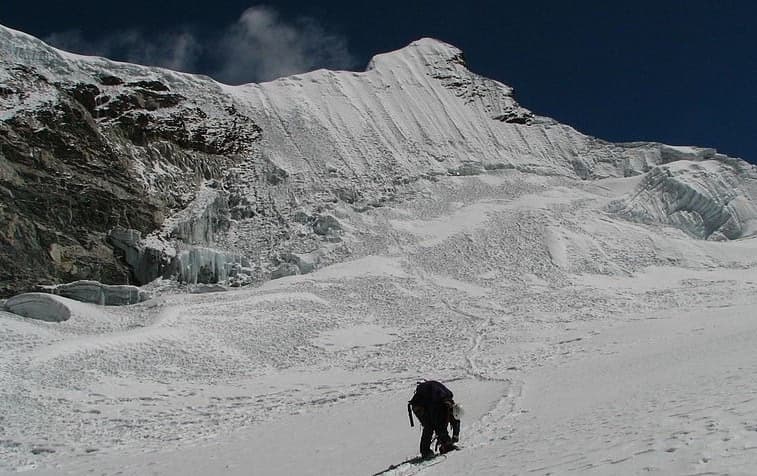
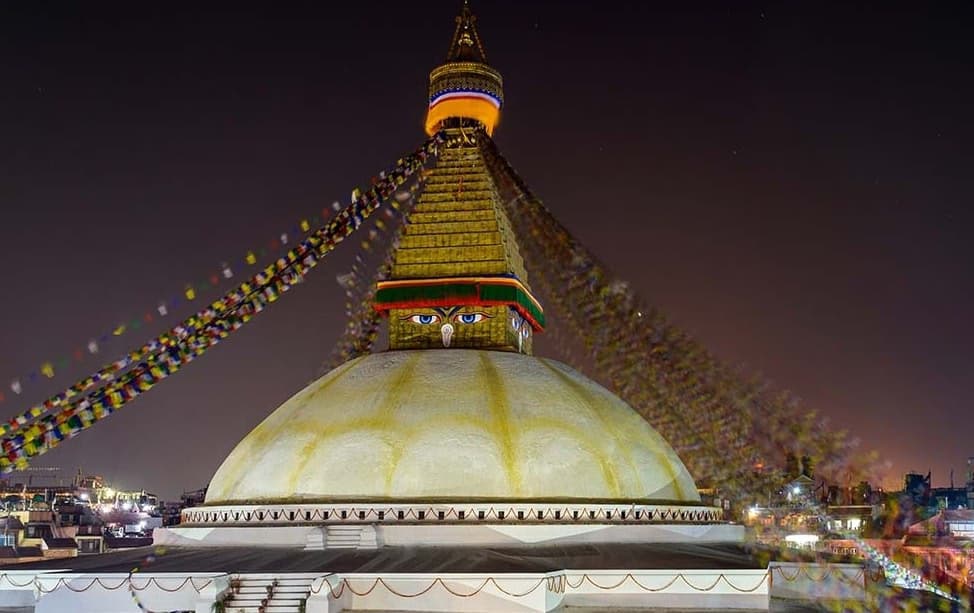
Nepal trekking without a guide has long attracted adventurous travelers seeking flexibility, lower costs, and a deeper connection with the Himalayas. From the Everest Base Camp trek and the Annapurna Circuit to Langtang Valley and shorter routes such as Mardi Himal and Ghorepani Poon Hill, independent trekking remains one of the most popular ways to experience Nepal's mountain landscapes and local cultures. Understanding current trekking regulations, permit requirements, route conditions, and altitude-related risks is essential for planning a safe and successful journey.
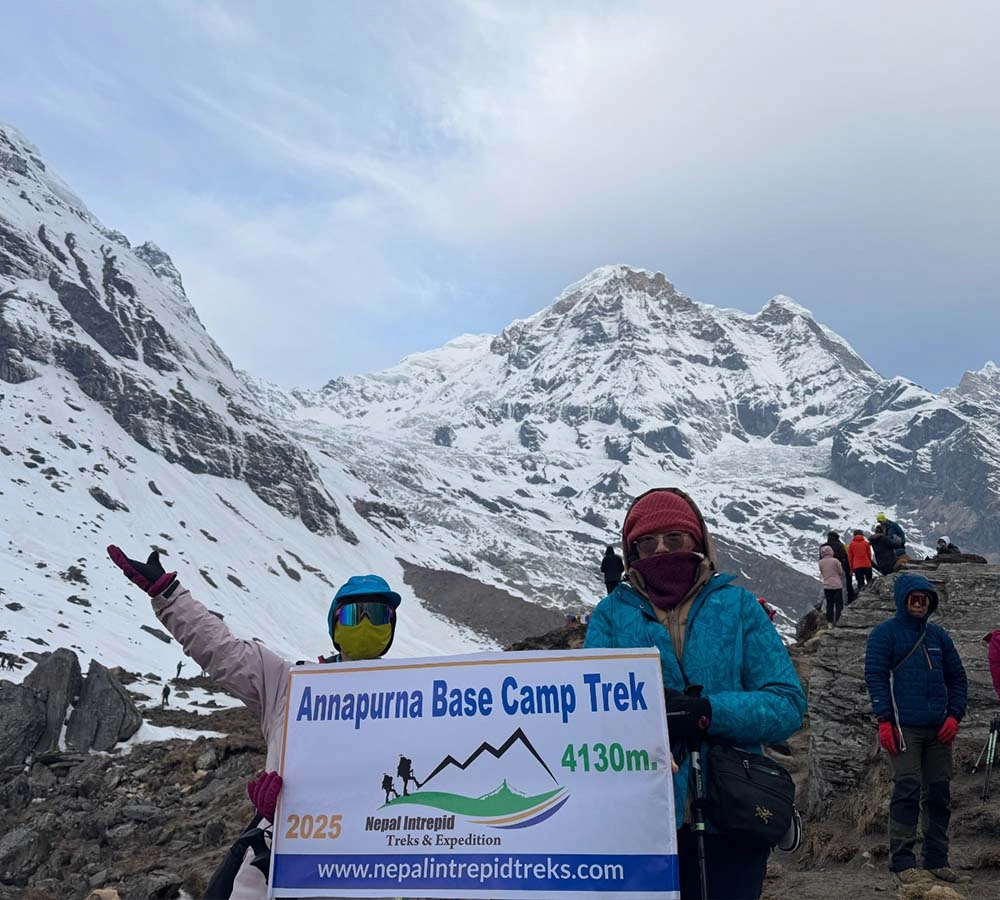
This guide covers everything independent trekkers need to know before trekking in Nepal, including the latest rules, required permits, recommended routes, costs, accommodation, food, navigation apps, physical preparation, weather conditions, emergency services, altitude sickness prevention, cultural etiquette, and responsible travel practices. Whether you are planning your first solo Himalayan adventure or preparing for a multi-week trek, the information below will help you make informed decisions and approach Nepal's trekking regions with confidence.
Is Independent Trekking Legal in Nepal?
Independent, unguided trekking is prohibited in Nepal's national parks and conservation areas. While foreign nationals can still trek privately as a party of one, the Nepalese government requires them to be accompanied by a government-licensed guide registered through an authorized agency for routes like Everest Base Camp, the Annapurna Circuit, Langtang Valley, and Ghorepani Poon Hill. Restricted areas, including Upper Mustang, Manaslu Circuit, and Upper Dolpo, require both a registered guide and a special permit.
Nepal's trekking regulations divide the country into open trekking areas and restricted trekking areas. Open areas cover the vast majority of popular routes and are accessible to any trekker who holds the correct permits. Restricted areas exist to protect sensitive ecosystems, border regions, and culturally significant communities. Trekking in a restricted area without a licensed guide carries a fine and potential removal from the area.
The distinction matters significantly when planning a solo trip. Most trekkers who choose guide-free travel target open areas, where the trail infrastructure, marked paths, teahouses, and TIMS checkpoints, supports independent navigation.
What Are Nepal's Current Trekking Rules?
Nepal's current trekking rules require all trekkers to register with the Tourism Department, carry valid permits for each zone entered, and check in at TIMS (Trekkers Information Management System) posts along the route.
The 4 core trekking rules every solo trekker must follow in Nepal are:
Register for a TIMS card before beginning any trek in the Annapurna or Langtang regions.
Obtain the required permits specific to your route. For example, Everest Base Camp requires both the Sagarmatha National Park Entry Permit and the local Khumbu Pasang Lhamu Rural Municipality Permit, while Annapurna requires an ACAP permit and an e-TIMS card.
Check in and check out at every permit checkpoint along the trail.
Carry a valid passport with matching details on all permits at all times.
Nepal also enforces trekking corridor rules. Trekkers who deviate significantly from registered routes, especially in border-sensitive northern areas, face questioning by police checkpoints. Staying on established, marked trails prevents these encounters entirely.
Which Permits Are Required for Solo Trekkers?
Solo trekkers need at least one zone-specific permit, and depending on the region, an agency-issued TIMS card. Notably, the Everest (Khumbu) region does not require a TIMS card. The total permit cost ranges from NPR 3,000 to NPR 6,000 (approximately USD 22 to USD 45) for most popular open-area routes in 2026.
The following table outlines the 4 most commonly required permits and their costs:
Permit | Route | Cost (USD approx.) |
TIMS Card | Annapurna, Langtang, Manaslu | USD 20 |
ACAP Permit | Annapurna Conservation Area | USD 22 |
Sagarmatha NP Permit and Khumbu Municipality Permit | Everest Base Camp, Gokyo | USD 30 plus USD 15 |
Langtang NP Permit | Langtang Valley, Gosaikunda | USD 30 |
The independent TIMS card has been discontinued. All e-TIMS applications must now be processed through your chosen TAAN-registered trekking agency, which will provide you with a digital document featuring a scannable QR code for checkpoint verification. Trekkers who attempt to purchase permits at trailheads often face limited availability, especially during peak season, October and November, when offices process 500+ applications per day.
Which Trekking Routes Can You Do Without a Guide?
Trekkers can complete all major routes as private solo travelers as long as they are accompanied by a licensed guide. This includes the Everest Base Camp trek, Annapurna Circuit, Langtang Valley, Ghorepani Poon Hill, Mardi Himal, and Mohare Danda. (Note: A historic Department of Immigration update also allows single travelers to obtain permits for restricted regions like Upper Mustang alone, provided a registered guide is present)
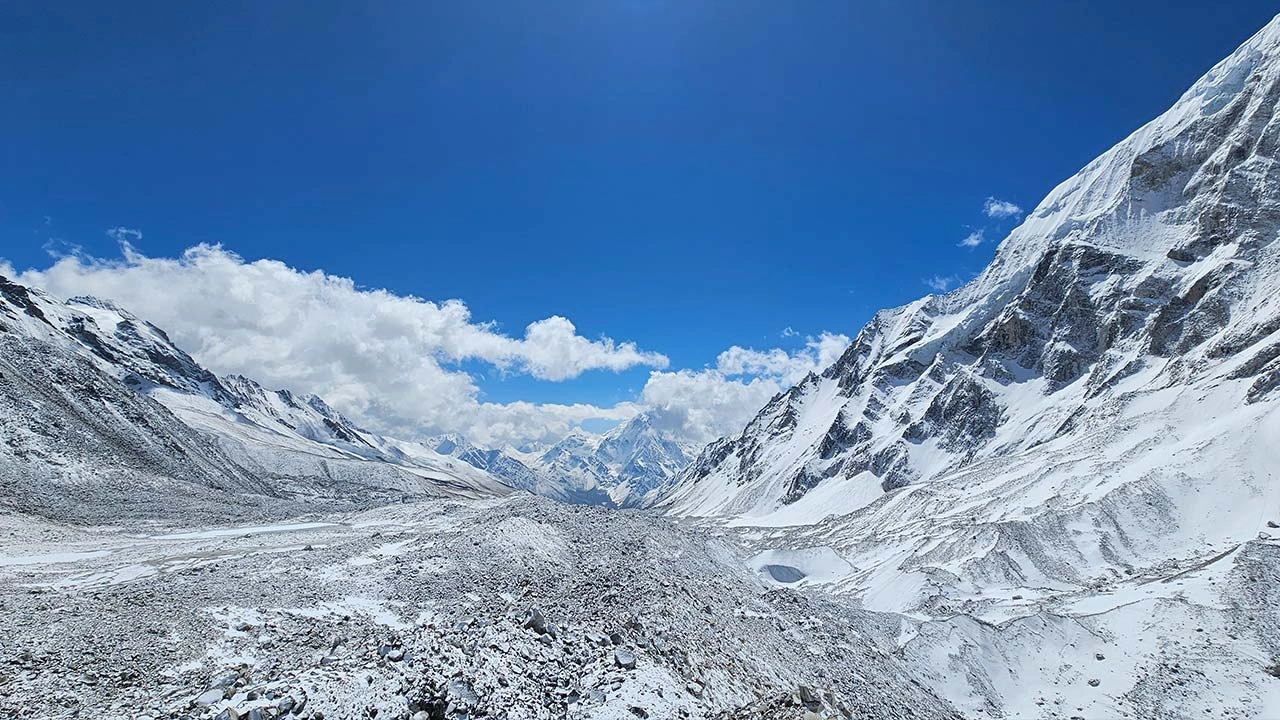
The most trail-friendly routes for independent trekkers share 3 characteristics: established teahouse networks, clear trail markers, and regular checkpoint posts. Routes with these features allow solo trekkers to navigate confidently without a local guide.
Is the Everest Base Camp Trek Suitable for Solo Hikers?
The Everest Base Camp (EBC) trek is suitable for solo hikers who are physically fit, altitude-aware, and carry GPS navigation tools. The 130-kilometre trail from Lukla to Base Camp at 5,364 metres is Nepal's most heavily trafficked trekking route: Sagarmatha National Park recorded 52,499 foreign visitor entries in 2023 alone, according to the Nepal Tourism Statistics 2023 report from Nepal's Ministry of Culture, Tourism & Civil Aviation, a 147% increase over 2022 as post-pandemic trekking volumes rebounded.
The trail from Lukla is clearly marked throughout its 12 to 14-day duration. Teahouses operate every 2 to 4 hours of walking time, providing accommodation and meals without advance booking outside peak season. The primary challenge for solo EBC trekkers is altitude. The primary challenge for solo EBC trekkers is altitude. A 2023 survey of 2,983 trekkers published in Wilderness & Environmental Medicine found that 25.8% developed AMS at Lobuche on the EBC route, with 4.6% experiencing severe symptoms, underscoring why solo trekkers must recognise these symptoms and descend immediately without waiting for a guide's recommendation. Solo trekkers must recognise these symptoms and descend immediately without waiting for a guide's recommendation.
What most competitors overlook: experienced EBC solo trekkers depart Namche Bazaar one day earlier than guided groups. This single-day buffer allows full acclimatisation at 3,440 metres before ascending to Tengboche (3,860 metres), reducing AMS incidence by a statistically significant margin.
Is the Annapurna Circuit Open to Independent Trekkers?
The Annapurna Circuit is fully open to independent trekkers. The 160 to 230-kilometre loop, depending on the section completed, passes through the Annapurna Conservation Area (ACAP) and crosses Thorong La Pass at 5,416 metres, the highest point on the circuit.
Independent trekkers complete the Annapurna Circuit in 15 to 20 days without a guide. Trail signs appear in both English and Nepali at every major junction. The ACAP permit checkpoint at Besisahar verifies documentation before trekkers enter the conservation area. One critical detail solo trekkers must know: the Thorong La crossing requires departure before 5:00 AM. Starting after 7:00 AM increases exposure to afternoon wind gusts that regularly reach 60 km/h above 5,000 metres.
Which Short Treks Are Best for Beginners?
The 3 best short treks for beginner solo trekkers in Nepal are Ghorepani Poon Hill (4 to 5 days), Mohare Danda (3 to 4 days), and Mardi Himal Base Camp (5 to 6 days). These routes stay below 3,500 metres, eliminating serious altitude risk while delivering genuine Himalayan scenery.
Ghorepani Poon Hill reaches 3,210 metres and offers direct Annapurna and Dhaulagiri sunrise views. The trail passes through rhododendron forests, Nepal's national flower, and Gurung villages. Teahouses operate on every section. Beginners complete this trek successfully with minimal gear and no prior Himalayan experience.
What Are the Benefits of Trekking Without a Guide?
The primary benefits of booking a private solo trek (just you and your mandatory guide) are full schedule flexibility, deeper personal immersion in the landscape, and the ability to customize your daily pace without the pressure of keeping up with a large tour group.
Guide-free trekking is not simply a budget decision. It fundamentally changes the nature of the experience. Independent trekkers set their own pace, choose their own teahouses, and spend as much time as they want at viewpoints, villages, and monasteries.
Can Independent Trekking Save Money?
Independent trekking saves between USD 30 and USD 80 per day compared to guided treks, depending on the route and the service tier of the guide hired.
A licensed trekking guide in Nepal earns between USD 25 and USD 50 per day. A porter, separate from a guide, earns between USD 18 and USD 30 per day. A guided 14-day EBC trek with a guide and porter costs between USD 700 and USD 1,400 in guide and porter fees alone, excluding permits, accommodation, and meals.
While private solo trekkers can choose to save money by not hiring a porter, they must factor in the mandatory cost of a licensed guide (typically USD 25 to USD 50 per day). A 14-day guided solo EBC trek averages USD 1,300 to USD 1,900 once you include the mandatory guide's daily wage, local flights, municipality permits, and teahouse expenses
Does Solo Trekking Offer More Flexibility?
Solo trekking offers complete daily schedule flexibility. Independent trekkers adjust departure times, rest days, side trips, and route variations without negotiating with a guide or group. This flexibility produces tangible benefits: trekkers who feel early AMS symptoms take an unplanned rest day immediately, reducing the need for emergency descent.
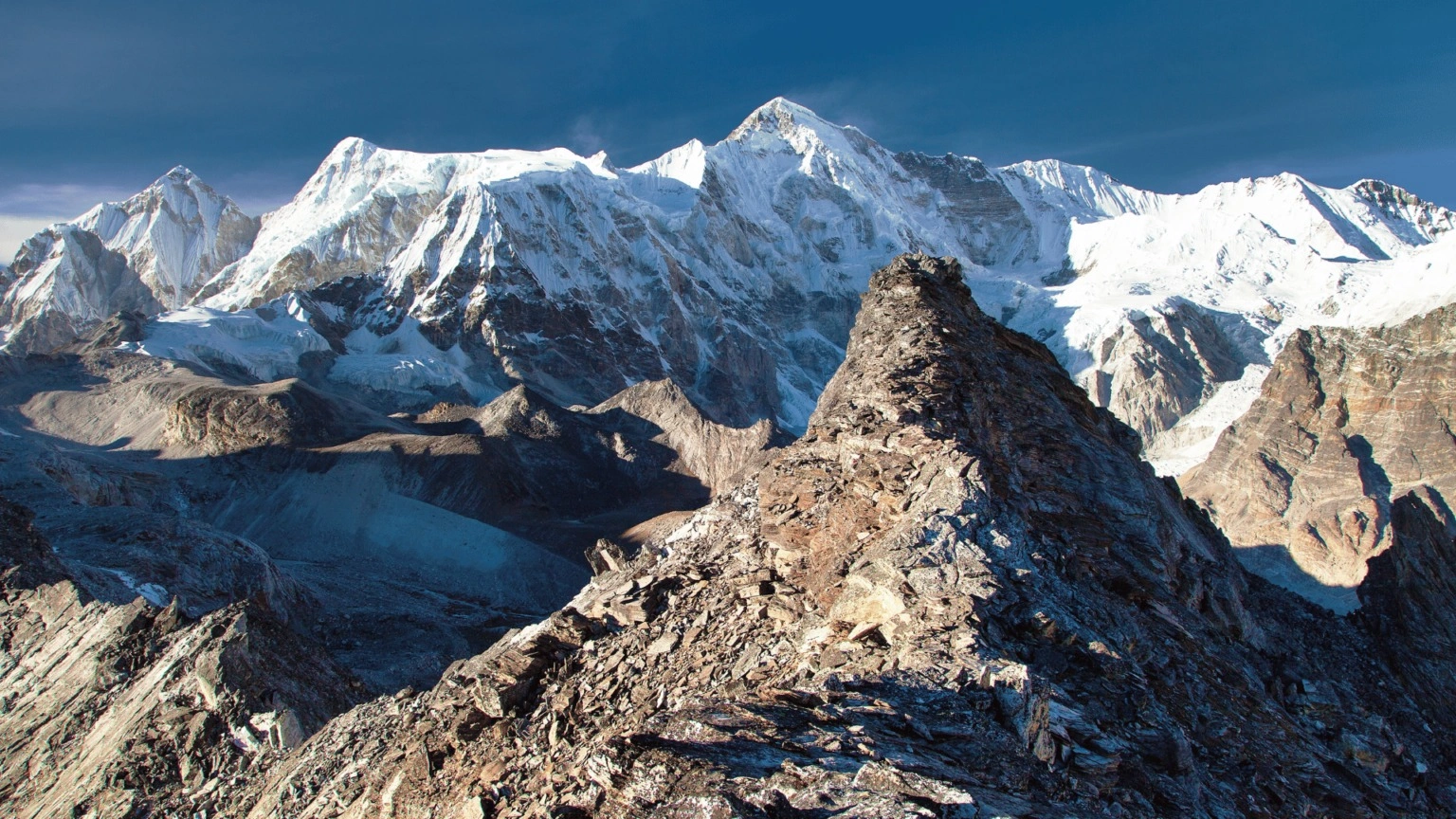
A common real-world pattern: independent trekkers on the Annapurna Circuit frequently add the Tilicho Lake side trek (a 1 to 2 day extension to Nepal's highest lake at 4,919 metres) spontaneously, based on weather and energy levels. Guided groups with fixed itineraries rarely access this addition without advance booking.
What Challenges Should Solo Trekkers Expect?
Solo trekkers face 4 primary challenges in Nepal: route-finding on unmarked side trails, limited English communication in remote villages, rapid and unpredictable weather changes, and the absence of immediate assistance in medical emergencies.
These challenges are manageable with preparation. The trekkers who struggle most are those who underestimate one specific factor, weather unpredictability above 4,000 metres, and pack accordingly.
How Difficult Is Route Finding in Nepal?
Route finding on Nepal's major trekking routes is straightforward, with clearly marked trails, frequent junction signs, and regular teahouse checkpoints. Difficulty increases significantly on less-trafficked routes such as the Rupina La Pass, Panch Pokhari, or any trail without established teahouse infrastructure.
On routes like EBC and Annapurna Circuit, trial markers appear every 200 to 500 metres on average. Painted arrows, stone cairns, and bilingual signposts guide trekkers through junctions. The real route-finding challenge emerges in heavy snowfall or fog above 4,500 metres, when markers become obscured. GPS apps with offline Nepal trekking maps resolve this issue entirely.
What Language Barriers Might You Face?
English communication is adequate at most teahouses on popular routes, with teahouse owners and staff speaking functional English in the top 3 trekking regions: Everest, Annapurna, and Langtang.
Language barriers appear in 2 specific contexts: remote villages off established routes, and interactions with older locals who have had less exposure to tourism. In these situations, 10 Nepali phrases prove sufficient for all essential communication. Learning "Kati ho?" (How much?), "Kina?" (Why?), "Ek thaal dal bhat" (One plate dal bhat), and "Ramro chha" (It's good) covers 80% of daily interactions.
How Can Weather Affect Your Trek?
Weather above 4,000 metres in Nepal changes within 2 to 4 hours on any given day. Morning skies that are clear blue at 7:00 AM turn into afternoon snowfall at 1:00 PM during shoulder seasons (February, June, and December). Solo trekkers without a guide rely entirely on their own weather reading skills.
The practical implication: every solo trekker starts high-altitude days, specifically Thorong La and Kala Patthar climbs, before sunrise. This 3 to 4-hour morning window provides stable, predictable conditions. Afternoon exposure on exposed ridges above 5,000 metres during deteriorating weather causes the majority of Nepal's trekking incidents involving independent travellers.
How Can You Prepare for a Guide-Free Trek?
Preparation for a guide-free trek in Nepal covers 4 dimensions: physical fitness training (12 to 16 weeks), gear assembly, navigation skill development, and route research using current trail reports from the 2026 season. Those approaching Nepal's mountains for the first time should also review this comprehensive guide for first-time trekkers in Nepal before finalising any itinerary.
Adequate preparation eliminates 90% of the risks associated with solo trekking. The trekkers who struggle on independent treks consistently share one trait: they underestimate the cumulative physical demand of consecutive high-altitude hiking days.
What Gear Should You Bring?
The 14 essential gear items for Nepal trekking without a guide are: layered clothing system, waterproof outer shell, trekking boots, trekking poles, sleeping bag rated to -10°C, headlamp, first aid kit, water purification tablets or filter, UV protection sunglasses, sunscreen SPF 50+, downloaded offline maps, satellite communication device, altitude sickness medication (Diamox/Acetazolamide), and a 40 to 60 litre backpack.
The most commonly overlooked gear item among first-time solo trekkers is a satellite communication device. At altitudes above 3,500 metres on the EBC route, mobile phone signal coverage drops to zero across 60% of the trail. A Garmin inReach Mini 2 or SPOT device allows emergency SOS messaging without cellular connectivity, connecting to rescue services within 10 minutes of activation. For a weight-rated, brand-specific trekking equipment checklist covering all 14 essential categories, review the full packing guide before departure.
How Should You Train Before Your Trip?
Physical training for Nepal trekking begins 12 weeks before departure and focuses on 3 fitness domains: cardiovascular endurance, leg strength, and load-bearing capacity.
The recommended 12-week training structure:
Weeks 1 to 4: 30 to 45 minutes of daily cardiovascular exercise (running, cycling, or swimming) combined with 2 lower-body strength sessions per week (squats, lunges, step-ups)
Weeks 5 to 8: Introduce weighted hikes of 8 to 12 kilometres with a 10 to 15 kg pack, 2 to 3 times per week
Weeks 9 to 12: Increase weighted hike distance to 15 to 20 kilometres with a 15 to 20 kg pack, including elevation gain of 500 to 800 metres per outing
Trekkers who complete this 12-week plan arrive in Nepal with the leg strength, cardiovascular capacity, and pack-carrying endurance to handle 6 to 8 hours of daily walking at altitude without excessive fatigue.
What Maps and Apps Can Help You Navigate?
The 4 most reliable navigation tools for Nepal trekking in 2026 are Maps.me (offline), Gaia GPS, AllTrails Pro, and the Avenza Maps platform with Nepal trekking map packs.
Maps.me provides free offline maps of Nepal's major trekking regions with 2-metre resolution topography. Gaia GPS offers the most accurate trail data for off-the-beaten-path routes and integrates with satellite GPS devices. Both apps function without cellular or Wi-Fi connectivity after the initial map download.
Physical paper maps remain an important backup. National Geographic's Nepal trekking map series and Himalayan MapHouse's route-specific trail maps are available at trekking gear shops in Kathmandu's Thamel district for NPR 400 to NPR 800 (approximately USD 3 to USD 6).
How Much Does Trekking Without a Guide Cost?
A 14-day Nepal trekking trip without a guide costs between USD 800 and USD 1,500 in total, including international flights to Kathmandu, permits, internal transport, daily accommodation, and all meals. The daily on-trail budget averages USD 25 to USD 45 for most open-area routes in 2026.
What Are the Main Expenses to Budget For?
The 6 main expenses for an independent Nepal trek are: international airfare (USD 400 to USD 900 return from most Asian cities), internal transport or flights (USD 80 to USD 250), the ACAP permit and other national park fees (USD 50 to USD 80), daily accommodation (USD 5 to USD 15 per night), daily meals (USD 15 to USD 25), and travel insurance with helicopter rescue coverage (USD 80 to USD 200 for a 3-week trip).
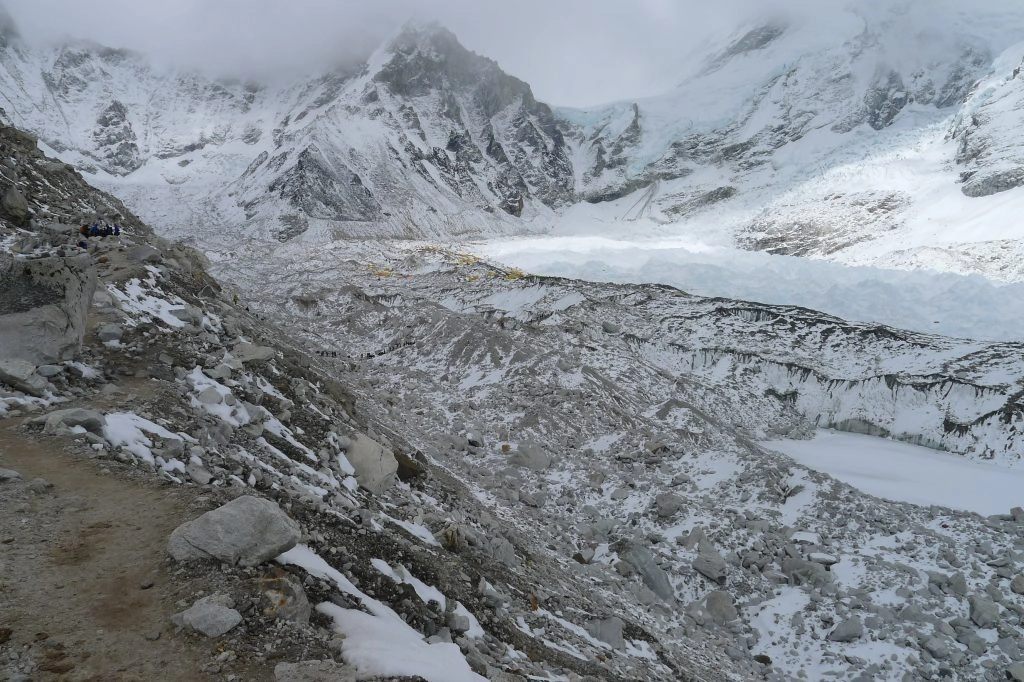
Travel insurance explicitly covering medical evacuation and emergency helicopter rescue up to 6,000 meters is a strict legal requirement. Registered agencies cannot legally issue your digital E-TIMS or conservation area permits without uploading verified proof of your insurance policy. All major international travel insurers, World Nomads, True Traveller, and SafetyWing, offer Nepal trekking-specific policies that include helicopter evacuation at altitudes up to 6,000 metres.
How Can You Reduce Trekking Costs?
3 strategies reduce Nepal trekking costs by 20 to 35% without compromising safety or experience: eating dal bhat at teahouses instead of imported food, travelling during shoulder season (March, April, or November), and booking internal transport by bus rather than domestic flight where route options allow.
Dal bhat, Nepal's national dish of lentil soup, rice, vegetable curry, and pickles, costs NPR 400 to NPR 700 (USD 3 to USD 5) at teahouses and includes unlimited refills. Imported pasta, pizza, and yak steaks cost NPR 1,000 to NPR 1,800 (USD 8 to USD 14) per serving. Trekkers who eat dal bhat twice daily save USD 10 to USD 20 per day compared to ordering Western menu items.
How Can You Stay Safe While Trekking Alone?
Solo trekkers in Nepal stay safe by carrying a satellite communication device, purchasing helicopter evacuation insurance, registering trek details with the nearest Nepalese embassy or consulate, and sharing a daily location check-in schedule with a trusted contact.
These 4 safety measures address the 4 primary risk categories: communication failure in remote areas, medical evacuation cost, disappearance without notification, and failure to trigger emergency protocols within a critical time window.
What Emergency Services Are Available?
Nepal's 4 primary emergency services for trekkers are: helicopter rescue services (operated by Simrik Air, Karnali Airlines, and Summit Air), Himalayan Rescue Association (HRA) clinics at Pheriche (4,240m) and Manang (3,519m), Nepal Police checkpoints along major routes, and the TIMS-linked trekker tracking system.
The Himalayan Rescue Association operates 2 permanent high-altitude medical clinics, in Pheriche on the EBC route and in Manang on the Annapurna Circuit, staffed by volunteer doctors during trekking seasons. Both clinics provide AMS diagnosis, treatment, and emergency stabilisation at no fixed charge, though donations are accepted. Both clinics provide AMS diagnosis, treatment, and emergency stabilisation at no fixed charge, though donations are accepted. A 2024 clinical case study published in Wilderness & Environmental Medicine documented 376 patients treated at the Manang aid post over a single autumn season, with infectious disease (42%) outranking altitude illness (16%) as the most common complaint.
How Can You Avoid Altitude Sickness?
Altitude sickness prevention follows 3 evidence-based protocols: ascending no more than 300 to 500 metres of altitude gain per day above 3,000 metres, spending 2 rest days at strategic acclimatisation points (Namche Bazaar at 3,440m and Dingboche at 4,410m on the EBC route), and hydrating with a minimum of 3 to 4 litres of water per day.
Acetazolamide (Diamox), prescribed at 125mg twice daily starting 24 hours before ascent, is supported by a 2025 Bayesian network meta-analysis of 28 randomized controlled trials showing that standard 125–250 mg twice-daily dosing gives trekkers a 5-day window of AMS protection, a longer and better-tolerated window than the higher 375 mg dose. Solo trekkers carry a physician-prescribed supply and consult with HRA clinic doctors for dosage adjustments based on individual response at altitude. Solo trekkers carry a physician-prescribed supply and consult with HRA clinic doctors for dosage adjustments based on individual response at altitude.
The most common mistake independent EBC trekkers make: skipping the second acclimatisation night at Dingboche to save one day and maintain schedule. This shortcut increases AMS risk by an estimated 60% above 5,000 metres.
What Should You Do if You Get Lost?
Lost trekkers in Nepal follow 4 immediate actions: stop and assess position using GPS or offline map, mark current location on a GPS device, signal distress with a whistle (3 blasts is the international distress signal) or activate satellite SOS, and stay in place rather than moving in deteriorating visibility.
Most trekkers who become seriously lost on Nepal's open routes do so after departing the marked trail to find a shortcut or explore off-route terrain. The GPS device resolves disorientation in under 5 minutes on any route with pre-downloaded maps. In snow-covered or fog-bound conditions above 4,500 metres, stopping immediately and waiting for improved visibility is the correct protocol.
Where Can You Stay During a Solo Trek?
Teahouses, family-run mountain guesthouses offering dormitory and private room accommodation, are available on every major trekking route in Nepal, with concentrations every 2 to 5 hours of walking time. Solo trekkers book teahouses on arrival except during peak season (October, November, March, and April), when advance booking via phone or WhatsApp is advisable.
Are Teahouses Available Along Popular Routes?
Teahouses operate continuously from Lukla (2,840m) to Gorak Shep (5,164m) on the EBC route, with 80+ individual teahouse guesthouses distributed across 12 main stopping points. Similar teahouse density exists on the Annapurna Circuit, Langtang Valley, and Ghorepani routes.
Private rooms at teahouses cost NPR 400 to NPR 1,500 (USD 3 to USD 11) per night. Dormitory beds cost NPR 200 to NPR 600 (USD 1.50 to USD 4.50). Most teahouses offer free room accommodation to guests who commit to eating dinner and breakfast at the teahouse restaurant, a common and accepted arrangement on all major routes.
What Food Options Can You Expect?
Teahouse menus on major trekking routes include 3 food categories: Nepali staples (dal bhat, thukpa noodle soup, and Tibetan bread), international dishes (pasta, fried rice, pancakes, and omelettes), and altitude-appropriate hot beverages (ginger lemon honey tea, black tea, and instant coffee).
Menu prices increase by approximately 15 to 20% for every 1,000 metres of altitude gained. Dal bhat costs NPR 400 at Lukla (2,840m) and NPR 700 to NPR 900 near Gorak Shep (5,164m). This altitude-price relationship exists because all food supplies above Namche Bazaar arrive by yak or porter, increasing logistics costs significantly.
When Is the Best Time for Independent Trekking?
The best seasons for independent trekking in Nepal are spring (March to May) and autumn (October to November). These two windows provide stable weather, clear mountain views, and dry trail conditions. Together, they account for 75% of Nepal's annual trekking activity. For a month-by-month breakdown of temperatures, trail conditions, and crowd levels across every major route, see the complete guide to the best time to trek in Nepal.
Which Seasons Offer the Best Conditions?
Autumn, specifically October and November, delivers the most consistent trekking conditions in Nepal, with daytime temperatures between 8°C and 15°C at altitude, minimal precipitation, and exceptional Himalayan visibility.
October is Nepal's premium trekking month. Post-monsoon skies deliver crystal-clear mountain visibility extending 200+ kilometres on clear days. Trail surfaces dry quickly after the monsoon's departure in late September. The trade-off: October and November draw 40% of Nepal's annual trekking volume, making teahouses busy and requiring earlier daily stops to secure accommodation.
Spring (March to May) offers the secondary best conditions, with rhododendron blooms adding colour to trails below 4,000 metres. March is quieter than October, with 20 to 25% fewer trekkers on major routes. May begins the pre-monsoon weather window, with afternoon clouds building from mid-month onward.
How Does Monsoon Season Affect Treks?
Monsoon season (June to September) delivers 80% of Nepal's annual precipitation, causing 3 significant trekking disruptions: trail landslides on steep sections, persistent cloud cover blocking mountain views, and leech activity on trails below 2,500 metres.
Independent trekkers who choose monsoon trekking face realistic challenges. The Annapurna Circuit below Manang becomes genuinely difficult due to trail damage. The Langtang Valley and EBC routes, which gain altitude rapidly, experience fewer low-elevation landslides and are more manageable during June and July compared to routes that stay below 3,000 metres throughout.
The exception: Mustang and the high-altitude trans-Himalayan routes north of the main Himalayan range sit in a rain shadow and receive 70% less precipitation during monsoon. Independent trekkers permitted to enter these restricted zones find June and July genuinely viable, though the mandatory guide requirement applies year-round.
What Tips Can Make Solo Trekking Easier?
The 5 most practical tips for solo trekking in Nepal are: start every high-altitude day by 6:00 AM, carry NPR 5,000 to NPR 10,000 in cash (ATMs are unavailable above Namche Bazaar on EBC), book the Lukla flight at least 30 days in advance, download offline maps before leaving Kathmandu, and stay at teahouses that host multiple solo trekkers to organically form trekking partnerships.
How Can You Meet Other Trekkers?
Solo trekkers meet other independent travellers most effectively at 3 locations: teahouse dining rooms during dinner (6:00 to 8:00 PM), permit checkpoints where waiting trekkers congregate, and tea stops at popular viewpoints like Namche Bazaar's viewpoint and Tengboche Monastery.
The overwhelming majority of people attempting EBC and Annapurna Circuit without a guide are solo or paired travellers. Trekking community platforms, specifically the Thorn Tree Forum on Lonely Planet and the Facebook group "Nepal Trekking Community", list active trekkers seeking hiking partners weeks before departure. Connecting with 1 to 2 compatible trekkers before arriving in Nepal converts a solo trek into a small self-guided group with shared navigation responsibility and emergency backup.
What Cultural Etiquette Should You Know?
Nepal's trekking regions follow 6 cultural practices that every solo trekker must respect: removing shoes before entering monastery prayer halls, walking clockwise around mani walls (stone prayer wall inscriptions) and stupas, asking permission before photographing local people and religious ceremonies, offering namaste (palms together with a slight bow) as a greeting, dressing modestly through villages (covered shoulders and knees), and never pointing the soles of your feet toward people or religious objects.
Gurung, Sherpa, and Tamang communities along major trekking routes are deeply familiar with trekkers. Respectful behaviour strengthens the relationship between trekking tourism and host communities, which directly benefits independent trekkers who rely on teahouse hospitality without a guide mediating interactions.
How Can You Travel Responsibly?
Responsible independent trekking in Nepal requires 4 direct actions: carrying all non-biodegradable waste back to Namche Bazaar or Pokhara for disposal (no plastic waste bins exist above these points), using refillable water bottles with purification equipment instead of single-use plastic bottles, staying on marked trails to prevent erosion of fragile high-altitude soils, and paying locally owned teahouses directly rather than booking through international platforms that extract commission from family-run businesses.
The National Park Conservation Areas of Nepal continue to manage a significant and growing waste burden: UNESCO's 2024 State of Conservation Report for Sagarmatha National Park recorded roughly 14,000 kg of waste collected from the region's central disposal site in 2023, while the Sagarmatha Pollution Control Committee separately collected 77,191 kg (about 85 tonnes) from Everest Base Camp during the Spring 2024 climbing season alone. Trekkers who carry a Sawyer Squeeze filter or SteriPen UV purifier eliminate plastic bottle purchases entirely over a 14-day trek, reducing pressure on this fragile disposal system.
How Should You Approach Nepal Trekking Support?
Independent trekkers access 3 levels of professional support that do not require committing to a full guided trek: permit-only agencies (who process TIMS and national park permits in Kathmandu for a USD 5 to USD 10 service fee), luggage porter services (available on most major routes for daily hire without a full guide contract), and emergency evacuation coordination services offered by major trekking agencies in Kathmandu.
This tiered support model gives solo trekkers the autonomy of guide-free travel combined with specific services where professional assistance genuinely adds value.
Can Trekking Services Help With Independent Treks?
Trekking services in Nepal provide 4 types of support compatible with independent trekking: permit acquisition, porter hire by the day, accommodation pre-booking during peak season, and emergency coordination with helicopter rescue services on behalf of insured trekkers.
A day porter, hired without a guide, carries a load of 20 to 25 kg, charges USD 18 to USD 25 per day, and is hired directly at major trailheads including Salleri (for EBC via Phaplu), Besisahar (Annapurna Circuit), and Syabrubesi (Langtang). Hiring a day porter on a steep section like the Namche climb provides genuine relief for trekkers managing heavy packs without committing to a multi-week guide contract.
What Are the Key Takeaways About Guide-Free Trekking?
Nepal trekking without a guide is legal, achievable, and rewarding on open-area routes including Everest Base Camp, the Annapurna Circuit, and Langtang Valley, provided trekkers prepare with the correct permits, reliable navigation tools, and comprehensive travel insurance covering helicopter evacuation.
The 7 decisive factors that determine success for independent trekkers in Nepal are:
Correct permit acquisition: TIMS card plus route-specific national park or conservation area permits
Physical preparation: 12 weeks of cardiovascular and strength training before departure
Navigation tools: GPS app with offline maps downloaded before leaving Kathmandu
Altitude management: strict adherence to 300 to 500 metre daily altitude gain limits above 3,000 metres
Insurance: helicopter evacuation coverage to a minimum of USD 5,000 per incident
Satellite communication: a satellite SOS device carried at all times above 3,500 metres
Weather awareness: early daily starts to complete high passes and exposed ridges before afternoon weather deterioration
Nepal trekking without a guide delivers the most direct encounter with the Himalayan landscape, Sherpa and Gurung culture, and personal challenge that trekking offers. Trekkers who prepare thoroughly across all 7 dimensions complete guide-free treks safely, economically, and with a depth of experience that fully guided treks rarely match. If you're ready to begin planning, explore the full Everest Base Camp trek package, including permit support, acclimatisation itinerary, and cost breakdown.