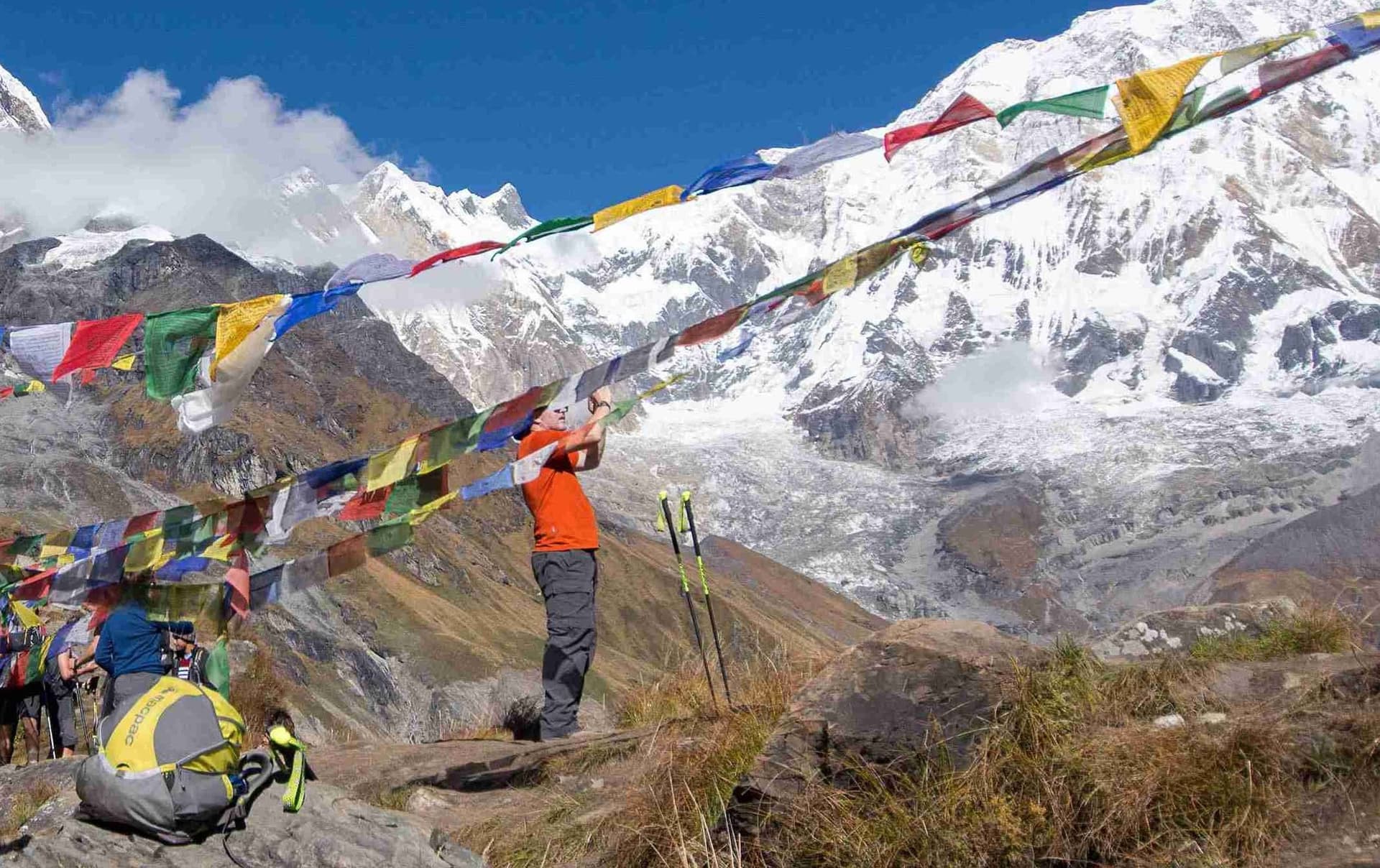
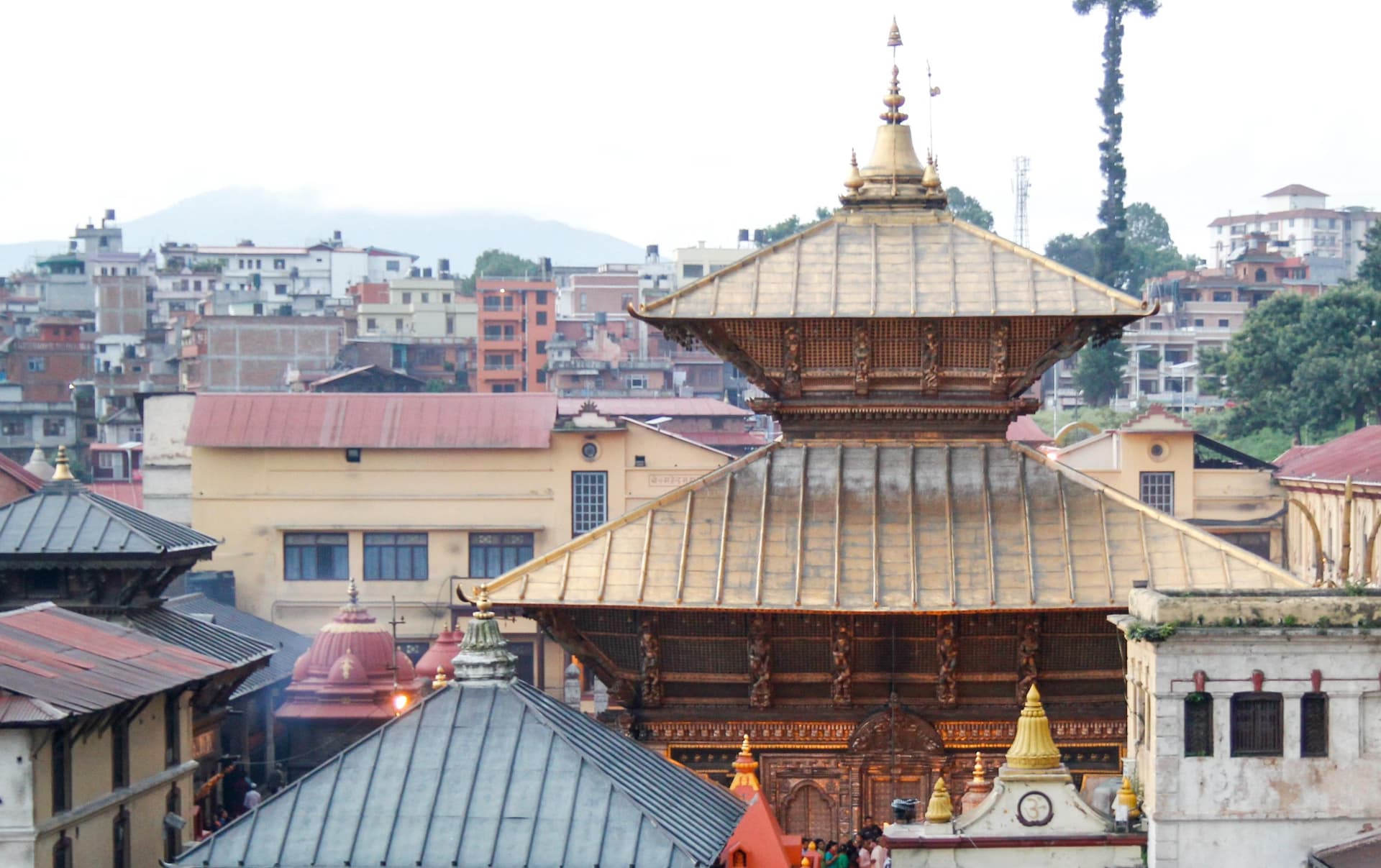
Nepal is one of South Asia's leading adventure and cultural destinations, attracting thousands of American travelers every year for Himalayan trekking, wildlife safaris, spiritual experiences, and UNESCO World Heritage sites. Safety remains one of the most important considerations for U.S. visitors planning a trip to Kathmandu, Pokhara, Chitwan National Park, or the Everest region. Although concerns about crime, political unrest, transportation standards, and natural hazards often arise before departure, most Americans travel throughout Nepal without serious problems and find the country welcoming and tourist-friendly.
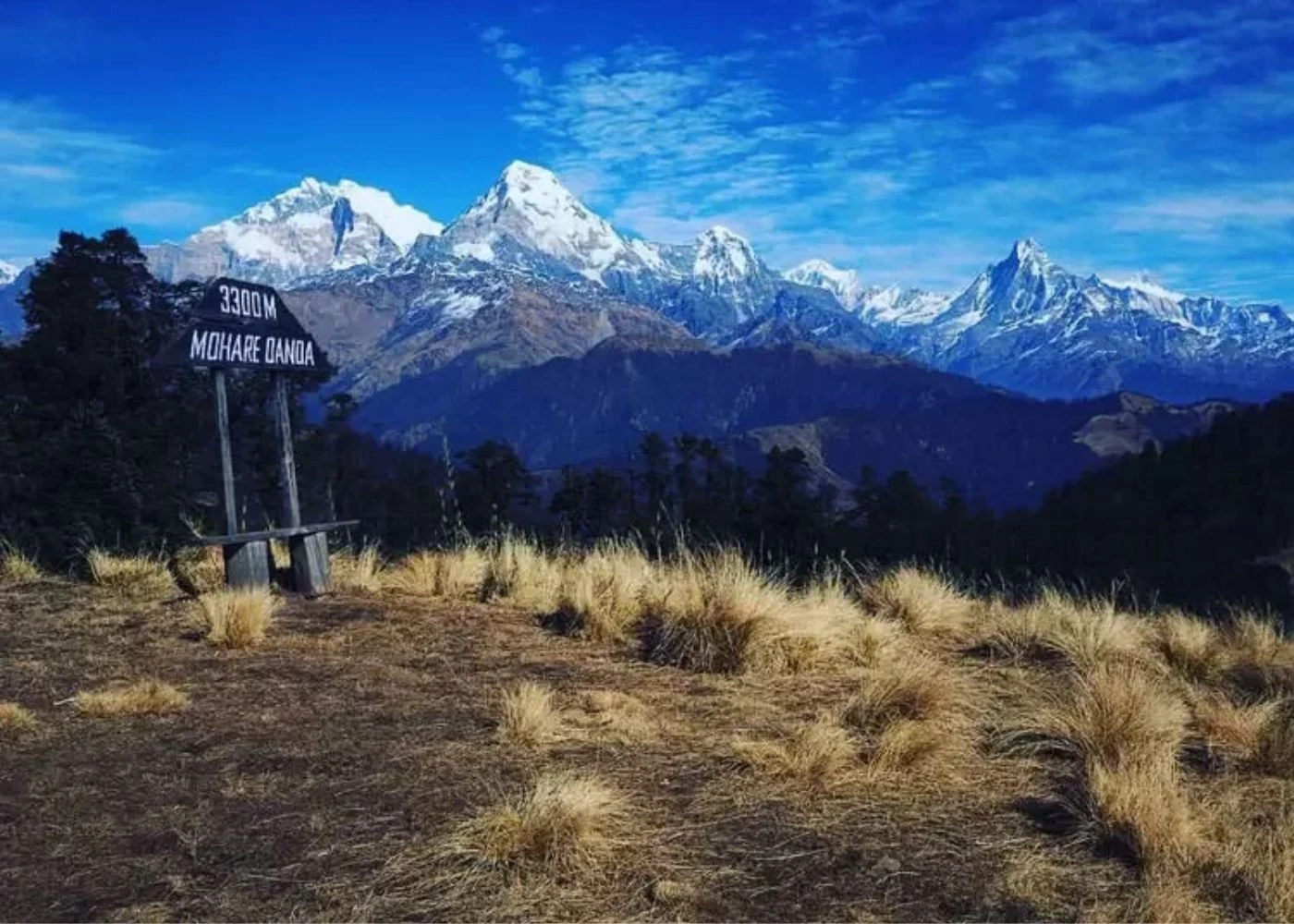
Understanding the realities of travel safety in Nepal requires looking beyond crime statistics alone. Factors such as altitude sickness, road conditions, domestic flights, seasonal weather, food and water safety, healthcare access, trekking regulations, and emergency preparedness all play a role in shaping the travel experience. Knowing how these risks affect visitors and learning the precautions that experienced travelers, licensed guides, and safety authorities recommend can help Americans explore Nepal with greater confidence while minimizing avoidable dangers.
What Is the Current Safety Situation in Nepal for Americans?
The U.S. Department of State currently maintains a Level 2: Exercise Increased Caution advisory for Nepal (U.S. Department of State Nepal Travel Advisory (March 2026). The advisory had previously been elevated to Level 3 (Reconsider Travel) following widespread civil disruptions in late 2025, but nationwide demonstrations have since ended. The advisory does not discourage travel but recommends heightened awareness regarding altitude-related hazards, road conditions, and occasional political demonstrations. Kathmandu, Pokhara, and major trekking corridors operate with consistent tourist infrastructure and dedicated tourist police units.
American citizens traveling to Nepal register with the Smart Traveler Enrollment Program (STEP), which connects them directly to the nearest U.S. Embassy in Kathmandu. The embassy provides real-time alerts for security developments, natural disasters, and civil disturbances. Registering takes under 5 minutes and provides direct emergency contact with consular officers.
Nepal's government maintains a separate tourism police force in Kathmandu, Pokhara, and Chitwan. These officers speak English, handle tourist-related complaints, and operate dedicated helplines. The Tourist Police Headquarters in Kathmandu processes approximately 3,000 tourist assistance cases annually, the majority involving lost documents and minor scam disputes rather than violent incidents.
Are Violent Crimes Against Tourists Common in Nepal?
Violent crimes against tourists in Nepal are uncommon. Nepal's homicide rate stands at approximately 2.5 per 100,000 people, significantly lower than the United States' rate of 6.3 per 100,000. Crimes targeting foreign visitors predominantly involve opportunistic petty theft rather than physical assault.
Tourists in Nepal face the highest personal safety risk in crowded urban markets like Thamel in Kathmandu, where pickpocketing occurs during peak hours. Reported assaults on foreign tourists number fewer than 50 annually across the entire country according to Nepal Police data. Kathmandu is classified as a medium-threat location (OSAC Nepal Country Security Report 2026). The Terai border towns of Birgunj and Bhairahawa carry slightly elevated risk due to cross-border smuggling activity, but these areas sit outside standard tourist routes.
Nighttime safety in Kathmandu requires the same caution applied in any major Asian city. Thamel's bar district sees occasional confrontations after midnight, primarily involving intoxicated individuals rather than organized crime. Returning to accommodation before midnight eliminates most exposure to these incidents.
How Safe Are Popular Tourist Areas in Nepal?
Nepal's 4 most popular tourist areas, Kathmandu, Pokhara, Chitwan National Park, and the Everest region, maintain well-established safety infrastructure for international visitors. Each destination operates with tourist police presence, English-speaking hospitality staff, and established emergency protocols.
.webp)
Kathmandu's Thamel neighborhood serves as the primary tourist hub, housing hundreds of hotels, restaurants, and trekking agencies within a 2-square-kilometer zone. The concentration of tourism activity means police response times in Thamel average under 15 minutes. Pokhara's Lakeside area mirrors this structure along the Phewa Lake shore, with a similarly dense tourism corridor.
Chitwan National Park operates strict visitor protocols, including mandatory guide accompaniment during jungle safaris. This requirement is a safety rule, not a formality, wildlife encounters with rhinoceroses and leopards occur regularly within the park boundaries.
The Everest Base Camp corridor from Lukla to Khumbu receives approximately 50,000 trekkers annually and maintains a network of tea houses, rescue helicopters, and Himalayan Rescue Association (HRA) health posts at Pheriche and Manang. This infrastructure makes it one of the better-supported high-altitude trekking environments in the world.
What Safety Risks Should American Tourists Know About?
American tourists in Nepal face 4 primary safety risk categories: petty crime, natural hazards, political demonstrations, and altitude-related illness. Understanding each risk category allows travelers to prepare targeted countermeasures rather than relying on general caution.
Are Petty Theft and Scams a Concern in Nepal?
Petty theft and tourist scams are the most frequently reported safety concerns in Nepal, accounting for the majority of incidents logged by the Tourist Police annually. The 5 most common scams targeting Americans include: overcharging at unmetered taxis, fake trekking permits sold by unauthorized agents, gem trading fraud, "helpful local" tours leading to overpriced shops, and counterfeit currency exchanges.
Taxis in Kathmandu and Pokhara operate without meters by default. Agree on a fixed price before entering the vehicle, standard airport-to-Thamel rates run NPR 700–1,000 (approximately USD 5–7.50) depending on traffic. Ride-hailing apps like Pathao and InDrive eliminate price negotiation entirely and provide GPS tracking.
Trekking permits, including the TIMS (Trekkers' Information Management System) card and national park entry permits, are only valid when purchased from the Nepal Tourism Board office in Kathmandu or official counters at Lukla and Jomsom. Unauthorized agents sell counterfeit permits that checkpoint rangers confiscate, requiring trekkers to repurchase at full cost.
What Natural Hazards Can Affect Travelers in Nepal?
Nepal sits within an active seismic zone and receives annual monsoon rainfall that creates 4 distinct natural hazards: earthquakes, landslides, flooding, and avalanches. The 2015 Gorkha earthquake (magnitude 7.8) demonstrated Nepal's seismic vulnerability, triggering avalanches on Everest and Langtang that killed 19 trekkers and guides.
Landslides represent the most consistently dangerous seasonal hazard. The monsoon season (June–September) generates 80% of Nepal's annual rainfall, saturating hillsides and blocking mountain roads for days or weeks at a time. The Prithvi Highway connecting Kathmandu to Pokhara closes due to landslides an average of 12 times per year during monsoon months.
Avalanche risk affects trekking routes above 4,000 meters between December and March, when winter snowfall accumulates on steep slopes. The Annapurna Circuit and Thorong La pass (5,416 meters) see annual avalanche closures lasting 2–7 days. Checking with local teahouse operators about recent snowfall conditions before crossing high passes is standard practice for experienced trekkers.
How Do Political Protests Impact Tourist Safety?
Political demonstrations in Nepal affect tourist safety through 3 main mechanisms: road blockades (bandhs), access disruptions to airports, and occasional confrontations between protesters and security forces. Nepal's political environment has experienced significant instability, with 10 changes of government between 2008 and 2023.
Bandhs, politically organized transportation strikes, occur unpredictably and shut down vehicle movement for 12–48 hours at a time. Tourists caught in Kathmandu during a bandh face hotel confinement for the duration. Walking is generally safe during bandhs, though commercial activity stops completely.
The U.S. Embassy in Kathmandu issues emergency messages within 2 hours of confirmed security developments affecting American citizens. Registering with STEP ensures receipt of these alerts directly to email and mobile devices. Monitoring Embassy alerts alongside local news sources like The Himalayan Times provides a complete situational picture.
How Safe Is Transportation in Nepal?
Transportation in Nepal carries elevated risk compared to U.S. standards, with road accidents, aviation incidents, and vehicle quality all presenting measurable hazards. Nepal ranked among the countries with the highest road fatality rates in Asia according to WHO road safety data, recording approximately 2,500 road deaths annually. Road safety is a concern, with mortality rates at 14 per 100,000 residents (Road Traffic Injuries in Nepal (PMC 2026)).
Are Domestic Flights in Nepal Safe?
Domestic flights in Nepal carry higher accident rates than international aviation standards. Nepal's Civil Aviation Authority of Nepal (CAAN) oversees 50+ airports, many of which operate at high altitudes with short runways and weather-dependent visibility. The Tenzing-Hillary Airport in Lukla (elevation 2,845 meters) consistently ranks among the world's most technically challenging airports due to its single sloped runway and mountain approach.
Between 2000 and 2024, Nepal recorded 27 fatal aviation accidents involving domestic carriers. Summit Air, Tara Air, and Shree Airlines operate the majority of domestic routes. Tara Air experienced a fatal crash in 2022, followed by Yeti Airlines in early 2023, and a catastrophic Saurya Airlines crash in July 2024 at Kathmandu's international airport. These recurring events triggered stringent international aviation reviews and forced CAAN to implement tighter regulatory oversight on domestic carriers. Aviation safety remains a focus, as CFIT represents 58.5% of fatalities (CAAN Aviation Safety Report 2024).
Flying with CAAN-certified carriers during daylight hours in clear weather conditions reduces risk substantially. Avoid booking the last departure of the day on mountain routes, as afternoon weather deterioration frequently causes flight delays and cancellation or forces dangerous diversion decisions under schedule pressure.
What Should Travelers Know About Road Safety?
Road safety in Nepal requires understanding 5 structural risk factors: narrow mountain roads, head-on collision frequency, overloaded vehicles, driver fatigue, and poor road maintenance. The Kathmandu-Pokhara Prithvi Highway carries the highest accident frequency of any Nepali road, with narrow single-lane sections, blind corners, and heavy truck traffic.
Tourist bus accidents account for approximately 35 deaths annually on the Prithvi and Arniko highways. Night travel on mountain roads amplifies all existing risks due to poor lighting and irregular surface conditions. Booking daytime travel on reputable tourist bus companies, Greenline, Tourist Bus Association operators, reduces exposure compared to local night buses.
Private jeep hire with an experienced driver costs approximately USD 80–120 per day and provides superior control over route timing and stop decisions compared to shared tourist buses.
Is Public Transportation a Safe Option for Tourists?
Public buses in Nepal are safe for short urban routes but carry significant risk on mountain highways. Local micro-buses and tempos operating within Kathmandu and Pokhara provide affordable, functional transport for distances under 20 kilometers. These vehicles operate at low speeds on flat urban roads, making serious accidents uncommon.
Inter-city public buses present 3 primary hazards: severe overcrowding (vehicles routinely carry 150% of stated capacity), inexperienced drivers on mountain sections, and inadequate vehicle maintenance. American tourists unfamiliar with mountain driving conditions consistently report these buses as the most stressful transport experience of their trip.
Electric three-wheelers (e-rikshaws) and taxi apps provide safer urban alternatives for NPR 50–200 (USD 0.40–1.50) per trip within city centers.
Is Trekking in Nepal Safe for American Visitors?
Trekking in Nepal is safe for physically prepared Americans who obtain proper permits, carry adequate gear, and understand altitude acclimatization protocols. Nepal's trekking routes carry a documented fatality rate of approximately 0.3 deaths per 10,000 trekkers annually, a figure driven almost entirely by acute mountain sickness (AMS) and falls, not violent incidents.
What Risks Are Associated With High-Altitude Trekking?
High-altitude trekking in Nepal involves 3 life-threatening medical conditions: Acute Mountain Sickness (AMS), High-Altitude Pulmonary Edema (HAPE), and High-Altitude Cerebral Edema (HACE). These conditions fall under the broader category of altitude sickness in the Himalayas, and all 3 develop when trekkers ascend faster than the body acclimatizes, causing reduced oxygen availability to vital organs.
AMS onset occurs above 2,500 meters (8,200 feet) in approximately 25% of trekkers who ascend too rapidly. Symptoms include persistent headache, nausea, fatigue, and dizziness. HAPE, fluid accumulation in the lungs, represents the leading cause of altitude-related trekking deaths in Nepal, killing approximately 15–25 trekkers annually. HACE, cerebral swelling, presents as severe headache, confusion, and loss of coordination.
The standard acclimatization guideline states: ascend no more than 300–500 meters of elevation gain per day above 3,000 meters, and schedule 1 rest day for every 1,000 meters of elevation gained. This rule applies regardless of physical fitness level, as cardiovascular fitness does not predict altitude tolerance.
Falls on steep mountain trails account for approximately 30% of trekking injuries annually, primarily on wet or icy sections during early morning departures. Trekking poles reduce fall risk by 40% on steep descents according to orthopedic research on mountaineering injury prevention.
How Can Trekkers Prepare for Emergencies?
Trekkers prepare for emergencies through 4 essential actions: registering with the Himalayan Rescue Association (HRA), purchasing helicopter evacuation insurance, carrying a Personal Locator Beacon (PLB), and learning the symptoms of altitude illness before departure.
The HRA operates health posts at Pheriche (4,240 meters) on the Everest route and at Manang (3,500 meters) on the Annapurna Circuit. Both posts provide free consultations, pulse oximetry readings, and emergency descent guidance. Visiting these posts, even without symptoms, provides a baseline reading for comparison.
Helicopter evacuation from Everest Base Camp to Kathmandu costs USD 3,000–8,000 without insurance. World Nomads, Global Rescue, and DAN (Divers Alert Network) travel plans provide helicopter evacuation coverage for high-altitude trekking starting at approximately USD 150 for a 2-week policy. Purchasing a policy that explicitly covers altitudes above 5,000 meters is required for Everest Base Camp trekkers, standard travel insurance policies cap at 4,500 meters.
Should You Hire a Guide or Porter?
Hiring a licensed guide significantly improves safety outcomes on Nepal's trekking routes through 4 documented benefits: route navigation accuracy, symptom recognition, emergency coordination, and acclimatization schedule management.
Solo trekkers without guides account for a disproportionate percentage of search-and-rescue operations on the Annapurna and Manaslu circuits. A licensed guide recognizes AMS symptoms early, often before the trekker acknowledges them, and initiates descent protocols immediately.
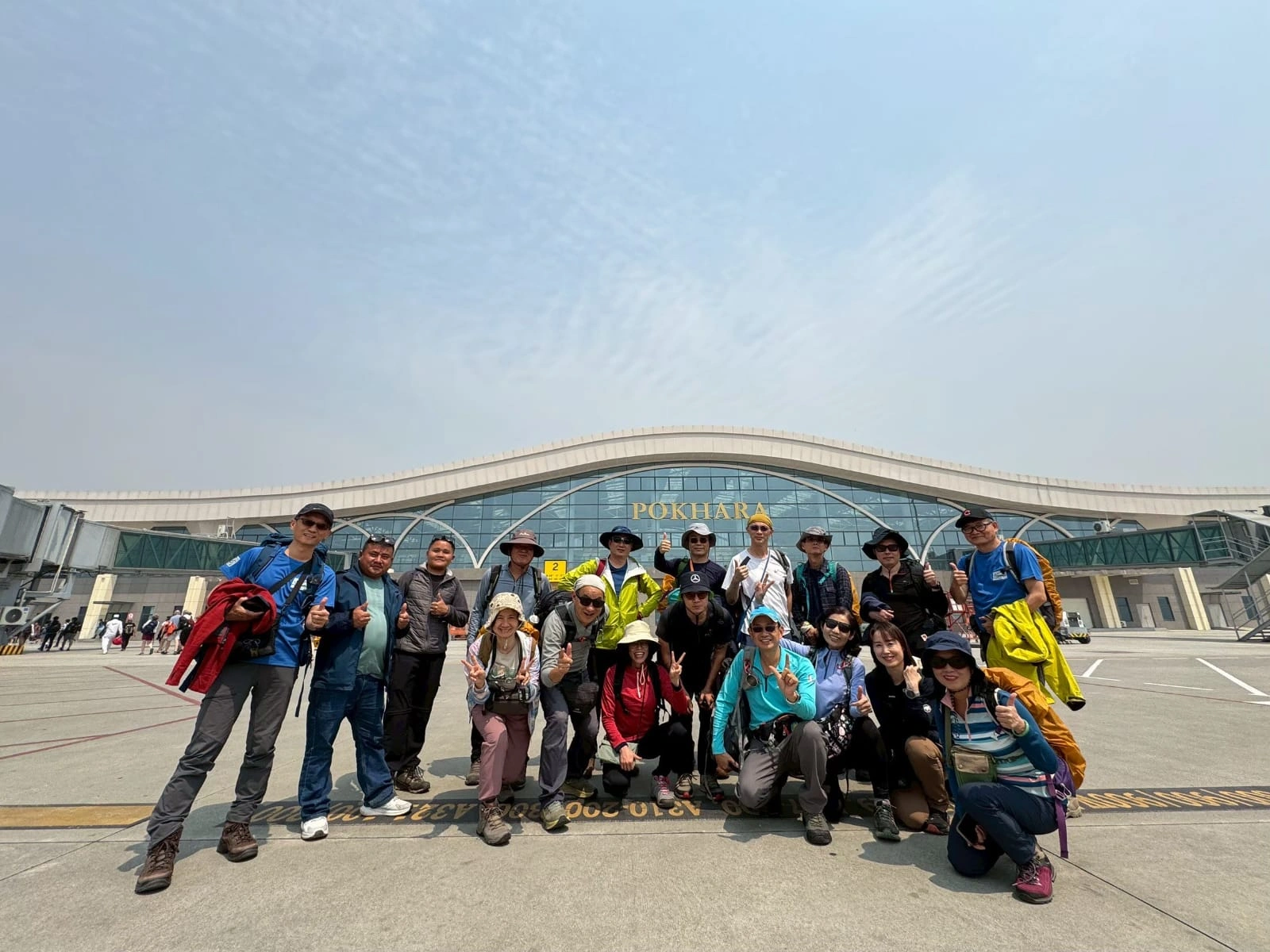
Licensed guides register with the Nepal Hiking Association (NHA) or Trekking Agencies' Association of Nepal (TAAN). For a full safety breakdown of how to choose operators, our guide on selecting a trekking agency run by guides explains why guide-operated agencies outperform business-run ones on emergency response. Verifying a guide's NHA license number costs nothing and eliminates the common problem of unlicensed guides who lack formal wilderness first aid training. Daily guide fees run USD 25–35 per day; porter fees run USD 15–20 per day for loads up to 25 kilograms.
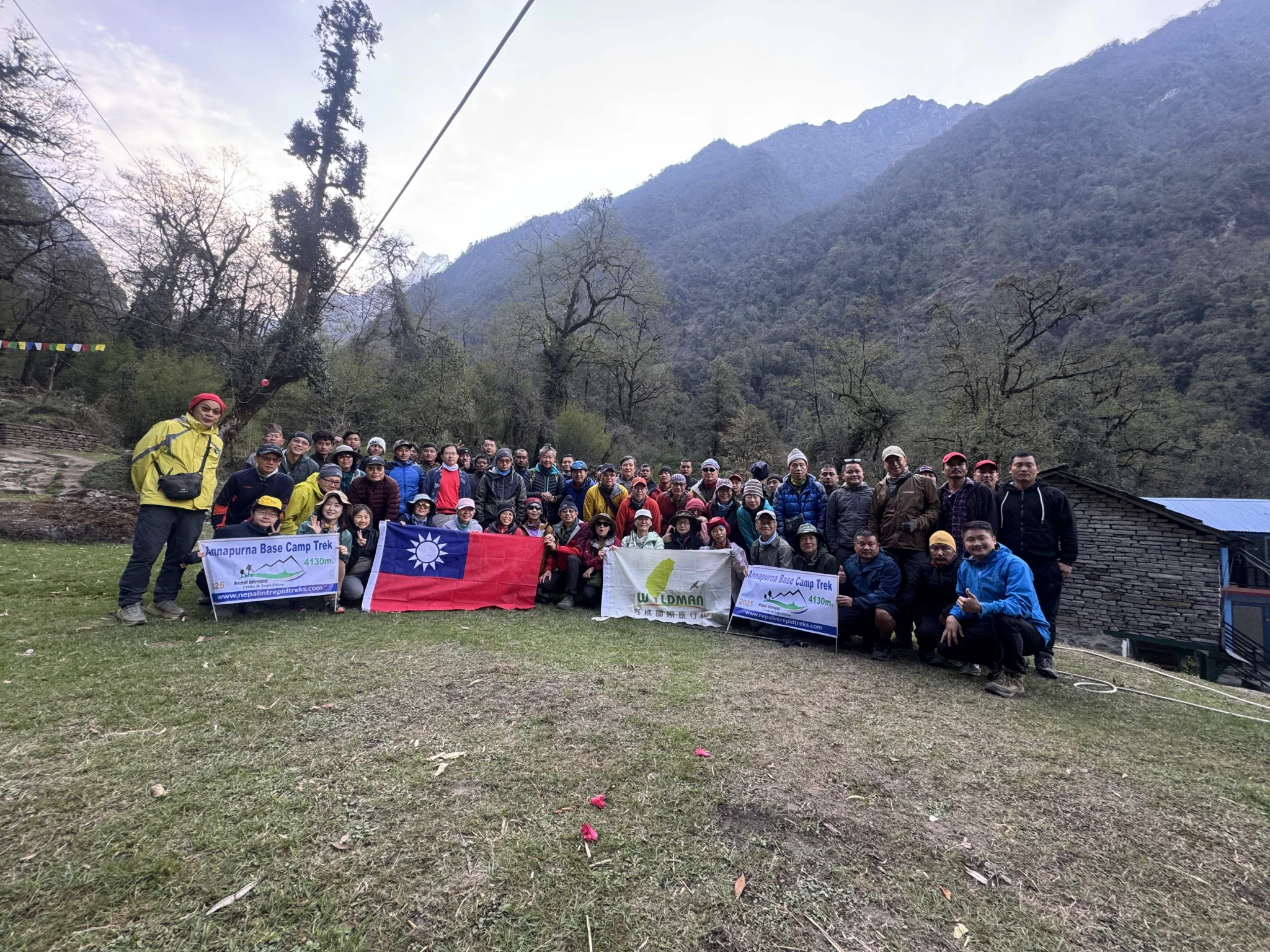
The Nepal government strictly enforces a nationwide 'No Guide, No Trek' policy, requiring all foreign travelers in protected areas, covering roughly 95% of major routes including the Everest, Annapurna, and Langtang regions, to hire a licensed guide through a registered agency. Independent solo trekking is legally prohibited in these zones.
What Health and Medical Concerns Should Travelers Consider?
American travelers to Nepal face 5 primary health concerns: altitude sickness, waterborne illness, food safety, vector-borne diseases, and air quality in Kathmandu. Addressing each concern before departure through vaccinations, packing decisions, and behavioral adjustments eliminates the vast majority of health-related trip interruptions.
Are Healthcare Facilities Accessible in Nepal?
Healthcare facilities in Nepal are accessible in Kathmandu and Pokhara but severely limited above 3,000 meters. CIWEC Hospital in Kathmandu and Manipal Teaching Hospital in Pokhara both maintain international patient units with English-speaking physicians and equipment suitable for treating standard travel illnesses and injuries.
Outside Kathmandu and Pokhara, medical infrastructure drops sharply. District hospitals in mountain regions operate with 1–3 physicians, limited diagnostic equipment, and no surgical capability. The nearest facility capable of treating serious trauma for a trekker in the Khumbu valley is Kunde Hospital at 3,840 meters, a 2-hour walk from Namche Bazaar, or CIWEC in Kathmandu via helicopter evacuation.
What Vaccinations or Precautions Are Recommended?
The U.S. Centers for Disease Control and Prevention (CDC) recommends 6 vaccinations for Nepal travel: Hepatitis A, Typhoid, Japanese Encephalitis (for rural/monsoon travel), Rabies (for extended stays), Cholera, and standard routine vaccinations including MMR and Tdap. Consult a travel medicine physician at least 6 weeks before departure to allow vaccine series completion.
Typhoid risk in Nepal is high, the country reports approximately 200,000 typhoid cases annually. Contaminated water and street food represent the primary transmission vectors. Drinking only bottled or iodine-treated water throughout the trip reduces typhoid and cholera exposure by 90%.
Malaria transmission occurs in the Terai lowlands below 1,200 meters between April and November. Trekkers visiting Chitwan National Park during peak summer months receive prophylaxis prescriptions from travel physicians. Kathmandu (elevation 1,400 meters) and all high-altitude trekking routes carry no malaria risk.
How Can Travelers Prevent Altitude Sickness?
Altitude sickness prevention follows 3 evidence-based protocols: gradual ascent scheduling, adequate hydration (3–4 liters daily), and the optional use of acetazolamide (Diamox) under physician guidance.
Acetazolamide (250–500 mg daily, starting 1–2 days before ascent) reduces AMS incidence by approximately 50% according to a Cochrane Review of 12 clinical trials. The medication is available by prescription in the United States and over-the-counter in Kathmandu pharmacies. Common side effects include increased urination, tingling in extremities, and altered taste of carbonated beverages, none of which impair trekking function.
Garlic soup, widely consumed in Himalayan tea houses and marketed locally as an altitude remedy, carries no clinical evidence of efficacy but does contribute to hydration and caloric intake, both of which support acclimatization.
Are Solo Travelers Safe in Nepal?
Solo travelers are safe in Nepal's main tourist zones, with specific precautions required for mountain trekking and nighttime urban navigation. Nepal receives approximately 200,000 solo travelers annually, and for a practical overview of safety, scams, and budget considerations, our backpackers guide to Nepal covers the full independent traveler experience, the majority complete their trips without security incidents.
Is Nepal Safe for Solo Female Travelers?
Nepal is generally safe for solo female travelers, with Kathmandu and Pokhara rated among Asia's more accessible destinations for women traveling independently. Harassment incidents directed at solo female tourists occur at rates lower than in many neighboring South Asian countries, according to surveys conducted by Himalayan Solo Women Travel communities.
The 4 precautions solo female travelers apply in Nepal: dress modestly at religious sites (cover shoulders and knees at temple complexes), avoid isolated trails after 4 PM, research accommodation reputations before booking (reviews on Hostelworld and Booking.com specifically for solo female safety), and join group trekking teams rather than solo hiking on remote routes.
Thamel's street activity after 10 PM involves bar touts and persistent vendors targeting obviously solo tourists. Responding with firm, direct "no" without extended engagement is the standard approach local female expats recommend.
What Safety Tips Help Solo Visitors Stay Secure?
Solo visitors stay secure in Nepal by applying 7 specific behaviors: sharing itineraries with accommodation staff, using only licensed taxis or apps, avoiding open drug offers in Thamel, keeping passport copies separate from originals, avoiding unlicensed money changers, not displaying expensive electronics, and returning to accommodation before midnight in urban areas.
Sharing your daily trekking plan with your teahouse host each morning creates a reliable check-in system without requiring technology. Teahouse operators contact rescue teams when expected guests fail to arrive, this informal network has initiated dozens of successful rescues on the Annapurna and Everest circuits.
How Can American Tourists Stay Safe During Their Trip?
American tourists stay safe in Nepal through 3 layers of preparation: proper documentation, financial security measures, and emergency contact readiness. These preparations require 2–3 hours of setup before departure and provide continuous protection throughout the trip.
What Documents and Travel Insurance Should You Carry?
Carry 4 document sets when traveling in Nepal: your original U.S. passport, 2 color copies of the photo page, a printed copy of your Nepal visa (see full Nepal visa requirements for extensions and trekking permit rules), and your travel insurance policy with the emergency contact number clearly marked.
Nepal requires a tourist visa on arrival, available at Tribhuvan International Airport in Kathmandu for USD 30 (15-day), USD 50 (30-day), or USD 125 (90-day). The visa counter accepts U.S. dollars, euros, and major card payments. Passports require a minimum 6-month validity beyond the planned departure date.
Travel insurance for Nepal specifically requires helicopter evacuation coverage, trip interruption coverage, and medical evacuation to a home country. Standard policies from World Nomads, Allianz, and SafetyWing cover these categories starting at USD 100–200 for a 30-day trip.
How Can You Protect Your Money and Valuables?
Protecting money and valuables in Nepal requires 3 structural decisions: distributing cash across 3 locations (hotel safe, day bag, hidden money belt), carrying a dedicated travel debit card with daily withdrawal limits, and leaving irreplaceable items at home.
Nepal operates as a predominantly cash economy outside Kathmandu's tourist zones. Himalayan Bank, Nabil Bank, and Everest Bank ATMs in Kathmandu and Pokhara accept U.S. debit and credit cards reliably. ATM withdrawal limits run NPR 10,000–25,000 (USD 75–188) per transaction. Carry sufficient cash before departing for any trekking route, ATMs do not exist above Namche Bazaar (3,440 meters).
Storing passports, extra cash, and electronics in hotel room safes eliminates the most common category of theft: opportunistic bag searching during unattended luggage periods.
What Emergency Contacts Should You Know?
American tourists in Nepal record 5 emergency contacts before departure: the U.S. Embassy in Kathmandu (+977-1-423-4000), Nepal Police emergency line (100), Tourist Police (+977-1-424-2452), Nepal Tourism Board (+977-1-425-6909), and your travel insurance emergency line.
The U.S. Embassy at Maharajgunj, Kathmandu operates a 24-hour American Citizens Services emergency line. For life-threatening emergencies, 112 connects to Nepal's unified emergency dispatch. Himalayan Rescue Association's Kathmandu office (+977-1-444-0292) coordinates medical evacuation logistics on trekking routes.
What Do American Travelers Commonly Experience in Nepal?
American travelers to Nepal report experiences across 2 distinct categories: manageable safety challenges and overwhelmingly positive cultural safety encounters. Understanding both categories calibrates realistic expectations.
What Safety Concerns Do Visitors Report Most Often?
The 5 safety concerns American visitors report most frequently in Nepal: taxi overcharging (reported by 42% of first-time visitors in Lonely Planet community surveys), altitude discomfort above 3,500 meters (reported by 35%), stomach illness from food or water (reported by 28%), trekking permit confusion (reported by 18%), and minor theft in crowded markets (reported by 9%).
Taxi overcharging is the most universal experience, virtually every first-time visitor to Kathmandu encounters it at the airport. Downloading Pathao or InDrive before arrival and using them from the airport arrivals hall eliminates this entirely. Drivers waiting inside arrivals routinely quote 3–5x the legitimate rate.
Stomach illness peaks during the first 3–5 days as travelers adjust to unfamiliar bacteria in local food and water. Consuming only bottled water (budget NPR 20–30 per bottle), eating at restaurants with visible food preparation standards, and avoiding raw vegetables in rural areas reduces illness frequency substantially.
What Positive Safety Experiences Do Tourists Share?
American tourists consistently report 3 positive safety experiences that exceed their expectations: the genuine helpfulness of local residents during navigation difficulties, the responsiveness of tourist police to minor complaints, and the safety of traveling at night within resort zones like Thamel and Pokhara Lakeside.
The hospitality culture embedded in Nepali society, particularly in the hills and mountain villages, means that disoriented or distressed travelers almost always receive immediate, unsolicited assistance from locals. This community-based informal safety net operates across language barriers.
Trek route safety in the major corridors consistently exceeds visitor expectations. The density of tea houses, the presence of other trekkers, and the local guide community create an environment where genuine isolation, the primary vulnerability for solo travelers, is extremely rare on established routes.
How Should You Plan a Safe Trip to Nepal?
Planning a safe trip to Nepal requires completing 8 preparation tasks: obtaining a U.S. passport with 6+ months validity, purchasing comprehensive travel insurance with helicopter evacuation, completing required vaccinations 6 weeks before departure, registering with STEP, obtaining valid trekking permits, hiring a licensed guide for mountain routes, packing a wilderness first aid kit, and downloading offline maps for trekking areas.
Trip timing directly affects safety exposure. October–November offers the clearest skies, most stable trail conditions, and lowest landslide risk, making it the optimal month range for first-time Nepal visitors. March–April provides similar conditions as a secondary window. For a detailed month-by-month breakdown with weather data and route access, see our full guide on the best time to visit the Himalayas. June–September (monsoon season) presents elevated natural hazard risks but dramatically reduced tourist crowding.
Booking accommodation and transport through licensed agencies registered with the Nepal Tourism Board provides contractual recourse when services fall below standard. The NTB maintains a complaint portal (ntb.gov.np) that processes disputes within 7 business days.
Can Professional Travel Services Help Improve Safety in Nepal?
Professional travel services improve safety outcomes in Nepal through 3 measurable contributions: permit management, emergency response coordination, and acclimatization schedule optimization. Licensed trekking agencies registered with TAAN carry liability insurance, employ certified guides, and maintain radio contact with mountain checkpoints throughout their itineraries.
Guided group treks organized through established operators like Nepal Hiking Team, Mountain Monarch Adventures, or Himalayan Wonders include daily medical check-ins, pre-arranged helicopter evacuation contacts, and experienced guides who have navigated rescue scenarios. These agencies also manage the complex permit requirements for restricted areas including Manaslu, Dolpo, and Upper Mustang, where permit violations result in route cancellation.
Professional travel services also reduce cognitive load, a real safety factor on high-altitude treks where mental fatigue from navigation, logistics, and decision-making compounds physical exhaustion. Guides handle checkpoint interactions, route adjustments for weather, and accommodation negotiations, freeing trekkers to focus entirely on physical performance and symptom monitoring.
What Are the Key Takeaways About Safety for American Tourists in Nepal?
Nepal is a safe destination for American tourists who prepare adequately. Violent crime against tourists is statistically rare. The primary risks, altitude illness, transportation accidents, petty theft, and natural hazards, are all manageable through knowledge and preparation.
The 7 key safety takeaways for American tourists visiting Nepal:
Register with the U.S. Embassy STEP program before departure for real-time safety alerts
Purchase travel insurance with helicopter evacuation coverage, standard policies do not cover it
Follow strict acclimatization schedules above 3,000 meters, physical fitness does not prevent altitude sickness
Hire a licensed guide for restricted routes and high-altitude trekking above 4,500 meters
Use verified taxi apps (Pathao, InDrive) instead of street taxis in Kathmandu and Pokhara
Drink only bottled or treated water throughout the entire trip, including ice in drinks
Travel during October–November or March–April to minimize natural hazard exposure
Nepal rewards careful travelers with some of the most extraordinary experiences available anywhere in the world, from Everest Base Camp to Kathmandu's living heritage temples to the wildlife-rich grasslands of Chitwan. Safety preparation is the direct enabler of that experience. Americans who plan thoroughly travel Nepal not just safely but with the confidence to engage fully with everything the country offers.