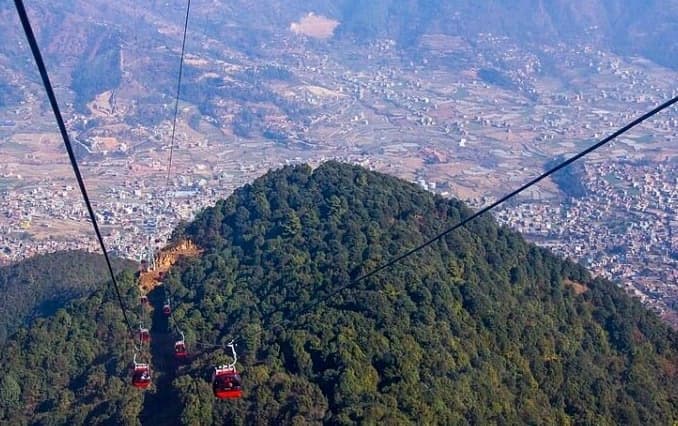
Nepal is one of the most concentrated backpacking destinations in the world, combining extreme Himalayan geography, dense cultural heritage networks, and some of the lowest independent travel costs on the planet. Spanning the Himalayas, Mid-Hills, and Terai plains, Nepal delivers three distinct travel environments within a single country, ranging from high-altitude trekking routes above 5,000 meters to UNESCO World Heritage cities in Kathmandu Valley and lowland wildlife ecosystems in national parks such as Chitwan and Bardia. This structural diversity makes Nepal a complete backpacking system rather than a single-route destination, supported by a long-established tourism infrastructure managed through the Nepal Tourism Board and regional trekking authorities.
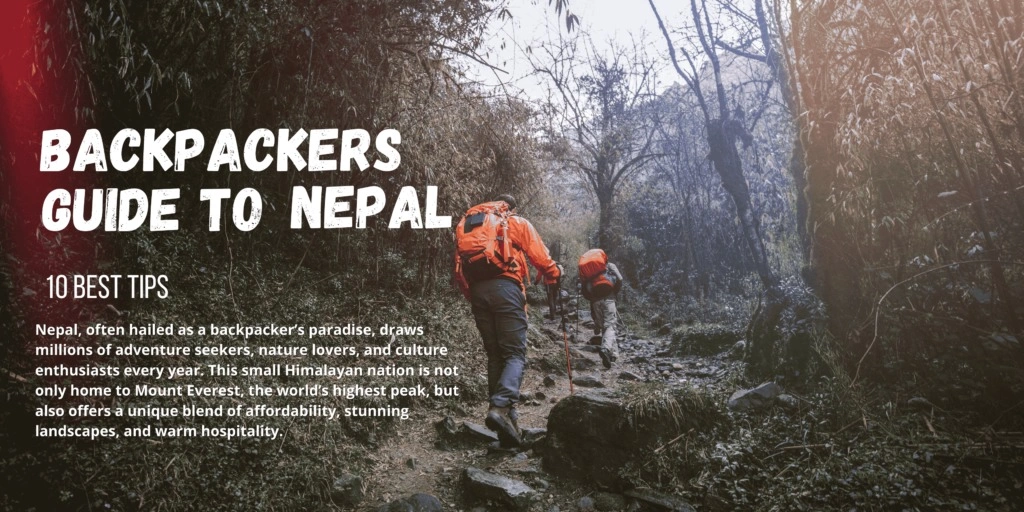
Backpacking in Nepal operates under a tightly regulated framework that directly shapes every stage of trip planning, from permits and guide requirements to insurance and safety protocols. All major trekking regions now require licensed guides, digital e-TIMS permits, and verified travel insurance with helicopter evacuation coverage, reflecting a shift toward standardized safety enforcement across national parks and conservation areas. This guide breaks down the full operational landscape of Nepal backpacking, covering routes, seasonal windows, budgets, difficulty levels, cultural expectations, and local agency systems, so travelers can plan legally compliant, cost-efficient, and risk-aware journeys across the Everest, Annapurna, Langtang, Manaslu, and Mustang regions.
What Is a Backpackers Guide to Nepal?
A backpackers guide to Nepal is a structured resource that covers trekking routes, permit requirements, daily budgets, cultural etiquette, accommodation, and safety protocols for independent budget travelers visiting Nepal's Himalayan, hill, and Terai regions.
Nepal (Federal Democratic Republic of Nepal) is a landlocked South Asian country bordered by China to the north and India to the south, east, and west. It spans 147,181 square kilometers and contains the Himalayas, the Mid-Hills, and the Terai lowlands, 3 distinct geographic zones producing 3 entirely different backpacking experiences.
Backpacker travel in Nepal centers on 5 core activities:
Trekking in Himalayan conservation areas and national parks
Cultural sightseeing in UNESCO World Heritage Sites across Kathmandu Valley
Wildlife exploration in Chitwan and Bardia National Parks
Adventure sports including white-water rafting on the Trishuli and Seti rivers
Spiritual pilgrimage at Buddhist and Hindu sites such as Lumbini and Pashupatinath
Nepal has welcomed international backpackers since 1992. The Nepal Tourism Board (NTB), the government authority managing tourism standards and safety regulations, defines Nepal's backpacker infrastructure across 7 official trekking regions: Everest/Khumbu, Annapurna, Langtang, Manaslu, Kanchenjunga, Dolpo, and Mustang.
What Should Backpackers Know Before Visiting Nepal?
Backpackers visiting Nepal in 2026 must know 2 critical regulatory changes: mandatory licensed guides on all major trekking routes, and mandatory travel insurance covering helicopter evacuation.
The Government of Nepal enforced these regulations after a 2025 Himalayan Rescue Association study documenting 337 altitude-illness cases among 2,904 patients treated at its Manang aid post between 2018 and 2023 underscored how much risk unguided, unacclimatized trekkers face at altitude.
3 Key Facts Backpackers Must Know in 2026
Fact 1: No Solo Unguided Trekking: All foreign nationals trekking inside national parks and conservation areas require a licensed guide from a TAAN (Trekking Agencies' Association of Nepal)-registered agency. The guide requirement applies across all 7 trekking regions.
Fact 2: Solo Traveler Restricted Area Access: Restricted-area treks still require at least two trekkers and a special permit issued through the Department of Immigration.
Fact 3: Visa Costs and Currency: Nepal issues tourist visas on arrival at Tribhuvan International Airport in Kathmandu. A 15-day visa costs USD 30, a 30-day visa costs USD 50, and a 90-day visa costs USD 125. Nepal's currency is the Nepalese Rupee (NPR); 1 USD equals approximately NPR 133 in 2026. ATMs operate in Kathmandu, Pokhara, Namche Bazaar, and major trekking hubs, but cash is required on remote trails.
When Is the Best Time to Backpack in Nepal?
The best time to backpack in Nepal falls within 2 optimal seasons: the spring season from March to May, and the autumn season from October to November. Both seasons deliver stable weather, clear Himalayan views, and open trekking routes, the conditions that define safe and rewarding trekking in Nepal.
The following table shows Nepal's 4 seasonal windows, their trekking suitability, and average trail conditions:
Season | Months | Trail Conditions | Suitability |
Spring (Peak) | March – May | Clear skies, rhododendron blooms, warm days | Excellent |
Monsoon | June – September | Heavy rain, leeches, landslide risk | Poor–Moderate |
Autumn (Peak) | October – November | Crystal-clear mountain views, dry trails | Excellent |
Winter | December – February | Snow above 3,500m, cold nights, fewer crowds | Moderate |
Spring (March–May) is Nepal's primary backpacker season. Rhododendron forests bloom across the Annapurna and Langtang regions. Temperatures at Everest Base Camp (5,364 meters) average between -10°C and 5°C during the day in April. The Annapurna Circuit trail averages 15°C–22°C at lower elevations in April.
Autumn (October–November) delivers the clearest mountain visibility of the year. Post-monsoon air clarity reveals unobstructed sightlines to Everest (8,849 meters), Annapurna I (8,091 meters), and Dhaulagiri (8,167 meters). October is the single busiest month on Nepal's trekking trails; book teahouse accommodations and agency packages 6–8 weeks in advance. For a route-by-route seasonal breakdown with month-by-month temperature ranges, see our complete guide on the best time to trek in Nepal.
Monsoon (June–September) closes several high passes and creates landslide risk on the Manaslu Circuit and Langtang routes. Rain Shadow regions, Upper Mustang and Lower Dolpo, remain open during monsoon because the Himalayas block rainfall from reaching them, making July–September the optimal window for those specific routes.
What Are the Top Backpacking Routes in Nepal?
The top backpacking routes in Nepal span 5 primary trekking circuits: the Everest Base Camp Trek, the Annapurna Circuit, the Langtang Valley Trek, the Poon Hill Trek, and the Manaslu Circuit. Each route differs in altitude, duration, permit cost, and physical demand, producing 5 distinct trekking experiences across Nepal's mountain regions.
Everest Base Camp Trek (EBC)
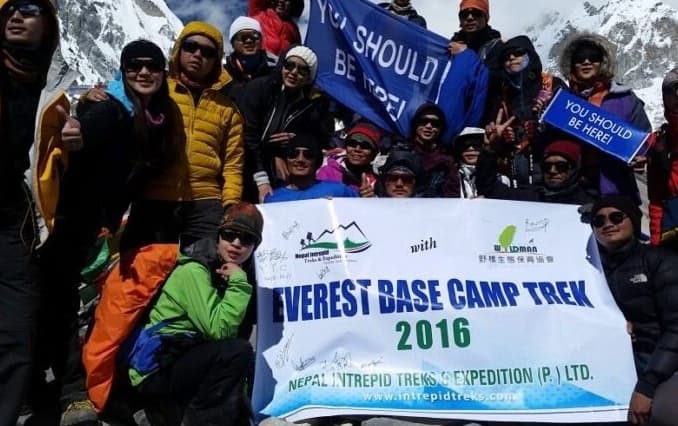
The Everest Base Camp Trek (EBC) is Nepal's most recognized trekking route. It begins at Lukla Airport (2,840 meters), passes through Namche Bazaar (3,440 meters) and Tengboche (3,867 meters), and terminates at Everest Base Camp (5,364 meters). The standard EBC trek covers 130 kilometers over 12–14 days. The highest point reached by most trekkers is Kala Patthar at 5,545 meters, which delivers the closest ground-level view of Everest's summit.
Annapurna Circuit Trek
The Annapurna Circuit Trek circumnavigates the Annapurna Massif across 160–230 kilometers over 12–20 days. The route crosses Thorong La Pass at 5,416 meters, the highest trekking pass on the circuit. The trail descends from arid high-altitude terrain near Manang into subtropical lowlands near Pokhara, crossing 7 distinct ecological zones within a single trek.
Langtang Valley Trek
Langtang Valley Trek is the closest major Himalayan trek to Kathmandu, starting 117 kilometers north of the capital. The trek reaches Kyanjin Gompa (3,870 meters) in 7–10 days. Langtang is the fastest route to genuine Himalayan terrain from Kathmandu; a 2-hour jeep ride replaces the domestic flight required for Everest or Annapurna entry points.
Poon Hill Trek
The Poon Hill Trek is the most accessible short trek in Nepal. It reaches Poon Hill viewpoint at 3,210 meters over 4–5 days, starting from Nayapul near Pokhara. The route requires only 2 permits, an ACAP permit and an e-TIMS card, making it the most permit-efficient option for budget backpackers.
Manaslu Circuit Trek
Manaslu Circuit Trek circumnavigates Mount Manaslu (8,163 meters) over 14–17 days, crossing Larkya La Pass at 5,160 meters. The route requires 4 separate permits, making it the most permit-intensive standard trek in Nepal. The circuit rewards trekkers with significantly fewer trail crowds than the Everest or Annapurna routes, Manaslu receives approximately 4,000 annual trekkers versus 50,000+ on EBC.
How Much Does Backpacking in Nepal Cost?
Backpacking in Nepal costs between USD 20–50 per day for budget travelers in 2026, with a complete 10–14-day classic trek (including permits, licensed guide, teahouse accommodation, and food) averaging USD 1,000–1,800 total. Daily trekking costs rise to USD 35–50 per day when guide fees, permit fees, and altitude-linked price increases are included.
According to the Nepal Tourism Board's official Nepal Tourism Statistics report, which tracks visitor spending and length of stay from Department of Immigration records, trekking costs across 3 budget tiers break down as follows:
Budget Tier | Daily Cost | Trek Duration | Typical Total |
Budget Backpacker | USD 35–50/day | 10–14 days | USD 600–1,000 |
Mid-Range | USD 90–150/day | 10–14 days | USD 1,000–1,800 |
Luxury | USD 250+/day | 14+ days | USD 3,500+ |
City Backpacking Costs (Kathmandu and Pokhara)
Daily city backpacking in Kathmandu and Pokhara averages USD 18–25 per day for solo travelers, a period that, per Nepal Tourism Board's October 2025 Tourism Insights bulletin, which recorded 128,443 international arrivals that month alone, is Nepal's single busiest travel window of the year. This breaks down into 4 expense categories:
Accommodation: USD 5–7 per night at family-run guesthouses in Thamel (Kathmandu) or Lakeside (Pokhara); USD 3–7 per night for dorm beds at backpacker hostels
Food: USD 2.50 for dal bhat (Nepal's national dish), USD 1 for momos (dumplings), USD 4–9 for mid-range restaurant meals
Local transport: USD 0.30–1 for local city buses or tempos; USD 2–5 for metered taxis within city limits
Sightseeing: USD 3–15 for entry fees at Kathmandu Valley UNESCO heritage sites (Pashupatinath, Boudhanath, Swayambhunath, Durbar Squares)
Trekking Additional Costs
Licensed guide fees average USD 25–35 per day including the guide's food, accommodation, and insurance. Porter fees average USD 20–25 per day. Each porter carries loads for up to 2 trekkers, a maximum of 25 kilograms per porter by Nepalese law. Hot showers at high-altitude teahouses cost USD 3–5 per use. Device charging fees at altitude lodges run USD 2–3 per charge. Emergency helicopter evacuation costs USD 4,000–6,000 minimum, valid travel insurance covering helicopter rescue is mandatory for all trekkers in 2026.
What Permits Do Backpackers Need in Nepal?
Backpackers in Nepal need between 2 and 4 permits depending on their trekking route in 2026. The 5 active permit types are: the e-TIMS digital card, National Park Entry Permits, Conservation Area Permits, Restricted Area Permits, and local municipality permits such as the Khumbu Pasang Lhamu Rural Municipality Permit specific to the Everest region.
According to View Nepal Treks' 2026 Trekking Permit Guide, Nepal abolished the paper TIMS card and implemented the e-TIMS system with QR code verification at all trekking checkpoints. Trekking without a valid permit at any checkpoint results in an on-site fine of USD 120. Trekking in a restricted area without permits leads to immediate trail removal, permit revocation, and potential deportation.
Permit Costs by Trekking Region (2026)
Trekking Route | Required Permits | Total Permit Cost (USD) |
Everest Base Camp | TIMS (discontinued in Khumbu) + Municipality Permit + Sagarmatha NP | ~USD 51 |
Annapurna Circuit/Base Camp | TIMS + ACAP Permit | USD 22–37 |
Poon Hill | TIMS + ACAP Permit | USD 22–30 |
Langtang Valley | TIMS + Langtang NP Permit | USD 25–35 |
Manaslu Circuit | TIMS + MCAP + Restricted Area Permit | USD 152–196 (peak season) |
Upper Mustang | TIMS + ACAP + Restricted Area Permit | USD 500+ (10 days minimum) |
Specific Everest Region Permit Breakdown
The Everest region does not use the e-TIMS card. Instead, it operates on 2 specific permits:
Khumbu Pasang Lhamu Rural Municipality Permit: NPR 3,000 (approximately USD 23) for the first 4 weeks of stay
Sagarmatha National Park Entry Permit: NPR 3,000 plus 13% VAT (approximately USD 28)
Permits for the Everest region are obtainable in Kathmandu or at the Monjo checkpoint. The Monjo checkpoint is where rangers conduct full permit verification, all permits must be present, dated correctly, and issued for the correct trekking region.
How to Obtain Permits
All permits require processing through a TAAN-registered trekking agency. Individual trekkers cannot self-apply for restricted-area permits directly. The trekking agency submits permit applications to the Department of Immigration in Kathmandu 2–4 weeks before the trek start date. e-TIMS permits are obtainable online using a Nepal visa number as of April 2026. International applicants pay permit fees in advance using an Application Submission ID.
What Should You Pack for Nepal Trekking?
Nepal trekking requires 6 gear categories: layered clothing for altitude temperature swings, a minimum 40-liter trekking pack, waterproof footwear with ankle support, a sleeping bag rated to -10°C for high-altitude nights, a water purification system, and emergency medical supplies including altitude sickness medication.
Gear rental is available in Thamel, Kathmandu, at significantly lower cost than purchasing new equipment. Backpackers save USD 50–150 by renting sleeping bags (USD 1–2/day), down jackets (USD 1–3/day), and trekking poles (USD 0.50–1/day) rather than buying them. Nepal Intrepid Treks maintains a comprehensive Nepal trekking equipment checklist that covers rental pricing, weight limits, and altitude-specific gear specifications.
Complete Nepal Trekking Packing List
Clothing (7 essential items):
Moisture-wicking base layer (top and bottom)
Insulating mid-layer (fleece or down jacket)
Waterproof shell jacket and trousers (Gore-Tex or equivalent)
Trekking trousers (2 pairs minimum)
Warm hat and gloves rated for -15°C (mandatory above 4,000 meters)
Merino wool hiking socks (4 pairs minimum)
Gaiters (for snow crossings above 5,000 meters)
Footwear (2 items):
Waterproof trekking boots with ankle support (broken-in before departure)
Camp sandals or lightweight shoes for teahouse evenings
Health and Safety (6 items):
Acetazolamide (Diamox), the standard medication for acute mountain sickness (AMS) prevention, prescribed by physicians before departure at 125–250mg doses
Pulse oximeter, measures blood oxygen saturation; readings below 85% at altitude signal the need to descend immediately
Water purification tablets or UV purifier (SteriPen)
Blister treatment kit and moleskin
Broad-spectrum SPF 50+ sunscreen (UV radiation increases 4% per 300 meters of altitude gain)
Prescription medications in sufficient supply for trek duration plus a 5-day buffer
Documents (4 items):
Passport (minimum 6-month validity beyond travel dates)
Nepal visa
All trekking permits in digital and physical format
Travel insurance policy showing coverage for helicopter evacuation up to USD 6,000
How Do You Stay Safe While Backpacking in Nepal?
Staying safe while backpacking in Nepal requires managing 4 primary risk categories: altitude sickness, trail navigation hazards, weather-related emergencies, and urban petty crime. Altitude sickness in the Himalaya, formally called Acute Mountain Sickness (AMS), is the most serious risk, affecting travelers who ascend above 2,500 meters too rapidly.
Altitude Sickness Prevention and Response
Acute Mountain Sickness (AMS) develops when the body ascends faster than it can acclimatize to reduced atmospheric oxygen. The standard acclimatization protocol used by licensed guides in Nepal follows the "ascend high, sleep low" rule; trekkers ascend during the day and return to a lower altitude camp for the night.
The 3-stage altitude sickness classification used by Nepal's licensed guides:
AMS (mild): Headache, nausea, fatigue, and dizziness at altitude. Treatment: rest, hydration, no further ascent until symptoms resolve.
HACE (High Altitude Cerebral Edema): Severe confusion, loss of coordination, and unconsciousness. Treatment: immediate descent of 300–1,000 meters plus oxygen and Dexamethasone administration.
HAPE (High Altitude Pulmonary Edema): Breathlessness at rest, pink frothy sputum, and wet cough. Treatment: immediate descent, oxygen, and Nifedipine administration. HAPE is the most common cause of altitude-related death.
Pulse oximeter readings guide descent decisions. Oxygen saturation below 85% at any altitude, combined with AMS symptoms, requires immediate descent. Licensed guides in 2026 carry pulse oximeters and conduct daily oxygen saturation checks on all trekking clients.
Urban Safety in Kathmandu and Pokhara
Kathmandu's tourist districts, particularly Thamel, generate the highest concentration of petty crime targeting backpackers, including taxi overcharging, gem scams, and inflated trekking package pricing. 3 urban safety practices eliminate most risk:
Agree on taxi fares before entering the vehicle; use metered taxis or apps such as Pathao for transparent pricing
Negotiate gear and souvenir purchases in Thamel starting at 40–50% of the asking price and settling at 60–70%, negotiation is a standard commercial practice
Book trekking packages exclusively through TAAN-registered agencies with verifiable government licenses
Travel Insurance Requirements
Nepal's 2026 regulations require proof of travel insurance covering helicopter evacuation at permit checkpoints for restricted area treks. Helicopter rescue operations from high-altitude zones cost USD 4,000–6,000 minimum. Insurance policies covering Nepal high-altitude trekking and emergency evacuation average USD 80–150 for a 30-day period.
What Are Budget Accommodation Options in Nepal?
Budget accommodation in Nepal in 2026 spans 4 types: family-run guesthouses at USD 5–7 per private room, backpacker hostels at USD 3–7 per dorm bed, teahouses (trail lodges) at USD 5–20 per night depending on altitude, and rural community homestays at USD 5–10 per night including dinner and breakfast.
Kathmandu Budget Accommodation
Thamel neighborhood in Kathmandu is Nepal's central backpacker hub. Family-run guesthouses in Thamel and the adjacent Paknajol and Freak Street areas provide private rooms for USD 5–7 per night. Shared bathroom configurations reduce costs further. Budget travelers avoid booking through online commission-based platforms, direct negotiation with guesthouses reduces rates by 10–20%.
Budget stays in Kathmandu (NPR 800–1,500/night, equivalent to USD 6–11) include:
Dorm beds or simple private rooms
Shared bathroom access
Basic Wi-Fi
No meals included (meals are obtained separately at local restaurants)
Pokhara Budget Accommodation
Pokhara's Lakeside area (also called Baidam) hosts Nepal's highest concentration of backpacker hostels outside Kathmandu. Pokhara food costs run approximately 30% higher than Kathmandu. Sauraha in Chitwan National Park buffer zone offers the lowest accommodation costs in Nepal, private rooms from USD 2 per night, according to The Longest Way Home 2026 budget guide.
Teahouse Accommodation on Trekking Routes
Teahouses (dal bhat and lodge facilities operated by local mountain families) are the primary accommodation structure across all 7 trekking regions. Teahouse room costs in 2026:
Lower elevation zones (below 3,000 meters): USD 5–10 per night
Mid-elevation zones (3,000–4,500 meters): USD 8–15 per night
High-altitude zones (above 4,500 meters): USD 10–20 per night
Room costs at many high-altitude teahouses are charged as a package with mandatory meal orders, teahouse owners subsidize accommodation costs with meal revenue. Trekkers who eat exclusively at their teahouse typically pay the lowest total cost.
What Food Should Backpackers Try in Nepal?
Backpackers in Nepal eat across 2 food systems: Nepali traditional cuisine and trekking-trail teahouse menus. The 5 most essential dishes are dal bhat (lentil rice set), momos (steamed dumplings), thukpa (Tibetan noodle soup), sel roti (ring-shaped rice bread), and gundruk ko jhol (fermented leaf soup), all locally produced and priced between USD 1 and USD 3.50 at local restaurants.
Dal Bhat
Dal bhat is Nepal's national dish and the standard fuel of trekking guides and porters. A dal bhat plate consists of steamed rice, lentil soup (dal), seasonal vegetable curry (tarkari), and pickled condiments (achar). Most local teahouses and restaurants offer free refills on dal bhat, making it the highest calorie-to-cost ratio meal available on any trekking route. Dal bhat costs USD 2–3 in Kathmandu and USD 4–7 at higher-altitude teahouses.
Momos
Momos are Tibetan-origin steamed or fried dumplings filled with vegetables, buffalo meat, or chicken. They originate from Tibetan culinary traditions introduced through Nepal's highland communities. A plate of 8–10 momos costs USD 1–2 at local Kathmandu restaurants and USD 3–5 on trekking trails. Jhol momo, momos served in spiced tomato broth, is the standard Kathmandu street variant.
Thukpa
Thukpa is a Tibetan noodle soup containing vegetables, egg, or meat broth. It is the dominant trail food above 3,500 meters where dal bhat cooking is limited by fuel and cooking conditions. Thukpa provides sustained heat and caloric density, critical for trekkers expending 3,000–5,000 calories per day on high-altitude trails.
Food Safety on Trekking Routes
Water-borne illness is the primary food safety risk for backpackers in Nepal. Tap water and stream water across Nepal's trekking routes carry contamination risk from Giardia, Cryptosporidium, and E. coli bacteria. Water purification using iodine tablets, UV sterilizers (SteriPen), or boiling eliminates contamination risk and reduces costs versus purchased bottled water by USD 3–5 per day.
How Do You Travel Around Nepal Cheaply?
Traveling around Nepal cheaply in 2026 uses 4 transport modes: local city buses at USD 0.30–1, tourist buses for intercity routes at USD 10–20, shared jeeps for mountain road sections at USD 5–15 per seat, and domestic flights for remote trekking access at USD 80–200 per segment. Local buses are 60–75% cheaper than tourist buses on identical routes.
Kathmandu to Pokhara (200 kilometers)
The most traveled intercity route in Nepal connects Kathmandu with Pokhara. Transport options across 3 price tiers:
Local bus from Ratna Park Bus Station: USD 4–6, journey time 6–9 hours
Tourist bus from Sorhakhutte or Thamel: USD 10–16, journey time 6–8 hours with air conditioning
Domestic flight from Tribhuvan International Airport to Pokhara Airport: USD 80–120, journey time 25 minutes
Kathmandu to Chitwan (150 kilometers)
Chitwan National Park (one of Asia's premier wildlife reserves and a UNESCO World Heritage Site) connects to Kathmandu via tourist bus from Thamel for USD 8–12. Journey time is 4–5 hours via the Prithvi Highway.
Trekking Route Access
Accessing trekking routes requires domestic flights or road transport:
Lukla (EBC gateway): Domestic flight from Kathmandu costs USD 150–200 per segment; flight duration is 35 minutes. Weather delays at Lukla Airport (altitude 2,840 meters) routinely add 1–3 unplanned days to itineraries, always schedule 2 buffer days before international departures.
Nayapul (Poon Hill/Annapurna gateway): Tourist bus from Pokhara to Nayapul costs USD 2–4; journey time 1.5–2 hours.
Soti Khola (Manaslu Circuit gateway): Shared jeep from Kathmandu costs USD 10–15; journey time 5–7 hours.
Local City Transport
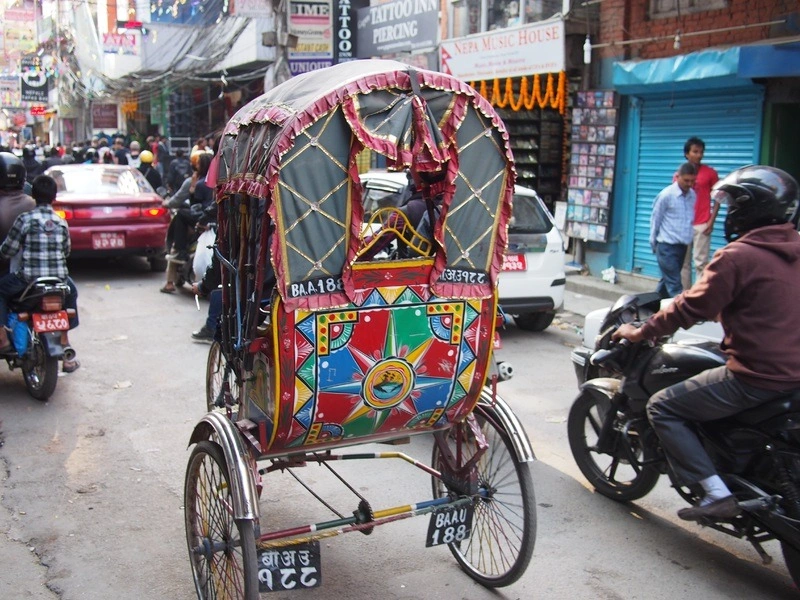
Kathmandu's city transport runs on tempo (electric 3-wheelers) and microbus routes for NPR 20–50 (USD 0.15–0.38) per journey. The Pathao app provides motorbike taxi and car-sharing services within Kathmandu for transparent metered pricing, significantly cheaper than unmarked tourist taxis that operate without meters.
What Cultural Etiquette Should Backpackers Follow in Nepal?
Backpackers in Nepal follow 6 core cultural etiquette rules: removing footwear before entering temples and private homes, circumambulating religious sites clockwise, refusing offerings with the left hand, dressing modestly at religious sites (shoulders and knees covered), asking permission before photographing individuals, and using "Namaste" as the standard formal greeting.
Nepal's population of 30 million (2026 census estimate) practices Hinduism (81.3%) and Buddhism (9%) as the 2 primary religions. Hinduism and Buddhism coexist across Nepal's religious sites, Pashupatinath Temple (Hindu) and Boudhanath Stupa (Buddhist) stand within 6 kilometers of each other in Kathmandu and represent 2 of South Asia's most significant living religious sites.
Temple and Religious Site Rules
7 specific behaviors are required at Nepal's religious sites:
Remove shoes before entering temple courtyards and monastery interiors
Circumambulate stupas and chortens in a clockwise direction
Non-Hindus are prohibited from entering the inner sanctums of Pashupatinath Temple
No leather items inside some Buddhist monasteries, check entry signs at each site
Photography of cremation rituals at Pashupatinath requires written consent from families
Cover heads inside certain monastery prayer halls
Maintain silence inside active prayer sessions
Trekking Trail Etiquette
Nepal's mountain trail culture involves 3 specific etiquette practices:
Yield to ascending trekkers and fully loaded yaks or pack mules, yaks always have trail priority; position yourself on the uphill side of the trail to avoid being pushed off ledges
Carry out all non-biodegradable waste, burning or burying plastic on trekking trails carries fines under Nepal's 2024 Mountain Waste Management Act
Accept tea or food offerings from Sherpa, Tamang, or Gurung families with both hands or the right hand alone, the left hand is considered unclean in Nepali culture
Dress Standards
Dress modestly throughout Nepal, particularly outside urban Thamel and Lakeside tourist zones. Cover shoulders and knees in villages, at religious sites, and during community interactions. Nepal's mountain communities, Sherpa, Tamang, Rai, Gurung, and Magar ethnic groups, maintain conservative dress norms that backpackers respect as a condition of responsible trekking.
What Trekking Difficulty Levels Exist in Nepal?
Nepal's trekking routes span 4 difficulty levels: Easy (no altitude above 3,000 meters, 4–6 hours of daily walking), Moderate (altitude 3,000–4,500 meters, 6–8 hours daily), Strenuous (altitude 4,500–5,500 meters, 8–10 hours daily), and Extreme (above 5,500 meters with technical terrain requiring alpine experience).
Nepal Trekking Difficulty Classification Table
The following table maps the 5 major Nepal trekking routes to their classified difficulty, maximum altitude, and recommended fitness level:
Route | Difficulty | Max Altitude | Daily Walking Hours | Fitness Requirement |
Poon Hill Trek | Easy | 3,210m | 4–6 hours | Basic fitness |
Langtang Valley | Moderate | 3,870m | 5–7 hours | Moderate fitness |
Annapurna Circuit | Moderate–Strenuous | 5,416m | 6–8 hours | Good fitness |
Everest Base Camp | Strenuous | 5,545m | 7–9 hours | Strong fitness |
Manaslu Circuit | Strenuous | 5,160m | 7–9 hours | Strong fitness |
Easy Level Trekking (Recommended for First-Time Nepal Backpackers)
Easy-level treks operate below 3,000 meters and require no technical equipment or prior altitude experience. The Poon Hill Trek (4–5 days from Nayapul) and the Ghorepani Trek are the 2 primary easy-level options in Nepal. Both routes operate within the Annapurna Conservation Area Project (ACAP) boundary, offering Himalayan panoramas of Dhaulagiri, Annapurna South, Machapuchare (Fishtail Mountain), and Hiunchuli without the altitude demands of longer circuits.
Moderate Level Trekking
Moderate-level treks reach 3,000–4,500 meters and require controlled acclimatization, the physiological process by which the body adapts to reduced oxygen at altitude by producing increased red blood cell volume. The Langtang Valley Trek is the primary moderate route, reaching Kyanjin Gompa at 3,870 meters in 7–10 days from Kathmandu.
Strenuous Level Trekking
Strenuous-level treks cross high mountain passes above 4,500 meters. The Annapurna Circuit crosses Thorong La Pass at 5,416 meters. Everest Base Camp reaches Kala Patthar at 5,545 meters. Both routes require 14+ days of total trek time to allow proper acclimatization. According to Nepal's 2026 guide safety protocols, licensed guides conduct daily altitude health assessments on all strenuous-level clients using pulse oximeters.
How Should You Plan Your Nepal Backpacking Trip with Local Help?
Planning a Nepal backpacking trip with local help involves engaging a TAAN-registered trekking agency for 5 specific services: permit procurement, licensed guide assignment, teahouse accommodation booking, porter coordination, and emergency evacuation protocol setup. Local agency support reduces permit errors, eliminates checkpoint fines, and provides on-trail safety management that independent planning cannot replicate.
Nepal's permit system requires agency mediation for all restricted-area permits and e-TIMS applications. The Department of Immigration processes restricted-area permit applications submitted by agencies, not by individual trekkers. This agency requirement makes local trip planning support structurally mandatory, not optional, for 4 out of 7 Nepal trekking regions.
Planning Timeline for Nepal Backpacking (8-Week Framework)
8 weeks before departure:
Select trekking route and confirm fitness level against classified difficulty
Research TAAN-registered agencies through the Nepal Tourism Board's official online registry
Obtain travel insurance covering helicopter evacuation (minimum USD 6,000 coverage)
6 weeks before departure:
Book trekking agency package or confirm independent teahouse accommodation for autumn season (October–November requires 6–8 weeks advance booking)
Request permit application initiation from agency, restricted area permits require 2–4 weeks processing
4 weeks before departure:
Confirm all permits are in progress; request permit reference numbers
Purchase or rent trekking gear (boots require 2–4 weeks of break-in walking before trail use)
Consult a physician regarding Acetazolamide (Diamox) prescription for altitude sickness prevention
2 weeks before departure:
Confirm all permits are issued; download digital copies to phone and carry 2 physical copies
Notify trekking agency of exact departure dates; confirm guide and porter assignments
Exchange USD 300–500 to NPR before departure, rural trekking routes are cash-only
Can Local Services Help Plan Your Nepal Backpacking Trip?
Local services in Nepal actively plan backpacking itineraries, procure permits, arrange licensed guides, and coordinate emergency protocols for foreign trekkers in 2026. TAAN-registered agencies in Kathmandu's Thamel neighborhood and Pokhara's Lakeside area provide comprehensive trip planning packages covering all logistical elements that Nepal's 2026 trekking regulations require.
TAAN (Trekking Agencies' Association of Nepal) is the government-recognized body that licenses trekking agencies, certifies guides, and maintains compliance standards for Nepal's trekking industry. As of 2026, over 1,500 TAAN-registered agencies operate across Kathmandu and Pokhara. Verification of TAAN registration is achievable through the Nepal Tourism Board's online agency directory before booking.
What Local Services Provide
Local trekking agencies in Nepal deliver 7 logistical services for backpackers:
Permit procurement: e-TIMS, National Park permits, Conservation Area permits, and restricted-area permits obtained through government channels
Licensed guide assignment: Government-licensed, TAAN-certified guides with first aid training, altitude sickness recognition, and route expertise
Porter coordination: Porter assignments regulated to a maximum of 25-kilogram carry loads per porter, per Nepal's porter welfare laws
Teahouse booking: Pre-arranged accommodation on popular routes during peak season (October–November), eliminating the risk of arriving at full teahouses after long trail days
Emergency protocol: Guides carry satellite phones or communication devices on routes above 4,000 meters; agencies coordinate helicopter rescue logistics with insurance companies
Itinerary customization: Route modification based on fitness assessment, available trekking days, budget, and interest in specific cultural or landscape features
Post-trek logistics: Kathmandu sightseeing, cultural tours, Chitwan wildlife safaris, and Pokhara adventure sports are bookable through the same agency
Cost of Local Agency Services
Full-service trekking packages from Kathmandu-based TAAN agencies average USD 900–1,600 for 10–14-day treks including all permits, licensed guide, porter, teahouse accommodation, and meals. Budget agencies provide guide-only packages from USD 25–35 per day, the trekker manages their own permits, accommodation, and food independently. Licensed guide costs are non-negotiable, guides hold government licenses with fixed daily rate minimums enforced by TAAN.
What Are the Key Takeaways About the Backpackers' Guide to Nepal?
The backpackers guide to Nepal in 2026 covers 8 critical knowledge areas: the mandatory licensed guide requirement across all major national parks, the e-TIMS digital permit system, a daily budget range of USD 20–50 for city travel and USD 35–50 for trekking, 5 primary trekking routes across 4 difficulty levels, 2 optimal trekking seasons (March–May and October–November), cultural etiquette across Hindu and Buddhist communities, food and accommodation costs, and the role of TAAN-registered agencies in legal, safe, and efficient trip planning.
Nepal's trekking regulations changed significantly between 2023 and 2026, with full enforcement now in place. The 5 most important 2026 updates that affect every backpacker's Nepal trip are:
Licensed guide enforcement at all national park and conservation area checkpoints
e-TIMS digital QR code permits replacing all paper TIMS cards across most regions
Solo traveler access to restricted-area permits (effective March 23, 2026)
USD 120 checkpoint fines for trekkers caught without valid permits
Mandatory travel insurance showing helicopter evacuation coverage at restricted-area permit applications
Nepal delivers USD 20-per-day city travel, Himalayan trekking routes reaching 5,545 meters, UNESCO heritage sites across Kathmandu Valley, and wildlife reserves home to Bengal tigers and one-horned rhinoceroses, all within one of South Asia's most accessible budget destinations. Trekking routes across the Everest, Annapurna, Langtang, Manaslu, and Mustang regions serve every fitness level from first-time trekkers on Poon Hill to experienced alpinists on the Manaslu Circuit.
Planning with a verified trekking agency in Nepal eliminates the 4 most common backpacker problems: permit errors at checkpoints, unsafe guide assignment, emergency rescue delays, and peak-season accommodation shortages. The Nepal Tourism Board's official agency registry at ntb.gov.np which oversaw 1,158,459 international visitor arrivals in 2025, provides verified agency lists for all 7 trekking regions, the starting point for every safe, legal, and well-budgeted Nepal backpacking trip.