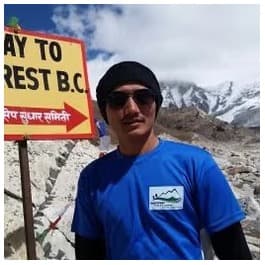
Nepal's legendary trails are calling, and 2026 is shaping up to be an exceptional year for trekkers. With improved infrastructure along classic routes, updated permit processes, and a renewed focus on sustainable tourism, there's never been a better time to plan your Himalayan adventure. Recent policy updates have streamlined certain permit applications, though prices can vary seasonally and always confirm current costs with licensed operators or the Nepal Tourism Board before finalizing your plans.
This guide compares seven of Nepal's most rewarding treks: Everest Base Camp, Gokyo Lakes, Annapurna Circuit, Annapurna Base Camp, Manaslu Circuit, Upper Mustang, and Langtang Valley. You'll get practical itineraries, permit requirements, seasonal advice, cost estimates, and a complete safety checklist to move from inspiration to booking-ready confidence.
Best 7 Treks in Nepal for 2026 — At-a-Glance Comparison
|
Trek |
Typical Days |
Max Altitude |
Difficulty |
Best Season |
Permits Required |
Est. Cost Range |
|
Everest Base Camp |
12–15 |
5,545 m (Kala Patthar) |
Intermediate |
Oct–Nov, Mar–May |
Sagarmatha NP + TIMS |
USD 2,000–3,500 |
|
Gokyo Lakes |
12–14 |
5,357 m (Gokyo Ri) |
Intermediate |
Oct–Nov, Mar–May |
Sagarmatha NP + TIMS |
USD 2,000–3,500 |
|
Annapurna Circuit |
14–18 |
5,416 m (Thorong La) |
Intermediate–Advanced |
Oct–Nov, Mar–May |
ACAP + TIMS |
USD 1,800–3,200 |
|
Annapurna Base Camp |
7–10 |
4,130 m (ABC) |
Beginner–Intermediate |
Oct–Nov, Mar–May |
ACAP + TIMS |
USD 1,200–2,000 |
|
Manaslu Circuit |
14–16 |
5,160 m (Larkya La) |
Advanced |
Oct–Nov, Mar–May |
Special Permit + TIMS + Guide Required |
USD 2,500–4,000 |
|
Upper Mustang |
10–14 |
3,840 m (Lo Manthang) |
Intermediate |
Mar–Nov (incl. monsoon) |
Special Permit + Guide Required |
USD 3,000–4,500 |
|
Langtang Valley |
7–10 |
4,984 m (Tserko Ri) |
Beginner–Intermediate |
Oct–Nov, Mar–May |
Langtang NP + TIMS |
USD 1,000–1,800 |
Who Should Choose What:
-
First-time trekkers: Annapurna Base Camp, Langtang Valley, or Ghorepani-Poon Hill (3–5 days) offer manageable altitudes with excellent teahouse infrastructure
-
Classic high-altitude experience: Everest Base Camp remains the iconic bucket-list trek with well-established services
-
Off-the-beaten-path adventurers: Manaslu Circuit and Upper Mustang deliver remote landscapes with fewer crowds
-
Experienced trekkers seeking variety: Annapurna Circuit combines high passes, diverse ecosystems, and cultural immersion
The prime trekking windows are autumn (October through November) and spring (March through May), when clear skies and moderate temperatures create ideal conditions. Upper Mustang stands as the notable exception, remaining accessible even during monsoon season due to its rain-shadow location.
2. Classic High-Altitude Treks (Everest Area)
1. Everest Base Camp (EBC) Trek
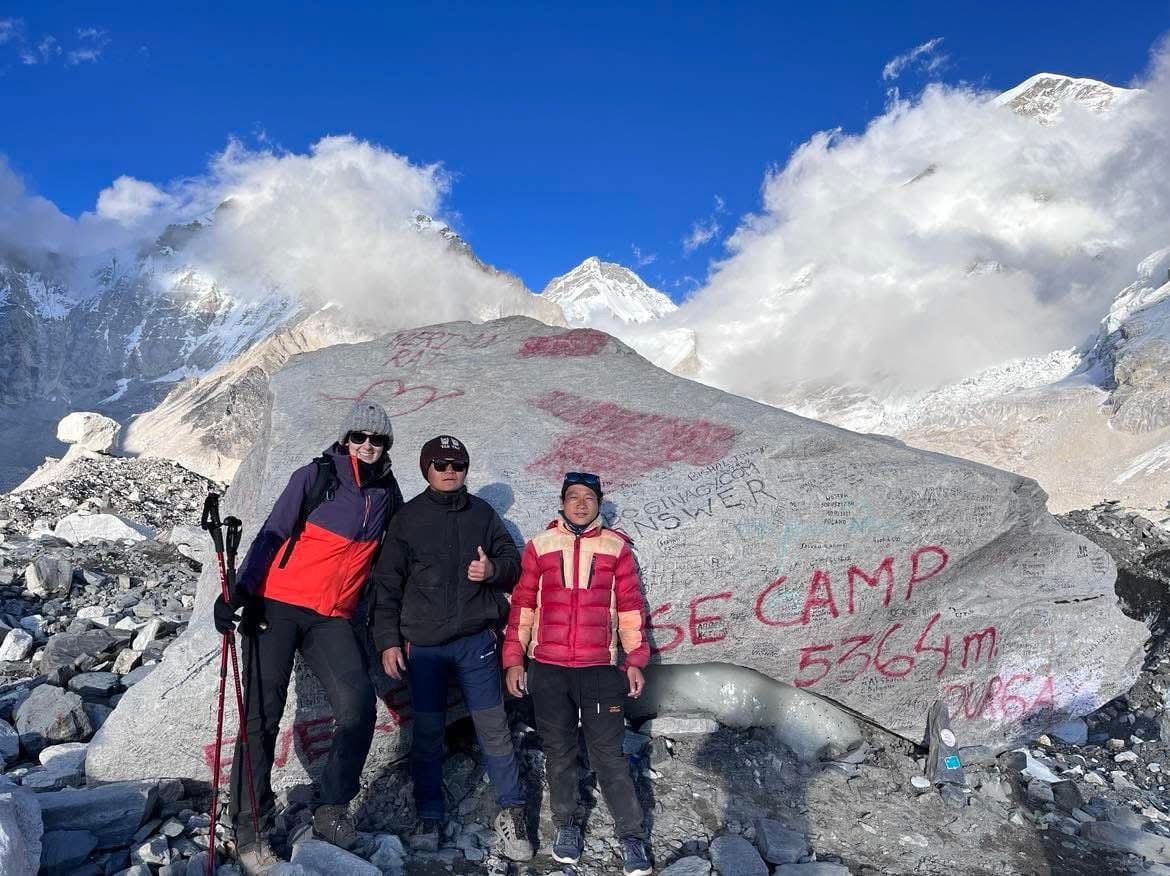
The trek to Everest Base Camp remains Nepal's most celebrated journey, bringing you face-to-face with the world's highest peak while immersing you in Sherpa culture. Most itineraries span 12 to 15 days, starting with the dramatic flight into Lukla's Tenzing-Hillary Airport at 2,860 meters.
Typical 12-Day Itinerary:
Day 1: Fly Kathmandu to Lukla, trek to Phakding (2,610 m)
Day 2: Phakding to Namche Bazaar (3,440 m)
Day 3: Acclimatization day in Namche
Day 4: Namche to Tengboche (3,860 m)
Day 5: Tengboche to Dingboche (4,410 m)
Day 6: Acclimatization day in Dingboche
Day 7: Dingboche to Lobuche (4,940 m)
Day 8: Lobuche to Gorak Shep (5,164 m), afternoon visit to EBC (5,364 m)
Day 9: Early morning hike to Kala Patthar (5,545 m), descend to Pheriche
Day 10–12: Return trek via Namche and Lukla
Permits and Costs:
You'll need a Sagarmatha National Park entry permit and a TIMS card (Trekkers' Information Management System). The national park permit costs approximately NPR 3,000 (around USD 25–30) for foreigners, while the TIMS card runs about USD 17–30 depending on whether you're trekking independently or with an agency. These permits can be obtained in Kathmandu at the Nepal Tourism Board office or through your trekking agency.
The Lukla flight typically costs USD 150–350 one-way depending on season and demand. A daily teahouse costs an average USD 30–50, covering basic accommodation and meals. Budget an additional USD 15–25 per day if hiring a porter or guide.
Key Altitude Considerations:
Kala Patthar at 5,545 meters offers the trek's highest point and most spectacular Everest views. The sunrise hike from Gorak Shep takes about two hours but demands careful acclimatization. Building in two dedicated rest days (Namche and Dingboche in the standard itinerary) significantly reduces altitude sickness risk. Watch for symptoms like persistent headaches, nausea, dizziness, or unusual fatigue if they worsen despite rest, descend immediately.
2. Gokyo Lakes trek
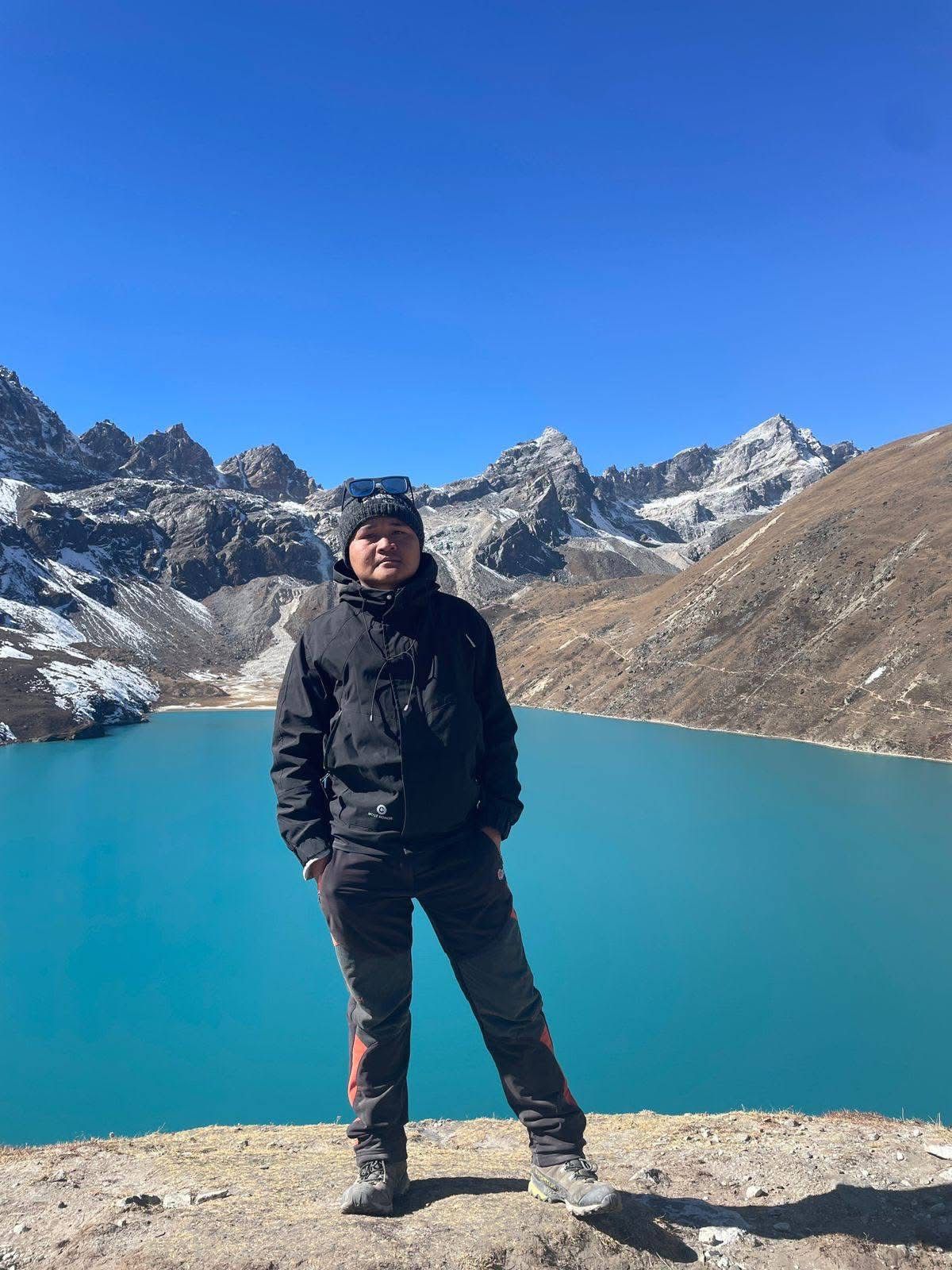
The Gokyo Lakes variant offers a compelling alternative or addition to the standard EBC route. This trail takes you through the turquoise glacial lakes of the Gokyo Valley, culminating at Gokyo Ri (5,357 meters), which many trekkers consider superior to Kala Patthar for panoramic mountain views.
Why Choose Gokyo:
The gradual ascent profile provides better acclimatization than the direct EBC route. You'll encounter fewer trekkers, especially in the upper valley, while still experiencing classic Khumbu scenery. The chain of six sacred lakes against the backdrop of Cho Oyu (8,188 m) creates an otherworldly landscape.
A typical Gokyo trek takes 12 to 14 days from Lukla and requires the same permits as EBC (Sagarmatha National Park and TIMS). Many trekkers combine both destinations via the Cho La Pass (5,420 m), adding 3 to 4 days and creating a challenging loop that requires good physical fitness and prior high-altitude experience.
EBC Route Variants and Acclimatization Tips
Three Passes Trek: For the ultimate Khumbu challenge, the Three Passes route crosses Renjo La (5,360 m), Cho La (5,420 m), and Kongma La (5,535 m), typically requiring 18 to 21 days. This route demands excellent fitness and previous trekking experience above 4,000 meters.
Essential Acclimatization Strategy:
The golden rule remains "climb high, sleep low." After reaching a new altitude during the day, descend slightly for the night when possible. Never ascend more than 300–500 meters of sleeping elevation per day above 3,000 meters. Rest days aren't lazy days. Short acclimatization hikes to higher elevations (returning to sleep lower) help your body adapt.
Stay hydrated with at least 3–4 liters of water daily. Diamox (acetazolamide) can aid acclimatization when used preventively, but consult your doctor before the trek. Alcohol and sleeping pills impair your body's adaptation response at altitude.
Annapurna Region: Circuit, Base Camp and Short Alternatives
3. Annapurna Circuit trek
The Annapurna Circuit ranks among the world's most diverse treks, traversing subtropical forests, alpine meadows, high desert, and ultimately crossing the formidable Thorong La Pass at 5,416 meters. The traditional circuit has been shortened by road construction, but the 14 to 18-day trek still delivers extraordinary variety.
Classic Route Overview:
Starting from Besisahar or now more commonly from Dharapani or Chame (accessible by jeep), the circuit traditionally moves counterclockwise to aid acclimatization. You'll walk through the Marshyangdi Valley, ascend through Manang for acclimatization, cross Thorong La, and descend into the Kali Gandaki gorge, the world's deepest; before reaching Jomsom or continuing to Ghorepani and Poon Hill.
Permits and Fees:
The Annapurna Conservation Area Project (ACAP) permit costs approximately NPR 3,000 (USD 25–30) for foreigners. You'll also need a TIMS card at around USD 17–30. Both can be obtained in Kathmandu at the Nepal Tourism Board or in Pokhara at the ACAP office. Keep your permits accessible for checkpoints throughout the trek.
What Makes It Special:
The cultural journey matches the physical challenge. You'll transition from Hindu communities in lowland villages to Tibetan Buddhist settlements in Manang and beyond. The region's teahouse network offers comfortable accommodation with increasingly diverse menus, though expect prices to rise with altitude.
October through November provides optimal conditions with clear post-monsoon skies. March through May offers warmer temperatures, blooming rhododendrons, but occasionally hazy mountain views. The monsoon season (June through September) brings muddy, leech-prone trails and dangerous landslides along road sections; best avoided except for experienced trekkers who enjoy solitude.
4. Annapurna Base Camp (ABC) Trek
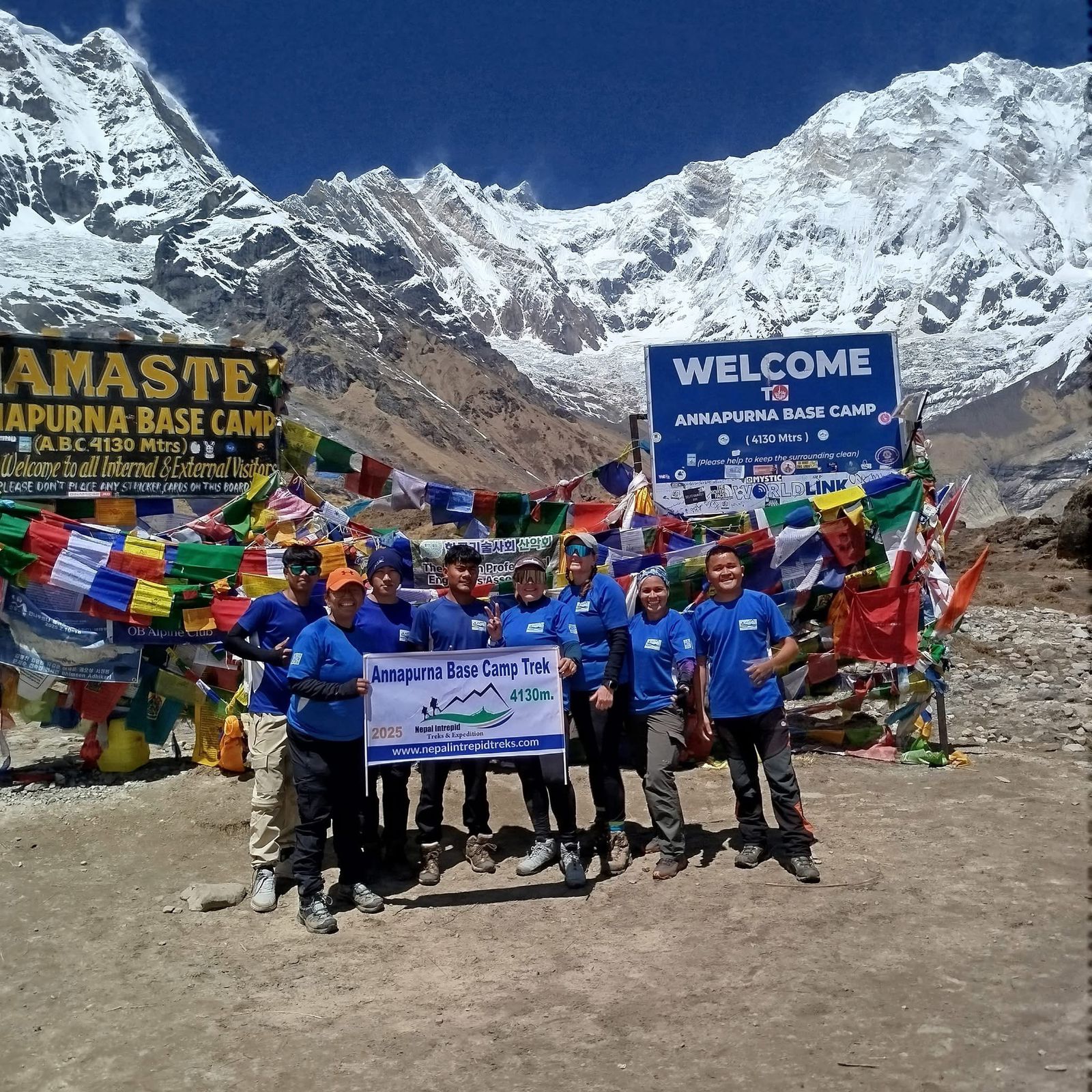
Annapurna Base Camp presents a shorter, more accessible alternative that still delivers a stunning mountain amphitheater experience. The trek typically requires 7 to 10 days from Pokhara, making it ideal for travelers with limited time or those attempting their first Himalayan trek.
Standard 10-Day Itinerary:
Day 1: Drive Pokhara to Nayapul, trek to Tikhedhunga or Ulleri
Day 2: Ulleri to Ghorepani (2,860 m)
Day 3: Sunrise at Poon Hill (3,210 m), trek to Tadapani
Day 4: Tadapani to Chhomrong (2,170 m)
Day 5: Chhomrong to Dovan or Bamboo (2,310 m)
Day 6: Bamboo to Deurali (3,230 m)
Day 7: Deurali to Annapurna Base Camp (4,130 m) via Machapuchare Base Camp
Day 8–10: Return via Bamboo, Jhinu Danda (hot springs), and Nayapul
Why ABC Works for Beginners:
The maximum altitude of 4,130 meters at Annapurna Base Camp poses less acclimatization challenge than EBC or the Circuit. The trail features well-maintained stone steps and an excellent teahouse network with reliable food and lodging. The famous sunrise view from ABC, surrounded by towering peaks including Annapurna I (8,091 m), Machapuchare (6,993 m), and Hiunchuli, rewards your effort spectacularly.
The same ACAP and TIMS permits required for the Circuit apply to ABC. Total costs typically run USD 1,200–2,000 depending on your accommodation preferences and whether you hire a guide or porter.
Ghorepani-Poon Hill and Mardi Himal Trek
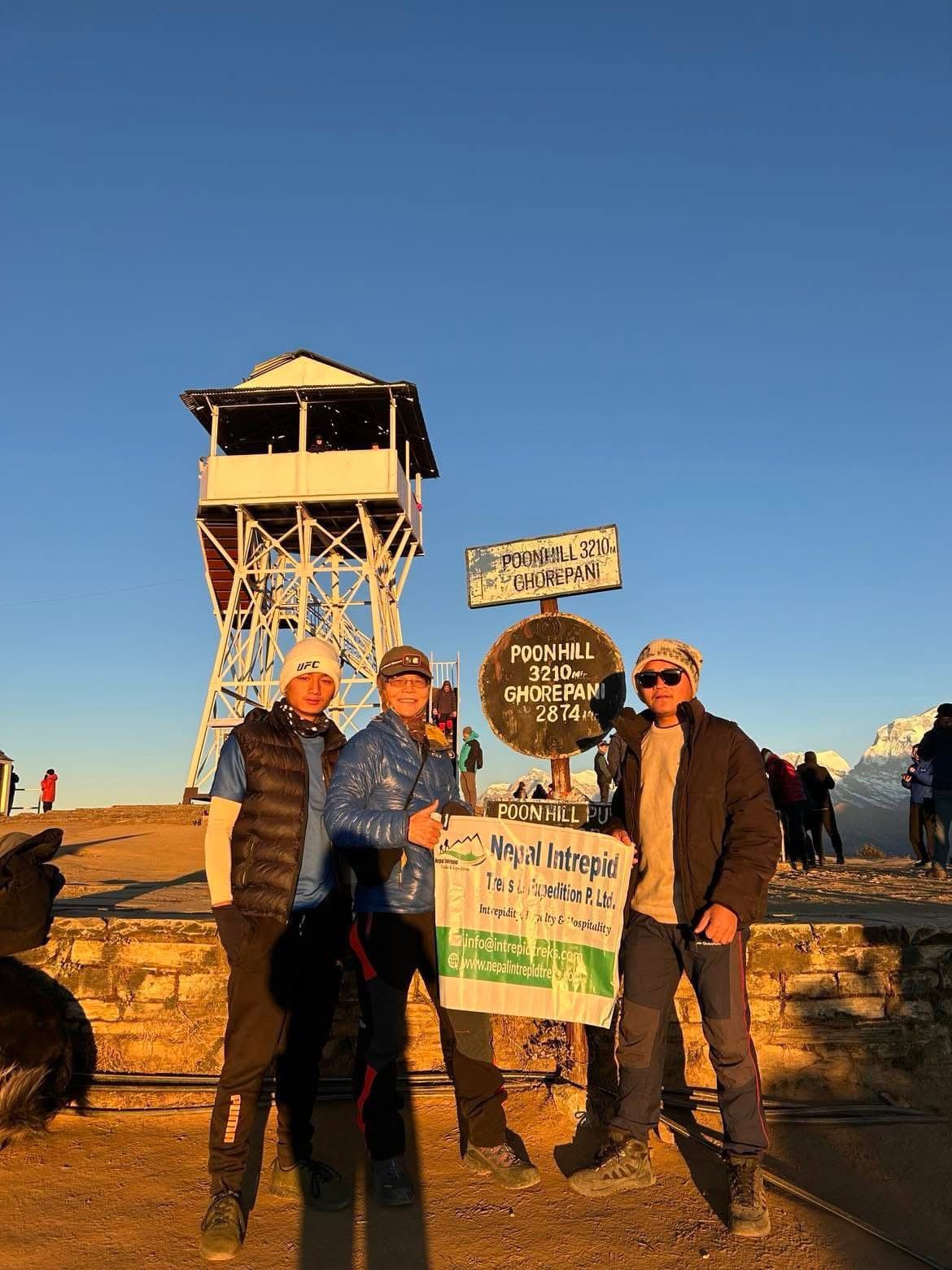
Ghorepani-Poon Hill (3–5 days): This short trek from Pokhara offers the quintessential Himalayan sunrise experience without significant altitude challenges. Poon Hill (3,210 m) provides panoramic views of Dhaulagiri, Annapurna, and Machapuchare ranges. It's perfect for families, older trekkers, or anyone testing their interest in Himalayan trekking. The trail is well-established with frequent teahouses and requires only ACAP and TIMS permits.
Mardi Himal (5–7 days): This relatively new route delivers a remote feel despite its proximity to Pokhara. The trail climbs through rhododendron forests to Mardi Himal Base Camp (4,500 m), offering intimate views of Machapuchare's fish-tail peak and Annapurna South. It's gained popularity as a quieter alternative to the crowded ABC route while presenting a moderate challenge suitable for reasonably fit beginners.
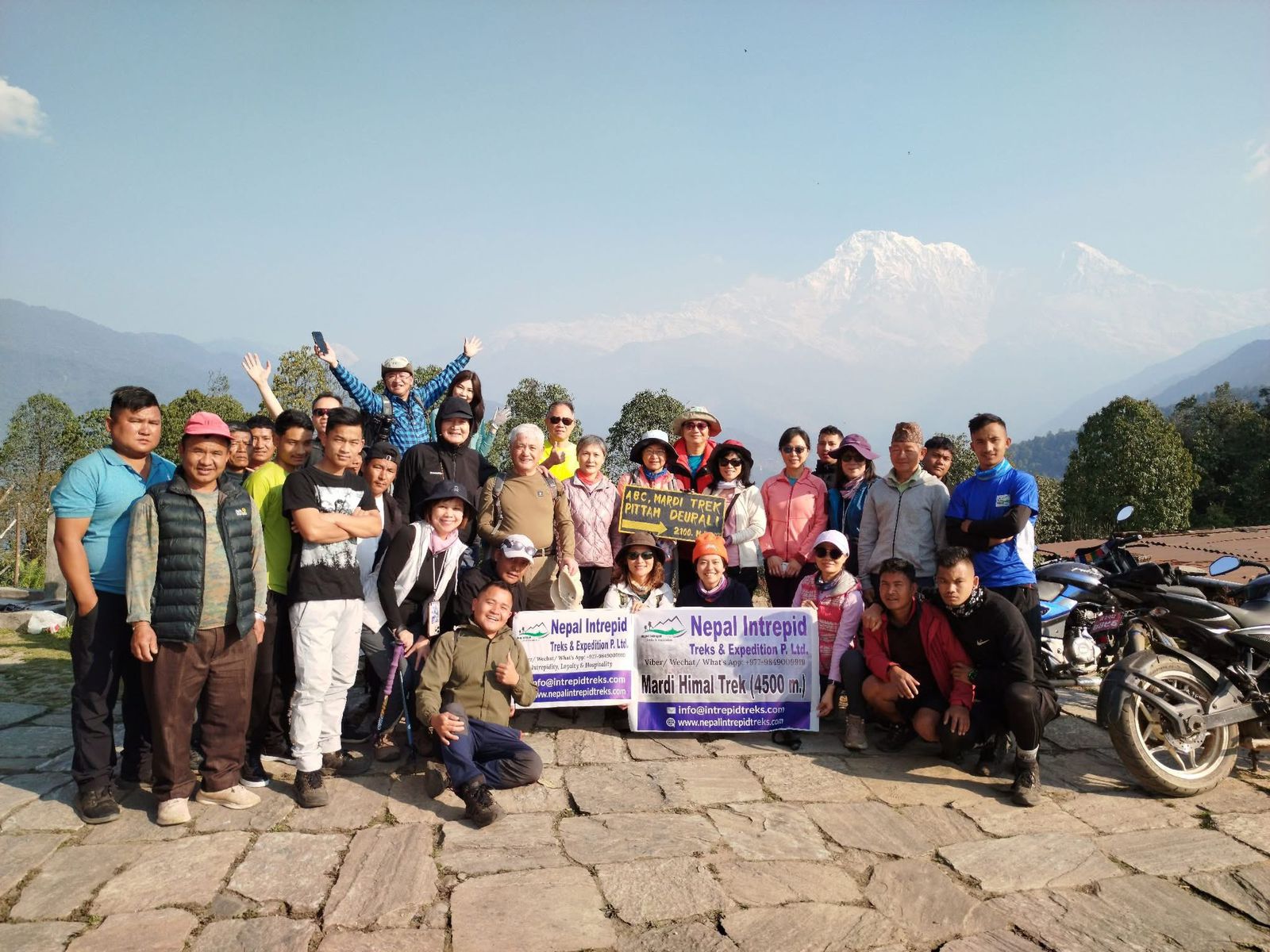
Both short treks work well in the standard October–November and March–May windows, with the spring season particularly beautiful when rhododendrons bloom across the hillsides.
Remote and Cultural Treks: Manaslu, Upper Mustang, Langtang
5. Manaslu Circuit Trek
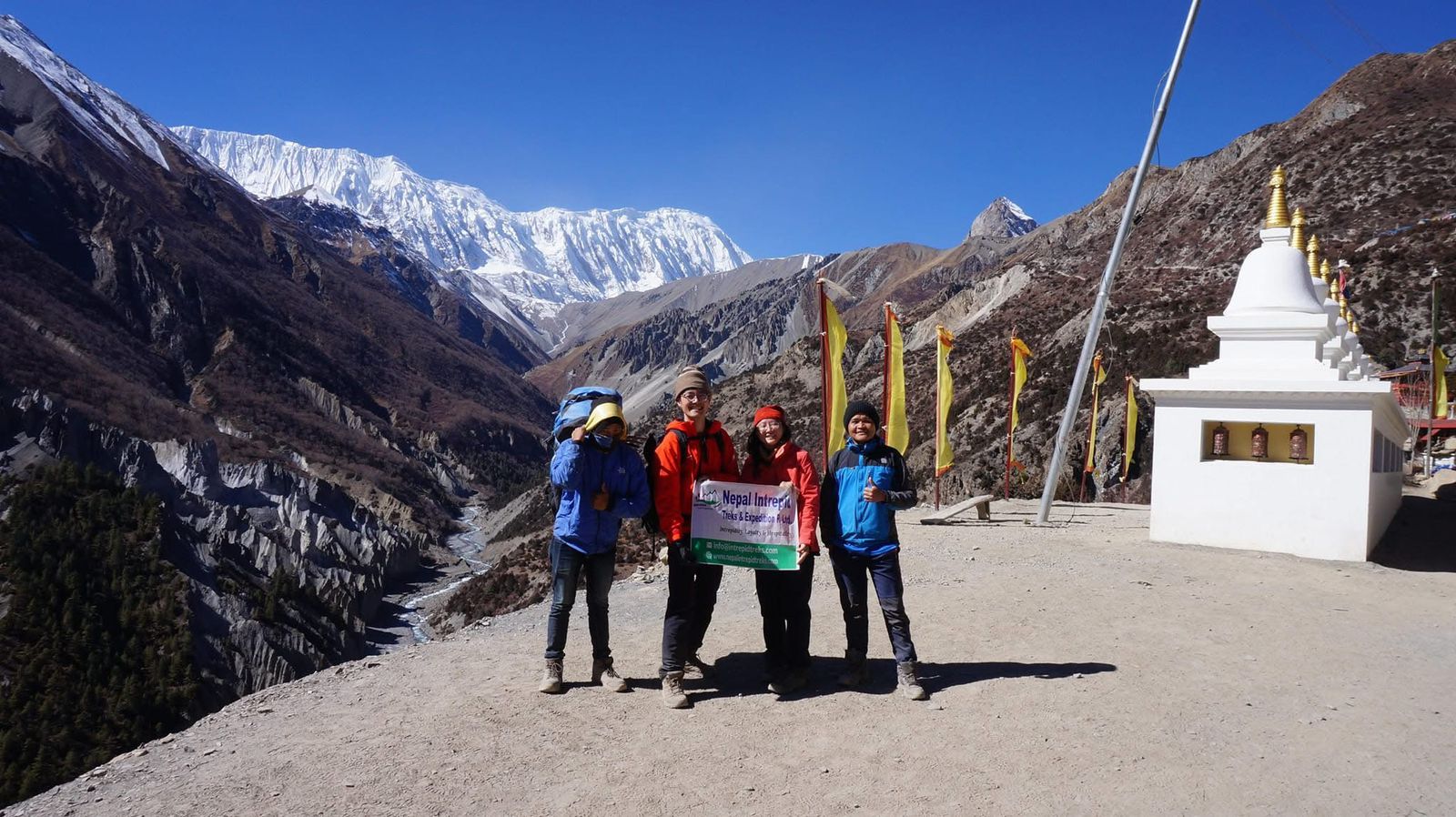
The Manaslu Circuit has emerged as the connoisseur's alternative to the Annapurna Circuit, more remote, less developed, and requiring greater self-sufficiency. Circling Mount Manaslu (8,163 m), the world's eighth-highest peak, this 14 to 16-day trek crosses the Larkya La Pass at 5,160 meters through landscapes that feel genuinely wilderness.
Restricted Area Requirements:
Manaslu sits within a restricted area, which means independent trekking is not permitted. You must trek with a registered Nepali trekking agency and employ a licensed guide. Solo travelers can join small groups organized by agencies, but the guided requirement remains non-negotiable.
Permit Structure:
The Manaslu restricted area permit operates on seasonal pricing. During peak seasons (September through November), expect to pay around USD 100 for the first seven days, then USD 15 per additional day. In winter (December through February), the permit drops to approximately USD 75 for seven days, then USD 10 per day. Spring (March through May) typically falls in between at around USD 75–100 per week. These costs are in addition to your TIMS card and the Manaslu Conservation Area permit.
Summer monsoon season (June through August) offers the lowest permit fees (around USD 50 per week) but brings heavy rain, leeches, and cloud-obscured views. Only experienced trekkers comfortable with challenging conditions should consider the monsoon season.
What to Expect:
The trail begins in Soti Khola or Machha Khola, following the Budhi Gandaki River through terraced farmland and subtropical forests. You'll pass through traditional Gurung and Tibetan villages where tourism infrastructure remains basic compared to Everest or Annapurna regions. Teahouses exist but offer simpler accommodations and menus.
The Larkya La crossing demands respect; it's typically the longest and most exposed day of the trek, requiring an alpine start (3–4 AM) to cross before afternoon weather deteriorates. The descent into Bimthang rewards you with spectacular views of Manaslu's north face.
Budget USD 2,500–4,000 for a guided Manaslu trek, including permits, guide and porter costs, accommodation, and meals. The more remote nature means slightly higher daily teahouse costs and mandatory guide expenses.
6. Upper Mustang (Lo Manthang) Trek
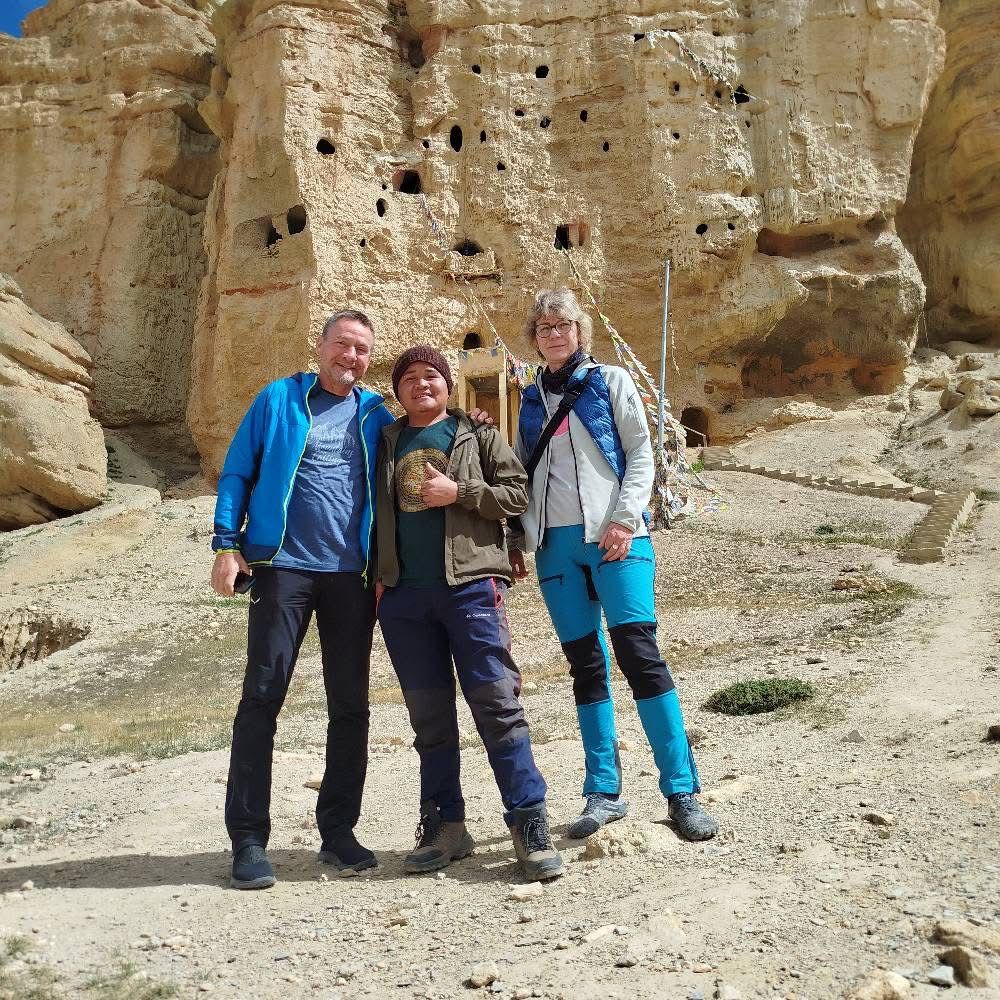
Upper Mustang offers something entirely different: a trek through a high-altitude desert landscape that feels more like Tibet than Nepal. The walled city of Lo Manthang, ancient cave dwellings, and distinctly Tibetan Buddhist culture create an experience unlike any other Himalayan trek.
Permit Costs and Restrictions:
Upper Mustang ranks among Nepal's most expensive trekking permits. The special area permit costs USD 500 for the first 10 days, then USD 50 per additional day. Like Manaslu, you must trek with a licensed agency and guide independent trekking is prohibited. The high permit cost limits tourist numbers, preserving the region's cultural authenticity.
Why Trek Upper Mustang:
The restricted area status has kept this region remarkably preserved. Lo Manthang, the ancient capital of the Kingdom of Lo, contains centuries-old monasteries, whitewashed buildings, and traditions that have remained largely unchanged. The stark, colorful rock formations and near-desert conditions create landscapes unlike anywhere else in Nepal.
Upper Mustang's rain-shadow position makes it one of the few treks feasible during monsoon season (June through September), when most of Nepal receives heavy rainfall. The region sees fewer than 300mm of annual precipitation. March through November generally offers good trekking weather, though spring and autumn remain most comfortable.
Logistics:
Most itineraries run 10 to 14 days, flying or driving to Jomsom to begin. The maximum altitude at Lo Manthang (approximately 3,840 m) is lower than many Himalayan treks, though you'll spend several days above 3,500 meters. Teahouses exist but remain basic in upper villages except simple dal bhat and limited menu options.
Total costs including permits, guide, accommodation, and flights typically range from USD 3,000–4,500. The high permit fee accounts for most of the expense, but it buys you access to one of Nepal's most culturally significant and scenically unique regions. Book well in advance, especially for spring and autumn departures.
7. Langtang Valley Trek
Langtang Valley offers remarkable accessibility just a day's drive from Kathmandu combined with genuine Himalayan scenery and rich Tamang culture. The 2015 earthquake devastated parts of the valley, but communities have rebuilt and now welcome trekkers back to trails that showcase resilience alongside natural beauty.
Trek Overview:
A standard Langtang Valley trek requires 7 to 10 days, reaching Kyanjin Gompa (3,870 m) and optionally ascending Tserko Ri (4,984 m) or Kyanjin Ri (4,773 m) for panoramic mountain views including Langtang Lirung (7,227 m). The trail follows the Langtang Khola through forests of oak, rhododendron, and bamboo, passing through Tamang villages where you can experience traditional culture and hospitality.
Permits and Access:
You'll need a Langtang National Park permit (approximately NPR 3,000 or USD 25–30) and a TIMS card. These can be obtained in Kathmandu or at the park entrance checkpoint in Dhunche. The drive from Kathmandu to Syabrubesi (the trek starting point) takes 6 to 8 hours depending on road conditions.
Why Choose Langtang:
For trekkers with limited time or those wanting to avoid internal flights, Langtang provides exceptional value. The valley sees fewer trekkers than Everest or Annapurna regions despite offering comparable scenery. Villages like Kyanjin Gompa feature cheese factories producing yak cheese, and the region maintains authentic cultural traditions.
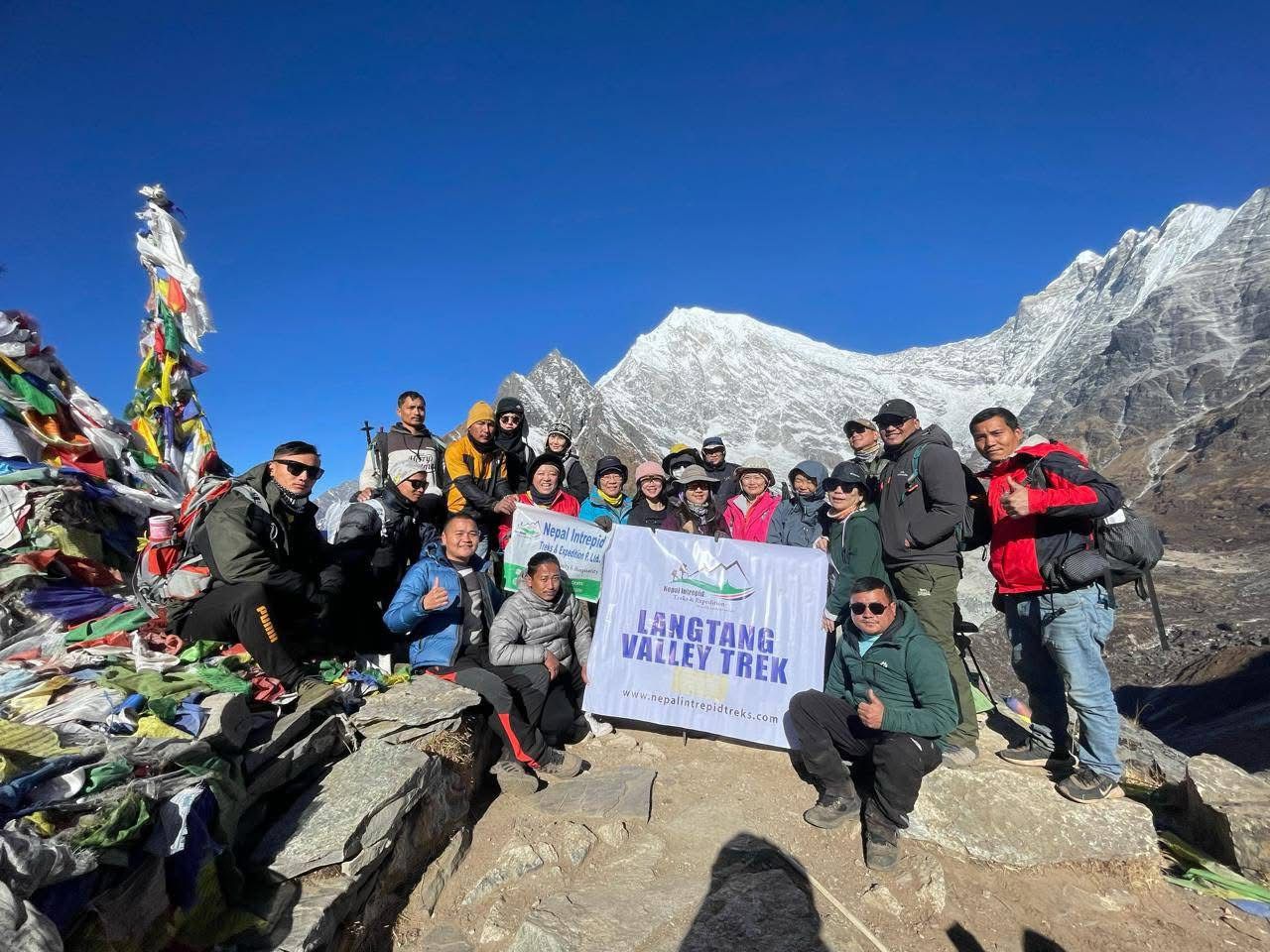
The standard October–November and March–May windows apply. Winter brings snow to higher elevations, while monsoon season (June through September) creates muddy trails and leech problems below 3,000 meters.
Total costs typically run USD 1,000–1,800 for an independent or guided trek, making Langtang one of Nepal's most budget-friendly quality treks. The combination of accessibility, moderate difficulty, and authentic mountain experience makes it ideal for first-time Himalayan trekkers or anyone short on time.
Planning, Safety and Practicalities for 2026 Treks
1 Permits, TIMS, Restricted Area Rules and Where to Buy Them
Standard Permits:
Most Nepal treks require two basic documents: a conservation area or national park entry permit and a TIMS (Trekkers' Information Management System) card. The TIMS system tracks trekkers for safety and collects tourism data.
Conservation area permits (ACAP for Annapurna, Sagarmatha for Everest, Langtang National Park) cost around NPR 3,000 (USD 25–30) for foreigners. TIMS cards run approximately USD 17–30, with different rates for independent trekkers versus those with agencies.
Where to Obtain:
In Kathmandu, visit the Nepal Tourism Board office in Bhrikuti Mandap or the Trekking Agencies' Association of Nepal (TAAN) office. In Pokhara, the TAAN office and tourism office near the airport handle ACAP permits and TIMS. Many licensed trekking agencies will obtain permits on your behalf for a small service fee.
For Everest region treks, you can also obtain the Sagarmatha National Park permit at the entrance gate near Monjo, though securing it in Kathmandu avoids delays on the trail.
Restricted Area Permits:
Manaslu, Upper Mustang, and several other regions require special restricted area permits that must be processed through licensed trekking agencies; you cannot obtain these independently. The agency handles the paperwork through the Department of Immigration in Kathmandu. Processing typically takes 3 to 5 business days, so plan accordingly.
Important Reminder:
Permit fees and regulations change periodically. Always verify current costs and requirements with the Nepal Tourism Board or your trekking agency before departure. The NTB website provides the most authoritative and up-to-date information on official permit regulations.
2 Best Months and Weather Windows
Autumn (October–November):
This prime season delivers the most reliable weather. Clear post-monsoon skies provide excellent mountain visibility, moderate temperatures at lower elevations, and cold but manageable conditions at high altitude. Trails are dry, rhododendrons display fall colors, and major festivals like Dashain and Tihar add cultural richness. The trade-off: popular routes feel crowded, teahouses fill quickly, and flights to Lukla face high demand.
Spring (March–May):
Nepal's second-best trekking season offers warmer temperatures than autumn and spectacular rhododendron blooms across mid-elevation forests. Morning mountain views are typically excellent, though afternoons can bring haze or clouds. By late May, pre-monsoon weather becomes unpredictable with occasional afternoon storms. Spring sees fewer trekkers than autumn but still offers solid infrastructure and services.
Winter (December–February):
Lower elevations remain pleasant with sunny, clear days, but high passes and base camps face harsh conditions. Thorong La (Annapurna Circuit) and Larkya La (Manaslu) become significantly more challenging with snow and ice. Everest Base Camp remains accessible but requires proper cold-weather gear for temperatures dropping to -20°C or colder. The benefits: minimal crowds, dramatically reduced costs, and crystal-clear mountain views. Lower-altitude treks like Ghorepani-Poon Hill and lower Langtang work well in winter.
Monsoon (June–September):
Heavy rainfall, leeches, landslides, and cloud-obscured views make monsoon season challenging for most Nepal treks. However, Upper Mustang and Dolpo in the rain-shadow remain viable options with minimal precipitation. Only attempt other regions if you're comfortable with mud, limited visibility, and potential trail closures.
The safest bet for 2026: book October through November for autumn treks or late March through April for spring departures. May can work but expect warmer temperatures and possible pre-monsoon weather.
3 Budgeting and Cost Estimates
Daily Teahouse Costs:
Budget trekkers can manage on USD 25–35 per day, eating basic dal bhat (lentils and rice) for most meals and accepting the simplest accommodations. Mid-range trekkers spending USD 40–60 daily can enjoy menu variety, occasional hot showers, charging fees for devices, and WiFi access. Costs rise with altitude and expect to pay 50–100% more at base camps than in lower villages.
Accommodation itself is usually cheap (USD 3–10 per night), but teahouses profit from food and beverage sales. Most trekkers pay around USD 8–15 per meal at altitude, with simple items cheaper and Western dishes pricier. Hot drinks, boiled water, showers, charging, and WiFi all carry separate fees.
Permits:
Budget approximately USD 50–80 for standard permits (TIMS and conservation area). Restricted areas add significantly more: Manaslu USD 75–100+ depending on season and duration, Upper Mustang USD 500+.
Transportation:
Kathmandu-Lukla flights run USD 150–350 one-way and can double during peak season or when weather creates backlogs. Bus or jeep rides to trek starting points (Besisahar, Syabrubesi, etc.) cost USD 5–15. Pokhara serves as the gateway for Annapurna treks, with flights from Kathmandu (USD 100–120) or tourist buses (USD 8–12).
Guides and Porters:
Licensed guides typically charge USD 25–40 per day. Porters (carrying up to 25kg for two trekkers) cost USD 20–30 daily. These rates should include their food, accommodation, insurance, and proper equipment. Hiring local support not only makes your trek more comfortable but also directly benefits mountain communities. Always verify that your agency provides fair wages and proper insurance.
Total Budget Examples:
-
Independent teahouse trek (EBC/ABC): USD 1,200–2,500 including permits, flights/transport, daily costs
-
Guided standard trek: USD 2,000–3,500 with guide/porter, all permits, and reasonable comfort
-
Restricted area trek (Manaslu/Mustang): USD 2,500–4,500 given mandatory guide requirements and higher permit costs
These estimates assume mid-range spending. Budget-conscious trekkers can trim 20–30%, while those seeking more comfort can easily spend double. Always get written quotes from licensed agencies and clarify what's included.
4 Health and Safety
Altitude Sickness Prevention:
Acute Mountain Sickness (AMS) poses the primary health risk on Nepal treks. Symptoms include headache, nausea, dizziness, fatigue, and shortness of breath beyond what exertion alone explains. Most people experience mild symptoms when ascending too quickly.
Prevention strategies:
-
Ascend gradually: no more than 300–500m sleeping altitude gain per day above 3,000m
-
Build in rest days: one acclimatization day for every 1,000m of elevation gain above 3,000m
-
Stay hydrated: drink 3–4 liters daily even when not thirsty
-
Avoid alcohol and sleeping pills at altitude
-
Listen to your body: never ascend with worsening symptoms
If symptoms develop, rest at the same altitude. If they worsen despite 24 hours of rest, descending immediately even 500m can bring dramatic improvement. Severe forms (High Altitude Pulmonary Edema and High Altitude Cerebral Edema) are life-threatening and require immediate descent and medical evacuation.
Diamox (acetazolamide) can help prevent and treat AMS when used appropriately. Consult your doctor before the trek to discuss whether it's right for you and to obtain a prescription.
Medical Facilities:
The Everest region has clinics staffed by Western doctors in Namche Bazaar, Pheriche, and Machherma during trekking season. Annapurna region facilities exist in Manang and Jomsom. Remote treks like Manaslu have minimal medical infrastructure and serious problems require helicopter evacuation to Kathmandu.
Travel Insurance:
Comprehensive travel insurance with helicopter evacuation coverage is non-negotiable for Nepal trekking. Standard policies typically don't cover trekking above 5,000 or 6,000 meters and verify your policy's altitude limits. Helicopter evacuations from remote areas can cost USD 5,000–10,000 or more. Reputable companies include World Nomads, IMG, and True Traveller.
Physical Preparation:
Start training 2–3 months before departure. Focus on cardiovascular fitness (hiking with a weighted pack, running, cycling) and leg strength (squats, lunges, step-ups). You should be comfortable hiking 5–6 hours with a daypack. Previous high-altitude experience helps but isn't required for standard treks like EBC or ABC. Consult your doctor if you have pre-existing heart, lung, or blood pressure conditions.
5. Responsible Trekking
Environmental Practices:
Leave No Trace principles are critical in Nepal's fragile mountain environments. Carry out all non-biodegradable waste, use refillable water bottles with purification tablets or filters rather than buying plastic bottles, and stick to established trails to prevent erosion. Dispose of toilet paper properly many lodges provide facilities, but carry zip-lock bags for emergencies.
Cultural Respect:
Remove shoes before entering homes, temples, and monasteries. Ask permission before photographing people, especially in culturally sensitive areas like Upper Mustang. Dress modestly and avoid shorts and tank tops in villages. When walking past mani stones and chortens, pass on the left side (clockwise). Learn basic Nepali phrases; locals appreciate the effort.
Supporting Local Communities:
Choose teahouses over camping when infrastructure exists, this puts tourist money directly into village economies. Purchase snacks and supplies in mountain villages rather than bringing everything from Kathmandu. Tip guides and porters fairly (USD 10–15 per person per day for guides, USD 8–12 for porters as a general guideline).
Porter Welfare:
If hiring porters through an agency, verify they receive proper equipment, insurance, and fair wages. The International Porter Protection Group provides guidelines: porters should carry no more than 25kg, must have adequate clothing and footwear for high-altitude conditions, and deserve the same meal and accommodation standards as trekkers. Reputable agencies follow these standards, but budget operators may cut corners.
Your choices matter. Supporting ethical agencies that treat staff well, respecting local culture, and minimizing environmental impact ensures Nepal's trekking trails remain sustainable and welcoming for future generations.
Frequently Asked Questions
Which trek is best for first-time trekkers in Nepal?
Annapurna Base Camp and Langtang Valley rank as the best introductions to Himalayan trekking. Both reach impressive altitudes (4,130m and 3,870m respectively) without the extreme elevation of EBC or the Circuit. They feature well-established teahouse networks, manageable daily distances, and stunning mountain scenery. Ghorepani-Poon Hill works well for those wanting an even shorter 3–5 day introduction. These treks require reasonable fitness but no previous high-altitude experience.
When is the best time to trek EBC in 2026?
October through November offers the most reliable weather with clear skies, dry trails, and excellent mountain visibility. March through early May provides the second-best window with warmer temperatures and blooming rhododendrons, though afternoon clouds are more common. Avoid December through February unless you have experience with extreme cold (temperatures at EBC drop to -20°C or colder). The monsoon season (June through September) brings heavy rain, clouds, and dangerous trail conditions.
Do I need a guide for Manaslu or Upper Mustang?
Yes, both regions require trekkers to hire a licensed guide through a registered Nepali trekking agency. You cannot obtain permits for these restricted areas independently. The requirement exists to protect culturally sensitive regions and ensure trekker safety in remote areas with limited infrastructure. Solo travelers can join small group treks organized by agencies, but the guided requirement remains mandatory.
What permits do I need for Annapurna Base Camp?
You need two permits: an Annapurna Conservation Area Project (ACAP) permit costing approximately NPR 3,000 (USD 25–30), and a TIMS card (Trekkers' Information Management System) costing around USD 17–30. Both can be obtained in Kathmandu at the Nepal Tourism Board office or in Pokhara at the TAAN or ACAP offices. Many trekking agencies will obtain these permits on your behalf for a small service fee.
How much should I budget per day on a teahouse trek?
Budget trekkers manage on USD 25–35 daily by eating simple dal bhat and accepting basic lodging. Mid-range trekkers spending USD 40–60 can enjoy menu variety, occasional hot showers, charging, and WiFi. Costs increase with altitude and expect to pay significantly more at base camps than lower villages. Accommodation is usually cheap (USD 3–10), but meals, drinks, hot showers, charging, and WiFi carry separate fees that add up quickly.
Can I buy permits in Kathmandu or must my agency get them?
Standard permits (TIMS and conservation area permits for Everest, Annapurna, Langtang) can be purchased independently at the Nepal Tourism Board office in Kathmandu or regional tourism offices. However, restricted area permits (Manaslu, Upper Mustang, Dolpo, and others) must be processed through a licensed trekking agency; you cannot obtain these independently. The agency handles the paperwork through the Department of Immigration in Kathmandu.
How to train for a high-altitude trek?
Begin training 2–3 months before departure. Focus on cardiovascular endurance through hiking with a weighted pack (8–10kg), running, cycling, or stair climbing for 4–5 sessions weekly. Build leg strength with squats, lunges, and step-ups. Aim to comfortably hike 5–6 hours with a daypack before departure. If possible, practice at altitude or spend time above 2,500m before your trek. Mental preparation is equally important except for challenging days and variable conditions.
What are the helicopter evacuation options and is insurance required?
Helicopter evacuation services operate throughout Nepal's trekking regions and can reach most locations weather permitting. Evacuations typically fly patients to Kathmandu hospitals and cost USD 5,000–10,000 or more depending on location and conditions. Comprehensive travel insurance with high-altitude trekking coverage (verify your policy covers your trek's maximum altitude) is essential; most standard policies exclude trekking above certain elevations. Without proper insurance, you may face demanding immediate payment before evacuation.
Are pets allowed on Nepal treks?
Generally no. Nepal's trekking trails pass through national parks and conservation areas with strict regulations prohibiting pets to protect native wildlife and prevent disease transmission. Additionally, high-altitude conditions, multi-day logistics, and teahouse accommodations make bringing pets impractical and potentially dangerous for the animal. Service animals may receive exceptions with advance documentation, but this requires coordination with authorities and your trekking agency well before departure.
How far in advance should I book restricted-area permits (Mustang/Manaslu)?
Book at least 4–6 weeks in advance, especially for spring (March–May) and autumn (October–November) departures when demand is highest. Restricted area permit processing through agencies typically takes 3–5 business days in Kathmandu, but you'll need additional time for agency coordination, group formation if joining others, and flight bookings. Upper Mustang's limited permits and high costs mean popular dates fill early. For winter or monsoon season treks when demand is lower, 2–3 weeks may suffice, but earlier is always safer.
Ready to Trek Nepal in 2026?
You now have the essential information to choose your trek, understand permit requirements, budget appropriately, and prepare safely. Nepal's mountains offer transformative experiences whether you're seeking the iconic Everest Base Camp journey, the diverse Annapurna Circuit, or remote cultural immersion in Manaslu or Upper Mustang.
Next Steps:
-
Verify current permit costs and regulations at the official Nepal Tourism Board website
-
Choose licensed operators through TAAN (Trekking Agencies' Association of Nepal) or NMA (Nepal Mountaineering Association) registered agencies
-
Book flights and accommodations 2–3 months ahead for autumn treks, 1–2 months for spring
-
Get comprehensive travel insurance that covers your trek's maximum altitude and helicopter evacuation
-
Start your training program 8–12 weeks before departure
The Himalayas are calling. Whether you choose the well-trodden paths or remote wilderness routes, 2026 promises extraordinary adventures in the world's greatest mountain range.
Download your free 2026 Nepal trek planning checklist and get personalized recommendations based on your fitness level, time available, and interests. [Get your checklist now]
For the most up-to-date permit fees, seasonal conditions, and regulations, always check the Nepal Tourism Board official website before finalizing your plans.
Last updated: January 2026. Permit fees and regulations are subject to change; verify all information before booking.