Trekking in the Annapurna region of Nepal is a truly unforgettable adventure, drawing people from all over the world with its breathtaking beauty and cultural richness. Nestled in the heart of the Himalayas, this region offers incredible views of snow-covered peaks like Annapurna and Dhaulagiri. As you walk through the trails, you pass vibrant forests, peaceful terraced fields, and welcoming villages where you can experience the warmth and traditions of the Gurung and Magar communities. The journey is filled with fresh mountain air, ever-changing landscapes, and a sense of peace that only nature can provide.
There are many trekking options here, each with something unique to offer. Whether you're taking on the challenging Annapurna Circuit, heading to the base of Annapurna itself, or enjoying the shorter Ghorepani Poon Hill trek, the experience is equally rewarding. Trekkers often rest in cozy teahouses along the way, where you can enjoy a warm meal and connect with fellow travelers. Depending on the route and your pace, treks can last from just a few days to a few weeks. What makes the Annapurna region so special is how it blends awe-inspiring mountain views with a deep sense of culture, adventure, and connection to nature.
Trekking in Annapurna
The Annapurna region is home to some of the most diverse and rewarding trekking routes in the entire world. From short scenic walks to long multi-week expeditions, every trail here tells a story of mountains, valleys, rivers, and people. Whether you are a first-time trekker or a seasoned mountaineer, the trails of Annapurna have something meaningful to offer. The region is well-developed for trekking, with a reliable network of teahouses, local guides, and well-marked trails that make the journey both safe and deeply enriching.
Annapurna Circuit Trek
The Annapurna Circuit Trek is one of the most celebrated long-distance treks in the world. This classic route takes you on a full loop around the Annapurna massif, passing through an incredible variety of landscapes, from lush subtropical forests and rice terraced hillsides in the lower elevations to dry, high-altitude desert terrain near Manang and the Tibetan plateau. The highlight of the circuit is crossing the Thorong La Pass at 5,416 meters, one of the highest trekking passes in the world. Along the way, you pass through charming villages, ancient monasteries, and sacred sites, making this as much a cultural journey as a physical one. The full circuit typically takes 12 to 21 days depending on your route and pace.
Annapurna Base Camp Trek
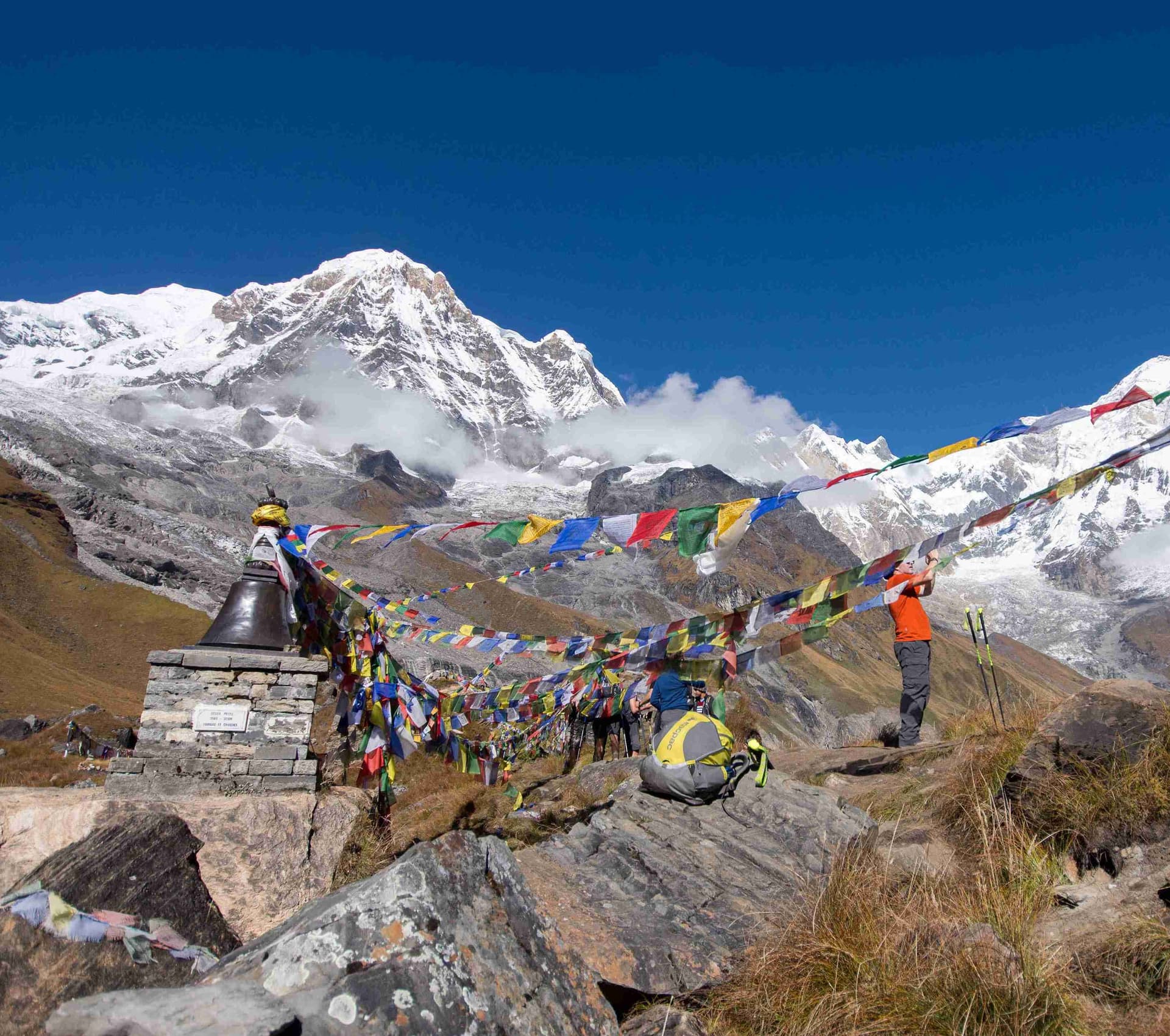
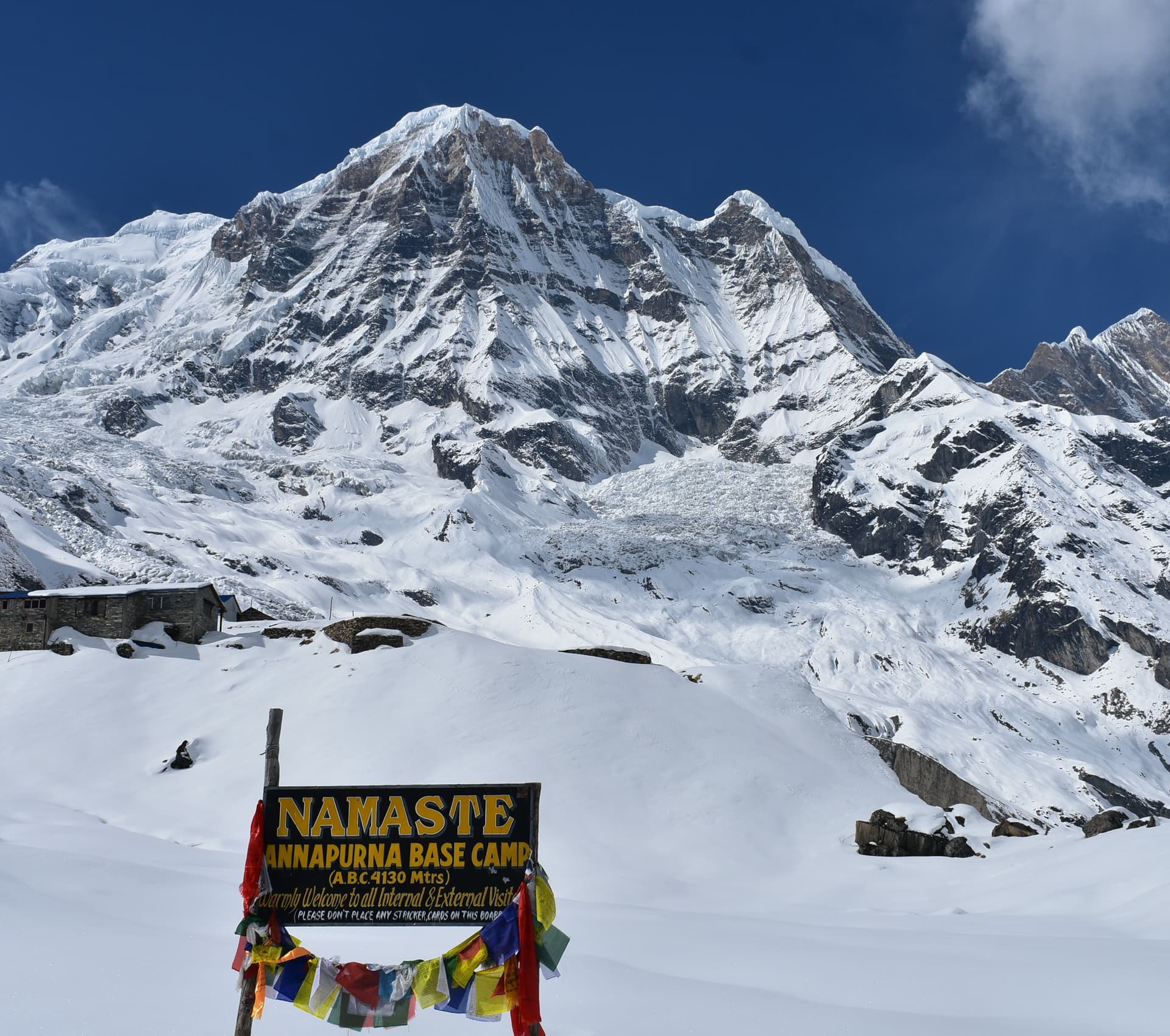
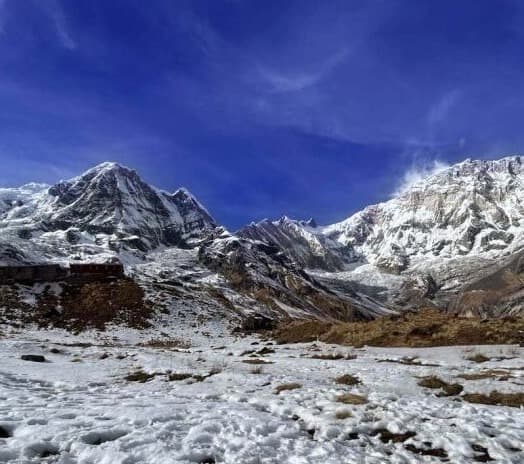
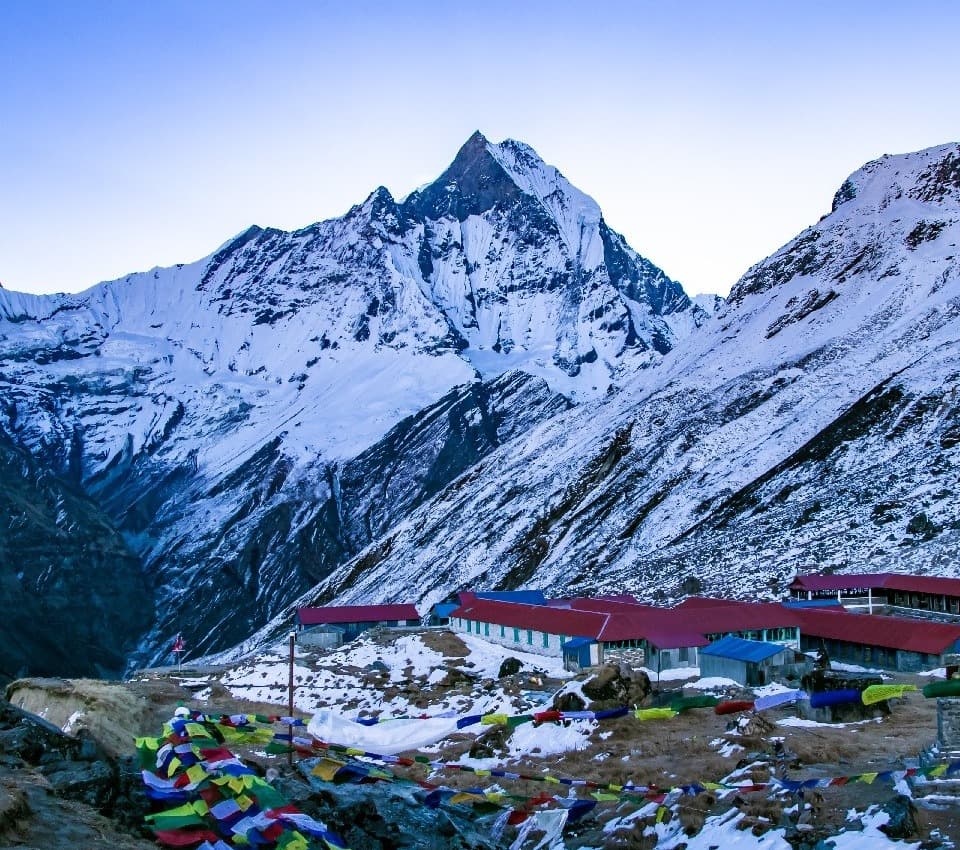
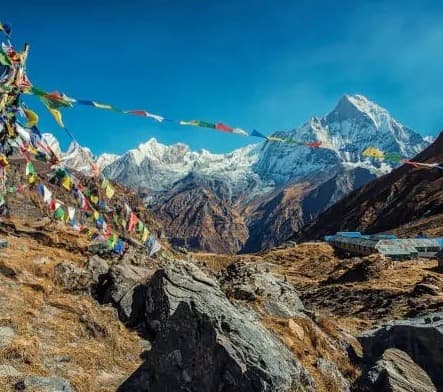
The Annapurna Base Camp Trek, commonly known as ABC Trek, is one of Nepal's most popular and iconic routes. This trek takes you deep into the heart of the Annapurna Sanctuary, a high glacial basin surrounded on all sides by towering Himalayan peaks. Standing at the base camp at 4,130 meters, you are completely encircled by giants, Annapurna I, Annapurna South, Hiunchuli, Machapuchare, and Gangapurna all rise dramatically around you. The trail passes through the beautiful Gurung village of Ghandruk, dense rhododendron forests, and the famous Modi Khola river valley. The trek is typically completed in 10 to 14 days and is suitable for trekkers with moderate fitness levels.
Ghorepani Poon Hill Trek
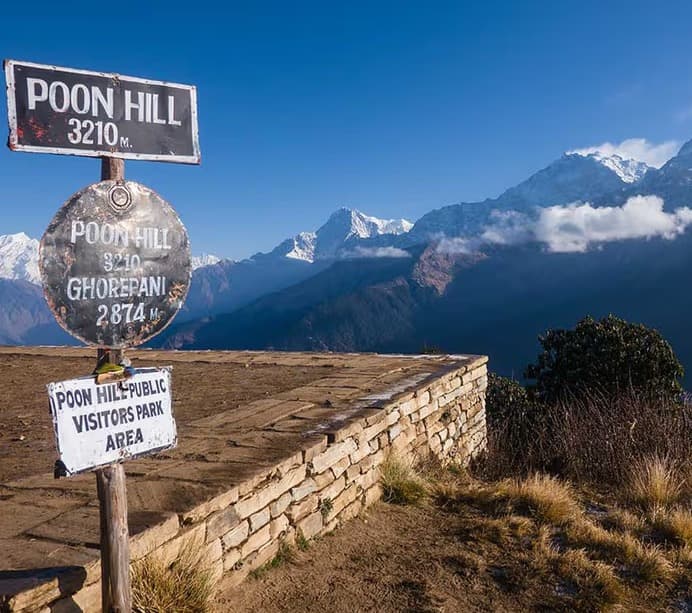
The Ghorepani Poon Hill Trek is the perfect choice for those who want to experience the magic of the Annapurna region without committing to a long expedition. This shorter route, typically completed in 4 to 7 days, is one of the most popular treks in Nepal for beginners, families, and those with limited time. The highlight is the pre-dawn hike up to Poon Hill at 3,210 meters, where you are rewarded with one of the most spectacular panoramic sunrise views in the Himalayas. On a clear morning, you can see Dhaulagiri, Annapurna South, Annapurna I, Machapuchare, Hiunchuli, and many other peaks glowing golden in the early light. The trail also passes through the charming Gurung village of Ghorepani and dense forests of rhododendron, which bloom brilliantly in pink and red during spring.
Mardi Himal Trek
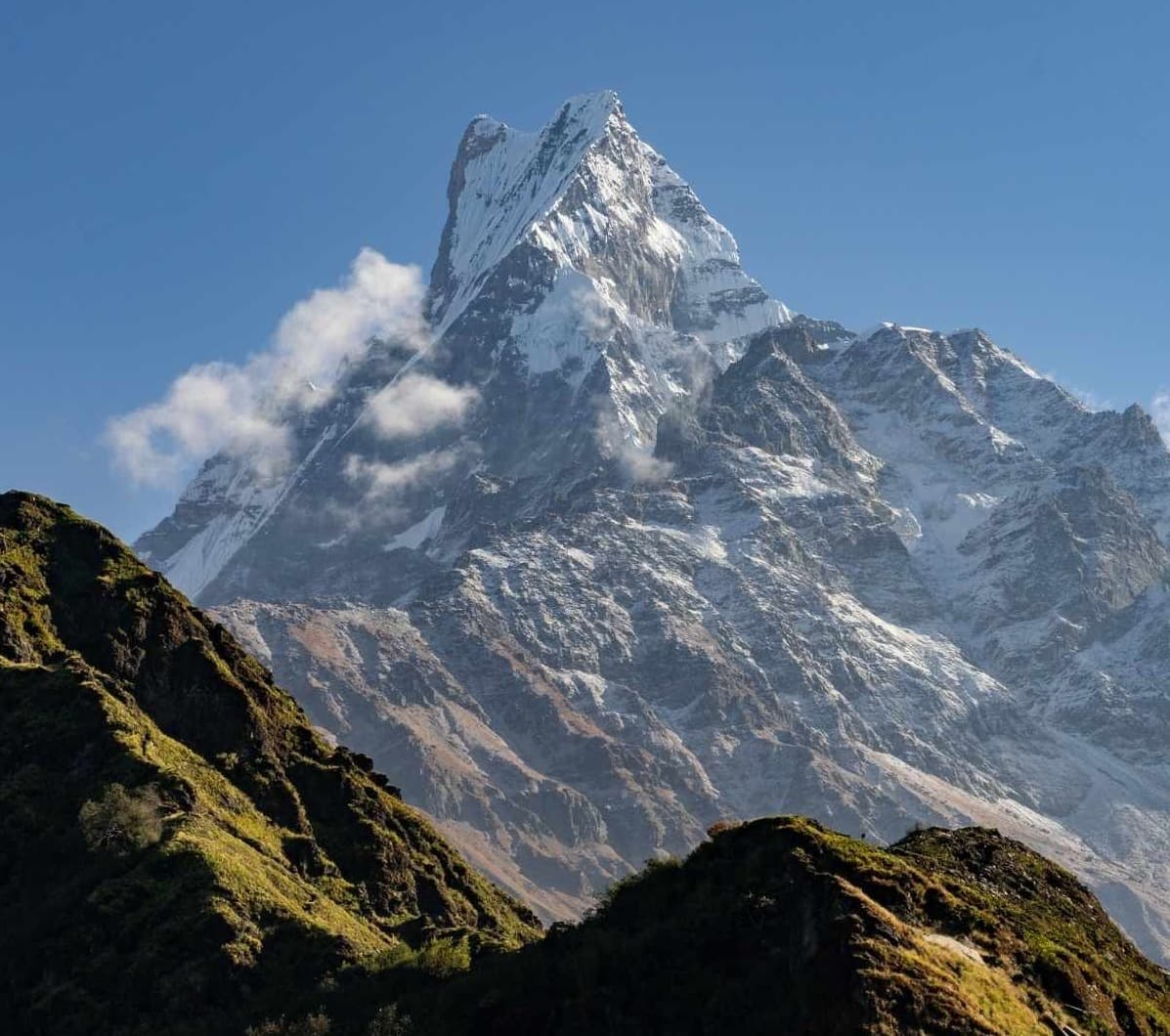
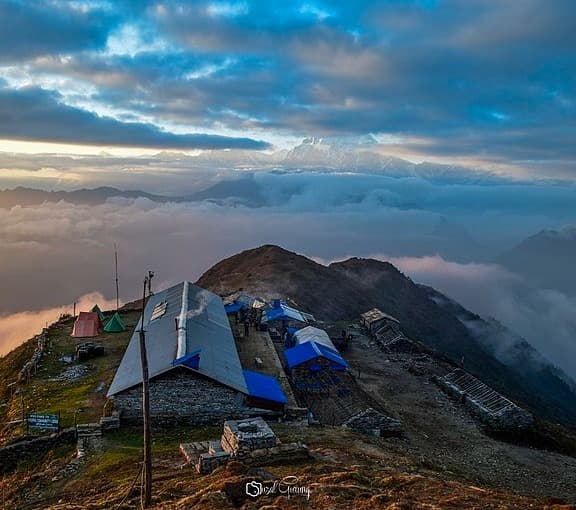
The Mardi Himal Trek is a hidden gem that has only recently started gaining the attention it deserves. This relatively new and less-crowded route takes you along a beautiful ridge trail high above the Annapurna Base Camp trail, offering stunningly close views of Machapuchare (Fishtail), Mardi Himal, and Annapurna South. The trek is unique because it follows a high ridge for much of the route, giving you unobstructed 180-degree views of the Himalayas. At the High Camp and Upper Camp, you feel remarkably close to the mountains. The trek typically takes 5 to 8 days and is suitable for moderately fit trekkers looking for something off the beaten path.
Jomsom Muktinath Trek
The Jomsom Muktinath Trek is a deeply spiritual and culturally rich journey through the lower Mustang region of Nepal. This trek follows the ancient trade route along the Kali Gandaki Gorge, the world's deepest gorge, between the Annapurna and Dhaulagiri mountain ranges. The landscape here is dramatically different from the rest of the Annapurna region, dry, wind-swept, and otherworldly, with brown cliffs, apple orchards, and flat-roofed Thakali villages. The sacred Muktinath Temple at 3,800 meters is one of the most important pilgrimage sites for both Hindus and Buddhists, drawing thousands of visitors each year. The trek takes about 7 to 10 days and can also be combined with a drive or flight for a shorter variation.
Khopra Ridge Trek
The Khopra Ridge Trek is one of the best kept secrets of the Annapurna region. This relatively new community-based trekking route takes you to a high ridge at around 3,660 meters, offering breathtaking panoramic views of Dhaulagiri, Annapurna South, Baraha Shikhar, and other major peaks. The trail passes through the authentic Magar villages of Swanta and Khopra Danda, where you can experience genuine local hospitality and culture. From Khopra Ridge, adventurous trekkers can further extend the journey to the sacred Khayer Lake at 4,620 meters. This trek is perfect for those who want a quiet, off-the-beaten-path experience away from the more crowded Annapurna trails. The typical duration is 7 to 10 days.
Tilicho Lake Trek
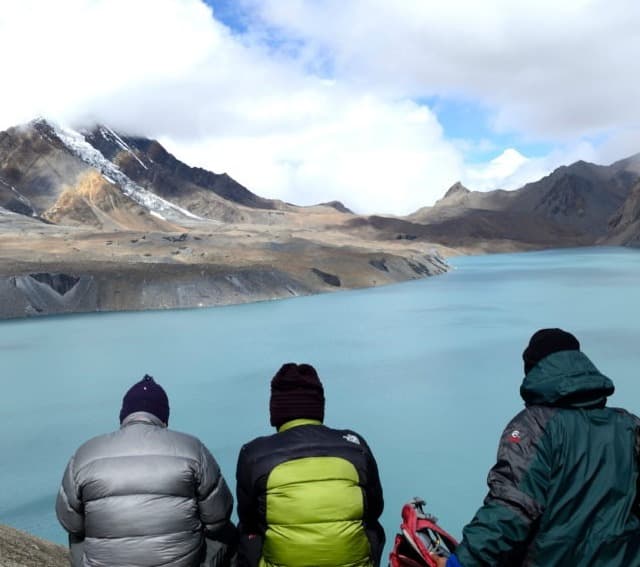
The Tilicho Lake Trek is one of the most rewarding high-altitude adventures in the Annapurna region. Tilicho Lake sits at an elevation of 4,919 meters and is considered one of the highest lakes in the world. The trek to the lake is typically done as part of the Annapurna Circuit or as an independent side trip from Manang. The trail is challenging, involving steep ascents, exposed ridges, and unpredictable mountain weather, but the view of the turquoise lake surrounded by glaciers and towering peaks is absolutely worth every step. The entire Tilicho Lake experience usually requires 2 to 4 additional days added to the Annapurna Circuit, or about 10 to 12 days as a standalone trek from Besisahar.
Nar Phu Valley Trek
The Nar Phu Valley Trek is one of the most remote and exclusive trekking experiences in all of Nepal. Located in a restricted area in the upper Annapurna region, the Nar and Phu villages are ancient Tibetan-Buddhist settlements that have remained largely untouched by modern tourism. A special restricted area permit is required to enter this valley, which helps preserve its pristine character. The landscape is raw and dramatic, deep gorges, yak pastures, crumbling chortens, and glacial rivers surrounded by high Himalayan walls. Trekkers who make the journey here are rewarded with a truly authentic and unspoiled Himalayan experience. The trek is usually combined with the Annapurna Circuit and takes around 18 to 22 days in total.
Annapurna Region Packages
Explore our carefully crafted trekking and tour packages in the Annapurna region, designed for every type of traveler, from first-time trekkers to experienced mountaineers.
(All Packages)
Mountain Peaks
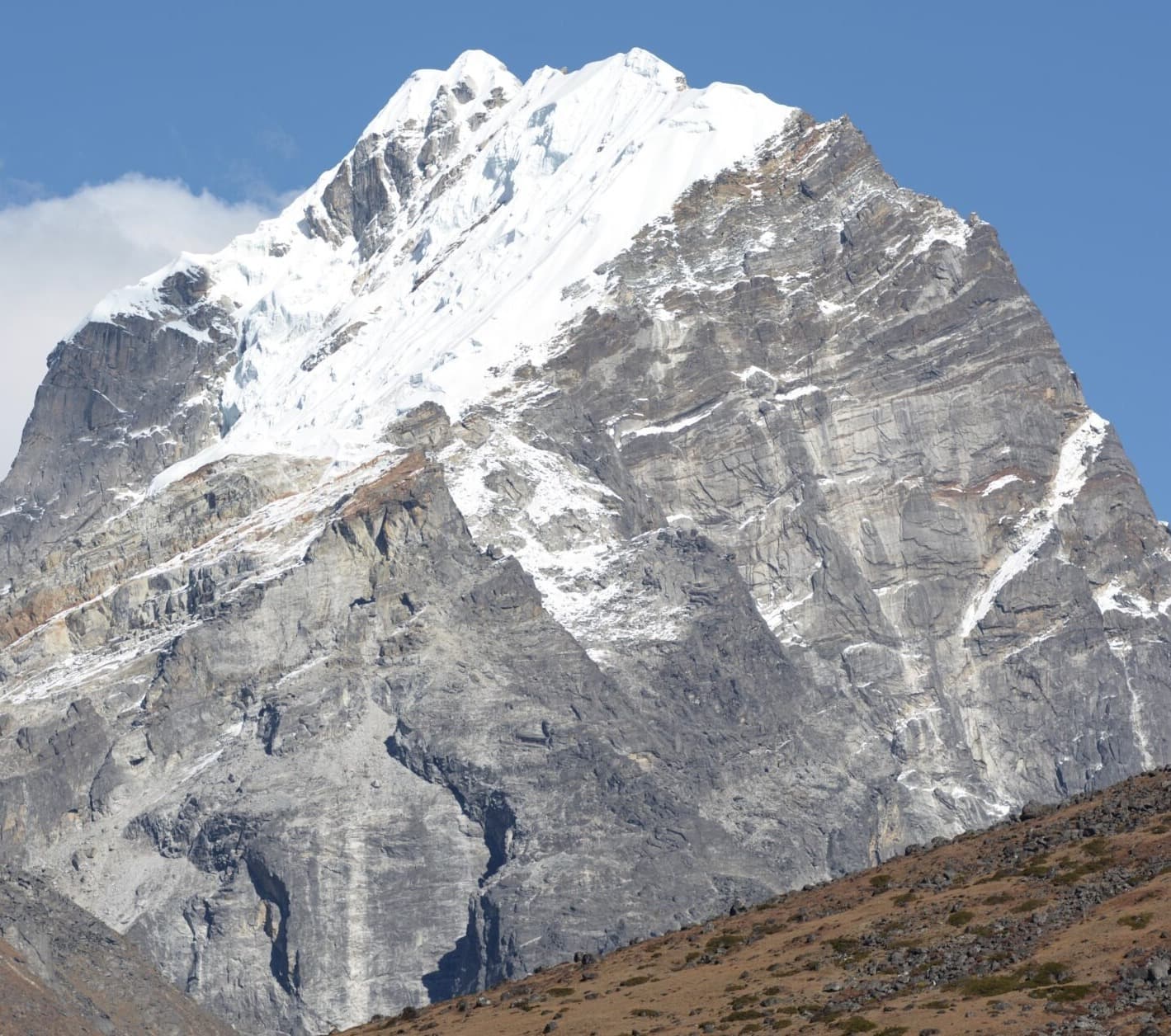
The Annapurna region is surrounded by some of the most magnificent mountain peaks on Earth. This concentration of high Himalayan giants in a relatively compact area makes it one of the most visually dramatic trekking destinations in the world. Whether you are gazing at them from a teahouse window, a high ridge, or a base camp, the peaks of the Annapurna region never fail to leave a lasting impression.
- Annapurna I (8,091m) is the tenth highest mountain in the world and the crown jewel of the region. It was the first 8,000-meter peak ever climbed, by a French expedition in 1950. Annapurna I is notorious among mountaineers for its extreme technical difficulty and high fatality rate, making it one of the most challenging peaks in the world to summit.
- Dhaulagiri (8,167m) is the seventh highest mountain in the world and dominates the western skyline of the Annapurna region. It is clearly visible from many points along the Annapurna Circuit and Poon Hill, rising above everything around it in a massive, imposing wall of ice and rock.
- Machapuchare (6,993m), known as the Fishtail Mountain, is arguably the most recognizable and beloved peak in the region. Its distinctive double-summit shape resembles a fish's tail and is visible from Pokhara, the gateway city to the Annapurna region. Machapuchare is considered sacred by the local people and has never been officially summited, it remains a holy mountain, permanently closed to climbing.
- Annapurna South (7,219m) is one of the most prominent peaks seen along the Annapurna Base Camp trail, towering above the Modi Khola valley. Its wide, sweeping south face is one of the most photographed mountain walls in Nepal.
- Gangapurna (7,455m) rises dramatically above Manang village and is a constant companion on the upper stretches of the Annapurna Circuit. The Gangapurna Glacier and its glacial lake below make for a stunning and peaceful resting spot on the trek.
- Hiunchuli (6,441m) and Annapurna III (7,555m), Annapurna II (7,937m), and Annapurna IV (7,525m) complete the great Annapurna massif, each adding their own grandeur to the skyline visible from different points along the various trekking routes.
Annapurna Region Villages, Culture & Local Life
One of the most deeply rewarding aspects of trekking in the Annapurna region is the rich and living culture you encounter along every trail. The region is home to several distinct ethnic communities, the Gurung, Magar, Thakali, and Tibetan-influenced peoples of the high valleys, each with their own language, traditions, festivals, and way of life that has been shaped over centuries by the mountains around them.
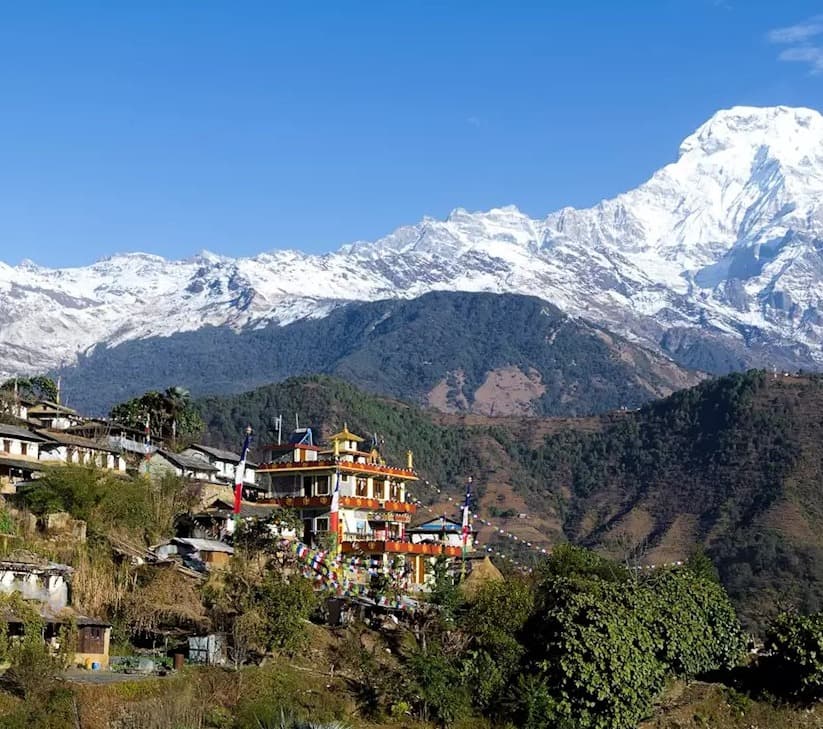
- The Gurung Community is the most prominent ethnic group in the middle hills of the Annapurna region, with their ancestral heartland centered around villages like Ghandruk, Chomrong, and Siklis. The Gurung people are known for their warm hospitality, colorful traditional dress, and rich oral traditions. Their unique festival, Tamu Lhosar (Gurung New Year), is celebrated with great energy and is a wonderful time to visit if you are lucky enough to be in the region. Many Gurung men have a long tradition of military service in the British and Indian Gurkha regiments, and this history is a source of great community pride.
- The Magar Community occupies many of the lower and mid-altitude villages in the Annapurna region, particularly in areas like Khopra and the Myagdi district. The Magars are one of the oldest indigenous peoples of Nepal, with a distinct animist-Buddhist spiritual tradition alongside Hinduism. Their villages are known for their traditional stone houses, terraced agriculture, and close-knit community bonds.
- The Thakali Community is found primarily in the Kali Gandaki Valley and Jomsom area. Historically famous as traders along the ancient salt trade route between Nepal and Tibet, the Thakali people are now well known for running some of the best teahouses and restaurants along the trekking routes. Thakali cuisine, particularly the iconic dal bhat with multiple side dishes, is considered among the finest in Nepal.
- Traditional Teahouse Culture is central to the entire trekking experience in the Annapurna region. Unlike many other trekking destinations in the world, the Annapurna trails are lined with family-run teahouses where trekkers can find a warm bed, a hot meal, and genuine human connection at the end of each day. Sharing a meal of dal bhat, vegetable curry, and hot ginger tea with your hosts and fellow trekkers is an experience that many visitors describe as the true heart of the Annapurna journey.
- Villages Worth Visiting along the various trekking routes include Ghandruk, a beautifully preserved Gurung village with traditional slate-roofed stone houses and stunning mountain views; Manang, the last major village before the Thorong La Pass with a fascinating mix of Tibetan Buddhist culture; Kagbeni, a medieval walled village at the entrance to Upper Mustang with ancient monasteries and dramatic red cliffs; Braga, home to one of the oldest monasteries in the Annapurna region; and Marpha, famous for its apple orchards, apple brandy, and spotless whitewashed alleyways.
- Religion and Spirituality are woven into every aspect of life in the Annapurna region. Buddhist monasteries, Hindu temples, prayer wheels, mani walls, and colorful prayer flags are visible at every turn along the trails. The sacred Muktinath Temple in the Mustang district is one of the most important pilgrimage sites in South Asia, attracting both Hindu and Buddhist devotees from across Nepal, India, and Tibet. Trekking through this region gives you a rare and genuine window into a living spiritual culture that continues to thrive in the shadow of the world's greatest mountains.