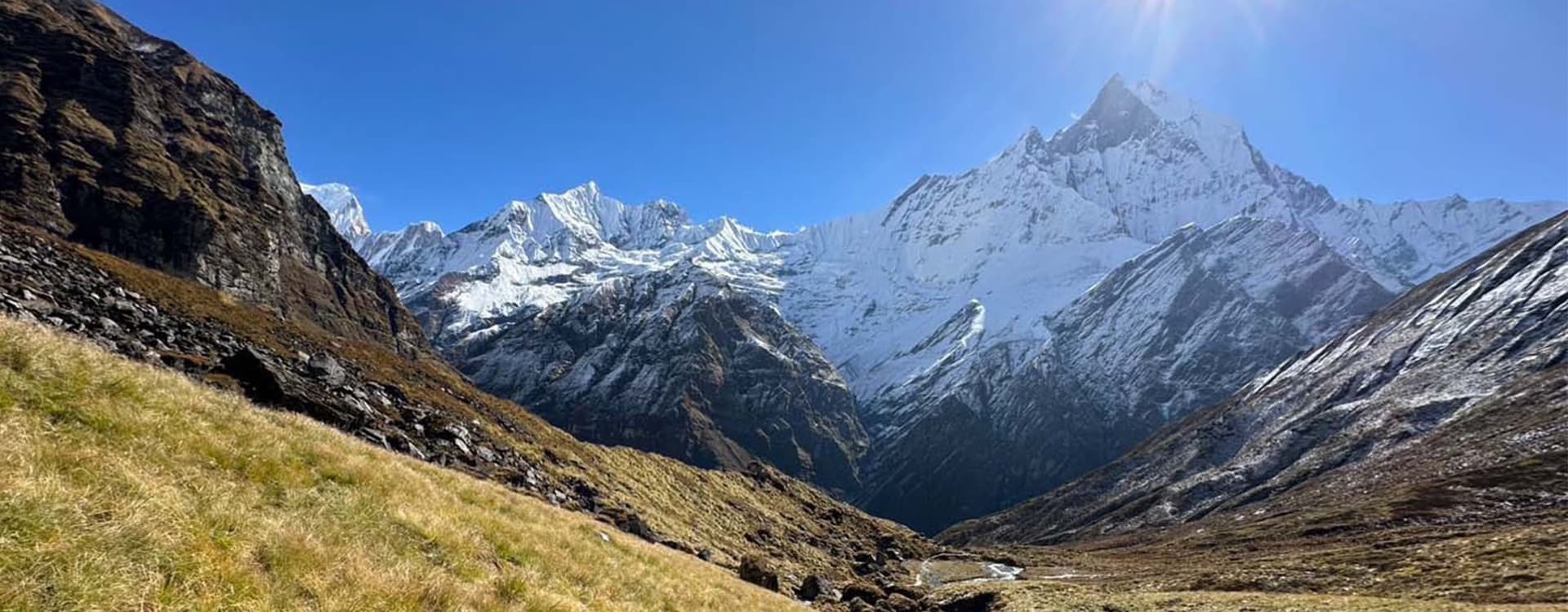
The Annapurna Royal Trek is a short, gentle trekking route in the Annapurna region that perfectly combines cultural immersion with stunning Himalayan views. Named after Prince Charles of Britain, who completed this route in 1980, the Royal Trek offers an accessible introduction to Nepal trekking without the extreme altitude or physical demands of longer Himalayan treks. The trail winds through traditional Gurung villages, terraced farmlands, and lush forests at relatively low altitudes (822-2,165 meters), making it ideal for families, beginners, seniors, and anyone with limited time. Despite being one of Nepal's easier treks, the Royal Trek delivers spectacular panoramas of Annapurna, Dhaulagiri, Machapuchare, and Manaslu ranges. The route remains pleasantly uncrowded compared to popular trails like Annapurna Base Camp or Poon Hill, offering authentic village experiences and genuine hospitality.
Annapurna Royal Trek Duration and Itinerary
The standard Annapurna Royal Trek takes 6-9 days of actual trekking, with most trekkers choosing a 9-day itinerary for optimal pacing and cultural experiences. A typical Royal Trek itinerary begins with a scenic drive from Pokhara to the starting point at Kalikasthan or Bijayapur Khola (approximately 1.5-2 hours). Day 1 involves trekking to Syaklung village (1,730 m) through terraced fields and forests, taking approximately 2 hours. Day 2 continues to Chisapani (2,165 m) via Kalikasthan, offering spectacular mountain views and passing through beautiful Gurung settlements (4-5 hours). Day 3 descends to the Begnas Lake area through more villages and farmlands (3-4 hours). Day 4 typically includes a morning lakeside walk followed by a drive back to Pokhara. The gentle daily trekking hours (3-5 hours) allow plenty of time for photography, cultural interactions, village exploration, and relaxed meals. When planning your complete trip, add travel days between Kathmandu and Pokhara (25-minute flight or 5-6 hour tourist bus), plus at least one day in Pokhara before trekking for permit arrangements and preparation.
Best Season for Annapurna Royal Trek
The Annapurna Royal Trek can be undertaken year-round, but certain seasons offer optimal conditions. Autumn (September to November) is peak season, providing crystal-clear mountain visibility with minimal haze, comfortable daytime temperatures of 15-22°C, dry weather with virtually no rain, stable conditions perfect for photography, and a festive atmosphere with Dashain and Tihar celebrations. Spring (March to May) is equally excellent, featuring blooming rhododendron forests creating stunning displays of red, pink, and white flowers, pleasant temperatures, though slightly warmer than autumn, good mountain visibility especially in mornings, green landscapes awakening after winter, and comfortable trekking conditions. Winter (December to February) offers advantages like fewer trekkers on the trail, excellent mountain clarity, lower accommodation costs, and no concerns about rain or leeches, though mornings and evenings can be cold (5-10°C), requiring warmer layers. Summer monsoon (June to August) is the quietest season with lush green landscapes and dramatic cloud formations, but it brings afternoon rains, occasional leeches in forested sections, reduced mountain visibility, and muddy trails, making it less ideal though still feasible for adventurous trekkers who don't mind rain.
Altitude and Acclimatisation Considerations
One of the significant advantages of the Annapurna Royal Trek is its low altitude profile, making it exceptionally safe regarding altitude-related concerns. The trek's highest point is Chisapani at approximately 2,165 meters (5,675 feet), which is well below the altitude where Acute Mountain Sickness (AMS) typically becomes a concern (generally above 3,000 meters). This low-altitude route means no acclimatisation days are necessary, no risk of altitude sickness for healthy trekkers, comfortable oxygen levels throughout the trek, warmer temperatures even at the highest points, and suitability for people with mild respiratory conditions who cannot trek at high altitudes. The gentle ascent and descent profile makes the Royal Trek accessible to virtually anyone with basic fitness, including children, seniors, and those new to trekking. However, basic physical preparation is still beneficial as you'll be walking 2-6 hours daily on ascending and descending trails. The low altitude also means better sleep quality, easier breathing during physical exertion, and faster recovery after each day's trekking compared to high-altitude routes.
Physical Fitness and Training Requirements
The Annapurna Royal Trek requires minimal physical preparation compared to more challenging Himalayan treks, but basic fitness enhances your enjoyment and comfort. The trek is suitable for beginners and those with moderate fitness levels who can walk continuously for 2-6 hours daily, handle gentle uphill and downhill sections without technical difficulty, carry a light daypack (5-8 kg) with water, snacks, and personal items, and adapt to basic accommodation and simple facilities. Recommended preparation includes 2-4 weeks of regular walking or hiking before your trek, building up to 2-3 hour walks on consecutive days, incorporating some uphill walking or stair climbing to strengthen legs, and practising with a loaded daypack to test comfort. Cardiovascular activities like swimming, cycling, or jogging improve overall stamina. Yoga or stretching exercises increase flexibility and reduce injury risk. However, the Royal Trek's gentle nature means even those with modest fitness can succeed. Many trekkers complete the Royal Trek without specific training, though preparation makes the experience more comfortable and enjoyable. Children as young as 6-7 years regularly complete this trek, as do active seniors in their 60s and 70s.
Permits and Documentation for Royal Trek
The Annapurna Royal Trek requires two permits: the Annapurna Conservation Area Permit (ACAP) and the Trekkers' Information Management System (TIMS) card. The ACAP costs NPR 3,000 for foreign nationals (NPR 1,000 for SAARC nationals) and supports conservation efforts in the Annapurna region, including trail maintenance, waste management, and community development. The TIMS card costs NPR 2,000 for independent trekkers or NPR 1,000 when trekking through a registered agency, and helps track trekker movements for safety and rescue coordination. Both permits can be obtained in Kathmandu at the Nepal Tourism Board office in Pradarshani Marg or in Pokhara at the Tourist Service Centre near Damside or the ACAP counter. Required documents include your original passport with at least six months validity remaining, two recent passport-sized photographs, and completed application forms. Processing typically takes 15-30 minutes if you visit the offices directly. Alternatively, reputable trekking agencies like Nepal Intrepid Treks handle all permit arrangements on your behalf, saving time and ensuring proper documentation. Bring photocopies of your passport and visa page as backups. Keep permits accessible in waterproof pouches as they're checked at conservation area entry points.
Accommodation Options on Royal Trek
The Annapurna Royal Trek offers two primary accommodation styles: traditional teahouses and authentic homestays, both providing comfortable rest after daily trekking. Teahouses along the Royal Trek are family-run guesthouses offering private or shared rooms with twin beds, foam mattresses, pillows, and blankets or quilts. Rooms are simple but clean with basic furnishings. Unlike high-altitude treks, Royal Trek teahouses benefit from lower elevations, meaning warmer temperatures, more comfortable mattresses, better-maintained facilities, cleaner shared bathrooms with both squat and western-style toilets, and more reliable hot water availability (usually for a small fee of NPR 100-200). Common dining areas with seating allow trekkers to socialise, enjoy meals, and warm up. Homestays provide authentic cultural immersion by staying with local Gurung families in their traditional homes. You'll sleep in simple guest rooms, share meals prepared by your host family in traditional kitchens, observe daily village life firsthand, and enjoy genuine Nepali hospitality. Homestays offer unique insights into local culture, customs, and lifestyle unavailable in standard teahouses. Both accommodation types charge minimal rates (NPR 200-500 per night), with the expectation that trekkers purchase meals at the lodge. Advance booking isn't necessary except during the peak October-November season, when calling ahead through your guide is advisable.
Food and Dining on Annapurna Royal Trek
Food on the Annapurna Royal Trek is varied, fresh, and more diverse than higher-altitude treks due to easier access from Pokhara and lower transportation costs. Teahouse menus typically offer 15-25 dishes including dal bhat (unlimited servings of rice, lentil soup, vegetable curry, and pickle - the most economical and nutritious option at NPR 500-800), noodle dishes including thukpa (soup), chow mein (fried), and wai-wai (instant), momos (dumplings) with vegetable, cheese, or meat fillings, fried rice with vegetables, eggs, or chicken, pasta dishes with various sauces, Tibetan bread, chapati, and toast with jam or honey, porridge, muesli, and pancakes for breakfast, potato preparations including chips, hash browns, and curries, fresh vegetables more readily available than at high altitudes, eggs prepared boiled, fried, scrambled, or as omelets, seasonal fruits when available, and hot beverages including masala tea, black tea, coffee, hot chocolate, and lemon tea. Homestay meals feature authentic Gurung cuisine with home-cooked dal bhat, local vegetables and greens, sel roti (traditional rice donuts), gundruk (fermented leafy greens), and homemade pickles. Vegetarian food is standard and excellent throughout Nepal. Portions are generally sufficient, and most dishes are prepared fresh to order. Water should never be drunk directly from taps - purchase bottled water (NPR 50-150) or treat water with purification tablets or filters. Meal costs range from NPR 300-600 per dish, with total daily food expenses around NPR 1,500-2,500 depending on appetite and choices.
Guide and Porter Services
While the Annapurna Royal Trek can be completed independently, hiring a guide significantly enhances the experience through expert trail navigation preventing wrong turns, cultural interpretation and language translation in villages, knowledge about local customs, traditions, and village history, identification of plants, birds, and mountain peaks, flexibility to adjust itineraries based on your interests and pace, assistance with accommodation arrangements and menu translations, companionship and conversation during trekking days, safety support in case of injury or emergencies, and connections with local communities for authentic interactions. Licensed guides for the Royal Trek cost approximately USD 25-30 per day, including their food, accommodation, and insurance. Guides typically speak English and possess first aid training. Porters are optional on the Royal Trek, given the short duration and gentle terrain, but they provide significant comfort by carrying main luggage (up to 20-25 kg for two people) while you carry only a light daypack, reducing physical strain and fatigue, allowing you to trek with better posture and balance, and letting you focus on scenery and photography. Porters cost approximately USD 20-25 per day. When hiring independently, ensure proper wages, equipment, insurance coverage, and rest days. Reputable agencies like Nepal Intrepid Treks provide experienced, well-treated guides and porters who are properly equipped, insured, and paid fair wages, ensuring ethical tourism practices while enhancing your trekking experience.
Transportation and Access
The Annapurna Royal Trek begins with travel from Kathmandu to Pokhara, Nepal's second-largest city and gateway to the Annapurna region. Options include tourist buses (5-6 hours, NPR 700-1,500) offering comfortable seating and stops at scenic viewpoints, local buses (cheaper but more crowded and slower), private vehicles (more expensive but flexible timing and comfort), and domestic flights (25-30 minutes, USD 100-150) offering spectacular mountain views and time savings. Most trekkers arrive in Pokhara the day before starting the Royal Trek to arrange permits, purchase supplies, rest, and enjoy the lakeside atmosphere. From Pokhara, a 1.5-2 hour drive in a private jeep or taxi (arranged through your trekking agency or independently) takes you to the Royal Trek starting point at Kalikasthan, Bijayapur Khola, or Sundara Danda, depending on your itinerary. The road winds through beautiful countryside with terraced fields and mountain views. At trek's end near Begnas Lake, a 30-45 minute drive returns you to Pokhara. Some itineraries end at different points, like Sundara Danda or directly at Begnas Lake. Transportation from Pokhara to the trailheads and back typically costs NPR 3,000-6,000, depending on vehicle type and group size. Most trekking packages include all transportation, eliminating the need to arrange vehicles independently.
Weather and Temperature Patterns
Weather on the Annapurna Royal Trek varies by season and time of day, but the low altitude ensures milder conditions than high-elevation treks. Autumn (September-November) offers daytime temperatures of 15-22°C at trekking elevations, nighttime temperatures of 5-12°C requiring light warm layers, clear skies with excellent visibility, minimal rainfall, and comfortable trekking conditions throughout the day. Spring (March-May) provides daytime temperatures of 18-25°C becoming quite warm by mid-spring, nighttime temperatures of 8-15°C remaining comfortable, occasional afternoon clouds but generally clear mornings, and blooming flowers creating colorful landscapes. Winter (December-February) brings daytime temperatures of 10-18°C with pleasant sunny conditions, nighttime temperatures of 2-8°C requiring warmer sleeping arrangements, possible morning fog that clears by mid-morning, and crisp, clear air with excellent mountain views. Summer monsoon (June-August) sees daytime temperatures of 20-28°C with high humidity, frequent afternoon rains requiring waterproof gear, morning visibility often good before clouds build, and lush green landscapes. The Royal Trek's relatively low altitude means warmer overall temperatures than higher-elevation routes, no extreme cold even in winter, comfortable trekking conditions year-round, and less dramatic temperature swings between day and night. Weather can change quickly in mountain regions, so layered clothing allows adaptation to varying conditions throughout each day.
Mobile Network and Communication
Mobile network coverage on the Annapurna Royal Trek is surprisingly good throughout most of the route due to the proximity to Pokhara and inhabited villages. Ncell provides the most reliable coverage on the Royal Trek with signals available in most villages, including Syaklung, Chisapani, and Kalikasthan, occasional dead zones in forested sections between villages, and generally adequate signal strength for calls and basic internet. Nepal Telecom (NTC) also offers coverage, though slightly less consistent than Ncell, with good signals in main villages and weaker coverage in remote sections. Purchase prepaid SIM cards in Kathmandu or Pokhara at official telecom offices or authorised retailers, bringing your passport and one passport-sized photo for registration. Tourist SIM packages cost NPR 500-1,000 and include initial data and call credit. Data packages are affordable (NPR 100-500 for 1-5 GB) and sufficient for staying connected. WiFi is available at most teahouses and lodges on the Royal Trek for free or a small fee (NPR 100-300 per day), though connection speeds vary from adequate for messaging to frustratingly slow for video calls or large file uploads. Shared bandwidth means speeds decrease when many guests connect simultaneously. Battery charging is available at lodges for NPR 100-200 per device, though bringing power banks ensures independence from electricity availability. Consider the Royal Trek a chance to partially disconnect while maintaining emergency communication capability.
Money and Budgeting
The Annapurna Royal Trek is one of Nepal's most budget-friendly treks, accessible to travellers with various financial resources. Daily costs for independent trekking average USD 25-35, including accommodation (NPR 200-500 per night), three meals (NPR 1,500-2,500 total), hot showers and charging (NPR 200-400), snacks and beverages (NPR 300-500), and miscellaneous expenses. Guided Royal Trek packages with agencies like Nepal Intrepid Treks cost USD 300-600 for 3-5 days, including experienced guide services, all meals during trekking, teahouse or homestay accommodation, permits and paperwork, transportation to/from Pokhara, and pre-trek support. Additional budget considerations include tips for guides (USD 5-10 per day) and porters (USD 3-5 per day), travel insurance with trekking coverage (USD 50-150 for trip duration), accommodation in Pokhara before and after (USD 15-50 per night), meals in Pokhara (USD 5-15 per meal), and souvenirs or personal purchases. Bring sufficient Nepali Rupees in cash as ATMs aren't available along the Royal Trek route itself, though Pokhara has numerous ATMs accepting international cards. Villages along the trek accept only cash - no credit cards or digital payments. Exchange money in Kathmandu or Pokhara at banks or authorised exchange counters for better rates than airports. Budget extra for unforeseen expenses, medical needs, or itinerary changes.
Safety and Health Considerations
The Annapurna Royal Trek is exceptionally safe regarding altitude-related health risks, but standard trekking precautions apply. Health and safety considerations include no altitude sickness risk due to low maximum elevation (6,165 m), basic fitness adequate for daily 3-5 hour walks, attention to hydration drinking 2-3 liters of treated water daily, sun protection with high SPF sunscreen, hats, and sunglasses even on cloudy days, food hygiene choosing freshly cooked hot meals and avoiding raw vegetables, hand washing or sanitizing before meals, proper footwear to prevent blisters and ankle injuries on uneven trails, and awareness of livestock including mules, cows, and buffalo on narrow trails. Carry a basic first aid kit with bandages, antiseptics, pain relievers, anti-diarrheal medication, blister treatment, and personal prescriptions. While medical facilities exist in Pokhara, only basic health posts serve villages along the Royal Trek. For serious issues, evacuation to Pokhara is necessary (1-3 hours by vehicle, depending on location). Travel insurance with medical coverage and evacuation provisions is mandatory even for this low-altitude trek. Common minor issues include upset stomach from dietary changes, blisters from new boots or long walking days, mild dehydration from inadequate water intake, and fatigue from unaccustomed exercise. Prevention through proper preparation, pacing, and self-care minimises these concerns. The Royal Trek's established route, inhabited villages, and proximity to Pokhara make it one of Nepal's safest trekking options.
Environmental and Cultural Responsibility
Trekking responsibly on the Annapurna Royal Trek helps preserve the natural environment and supports local communities. Environmental practices include carrying out all non-biodegradable waste especially plastic wrappers and bottles, using refillable water bottles with purification rather than buying plastic bottles, staying on established trails to prevent erosion, respecting wildlife by observing from distance without feeding or disturbing, using designated toilets and not contaminating water sources, minimizing hot water usage that requires firewood, supporting eco-conscious lodges using solar power when possible, and declining single-use plastics offered at teahouses. Cultural sensitivity practices include dressing modestly with covered shoulders and knees especially when visiting homes and religious sites, asking permission before photographing people, removing shoes when entering homes and temples, walking clockwise around Buddhist stupas and mani walls, not touching religious objects without permission, respecting local customs during festivals or ceremonies, learning basic Nepali greetings like "Namaste" and "Dhanyabad," purchasing local products supporting village economies, and engaging respectfully with community members. The Royal Trek passes through working agricultural villages where residents balance traditional lifestyles with tourism income. Your respectful behavior, cultural curiosity, and environmental consciousness contribute positively to both the communities you visit and the landscapes you enjoy.
What Makes Royal Trek Special
The Annapurna Royal Trek offers unique advantages, making it an exceptional choice for certain travellers. Key distinguishing features include accessibility for all fitness levels and ages from children to seniors, spectacular Himalayan views without high-altitude challenges, authentic cultural experiences in traditional Gurung villages, peaceful trails with fewer trekkers than popular routes, flexibility for short vacation schedules (3-5 days), homestay opportunities providing genuine cultural immersion, diverse landscapes from forests to farmlands to mountain vistas, year-round feasibility with comfortable conditions even in winter, combination possibilities with Pokhara sightseeing and activities, and affordable costs compared to longer Himalayan treks. The Royal Trek proves that remarkable mountain experiences don't require extreme altitude or physical hardship. The combination of stunning Annapurna panoramas, warm village hospitality, comfortable trekking conditions, and cultural authenticity creates an ideal introduction to Nepal trekking or a perfect option for those seeking beauty and culture without extreme challenges. Whether you're a family with young children, active seniors wanting Himalayan views without altitude concerns, time-limited travellers desiring quality over quantity, or anyone seeking an authentic, comfortable mountain experience, the Royal Trek delivers exceptional value and unforgettable memories.
Complete Packing List for Annapurna Royal Trek
Clothing and Footwear
Footwear (Essential)
- Comfortable broken-in trekking boots or sturdy hiking shoes with good ankle support and grip
- Lightweight camp shoes or sandals for evenings in lodges
- 3-4 pairs of moisture-wicking trekking socks (wool or synthetic blends)
- 1 pair of warmer socks for cold evenings
Base Layers
- 2-3 moisture-wicking t-shirts or short-sleeve shirts (quick-dry synthetic or merino wool)
- 2 long-sleeve shirts for sun protection and cooler mornings
- 1-2 pairs of trekking pants (convertible zip-off pants ideal for temperature changes)
- 1 pair of shorts for warmer days
- Thermal underwear top and bottom for winter trekking (December-February)
- 3-4 pairs of underwear (quick-dry material)
- 2 sports bras or regular bras
Mid Layers
- 1 fleece jacket or warm pullover for evenings and early mornings
- 1 lightweight down jacket or insulated vest (more important in winter months)
Outer Layers
- 1 waterproof and windproof jacket (essential for rain protection)
- 1 waterproof pants or rain pants (especially important during spring and monsoon)
Accessories
- Sun hat or cap with brim for daytime sun protection
- Warm beanie or wool hat for cold mornings and evenings
- Lightweight gloves or liner gloves (warmer gloves for winter)
- Neck gaiter or buff (versatile for sun, wind, and dust protection)
- Sunglasses with UV protection (Category 3 or 4 for mountain glare)
Backpack and Bags
Daypacks and Luggage
- Daypack (20-30 liters) for carrying daily essentials during trekking
- Rain cover for daypack or pack liner to keep contents dry
- Main duffel bag or backpack (60-70 liters) for porters to carry if hiring support
- Several dry bags or ziplock bags for organizing and waterproofing contents
- Small shoulder bag or money belt for valuables and documents
Trekking Equipment
Essential Gear
- Trekking poles (optional but helpful for knee support on descents)
- Headlamp or flashlight with extra batteries (for early starts and evening use)
- Water bottles (2 x 1 liter) or hydration bladder system
- Water purification tablets, filter, or UV sterilizer (essential for safe drinking water)
- Lightweight sleeping bag liner for added warmth and hygiene (full sleeping bag optional as lodges provide blankets)
Personal Care and Hygiene
Toiletries
- Biodegradable soap and shampoo (small travel sizes)
- Toothbrush and toothpaste
- Quick-dry towel or microfiber towel
- Toilet paper and tissues (not always available at basic facilities)
- Hand sanitiser or antibacterial gel (essential for hygiene)
- Wet wipes or cleansing cloths
- Personal feminine hygiene products
- Sunscreen (SPF 50+ recommended for mountain sun)
- Lip balm with SPF protection
- Moisturiser for dry mountain air
- Deodorant (optional - stick type recommended)
First Aid and Medications
Medical Supplies
- Personal prescription medications with extra supply
- Pain relievers (ibuprofen, paracetamol)
- Anti-diarrheal medication (Imodium)
- Antibiotics for stomach issues (consult doctor)
- Antihistamines for allergies
- Rehydration salts (oral rehydration solution)
- Band-aids and blister treatment (Compeed or moleskin)
- Antiseptic cream or ointment
- Adhesive tape and gauze
- Tweezers and safety pins
- Thermometer
- Anti-nausea medication
- Throat lozenges
- Insect repellent (especially for lower elevations and monsoon season)
- Anti-itch cream for insect bites
Technology and Documents
Electronics
- Camera with extra batteries and memory cards
- Smartphone with downloaded offline maps (Maps.me or similar)
- Power bank (10,000-20,000 mAh capacity for multiple device charges)
- Universal charging cables and adapters
- Nepal electrical adapter (Type C, D, and M plugs)
- E-reader or book for evening entertainment (optional)
Important Documents
- Passport (with at least 6 months' validity)
- Photocopies of passport and visa pages
- Passport-sized photos (4-6 for permits and emergencies)
- Travel insurance documents with emergency contact numbers
- Trekking permits (ACAP and TIMS)
- Credit cards and debit cards
- Cash in Nepali Rupees (sufficient for trek duration)
- Emergency contact information
Food and Snacks
Trail Nutrition
- Energy bars or granola bars (supplement meals and quick energy)
- Trail mix with nuts and dried fruits
- Chocolate bars (morale boosters during trekking)
- Electrolyte powder or tablets for hydration
- Personal favourite snacks from home
- Instant coffee or tea bags if you have preferences
Miscellaneous Items
Additional Useful Items
- Notebook and pen for journaling or notes
- Playing cards or compact games for evening entertainment
- Small padlock for securing room and bags
- Earplugs for noisy lodge environments
- Eye mask for better sleep
- Stuff sacks for organizing gear in your pack
- Sewing kit for emergency repairs
- Duct tape (wrapped around trekking pole for space saving)
- Lightweight carabiner clips for hanging items
- Whistle for emergency signaling
- Garbage bags for waterproofing and waste management
- Small gifts or treats for local children (pens, notebooks, or small toys)
Optional Luxury Items
Comfort Enhancements
- Lightweight inflatable pillow for better sleep
- Kindle or e-reader loaded with books
- Travel-size games or cards
- Personal luxury snacks or treats
- Favorite tea or coffee
- Small binoculars for bird watching and distant mountain views
- Trekking umbrella (useful for sun and rain)
Packing Tips and Strategy
Smart Packing Advice
- Pack light - you'll appreciate less weight during trekking
- Use compression bags to maximise space
- Layer items in your pack with heavy items close to your back
- Keep frequently needed items easily accessible in a daypack
- Waterproof everything using dry bags or plastic bags
- Wear your heaviest items (boots, jacket) during travel to save pack weight
- Bring versatile clothing items that layer and serve multiple purposes
- Test all gear before departure to ensure functionality
- Remember that basic supplies are available in Pokhara if you forget items
- Consider that lodges provide blankets, so heavy sleeping bags are unnecessary
- Pack a small day bag separate from your main luggage for flexibility
What NOT to Pack
Items to Leave Home
- Excessive clothing (you can wash items or wear them multiple times)
- Heavy books (use e-reader or audiobooks)
- Expensive jewellery or valuables
- Hair dryer or styling tools (electricity is limited)
- Full-size toiletries (bring travel sizes and refill)
- Cotton clothing (dries slowly and provides poor insulation)
- Brand new boots (recipe for blisters)
- More than 2-3 pairs of shoes
- Expensive or unnecessary electronics
- Glass containers (risk of breaking)
The Annapurna Royal Trek's moderate conditions and short duration mean you can pack lighter than for high-altitude treks. Focus on essentials, quality over quantity, and versatile items that serve multiple purposes. When in doubt, pack less - you'll be more comfortable with a lighter load, and basic supplies are available in Pokhara if needed.
.webp&w=1920&q=75)
.webp&w=1920&q=75)
.webp&w=1920&q=75)
.webp&w=1920&q=75)