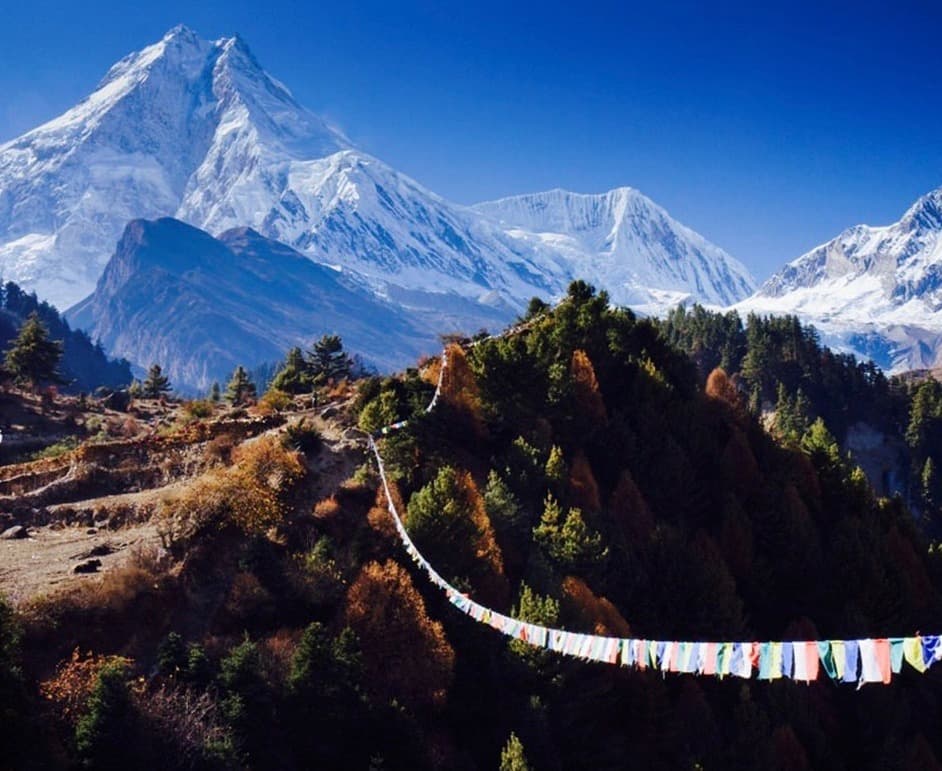
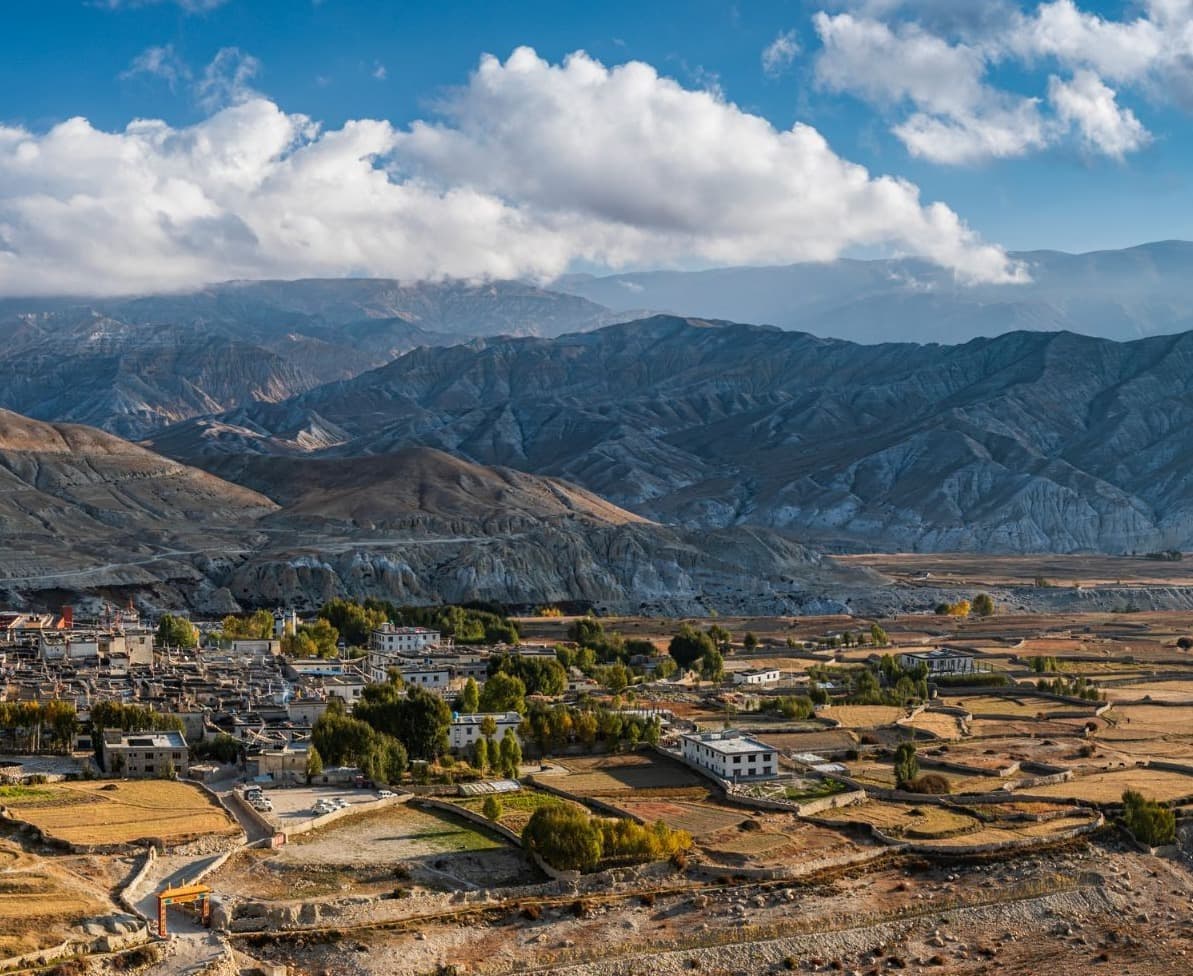
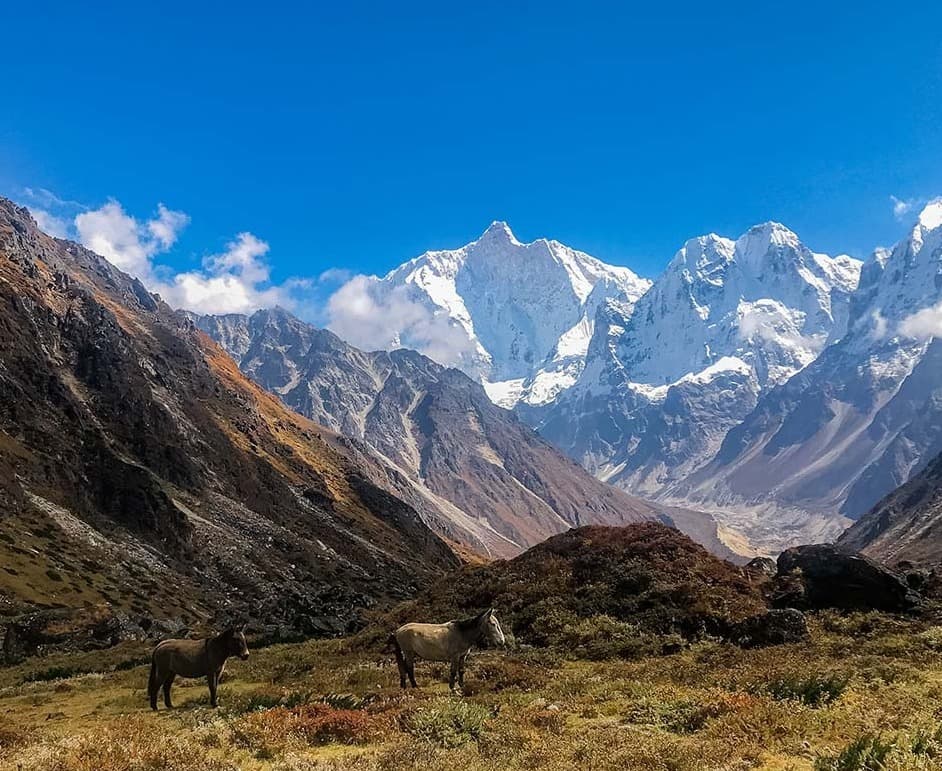
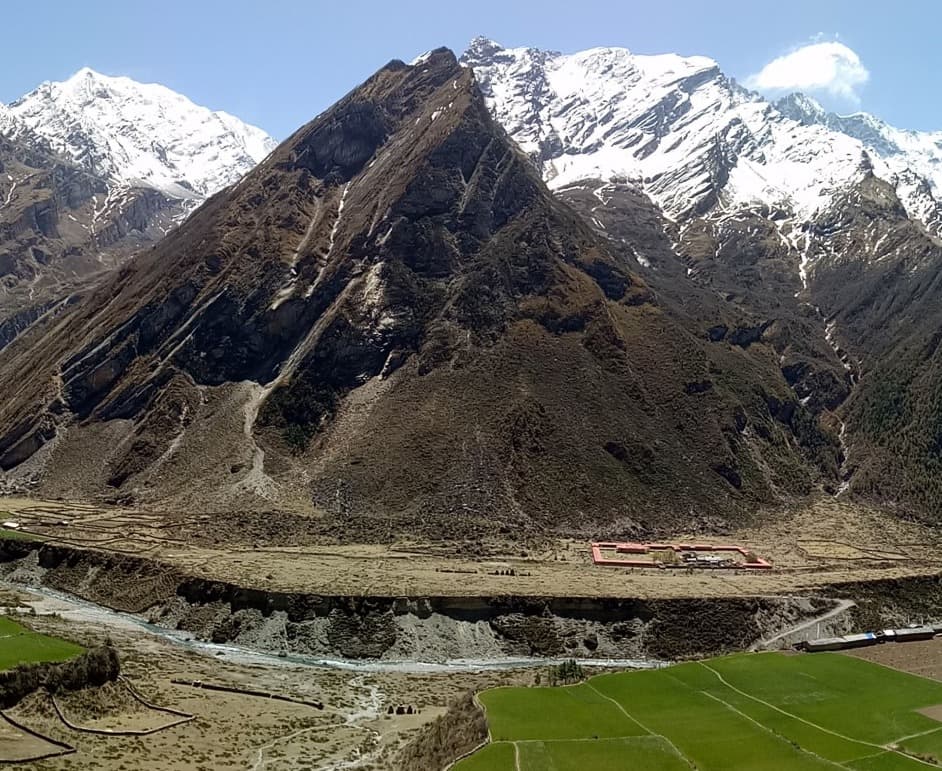
Thinking about trekking in Nepal? You are about to experience one of the most rewarding adventures on Earth. Nepal is globally recognized as the ultimate trekking destination, offering unmatched Himalayan landscapes, authentic cultural experiences, and well-established trekking routes suitable for all levels of travelers.
Trekking in Nepal is not just about walking in the mountains. It is a complete journey through diverse terrains, remote villages, ancient monasteries, and breathtaking high-altitude environments. From the legendary Everest Base Camp trek to scenic Annapurna trekking routes, Nepal provides a perfect blend of adventure, nature, and culture.
What is Trekking in Nepal?
Trekking in Nepal refers to multi-day hiking journeys through the Himalayan regions, where trekkers walk from village to village while staying in local lodges known as teahouses. Unlike many countries, Nepal offers a unique teahouse trekking system, making it accessible even for beginners without requiring heavy camping equipment.
Why Trekking in Nepal is a Once-in-a-Lifetime Experience
Nepal is home to eight of the world’s fourteen highest mountains, including Mount Everest. However, what makes trekking in Nepal truly unique is the combination of dramatic landscapes and rich cultural diversity.
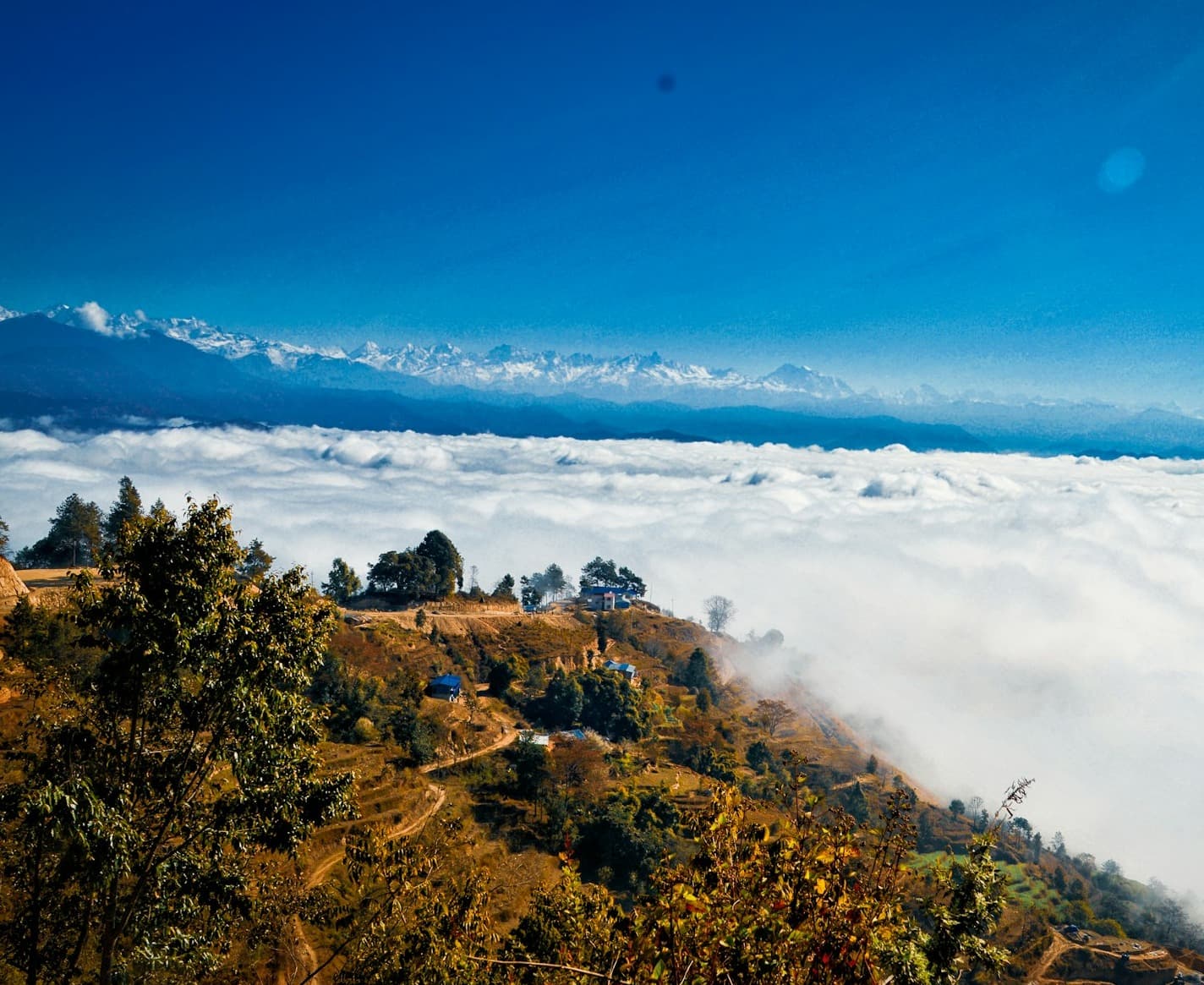
Within a few days of trekking, you can experience lush forests, terraced farmlands, alpine valleys, and glacial terrain. Along the way, you will meet ethnic communities such as Sherpa, Gurung, and Tamang people, whose traditions and lifestyles remain deeply rooted in the Himalayas.
The warmth of local hospitality, combined with panoramic mountain views, creates an experience that is both physically rewarding and emotionally unforgettable.
Best Trekking Regions in Nepal
Nepal offers several trekking regions, each with its own character and highlights.
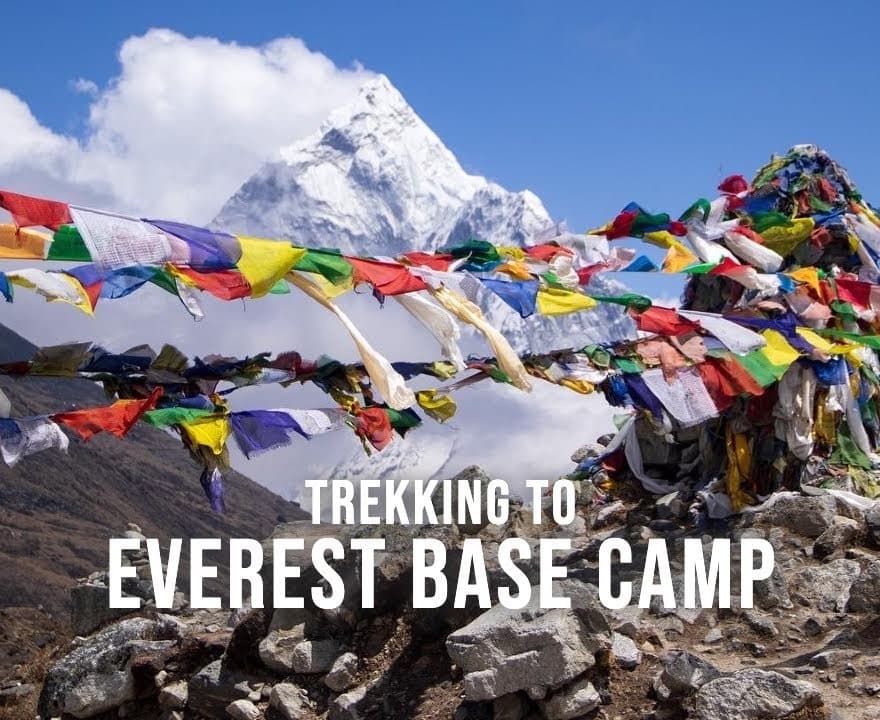
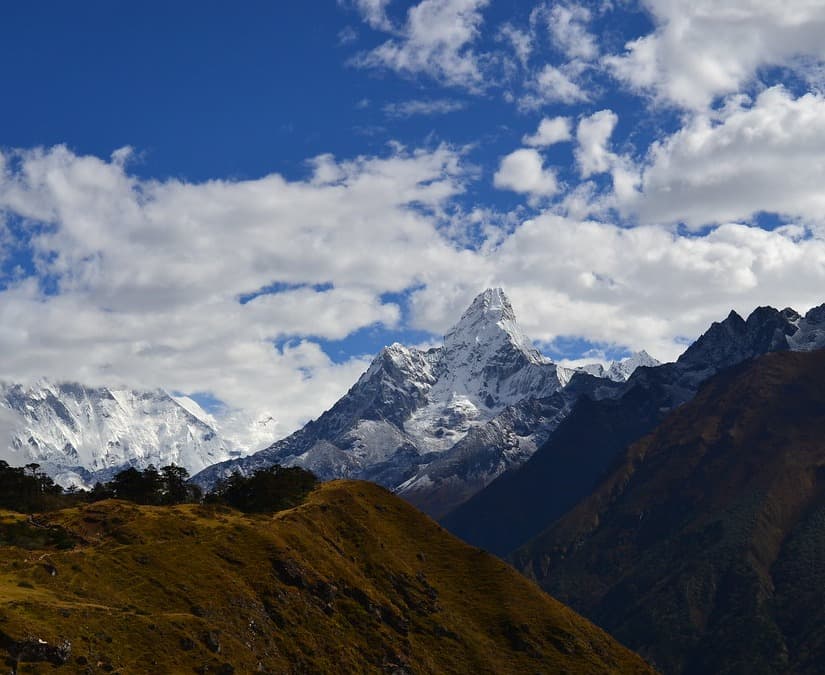
The Everest Region is famous for the Everest Base Camp trek and offers dramatic views of Everest, Lhotse, and Ama Dablam, along with strong Sherpa cultural experiences.
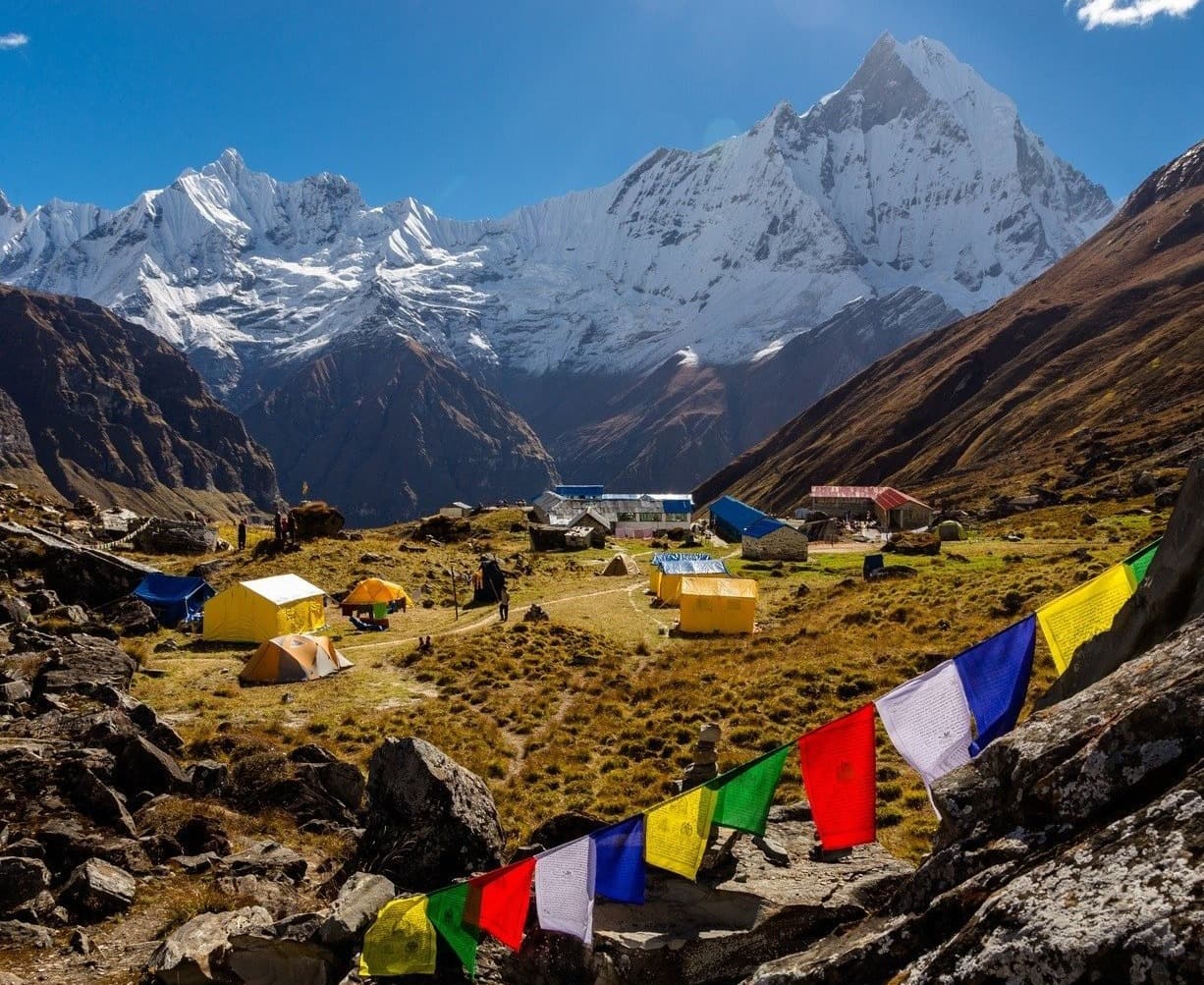
The Annapurna Region is the most diverse trekking area, featuring routes like Annapurna Base Camp and Annapurna Circuit. It is ideal for both beginners and experienced trekkers.
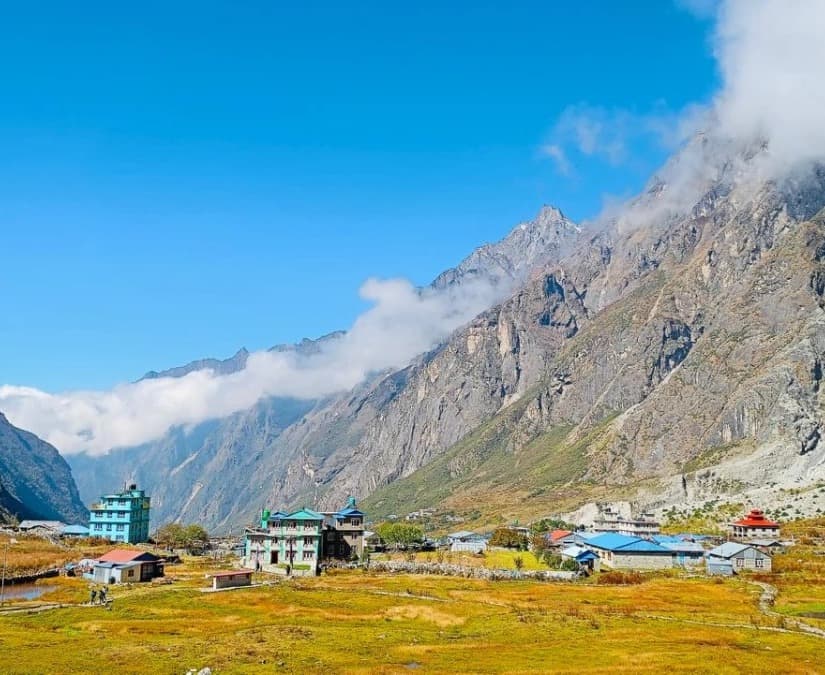
The Langtang Region is less crowded and close to Kathmandu, offering peaceful trails and rich Tamang culture.
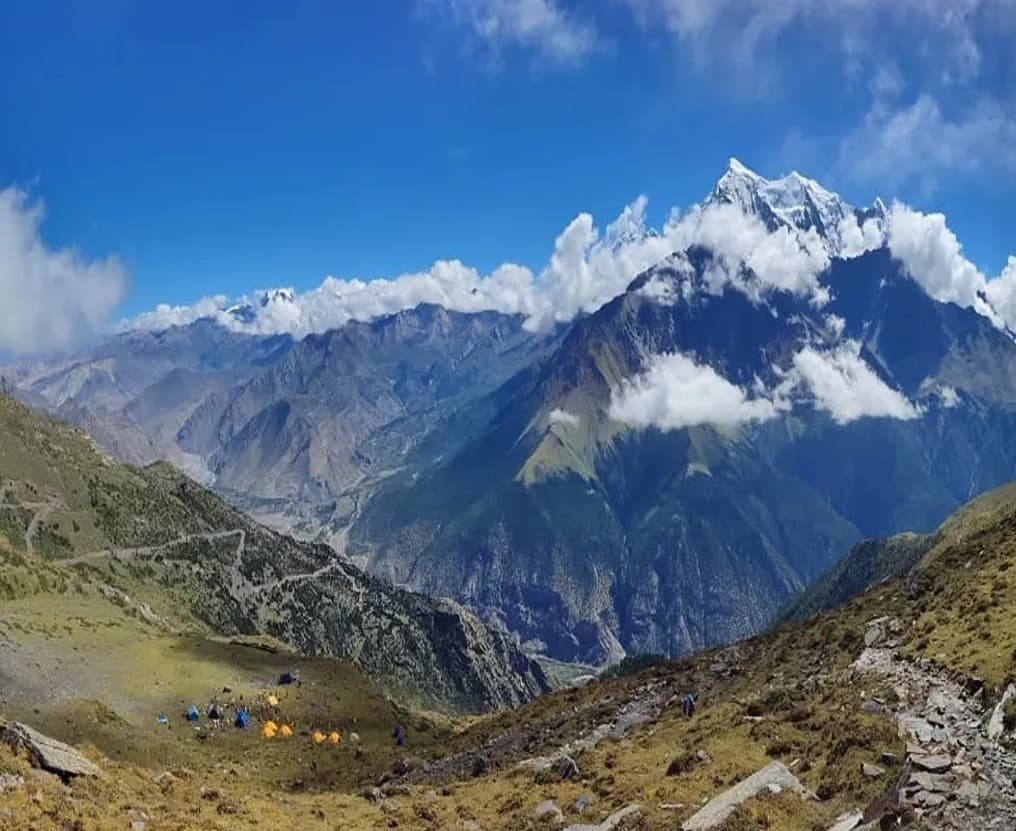
The Manaslu Region provides a remote and adventurous trekking experience with fewer tourists and untouched landscapes.
Trekking Regions in Nepal
Understanding trekking regions in Nepal is essential for choosing the right experience. Each region offers a unique combination of landscapes, culture, and trekking style.
Everest Region Trekking
The Everest region, also known as the Khumbu region, is the most famous trekking area in Nepal. It is home to the Everest Base Camp trek, offering dramatic views of Mount Everest, Lhotse, Nuptse, and Ama Dablam.
This region is known for its strong Sherpa culture, monasteries like Tengboche, and high-altitude adventure. It is ideal for trekkers seeking iconic Himalayan experiences.
Annapurna Region Trekking
The Annapurna region is the most diverse and popular trekking area in Nepal. It offers a wide range of trekking routes, from short beginner-friendly treks to challenging long-distance adventures.
Popular treks include Annapurna Base Camp, Annapurna Circuit, and Ghorepani Poon Hill. This region is known for its varied landscapes, from subtropical forests to high mountain passes, and is perfect for all types of trekkers.
Langtang Region Trekking
Located close to Kathmandu, the Langtang region offers a quieter and less crowded trekking experience. The Langtang Valley trek provides stunning mountain views, glaciers, and rich Tamang culture.
This region is ideal for trekkers who want a short yet rewarding Himalayan journey.
Manaslu Region Trekking
The Manaslu region is a remote and restricted trekking area that offers a more adventurous experience. The Manaslu Circuit trek is known for its untouched beauty, cultural richness, and fewer crowds.
It is perfect for experienced trekkers looking for off-the-beaten-path adventures.
Restricted and Remote Regions
Nepal also offers exclusive trekking experiences in regions like Upper Mustang, Upper Dolpo, and Kanchenjunga. These areas require special permits and offer unique landscapes, Tibetan-influenced culture, and true wilderness experiences.
Best Treks in Nepal (Quick Comparison)
|
Trek Name |
Duration |
Difficulty |
Max Altitude |
Best For |
|
Everest Base Camp Trek |
12–14 days |
Moderate–Challenging |
5,364m |
Iconic Himalayan experience |
|
Annapurna Base Camp Trek |
7–12 days |
Moderate |
4,130m |
Scenic diversity |
|
Annapurna Circuit Trek |
12–18 days |
Moderate–Challenging |
5,416m |
Culture + landscapes |
|
Langtang Valley Trek |
7–10 days |
Moderate |
3,870m |
Less crowded |
|
Ghorepani Poon Hill |
4–5 days |
Easy |
3,210m |
Beginners |
Popular Trekking Routes in Nepal
The Everest Base Camp trek is the most iconic trekking route in Nepal, taking you through Namche Bazaar, Tengboche Monastery, and up to the base of the world’s highest mountain.
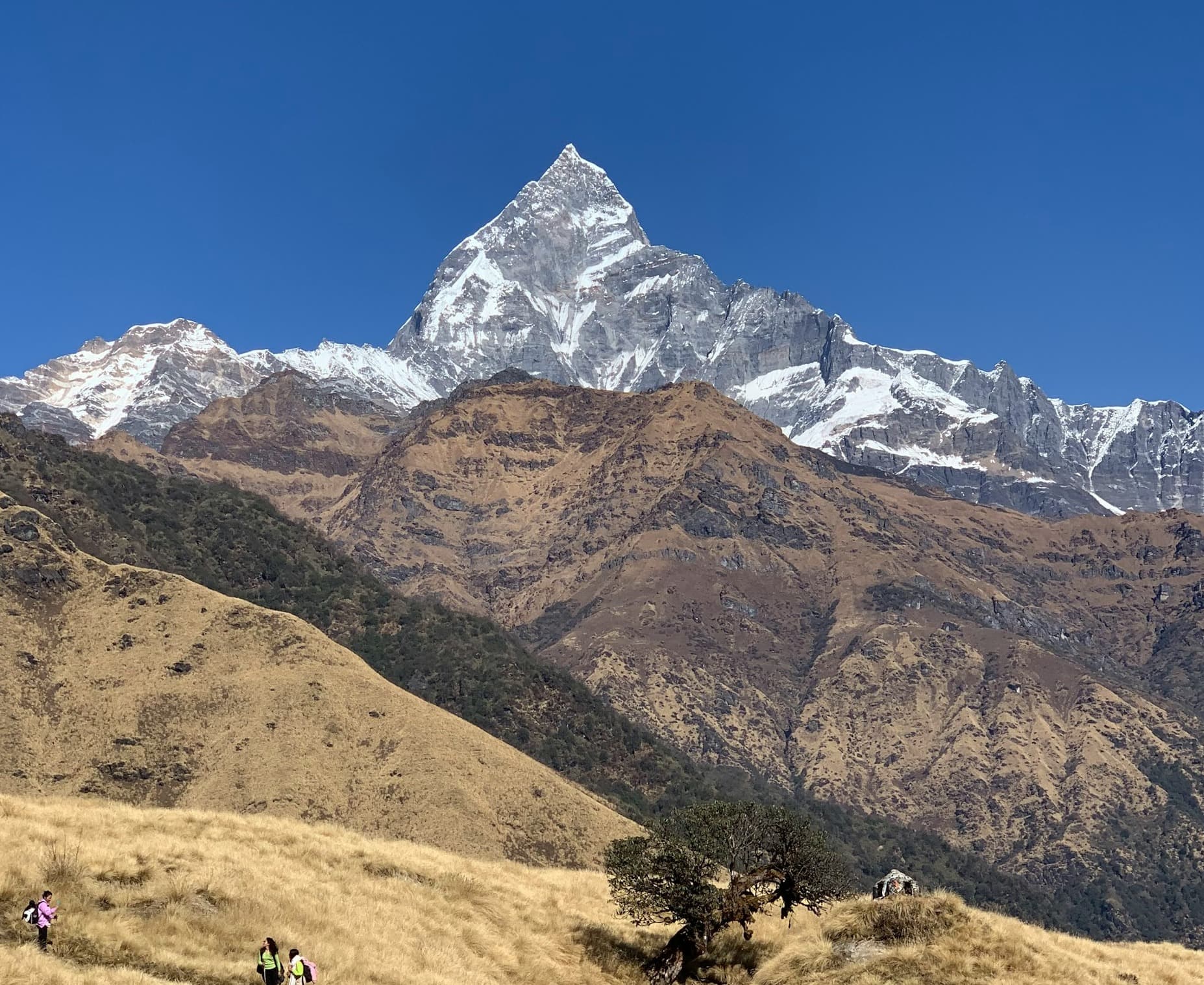
The Annapurna Base Camp trek offers close-up views of Annapurna and Machapuchare with diverse landscapes and moderate difficulty.
The Annapurna Circuit trek is one of the most varied trekking routes in Nepal, crossing Thorong La Pass and showcasing both cultural and natural diversity.
The Ghorepani Poon Hill trek is a short and beginner-friendly trek known for its spectacular sunrise views.
The Langtang Valley trek is perfect for those seeking a quieter trail with rich cultural encounters.
From our experience guiding trekkers, many first-time visitors choose Everest for its global recognition, but later find Annapurna trekking more enjoyable due to its variety and accessibility.
Annapurna vs Everest Trekking: Which One is Better?
When it comes to deciding between Annapurna trekking and Everest Base Camp trek, the choice depends on your priorities.
The Everest region offers dramatic mountain scenery and the prestige of reaching Everest Base Camp, but it is more expensive due to flight costs.
The Annapurna region offers more diverse landscapes, easier access by road, better food options, and is generally more budget-friendly, making it ideal for beginners.
Best Time for Trekking in Nepal
The best time for trekking in Nepal is during spring and autumn.
Spring (March to May) offers blooming rhododendrons, clear skies, and moderate temperatures.
Autumn (September to November) is the most popular season due to stable weather and excellent mountain visibility.
Winter provides fewer crowds but colder temperatures, while monsoon season brings heavy rain but is suitable for rain-shadow regions like Upper Mustang.
Trekking Difficulty Levels
Trekking in Nepal ranges from easy to highly challenging.
Beginner treks include Ghorepani Poon Hill and short routes near Pokhara.
Moderate treks such as Annapurna Base Camp and Langtang Valley require good fitness.
Challenging treks like Everest Base Camp and Manaslu Circuit involve high altitude and longer durations.
Advanced treks include peak climbing and remote expeditions that require prior experience.
Permits and Regulations
Most trekking routes in Nepal require permits such as TIMS and conservation area permits like ACAP or Sagarmatha National Park Permit.
Restricted regions like Manaslu require special permits and must be arranged through a registered trekking agency.
Cost of Trekking in Nepal
The trekking cost in Nepal depends on the route, duration, and level of service.
Budget trekking can cost around USD 25 to 40 per day.
Guided trekking typically costs USD 80 to 150 per day.
Luxury trekking packages can exceed USD 200 per day.
Detailed Cost Breakdown
|
Expense |
Average Cost (USD) |
|
Guide |
$25–35/day |
|
Porter |
$15–25/day |
|
Accommodation |
$5–10/night |
|
Meals |
$20–30/day |
|
Permits |
$30–50 |
|
Lukla Flight |
$180–220 |
Food and Accommodation During Trekking in Nepal
Trekking in Nepal is supported by a well-developed teahouse system. These are local lodges that provide basic accommodation and meals along the trekking routes.
Rooms are simple, usually twin-sharing, with shared bathrooms. At higher altitudes, facilities become more basic.
Dal bhat is the most popular meal, offering high energy and unlimited refills in many places. Other options include noodles, soups, pasta, pancakes, and tea.
WiFi, hot showers, and charging facilities are available but often come with additional costs at higher elevations.
Internet, Electricity, and Connectivity on Trek
Most popular trekking routes like Everest and Annapurna have WiFi access, but it is slow and unreliable at higher altitudes. Charging devices usually costs extra, so carrying a power bank is highly recommended.
Trekking with Guide vs Independent Trek
Trekking with a guide provides safety, local insights, and logistical support, making your experience smoother and more enjoyable.
Independent trekking offers flexibility and lower costs but requires proper planning and navigation skills.
For remote or high-altitude routes, guided trekking is strongly recommended.
Packing List and Preparation Tips
Packing properly is one of the m ost important parts of a successful trekking experience in Nepal. The weather in the Himalayas can change rapidly, so carrying the right gear ensures both comfort and safety throughout your journey. The key is to pack smart and light while covering all essential needs.
Essential Clothing (Layering System)
To handle changing temperatures, you should follow a proper layering system:
-
Base layer (moisture-wicking thermal tops and bottoms)
-
Insulating layer (fleece or lightweight jacket)
-
Outer layer (waterproof and windproof jacket)
-
Down jacket (for cold mornings and high altitudes)
-
Trekking pants and quick-dry t-shirts
-
Warm hat, gloves, and buff or scarf
Trekking Gear and Equipment
Good quality gear can make a big difference in your trekking experience:
-
Comfortable trekking boots with ankle support
-
Backpack (30–50L depending on trek duration)
-
Sleeping bag (rated for cold temperatures)
-
Trekking poles for stability on steep trails
-
Headlamp or flashlight with extra batteries
-
Sunglasses with UV protection
Personal Essentials
These items are often overlooked but very important:
-
Reusable water bottle or hydration bladder
-
Water purification tablets or filter
-
Sunscreen and lip balm (high SPF)
-
Basic toiletries and personal hygiene items
-
Power bank or solar charger
-
First aid kit (including personal medications)
Physical Preparation for Trekking in Nepal
Preparing your body before the trek will significantly improve your experience:
-
Cardio exercises like hiking, running, or cycling
-
Practice walking with a backpack
-
Strength training for legs and core
-
Build stamina for long walking hours (5–7 hours daily)
Mental Preparation
Mental readiness is just as important as physical fitness:
-
Be prepared for basic accommodation and limited facilities
-
Expect long walking days and changing weather conditions
-
Stay positive and patient, especially at higher altitudes
-
Adapt to simple food and lifestyle during the trek
Proper preparation ensures that your trekking experience in Nepal is enjoyable, safe, and memorable.
Altitude Sickness and Safety
Altitude sickness is one of the most important concerns when trekking in Nepal, especially on routes above 3,000 meters. It can affect anyone regardless of age, fitness level, or prior trekking experience.
Common Symptoms of Altitude Sickness
-
Headache
-
Nausea or vomiting
-
Dizziness
-
Loss of appetite
-
Fatigue and difficulty sleeping
How to Prevent Altitude Sickness
The best way to prevent altitude sickness is proper acclimatization and awareness:
-
Ascend gradually and avoid rapid altitude gain
-
Follow the “climb high, sleep low” principle
-
Stay well hydrated (drink plenty of water)
-
Eat nutritious meals regularly
-
Avoid alcohol and smoking at high altitude
-
Take rest days for acclimatization when needed
When to Take Action
Listening to your body is critical during trekking:
-
Do not ignore symptoms, even if mild
-
Inform your guide immediately
-
If symptoms worsen, descend to a lower altitude
-
Never continue ascending with severe symptoms
Ignoring altitude sickness can lead to serious conditions such as:
-
Acute Mountain Sickness (AMS)
-
High Altitude Pulmonary Edema (HAPE)
-
High Altitude Cerebral Edema (HACE)
Safety Tips for Trekking in Nepal
-
Always trek with a licensed guide for better safety
-
Check weather conditions before trekking
-
Carry a basic first aid kit
-
Have proper travel insurance covering high-altitude trekking
-
Be aware of your limits and avoid overexertion
Travel insurance with emergency helicopter evacuation coverage is highly recommended, as it ensures quick response in case of serious altitude-related issues or injuries.
With proper preparation, awareness, and guidance, trekking in Nepal can be a safe, enjoyable, and life-changing experience.
Cultural Experience and Local Lifestyle
Trekking in Nepal offers deep cultural immersion. You will pass through traditional villages, visit monasteries, and experience local customs.
Interacting with locals, tasting traditional food, and observing daily life adds a meaningful dimension to your journey beyond just the mountains.
Why Choose Nepal Intrepid Treks
Nepal Intrepid Treks combines local expertise with professional service to deliver unforgettable trekking experiences.
With years of experience in organizing treks across Nepal, our team ensures safety, comfort, and personalized itineraries tailored to your needs.
We prioritize responsible tourism by supporting local communities and preserving the natural environment.
FAQs About Trekking in Nepal
Is trekking in Nepal safe?
Trekking in Nepal is generally safe for travelers when proper preparation, planning, and guidance are followed. Popular trekking routes such as Everest Base Camp, Annapurna Base Camp, and Langtang Valley are well-established with clear trails, teahouses, and communication access. Safety mainly depends on factors like altitude awareness, weather conditions, and physical fitness. Hiring a licensed guide significantly improves safety, especially in remote regions, as they assist with navigation, emergencies, and altitude-related issues. With the right precautions, trekking in Nepal is considered one of the safest adventure activities in the Himalayas.
What is the best trek for beginners in Nepal?
The best trek for beginners in Nepal is the Ghorepani Poon Hill trek. This short and relatively easy trek offers stunning panoramic views of the Annapurna and Dhaulagiri ranges without requiring high-altitude exposure. It typically takes 4 to 5 days and includes comfortable teahouse accommodation. Other beginner-friendly options include Dhampus Sarangkot Trek and Australian Camp Trek. These routes are ideal for first-time trekkers who want to experience trekking in Nepal with manageable walking hours and minimal risk of altitude sickness.
How much does trekking in Nepal cost?
The cost of trekking in Nepal varies depending on the trekking route, duration, and level of service. Budget trekking can cost around USD 25 to 40 per day if done independently, covering basic accommodation and meals. Guided trekking packages typically range from USD 80 to 150 per day, including a guide, permits, meals, and accommodation. Luxury trekking packages with premium services can exceed USD 200 per day. Additional costs may include domestic flights, especially for Everest region treks, travel insurance, gear, and personal expenses.
Do I need a guide for trekking in Nepal?
While some trekking routes in Nepal can be done independently, hiring a guide is highly recommended for safety, convenience, and a richer experience. Guides provide local knowledge, handle logistics, assist with permits, and help manage altitude-related risks. For restricted areas like Manaslu, Upper Mustang, and Dolpo, trekking with a licensed guide through a registered agency is mandatory. Even on popular routes like Everest and Annapurna, having a guide enhances your overall trekking experience.
What is teahouse trekking in Nepal?
Teahouse trekking in Nepal refers to staying in locally operated lodges along trekking routes instead of camping. These teahouses provide basic accommodation, meals, and essential services for trekkers. Rooms are typically simple with twin beds, and meals include traditional Nepali dishes like dal bhat as well as international options. This system makes trekking in Nepal more accessible and comfortable, as trekkers do not need to carry camping equipment or food supplies.
When is the best time for trekking in Nepal?
The best time for trekking in Nepal is during the spring (March to May) and autumn (September to November) seasons. Spring offers moderate temperatures, blooming rhododendrons, and clear mountain views. Autumn is the most popular trekking season due to stable weather, excellent visibility, and comfortable trekking conditions. Winter trekking is possible with fewer crowds but colder temperatures, while monsoon season is less ideal due to rain, except in rain-shadow regions like Upper Mustang.
Can beginners do trekking in Nepal?
Yes, beginners can absolutely do trekking in Nepal. There are many beginner-friendly trekking routes that do not require prior trekking experience. Treks like Ghorepani Poon Hill, Dhampus Trek, and Nagarkot Chisapani Trek are perfect for first-time trekkers. These routes have lower altitudes, shorter walking days, and easy access to facilities. With basic fitness, proper preparation, and guidance, beginners can safely enjoy trekking in Nepal.
How difficult is trekking in Nepal?
Trekking difficulty in Nepal ranges from easy short hikes to challenging high-altitude expeditions. Easy treks involve lower altitudes and shorter durations, while moderate treks like Annapurna Base Camp require good fitness and endurance. Challenging treks such as Everest Base Camp and Manaslu Circuit involve higher altitudes and longer trekking days. Advanced treks include remote and technical routes requiring prior experience. Most popular trekking routes in Nepal fall under moderate difficulty.
Do I need travel insurance for trekking in Nepal?
Yes, travel insurance is highly recommended for trekking in Nepal. Your insurance should cover high-altitude trekking (usually above 4,000 meters), emergency helicopter evacuation, medical treatment, and trip cancellations. In case of altitude sickness or injury, helicopter evacuation can be expensive, so having proper insurance ensures financial protection and peace of mind during your trek.
What kind of accommodation is available during trekking in Nepal?
Accommodation during trekking in Nepal mainly consists of teahouses or local lodges. These offer simple rooms with basic facilities such as beds, blankets, and shared bathrooms. In popular trekking regions like Everest and Annapurna, you can also find upgraded lodges with better amenities. As you go higher in altitude, accommodation becomes more basic. Despite simplicity, teahouses provide a warm and welcoming environment for trekkers.
What food is available during trekking in Nepal?
Food during trekking in Nepal is diverse and designed to provide energy for long trekking days. The most common meal is dal bhat, which includes rice, lentils, vegetables, and pickles. It is nutritious and widely available. Other food options include noodles, soups, pasta, fried rice, pancakes, and tea. In popular trekking regions, you can also find Western dishes like pizza and burgers. Food choices become more limited at higher altitudes.
Is altitude sickness common during trekking in Nepal?
Altitude sickness is a common concern when trekking in Nepal, especially above 3,000 meters. It can affect anyone regardless of age or fitness level. Symptoms include headache, nausea, dizziness, and fatigue. Proper acclimatization, hydration, and gradual ascent are essential to prevent altitude sickness. Following a well-planned itinerary and listening to your body are key to staying safe during high-altitude treks.
Plan Your Trekking in Nepal
Trekking in Nepal is a life-changing experience that combines adventure, culture, and natural beauty. Whether you are dreaming of Everest Base Camp or a peaceful Annapurna trek, the journey will stay with you forever.
With Nepal Intrepid Treks, you get expert guidance, local knowledge, and a fully customized trekking experience.
Contact us today to plan your perfect Nepal trekking package and start your Himalayan adventure with confidence.