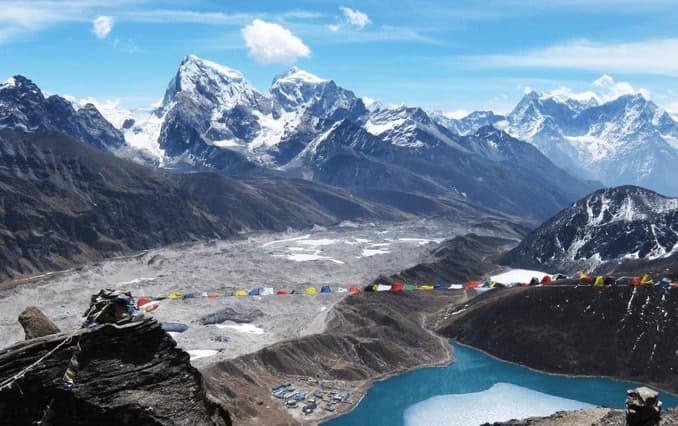
Nepal in winter is a complete Himalayan travel experience shaped by clear mountain visibility, quieter trekking routes, active wildlife corridors, and concentrated cultural activity between December and February. Winter travel across Nepal combines Everest and Annapurna trekking routes, Chitwan jungle safaris, Kathmandu Valley heritage exploration, Pokhara adventure sports, and snowfall experiences across elevations ranging from the Terai plains to Himalayan viewpoints above 5,000 meters. Unlike the crowded autumn season, winter creates better conditions for mountain photography, lower accommodation costs, more authentic local interaction, and uninterrupted panoramic views of Everest, Annapurna, Dhaulagiri, Machhapuchhre, and Manaslu under snow-covered skies.
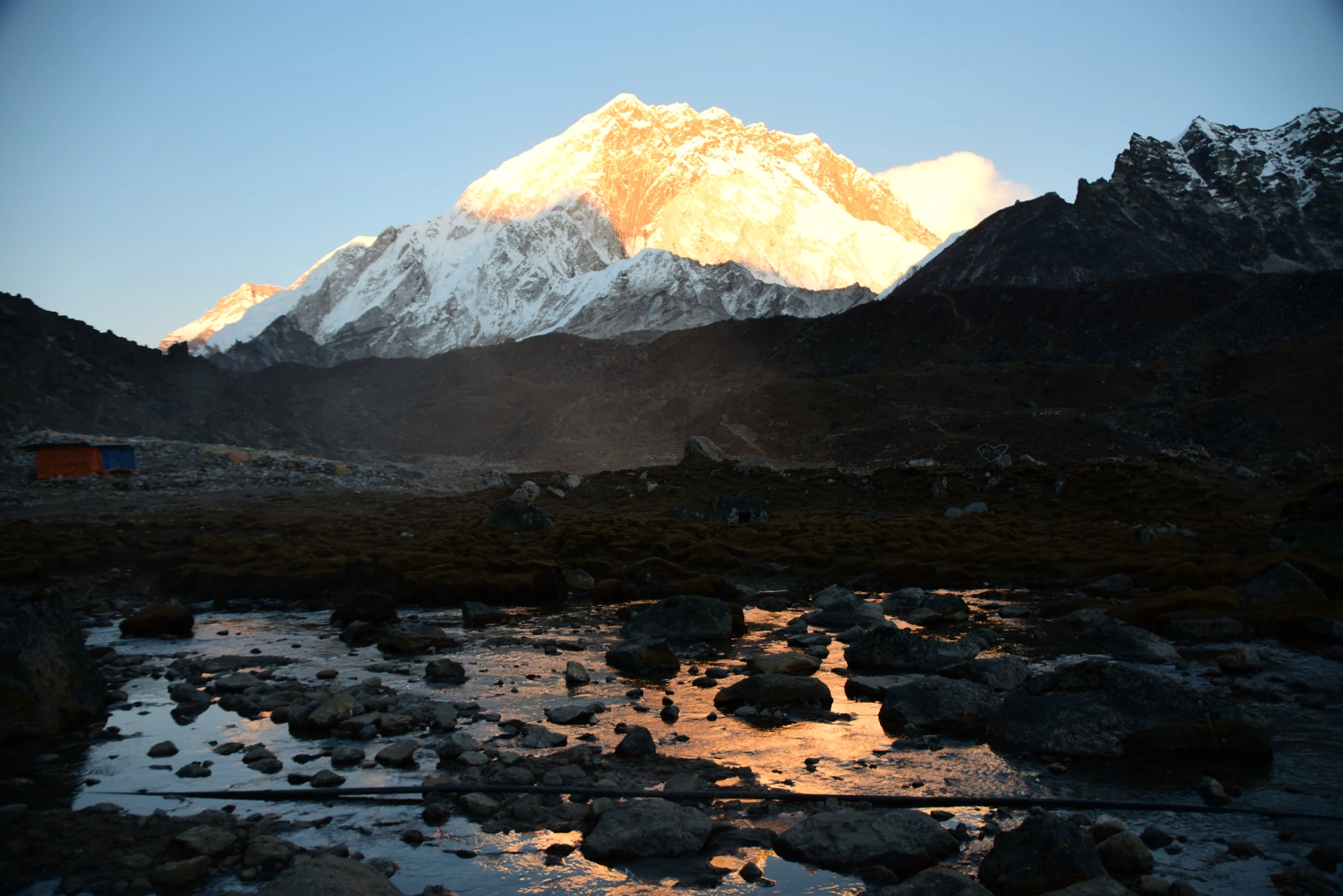
The best things to do in Nepal during winter include low-altitude trekking in the Annapurna foothills, sunrise hikes to Poon Hill and Nagarkot, paragliding above Pokhara, wildlife safaris in Chitwan National Park, cultural walks through Bhaktapur and Patan Durbar Square, and experiencing winter festivals such as Tamu Lhosar and Maha Shivaratri. Nepal’s winter season also supports activities often overlooked by travelers, including Himalayan winter camping, mountain biking, snow viewing in Kalinchowk and Langtang, monastery visits around Boudhanath, and traditional food experiences featuring thukpa, yomari, butter tea, and dhido. With reduced crowds, stable weather, improved wildlife sightings, and some of the clearest Himalayan landscapes of the year, Nepal in winter offers a more immersive and visually dramatic version of the country than most peak-season travelers experience.
Why Is Winter a Great Time to Visit Nepal?
Winter is a great time to visit Nepal because the skies are the clearest of any season, trekking trails are significantly less crowded, wildlife sightings increase due to reduced vegetation, and cultural festivals are concentrated between December and February. Flight cancellations due to monsoon weather drop to nearly zero [in winter], and according to Nepal Tourism Statistics 2023 (Ministry of Culture, Tourism & Civil Aviation), December tourist arrivals trail October by over 17% in volume, a demand gap that translates to hotel and lodge rate reductions of 30–50% across most trekking regions, giving winter travelers significantly more value per night than any peak-season visit can deliver.
The common belief that Nepal is inaccessible in winter is a persistent myth. Nepal's topography spans 5 distinct climate zones, from the Terai plains at 60 meters elevation to the Himalayan peaks above 8,000 meters. Most winter activities take place at elevations where cold is manageable with proper gear, not prohibitive.
3 specific advantages define winter travel in Nepal:
Visibility: Post-monsoon dust settles by December, producing mountain views with clarity that October cannot consistently deliver.
Solitude: Foreign visitor arrivals to Sagarmatha National Park, the gateway for all Everest Base Camp treks, fell from 8,551 in October 2023 to 2,236 in December, a 73.8% decline according to Nepal Tourism Statistics 2023 (Ministry of Culture, Tourism & Civil Aviation), meaning you walk in near-silence on routes that were gridlocked eight weeks earlier.
Wildlife density: Animals in Chitwan and Bardia National Parks concentrate near water sources as vegetation thins, making sightings more predictable and frequent.
What most travelers overlook is the combination effect, clear mountain views, empty trails, and lower costs all occurring simultaneously. No other season in Nepal offers all three at once.
What Is the Weather Like Across Nepal in Winter?
Nepal's winter weather divides into 3 distinct climate bands based on elevation. The Terai lowlands (60–300 m) experience temperatures between 7°C and 23°C, with cold mornings and warm afternoons ideal for jungle safaris. The mid-hills (300–2,500 m), including Kathmandu and Pokhara, record lows of 2°C and highs of 18°C, with occasional frost but rare snowfall at valley level. High-altitude zones above 3,500 m experience sub-zero temperatures, heavy snowfall on passes, and wind chills that demand layering systems rated to −20°C.
Kathmandu sits at 1,400 meters and records a January average low of 2°C. Fog occurs on roughly 15 mornings per month in December and January, a factor that affects early morning domestic flights to mountain airstrips including Lukla. Travelers flying into Lukla for Everest region treks plan 1–2 buffer days for potential fog delays.
Pokhara at 822 meters stays milder, averaging 10°C–20°C in December. The Annapurna panorama, including Machhapuchhre (Fishtail), Annapurna I, and Dhaulagiri, reflects off Phewa Lake with unobstructed clarity on most winter mornings.
The practical implication: dress for 3 different climates within a single Nepal trip, since most winter itineraries combine Terai, hills, and highlands.
Which Regions Are Best for Winter Travel?
The 4 regions best suited for winter travel in Nepal are Kathmandu Valley, Pokhara and the Annapurna foothills, the Terai wildlife belt, and the lower Everest approaches below 3,500 m. Each region performs differently in winter and suits a distinct travel profile. For a detailed breakdown of specific destinations within these regions, see our guide to the best places to visit in December.
Region | Elevation | Winter Temp Range | Best For |
Kathmandu Valley | 1,300–1,500 m | 2°C – 18°C | Culture, heritage, city exploration |
Pokhara | 820 m | 7°C – 20°C | Views, adventure sports, lakeside life |
Terai (Chitwan, Bardia) | 60–200 m | 7°C – 25°C | Wildlife safaris, jungle activities |
Lower Everest (Namche Bazaar) | 2,000–3,440 m | −5°C – 10°C | Trekking, Sherpa culture, mountain views |
Annapurna foothills | 1,000–2,500 m | 0°C – 15°C | Low-altitude trekking, Gurung villages |
The Terai region specifically peaks in winter. The January grass-burning program in buffer zones opens visibility across previously impenetrable 4-meter elephant grass corridors. Chitwan National Park's 952.63 sq km core area, confirmed in the UNESCO State of Conservation Report 2023, plus its 1,750 sq km buffer zone create a combined protected landscape where seasonal grass management maximises wildlife visibility during winter months.
Regions to approach with caution in winter: passes above 4,500 m including Thorong La (5,416 m) on the Annapurna Circuit and the Three Passes trek in the Everest region. These routes require experienced guides, cold-weather mountaineering gear, and flexible schedules.
Which Trekking Experiences Are Best in Winter?
The best winter trekking experiences in Nepal are on trails below 3,500 meters elevation, including the Ghorepani Poon Hill circuit, the Langtang Valley lower section, the Everest approaches below Namche Bazaar, and the Annapurna Base Camp route when entered from Chhomrong rather than the high ridge line. These trails deliver mountain scenery with manageable temperatures and minimal permit complexity.
Can You Trek to Everest Base Camp in Winter?
You can trek to Everest Base Camp in winter, but the experience differs from peak season in 5 significant ways. Temperatures at Base Camp (5,364 m) drop to −20°C at night. Tea houses between Dingboche and Gorak Shep operate with reduced capacity, some close entirely in January. Khumbu Icefall is quieter since climbers do not use it in winter. Trail conditions are firm and dry rather than muddy. Summit-attempt crowds disappear entirely.
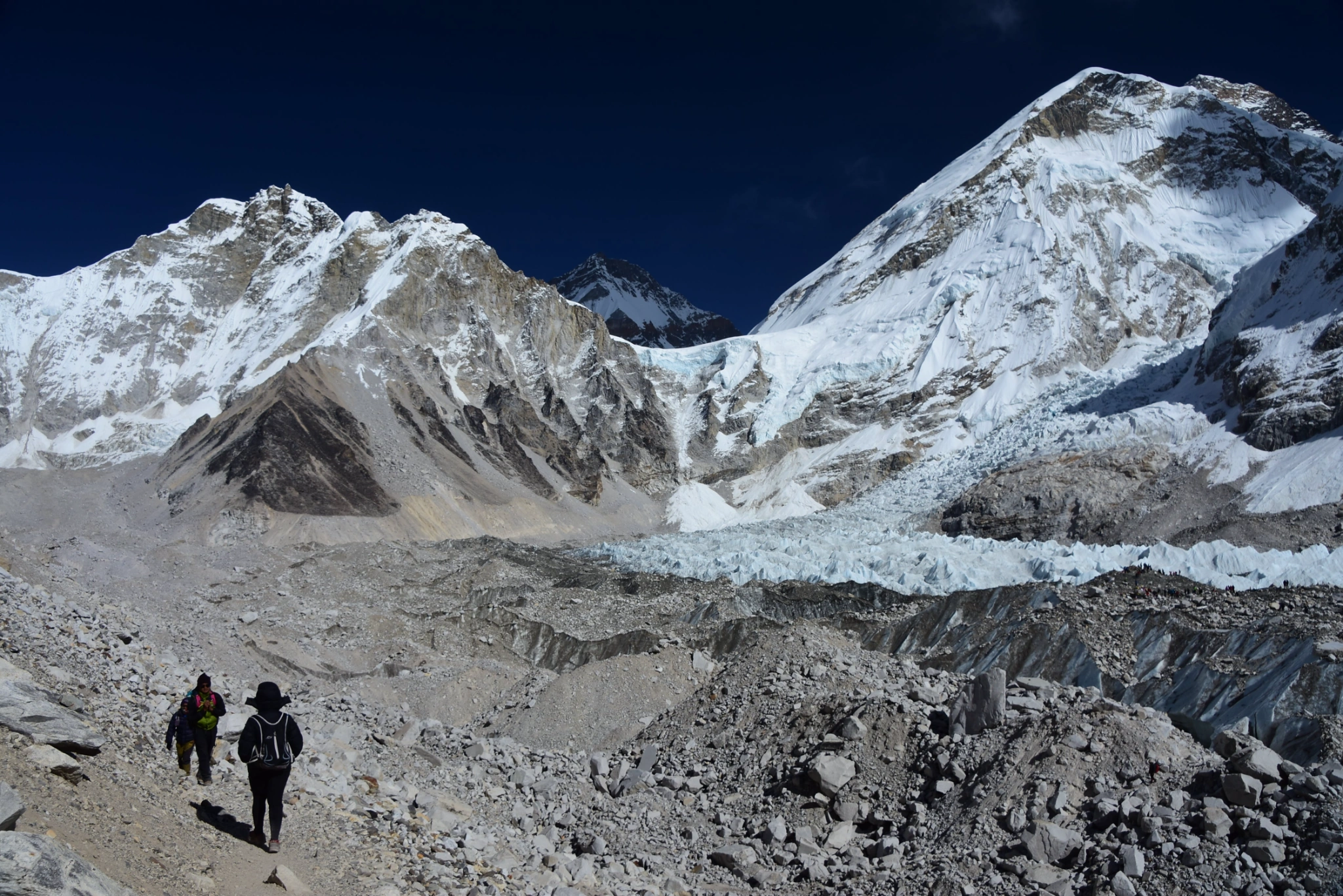
The trek to EBC in winter suits fit, experienced trekkers who carry -20°C rated sleeping bags, crampons for icy sections above Tengboche, and can manage acclimatization at a slow pace. The Lukla flight window is the primary logistical challenge, morning fog between November and February closes Tenzing-Hillary Airport irregularly. Trekkers flying into Lukla in winter book afternoon flights where available and add 2 buffer days at trip start.
The Namche Bazaar to EBC section, from 3,440 m to 5,364 m, takes approximately 7 days one-way in winter versus 5–6 days in October. The extra days account for cold-weather acclimatization and shorter daylight hours (sunrise at 6:30 AM, sunset by 5:15 PM in December).
One detail competitors rarely mention: the Khumbu region's Sherpa community runs more authentically in winter. Local homes in Namche, Tengboche, and Khumjung welcome trekkers into kitchen spaces for warmth, genuine cultural exchanges that overcrowded October seasons rarely allow.
Is Annapurna Base Camp Suitable for Winter Hiking?
Annapurna Base Camp (4,130 m) is suitable for winter hiking via the Chhomrong–Dovan route when trekkers carry appropriate insulation layers, waterproof outer shells, and microspike traction devices. The Machhapuchhre Base Camp (3,700 m) and ABC approach receive significant snowfall from January onward, and the path between Deurali and MBC requires careful navigation after fresh snowfall.
The practical winter strategy is to complete ABC treks in December before heavy January snow accumulation. Trekkers starting from Nayapul in December reach ABC in 6–8 days and face manageable snow conditions above 3,000 m. January trekkers face deeper snow and lower tea house availability above Dovan.
What differentiates winter ABC from monsoon and autumn versions: the Annapurna amphitheater, a 360-degree panorama of 7 peaks including Annapurna I (8,091 m), Annapurna South (7,219 m), Hiunchuli, and Gangapurna, appears without the afternoon cloud buildup common in October. Morning views from the ABC sanctuary in winter are among the most photographically unobstructed in Nepal.
Which Lower-Altitude Treks Are Best in Cold Months?
The 5 best lower-altitude winter treks in Nepal, all operating comfortably below 3,500 m, are:
The Ghorepani Poon Hill Trek (3,210 m max): 4–5 days from Nayapul, passing Gurung villages at Ghorepani and delivering sunrise views across 20+ Himalayan peaks including Dhaulagiri and Annapurna. This trek stays warm enough for single down jackets, operates year-round, and requires no restricted area permits.
The Langtang Valley Trek (3,430 m to Kyanjin Gompa): 7 days from Syabrubesi, tracing the Langtang River through Tamang villages and rhododendron forests. Winter temperatures here are cold but stable, rarely dropping below −5°C at Kyanjin.
Ghandruk Loop (1,940 m): A 2–3 day circuit near Pokhara through stone-paved Gurung village paths. Almost no elevation risk. Annapurna South dominates the horizon on clear winter mornings.
Nagarkot to Dhulikhel Walk (1,895 m): A 1-day guided ridge walk east of Kathmandu offering Himalayan panoramas from Manaslu to Everest. Temperature is similar to Kathmandu, manageable in a light jacket by midday.
The Mardi Himal Trek (4,500 m, with lower exit option at 3,000 m): An off-the-beaten-path route east of Annapurna Base Camp with no crowds, minimal permit fees, and excellent Machhapuchhre views. Winter trekkers stopping at High Camp (3,580 m) rather than the summit push access comparable views with far less cold exposure.
What Snow Activities Can You Enjoy in Winter?
Nepal offers 4 distinct snow-based winter activities: snowfall viewing from mountain viewpoints, winter camping in the Himalayan foothills, snowshoeing near high-altitude villages, and photography of Himalayan snow-draped summits from dawn viewpoints. These activities are not marketed as aggressively as trekking or wildlife, yet they represent some of Nepal's most visually spectacular winter experiences.
Where Can You See Snowfall in Nepal?
Snowfall in Nepal occurs reliably at elevations above 2,500 m between December and February. For elevation-by-elevation timing and the snowfall windows by region, see our full guide on the best time to visit Nepal for snow. The 6 most accessible locations to witness snowfall are:
Nagarkot (2,175 m): Light snow dusting occurs 3–5 times per winter season. The Nagarkot Watch Tower provides unobstructed views of snow falling across the Bhote Koshi valley.
Ghorepani (2,860 m): Deep snowfall events of 20–40 cm occur after January western disturbances. The village square after overnight snowfall, with rhododendron trees under white caps and Dhaulagiri behind them, is one of Nepal's most striking winter tableaux.
Kyanjin Gompa, Langtang (3,817 m): Heavy snowfall from January onward transforms the Langtang Valley floor into a white corridor framed by Langtang Lirung (7,227 m).
Kalinchowk (3,842 m): Located in Dolakha district, 4 hours from Kathmandu. A cable car operates to the summit shrine in winter. Kalinchowk is Nepal's most accessible snow destination for Kathmandu-based day-trippers.
Daman (2,322 m): On the Prithvi Highway toward Pokhara, Daman offers a panoramic Himalayan viewpoint with occasional snowfall and the widest Himalayan horizon in Nepal, spanning 415 km from Dhaulagiri to Kanchenjunga.
Gosaikunda Lake (4,380 m): Freezes completely by January. The frozen sacred lake, combined with the surrounding snow-covered ridges, creates a surreal high-altitude winter landscape.
Can You Try Winter Camping in the Himalayas?
Winter camping in the Himalayas is achievable between 2,000 m and 3,500 m with a 4-season tent rated to −15°C, a sleeping bag rated to −20°C comfort, a foam sit pad, and a reliable stove system using white gas (isobutane canisters underperform below −10°C). Organized winter camping trips operate out of Pokhara targeting the Annapurna foothills and out of Syabrubesi targeting lower Langtang Valley.
The experience that most winter campers describe as unexpected: silence. Himalayan nights above 2,500 m in winter produce near-complete acoustic stillness, no insects, no monsoon rain, only wind and the occasional crack of thermal ice expansion on granite ridgelines.
Guided winter camping packages from Pokhara-based operators typically include 3 nights in the Annapurna foothills at 2,200–2,800 m, covering Ghandruk village environs, and cost between USD 80–150 per person for a group of 4, inclusive of guide, porter, tent, and meals.
Which Viewpoints Offer the Best Snowy Landscapes?
The 4 viewpoints with the most visually complete snowy Himalayan landscapes in winter are:
Poon Hill (3,210 m): Dawn views of Dhaulagiri (8,167 m) and Annapurna I (8,091 m) with snow-covered ridges in the foreground. The golden alpenglow on fresh snow at 6:00 AM in January is a photographic benchmark.
Sarangkot (1,592 m) above Pokhara: Snow-dusted Annapurna range reflection in Phewa Lake below is visible from the sunrise tower. No high-altitude gear needed.
Chandragiri Hill (2,551 m): Accessible by cable car from Kathmandu. 360-degree views including Ganesh Himal, Langtang range, and Manaslu in full winter snow.
Tiger Hill equivalent, Kala Patthar (5,545 m): The iconic Everest winter view point. The Khumbu Icefall, Western Cwm, and Everest's southeast ridge, all snow-plastered in winter, are visible without the dusty haze of October. Reserve this viewpoint for experienced winter trekkers only.
Which Cities Are Worth Exploring in Winter?
The 3 cities most rewarding for winter exploration in Nepal are Kathmandu, Pokhara, and Bhaktapur. Each operates on a different sensory register in winter, Kathmandu on cultural density, Pokhara on natural spectacle, and Bhaktapur on preserved medieval atmosphere.
What Can You Do in Kathmandu During Winter?
Kathmandu in winter offers 7 high-value activities: Boudhanath Stupa circumambulation at dawn, Pashupatinath temple ghats at dusk, Swayambhunath hilltop sunrise, Patan Durbar Square's courtyard exploration, Thamel's specialty coffee and bookshop culture, Asan Bazaar morning market immersion, and day trips to Nagarkot or Daman for Himalayan views.
Boudhanath, one of the largest Buddhist stupas in the world, inscribed as a UNESCO World Heritage Site, is especially vivid in winter. Tibetan pilgrims from neighboring monasteries circumambulate the stupa from 6:00 AM onward, butter lamps burn in the cold air, and the white dome contrasts sharply against blue December skies. The tourist crowds that blanket this site in October are reduced by 60%, producing a genuinely contemplative atmosphere.
Pashupatinath, Nepal's most sacred Hindu temple complex on the banks of the Bagmati River, draws larger crowds during winter festivals, specifically Maha Shivaratri preparation rituals in late January and February. The ghats at dusk, where cremation fires and temple bells overlap, are among the most concentrated spiritual sensory experiences in South Asia.
The Kathmandu museum circuit, covering the National Museum, Patan Museum, and Nepal Art Council, operates without summer heat and provides shelter-and-knowledge options on the 3–4 days of winter fog when mountain views disappear.
Why Visit Pokhara in the Winter Season?
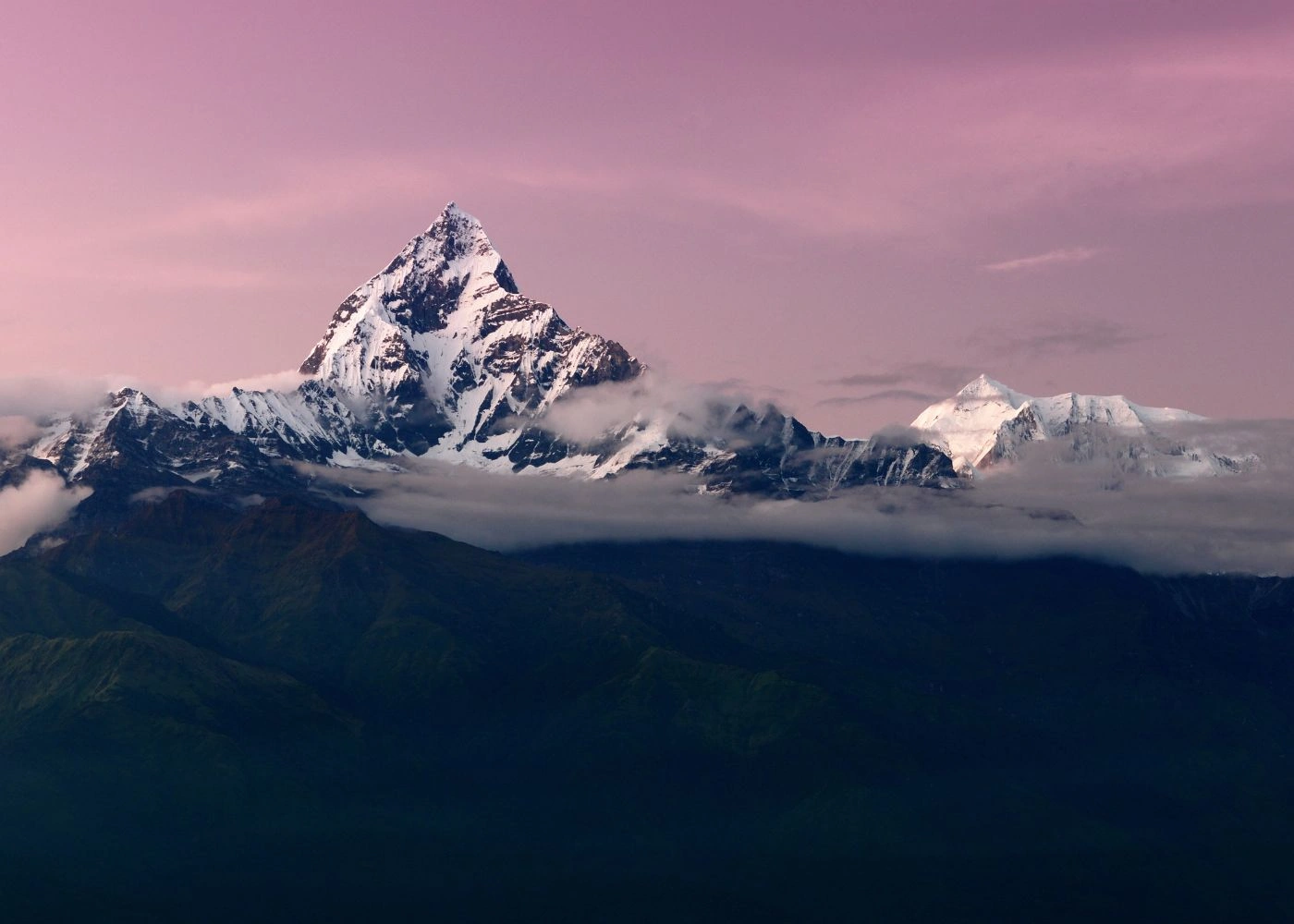
Pokhara in winter delivers Nepal's most accessible combination of mountain panorama and lakeside climate. Average January temperature reaches 20°C by midday, making Phewa Lakeside comfortable in a light fleece. The Annapurna range, specifically Machhapuchhre (6,993 m), Annapurna South (7,219 m), and Hiunchuli (6,441 m), dominate the northern skyline with winter snow on every visible face.
5 specific winter activities in Pokhara:
Rowboat on Phewa Lake at 7:00 AM: mountain reflections are sharpest before morning wind creates surface ripples.
Paragliding flight from Sarangkot: winter thermals produce longer flight times averaging 30–40 minutes versus summer's 20–25 minutes.
Sunrise at Sarangkot tower: walk or drive up for alpenglow on the Annapurna massif.
Davis Falls and Gupteshwor Cave: adjacent sites that take 90 minutes and are crowd-free in winter.
International Mountain Museum: Nepal's most comprehensive high-altitude mountaineering museum, covering 8,000-meter peak histories, Sherpa culture, and expedition equipment.
What most Pokhara visitors miss in winter: the Begnas Lake area, 15 km east of Lakeside, offers the same mountain views with 10% of Phewa's tourist density. Local fishermen work the lake at dawn. The atmosphere is entirely unscripted.
Is Bhaktapur Good for a Winter Day Trip?
Bhaktapur, located 13 km east of Kathmandu, is one of Nepal's premier winter day trip destinations for 3 specific reasons: reduced tourist density compared to autumn, golden winter light that enhances the reddish brick architecture between 10:00 AM and 2:00 PM, and the active daily life of Newari artisans and potters that continues year-round regardless of season.
Bhaktapur Durbar Square, a UNESCO-listed complex of 172 distinct monuments including the 55-Window Palace, Vatsala Durbar, and Nyatapola Temple, photographs best in winter because the low sun angle creates deep shadows in the carved wood lattice windows and stone peacock motifs. Photography enthusiasts specifically schedule Bhaktapur for December–January golden hours.
Pottery Square (Kumale Tole) in winter: local potters work from 8:00 AM to 4:00 PM regardless of season, and the cool air means they maintain fires near their wheels. The combination of hand-thrown pots, open courtyard space, and Himalayan sky behind is a scene that Thamel's tourist strips cannot replicate.
Entry fee for Bhaktapur Durbar Square: NPR 1,500 (approximately USD 11) for international visitors. This fee is valid for multiple entries over 7 days, making it practical to return for different light conditions.
Which Wildlife Experiences Are Best in Winter?
Winter (November–February) is Nepal's peak season for wildlife viewing, not its off-season. This distinction is critical. The Terai region's national parks, including Chitwan and Bardia, deliver their highest animal sighting rates in winter due to 3 converging factors: grass cutting opens sightlines, animals concentrate near water, and migratory birds from Central Asia and Siberia arrive in large flocks.
Can You Visit Chitwan National Park in Winter?
Chitwan National Park operates fully in winter and provides its best wildlife sighting conditions between November and February. The park covers 932 square kilometers in the Terai lowlands, where January daytime temperatures reach 22°C, ideal for jeep safaris, elephant-back grassland traversals, and dugout canoe rides on the Rapti River.
Accommodation at Chitwan ranges from luxury lodges including Tiger Tops and Meghauli Serai to budget guesthouses in Sauraha village. Winter prices across all categories drop 25–40% compared to peak October rates, while wildlife sighting quality increases.
The January grass-burning program in buffer zones opens visibility across previously impenetrable 4-meter elephant grass corridors. Chitwan National Park's 952.63 sq km core area, confirmed in the UNESCO State of Conservation Report 2023, plus its 1,750 sq km buffer zone create a combined protected landscape where seasonal grass management maximises wildlife visibility during winter months. This practice is why January and February produce the highest reported rates of Bengal tiger sightings, the grassland structure that conceals them is temporarily removed.
Is Winter the Best Season for Jungle Safaris?
Winter is the best season for jungle safaris in Nepal's Terai parks based on 4 measurable factors:
Vegetation density: Elephant grass (Saccharum spontaneum) reaches maximum height in September–October at 4–6 meters, reducing visibility to near zero. By January, grass is cut or burned to 0.5–1 meter, expanding visible range to 200+ meters in open areas.
Animal water dependence: In winter, the Rapti, Narayani, and Bheri rivers represent the primary water sources. Animals, including rhinos, elephants, deer, and tigers, concentrate in predictable corridors near river banks.
Migratory birds: Over 570 bird species inhabit Chitwan. In winter, migratory additions include Bar-headed Goose, Common Crane, Osprey, Pied Kingfisher, and various warbler species from breeding grounds in Central Asia and Siberia.
Comfort: Jungle walk safaris and canoe rides at 7:00 AM in October are hot and humid. The same activities in January operate at 12°C, comfortable for 3–4 hour activity sessions without heat fatigue.
Which Animals Are Easier to Spot in Winter?
The 6 animals significantly easier to spot in winter at Nepal's national parks are:
One-horned rhinoceros (Rhinoceros unicornis): Open grasslands post-burning make rhino locations predictable near Rapti riverbanks. Chitwan hosts 694 of Nepal's greater one-horned rhinos, the largest single-park population in the country, according to the 2021 DNPWC National Rhino Count (as confirmed in the Nepalese Journal of Zoology 2024). Nepal's total rhino count across all four protected areas reached 752, up from 645 in 2015, a conservation milestone attributed to strict anti-poaching enforcement and expanded corridor management.
Bengal tiger (Panthera tigris tigris): Open corridors increase sighting probability. Chitwan's 93 tigers and Bardia's 125 tigers (2022 estimates) use open grassland edges actively in winter mornings.
Elephant (Elephas maximus indicus): Wild elephants move in breeding herds toward river corridors in November–February.
Gharial crocodile (Gavialis gangeticus): Cold-blooded and sun-dependent, gharials bask on Narayani River sandbars between 9:00 AM and 2:00 PM in winter. Chitwan's Narayani stretch is the best gharial viewing site in South Asia.
Spotted deer / Chital (Axis axis): Dense herds of 50–200 animals graze in open grassland post-burning, visible from vehicle track distances of 100–300 meters.
Migratory waterfowl: Phewa Lake, Beeshazar Lake (Chitwan), and Koshi Tappu Wildlife Reserve receive peak migratory bird density in December–January. Koshi Tappu alone records 500+ species, with water birds peaking at tens of thousands of individuals.
Open corridors increase sighting probability. Nepal's National Tiger Survey 2022 (DNPWC/DFSC) recorded a total of 355 Bengal tigers nationally, more than tripling the 121 counted in 2010. The Bardia-Banke Complex holds approximately 150 of these tigers, with Chitwan-Parsa Complex accounting for the majority of the remaining population. Winter grassland openings make these otherwise elusive cats significantly more visible during morning safari sessions between November and February.
What Cultural Experiences Should You Try?
Nepal's winter cultural calendar is concentrated and specific. Between December and February, 5 major festivals, 3 distinct regional food traditions, and 7 heritage sites reach their most atmospheric state, either through festival activity, reduced tourist overlap, or seasonal ingredient availability.
Which Winter Festivals Happen in Nepal?
The 5 most significant winter festivals in Nepal, by date and cultural weight, are:
Yomari Punhi (December): A Newari harvest festival marking the end of the rice harvest. Yomari, a steamed rice-flour dumpling filled with molasses and sesame, is prepared in family kitchens across Bhaktapur, Patan, and Kirtipur. The festival centers on Panchadaan processions through medieval Newari streets.
Tamu Lhosar / Gurung New Year (December/January): The Gurung community of the Annapurna region and Kathmandu's Pokhara diaspora celebrate their lunar new year with traditional dress, Ghatu dance performances, and public gatherings at Tundikhel ground in Kathmandu. The date shifts annually with the Tibetan lunar calendar.
Sonam Lhosar (February): The Tamang new year, celebrated in Kathmandu's Boudhanath area and across Tamang-majority hill districts. Dragon dances, traditional robes (Bakhu), and community feasting in temple courtyards define this festival.
Maha Shivaratri (February/March): Nepal's largest Hindu festival, centered at Pashupatinath Temple. Over 1 million Hindu pilgrims from Nepal and India gather in Kathmandu. Sadhus (Hindu ascetics) from across South Asia congregate on the temple ghats. The event produces one of Asia's most concentrated religious gatherings within a single square kilometer.
Swasthani Brata Katha (January–February): A month-long Hindu observance in which devotees read sacred texts daily and bathe in rivers at dawn despite cold temperatures. Processions occur nightly in Panauti (30 km from Kathmandu) and other Newar towns, making this festival invisible to most tourists who do not specifically seek it.
What Traditional Foods Should You Try in Winter?
Nepal's winter food culture centers on 8 specific dishes and ingredients that are either seasonally exclusive, culturally significant, or both:
Yomari: Rice-flour steamed dumpling with chaku (hardened molasses) and sesame filling. Available in Bhaktapur bakeries and home-style restaurants from November onward.
Thukpa: Tibetan-origin noodle soup with hand-pulled flat noodles, vegetables, and either yak meat or buff (water buffalo). Found at every tea house above 2,000 m and in Tibetan restaurant clusters near Boudhanath and Thamel.
Sel Roti with Aloo Achaar: A ring-shaped deep-fried rice bread eaten with spiced fermented potato pickle. The combination is a winter breakfast standard across hill communities.
Kwati: A nine-bean sprouted soup prepared during Janai Purnima and consumed throughout winter in Newari households as a protein-dense warming staple.
Dhido with Gundruk soup: Dhido is a finger millet or buckwheat porridge staple in Nepal's hill communities. Gundruk, fermented leafy greens, produces a sour, mineral-rich broth paired with dhido as the standard winter meal above 1,500 m.
Chhurpi: Hard-aged yak cheese from high-altitude communities, sold in markets near Boudhanath and in mountain tea houses. Chewable rather than meltable, a high-protein trail snack unique to the Himalayan region.
Tongba: A fermented millet hot drink from the Limbu community of eastern Nepal, served in wooden containers with hot water poured repeatedly over fermented millet grain. Found in Ilam, Taplejung, and Kathmandu's Limbu restaurants. The warming effect is immediate and the flavor profile is distinct from any other fermented grain beverage.
Butter tea (Po Cha): Tibetan salted butter tea, standard across the Everest and Mustang regions. The salt-fat combination is specifically calibrated for cold, high-altitude environments, not a casual beverage but a functional winter fuel.
Which Heritage Sites Are Best to Explore in Cold Weather?
The 5 heritage sites that deliver the highest value in winter versus other seasons are:
Bhaktapur Durbar Square: Red brick architecture in winter golden light, without October shoulder-to-shoulder crowds.
Patan Durbar Square: The finest concentration of Malla-dynasty stone and woodcarving in Nepal, combined with the Patan Museum's indoor collection of bronze dharmapala sculptures.
Boudhanath Stupa area: Dawn circumambulation with monastery butter lamp ceremonies, most authentic in winter when Tibetan pilgrim density is highest and tourist density is lowest.
Changu Narayan Temple (1,541 m): Nepal's oldest surviving temple (4th century CE), located on a hilltop east of Bhaktapur. Cold air makes the 45-minute uphill walk comfortable. The temple compound sees fewer than 50 visitors per day in winter compared to 300+ in peak season.
Pashupatinath Ghats: Evening aarti (lamp ceremony) at 6:00 PM runs in parallel with cremation ceremonies. Cold air, lamp smoke, and Bagmati River mist create a sensory environment without equivalent in South Asia. Respectful distance from cremation sites is required.
Which Adventure Activities Are Popular in Winter?
Winter Nepal supports 6 major adventure activities with specific seasonal advantages: paragliding over Pokhara, mountain biking on the Kathmandu Valley rim, sunrise trekking to Nagarkot, bungee jumping at The Last Resort, white-water kayaking on the Trishuli River, and canyoning in the Jalbire gorge. Each activity uses winter's clear skies, firm ground, and lower crowds to deliver quality unavailable in monsoon months.
Can You Go Paragliding in Pokhara in Winter?
Paragliding in Pokhara operates year-round, and winter flights between November and February produce the longest flight times and clearest Himalayan backdrops. Thermal activity develops from 9:00 AM onward. Average flight duration in winter is 30–45 minutes from the Sarangkot launch site at 1,592 m to Phewa Lakeside at 820 m.
The Annapurna panorama visible during a winter paragliding flight spans Dhaulagiri (8,167 m) in the west to Manaslu (8,163 m) in the east, a 120-degree arc of 8,000-meter peaks with winter snow on every visible face. On Phewa Lake below, the reflection of Machhapuchhre (Fishtail Mountain) creates a visual composition that is genuinely difficult to photograph without overexposing the sky or underexposing the water, a high-quality problem.
Standard commercial tandem paragliding costs NPR 8,000–10,000 (approximately USD 60–75) per flight. Operators include Blue Sky Paragliding, Sunrise Paragliding, and Temple Paragliding, all launching from the same Sarangkot site. Book morning flights for best thermal conditions; afternoon flights after 2:00 PM can involve valley wind turbulence.
Is Mountain Biking a Good Winter Activity?
Mountain biking in Nepal's winter season is excellent because trail surfaces are firm and dry, descent speeds are higher than in monsoon conditions, and dust is minimal after November rains. The 3 best winter mountain biking routes in Nepal are:
Kathmandu Valley Rim Circuit (80 km, 2 days): A ridge-line route connecting Nagarkot, Dhulikhel, Namobuddha, and Panauti. The trail follows unpaved forest roads at 1,500–2,100 m. Views of the Himalayan arc from Ganesh Himal to Everest appear on clear mornings. Best suited for intermediate to advanced riders.
Pokhara to Sarangkot and Kaskikot (30 km, 1 day): A mix of paved climb and single-track descent. Sarangkot's 1,592 m ridge gives a 800 m descent back to Lakeside through terraced farmland and rhododendron sections. Beginner-friendly with a guide.
Sauraha to Kasara (Chitwan, 25 km, half-day): Flat terrain safari biking through the Chitwan buffer zone on jungle tracks. Rhino, deer, and peacock sightings are common within 2 km of the Sauraha trailhead. The flatness makes it accessible to all fitness levels.
Rental mountain bikes in Kathmandu and Pokhara range from USD 5–20 per day for hardtail trail bikes. Full-suspension guided tours with quality bikes cost USD 50–150 per day through operators including Himalayan Single Track and Dawn Till Dusk Nepal.
Can You Enjoy Sunrise Views from Nagarkot?
Nagarkot (2,175 m), located 32 km east of Kathmandu, provides one of Nepal's most comprehensive Himalayan sunrise panoramas. On clear winter mornings, the viewable arc spans from Dhaulagiri (8,167 m) in the west to Kanchenjunga (8,586 m) in the east, 13 of Nepal's 14 peaks above 7,000 m are theoretically visible from the Nagarkot Watch Tower in ideal conditions.
Winter visits to Nagarkot follow a specific timing structure: arrive the evening before and stay overnight at one of the ridge-top hotels, wake at 5:30 AM, reach the Watch Tower by 6:00 AM for pre-dawn atmospheric clarity, and watch alpenglow develop on Everest's summit at approximately 6:20 AM.
Temperature at Nagarkot in January reaches −2°C before dawn. A down jacket, insulated hat, and gloves are mandatory for the sunrise platform. The reward is proportional: Everest's black pyramid summit, 145 km distant, illuminated in orange before the surrounding sky lightens is a sight that justifies the 3:00 AM bus from Kathmandu if necessary.
Nagarkot also serves as the starting point for the Nagarkot–Dhulikhel ridge walk, a 12 km day hike requiring no permits, passing through the forest and terraced farmland of Changunarayan, ending at Dhulikhel village where local restaurants serve daal-bhaat with valley views.
How Can You Prepare for a Winter Trip to Nepal?
Winter preparation for Nepal requires decisions across 3 domains: gear selection calibrated to actual elevation zones visited, safety protocols specific to mountain cold environments, and logistical adjustments for Nepal's winter-specific operational patterns. Underpreparing on any of these three reduces trip quality or creates risk; overpreparing adds unnecessary cost and weight.
What Should You Pack for Winter Travel?
The complete winter Nepal packing system divides into 4 functional layers plus support items:
Base layer (moisture management):
Merino wool or synthetic long-sleeve top and bottom, 2 sets
Wool or synthetic hiking socks, 4–6 pairs
Liner gloves (polyester fleece or thin wool)
Mid layer (insulation):
200-weight fleece jacket or down sweater (600-fill minimum)
Insulated pants for evening use above 2,000 m
Warm hat covering ears
Outer layer (wind and precipitation protection):
Hardshell waterproof jacket (Gore-Tex or equivalent)
Softshell hiking pants with wind resistance
Insulation layer (for high altitude above 3,500 m):
Down jacket rated to −10°C (800-fill or higher)
Waterproof down mittens or insulated gloves
Balaclava
Sleeping bag rated to −20°C (for EBC or above-3,500 m camping)
Footwear:
Waterproof insulated hiking boots rated to −10°C for treks above 2,500 m
Trail runners or light hikers for Kathmandu Valley and Terai activities
Microspike or Yak Trax traction devices for icy morning trail sections
Support items:
Sunscreen SPF 50+ (UV intensity is extreme above 3,000 m even in winter)
UV-protective sunglasses (Category 3 or 4)
Lip balm with SPF
Ibuprofen and acetazolamide (Diamox) for altitude sickness prevention, consult a travel medicine physician before departure
Power bank (lithium batteries discharge faster in cold; keep inside jacket)
Headlamp with lithium batteries
Reusable water bottle with insulating sleeve
How Can You Stay Safe in Mountain Areas?
Mountain safety in Nepal's winter environment depends on 5 principles:
Acclimatize correctly: Above 3,000 m, ascend no more than 300–500 m net elevation per day. Include one rest day for every 1,000 m gained above 3,000 m. Symptoms of Acute Mountain Sickness (AMS), such as headache, nausea, loss of appetite, and dizziness, indicate the need to stop ascending and descend if symptoms worsen. Read our complete altitude sickness prevention guide for medication options, Diamox protocols, and emergency descent procedures.
Hire a licensed guide: The Nepal Tourism Board licenses trekking guides through TAAN (Trekking Agents Association of Nepal). A licensed guide carries wilderness first aid training, knows evacuation routes, and manages logistics for weather changes. Solo trekking above 2,500 m in winter without a guide eliminates your fastest response resource in emergencies.
Register your trek: Nepal's TIMS (Trekkers' Information Management System) card costs USD 10–20 and creates a registration record. In emergencies, rescue teams use TIMS data to track overdue trekkers.
Monitor weather actively: Winter western disturbances move through Nepal every 2–3 weeks, bringing 24–72 hours of snowfall above 2,000 m. The Department of Hydrology and Meteorology (DHM Nepal) publishes daily forecasts accessible via the Windy app or meteoblue.com. Plan high-altitude days around forecast clear windows.
Carry a communication device: Local SIM cards with NTC or Ncell coverage reach to 4,000 m in most trekking corridors. Above 4,000 m, satellite communicators (Garmin inReach) provide the only reliable emergency contact method. Helicopter rescue insurance through companies like Global Rescue or World Nomads is standard for high-altitude winter trekkers, helicopter rescue from 5,000 m costs USD 3,000–8,000 without insurance.
What Travel Tips Make Winter Trips Easier?
The 7 most practical winter Nepal travel tips, focused on operational details competitors rarely cover:
Book domestic flights with buffer days: Lukla airport (primary EBC gateway) closes on average 2.3 days per winter month due to fog. Book flights with 48-hour buffers at both start and end, or plan for a Phaplu or Manthali airport alternative.
Carry cash in Nepali rupees: ATMs in Namche Bazaar, Pokhara, and Sauraha operate reliably. ATMs in smaller trekking villages do not exist. Withdraw NPR 15,000–25,000 (USD 110–190) before trailhead departures. Many tea houses in winter, when card reader systems face cold-weather connectivity issues, operate cash-only.
Arrange permits before Kathmandu departure: TIMS cards and national park entry permits for Sagarmatha (EBC trek), Langtang, and Annapurna are issued at the Nepal Tourism Board offices in Kathmandu's Pradarshani Marg and at the Pokhara Tourist Service Centre. Attempting permits at trailheads in winter adds 2–4 hours of bureaucratic delay.
Confirm tea house availability by phone: In January–February, tea houses above Dingboche (EBC route) and above Himalayan Hotel (Langtang route) operate on reduced staffing. Call ahead via the Nepal Tourism Board's tea house contact directory or through your guide's local network.
Time Kathmandu Valley explorations around fog: Valley fog clears by 10:00 AM on most winter days. Use 6:00–9:30 AM for fog-affected activities (indoor museums, monastery visits, breakfast exploration) and 10:00 AM–4:00 PM for outdoor photography and heritage site walking.
Understand the winter visa process: Nepal issues tourist visas on arrival at Tribhuvan International Airport. The 30-day visa costs USD 30. Bring a printed passport photo (the kiosk photo machines are unreliable in winter peak demand periods) and USD cash for the fee, card machines at immigration experience delays.
Allow 2–3 days minimum in Kathmandu at the start: Acclimatization to altitude (1,400 m for Kathmandu), adjustment to time zone and climate, and logistical arrangements (permits, gear rental, guide hiring) require 48–72 hours. Itineraries that fly into Kathmandu and depart for trekking the next morning consistently report more logistical problems than those building in arrival buffer days.
How Should You Plan a Winter Experience in Nepal?
Planning a winter Nepal trip requires matching your specific travel profile, endurance level, interest type, group composition, and available days, to the correct combination of regions and activities. A 7-day trip and a 21-day trip require fundamentally different planning approaches.
Which Winter Activities Match Your Travel Style?
The 4 distinct winter Nepal travel profiles, each with a specific recommended itinerary structure:
Profile 1: The Wildlife and Culture Traveler (no high-altitude trekking): Itinerary: Kathmandu (2 days) → Chitwan National Park (3 days) → Pokhara (2 days) → Kathmandu exit. Activities: Bhaktapur day trip, Pashupatinath aarti, Boudhanath dawn, Chitwan jeep safari, Chitwan canoe, Pokhara lakeside, Sarangkot sunrise. Fitness requirement: Minimal. This itinerary suits all age groups including travelers above 60.
Profile 2: The Low-Altitude Trekker: Itinerary: Kathmandu (1 day) → Pokhara (1 day) → Ghorepani Poon Hill trek (4 days) → Pokhara (1 day) → Kathmandu exit. Activities: Poon Hill sunrise (3,210 m), Gurung village homestays, rhododendron forest walking, Dhaulagiri and Annapurna panorama. Fitness requirement: Moderate. 8–12 km of walking per day with 500–700 m daily elevation gain.
Profile 3: The High-Altitude Trekker: Itinerary: Kathmandu (2 days) → Lukla flight → EBC or ABC trek (14–16 days) → Pokhara or Kathmandu exit. Activities: Everest Base Camp or Annapurna Base Camp with full mountain views, Sherpa/Gurung cultural villages, high-altitude sunrise photography. Fitness requirement: High. 10–15 km per day at altitude. Prior trekking experience above 3,000 m strongly recommended.
Profile 4: The Adventure and Activity Traveler: Itinerary: Kathmandu (1 day) → Pokhara (3 days) → Nagarkot/Dhulikhel (2 days) → Chitwan (2 days). Activities: Paragliding, mountain biking, sunrise viewpoints, bungee jumping (The Last Resort, 160 m plunge), jungle safari biking. Fitness requirement: Moderate to high, activity-specific.
What Are the Key Takeaways About Winter Travel in Nepal?
Winter travel in Nepal delivers 6 core advantages that distinguish it from every other season:
Crystal visibility: Post-monsoon, post-dust conditions produce the clearest mountain views of the year in December–January. Everest from Kala Patthar. Annapurna from Sarangkot. Dhaulagiri from Poon Hill. All at their most visually unobstructed.
Reduced crowds: Trekking permit volumes drop 60–70% from October peaks. Heritage sites, tea houses, and adventure activity operators operate at reduced capacity, producing more genuine interactions and more available accommodation.
Wildlife at its best: Nepal's national parks peak in winter. Vegetation opens. Animals concentrate. Migratory birds arrive. Chitwan and Bardia deliver their most reliable one-horned rhino and tiger sightings between November and February.
Lower costs: Hotel, lodge, and tour rates fall 25–50% from peak season. Internal flight costs on Kathmandu–Pokhara routes drop accordingly. Budget trekking becomes significantly more accessible.
Cultural calendar concentration: Nepal's most immersive cultural festivals, Yomari Punhi, Tamu Lhosar, Sonam Lhosar, and Maha Shivaratri, cluster between December and March, giving winter travelers a festival density unavailable in any other season.
High-altitude solitude: Above 4,000 m, the near-silence of Himalayan winter is an experience that peak-season crowds permanently eliminate. For trekkers prepared with appropriate gear and guides, this silence is the most durable memory of a Nepal winter trip.
The single honest limitation of winter Nepal: passes above 4,500 m, including Thorong La and the Three Passes, are hazardous or closed to non-mountaineers from late December through February. Plan high-altitude treks to reach maximum elevation by early December or wait for March. Every other Nepal winter activity, wildlife, culture, lower-altitude trekking, adventure sports, city exploration, operates at full quality between December and February.
Nepal in winter is not a backup plan. It is a first-choice season for travelers who value clarity, authenticity, and the specific beauty of a Himalayan landscape under snow.