A photography tour in Nepal offers far more than mountain scenery, combining Himalayan landscapes, ancient heritage sites, wildlife habitats, and living cultural traditions within one of the world's most diverse photographic destinations. From the Everest and Annapurna regions to the temples of Kathmandu Valley, the lakes of Pokhara, and the jungles of Chitwan National Park, Nepal provides opportunities for landscape, street, portrait, festival, documentary, and wildlife photography throughout the year. The country's dramatic elevation range, distinctive ethnic communities, and changing seasonal conditions create an exceptional variety of subjects for photographers of every experience level.
Planning a successful photography trip requires more than choosing beautiful locations. Seasonal timing, weather patterns, camera equipment, trekking preparation, cultural etiquette, and local expertise all influence the quality of the images you capture. Understanding where to go, when to visit, which techniques and gear to use, and whether a guided photography tour is worthwhile can significantly improve the experience. This guide explores the best places for photography in Nepal, the ideal seasons, recommended equipment, practical shooting tips, and the advantages of traveling with experienced photography guides to help you make the most of your journey.
Why Is Nepal a Top Destination for Photography Tours?
Nepal is a top photography destination because it concentrates 3 visually distinct environments, Himalayan alpine terrain, subtropical forests, and ancient urban civilizations, within a compact geographic footprint of 147,516 square kilometers, giving photographers rare access to exceptional diversity in a single trip.
No other country places you within 150 kilometers of 8,000-meter peaks, Tharu tribal villages, and medieval city-squares on the same itinerary. The Nepalese sky holds a photographic quality that mountain photographers describe as "thin-air clarity", the result of reduced atmospheric haze at elevations above 3,000 meters, where light wavelengths render with noticeably higher saturation and contrast compared to sea-level shooting environments.
Nepal also records 300+ sunny days annually in its highland zones, giving photographers a high probability of clear conditions across most travel windows.
What Makes Nepal Unique for Landscape Photography?
Nepal's landscape photography uniqueness comes from 3 primary factors: extreme elevation contrast (from 60 meters at Terai plains to 8,848.86 meters at Everest summit), dramatic weather light transitions created by the monsoon system, and the visual layering of ancient human settlement against raw Himalayan peaks.
The Himalayas produce what photographers call "layered horizon shots", a foreground of rhododendron forests, a middle band of terraced farmland, and a background of permanent snow peaks. This 3-layer depth compression is difficult to achieve elsewhere. Nepal also produces exceptional alpenglow: the pink-orange illumination that strikes high-altitude snow faces 20–30 minutes before sunrise and after sunset, creating window-light effects across ice-covered summits.
Which Regions Offer the Most Photogenic Views?
The 5 most photogenic regions in Nepal are the Everest Base Camp corridor, Annapurna Circuit, Pokhara Valley, Kathmandu Valley, and Chitwan lowlands. Each region delivers a distinct photographic vocabulary: high-altitude glacial terrain, mid-range lake and peak reflections, urban temple architecture, dense jungle wildlife, and Himalayan village life.
The Mustang region, accessible via a Special Restricted Area Permit at USD 50 per day under Nepal's pay-as-you-go fee structure, adds a 6th dimension, ancient Tibetan cliff-top monasteries and a rain-shadow desert landscape unlike any other terrain in South Asia.
Which Places Should You Visit on a Photography Tour in Nepal?
The 6 essential photography locations in Nepal are Kathmandu Valley, Pokhara, Everest Base Camp region, Annapurna Sanctuary, Chitwan National Park, and Poon Hill viewpoint. Each location delivers a distinct visual category, architecture, lake reflections, glacial summits, forest light, wildlife, and wide panoramas, making the combination of 3 or more locations the foundation of a comprehensive photographic itinerary.
Why Is Kathmandu Popular for Street Photography?
Kathmandu delivers street photography density unmatched in South Asia because 7 UNESCO-listed monument zones concentrate within a 15-kilometer urban radius, creating a living museum where medieval architecture, active religious ritual, and contemporary street life intersect daily.
Durbar Squares in Patan, Bhaktapur, and Kathmandu each carry distinct visual character. Patan's Durbar Square centers on the 17th-century Krishna Mandir, where stone carvings in 3 distinct artistic traditions, Newari, Mughal, and Indo-Shikhara, frame devotees in morning prayer. Bhaktapur's 55-Window Palace produces dramatic geometric shadow patterns between 7:00 AM and 9:00 AM when low eastern light rakes across carved woodwork.
The Pashupatinath Temple complex on the Bagmati River is one of 4 locations globally where photographers legally document open-air Hindu cremation rituals. This requires cultural sensitivity and a 35mm to 85mm lens range to maintain respectful distance while capturing candid ritual activity.
What Can You Capture in Pokhara?
Pokhara delivers 4 primary photographic subjects: Phewa Lake reflections of Machhapuchhre (Fish Tail Mountain, 6,993 meters), the Annapurna range at dawn, Devi's Fall waterfall, and Tibetan refugee settlement street scenes in Tashi Palkhel camp.
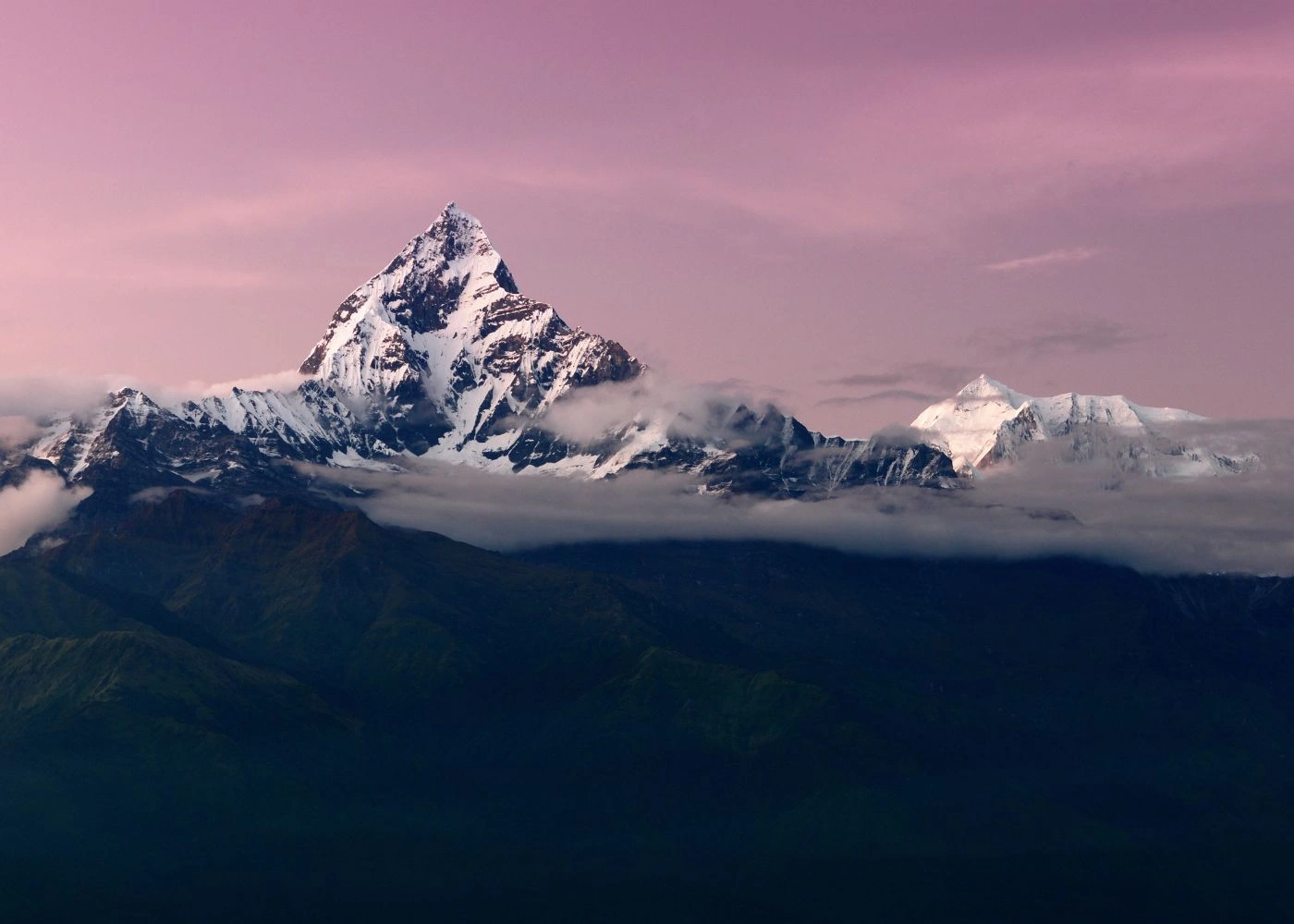
The Phewa Lake reflection shot, available from the Barahi Temple island at 5:30 AM on clear mornings, ranks among Nepal's most reproduced landscape images. What most competitors miss: the reflection quality peaks in October and November when post-monsoon clarity combined with still pre-dawn air creates mirror-surface lake conditions. A circular polarizing filter eliminates surface glare and deepens the reflection saturation by approximately 40%.
Sarangkot ridge, 5 kilometers north of Pokhara at 1,592 meters elevation, provides the widest unobstructed Annapurna panorama accessible without trekking permits, a 180-degree horizon spanning Dhaulagiri (8,167 meters) to Manaslu (8,163 meters).
Why Is the Everest Region Famous Among Photographers?
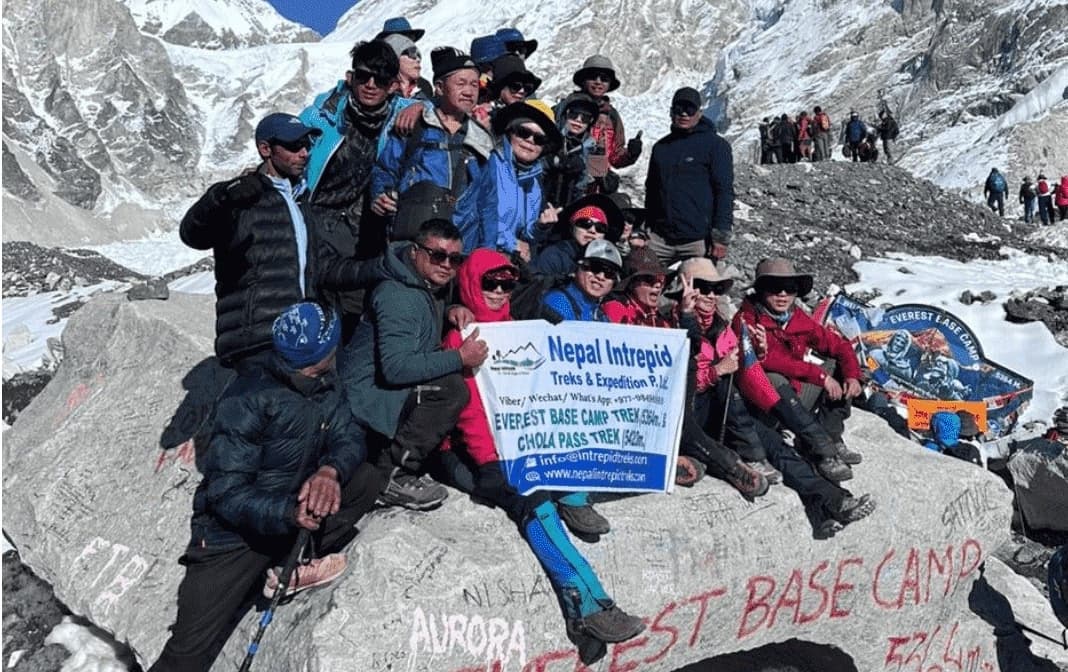
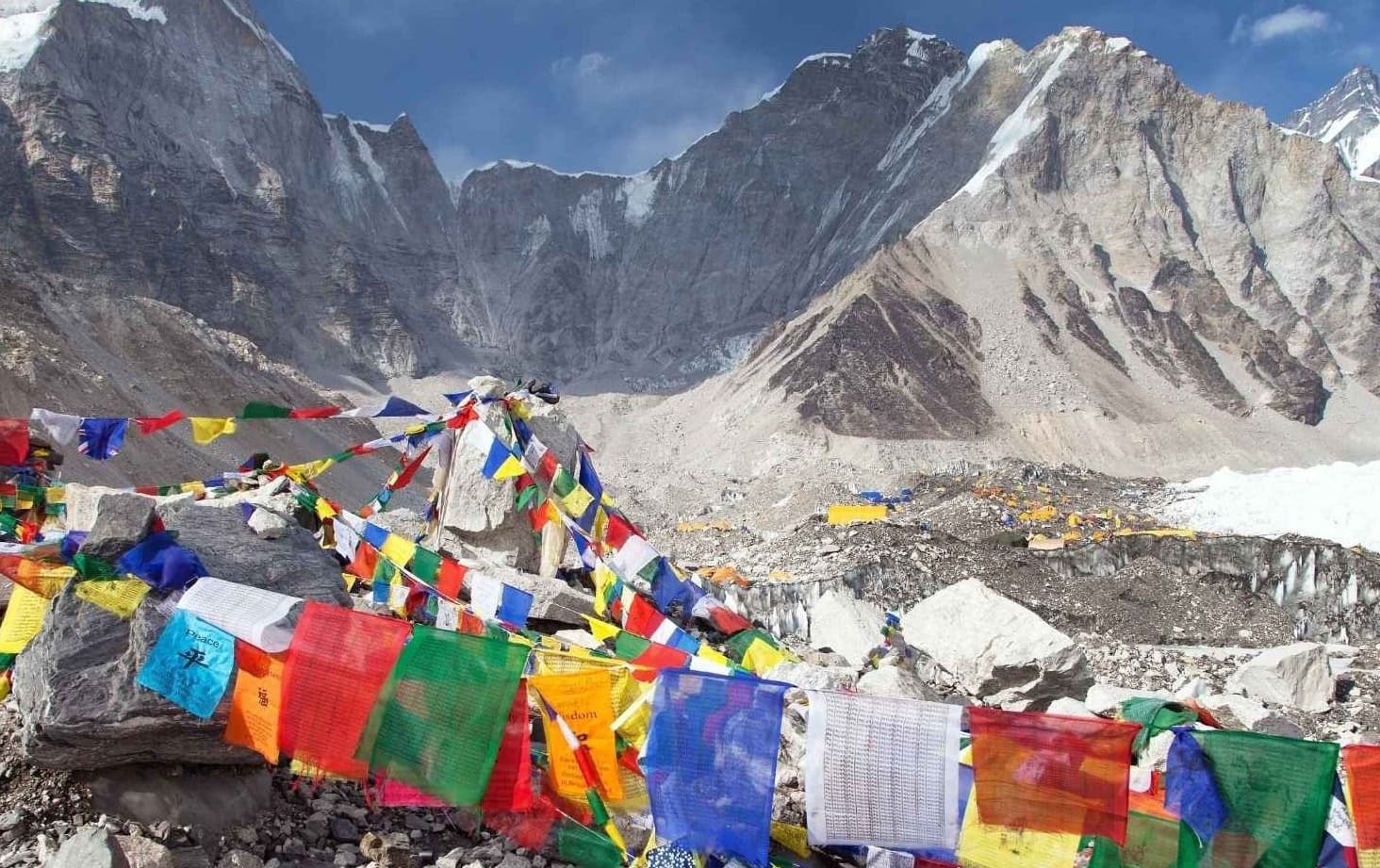
The Everest region produces photographs of Everest (8,848.86 meters), Lhotse (8,516 meters), Nuptse (7,861 meters), and Ama Dablam (6,812 meters) visible simultaneously from Kala Patthar at 5,643 meters, a vantage point no other accessible trail on Earth replicates.
Ama Dablam is the most compositionally versatile peak in Nepal for photography. Its pyramidal form with hanging glaciers photographs cleanly at a range of focal lengths from 24mm to 400mm. The Tengboche Monastery (3,867 meters) against the Ama Dablam backdrop is one of the defining images of Himalayan photography.
The Everest Base Camp trail also passes 12 Sherpa villages between Lukla and Base Camp, each providing architectural photography of traditional stone dwellings, chortens, and mani walls carved with Buddhist scripture.
What Makes Annapurna Landscapes So Appealing?
Annapurna landscapes appeal to photographers because the Annapurna Conservation Area (7,629 square kilometers) combines 4 ecological zones, subtropical forest, temperate rhododendron forest, alpine meadow, and glacial terrain, producing visual diversity within a 3 to 5-day walking radius.
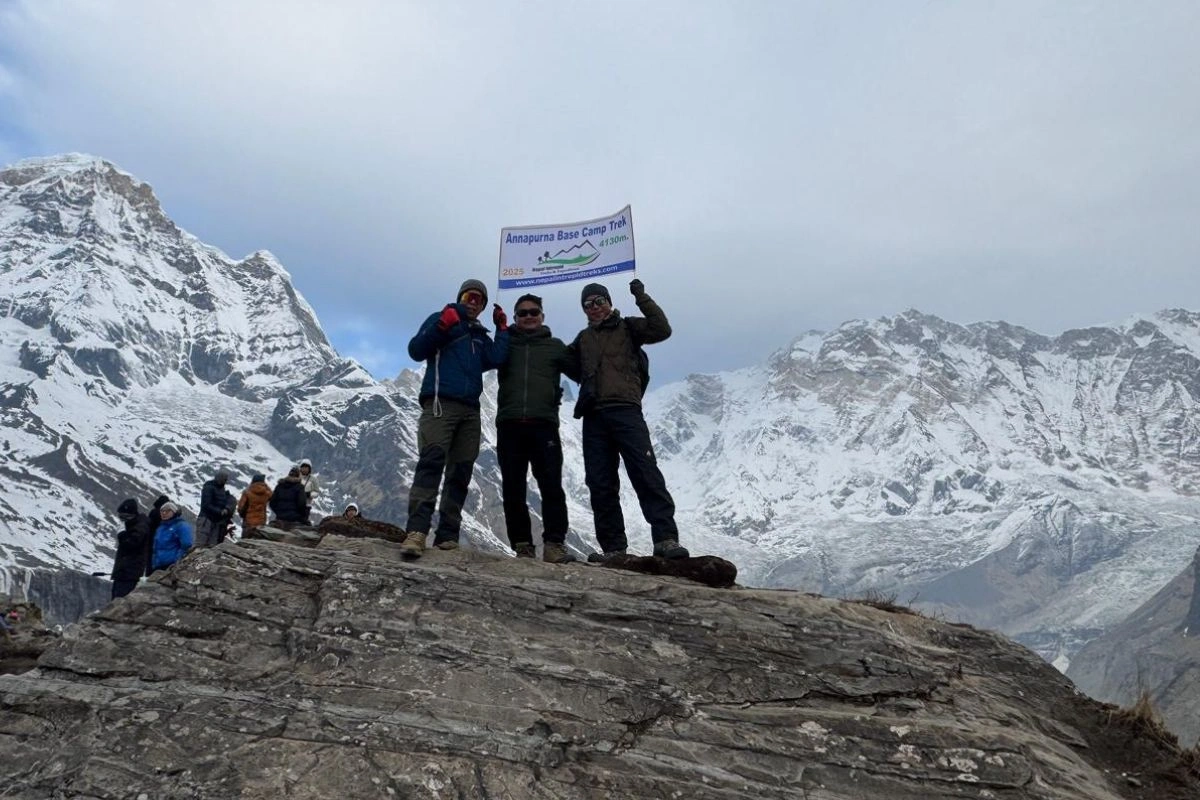
The Poon Hill trek (3,210 meters) delivers one of Nepal's most famous sunrise panoramas: a 180-degree view spanning Annapurna South (7,219 meters), Hiunchuli (6,441 meters), and Dhaulagiri, photographed with the Ghorepani village silhouette in the foreground.The Annapurna Base Camp (4,130 meters) places photographers inside a natural amphitheater of peaks on 3 sides, a 360-degree shooting position that photographers describe as "being inside the photograph."
When Is the Best Time for a Photography Tour in Nepal?
The best time for a photography tour in Nepal spans 2 primary windows: October to November (post-monsoon season) and March to April (pre-monsoon season). Both windows deliver clear mountain visibility, stable weather, and active cultural events. October and November produce the highest frequency of cloudless mornings, with 85–90% of days recording clear summit views in highland zones.
Which Seasons Offer the Clearest Mountain Views?
October, November, March, and April deliver the clearest mountain views in Nepal, each averaging 20–25 clear summit-view days per month in highland zones above 2,000 meters. October and November follow the monsoon's departure and record the lowest atmospheric particulate levels of the year. March and April precede the pre-monsoon haze buildup and coincide with rhododendron blooming, adding foreground color to mountain compositions.
December, January, and February deliver clear skies but produce extreme cold above 4,000 meters, with temperatures dropping to -20°C at Everest Base Camp. Summer monsoon months (June, July, August) restrict mountain photography to low-elevation and cultural subjects due to persistent cloud cover above 2,500 meters.
How Does Weather Affect Photography Conditions?
Weather in Nepal directly controls 4 photographic variables: peak visibility (measured in kilometers), light quality (diffuse vs. direct), cloud formations (used as compositional elements), and color temperature (shifting from 5,500K on clear days to 7,000K+ in overcast conditions).
Post-monsoon air clarity extends peak visibility to 80–120 kilometers on clear days, enabling telephoto compression shots of distant ranges from Nagarkot and Bandipur viewpoints. Winter produces the sharpest light with the strongest shadow contrast, ideal for architectural detail photography in temple complexes. Monsoon cloud formations (June–September), when they briefly clear, produce dramatic crepuscular ray photography opportunities over valley landscapes.
What Types of Photography Can You Explore in Nepal?
Nepal supports 5 primary photography disciplines: landscape and mountain photography, wildlife photography, cultural and documentary photography, festival photography, and portrait photography of ethnic communities including Sherpa, Newari, Tharu, Gurung, and Tamang peoples.
How Can You Capture Himalayan Landscapes?
Himalayan landscape photography in Nepal centers on 3 technical elements: pre-dawn positioning at established viewpoints, hyperfocal distance focusing at apertures of f/8 to f/11, and exposure bracketing across 3 to 5 stops to manage the extreme dynamic range between snow-covered peaks and shadowed valleys.
The dynamic range challenge of Himalayan photography is frequently underestimated. A correctly exposed Everest summit in direct sunlight reads at 2–3 stops brighter than a properly exposed foreground at dawn, requiring either graduated neutral density filters in the field or HDR bracket merging in post-processing. A 3-stop hard GND filter handles most morning mountain shots without post-processing complexity.
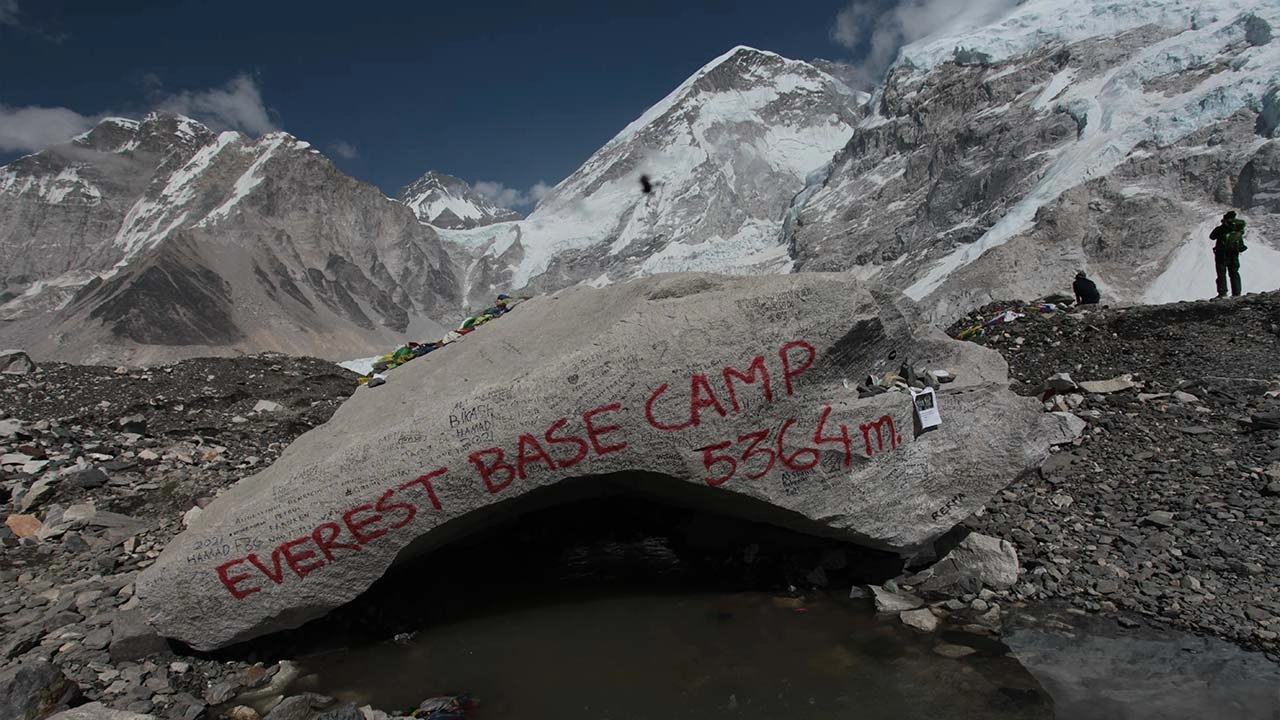
Telephoto lenses between 200mm and 400mm compress atmospheric layers and produce the "stacked peaks" effect that defines classic Himalayan photography. Wide-angle lenses (14mm–24mm) work best at Base Camp-level positions where foreground glacier detail and peak proximity are equally important compositional elements.
What Opportunities Exist for Wildlife Photography?
Nepal's 12 protected national parks and wildlife reserves support photography of 4 endangered megafauna species: Bengal tiger (Panthera tigris tigris), one-horned rhinoceros (Rhinoceros unicornis), snow leopard (Panthera uncia), and gharial crocodile (Gavialis gangeticus).
Chitwan National Park and Bardia National Park are the 2 primary wildlife photography zones. Chitwan records the second-largest population of one-horned rhinos globally (and the highest density within Nepal), with 694 of Nepal's 752 recorded rhinos (DNPWC population survey) concentrated within the park itself. A Chitwan jungle safari at dawn and dusk produces the highest probability of rhino and tiger encounter within 30-meter shooting range. A 500mm or 600mm telephoto lens with a monopod or beanbag vehicle rest is the minimum effective setup for wildlife portraits in vehicle-based safaris.
Snow leopard photography in the Mustang and Dolpo regions requires 7–14-day specialist expeditions and carries no encounter guarantee, but produces images of the rarest quality in the genre.
Why Is Cultural Photography Popular in Nepal?
Cultural photography thrives in Nepal because 125 officially recognized ethnic groups maintain 92 living religious and cultural festivals annually, producing a year-round calendar of photographic events unavailable in comparable concentration elsewhere in Asia.
The Newari civilization of the Kathmandu Valley, one of 3 continuous urban civilizations in South Asia, preserves architectural and ritual traditions dating to the 4th century CE. Newari courtyards (bahals) in Patan and Kathmandu contain private temples inaccessible to most visitors, but accessible to respectful photographers who request permission from the guthi (community guild) managing the site.
How Can You Photograph Festivals and Traditions?
Nepal's 3 highest-priority festivals for photography are Indra Jatra (August/September, Kathmandu), the Tihar festival (October/November, nationwide), and Holi (March, nationwide). Indra Jatra produces 8 days of living-goddess Kumari processions, chariot festivals, and masked Lakhe dance performances in Kathmandu Durbar Square, concentrated, publicly accessible, and visually dense.
Maha Shivaratri (February/March) at Pashupatinath Temple draws 700,000–1,000,000 Hindu pilgrims including 50,000+ Indian sadhus (holy men), creating portrait photography conditions of extraordinary cultural depth. Arriving 2 hours before sunrise secures position at the ghats before crowds obstruct sightlines. A 50mm to 85mm portrait lens with f/1.4 to f/1.8 aperture manages the low-light conditions of pre-dawn ritual activity without flash.
What Equipment Should You Bring for a Photography Tour?
A photography tour in Nepal requires 3 equipment categories: a primary camera system with multiple lenses, weather-protective accessories, and altitude-adapted power and storage solutions. The combination of extreme altitude (affecting battery performance), unpredictable weather, and dusty mountain trails makes gear selection more consequential in Nepal than in most global photography destinations.
Which Camera Gear Is Most Useful?
The most useful camera gear for Nepal combines a full-frame mirrorless body (Sony A7R V, Nikon Z8, or Canon R5 represent current 2026 standards) with 3 lens categories: a wide-angle zoom (14–24mm f/2.8), a standard zoom (24–70mm f/2.8), and a telephoto zoom (100–400mm or 150–600mm).
A second camera body is a practical necessity on multi-week trekking expeditions, not a luxury. At Everest Base Camp, there are no camera repair facilities within a 60-kilometer radius. Photographers on 10+ day expeditions carry a primary body plus a compact mirrorless backup (Sony ZV-E10 II or Fujifilm X-S20 represent capable lightweight options).
Drone photography requires a CAAAN (Civil Aviation Authority of Nepal) permit, costs NPR 10,000 (approximately USD 75), and restricts flying within 5 kilometers of airports and above 400 feet in protected areas. The Mustang and Pokhara regions are among the highest-value drone photography zones in Nepal.
What Accessories Can Improve Your Experience?
7 accessories that directly improve photography outcomes in Nepal are: a 6-stop to 10-stop ND filter (for waterfalls and long-exposure rivers), a circular polarizing filter (for sky and reflection shots), a sturdy carbon-fiber tripod, a headlamp with red-light mode (for pre-dawn viewpoint navigation), extra memory cards (128GB minimum per day of shooting), a portable SSD for field backup, and a lens cleaning kit.
Carbon fiber tripods weigh 30–50% less than aluminum equivalents, a meaningful difference when trekking with a 10–15 kilogram camera pack for 6 to 8 hours daily. At Kala Patthar and Poon Hill, temperatures below -5°C are common before sunrise. Standard tripod quick-release levers become difficult to operate with gloves. A lever-style Arca-Swiss compatible head with oversized controls solves this.
How Can You Protect Your Equipment While Traveling?
Equipment protection in Nepal's trekking environment requires 4 layers: a weatherproof camera bag with internal padding (Lowepro ProTactic or F-Stop Gear represent purpose-built options), silica gel packets (changed every 48 hours in monsoon-adjacent conditions), UV filters on all lenses as sacrificial scratch protection, and ziplock freezer bags for dusty trail sections.
The Kali Gandaki gorge (the world's deepest gorge at 5,571 meters depth between Dhaulagiri and Annapurna) generates intense wind-driven dust during afternoon hours. Photographers on the Mustang trail wrap cameras in a buff or lens cloth during non-shooting movement between 12:00 PM and 4:00 PM when wind peaks.
How Can You Prepare for a Photography Tour in Nepal?
Preparation for a photography tour in Nepal addresses 3 parallel requirements: physical fitness for altitude trekking, administrative documentation for permits and travel, and pre-trip photography planning for light windows and subject calendars. Cross-referencing our trekking equipment checklist before departure ensures your camera pack covers altitude-specific protection against extreme cold and trail dust.
What Fitness Level Is Needed for Trekking Routes?
The fitness requirement for Nepal's primary photography trekking routes varies across 3 levels: Poon Hill (Grade 2, moderate, 4–5 days, maximum 3,210 meters), Everest Base Camp (Grade 3, strenuous, 12–14 days, maximum 5,643 meters at Kala Patthar), and Annapurna Circuit (Grade 3, strenuous, 15–20 days, maximum 5,416 meters at Thorong La pass).
Photographers carry 5–10 kilograms more than standard trekkers due to camera equipment. This additional load increases cardiovascular demand by 15–20% at altitude. 8 weeks of pre-trip cardiovascular training, combining 5 days per week of 45-minute cardio sessions with 2 days per week of loaded hiking (10+ kilogram pack), reduces altitude sickness probability and improves shooting stamina significantly.
What Travel Documents Should You Arrange?
4 mandatory documents for photography tourism in Nepal are: a valid passport (minimum 6 months validity beyond arrival date), a Nepal Tourist Visa (obtainable on arrival at Tribhuvan International Airport for USD 30/15 days, USD 50/30 days, or USD 125/90 days, per the current fee schedule published by the Department of Immigration), a TIMS card (Trekkers' Information Management System, NPR 1,000 for SAARC nationals, NPR 2,000 for others), and a National Park or Conservation Area entry permit (Sagarmatha National Park: NPR 3,000 for foreign visitors, per the Nepal Tourism Board's official park listing, with reduced rates for SAARC (NPR 1,500) and Nepali nationals (NPR 25); Annapurna Conservation Area: NPR 3,000).
Drone operators require an additional Civil Aviation Authority of Nepal (CAAAN) permit and must register their drone model before entering Nepal. Processing takes 5–7 business days and online application is accepted through the CAAAN digital portal.
How Can You Plan Your Photography Schedule?
An effective Nepal photography schedule maps 5 elements per location: golden hour timing (sunrise/sunset times vary 45 minutes across the trekking season from October to April), peak-facing direction (north-facing vs south-facing viewpoints perform differently at sunrise vs sunset), festival calendar overlaps, acclimatization rest days, and weather contingency days.
Sunrise at Poon Hill occurs between 5:50 AM (October) and 6:40 AM (February). Photographers position at the hilltop 45 minutes before sunrise to capture blue hour. The walk from Ghorepani to Poon Hill takes 40 minutes on maintained stone steps, requiring a 4:30 AM departure from lodge in October.
What Tips Can Help You Take Better Photos in Nepal?
5 evidence-based techniques improve photography results in Nepal: pre-dawn positioning at primary viewpoints, hyperfocal distance shooting for sharp front-to-back landscapes, local guide coordination for restricted or non-obvious locations, 3-bracket exposure sequences for high-contrast mountain light, and weather-pattern monitoring via the Windy.com forecast platform (most accurate for Himalayan terrain).
How Can You Capture Sunrise and Sunset Scenes?
Sunrise photography in Nepal produces optimal results from 4 dedicated viewpoints: Kala Patthar (5,643 meters) for Everest, Poon Hill (3,210 meters) for Annapurna, Sarangkot (1,592 meters) for Machhapuchhre, and Nagarkot (2,175 meters) for the Kathmandu Valley horizon. Each viewpoint requires arriving 30–45 minutes before astronomical sunrise to capture blue hour gradients before the sun clears the horizon.
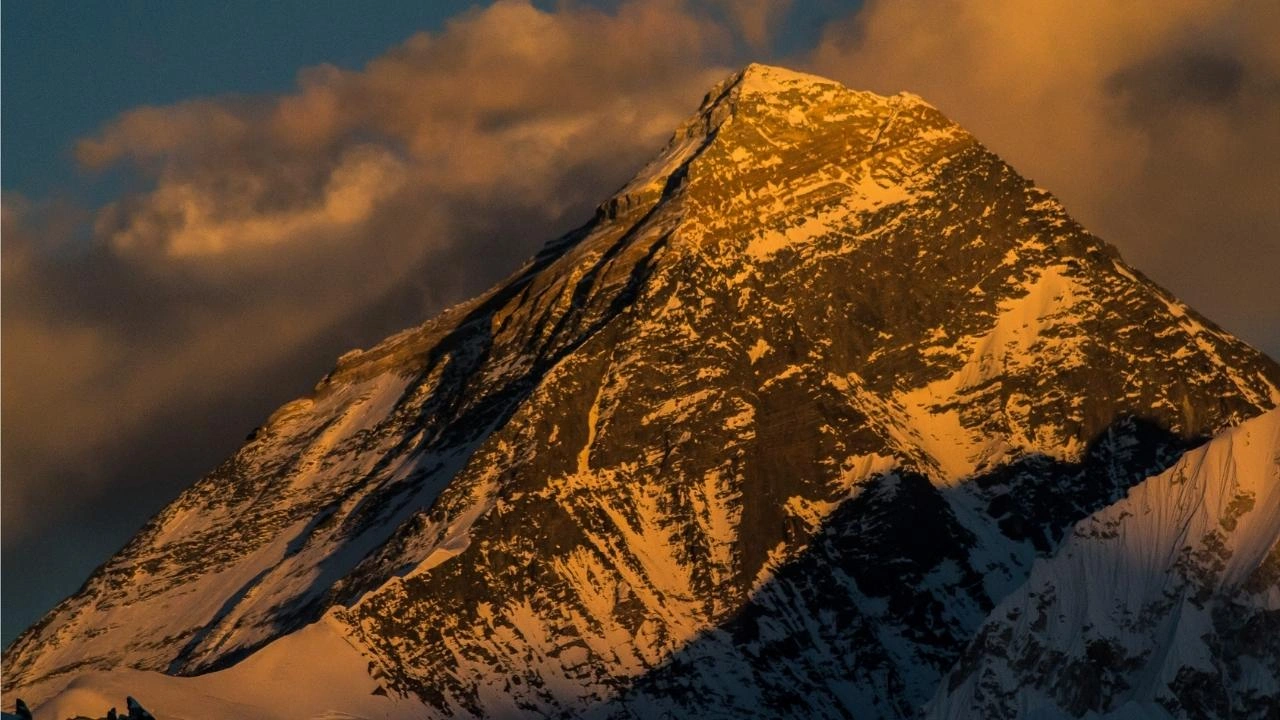
The 15-minute window after sunrise and before sunset produces the warmest color temperatures, between 2,000K and 3,500K, on snow-covered peaks. This "Himalayan golden hour" is shorter than standard golden hour at lower elevations because the sun rises above the horizon faster at high altitude viewing angles. A 200mm–400mm telephoto captures summit alpenglow detail that wide-angle compositions miss.
What Techniques Work Best for Mountain Photography?
Mountain photography in Nepal benefits from 3 specific field techniques: shooting from the shadow zone with peaks illuminated against sky (rather than into the light), using cloud formations as dynamic foreground or middle-ground compositional elements, and applying focus peaking to manual-focus telephoto shots at f/8 to ensure summit sharpness at 400mm+ focal lengths.
Photographers who arrive at Base Camp or high viewpoints on the first clear day often miss the best shots. The clearest, most visually dynamic conditions typically occur on the 2nd or 3rd consecutive clear morning, when residual atmospheric moisture from the previous overcast period has fully dissipated. Building 1–2 weather buffer days into an itinerary at primary viewpoints directly improves the probability of capturing exceptional conditions.
How Can You Respect Local Culture While Shooting?
Cultural photography ethics in Nepal follows 4 core rules: request verbal permission before photographing individuals at close range (under 5 meters), refrain from photographing temple interiors unless explicitly permitted, follow posted restrictions at cremation sites, and offer prints or payment only when the subject initiates the discussion.
At Pashupatinath, designated photography zones exist on the opposite river bank from active cremation ghats. Crossing to the ghat side without permission from the Pashupati Area Development Trust (PADT) is prohibited. Most Nepali subjects photograph willingly for trekkers with genuine interest, direct eye contact, a respectful namaste gesture, and pointing to the camera communicates intent clearly across language barriers.
Should You Join a Guided Photography Tour in Nepal?
A guided photography tour in Nepal delivers measurable advantages over independent travel for 3 measurable outcomes: access to non-public or restricted shooting locations, departure timing optimization by local-knowledge guides, and post-shoot editing workflow support offered by specialist photography tour operators.
What Benefits Do Professional Guides Provide?
Professional photography guides in Nepal provide 5 specific advantages: pre-positioned viewpoint knowledge (including non-GPS-mapped locations), real-time weather interpretation for shooting decisions, language access for community photography permissions, logistical coordination (permits, transport, accommodation booking), and safety judgment on high-altitude and remote terrain.
A guide who has photographed Poon Hill 200+ times recognizes the subtle pre-dawn sky conditions that predict whether the Annapurna range will be cloud-free at sunrise. Independent photographers make this judgment without context. The difference between a complete-cloud washout and a 5-minute alpenglow window can be a 45-minute earlier departure, a call that local experience makes reliably.
How Can Group Tours Improve Your Experience?
Photography group tours in Nepal improve individual results through 3 mechanisms: shared knowledge of shooting positions at crowded viewpoints (to avoid shadowing each other's frames), peer critique during rest days at teahouse camps, and itinerary flexibility that solo travelers cannot negotiate (waiting an extra day for weather clearance across a group is logistically simpler when accommodation and porter teams are pre-arranged).
Groups of 4–8 photographers with a dedicated guide represent the optimal tour size. Groups larger than 10 photographers create viewpoint congestion at narrow ridgeline positions like Kala Patthar or Poon Hill, where competing tripod positions produce compromised compositions.
What Should You Look for in a Tour Package?
A quality Nepal photography tour package includes 6 verifiable components: a guide with demonstrated photography knowledge (verifiable through portfolio review), an itinerary with dedicated photography time allocations (minimum 2–3 hours at primary viewpoints), accommodation at strategic locations relative to morning viewpoints, permit and logistics management, emergency evacuation insurance coordination, and equipment porter service for camera bags above 10 kilograms.
Tour pricing for quality photography-specific packages ranges from USD 80–150 per day for standard routes to USD 200–350 per day for specialist routes including Mustang, Upper Dolpo, or helicopter-supported itineraries. The price differential between standard trekking tours and photography-optimized tours reflects viewpoint timing, smaller group sizes, and guide specialization.
How Can You Get the Most From a Photography Tour in Nepal?
Maximizing a photography tour in Nepal requires 3 pre-departure actions: researching the light direction and timing for each planned location, identifying 2–3 compositional goals per location (rather than shooting reactively), and loading offline mapping tools (Maps.me or Gaia GPS) with downloaded Nepal tilesets before departure since 4G coverage ends beyond Namche Bazaar on the Everest trail.
Can Guided Photography Tours Enhance Your Results?
Guided photography tours in Nepal measurably enhance results for photographers at 2 specific experience levels: intermediate photographers (1–5 years experience) who benefit from location access and technical mentorship, and advanced photographers who gain access to non-public or culturally restricted subjects through guide relationships with local communities.
The Newari bahal courtyards of Patan, the upper chambers of active monasteries in the Everest region, and the predawn fishing communities of Pokhara's Phewa Lake are 3 location categories that guided tours access through established local relationships, locations that independent photographers consistently miss or enter without contextual understanding, producing technically correct but culturally shallow images.
What Are the Key Takeaways About Photography Tours in Nepal?
A photography tour in Nepal delivers results in 5 subject categories, Himalayan landscape, urban heritage, wildlife, cultural ceremony, and mountain trekking portraiture, across a geographic range accessible within a 2-week to 4-week itinerary. The optimal approach combines the Kathmandu Valley (3–4 days), one alpine trekking route such as the Everest Base Camp trek or Annapurna (10–14 days), and one lowland wildlife zone (Chitwan or Bardia, 2–3 days) for comprehensive visual coverage.
The 4 most important decisions that determine photography tour success in Nepal are seasonal timing (October–November or March–April), location sequencing (cultural zones before alpine to allow acclimatization), equipment preparation (weather protection and altitude battery management), and guide selection (photography-specialist versus general trekking guide).
Nepal's photographic potential is not theoretical, it is a documented reality confirmed by the volume of globally recognized photography produced from its landscapes and communities each year. A well-planned photography tour in Nepal, executed with the right equipment, timing, and local knowledge, produces work of international publication quality across every genre the country supports.