Annapurna Circuit Trek Duration and Distance
The complete Annapurna Circuit trek typically takes 14-16 days, depending on your itinerary, pace, and acclimatisation requirements. This iconic Nepal trekking route covers approximately 160-230 kilometres, with daily walking times ranging from 4-8 hours. Many trekkers choose to shorten the Annapurna Circuit by taking jeep rides on certain sections, particularly through the lower Marsyangdi Valley. However, skipping these sections reduces the full experience of gradual landscape transitions and cultural immersion that make the Annapurna Circuit trek one of the world's most spectacular trekking adventures.
Altitude and Acclimatisation on Annapurna Circuit
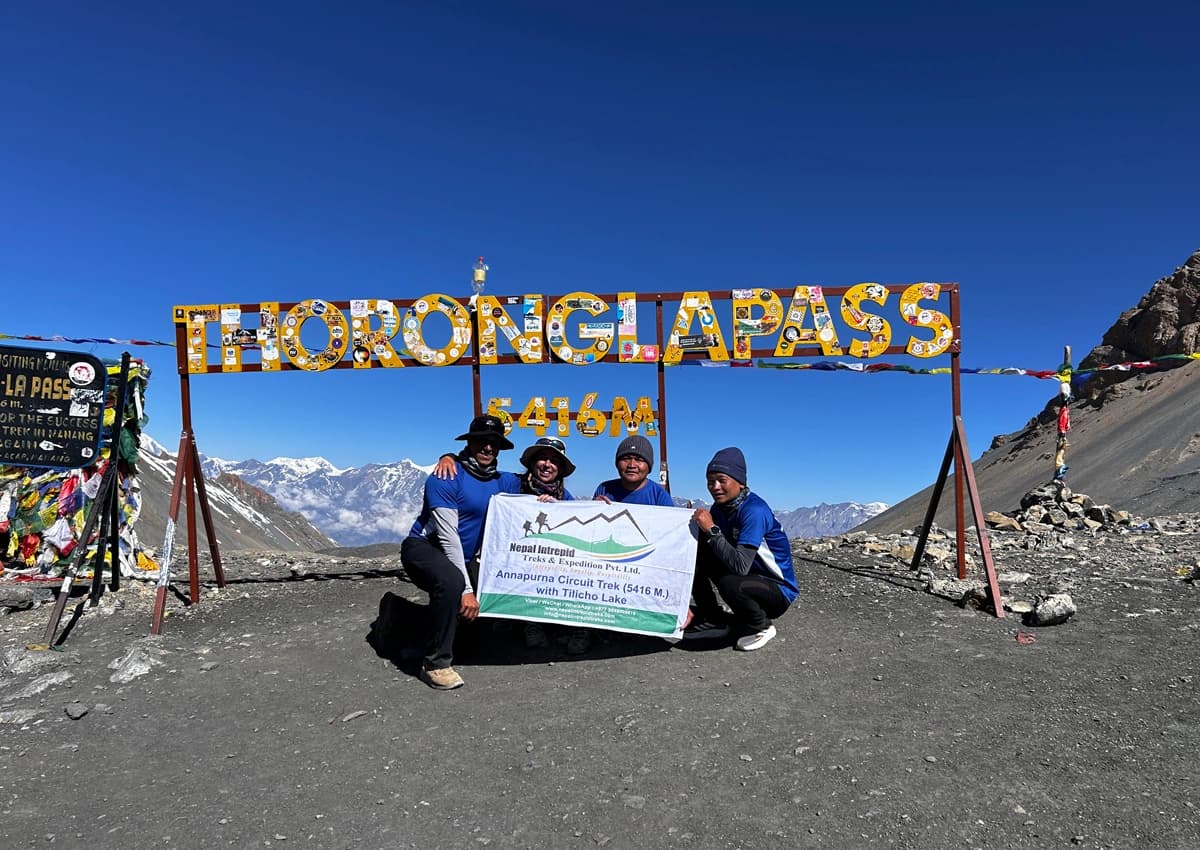
The highest point of the Annapurna Circuit trek is Thorong La Pass at 5,416 meters (17,769 feet), making proper acclimatisation absolutely critical for success. Your Annapurna Circuit itinerary should include at least 1-2 acclimatisation days, typically spent in Manang Valley or nearby villages. Acute Mountain Sickness (AMS) becomes a real concern above 3,000 meters on the Annapurna Circuit. Common altitude sickness symptoms include headache, nausea, dizziness, and shortness of breath. The golden rule for Annapurna Circuit trekking is to ascend slowly, stay well-hydrated with 3-4 litres of water daily, and never ignore altitude sickness symptoms. If symptoms worsen during your Annapurna Circuit trek, immediate descent is necessary for safety.
Physical Fitness Requirements for Annapurna Circuit Trek
The Annapurna Circuit trek is considered moderately difficult to challenging, suitable for trekkers with good physical fitness. While the Annapurna Circuit doesn't require technical climbing skills, excellent cardiovascular fitness and stamina are essential for successfully completing this Himalayan trek. Prepare for the Annapurna Circuit with regular cardio exercise for at least 6-8 weeks before departure. Recommended Annapurna Circuit training includes hiking with a loaded backpack, stair climbing, jogging, and cycling. Mental preparation is equally important for the Annapurna Circuit as you'll face long trekking days, varying weather conditions, and physical challenges. Previous multi-day trekking experience is highly beneficial for the Annapurna Circuit, but not mandatory if you're properly prepared.
Best Time to Trek Annapurna Circuit
The best time for the Annapurna Circuit trek is during spring (March to May) and autumn (September to November). Spring Annapurna Circuit trekking brings blooming rhododendrons, clear mountain views after winter, and moderate temperatures, though afternoons can be cloudy. Autumn is considered the best season for the Annapurna Circuit trek, providing the clearest mountain views, stable weather, comfortable temperatures, and excellent visibility for Himalayan photography. Winter Annapurna Circuit trekking (December to February) is possible but extremely cold at Thorong La Pass with potential snow closures and shorter daylight hours. Monsoon season (June to August) is the least favorable time for Annapurna Circuit trek, bringing heavy rainfall, leeches in lower sections, obscured mountain views, and increased landslide risk.
Annapurna Circuit Permits and Documentation
You'll need two permits for the Annapurna Circuit trek: the Annapurna Conservation Area Permit (ACAP) costing NPR 3,000 for foreigners, and the Trekkers' Information Management System (TIMS) card costing NPR 2,000. Both Annapurna Circuit permits can be obtained in Kathmandu or Pokhara through registered Nepal trekking agencies like Nepal Intrepid Treks. Required documents for the Annapurna Circuit permit include your passport with at least six months' validity and passport-sized photos. Annapurna Circuit permits are checked at various checkpoints along the trekking route, so keep them accessible throughout your trek. While solo trekking the Annapurna Circuit is technically allowed, regulations change frequently, and hiring a guide or porter is highly recommended for safety, navigation, and cultural insights on the Annapurna Circuit.
Annapurna Circuit Accommodation and Teahouses
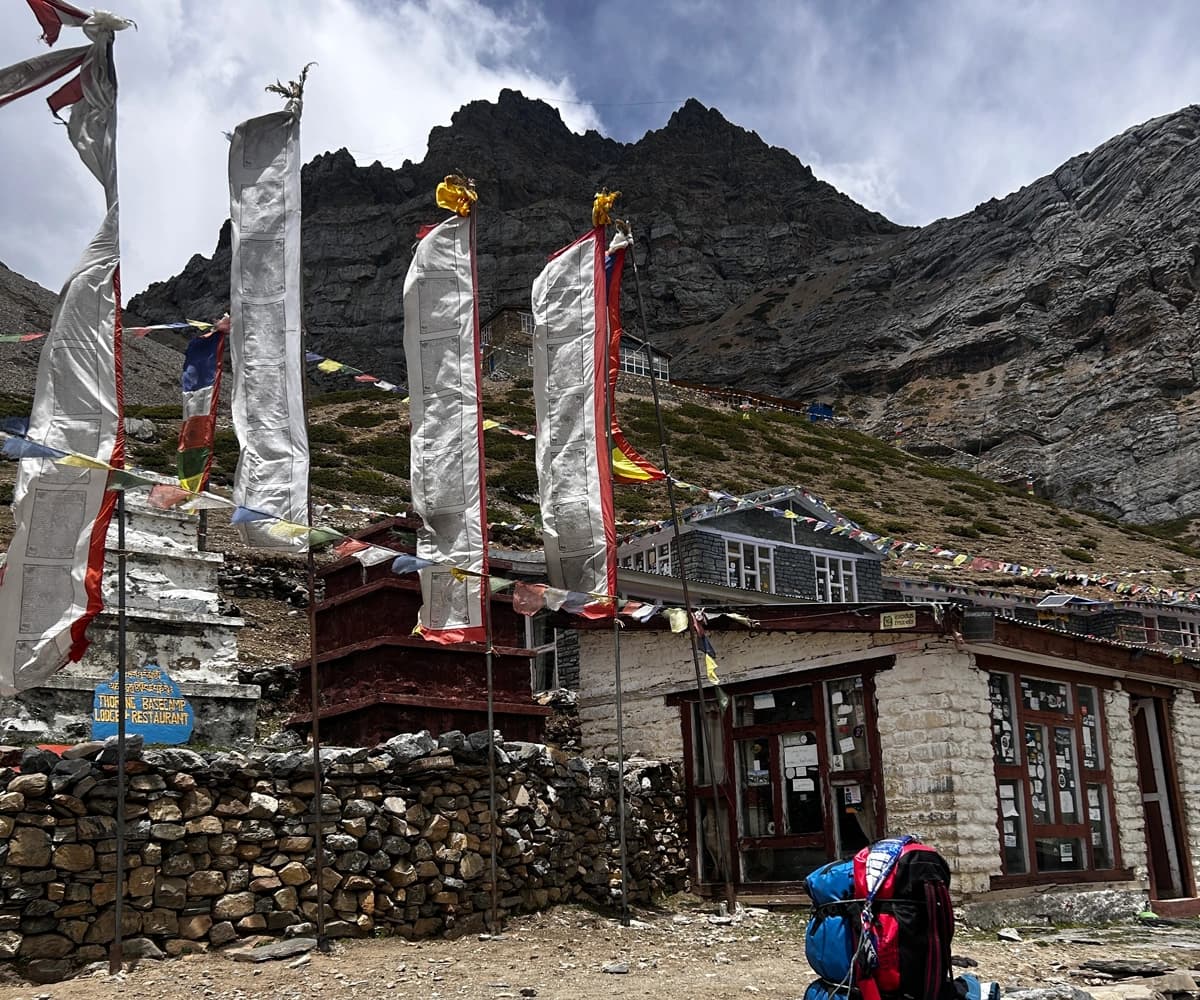
The Annapurna Circuit offers diverse accommodation options from basic teahouses to more comfortable mountain lodges. Annapurna Circuit teahouses are family-run guesthouses providing simple rooms with twin beds, blankets, and shared bathrooms along the trekking route. As you gain altitude on the Annapurna Circuit, facilities become more basic with squat toilets, cold water, and minimal heating. Most Annapurna Circuit teahouses offer dining areas with wood stoves where trekkers gather in the evenings. Private rooms are usually available in lower elevations of the Annapurna Circuit, but expect shared accommodations above 4,000 meters during peak trekking season. Hot showers are available at Annapurna Circuit teahouses for an extra charge (NPR 200-500) but become rare and expensive at higher altitudes approaching Thorong La Pass. Electricity for charging devices costs extra at Annapurna Circuit accommodations and isn't always reliable in remote areas.
Food and Water on Annapurna Circuit Trek
Annapurna Circuit teahouse menus offer surprisingly diverse options including dal bhat (traditional Nepali rice and lentils with unlimited refills), noodle dishes, soups, pancakes, pasta, fried rice, momos (dumplings), and bread. Dal bhat is the most economical and nutritious choice for sustained energy during Annapurna Circuit trekking. Western food becomes more expensive at higher Annapurna Circuit elevations due to transportation costs. Portions tend to be smaller as you ascend toward Thorong La Pass. Never drink untreated water from taps or streams during your Annapurna Circuit trek. Bottled water is available but environmentally problematic and expensive at altitude (NPR 100-500 per bottle). For the Annapurna Circuit, bring water purification tablets, filters, or UV sterilisers to treat water from taps or streams. Staying well-hydrated (3-4 litres daily) is crucial for Annapurna Circuit acclimatisation and preventing altitude sickness.
Mobile Network and Internet on the Annapurna Circuit
Mobile network coverage is surprisingly good on much of the Annapurna Circuit trek, with Ncell and Nepal Telecom providing coverage in most villages up to Manang and beyond Thorong La Pass. However, expect dead zones in remote Annapurna Circuit sections and deep valleys. Purchase a local SIM card in Kathmandu or Pokhara before starting your Annapurna Circuit trek (bring passport photos). WiFi is available at most Annapurna Circuit teahouses for a fee (NPR 200-500 per day or per hour), though connections are often slow and unreliable, especially during peak Annapurna Circuit trekking season when many users share limited bandwidth. Consider your Annapurna Circuit trek an opportunity for digital detox, but carry downloaded offline maps and emergency contact information for safety.
Annapurna Circuit Trek Cost and Budget
The Annapurna Circuit can be trekked on various budgets. Independent Annapurna Circuit trekking without guides costs approximately USD 30-50 per day, covering accommodation, meals, permits, and miscellaneous expenses. Guided Annapurna Circuit treks with agencies like Nepal Intrepid Treks range from USD 800-2,000+, depending on service level and group size. Annapurna Circuit costs increase significantly at higher altitudes, where everything must be transported by mule or porter. Bring sufficient Nepali Rupees in cash for the Annapurna Circuit, as ATMs are only available in larger villages like Chame and Jomsom, and they're often out of service. Credit cards are rarely accepted on the Annapurna Circuit except in Pokhara and Kathmandu. Budget extra for hot showers, charging electronics, WiFi, snacks, drinks, and emergency expenses during your Annapurna Circuit trek.
Thorong La Pass Crossing: Essential Tips
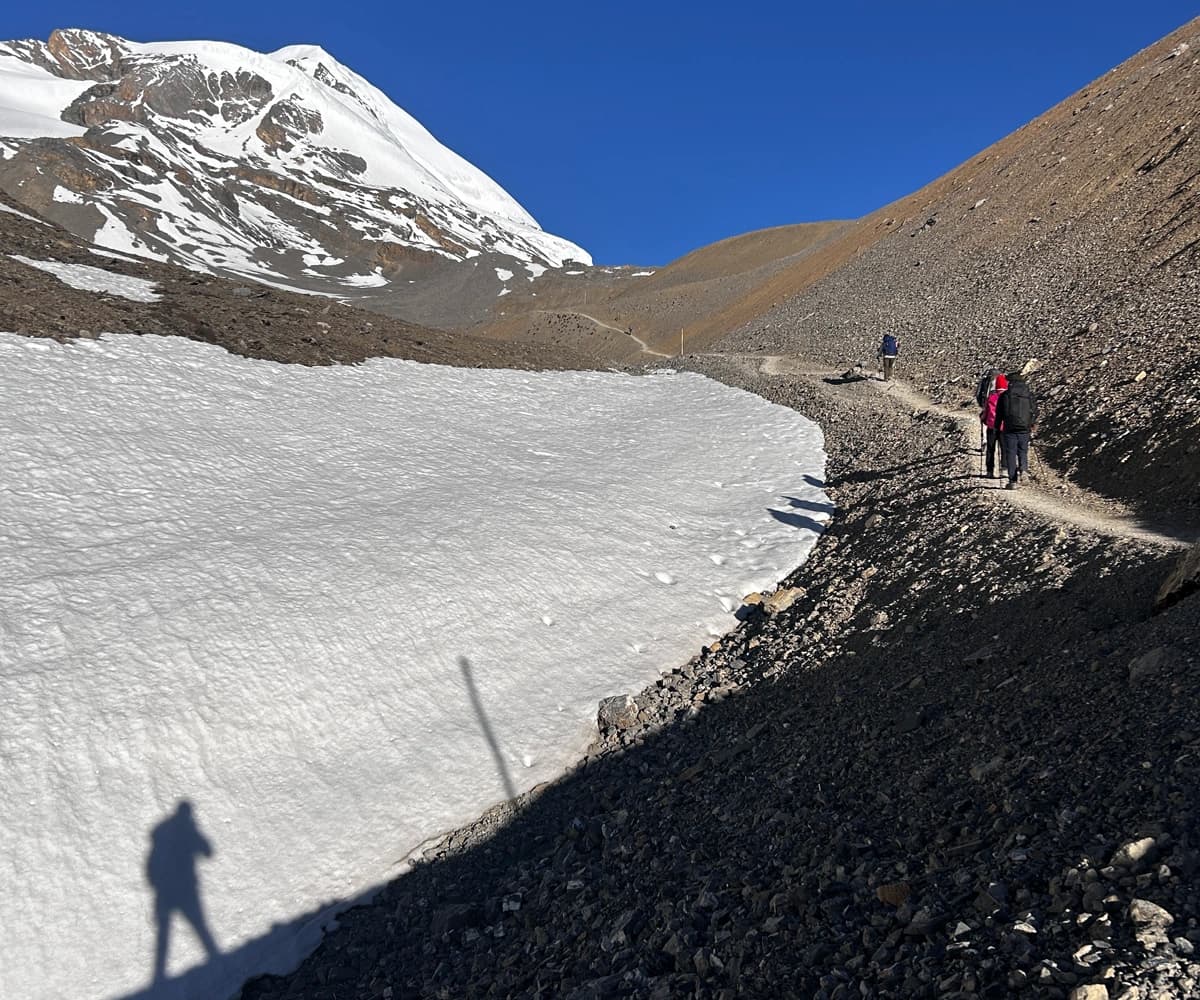
Crossing Thorong La Pass is the Annapurna Circuit's biggest challenge and requires careful planning. Most Annapurna Circuit trekkers start around 3-4 AM from High Camp or Thorong Phedi to cross Thorong La Pass before afternoon winds pick up. The Thorong La ascent takes 4-6 hours in darkness and extreme cold (often -15°C to -20°C), so bring a headlamp with extra batteries, wear all your warm layers, and use hand warmers. The descent from Thorong La Pass to Muktinath takes another 4-5 hours on steep, knee-jarring trails. The weather at Thorong La Pass changes rapidly, and the pass can close due to snow, especially in winter and early spring. Always check Thorong La Pass conditions with locals and be prepared to wait an extra day if necessary. Never attempt crossing Thorong La Pass if you have altitude sickness symptoms during your Annapurna Circuit trek.
Annapurna Circuit Transportation and Road Access
The character of the Annapurna Circuit has changed significantly with road construction in recent years. Roads now reach Manang from the east and connect Jomsom to Pokhara from the west along the Annapurna Circuit route. Many Annapurna Circuit trekkers take jeeps to skip lower sections, particularly from Besisahar to Chame or Syange, saving 2-3 days of trekking. While this shortens the Annapurna Circuit trek, it also reduces acclimatisation time and misses beautiful landscapes. The traditional Annapurna Circuit trekking route still exists alongside roads in most sections. Post-trek, most people take a bus or jeep from Jomsom to Pokhara (6-8 hours on rough roads) or fly (20 minutes, weather permitting) to avoid the dusty, bumpy road journey after completing the Annapurna Circuit.
Annapurna Circuit Guide and Porter Services
Hiring a porter for the Annapurna Circuit costs approximately USD 20-25 per day, and they typically carry up to 20-25 kg for two trekkers. Hiring an Annapurna Circuit guide costs USD 25-35 per day depending on experience and language skills. Annapurna Circuit guides provide navigation, cultural interpretation, safety monitoring, and help with accommodation arrangements along the trekking route. If hiring independently for the Annapurna Circuit, ensure fair wages, proper equipment, and insurance coverage. Reputable Annapurna Circuit trekking agencies like Nepal Intrepid Treks ensure ethical treatment of staff with proper wages, equipment, insurance, and rest days. Having support staff on the Annapurna Circuit enhances safety, especially at high altitude approaching Thorong La Pass, and contributes directly to local mountain communities.
Annapurna Circuit Weather and Temperature
Weather on the Annapurna Circuit varies dramatically by elevation and season. Lower elevations on the Annapurna Circuit (below 2,000m) can be warm and humid with temperatures of 15-25°C during the day. Mid-elevations of the Annapurna Circuit (2,000-4,000m) offer comfortable trekking weather of 5-15°C, while high altitudes (above 4,000m) experience cold conditions of -5 to 5°C during the day, dropping to -15 to -25°C at night, especially at Thorong La Pass and High Camp. Weather on the Annapurna Circuit can change rapidly in mountains with sudden storms, snowfall, or wind. Mornings generally offer the clearest skies on the Annapurna Circuit, with clouds developing by afternoon. Pack for all conditions including rain, snow, sun, and wind when trekking the Annapurna Circuit.
Environmental Responsibility on the Annapurna Circuit
The Annapurna region faces environmental pressures from tourism growth. Practice responsible Annapurna Circuit trekking by carrying out all non-biodegradable waste, using refillable water bottles instead of buying plastic, sticking to established Annapurna Circuit trails to prevent erosion, respecting wildlife and vegetation, using toilets properly and not contaminating water sources, minimising hot shower usage (firewood consumption), and supporting eco-conscious teahouses. The "Leave No Trace" principle is crucial for the Annapurna Circuit trekking. Your actions directly impact this fragile Himalayan ecosystem and the communities depending on clean water, forests, and sustainable tourism along the Annapurna Circuit.
Cultural Etiquette on Annapurna Circuit Trek
The Annapurna Circuit passes through diverse cultural communities requiring respectful behaviour. Always ask permission before photographing people or religious sites on the Annapurna Circuit, dress modestly, especially when visiting monasteries and temples, remove shoes before entering homes and religious buildings, walk clockwise around Buddhist stupas and mani walls along the Annapurna Circuit, don't touch religious objects or malas without permission, and respect local customs during festivals or ceremonies. Learn basic Nepali phrases for your Annapurna Circuit trek like "Namaste" (hello), "Dhanyabad" (thank you), and "Mitho chha" (delicious). Tipping is customary for Annapurna Circuit guides and porters—approximately 10% of the trek cost divided appropriately.
Emergency and Medical Facilities on the Annapurna Circuit
Medical facilities are limited on the Annapurna Circuit trek. Small health posts exist in villages like Manang and Jomsom along the Annapurna Circuit, but serious conditions require evacuation to Pokhara or Kathmandu. Helicopter rescue is available from the Annapurna Circuit but is expensive (USD 3,000-10,000+), making comprehensive travel insurance with helicopter evacuation coverage mandatory for Annapurna Circuit trekking. Carry a comprehensive first aid kit for the Annapurna Circuit, including altitude sickness medication (Diamox), pain relievers, blister treatment, antibiotics, anti-diarrheal medication, and any personal prescriptions. Many Annapurna Circuit trekkers experience minor issues like upset stomach, blisters, or mild altitude symptoms. Prevention through proper acclimatisation, hydration, hygiene, and pacing is far better than treatment on the Annapurna Circuit trek.
Annapurna Circuit Trek Variations and Side Trips
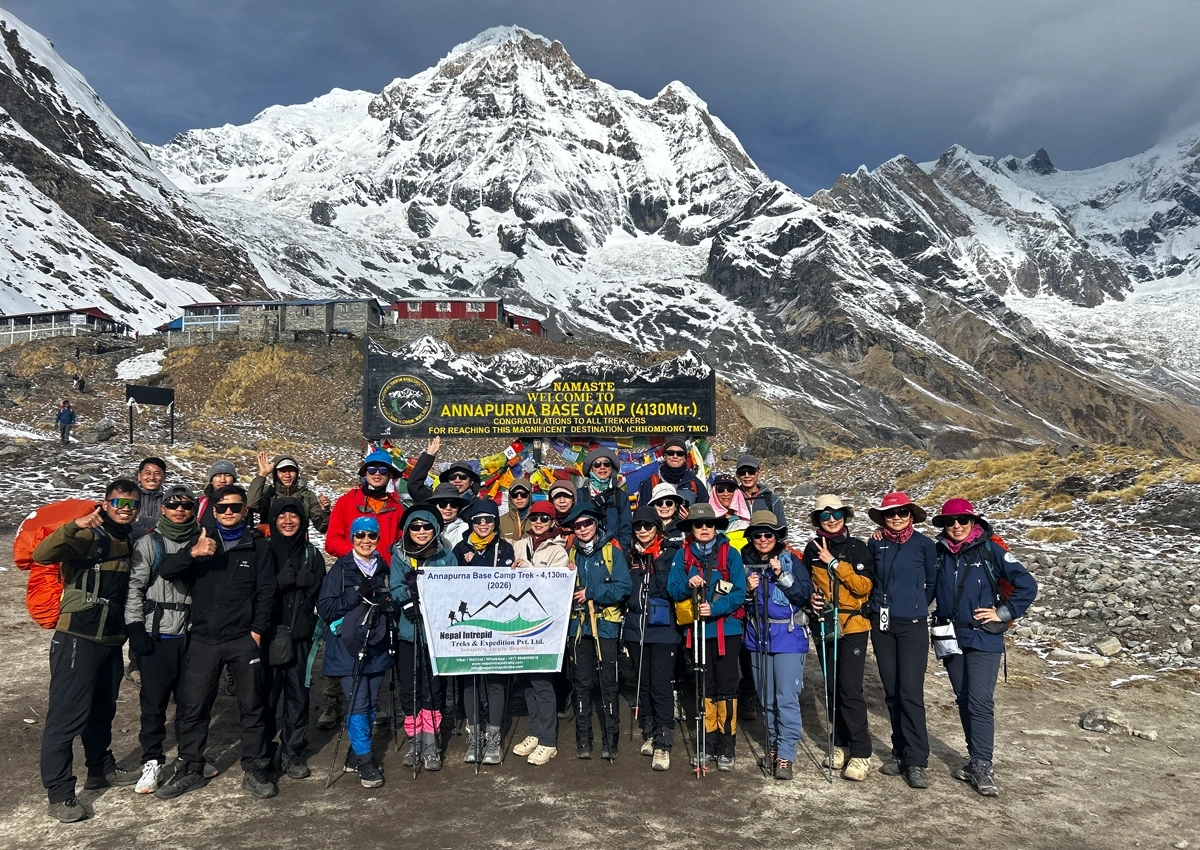
The classic Annapurna Circuit can be customized with popular side trips including Tilicho Lake (one of the world's highest lakes at 4,919m, adding 2-3 days to your Annapurna Circuit), Annapurna Base Camp (combining two iconic Nepal treks, adding 3-4 days), Ice Lake above Manang (stunning day hike for Annapurna Circuit acclimatization), Poon Hill detour via Ghorepani (famous sunrise viewpoint), and Nar Phu Valley (restricted remote region requiring special permits). Some trekkers do the Annapurna Circuit in reverse (counterclockwise), though this is less common due to steeper Thorong La Pass ascent. Shortened Annapurna Circuit versions skip lower sections or end at Muktinath rather than continuing to Pokhara.
Why Choose Annapurna Circuit Trek
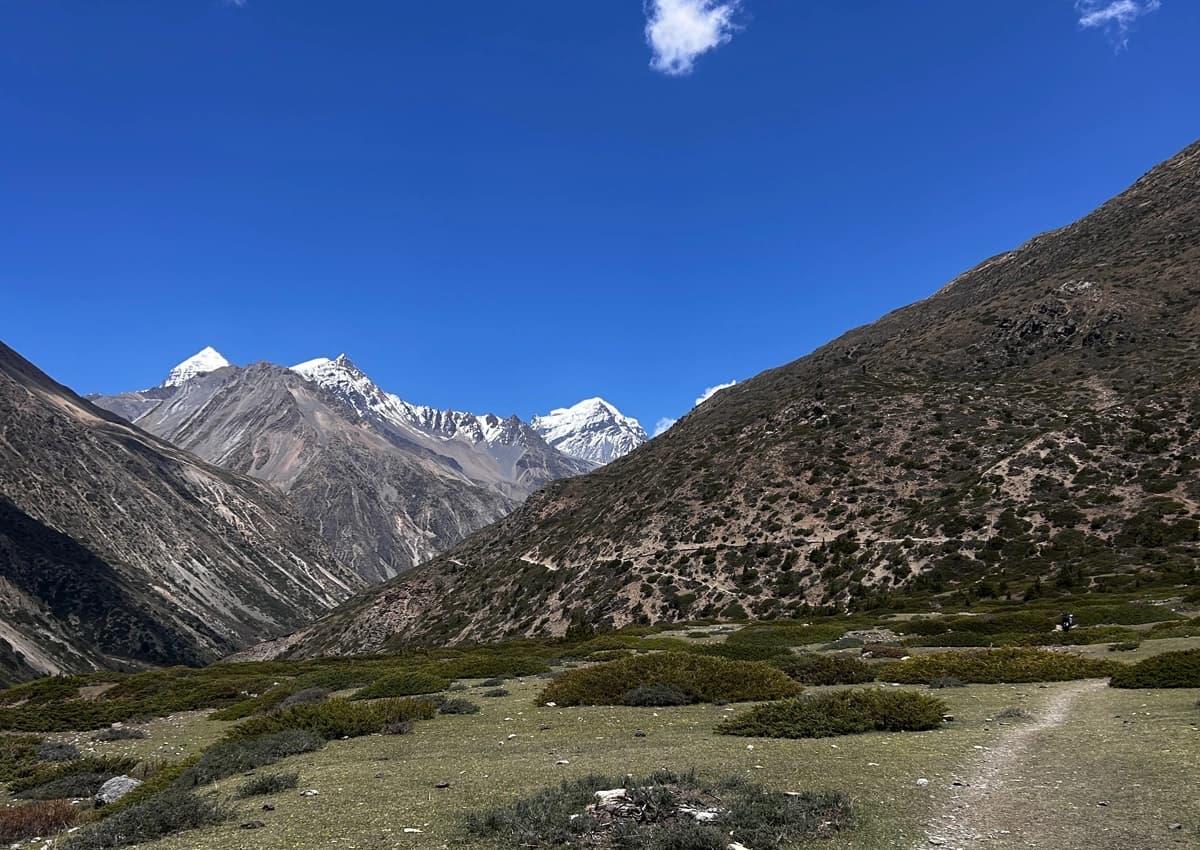
The Annapurna Circuit is considered one of the world's greatest treks and best treks in Nepal because it offers unmatched variety in a single journey. During your Annapurna Circuit trek, you'll experience dramatic climate changes from subtropics to alpine desert, encounter diverse cultures from Hindu to Buddhist communities, witness some of the Himalayas' most spectacular mountain scenery including Annapurna, Dhaulagiri, and Manaslu ranges, challenge yourself crossing Thorong La Pass at 5,416 meters, and immerse yourself in authentic mountain life away from modern conveniences. Unlike many Nepal treks that go up and back down the same route, the Annapurna Circuit provides constantly changing scenery and experiences, making every day feel like a new adventure in the Himalayas.
Book Your Annapurna Circuit Trek with Nepal Intrepid Treks
Ready to experience the legendary Annapurna Circuit trek? Nepal Intrepid Treks offers expertly guided Annapurna Circuit trekking packages with experienced guides, proper acclimatisation schedules, quality accommodations, and 24/7 support throughout your Himalayan adventure. Contact us today to plan your Annapurna Circuit trek and create unforgettable memories in the magnificent Annapurna region of Nepal.