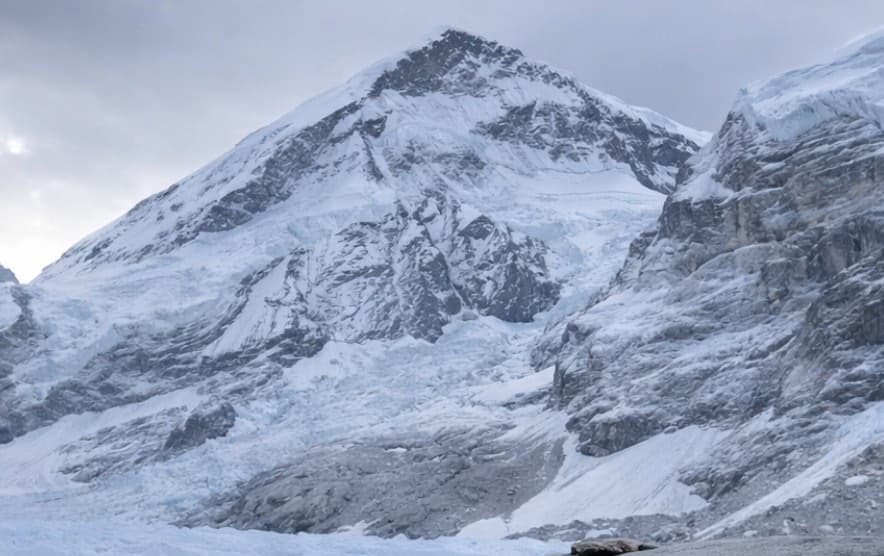
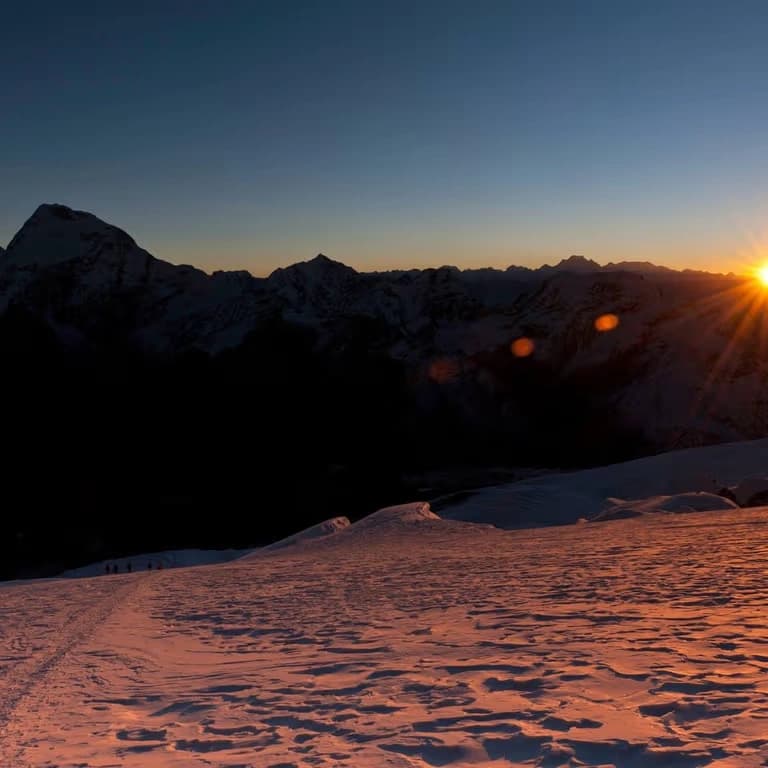
Mera Peak climbing is a high-altitude trekking peak expedition in Nepal that reaches 6,476 meters (21,246 feet) above sea level, making it the highest officially designated trekking peak recognized by the Nepal Mountaineering Association (NMA). Located in the remote Hinku Valley of the Everest Region, Mera Peak offers a rare combination of Himalayan adventure, glacier climbing experience, and achievable technical difficulty for prepared first-time climbers. The expedition follows a scenic route through Zatrawala Pass, Kothe, Tangnang, and Khare before reaching the Mera Glacier, High Camp, and the summit ridge, where climbers are rewarded with panoramic views of Everest, Lhotse, Makalu, Cho Oyu, and Kanchenjunga.
A successful Mera Peak expedition requires more than physical endurance; it demands proper acclimatization, mountain preparation, technical training, suitable equipment, and careful altitude management. This complete guide covers everything first-time climbers need to know about Mera Peak climbing, including the best seasons, climbing difficulty, standard itinerary, training plan, required gear, permits, expedition costs, altitude sickness prevention, safety strategies, and how to choose an experienced climbing operator. With the right preparation and professional guide support, Mera Peak provides one of the most rewarding entry points into Himalayan mountaineering.
Where Is Mera Peak and What Makes It Unique?
Mera Peak sits in the Hinku Valley of the Solukhumbu District, southeast of Everest, classified as a trekking peak by the Nepal Mountaineering Association (NMA). Its defining characteristic is the combination of genuine high-altitude summit elevation with a non-technical ascent route, a pairing found on no other peak in Nepal at this height.
The Hinku Valley approach separates Mera Peak from the crowded Khumbu corridor. Trekkers cross the Zatrawala Pass (4,600 m) through rhododendron and juniper forest into this remote valley, passing through settlements like Kothe, Tangnang, and Khare before reaching Base Camp. That remoteness produces 3 measurable outcomes: lower trail congestion, richer wildlife encounters, and a significantly stronger sense of wilderness compared to the standard Everest Base Camp trek.
How High Is Mera Peak?
Mera Peak summit elevation is 6,476 meters (21,246 feet). The mountain has 3 summits: Mera North (the highest at 6,476 m), Mera Central (6,461 m), and Mera South (6,065 m). Almost all commercial expeditions target Mera Central because the route to Mera North involves heavily crevassed, hazardous terrain that exceeds basic trekking peak difficulty.
At this elevation, climbers push far beyond what's been measured in controlled studies: hypobaric-chamber research on healthy adults recorded SpO2 falling from 98.4% at sea level to just 77.7% within 30 minutes at a simulated 5,000 m, and Mera Peak's summit sits 1,476 m higher still. That single fact distinguishes Mera Peak from lower trekking peaks like Lobuche East (6,119 m) or Island Peak (6,189 m), the summit experience, the physiological challenge, and the panoramic reward are all markedly greater.
Which Route Is Most Popular for climbing Mera Peak?
The standard ascent route follows the Southeast Ridge from High Camp at 5,780 meters, approaching via Mera La (5,415 m) and the Mera Glacier. This route involves 4 distinct terrain types: moraine walking, glacier travel, a headwall section of 30–40 degrees, and a final ridge traverse to the summit.
The Southeast Ridge earns its popularity for 2 reasons: consistent snow conditions that make crampon traction reliable, and a technically manageable gradient that well-prepared beginners complete with guide support. Rope-fixing on the headwall section is standard practice. An experienced guide attaches fixed lines before clients ascend, removing the need for self-lead technical skills.
What Views Can You Expect From the Mera Peak Summit?
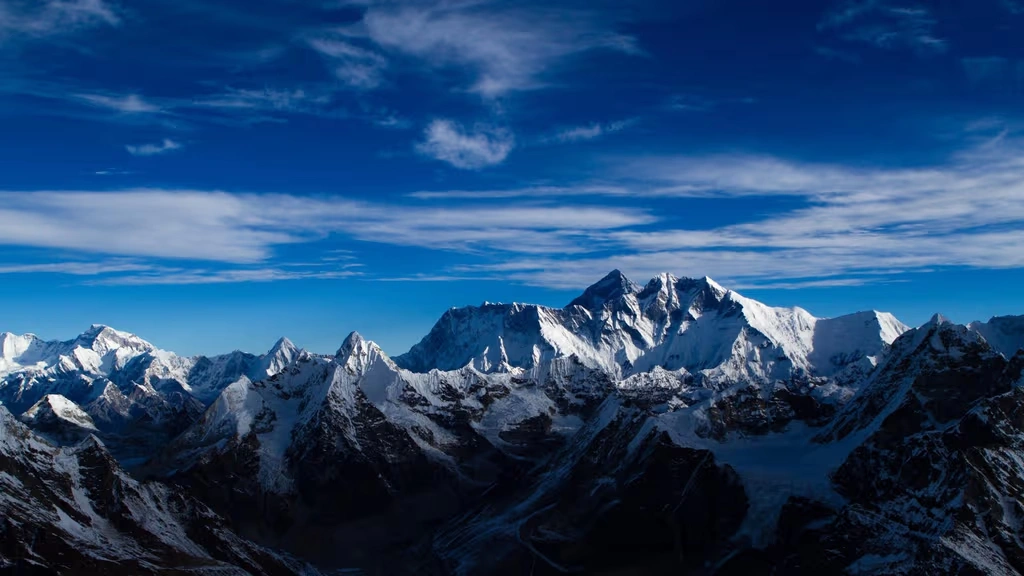
The Mera Peak summit delivers direct sightlines to 5 of the world's 14 eight-thousanders, Mt. Everest (8,849 m), Mt. Lhotse (8,516 m), Mt. Makalu (8,485 m), Mt. Cho Oyu (8,188 m), and Mt. Kanchenjunga (8,586 m). No other trekking peak in Nepal positions climbers within simultaneous view of this many 8,000-meter giants.
The view eastward toward Kanchenjunga is particularly rare, most Everest region treks block this angle. On a clear summit morning, the 360-degree panorama also captures Mt. Ama Dablam (6,812 m), Mt. Nuptse (7,861 m), Baruntse (7,129 m), and KongdiRi. Sunrise summits, typically achieved between 6:00 and 8:00 AM, produce the strongest light conditions and lowest wind speeds.
Why Should Beginners Choose Mera Peak Over Other Himalayan Peaks?
Mera Peak is the most accessible high-altitude summit in Nepal for non-technical climbers because it combines the highest permitted trekking elevation with a glacier route that requires basic crampon technique rather than advanced rock or ice climbing skills.
Is Mera Peak Technically Difficult?
Mera Peak carries a PD (Peu Difficile) French alpine difficulty rating, the second-lowest grade on the alpine scale. This rating indicates a glaciated route with straightforward navigation and low objective hazard when weather conditions are stable.
The 3 technical demands on Mera Peak are: crampon walking on glacier terrain, ascending fixed ropes on the headwall using a jumar (ascender device), and maintaining a rope-team formation during glacier travel to protect against crevasse falls. All 3 skills are trainable during the acclimatization day at Khare (5,045 m), which the standard 18-day itinerary includes specifically for ice climbing practice.
What most guides note from first-hand experience: the physical demand of altitude exceeds the technical demand by a wide margin. Clients who have completed no prior mountaineering but arrive with strong cardiovascular fitness and 3+ months of dedicated training reach the summit at a higher rate than technically skilled climbers with poor aerobic conditioning.
How Does Mera Peak Compare to Island Peak and Lobuche East?
The table below compares the 3 most popular trekking peaks in the Everest Region across 6 decision-making criteria:
Attribute | Mera Peak | Island Peak (Imja Tse) | Lobuche East |
Summit Elevation | 6,476 m | 6,189 m | 6,119 m |
Technical Grade | PD | PD–AD | PD |
Technical Skills Required | Crampon, jumar | Crampon, jumar, mixed climbing | Crampon, jumar |
Route Type | Snow/glacier | Mixed snow, rock, ice headwall | Mostly snow/scree |
Crowd Level | Low | High | Moderate |
Summit Views | 5 × 8,000 m peaks | Ama Dablam, Lhotse face | Everest, Nuptse close-up |
Island Peak has a longer and steeper headwall (up to 50–55 degrees in sections) with mixed rock and ice, making Island peak climbing more technically demanding than Mera Peak. Lobuche East sits lower and offers a shorter route, but those considering Lobuche peak climbing should know the scree-dominated descent is physically punishing on knees. Mera Peak occupies the optimal middle ground: the highest summit, the most expansive views, and a glacier route manageable for prepared beginners.
Who Is a Good Candidate for Climbing Mera Peak?
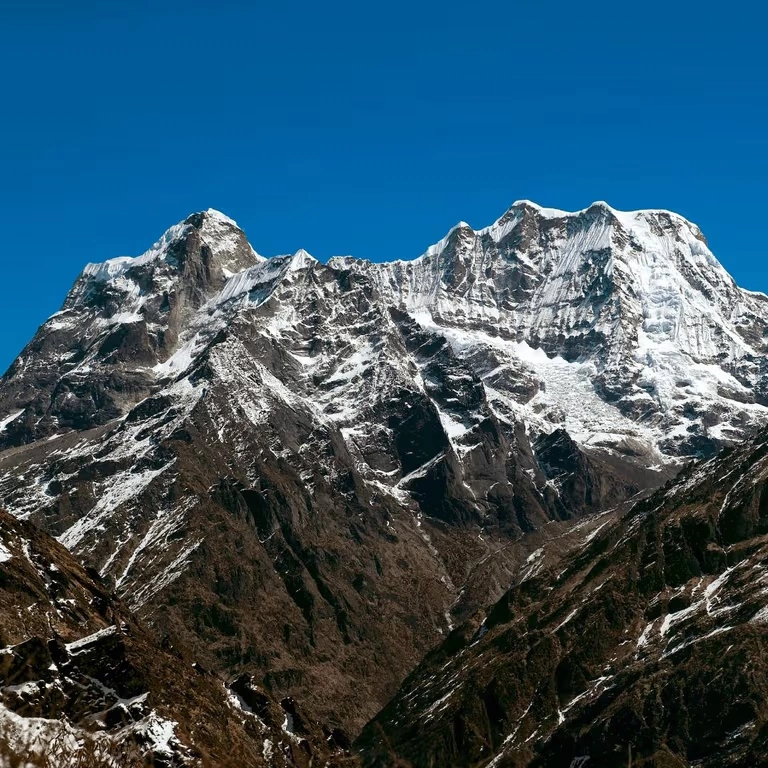
An ideal Mera Peak candidate is a physically active adult with 4–6 months of dedicated cardiovascular training, experience at altitude above 3,500 meters, and no pre-existing cardiopulmonary conditions. Prior trekking experience in Nepal, including the Annapurna Base Camp trek or Everest Base Camp trek, provides the most relevant preparation.
The following 4 profiles consistently succeed on Mera Peak: trail runners and long-distance hikers who train 5+ hours weekly, mountaineers completing their first glaciated peak, experienced trekkers extending into technical terrain, and altitude-adapted locals from regions above 3,000 meters. Age is not a primary limiting factor, climbers between 18 and 65 with strong fitness records reach the summit regularly.
When Is the Best Time to Climb Mera Peak?
The 2 optimal seasons for Mera Peak climbing are spring (March–May) and autumn (September–November), when stable atmospheric pressure, low precipitation, and predictable wind patterns create the safest summit windows. Both seasons produce success rates above 70% for guided expeditions.
Is Spring the Best Season for climbing Mera Peak?
Spring, specifically April and May, is the single most favorable season for Mera Peak climbing because post-monsoon snow consolidation creates firm glacier surfaces, temperatures stabilize above –15°C at High Camp, and the jet stream migrates north of the Himalayas by late April, reducing summit-day wind speeds.
April offers 2 additional advantages: rhododendron bloom fills the Hinku Valley approach with color, and trail conditions between Lukla and Khare are snow-free below 4,500 meters. May carries slightly warmer temperatures at camp but an increasing probability of pre-monsoon afternoon thunderstorms after 12:00 PM, summit teams aim for a 3:00–4:00 AM departure from High Camp to complete the ascent before midday weather deteriorates.
Should You Climb Mera Peak in Autumn?
Autumn, October and November, produces the clearest skies and strongest visibility of the year, making it the preferred season for summit photography and panoramic conditions. The monsoon exits Nepal by late September, leaving the atmosphere dry and particulate-free.
October is the busiest month across all Himalayan trekking peaks, which translates to 3 practical consequences: teahouse availability at Khare and Tangnang fills faster, rescue helicopter response times improve due to high flight activity in the region, and experienced guides are easier to book 2–3 months in advance. November brings colder overnight temperatures, dropping to –20°C at High Camp, and shorter daylight windows, requiring tighter summit-day scheduling.
What Weather Challenges Should You Expect During Mera Peak climbing?
The 3 primary weather hazards on Mera Peak are sudden snowfall, high-altitude wind gusts exceeding 60 km/h, and whiteout conditions on the glacier. All 3 occur most frequently during monsoon season (June–August) and winter (December–February), which is why these 4 months carry no recommended climbing windows.
Even within the optimal seasons, weather windows on Mera Peak last 2–5 days at most. A contingency day built into the itinerary, the schedule includes 1 reserve day on Day 12, absorbs one weather disruption without compromising the summit attempt. Teams that skip the contingency day to cut costs face a disproportionately higher turnaround rate when weather shifts.
How Fit Do You Need to Be for Mera Peak Climbing?
Mera Peak climbing demands a VO2 max equivalent to sustained uphill walking for 8–10 hours per day at elevations between 5,000–6,476 meters, combined with the muscular endurance to carry a 8–12 kg pack and the core stability to maintain balance on crampons across uneven glacier terrain.
A practical fitness benchmark: completing a 20 km trail run with 1,500 meters of elevation gain in under 3.5 hours, with controlled breathing throughout. Climbers who reach this benchmark before departure typically manage summit-day effort without requiring supplemental oxygen, which the standard guided package does not include.
What Physical Training Should You Do for Mera Peak Climbing?
A structured 16-week training program for Mera Peak climbing combines 4 training pillars: cardiovascular endurance, leg strength, pack carry conditioning, and altitude pre-adaptation.
The weekly training structure for weeks 9–16 (peak phase) includes:
Cardiovascular endurance: 3 sessions per week of sustained uphill hiking or trail running, 90–150 minutes per session, targeting heart rate zones 2–3
Leg strength: 2 sessions per week of weighted squats, lunges, step-ups, and calf raises using 15–20% of bodyweight
Pack carry conditioning: 1 long session per week carrying an 8–10 kg pack on varied terrain for 4–6 hours
Recovery and mobility: 1 session per week of yoga, foam rolling, and hip mobility targeting hip flexors, calves, and thoracic spine
Prior high-altitude exposure above 4,000 meters, achievable through a Nepal trek, Colorado 14er ascent, or Kilimanjaro expedition, reduces the acclimatization risk on Mera Peak by familiarizing the body with hypoxic physiological responses.
How Can You Prepare Mentally for Mera Peak Climbing?
Mental preparation for Mera Peak targets 3 psychological challenges: managing discomfort at altitude when the body demands rest and the summit is still 3–4 hours away, making objective turn-back decisions when conditions deteriorate, and staying present during a 10–12 hour summit day rather than fixating on the endpoint.
Experienced guides observe that the climbers who turn back on summit day most frequently do so due to panic responses to altitude symptoms, headache, breathlessness, or nausea, rather than genuinely dangerous physiological distress. Distinguishing between manageable discomfort and real warning signs is a skill developed through altitude exposure. The Khare acclimatization day at 5,045 meters provides direct simulation of summit-day breathing effort.
What Skills and Equipment Are Required for Mera Peak Climbing?
Mera Peak climbing requires 3 foundational technical skills and 12 categories of specialized equipment. No prior mountaineering certification is legally required, but demonstrating competence in basic crampon walking, rope team movement, and jumar use before the summit attempt is essential.
Do You Need Mountaineering Experience for Mera Peak?
Prior mountaineering experience is not mandatory for Mera Peak, but 1–2 days of ice climbing practice before the summit attempt is non-negotiable. The standard 18-day itinerary allocates Day 9, the acclimatization day at Khare, entirely to ice climbing and crampon practice.
Climbers with prior experience on snow peaks in the Andes, Alps, or Cascades complete this practice day more efficiently and allocate more energy to altitude adaptation. First-time mountaineers with strong fitness records reach the summit at comparable rates when they arrive attentive to guide instruction during the practice session.
Which Climbing Gear Is Essential for Climbing Mera Peak?
The 12 essential equipment categories for Mera Peak climbing are:
Mountaineering boots: double-plastic or insulated leather, crampon-compatible, rated to –30°C
Crampons: 12-point, step-in or hybrid binding, compatible with selected boots
Ice axe: 60–70 cm general mountaineering axe with adze
Jumar (ascender): right-hand or left-hand depending on dominant hand
Harness: alpine climbing harness with adjustable leg loops for layered clothing
Helmet: certified mountaineering helmet (EN 12492 or UIAA 106)
Down suit or down jacket + insulated pants: rated to –25°C for High Camp and summit
Layering system: moisture-wicking base layer, insulating mid-layer, waterproof hard shell
Insulated gloves: liner gloves plus expedition-weight outer mittens
Goggles and glacier glasses: UV400 protection with category 4 lens for glacier glare
Gaiters: full-length, waterproof, compatible with boots and crampons
Trekking poles: adjustable with powder baskets for variable terrain
Sleeping equipment for High Camp (–15°C to –20°C overnight) requires a sleeping bag rated to –20°C or below. Most guided packages provide tents; personal sleeping bags are the climber's responsibility.
Can You Rent Equipment in Kathmandu?
Kathmandu's Thamel district offers rental services for all 12 essential equipment categories, with prices ranging from USD 3–8 per day for crampons and ice axes, USD 5–12 per day for harnesses and helmets, and USD 15–30 per day for down suits and sleeping bags rated for high altitude.
Renting in Kathmandu has 3 practical advantages: eliminates excess baggage fees on international flights, allows fitting adjustments before departure, and replaces defective items without waiting for international shipping. The single risk with rentals is boot fit, renting boots rather than wearing a personally broken-in pair increases blister and cold injury probability. Purchasing personal mountaineering boots 8–12 weeks before the expedition and training in them consistently is the most effective risk mitigation strategy.
How Does the Mera Peak Climbing Itinerary Look?
The standard Mera Peak climbing itinerary spans 18 days, beginning with arrival in Kathmandu and ending with a farewell departure. The route covers approximately 120 km of trekking terrain across elevations ranging from 2,850 meters (Lukla) to 6,476 meters (summit).
What Is a Typical 17–18 Day Mera Peak Climbing Itinerary?
The complete day-by-day schedule for an 18-day Mera Peak expedition operates as follows:
Day | Location | Elevation | Duration |
Day 1 | Arrive Kathmandu | 1,400 m | Arrival |
Day 2 | Kathmandu sightseeing | 1,400 m | Cultural preparation |
Day 3 | Fly Lukla → Trek to Chhutanga | 2,850 m → 3,500 m | 3–4 hours |
Day 4 | Trek to Zatrabok via Zatrawala Pass | 4,320 m (pass: 4,600 m) | 6 hours |
Day 5 | Trek to Kothe | 3,600 m | 6 hours |
Day 6 | Trek to Tangnang | 4,350 m | 4 hours |
Day 7 | Acclimatization at Tangnang | 4,350 m | Rest |
Day 8 | Trek to Khare | 5,045 m | 3 hours |
Day 9 | Acclimatization + ice climbing practice, Khare | 5,045 m | Training |
Day 10 | Trek to High Camp | 5,780 m | 6–7 hours |
Day 11 | Summit Mera Peak → return to Khare | 6,476 m | 8–9 hours |
Day 12 | Reserve / contingency day | — | Variable |
Day 13 | Trek down to Kothe | 3,600 m | 5 hours |
Day 14 | Trek to Zatrabok | 4,320 m | 6 hours |
Day 15 | Trek to Lukla | 2,850 m | 6 hours |
Day 16 | Fly back to Kathmandu | 1,400 m | Flight |
Day 17 | Leisure day in Kathmandu | — | Free time |
Day 18 | Farewell departure | — | Departure |
Why Are Acclimatization Days Important for Mera Peak?
Acclimatization days on Days 7 and 9 reduce acute mountain sickness (AMS) risk by allowing the body to produce additional red blood cells and optimize oxygen delivery to working muscles at altitude. Skipping either acclimatization day works against the core principle behind AMS prevention: the Wilderness Medical Society's 2024 clinical guidelines identify ascent rate as the primary modifiable risk factor, recommending no more than 500 meters of sleeping-elevation gain per day above 3,000 m, precisely what Mera Peak's built-in rest days at Tangnang and Khare are designed to enforce.
The physiological process of altitude adaptation requires 24–48 hours at any given elevation before the body reaches a new homeostasis. Day 7 at Tangnang (4,350 m) adapts the cardiovascular system to moderate high altitude. Day 9 at Khare (5,045 m), crossing the critical 5,000-meter threshold, prepares the body for the extreme high-altitude environment at High Camp and the summit.
The Khare acclimatization day serves a dual function: altitude adaptation and technical skills training. Guides conduct crampon fitting checks, rope team practice, and jumar technique instruction during this day, ensuring every team member is operationally prepared for summit day before ascending to High Camp.
What Happens on Mera Peak Summit Day?
Summit day begins at 2:00–3:00 AM departure from High Camp (5,780 m) and follows a 4-phase progression: glacier approach (45–60 minutes), headwall ascent on fixed ropes (90–120 minutes), summit ridge traverse (30–45 minutes), and summit time followed by descent (3–4 hours).
Headlamps are essential for the initial glacier approach in darkness. The headwall section, the steepest terrain of the climb at 35–40 degrees, takes most climbers 90–120 minutes to ascend using the jumar on fixed ropes. The summit itself offers a wide, flat snow platform where teams rest, photograph, and take in the panoramic views before beginning the descent.
Descent from the summit to Khare on Day 11 takes 4–5 hours. Guides prioritize clearing the headwall before midday softening of snow reduces crampon purchase. Teams that summit before 8:00 AM complete the descent in optimal snow conditions.
How Can You Prevent Altitude Sickness on Mera Peak?
Altitude sickness prevention on Mera Peak relies on 4 evidence-based strategies: graduated ascent profiles, 2 dedicated acclimatization days, adequate hydration (minimum 3–4 liters daily above 4,000 m), and early symptom recognition. The itinerary is engineered to implement all 4 simultaneously.
What Are the Common Symptoms on Mera Peak?
The 3 primary acute mountain sickness (AMS) symptoms on Mera Peak are headache, nausea, and fatigue that do not resolve with rest within 24 hours. Secondary symptoms include loss of appetite, dizziness, and disrupted sleep, particularly the irregular breathing pattern known as Cheyne-Stokes respiration, which is normal at altitudes above 4,000 meters and does not alone indicate AMS.
Two serious altitude-related conditions require immediate descent: high-altitude pulmonary edema (HAPE), identified by coughing with pink frothy sputum and severe breathlessness at rest, and high-altitude cerebral edema (HACE), identified by loss of coordination (ataxia), extreme confusion, and inability to walk a straight line. Both HAPE and HACE are medical emergencies. Descent of 500–1,000 meters resolves symptoms in the majority of cases when initiated promptly.
How Can You Reduce the Risk?
The 5 most effective altitude sickness risk reduction strategies for Mera Peak are:
Follow the acclimatization schedule precisely: do not ascend more than 300–500 meters in sleeping elevation per day above 3,000 meters
Hydrate consistently: consume 3–4 liters of fluids daily, including oral rehydration salts (ORS) to replace electrolytes lost through exertion
Avoid alcohol and sedatives: both suppress the respiratory response to hypoxia, increasing nighttime oxygen desaturation
Consider acetazolamide (Diamox): consult a physician before departure; 125 mg twice daily from 1 day before ascent is the standard prophylactic protocol used by wilderness medicine practitioners
Communicate symptoms immediately: Guides use the 2018 Lake Louise AMS Score, an international consensus tool that grades headache, gastrointestinal symptoms, fatigue, and dizziness on a 0–3 scale, at each camp; a score of 3 or higher with headache signals clinical AMS, and climbers who conceal symptoms risk rapid deterioration.
Pulse oximetry readings provide objective altitude health data. Carrying a personal pulse oximeter, available for USD 20–30, allows real-time SpO2 monitoring. Readings consistently below 70% at rest above 5,000 meters warrant guide assessment.
When Should You Descend?
Descent is mandatory when any of the following 3 criteria are met: a Lake Louise AMS score of 5 or above (severe AMS), any symptoms consistent with HAPE or HACE, or when a climber's SpO2 drops below 60% at rest despite rest and hydration.
The most critical mistake first-time climbers make is delaying descent due to summit pressure, the desire to continue regardless of physiological warning signs. Experienced guides enforce a no-discussion descent policy when diagnostic criteria are met. The Mera Peak route descends 876 meters from summit to Khare, meaning most altitude-related emergencies resolve within 2–3 hours of initiating descent.
How Much Does Mera Peak Climbing Cost?
A fully guided Mera Peak climbing package costs between USD 2,280 and USD 2,775 per person, depending on group size. The base package price for a 2-person group is USD 2,550 per person, covering 18 days of guided expedition services, accommodation, meals, and standard climbing support.
The group pricing structure for an 18-day package is:
Group Size | Price Per Person |
1 person | USD 2,775 |
2 persons | USD 2,550 |
3–6 persons | USD 2,475 |
7–10 persons | USD 2,415 |
11–15 persons | USD 2,350 |
16–20 persons | USD 2,280 |
What Is Usually Included in the Mera Peak Climbing Package?
Standard Mera Peak climbing packages include 9 core service categories:
Hotel accommodation in Kathmandu (2 nights, twin-sharing)
Teahouse accommodation during the trek approach
Camping at Base Camp and High Camp
All meals during the trek and climb (breakfast, lunch, and dinner daily)
Certified climbing guide and required support staff (assistant guides, porters, cooks)
Camping equipment (tents, cooking equipment, dining tent)
Emergency oxygen supply carried by the guide (for rescue use)
All government taxes and service charges
First aid kit and basic medical supplies
The accommodation blend, hotel, teahouse, and camping, reflects the terrain progression: teahouses exist in valley settlements up to Khare, while the route above requires full camping support.
Which Extra Expenses Should You Budget For Mera Peak?
The 6 expense categories not covered in the standard package are:
International flights to and from Kathmandu
Nepal entry visa: USD 50 for 30 days, available on arrival at Tribhuvan International Airport
Personal climbing gear: renting or purchasing boots, crampons, ice axe, harness, and clothing
Travel and rescue insurance: mandatory; covers helicopter evacuation up to 6,500 meters (verify altitude coverage explicitly with your insurer)
Tips for guides and porters: the industry standard is USD 15–20 per day for lead guides and USD 8–10 per day for porters
Personal expenses: bar drinks, internet access, battery charging at teahouses (USD 1–2 per charge), and personal snacks
Budget an additional USD 800–1,200 beyond the package price to cover these 6 categories comfortably.
Are Permits and Flights Included On Mera Peak Climbing Package?
The Mera Peak climbing permit, issued by the Nepal Mountaineering Association, costs USD 350 per person in spring and USD 175 per person in autumn, winter, and summer under NMA's revised fee schedule effective September 2025, up from the lower rates many older guides still quote. These fees are typically included in reputable guided packages. The Lukla round-trip flight, departing from Kathmandu's domestic terminal, costs approximately USD 220–250 per person and is package-dependent; confirm with your operator.
The Makalu Barun National Park entry fee (approx. USD 30) and the local Maha Kulung Rural Municipality entry fee (approx. USD 15) apply to the trekking approach through the Hinku Valley and are usually included. Request a written itemized breakdown of permit inclusions from your operator before booking.
What Challenges Should First-Time Climbers Expect During Mera Peak Climbing?
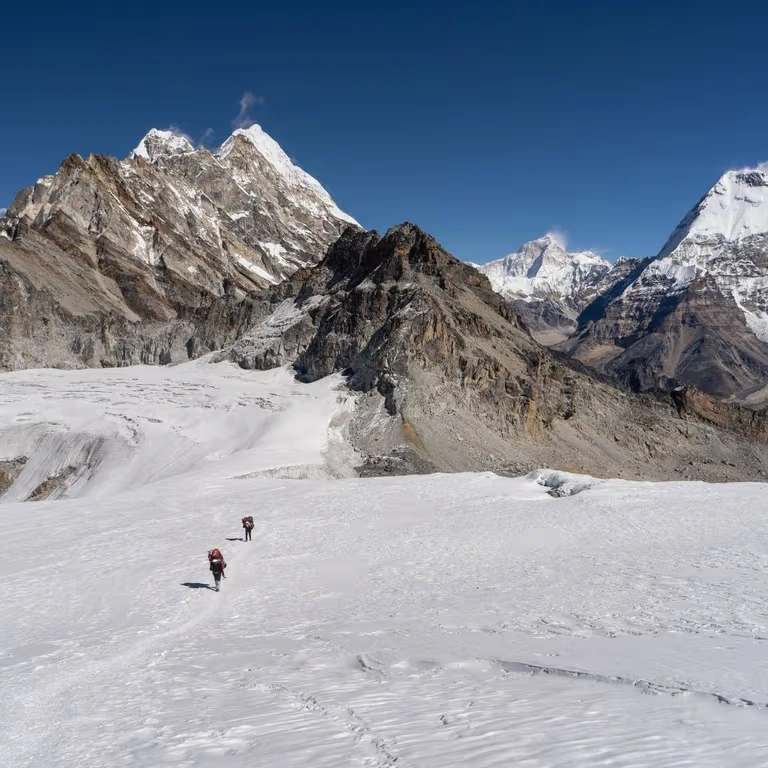
First-time Mera Peak climbers face 3 distinct challenge categories: environmental (glacier terrain, extreme cold, altitude effects), physical (sustained aerobic output, pack weight, altitude-suppressed appetite), and psychological (decision-making under discomfort, team dynamics, summit pressure). Each category is manageable with preparation but underestimated by the majority of first-time climbers.
How Difficult Is the Glacier Crossing During Mera Peak Climbing?
The Mera Glacier crossing from Base Camp to High Camp covers approximately 3 kilometers of crevassed glacier terrain, requiring rope-team travel, crampon technique, and route-finding by the lead guide. Crevasses on this section range from 0.3–2 meters wide, with snowbridges obscuring some gaps.
Rope-team travel means all climbers connect via a 6–8 meter rope interval, with the guide leading and assessing snowbridge stability before each crossing. First-time glacier travelers find this section psychologically challenging, the guide's pace is slow and deliberate, and the unfamiliar environment creates anxiety. Following the guide's exact footsteps and trusting the rope system is the correct technique. No improvisation is appropriate on glacier terrain.
How Cold Does It Get On Mera Peak?
High Camp overnight temperatures on Mera Peak range from –15°C to –25°C in autumn and –10°C to –20°C in spring. Summit temperatures on a clear day vary between –10°C and –25°C depending on wind speed; windchill equivalent temperature can reach –35°C when gusts exceed 40 km/h.
The 3 body areas most vulnerable to cold injury on Mera Peak are fingers, toes, and nose. Layering strategy matters more than any single piece of gear: a moisture-wicking base layer that draws sweat away from skin, a down mid-layer that retains heat, and a wind-resistant hard shell outer layer prevent the rapid heat loss that leads to frostbite. Wet gloves from sweat or snow contact are the leading cause of finger cold injury, carrying an extra pair of dry inner gloves in a chest pocket maintains backup thermal protection.
What Are the Biggest Mistakes Beginners Make During Mera Peak Climb?
The 5 most common mistakes first-time Mera Peak climbers make are:
Undertraining cardiovascular fitness: arriving with insufficient aerobic base, assuming the acclimatization days provide adequate physical preparation
Concealing altitude symptoms: not reporting headaches or nausea to the guide due to summit pressure, allowing mild AMS to progress toward moderate or severe
Inadequate boot preparation: renting boots without prior break-in period, developing blisters that compromise performance from Day 3 onward
Packing excessive weight: carrying unnecessary items that add 3–5 kg to the pack, increasing fatigue rate on ascent days
Ignoring hydration targets: drinking less than 3 liters daily above 4,000 meters due to appetite suppression and inconvenience, increasing AMS vulnerability
Guide debrief data from completed Mera Peak expeditions consistently identifies poor cardiovascular preparation and altitude symptom concealment as the top 2 factors in failed summit attempts.
What Safety Tips Can Increase Your Chances of Success for Mera Peak Summit?
4 safety-focused behaviors directly increase summit success probability on Mera Peak: consistent guide communication, adherence to the acclimatization schedule, conservative pacing on summit day, and carrying personal emergency equipment. Following all 4 simultaneously produces the highest success rates in guided expeditions.
Why Is Hiring an Experienced Guide Important for Mera Peak?
A certified Mera Peak climbing guide provides 6 critical functions: route navigation on the Mera Glacier, fixed rope installation on the headwall, daily altitude health assessment using Lake Louise scoring, weather window identification, emergency decision-making authority, and technical skills instruction at Khare.
The NMA certifies guides through a structured progression: trekking guide license, then assistant climbing guide, then full climbing guide with first aid certification. Verify your guide holds a current NMA climbing guide license, request the license number before booking. An NMA-certified guide carries rescue oxygen and knows evacuation protocols for both helicopter and foot-evacuation scenarios.
Guides with 10+ Mera Peak summits under their experience profile demonstrate weather pattern recognition specific to the Hinku Valley microclimate, a capability that general trekking guides do not possess. Ask your operator how many Mera Peak summits the assigned guide has completed.
What Emergency Support Is Available During Mera Peak Climb?
2 emergency response systems operate in the Mera Peak region: helicopter evacuation services and the Nepal Himalayan Rescue Association (HRA) clinic network. Helicopter evacuation from the Hinku Valley reaches Kathmandu in approximately 40–60 minutes of flight time, weather permitting.
Helicopter evacuation costs USD 3,000–6,000 per flight and requires upfront payment guarantee from insurance, carry your insurance provider's emergency number and policy number at all times. The standard package includes emergency oxygen for guide-administered use during descent scenarios. Kathmandu's CIWEC Hospital and Himalayan Rescue Association operate altitude medicine specialists who manage post-evacuation treatment.
Communication in the Hinku Valley is available via satellite phone (provided by the operator) and limited local SIM network coverage in settlements like Khare. Brief daily satellite phone check-ins with the operator's Kathmandu office are standard practice.
How Should You Choose the Right Mera Peak Climbing Company?
The 6 criteria that distinguish a high-quality Mera Peak climbing operator from an average one are:
NMA-certified guide assignment: verify the assigned guide's license number, not just the company's registration
Transparent permit inclusions: written confirmation of all NMA permits, national park fees, and local entry fees in the package
Emergency protocol documentation: written evacuation plan with helicopter company contacts and altitude emergency procedures
Realistic success rate disclosure: operators with genuine experience quote 70–80% success rates; operators claiming 95–100% misrepresent the mountain's conditions
Small group ratios: a maximum guide-to-client ratio of 1:4 on summit day ensures individual safety attention on the headwall
Post-trip communication: a reputable operator provides a dedicated contact for pre-trip questions, gear checks, and medical queries in the 8 weeks before departure
Avoid operators who offer Mera Peak packages below USD 1,800 per person, this price point eliminates NMA-certified senior guides, adequate porter ratios, and proper camping equipment, all of which directly affect safety outcomes.
Why Choose Nepal Intrepid Treks for Your Mera Peak Adventure?
Nepal Intrepid Treks designs the Mera Peak climbing expedition with the 18-day itinerary structured around 2 dedicated acclimatization days, a reserve contingency day, and a private trip format that maintains flexible scheduling around weather windows and individual client needs.
The package operates with a minimum group size of 2 and accommodates up to 20 climbers through 6 pricing tiers, making it accessible for solo travelers joining group departures and private groups seeking customized scheduling. Meals throughout the expedition cover all 3 daily intakes, breakfast, lunch, and dinner, eliminating the food cost management burden that independent trekkers navigate daily.
The route through the Hinku Valley via Zatrawala Pass (4,600 m) delivers a scenic and culturally rich approach distinct from the main Khumbu corridor. The journey from Lukla crosses rhododendron and juniper forest, traverses through Kothe and Tangnang, and reaches Khare at 5,045 meters, a graduated progression designed for optimal acclimatization.
Every expedition includes the mandatory NMA climbing permit, full camping equipment for High Camp and summit operations, and a climbing leader who manages rope fixing, daily health monitoring, and summit-day decision authority. The logistics handled by Nepal Intrepid Treks allow climbers to direct full energy toward physical and mental preparation rather than operational planning.
What Are the Key Takeaways for First-Time Mera Peak Climbers?
Mera Peak climbing delivers the highest accessible summit in Nepal, 6,476 meters, via a technical but learnable glacier route, available to first-time mountaineers who prepare adequately. The 6 essential preparation steps are: build cardiovascular fitness 16 weeks before departure, train in personal mountaineering boots for 8+ weeks, plan the climb in April–May or October–November, book an NMA-certified guide with 10+ Mera Peak summits, budget USD 3,500–4,000 total including gear and personal expenses, and obtain helicopter evacuation insurance that explicitly covers altitudes to 6,500 meters.
The summit experience, standing at 6,476 meters with simultaneous views of Everest, Lhotse, Makalu, Cho Oyu, and Kanchenjunga, represents an achievement available only to the 27 NMA-permitted trekking peaks in Nepal, and Mera Peak is the tallest of that group. Climbers who follow the acclimatization schedule, communicate altitude symptoms honestly, and respect the guide's decision-making authority succeed at a rate that makes this one of the most rewarding first mountaineering expeditions on the planet.