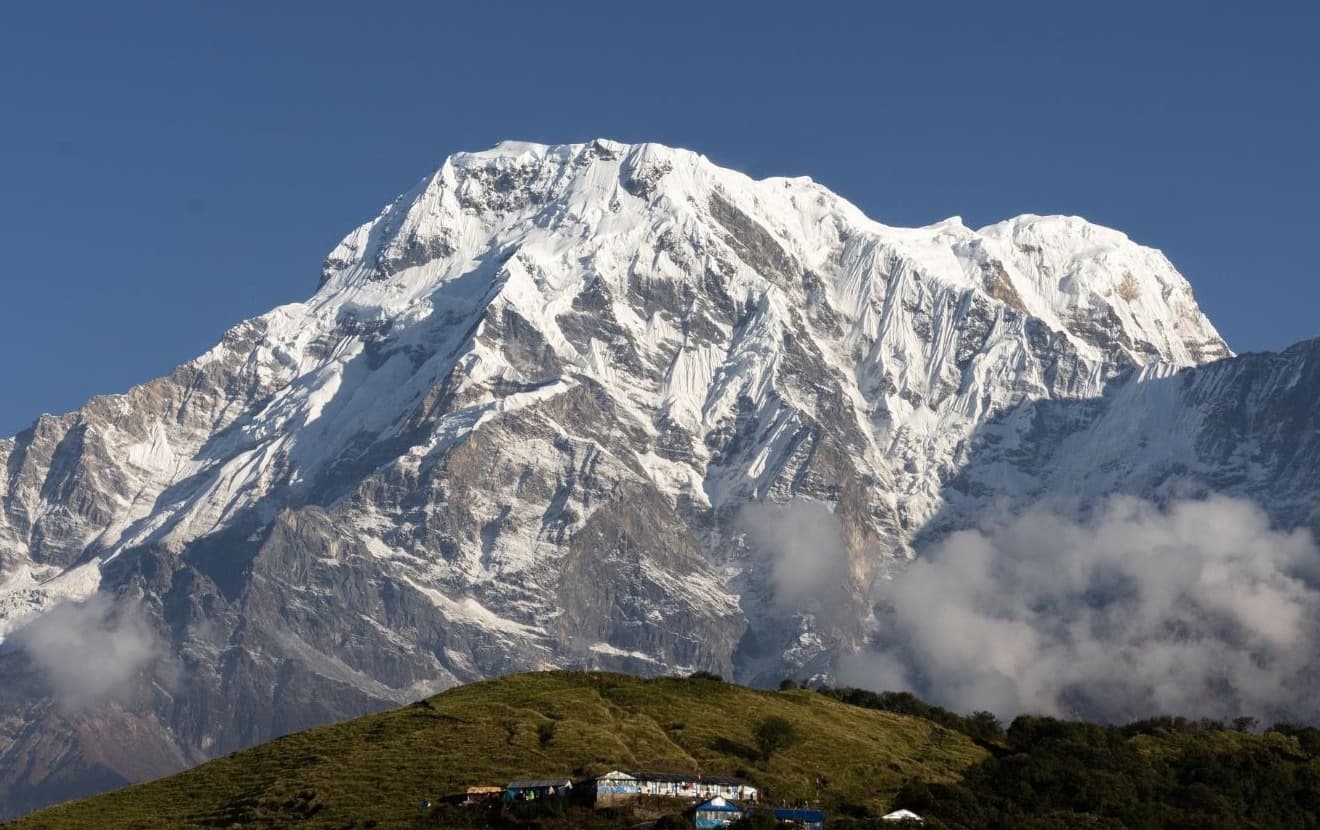
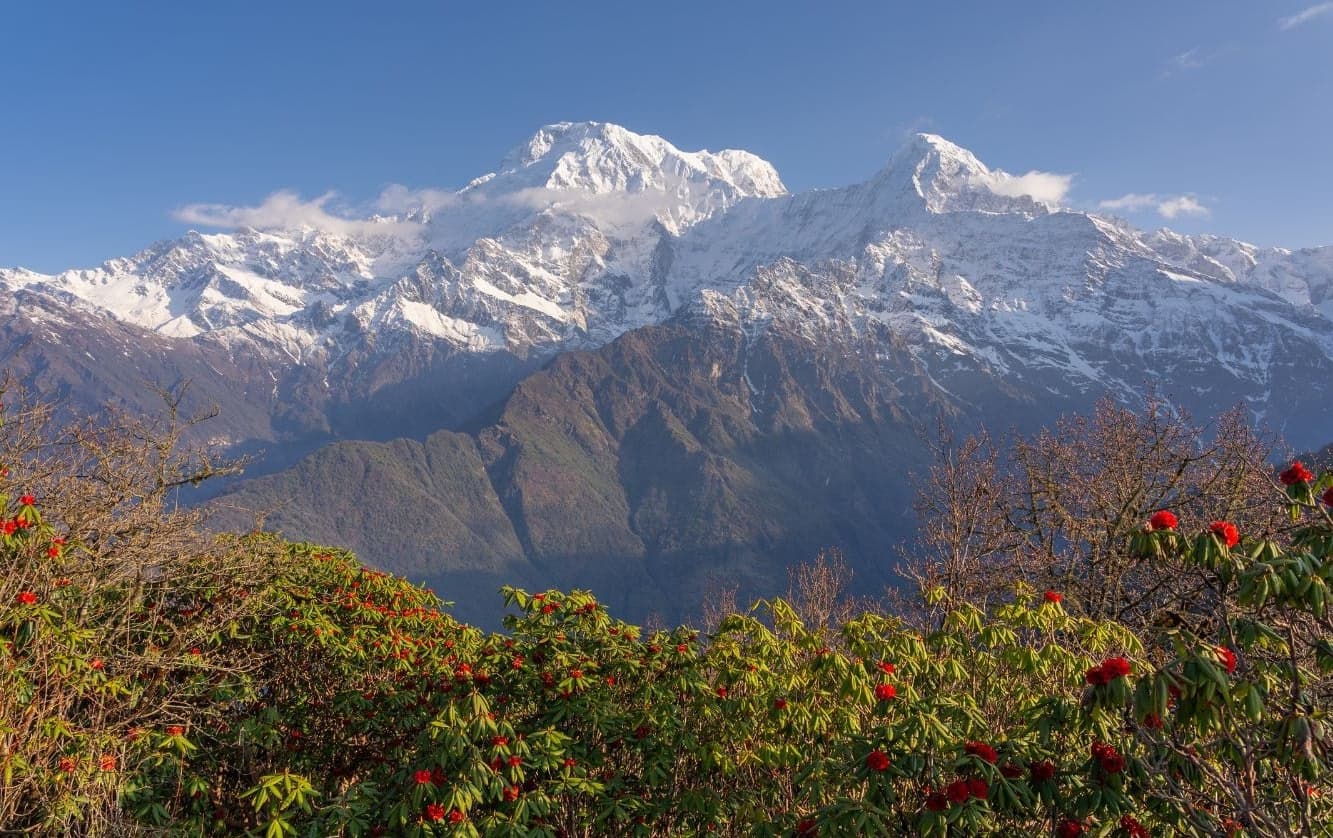
The Mardi Himal ACAP permit is the mandatory entry permit for trekking the Mardi Himal route inside Nepal’s Annapurna Conservation Area. In 2026, the Annapurna Conservation Area Project (ACAP) permit fee is NPR 3,000 for foreign trekkers, NPR 1,000 for SAARC nationals, and free for children under 10, making it one of the main permit costs to plan before starting the trek from Kande to Mardi Himal Base Camp.
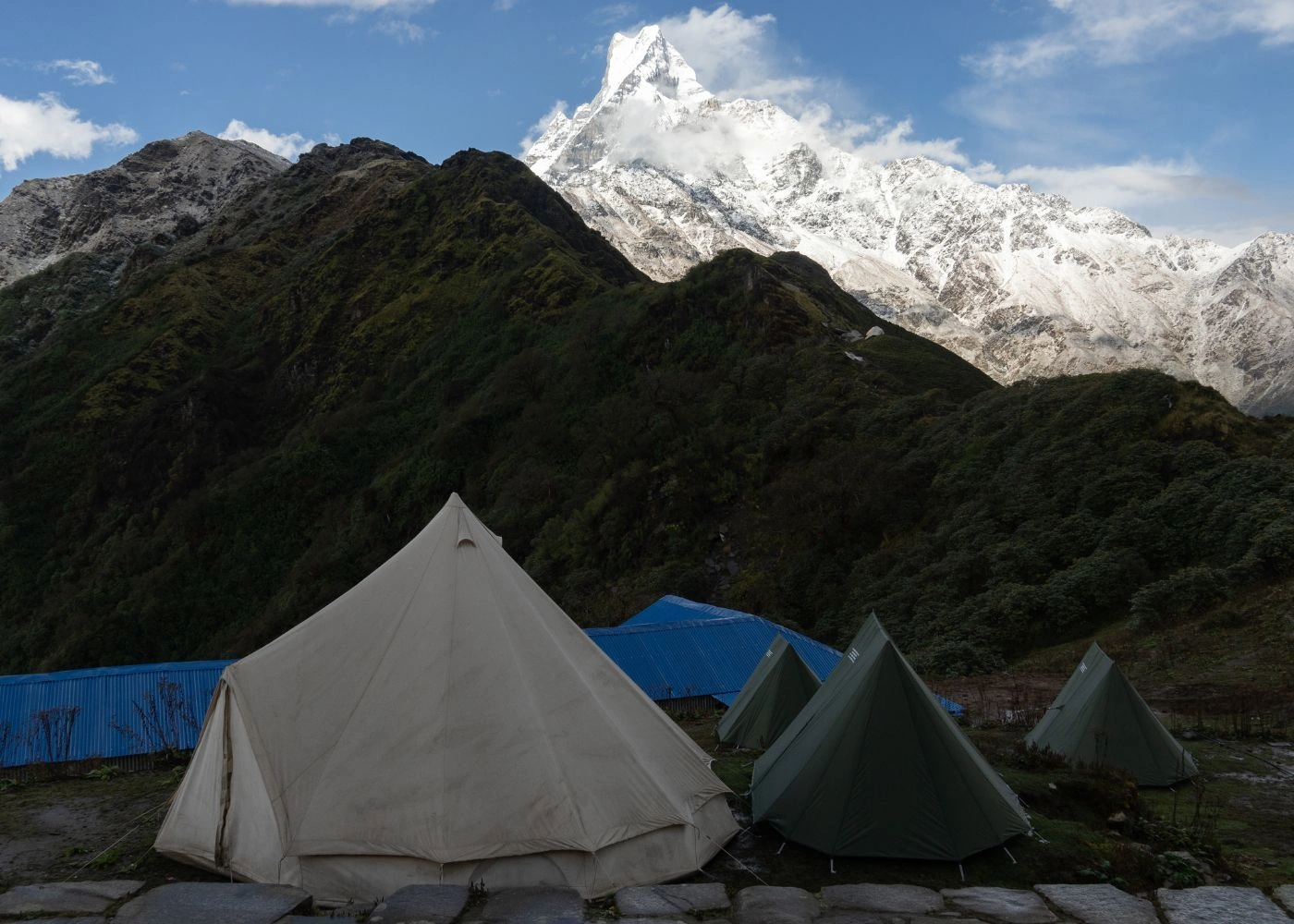
Trekkers can buy the permit through the Nepal Tourism Board in Kathmandu or Pokhara, through licensed trekking agencies, or online before arriving in Nepal. A valid passport, a passport-sized photo, and the correct fee are required, while trekkers also need to understand related rules for TIMS (Trekkers' Information Management System), the Machhapuchhre Rural Municipality fee, and the double-charge penalty for buying the permit at a trail checkpoint.
What Is the Mardi Himal ACAP Permit Fee in 2026?
The Mardi Himal ACAP permit fee in 2026 is NPR 3,000 for foreign nationals, NPR 1,000 for SAARC nationals, and free for children under the age of 10. The Annapurna Conservation Area Project (ACAP) administers this permit. The fee applies to every trekker entering the Annapurna Conservation Area, which encompasses the full Mardi Himal trekking route from Kande to Mardi Himal Base Camp.
The Annapurna Conservation Area Project (ACAP) is Nepal's conservation authority responsible for managing the Annapurna Conservation Area (ACA), the country's first and largest protected zone. ACAP was established in 1986 under the National Trust for Nature Conservation (NTNC) to protect the Himalayan ecosystem of the Annapurna region. The ACA covers 7,629 square kilometers, including forests, alpine meadows, and high-altitude terrain above 4,000 meters.
The ACAP permit functions as the legal authorization for trekkers to enter this protected zone. Checkpoint officers scan or inspect the permit at 3 designated checkpoints on the Mardi Himal route. No permit means denied entry at the first checkpoint.
How Much Is the Mardi Himal ACAP Permit Fee in 2026?
The ACAP permit fee for Mardi Himal in 2026 is NPR 3,000 (USD 25) per person for foreign trekkers. The Government of Nepal has confirmed no fee changes for 2026. The fee structure remained stable through 2024 and 2025, and the same rates apply for the 2026 trekking season.
The following table shows the 2026 ACAP permit fee breakdown by nationality. All fees are payable in Nepalese Rupees (NPR) only. Foreign currency is not accepted at official permit counters.
Trekker Category | ACAP Fee (NPR) | Approx. USD Equivalent |
Foreign nationals | NPR 3,000 | USD 25 |
SAARC nationals (India, Bangladesh, Pakistan, Sri Lanka, Bhutan, Maldives, Afghanistan) | NPR 1,000 | USD 8 |
Children under 10 years | NPR 0 (exempt) | Free |
Nepali citizens | NPR 100 (group) / NPR 200 (individual) | — |
SAARC stands for the South Asian Association for Regional Cooperation, a 8-member bloc of South Asian nations. Nepal extends reduced ACAP rates to SAARC nationals to encourage regional tourism.
Is the ACAP permit fee Different for Foreigners, SAARC Nationals, and Kids?
Yes, the ACAP permit fee differs by nationality. Foreign trekkers pay NPR 3,000, SAARC nationals pay NPR 1,000, and children under 10 years are fully exempt from the ACAP permit requirement. This exemption for children applies regardless of nationality and is enforced consistently at all checkpoints on the Mardi Himal route.
SAARC nationals present a valid passport from a SAARC member country to receive the discounted rate at permit offices in Kathmandu and Pokhara. Checkpoint officers verify nationality against the permit. No additional documents prove SAARC eligibility beyond a valid passport.
Is the ACAP permit Fee NPR 3,000 or NPR 2,000 in 2026?
The confirmed ACAP permit fee for 2026 is NPR 3,000 for foreign trekkers, not NPR 2,000. The NPR 2,000 figure circulates on outdated trekking blogs reflecting pre-2023 fee structures. As of the 2025–2026 trekking seasons, permit offices in Kathmandu and Pokhara issue ACAP permits at NPR 3,000 for all foreign nationals.
Trekkers relying on the NPR 2,000 figure risk underpreparing their budget and face the risk of being charged double at a trail checkpoint if they attempt to obtain the permit there. The NPR 3,000 rate is the current operative fee confirmed by the Nepal Tourism Board and multiple Pokhara-based permit offices.
Are There Extra Charges for Online ACAP permit Payment or Checkpoint Issue?
Online payment is available, but NTNC currently adds a 2.9% payment gateway charge to online ACAP permit payments. The online fee equals the in-person fee at NPR 3,000 for foreign trekkers. However, trekkers who obtain the permit at a trail checkpoint, rather than a permit office, pay double the standard fee as a penalty surcharge.
Checkpoint-issued permits carry a 100% surcharge, bringing the cost to NPR 6,000 for foreign trekkers. ACAP officers at trail checkpoints issue the permit on the spot but enforce this double-fee policy without exception. Buying the permit in advance at Kathmandu or Pokhara eliminates this additional cost entirely.
Where Can You Buy the Mardi Himal ACAP Permit?
Trekkers buy the Mardi Himal ACAP permit at 4 locations: the Nepal Tourism Board office in Kathmandu, the Tourist Information Center in Pokhara, licensed trekking agencies in both cities, and online through the Nepal Tourism Board's official portal. All 4 options issue valid, identical permits recognized at every Mardi Himal checkpoint.

The Annapurna Conservation Area Project and the Nepal Tourism Board (NTB) jointly operate the permit issuance system. NTB is the government body headquartered in Bhrikutimandap, Kathmandu, responsible for managing trekking permits across Nepal's protected areas. The NTB Tourist Information Center in Damside, Lakeside, Pokhara serves as the primary permit office for all Annapurna-region treks, including Mardi Himal.
Can You Buy ACAP permit Online for Mardi Himal Trek Before Arriving in Nepal?
Yes, the ACAP permit for Mardi Himal is available online through the Nepal Tourism Board's official trekking permit portal before arriving in Nepal. Trekkers upload a passport copy, a passport-sized photograph, and pay the NPR 3,000 fee online. After payment, the portal generates a downloadable permit. Trekkers print this permit before reaching the trailhead.
Online payment accepts international debit and credit cards. The processing time after a completed online application is 24–48 hours. Trekkers who complete the application at least 3 days before departure eliminate any risk of permit delays in Kathmandu or Pokhara.
Where Can You Buy Mardi Himal ACAP permit in Kathmandu?
The Nepal Tourism Board (NTB) office at Bhrikutimandap, Kathmandu issues the Mardi Himal ACAP permit in person during office hours from 9:00 AM to 5:00 PM, Sunday through Friday. Trekkers starting their journey from Kathmandu collect both ACAP and TIMS permits at the same NTB counter in a single visit.
Bhrikutimandap is located in central Kathmandu, approximately 1.5 kilometers from Thamel, the primary tourist district. The NTB office processes permit applications in 15–30 minutes when the queue is short. During peak trekking seasons (March–May and September–November), processing time extends to 45–60 minutes due to high trekker volume.
Where Can You Buy Mardi Himal ACAP permit in Pokhara?
The Tourist Information Center at Damside (also accessible from Lakeside), Pokhara issues the Mardi Himal ACAP permit and processes all 3 permit types, ACAP, TIMS, and the Machhapuchhre Rural Municipality fee, in a single visit. Pokhara is the primary departure city for the Mardi Himal trek. Most trekkers obtain permits here before driving to the Kande trailhead.
The Damside Tourist Information Center is located 2 kilometers south of Lakeside, Pokhara's tourist hub. Office hours mirror the Kathmandu NTB: 9:00 AM to 5:00 PM, Sunday through Friday. Trekkers arriving in Pokhara the evening before their trek collect permits the following morning before departing for Kande by vehicle.
Can You Buy Mardi Himal ACAP permit at the Trail Entry Point?
Yes, trekkers purchase the ACAP permit at trail entry checkpoints, but paying at a checkpoint costs double, NPR 6,000 instead of NPR 3,000 for foreign trekkers. The first primary checkpoint on the Mardi Himal route is located at Kande (1,770 m), the most common trailhead. A secondary checkpoint operates near Pothana (1,890 m).
Checkpoint officers issue permits on-site and record trekker details, but the 100% penalty surcharge applies without exception. No negotiation reduces this fee at the checkpoint. Buying the permit in Kathmandu or Pokhara before the trek saves NPR 3,000 per foreign trekker.
What Documents Do You Need to Buy the Mardi Himal ACAP permit?
Buying the Mardi Himal ACAP permit requires 3 documents: a valid passport, 1 passport-sized photograph (35mm x 45mm), and the permit fee of NPR 3,000 in cash for in-person applications. Online applications require a scanned or photographed copy of the passport's biographical page and a digital passport-sized photograph in JPEG format.
The permit office records the trekker's full name, nationality, passport number, passport expiry date, and planned trekking dates. Inaccuracies in any of these details, particularly an incorrect passport number or wrong entry date, create verification problems at trail checkpoints. Officers cross-reference the permit against the physical passport.
Do You Need a Passport Copy and Photo for the ACAP Permit Application?
Yes, both a passport copy and 1 passport-sized photograph are mandatory for the ACAP permit application. The permit itself prints the trekker's name and passport number, which checkpoint officers match against the original passport. Trekkers carry both the printed permit and the original passport on the trail at all times.
Permit offices in Kathmandu and Pokhara operate photocopy and photograph services on-site. One passport photo costs NPR 100–200 at facilities adjacent to the NTB office. Trekkers who arrive without a passport photo use these on-site services without delaying the permit application process significantly.
Can You Pay by Card, Cash, or Both for the ACAP Permit Application Payment?
In-person ACAP permit purchases at the NTB offices in Kathmandu and Pokhara accept cash in Nepalese Rupees (NPR) only. Online purchases through the Nepal Tourism Board portal accept international credit and debit cards. Foreign currency, including USD, EUR, and GBP, is not accepted at permit counter windows. ATMs are available within 500 meters of both the Kathmandu NTB office and the Pokhara Tourist Information Center.
Licensed trekking agencies accept payment in multiple currencies, NPR, USD, EUR, and GBP, when processing the permit on behalf of the trekker. The agency converts the currency at the prevailing exchange rate and submits the NPR fee to the permit office on the trekker's behalf.
How Long Does the Mardi Himal ACAP Permit Process Take?
The ACAP permit process takes 15–30 minutes at the Nepal Tourism Board offices in Kathmandu and Pokhara during off-peak periods. During peak trekking seasons, March to May and October to November, processing time extends to 45–90 minutes. Online applications take 24–48 hours for permit issuance after submission and payment.
Trekking agencies process ACAP permits within 1–2 working days when the trekker submits a passport copy and photograph to the agency in advance. This option eliminates queue time entirely, as the agency officer collects the permit on the trekker's behalf.
Do You Need Only ACAP Permit for Mardi Himal?
No. Mardi Himal trekkers require 2 mandatory permits: the ACAP permit (NPR 3,000) and the Machhapuchhre Rural Municipality entry fee. As of 2026, the TIMS card (Trekkers' Information Management System) is recommended but not strictly mandatory for guided trekkers on the Mardi Himal route. Solo foreign trekkers are required to carry TIMS under Nepal's 2023 guide regulation update.
The Machhapuchhre Rural Municipality permit is a separate local conservation fee collected at trail checkpoints, typically near Kande or at the approach to High Camp. This fee funds trail maintenance, waste management systems, emergency shelters, and clean water infrastructure in mountain villages along the Mardi route. The fee amount varies but is small, typically NPR 500–1,000. Browse our full Mardi Himal Trek package for guided itineraries, included permits, and departure dates from Pokhara.
Is TIMS Still Required for Mardi Himal in 2026?
TIMS (Trekkers' Information Management System) remains recommended for all trekkers on Mardi Himal in 2026, and is required for independent (solo, non-guided) foreign trekkers. The TIMS card fee is NPR 2,000 (approximately USD 17) for foreign trekkers, and the card functions as a safety tracking registration system administered by the Trekking Agencies' Association of Nepal (TAAN).
TAAN is the Nepal government-affiliated body that manages trekker safety records through the TIMS system. TIMS records the trekker's route, emergency contact, and guide details. The card provides authorities with a registered contact point in case of accidents, altitude emergencies, or disappearances above 4,000 meters, the altitude Mardi Himal High Camp and Base Camp occupy.
Guided trekkers booking through a registered trekking agency obtain TIMS through the agency. The agency includes the TIMS card in the permit package, alongside the ACAP permit and the Machhapuchhre Rural Municipality fee. Trekkers weighing their options can read our detailed comparison of the solo vs guided Mardi Himal trek to understand the full cost, safety, and permit implications of each approach.
Do Guided Trekkers and Solo Trekkers on Mardi Himal Trek Follow Different Rules?
Yes. Nepal's 2023 trekking regulation update requires all solo foreign trekkers to hire a licensed guide on protected-area routes, including Mardi Himal. Guided trekkers, those trekking through a registered agency with a licensed guide, receive streamlined permit processing. The guide's license number is recorded on the permit application and validates the trekking registration at checkpoints.
Solo foreign trekkers who attempt the Mardi Himal route without a licensed guide face restriction at trail checkpoints. Checkpoint officers enforce the guide requirement alongside permit verification. For a full breakdown of 2026 enforcement, regulations, and legal alternatives, see our complete guide on trekking Mardi Himal without a guide. Nepali and SAARC nationals face no mandatory guide requirement for Mardi Himal.
Are There Any Other Local Permits for Mardi Himal?
Yes. The Machhapuchhre Rural Municipality collects a local entry fee from trekkers at a checkpoint near Kande or High Camp. This is the 3rd permit-type cost associated with the Mardi Himal trek, after ACAP and TIMS. The municipality fee is approximately NPR 500–1,000 per trekker and is paid directly at the checkpoint in cash.
The Machhapuchhre Rural Municipality administers 8 village wards in the Mardi Himal corridor. The local fee funds 4 primary services: trail signage installation, emergency shelter construction, waste collection and management, and clean water pipeline maintenance for villages between Kande (1,770 m) and High Camp (3,580 m).
How Does the ACAP Permit Work on the Mardi Himal Route?
The ACAP permit is inspected at 3 checkpoints on the Mardi Himal route: at Kande (1,770 m), near Pothana (1,890 m), and at High Camp (3,580 m) on the upper trail. Officers at each checkpoint record the trekker's permit number and passport details. Trekkers carry the physical permit, printed or laminated, accessible at all times, alongside the original passport.
The Annapurna Conservation Area checkpoint system operates continuously during trekking seasons. Mobile patrol units supplement checkpoint officers on high-traffic sections of the Mardi route between October and November. These patrols verify permits outside of fixed checkpoint locations.
Where Is the Permit Checked on the Mardi Himal Trek?
ACAP permit checks occur at 3 points on the Mardi Himal route: the Kande trailhead checkpoint, the Pothana checkpoint, and the High Camp checkpoint at 3,580 meters. Officers log trekker permit numbers in a registration book. This record creates a safety trail, if a trekker fails to return from High Camp or Base Camp, rescue coordination begins from the last logged checkpoint.
The High Camp checkpoint is the most critical. Officers at High Camp (3,580 m) verify all permits before trekkers ascend toward Mardi Himal Base Camp (4,500 m). Trekkers without a valid ACAP permit are refused entry at this point with no exceptions. For a full breakdown of what to expect at each stage above this checkpoint, see our guide to Mardi Himal altitude and camps.
How Long Is the ACAP Permit Valid for Mardi Himal?
The ACAP permit for Mardi Himal is valid for the full duration of the declared trek, typically 4 to 7 days. The permit start date is set at the time of purchase and must match the actual entry date on the trail. Trekkers who delay their start after the declared entry date face discrepancies verified at the first checkpoint.
The permit does not specify a fixed expiry by days. It covers the Annapurna Conservation Area region broadly, meaning the same permit also covers other routes within the ACA, including the Annapurna Circuit, Annapurna Base Camp, and Mohare Danda, if trekked consecutively during the same trip.
Can You Re-Enter into the Annapurna Conservation Area With the Same ACAP Permit?
Yes. The same ACAP permit allows re-entry into the Annapurna Conservation Area for the duration of the declared trek. Trekkers who exit the ACA via one trail and re-enter through another route during the same trip use the same permit without purchasing a second one. Checkpoint officers verify the original permit against the trekker's passport on re-entry.
A new ACAP permit is required for a second, separate trip to the Annapurna Conservation Area, including Mardi Himal, after the first trek concludes and the trekker has departed Nepal or re-registered for a new trekking period.
What Mistakes Should You Avoid When Buying the Mardi Himal ACAP Permit?
4 critical mistakes trekkers make when buying the Mardi Himal ACAP permit are: purchasing at a trail checkpoint instead of a permit office, entering incorrect passport details, buying an uncertified permit from an unauthorized seller, and relying on an outdated NPR 2,000 fee figure instead of the current NPR 3,000 rate. Each of these errors causes delays, financial penalties, or legal complications at checkpoints.
The checkpoint double-fee penalty (NPR 6,000 instead of NPR 3,000) is the most avoidable financial mistake. The passport detail error is the most frequent operational mistake, checkpoint officers reject permits where the name or passport number does not match the physical document.
What Happens If You Buy Mardi Himal ACAP Permit at a Checkpoint?
Trekkers who purchase the ACAP permit at a trail checkpoint pay double the standard fee, NPR 6,000 for foreign trekkers, compared to NPR 3,000 at a permit office. This double-fee penalty is enforced without exception at all Mardi Himal checkpoints. Checkpoint officers are authorized to issue permits on-site but apply the 100% surcharge as a deterrent against skipping pre-trek permit acquisition.
Trekkers who arrive at a checkpoint without a permit face 2 outcomes: pay the double-fee to receive the permit on the spot, or return to Pokhara to collect the permit at the standard rate. Most trekkers pay the checkpoint fee to avoid losing a day of trekking.
Can Wrong Dates or Passport Details on the ACAP permit Cause Problems?
Yes. Incorrect dates or passport details on the ACAP permit cause checkpoint officers to flag the permit as invalid, requiring the trekker to return to the permit office to reissue the document. Checkpoint officers verify 3 specific data points on every permit: the trekker's full name, passport number, and permit entry date. A mismatch in any of these 3 fields results in permit rejection.
Online applications carry the highest risk of date errors. Trekkers who change their trek start date after purchasing the permit online must contact the Nepal Tourism Board portal to update the entry date before reaching the trail. Permit offices in Kathmandu and Pokhara reissue corrected permits on the same day for a small administrative fee.
Should You Print the Mardi Himal ACAP Permit or Keep a Digital Copy Too?
Trekkers carry the ACAP permit in both printed and digital formats. The printed permit is the official document inspected at checkpoints. The digital copy, stored on a phone or downloaded to offline storage, serves as a backup if the printed permit is damaged, lost, or soaked during river crossings on the lower Mardi trail.
Checkpoint officers accept a clearly legible digital permit displayed on a phone screen at some checkpoints, but printed copies are the standard requirement. Laminating the printed permit protects it from moisture during the 4–7 day route, particularly on sections above 3,000 meters where morning frost and afternoon rain are common from June through September.
How Should You Plan Mardi Himal With Permit Help?
Mardi Himal permit planning follows a 3-step sequence: purchase the ACAP permit and TIMS card at least 1 day before the trek, confirm passport details match the permit exactly, and carry both a printed permit and a digital backup on the trail. Trekkers who complete these 3 steps encounter no permit complications at any of the 3 checkpoints on the Mardi Himal route.
The optimal permit acquisition location depends on the trekker's departure city. Kathmandu-based trekkers collect permits at the NTB Bhrikutimandap office. Pokhara-based trekkers use the Tourist Information Center at Damside. Online applicants complete the process from any location with internet access and collect a digital permit within 48 hours of submission. Trekkers still deciding between Himalayan routes can also review our Mardi Himal vs Annapurna Base Camp comparison for a full breakdown of cost, duration, and difficulty.
Can a Trekking Agency Help Buy Your Mardi Himal Permit?
Yes. Licensed trekking agencies in Kathmandu and Pokhara purchase the ACAP permit, TIMS card, and Machhapuchhre Rural Municipality permit on behalf of the trekker using a passport copy and photograph submitted by the client. The trekker provides these 2 documents to the agency, typically by email, and the agency delivers the full permit package within 1–2 working days. Trekkers building their schedule around permit pickup can follow our complete 5-day Mardi Himal itinerary for day-by-day pacing, transport logistics, and teahouse planning.
Agency permit services eliminate queue time at NTB offices during peak trekking season. Agencies registered with TAAN (Trekking Agencies' Association of Nepal) and the Nepal Tourism Board handle the process within the legal framework. Trekkers verify agency registration status on the NTB's online directory before submitting passport copies to avoid unauthorized sellers.
Agency fees for permit acquisition range from NPR 500 to NPR 2,000 per person above the standard permit cost, depending on the agency and service tier. This fee covers the agency officer's transit to the permit office, document submission, and permit delivery.
What Are the Key Takeaways About the Mardi Himal ACAP Permit?
The Mardi Himal ACAP permit in 2026 costs NPR 3,000 for foreign trekkers, is purchased at the Nepal Tourism Board offices in Kathmandu or Pokhara (or online), requires a passport and 1 photograph, and is checked at 3 checkpoints: Kande, Pothana, and High Camp. Checkpoint purchase costs double, NPR 6,000, making pre-trek acquisition the only cost-efficient option. To understand how the ACAP fee fits into your total budget, see the full Mardi Himal trek cost breakdown covering permits, accommodation, guides, and transport.
6 key facts summarize the Mardi Himal ACAP permit system in 2026:
Fee: NPR 3,000 (foreign) | NPR 1,000 (SAARC) | Free (under 10 years)
Additional permits: TIMS (NPR 2,000) and Machhapuchhre Rural Municipality fee (NPR 500–1,000)
Purchase locations: NTB Kathmandu, NTB Pokhara, online portal, licensed agencies
Documents required: Valid passport + 1 passport-sized photograph
Checkpoint locations: Kande (1,770 m), Pothana (1,890 m), High Camp (3,580 m)
Validity: Full duration of the declared trek; re-entry permitted within the same trip
The Mardi Himal ACAP permit is the legal gateway to one of Nepal's most rewarding high-altitude treks in the Annapurna Conservation Area. Correct permit acquisition, at NPR 3,000 from an authorized office before the trek begins, ensures uninterrupted access from Kande to Mardi Himal Base Camp at 4,500 meters.