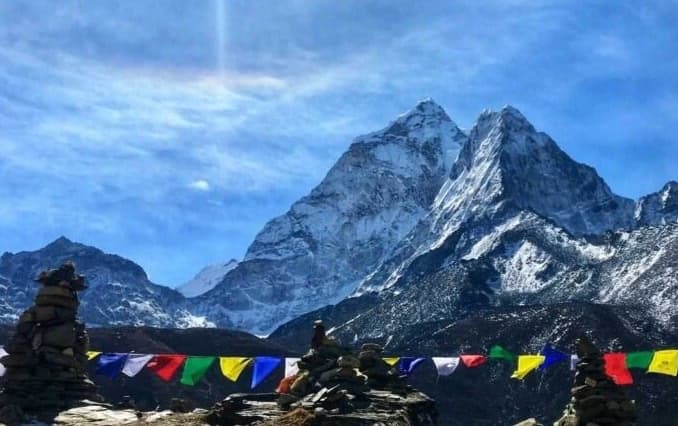
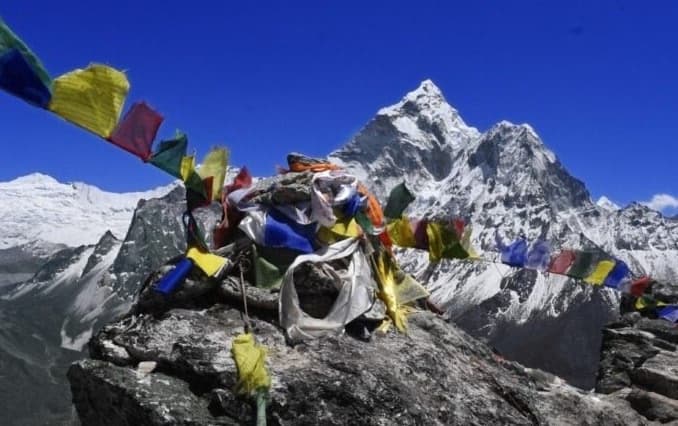
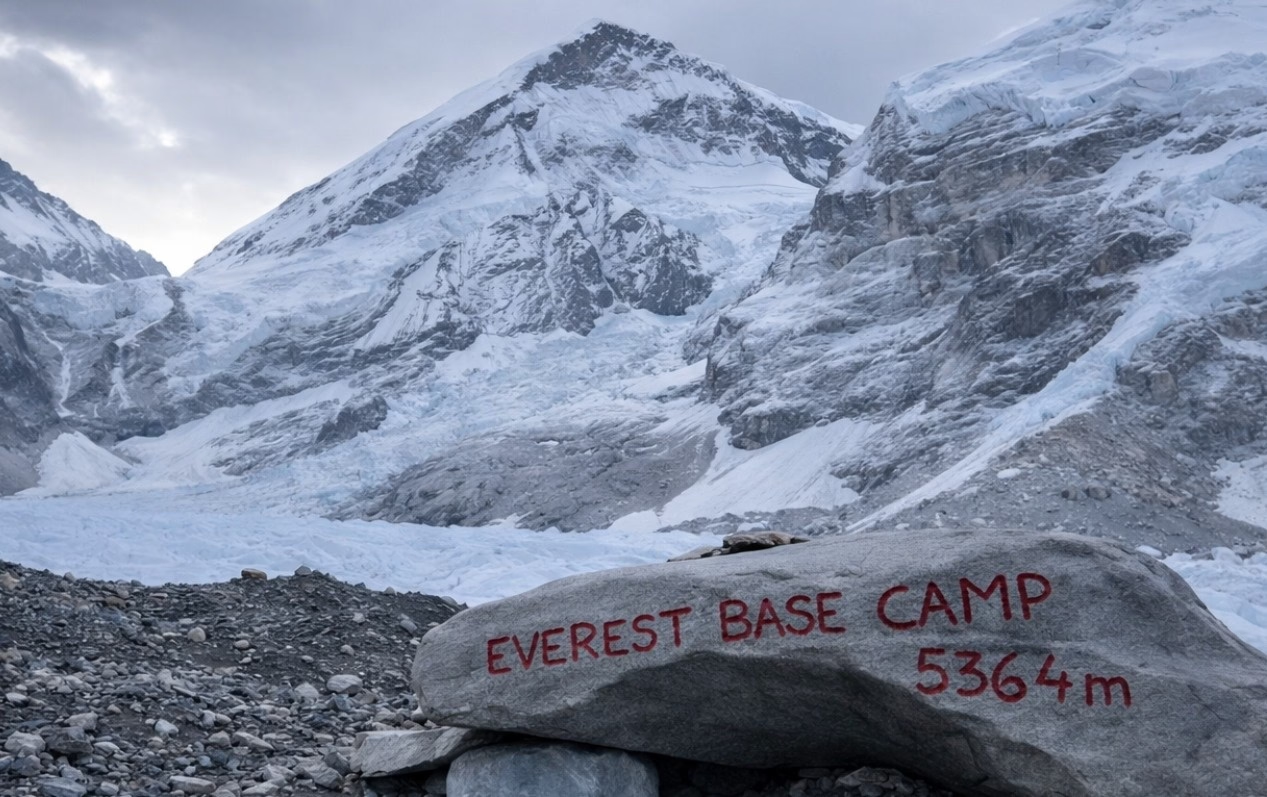
Everest Base Camp internet and WiFi access is shaped by a layered communication ecosystem that combines NTC and Ncell mobile networks in 2026, Everest Link WiFi relay stations, tea house-based VSAT satellite systems, and limited satellite device coverage across the Khumbu region of Nepal. Connectivity strength is strongly altitude-dependent, with stable 4G performance in lower elevations such as Lukla (2,860m) and Namche Bazaar (3,440m), followed by a gradual decline through Tengboche and Dingboche, and near-total limitations at high-altitude zones including Lobuche, Gorak Shep (5,164m), and Everest Base Camp (5,364m). Namche Bazaar functions as the primary digital hub of the trek, while higher sections rely increasingly on Everest Link hotspots and satellite-based fallback systems.
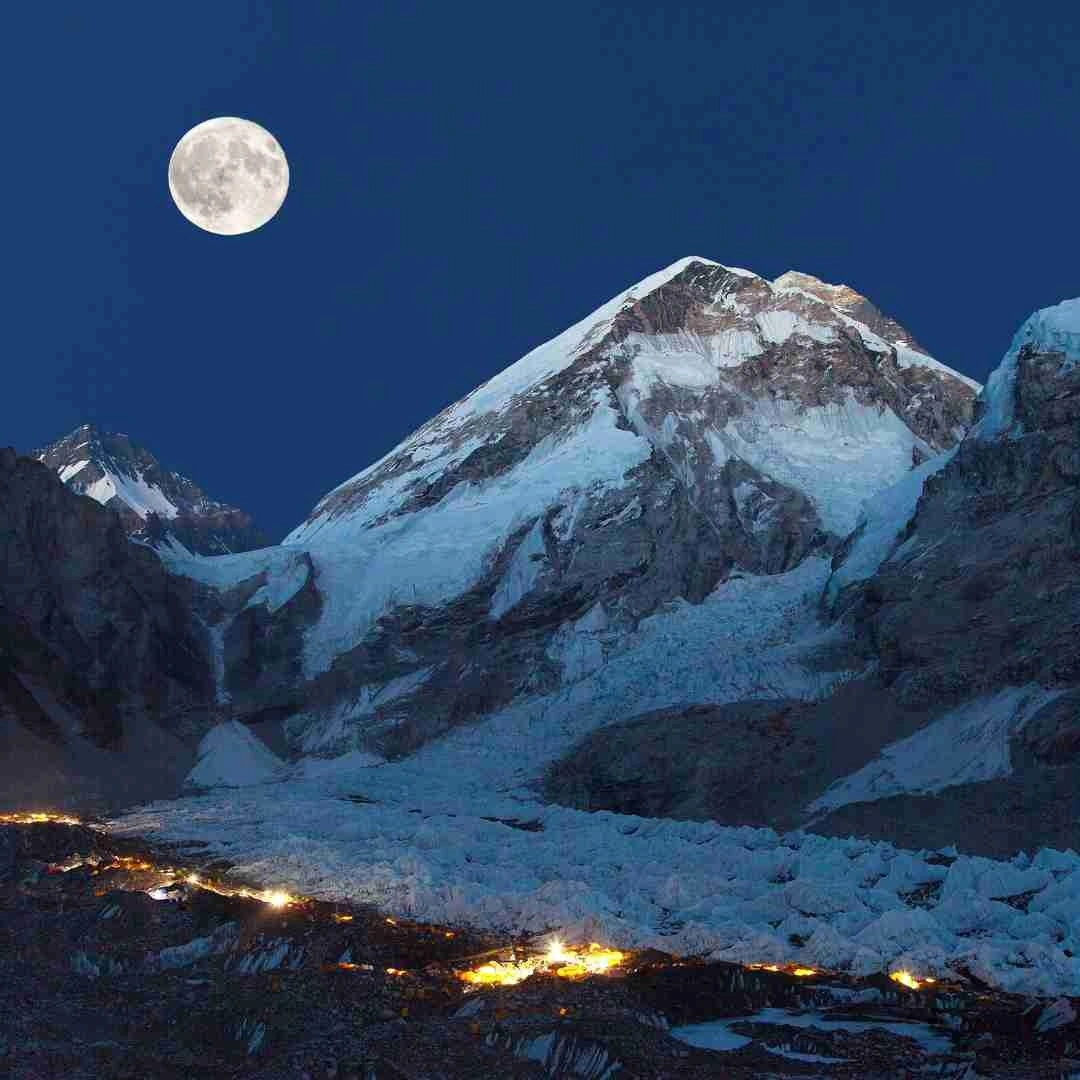
Understanding Everest Base Camp connectivity requires recognizing how infrastructure, terrain, and weather conditions shape real-world performance. NTC generally provides the most reliable mobile coverage above 3,500 meters, while Ncell performs better only in lower valleys before signal loss accelerates at higher elevations. Everest Link WiFi and tea house VSAT systems extend internet access into remote areas but operate with variable speeds influenced by altitude, weather disruption, and seasonal congestion. This 2026 guide explores network coverage, internet speeds, dead zones, WiFi costs, eSIM usability, offline preparation tools, and emergency communication options, enabling trekkers to plan realistic connectivity expectations throughout a 12–14 day Everest Base Camp journey.
How Is Internet Access Available on the Everest Base Camp Trek?
Internet access on the Everest Base Camp trek operates through 3 primary systems: mobile data networks (NTC and Ncell), Everest Link WiFi relay stations, and VSAT-powered tea house hotspots. Coverage quality degrades above Namche Bazaar (3,440m), and trekkers above Lobuche experience significant connectivity limitations.
What Types of Internet Services Can Trekkers Use on EBC route?
Trekkers on the EBC route access internet through 4 distinct service types, each with different coverage ranges and costs:
NTC mobile data; Nepal Telecom Corporation's 4G network covers the trail up to Namche Bazaar with moderate reliability, dropping to 3G above Tengboche (3,860m)
Ncell mobile data: Spectrlite UK's private network, following Axiata's US$50 million exit from Nepal on 1 December 2023 (Axiata Group Berhad press release), covers the lower trail but loses signal faster than NTC above 3,500m.
Everest Link WiFi cards: A relay-station network operated by Everest Link Public Limited that provides paid hotspot access from Lukla all the way to Gorak Shep
Tea house VSAT hotspots: Individual lodge-operated satellite internet systems using VSAT (Very Small Aperture Terminal) technology, available in most teahouses from Phakding onward
VSAT is a two-way satellite internet system that uses a small dish antenna. Tea houses install these dishes to receive internet from geostationary satellites, which explains why connectivity exists even above 5,000m, albeit slowly.
How Reliable Is Internet Connectivity Along the EBC Route?
Connectivity reliability follows a clear altitude gradient: strong below 3,500m, moderate from 3,500m to 4,500m, and unreliable above 4,500m. The Lukla-to-Namche stretch delivers the most consistent experience, with download speeds averaging 3–8 Mbps on NTC 4G. Above Tengboche, speeds drop to 0.5–2 Mbps on the best days. At Gorak Shep and Everest Base Camp, loading a webpage takes 20–40 seconds under normal atmospheric conditions.
Weather disruptions, power outages at relay stations, and network congestion during peak trekking months (April, October, November) reduce reliability further at every elevation.
Which Mobile Networks Work Best on the Everest Base Camp Trek?
NTC (Nepal Telecom Corporation) outperforms Ncell above Namche Bazaar. NTC maintains 4G coverage through Namche and 3G signals as far as Gorak Shep. Ncell provides competitive coverage below Namche but loses reliable signal above 4,000m on most days.
How Does NTC Coverage Compare With Ncell Coverage on EBC Route?
NTC and Ncell are Nepal's 2 primary mobile network operators, with NTC (Nepal Doorsanchar Company Ltd.) holding the larger national subscriber base - 53.39% of voice and 55.66% of mobile broadband share as of February 2026 (Nepal Telecommunications Authority MIS Report). The table below compares their coverage characteristics across key EBC elevations.
Location | Elevation | NTC Signal | Ncell Signal |
Lukla | 2,860m | 4G | 4G |
Namche Bazaar | 3,440m | 4G | 3G–4G |
Tengboche | 3,860m | 3G | 2G–3G |
Dingboche | 4,410m | 3G (intermittent) | 1–2 bars (2G) |
Lobuche | 4,940m | 2G–3G | Minimal |
Gorak Shep | 5,164m | 2G (data unreliable) | No signal |
Everest Base Camp | 5,364m | Emergency calls only | No signal |
NTC's infrastructure investment in the Khumbu region specifically prioritized the EBC trekking corridor. NTC has operated relay towers at Namche, Tengboche, Pheriche, and Lobuche since 2019, with upgrades completed in 2024. Ncell's network performs better for voice calls in lower sections but is not the recommended choice above 3,500m.
Which Areas Have the Strongest Mobile Signals on EBC Route?
The 4 locations with the strongest, most consistent mobile signals on the EBC route are:
Lukla (2,860m); Full 4G from both NTC and Ncell, with speeds reaching 10 Mbps
Phakding (2,652m): Solid 4G coverage, good for video streaming
Namche Bazaar (3,440m): Strong 4G on NTC; the last reliable high-speed data point
Tengboche (3,860m): Reliable 3G on NTC, adequate for messaging and email
Namche Bazaar functions as the connectivity hub of the entire trek. Trekkers consistently use their acclimatization rest day here to upload photos, make video calls, and download offline content for the higher sections.
Where Are Network Dead Zones Common on the EBC Trail?
4 stretches on the EBC trail regularly experience complete mobile signal loss:
The ridge trail between Phakding and Monjo (forested valley cuts off line-of-sight to towers)
The ascent from Tengboche to Dingboche through Pangboche (signal drops in the valley bottom)
The trail between Dingboche and Lobuche, particularly near Thukla Memorial (4,620m)
The entire Khumbu Glacier approach between Lobuche and Gorak Shep
Trekkers frequently report losing NTC data completely for 2–4 hour stretches in these zones. Voice calls occasionally connect on NTC even where data fails, using the older 2G towers. Plan to be offline during these sections, and keep a downloaded EBC trek map on hand so navigation never depends on a live signal.
How Can You Access WiFi During the Everest Base Camp Trek?
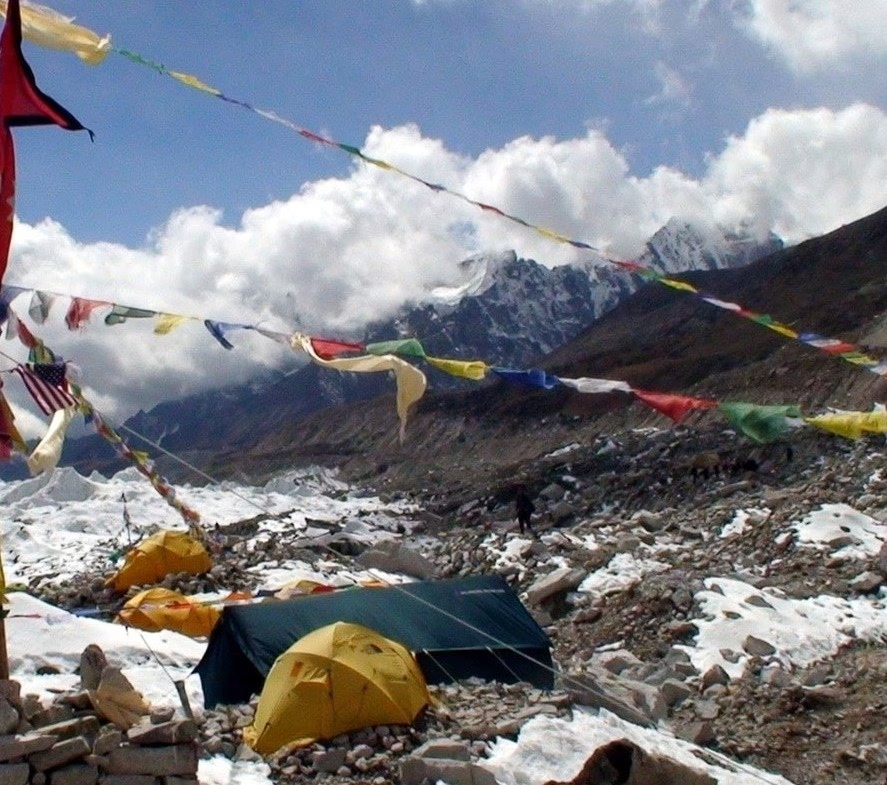
Tea house WiFi operates through 2 systems: Everest Link hotspot cards purchased separately, and house-operated VSAT connections billed per session or per day. Most tea houses from Phakding (2,652m) upward offer at least one form of WiFi access.
Which Tea Houses Offer WiFi Services on Everest Base Camp Route?
Virtually all tea houses from Phakding to Gorak Shep offer WiFi, but quality varies dramatically. Tea houses in Namche Bazaar, Tengboche, and Dingboche maintain the most reliable connections. Above Lobuche, tea house WiFi depends entirely on satellite uplink quality.
Key tea houses with established WiFi reputations include lodges in Namche Bazaar's main street, the Tengboche and Ama Dablam area lodges, and the Pyramid International Laboratory area near Lobuche. The Yak Hotel and Everest Base Camp Hotel at Gorak Shep both advertise WiFi, though speeds there average below 1 Mbps.
At Everest Base Camp itself, there is no permanent WiFi infrastructure. Expedition teams use private satellite terminals (Iridium or Starlink) not accessible to trekkers.
How Much Does WiFi Cost Along the EBC Trail?
WiFi pricing increases with elevation, a direct reflection of satellite infrastructure costs. The following prices reflect 2026 rates in Nepalese Rupees (NPR) and US Dollars (USD):
Location | Per-Hour Cost | Daily Package |
Lukla | NPR 150–200 ($1.10–1.50) | NPR 500–700 ($3.75–5.25) |
Namche Bazaar | NPR 200–350 ($1.50–2.60) | NPR 600–1,000 ($4.50–7.50) |
Tengboche | NPR 350–500 ($2.60–3.75) | NPR 800–1,200 ($6–9) |
Dingboche | NPR 500–700 ($3.75–5.25) | NPR 1,000–1,500 ($7.50–11) |
Lobuche | NPR 700–1,000 ($5.25–7.50) | NPR 1,500–2,000 ($11–15) |
Gorak Shep | NPR 1,000–1,500 ($7.50–11) | NPR 2,000–3,000 ($15–22) |
Most tea houses accept both cash and mobile payments via QR code. Carry NPR cash for WiFi purchases above Namche, as mobile banking connectivity is not guaranteed.
Is Tea House WiFi Fast Enough for Video Calls on EBC Route?
Tea house WiFi supports video calls reliably at Namche Bazaar and below. Above Tengboche, video calls on platforms like WhatsApp or Zoom drop to audio-only quality or disconnect frequently. The minimum download speed required for a stable WhatsApp video call is 1 Mbps; tea houses above Dingboche deliver 0.3–0.8 Mbps on average.
Use audio calls or voice messages above Tengboche. At Namche Bazaar, video calls on WhatsApp and FaceTime work consistently during non-peak hours (before 8 AM and after 9 PM local time). Compressed video formats on Messenger and WeChat perform better than Zoom above 4,000m.
What Internet Speeds Can You Expect at Different Locations of EBC Trail?
Internet speeds on the EBC trek range from 8–12 Mbps at Lukla to under 0.5 Mbps near Everest Base Camp. The sharpest drop occurs between Namche Bazaar and Tengboche, where 4G gives way to 3G and satellite-dependent systems. Speeds also fluctuate by time of day, weather, and season.
How Is Connectivity in Lukla?
Lukla (2,860m) delivers the strongest internet access on the entire EBC route. NTC and Ncell both provide stable 4G coverage, with average download speeds of 8–12 Mbps and upload speeds of 3–6 Mbps. Lukla's proximity to mobile towers in the Solu-Khumbu district enables this performance.
Trekkers arriving at Tenzing-Hillary Airport in Lukla use this connectivity window to complete 3 critical tasks: downloading offline maps (Maps.me, Google Maps), uploading any pre-trek media, and confirming communication plans with family. The WiFi at Lukla's tea houses mirrors mobile performance, making it the best connectivity point before the high trail.
How Is Internet Access in Namche Bazaar?
Namche Bazaar (3,440m) is the connectivity hub of the EBC trek, offering the last reliable 4G mobile data on the route. NTC delivers download speeds of 3–8 Mbps here, while tea house WiFi via Everest Link averages 2–5 Mbps.
Trekkers spend 2 acclimatization nights in Namche, a natural window for managing digital communication. The town has multiple WiFi hotspots, a few cafés with paid internet stations, and reliable electricity from 6 PM to 10 PM daily. Above Namche, carry downloaded content and offline tools. The connectivity gap from Namche upward is real and begins immediately on the ascent toward Tengboche.
How Is Connectivity Near Gorak Shep and Everest Base Camp?
Gorak Shep (5,164m) and Everest Base Camp (5,364m) have minimal internet connectivity. NTC maintains a weak 2G signal at Gorak Shep, sufficient for text messages and occasional voice calls, but not for data-dependent applications. Tea house WiFi via VSAT delivers 0.3–0.8 Mbps, enough to send a WhatsApp message or check a weather app, but not for streaming or video calls.
At Everest Base Camp itself, trekkers have no public internet access. Expedition climbers use private Starlink or Iridium satellite terminals. The round-trip data latency at this altitude via VSAT exceeds 600 milliseconds, which causes noticeable lag even on text-based apps. Plan to be essentially offline for the 2–3 days spent at and around Gorak Shep.
What Are the Best Ways to Stay Connected While Trekking EBC?
The 3 most effective connectivity strategies for EBC trekkers in 2026 are: purchasing an NTC local SIM card, buying Everest Link WiFi cards at key stops, and installing an eSIM before departure. Each method serves different connectivity windows and budgets.
Should You Buy a Local SIM Card for EBC Trek?
Buying an NTC SIM card at Kathmandu's Tribhuvan International Airport or in Thamel is the single most cost-effective connectivity choice for EBC trekkers. NTC SIM registration requires a passport and takes 10–15 minutes at any authorized retailer.
NTC prepaid SIM cards cost NPR 100 (~$0.75) for the SIM itself. Data packages for 2026:
1 GB data pack: NPR 200 (~$1.50), valid 7 days
5 GB data pack: NPR 500 (~$3.75), valid 28 days
10 GB data pack: NPR 1,000 (~$7.50), valid 28 days
Unlimited daily pack: NPR 80/day (~$0.60), throttled after 2 GB
The 5 GB pack covers the average trekker's data needs for a 12–14 day EBC journey when used primarily in lower elevations. Activate the SIM in Kathmandu to verify network registration before flying to Lukla.
Should You Use Everest Link WiFi Cards?
Everest Link WiFi cards provide the only paid WiFi service designed specifically for the EBC corridor. Airlink Communications operates relay stations at 12 locations between Lukla and Gorak Shep, creating a continuous hotspot network along the trail.
Everest Link cards are available for purchase at tea houses, lodges, and small shops throughout the route. The 2026 pricing structure:
10 GB data card: NPR 2,500–3,000 (~$16–$20)
20 GB data card: NPR 3,500–4,000 (~$23–$26)
(Note: Everest Link shifted from time-based access passes to volume-based data cards valid for up to 30 days.)
The 10 GB and 20 GB data cards represent the best value for trekkers spending time at multiple stops. Cards work across all Everest Link hotspots, purchase once and use at any relay point on the trail. Speeds average 1–4 Mbps depending on location, which is adequate for messaging, email, and weather checks.
Can eSIMs Be Used on the Everest Base Camp Trek?
eSIMs from international providers work on the EBC trek where the underlying Nepalese carrier network has coverage. Providers including Airalo, Holafly, and Nomad offer Nepal eSIM plans that route through NTC or Ncell infrastructure. Coverage limits are therefore identical to those of the physical NTC or Ncell SIM.
The practical advantage of an eSIM is convenience: purchase and install it before leaving home, avoiding SIM registration queues in Kathmandu. The limitation is cost, eSIM data plans for Nepal from international providers cost $8–20 for 1–3 GB, compared to NPR 200–500 ($1.50–$3.75) for the same data on a local NTC SIM.
eSIMs work on iPhone XS and later (2018+), Google Pixel 3 and later, and Samsung Galaxy S20 and later. Verify device eSIM compatibility before relying on this option.
How Can You Prepare for Limited Connectivity on EBC Route?
Preparing for offline stretches on the EBC trek requires 3 actions before departure: downloading offline maps and navigation tools, saving critical documents locally, and configuring battery-saving modes on all devices. Trekkers who complete this preparation eliminate 90% of connectivity-related anxiety on the trail.
Which Apps Should You Download Before the EBC Trek?
Download these 6 apps before leaving Kathmandu, they function fully offline above network dead zones:
Maps.me: Offline topographic maps of the entire Khumbu region with trail markings, elevation data, and tea house locations
Google Maps (offline): Download the Khumbu region for turn-by-turn waypoints; supplement with Maps.me above Namche
AccuWeather or Mountain Forecast: Cache weather forecasts for the next 7 days while in Namche's 4G zone
Meraki (formerly WalkieTalkie): Peer-to-peer offline communication within a 100m range for group trekking
WhatsApp: Enable low-data mode in settings; text messages send reliably on 2G connections
Translate (Google): Download Nepali language pack for offline use at tea houses
iMessage and SMS text messages deliver at Gorak Shep on NTC 2G signals. Email apps with background sync disabled consume 60–70% less data on marginal connections.
How Can Offline Maps and Documents Help During EBC Trek?
Offline maps and pre-downloaded documents eliminate dependency on real-time internet for 4 critical trekking needs: navigation, elevation tracking, emergency contact lookup, and permit reference.
Store the following documents offline before the trek:
Your TIMS card (Trekking Information Management System) and SAGARMATHA National Park permit images
Emergency contact numbers for local rescue services (Himalayan Rescue Association: +977-1-4440066)
Your travel insurance policy number and emergency claims hotline
Nepal Intrepid Treks' emergency contact details and guide satellite phone number
The Maps.me Khumbu offline map covers 95% of the EBC trail with accurate waypoints. Cache it at Lukla's 4G zone before ascending if not downloaded in Kathmandu.
How Can You Save Battery Power On The EBC Trek While Staying Connected ?
Battery conservation on the EBC trek requires 4 consistent practices, as charging infrastructure above Namche is unreliable and expensive:
Enable airplane mode on dead-zone stretches: The phone constantly searches for signal above Dingboche, draining the battery 40–50% faster than in connected mode
Reduce screen brightness to 30–40%: Cold temperatures at altitude reduce lithium battery capacity by 20–30% below the manufacturer's rating
Carry a 20,000 mAh power bank: Tea houses charge NPR 200–500 ($1.50–$3.75) per charge above Namche; a power bank eliminates this cost and dependency
Disable background app refresh for all social media, email, and cloud backup apps
Most tea houses provide charging outlets (Type C and Type D sockets) from 6 PM to 10 PM, powered by solar or micro-hydro generators. Cross-check your power bank and adapters against a full trekking equipment checklist before leaving Kathmandu, and carry backup charging cables.
What Challenges Affect Internet and WiFi on the Everest Base Camp Trek?
3 primary factors consistently degrade internet quality on the EBC route: weather disruptions, altitude-related atmospheric interference, and seasonal network congestion. Understanding these factors sets accurate expectations before departure.
How Do Weather Conditions Impact Connectivity On EBC Trail?
Cloud cover, snowfall, and high winds directly interrupt VSAT satellite signals at tea houses. VSAT is a two-way satellite internet system that uses a small dish antenna aligned with a geostationary satellite at roughly 35,786 km altitude, per the ITU's technical report on VSAT deployment (ITU Report ITU-R S.2278). Tea houses install these dishes to receive internet from geostationary satellites, which explains why connectivity exists even above 5,000m, albeit slowly. Dense cloud formations, common during the monsoon season (June–September) and in pre-monsoon weather windows (March–April), block this signal path for 2–8 hours at a stretch.
Wind speeds above 60 km/h (common on ridge trails above 4,500m) misalign small dish antennas, causing complete WiFi outages at affected lodges. Mobile NTC tower signals are less affected by weather but do experience interference during heavy snowstorms above 4,000m.
How Does Altitude Affect Internet Reliability?
Altitude affects internet reliability through 3 mechanisms: physical distance from mobile towers, reduced air pressure affecting signal propagation, and the logistical challenges of maintaining infrastructure above 4,000m.
NTC's highest functioning 4G tower on the EBC corridor sits at approximately 3,800m near Tengboche. Every 500m above this point adds signal attenuation. The thinner atmosphere at 5,000m does not amplify signals, it reduces the efficiency of VSAT transmission systems, which are calibrated for lower-altitude use. Lodge operators at Gorak Shep report that their VSAT equipment requires recalibration 3–5 times per trekking season due to altitude-related drift. The same thin air that disrupts signal transmission also strains the human body, so review the symptoms of altitude sickness in the Himalaya before ascending past Namche.
Why Do Internet Speeds Vary During Peak Seasons of EBC Trek?
Peak trekking seasons (March–May and October–November) concentrate 70–80% of annual EBC trekkers on the trail simultaneously, overwhelming shared bandwidth at Everest Link relay stations and tea house VSAT systems. These same months top most guides to the best time for Everest Base Camp trek, so expect congested relay stations if you travel then.
A typical Everest Link relay station serves 40–80 simultaneous users during peak season, compared to 10–20 in off-season months. This 4x increase in concurrent users reduces per-user bandwidth from 2–4 Mbps to 0.3–0.8 Mbps. NTC mobile towers at Namche also experience congestion between 6 PM and 10 PM during peak months, when trekkers return to lodges and simultaneously connect. Plan data-intensive tasks for early mornings (5–8 AM) during peak season months.
How Much Should You Budget for Internet and WiFi for EBC Trek in 2026?
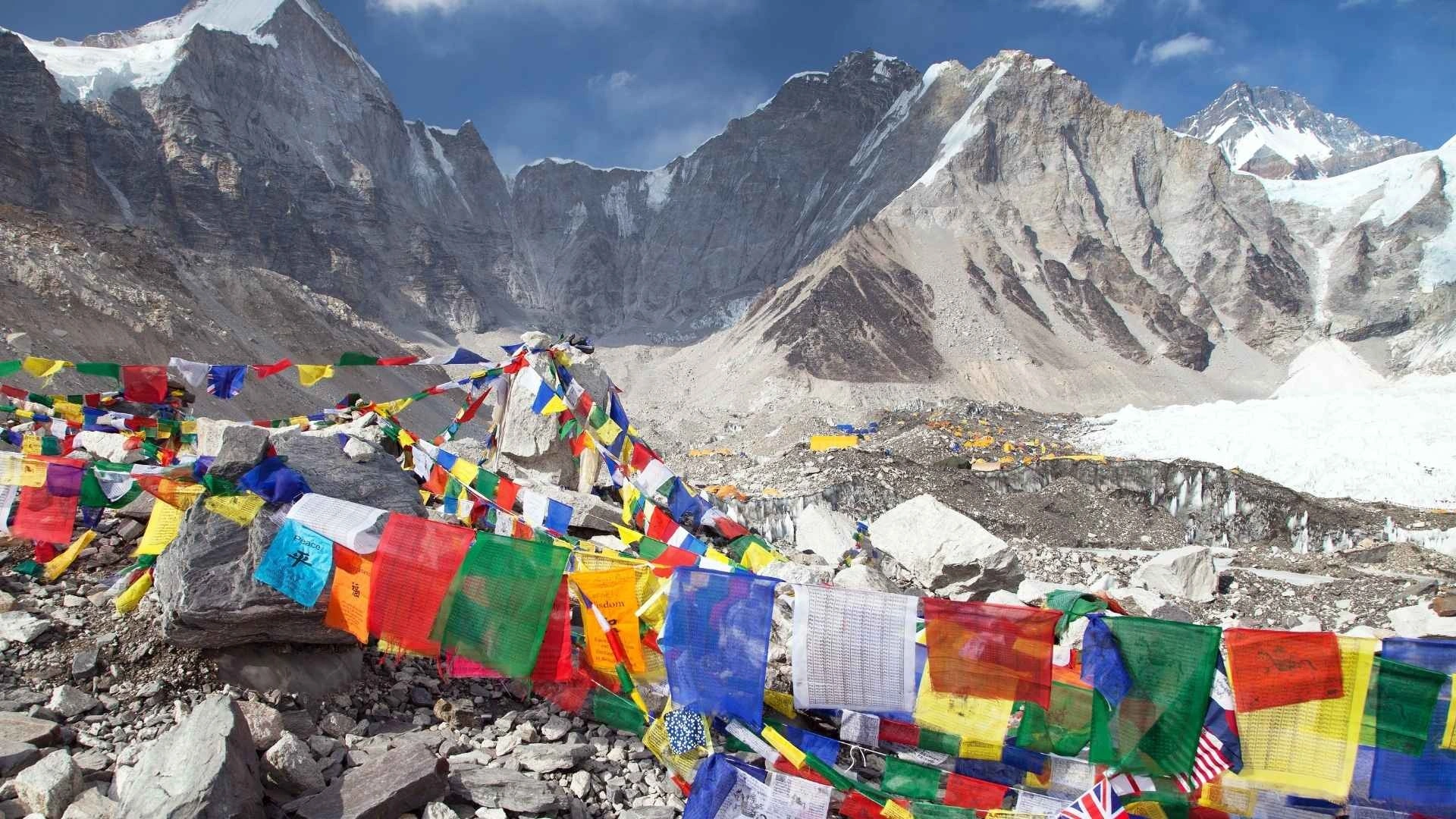
A complete 12–14 day EBC trek with reasonable connectivity costs $30–60 in total internet expenses in 2026, a small slice of the overall EBC trek cost once permits, guides, and lodging are factored in. This budget covers a local NTC SIM with data, select Everest Link cards at higher elevations, and tea house WiFi at key overnight stops.
What Are the Typical Costs of Mobile Data Packages?
NTC and Ncell mobile data packages for 2026 are priced in Nepalese Rupees (NPR). The exchange rate as of 2026 sits at approximately NPR 152 per USD.
NTC Data Pack | Cost (NPR) | Cost (USD) | Validity |
1 GB | NPR 200 | $1.50 | 7 days |
3 GB | NPR 350 | $2.60 | 28 days |
5 GB | NPR 500 | $3.75 | 28 days |
10 GB | NPR 1,000 | $7.50 | 28 days |
Unlimited (throttled) | NPR 80/day | $0.60/day | Daily |
Most EBC trekkers spend NPR 500–1,000 ($3.75–$7.50) on mobile data for the entire trek, using the SIM primarily in lower-elevation connectivity zones and reserving Everest Link cards for mid-to-upper sections.
What Are the Prices for Everest Link WiFi Cards?
Everest Link WiFi card pricing in 2026 is based on data volume, typically quoted in NPR, and accepted in USD equivalent at tea house exchange rates:
10 GB data card: NPR 2,500–3,000 (~$16–$20)
20 GB data card: NPR 3,500–4,000 (~$23–$26)
A 7-day Everest Link card purchased at Namche Bazaar covers connectivity needs from Namche to Gorak Shep and back. This single purchase of $35 eliminates the need to buy multiple short-duration cards along the trail.
Are There Additional Charges at Higher Elevations?
Tea houses above Lobuche charge premium rates for electricity and internet access due to higher operating costs for solar and VSAT systems at altitude. Electricity charging fees at Gorak Shep run NPR 300–500 ($2.25–$3.75) per device charge. Some lodges bundle WiFi with meal packages, confirm pricing at check-in to avoid unexpected charges.
Everest Link card prices remain consistent across elevations, as the pricing is set centrally by Airlink Communications. The variation occurs only at tea house WiFi hotspots operated independently of the Everest Link network.
What Communication Alternatives Are Available Without Internet on the EBC Trek?
3 reliable communication alternatives exist for complete network-dead situations on the EBC route: satellite communication devices, radio contact through guides, and the Himalayan Rescue Association's emergency relay system at Pheriche (4,371m).
Can Satellite Devices Be Used on the EBC Trek?
Satellite communicators provide two-way messaging and GPS tracking independent of mobile networks or WiFi. The 2 most commonly used devices by EBC trekkers in 2026 are:
Garmin inReach Mini 2: Two-way satellite messaging, SOS capability, and GPS tracking via the Iridium satellite network, though Garmin's own manual notes the device needs a clear, unobstructed view of the sky to transmit (Garmin inReach Mini 2 Owner's Manual); subscription plans start at $14.95/month.
SPOT X: Two-way messaging via the Globalstar network; slightly lower cost but with weaker Himalayan coverage above 5,000m compared to Iridium
Renting a Garmin inReach in Kathmandu costs approximately $10–15/day plus subscription activation. Nepal Intrepid Treks guides carry satellite phones on all EBC expeditions.
How Can You Contact Family in Emergencies?
Emergency communication on the EBC route uses 3 channels in descending reliability:
Guide satellite phone: All licensed trekking guides from registered agencies carry satellite phones; this is your primary emergency contact tool above 4,500m
Himalayan Rescue Association (HRA) post at Pheriche: The HRA station at 4,371m maintains radio contact with Kathmandu and helicopter rescue coordination services; open daily from 9 AM to 5 PM during trekking seasons
NTC 2G voice call: Text messages and voice calls on NTC 2G reach family below 5,000m during stable weather; pre-register family contact numbers before departure
Share your trek itinerary, guide's satellite number, and expected check-in dates with family before departure. Establish daily check-in times so family knows when to expect contact and when silence means you are in a dead zone rather than in distress.
What Should You Do If You Lose Network Access on the EBC Trek?
Loss of network access on the EBC trail requires 3 immediate responses:
Switch to offline mode: Enable airplane mode to conserve battery; activate Maps.me for navigation
Notify your guide: Licensed guides carry satellite phones and maintain lodge-to-lodge radio contact
Locate the nearest Everest Link hotspot: Tea houses display Everest Link stickers on their doors; the network functions independently of mobile carriers
Complete network loss between Dingboche and Gorak Shep is normal and expected. Trekkers without guides face higher communication risk in these zones. Registered group treks with Nepal Intrepid Treks include satellite communication as a standard service.
How Can You Plan the Everest Base Camp Trek With Expert Support?
Trekking the Everest Base Camp route with a licensed, experienced agency provides access to pre-arranged communication infrastructure, local knowledge, and emergency support networks that independent trekkers cannot replicate through equipment alone.
Can Nepal Intrepid Treks Help You Stay Connected During the EBC Trek?
Nepal Intrepid Treks provides dedicated connectivity support across the full EBC route through 4 practical services:
Pre-trek SIM card assistance: Nepal Intrepid Treks guides accompany trekkers to NTC registration centers in Kathmandu to complete SIM activation with correct documentation, eliminating airport queues
Satellite phone coverage; All Nepal Intrepid Treks lead guides carry Iridium satellite phones, ensuring emergency communication at every elevation including Everest Base Camp
Offline digital trail kit: Before departure, Nepal Intrepid Treks provides a pre-loaded offline maps file, emergency contacts, permit copies, and route waypoints for trekkers' devices
Real-time connectivity briefings: Guides brief trekkers at each overnight stop on the following day's expected connectivity conditions, helping trekkers plan calls and data tasks accordingly
Nepal Intrepid Treks' local guide network has been operating in the Khumbu region since 2009, building direct relationships with tea house operators that provide trekkers with priority WiFi access during peak season congestion.
Plan your Everest Base Camp trek with Nepal Intrepid Treks, experienced guides, satellite communication coverage, and expert logistics from Kathmandu to Gorak Shep and back.
What Are the Key Takeaways About Internet and WiFi on the Everest Base Camp Trek in 2026?
Internet connectivity on the Everest Base Camp trek in 2026 is accessible, manageable, and increasingly reliable in lower elevations, but it demands preparation and realistic expectations for the high route.
The 8 most important facts every EBC trekker needs to know:
NTC outperforms Ncell above Namche Bazaar: Buy NTC for the best coverage above 3,500m
Namche Bazaar is the last reliable 4G point: Complete digital tasks here before continuing
Everest Link 20 GB cards offer the best value: roughly $26 (NPR 4,000) covers the data needs for the entire upper route from Namche to Gorak Shep
Video calls work at Namche, not above Tengboche: Switch to audio-only or text messaging at higher elevations
Offline maps are non-negotiable: Download Maps.me and Google Maps offline before leaving Kathmandu
Budget $30–60 for total internet access on a 12–14 day trek
Airplane mode between dead zones saves 40–50% battery life: Use this consistently above Dingboche
Your guide's satellite phone is your emergency lifeline: Trek with a licensed agency that provides satellite coverage
Connectivity challenges on the Everest Base Camp trail are real but predictable. Trekkers who prepare correctly, with a local NTC SIM, offline tools loaded, and an Everest Link card in pocket, stay meaningfully connected from Lukla to Gorak Shep without overspending or over-relying on unstable systems.
The Everest Base Camp internet and WiFi landscape in 2026 reflects a broader truth about this trek: preparation determines experience. Trekkers who plan for limited connectivity at high altitude arrive at Base Camp focused on the journey, not frustrated by a dropped call.