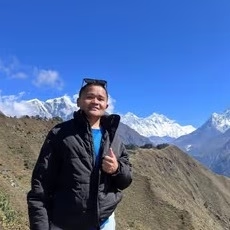
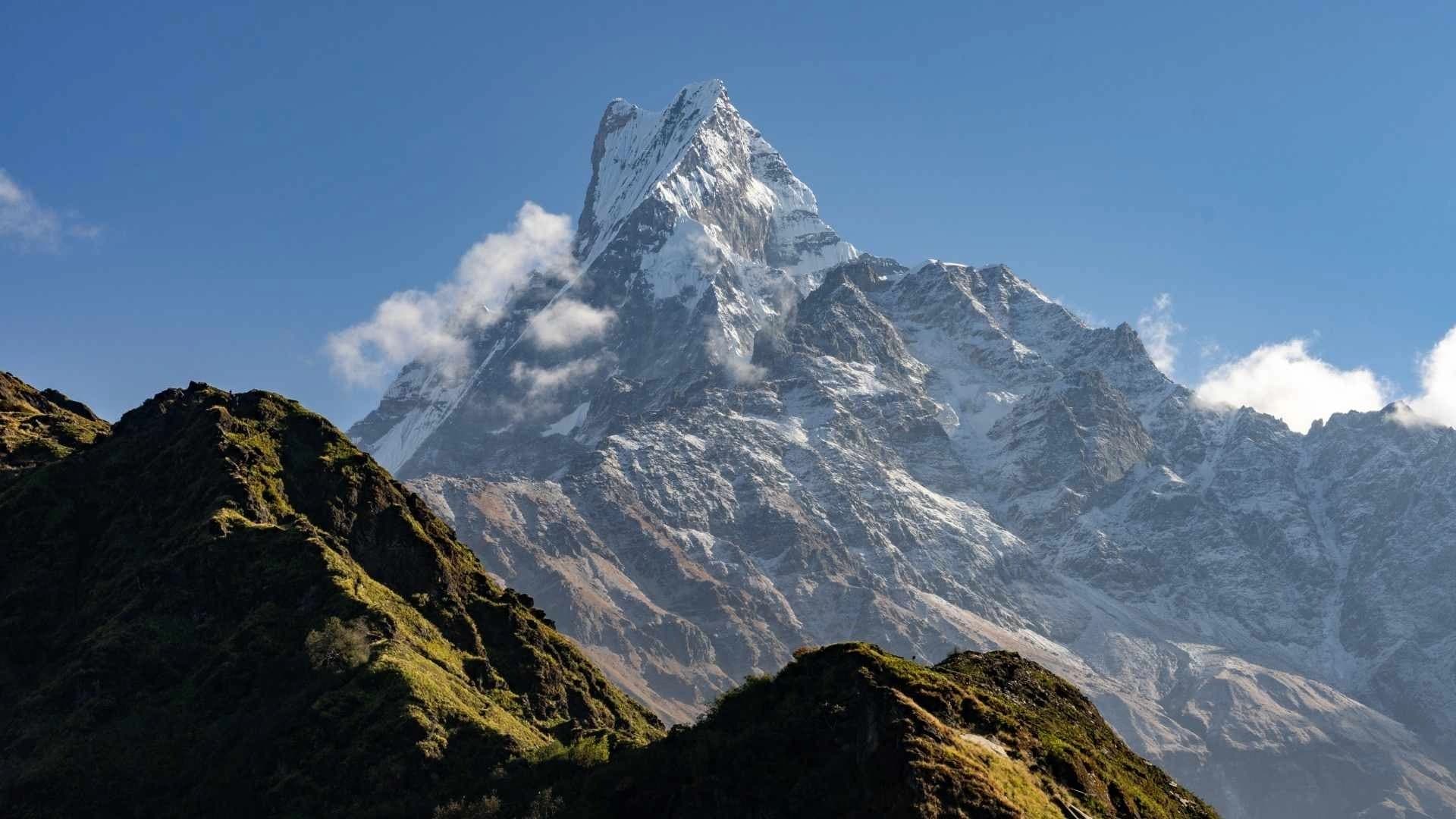
The best treks in Nepal in December offer clear Himalayan panoramas, peaceful trails, and memorable winter landscapes across the Annapurna, Everest, and Langtang regions. The 10 best options are Ghorepani Poon Hill, Everest Base Camp, Mardi Himal, Langtang Valley, Pikey Peak, Mohare Danda, Khopra Danda Ridge, Tamang Heritage Trail, Annapurna Base Camp, and Gosaikunda Lake. December's dry weather improves mountain visibility, with Pokhara recording an average of just 11.5 mm of rainfall, making it an appealing month for trekking despite freezing nights and occasional snow at higher elevations.
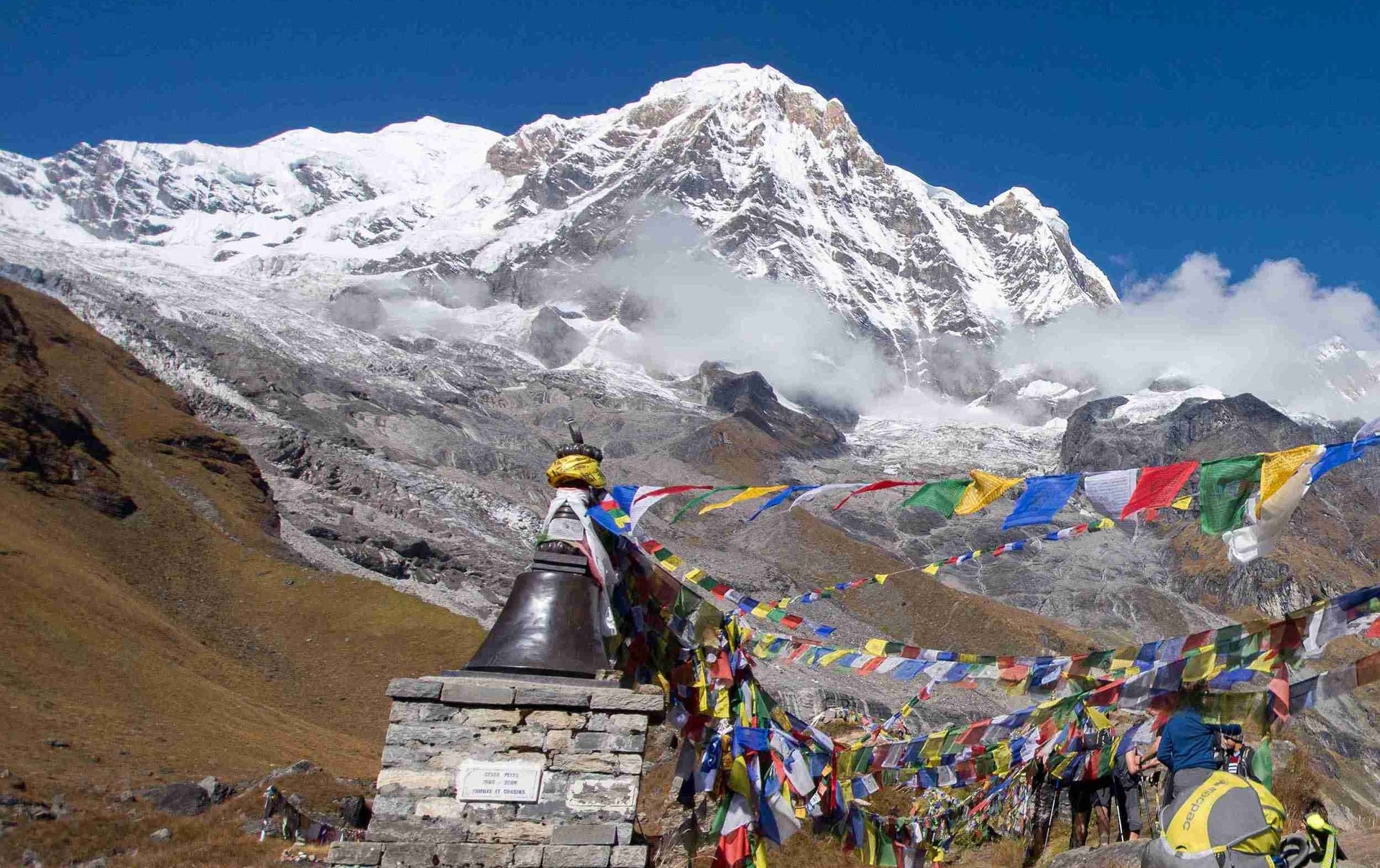
Choosing the right December trek depends on your fitness, altitude experience, budget, and tolerance for cold weather. Beginners can consider Ghorepani Poon Hill, Mohare Danda, or the Tamang Heritage Trail, while experienced hikers may prefer Everest Base Camp, Annapurna Base Camp, Khopra Danda, or Gosaikunda Lake. Compare trekking duration, maximum altitude, difficulty, estimated costs, permits, accommodation, and winter safety conditions to find a route that matches your abilities and travel plans.
1. Ghorepani Poon Hill Trek
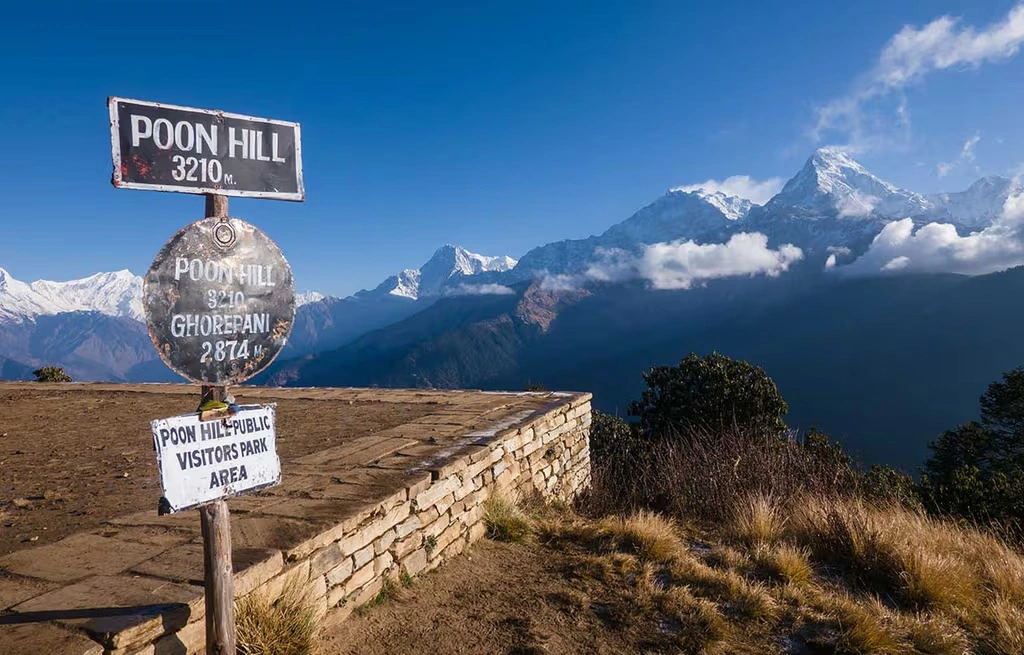
Poon Hill is Nepal's most popular short trek. It peaks at 3,210 m above Ghorepani village. Most trekkers finish in 4–5 days. December brings clear air and quiet lodges.
What Makes Ghorepani Poon Hill Ideal for Beginners in December?
Ghorepani Poon Hill suits December beginners because the trek sleeps no higher than 2,880 m, finishes in 4–5 days, and rewards you with a 3,210 m Himalayan sunrise. Altitude sickness risk stays low, and lodges line every stage of the route.
The stone staircase above Ulleri (more than 3,000 steps) is the first test. We see most first-timers find their rhythm by the top of it. December adds empty rooms in Ghorepani, so you choose the bed closest to the dining-room stove.
What Are the Best Sunrise Views from Poon Hill?
The best Poon Hill sunrise lights Dhaulagiri I (8,167 m) and Annapurna I (8,091 m) gold at about 06:50 in December, with Annapurna South (7,219 m), Nilgiri (7,061 m), and Machhapuchhre (6,993 m) beside them. The viewpoint sits 45–60 minutes above Ghorepani.
Leave the lodge at 05:00 with a headlamp and reach the top 30 minutes before sunrise. The blue-hour light before the sun clears the ridge produces the best photographs. Clouds build after 09:00, so the first two hours of daylight own the view. Vendors at the summit sell hot tea.
How Cold Does the Ghorepani Poon Hill Trek Get in December?
Ghorepani drops to about −5°C on December nights, and Poon Hill reaches about −7°C before sunrise. Daytime highs run 8°C at Ghorepani. Pokhara, the trailhead city, averages 21°C by day and 8.3°C at night.
Wind chill adds 5°C to 10°C of felt cold during the pre-dawn wait at the viewpoint. Cold drains phone batteries within minutes, so carry the phone and a spare power bank inside your jacket. Late December runs colder than early December, with more fog in the valleys.
What Is the Difficulty, Duration, and Cost of the Ghorepani Poon Hill Trek?
The Ghorepani Poon Hill trek is easy to moderate, takes 4–5 days, involves 3–6 walking hours per day, and costs US$415 for the 5-day Nepal Intrepid Treks package. The package covers permits, guide, porter, and lodges.
Independent permit costs total NPR 5,000 (about US$38): the Annapurna Conservation Area Permit (ACAP) at NPR 3,000 and the TIMS card at NPR 2,000. Nepal's rules since 1 April 2023 direct foreign trekkers in the Annapurna region to hire a licensed guide through a registered agency. Budget US$10–15 per day for guide tips and US$5–10 per day for porter tips.
What Should Trekkers Pack for Poon Hill in December?
Pack four layers (base, fleece, down jacket, shell), a sleeping bag rated to −10°C, waterproof boots, insulated gloves, a beanie, and a headlamp. Keep the duffel near 8–10 kg.
Base layers: 2 merino or synthetic tops and 2 bottoms
Insulation: a down jacket for the sunrise wait
Footwear: broken-in boots and 3 pairs of wool socks
Extras: trekking poles, sunglasses, sunscreen, and a power bank
Common mistakes we see: cotton T-shirts, brand-new boots, and a single pair of gloves. The Nepal Intrepid Treks Equipment Checklist covers the full list.
Next step: The Poon Hill Trek 5 Days departs on private dates through December. Send your travel window through the contact form and the team returns a day-by-day plan.
2. Everest Base Camp Trek
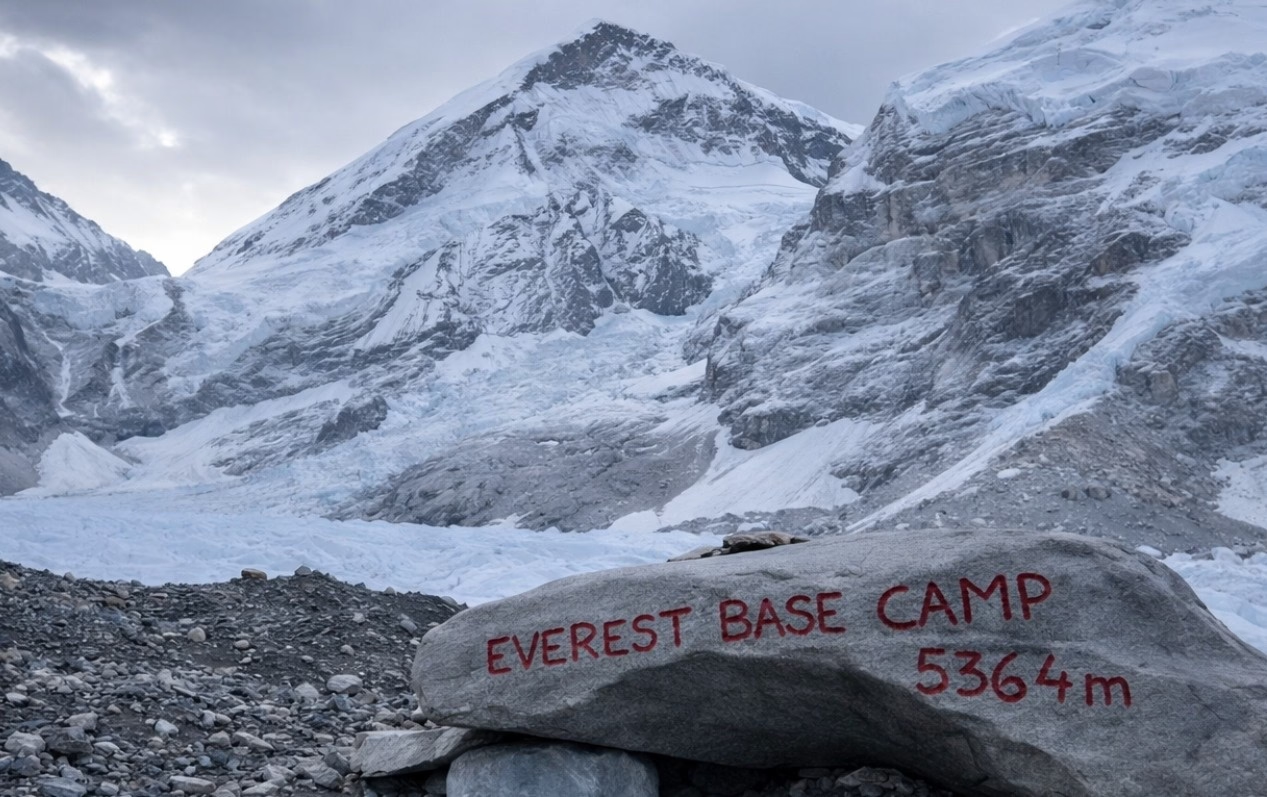
Everest Base Camp sits at 5,364 m in the Khumbu. The classic route takes 14–16 days. December thins the crowds and sharpens the views. Cold and altitude make it a trek for fit walkers.
What Makes Everest Base Camp Special in Winter?
Everest Base Camp in winter offers the clearest air of the year, an almost empty trail, and Everest, Lhotse, and Nuptse standing sharp against deep-blue skies. The classic route to 5,364 m stays open all December.
Autumn queues at Namche bakeries and the Kala Patthar sunrise disappear. The base camp itself does not show Everest's summit, so the real prize is Kala Patthar (5,545 m), where Everest (8,849 m) fills the horizon. Winter trekkers often get the viewpoint to themselves.
What Are the Main Challenges of Trekking to Everest Base Camp in December?
The 5 main December challenges are extreme cold, altitude above 5,000 m, short daylight, lodge closures above Dingboche, and weather-dependent Lukla flights. Each one has a practical answer.
Daylight lasts about 10.5 hours, so walking days end by 15:30. Some owners close upper lodges in mid-to-late December and move down-valley. Guided groups keep pre-arranged beds, while independent trekkers risk a locked door at Lobuche. Skipping the acclimatization days at Namche (3,440 m) and Dingboche (4,360 m) causes more turnarounds than snow does.
How Cold Does It Get on the Everest Base Camp Trail?
Namche Bazaar falls to about −4°C at night and reaches 9°C by day, while Lobuche and Gorak Shep (5,170 m) fall to between −16°C and −25°C at night with daytime highs near 0°C. Wind adds a further 5°C to 10°C of chill.
Lodges heat only the dining room, and the stove usually dies by 20:00. Rooms stay unheated. A sleeping bag rated to −20°C, a hot water bottle, and dry socks reserved for bed decide whether the night is bearable. Water bottles freeze unless stored upside down inside the bag.
Are Teahouses and Flights Available During December Everest Base Camp Trek?
Yes. Teahouses on the classic route stay open in December, and Lukla flights run in good weather, mostly from Kathmandu rather than Manthali. Airlines move departures between the two airports by season, so confirm 7 days before travel.
Manthali Airport sits 132 km from Kathmandu, roughly a 4-hour drive, and handles the peak-season diversions. Winter fog at Kathmandu and low cloud at Lukla (a 527 m runway) cause cancellations. Build in 2 spare days. Our Flight Delays and Cancellation in Nepal page explains what happens when a flight is grounded.
What Permits, Costs, and Preparation Are Required for Everest Base Camp Trek?
Everest Base Camp requires the Sagarmatha National Park permit (NPR 3,000) and the Khumbu Pasang Lhamu Rural Municipality permit (NPR 2,000), about US$38 combined, and the Nepal Intrepid Treks 16-day trip costs US$1,485. The municipality permit replaced the TIMS card in the Khumbu.
Train 8–12 weeks with weekly 5-hour hikes and stair sessions under a 6 kg pack. Carry a −20°C sleeping bag, down jacket, and microspikes. Buy insurance covering helicopter evacuation to 6,000 m. According to the Wilderness Medical Society, sleeping altitude above 3,000 m rises by no more than 500 m per night, and a doctor sets any acetazolamide dose.
Next step: The Everest Base Camp Trek runs 16 days from US$1,485 and includes a rest day at each acclimatization stop.
3. Mardi Himal Trek
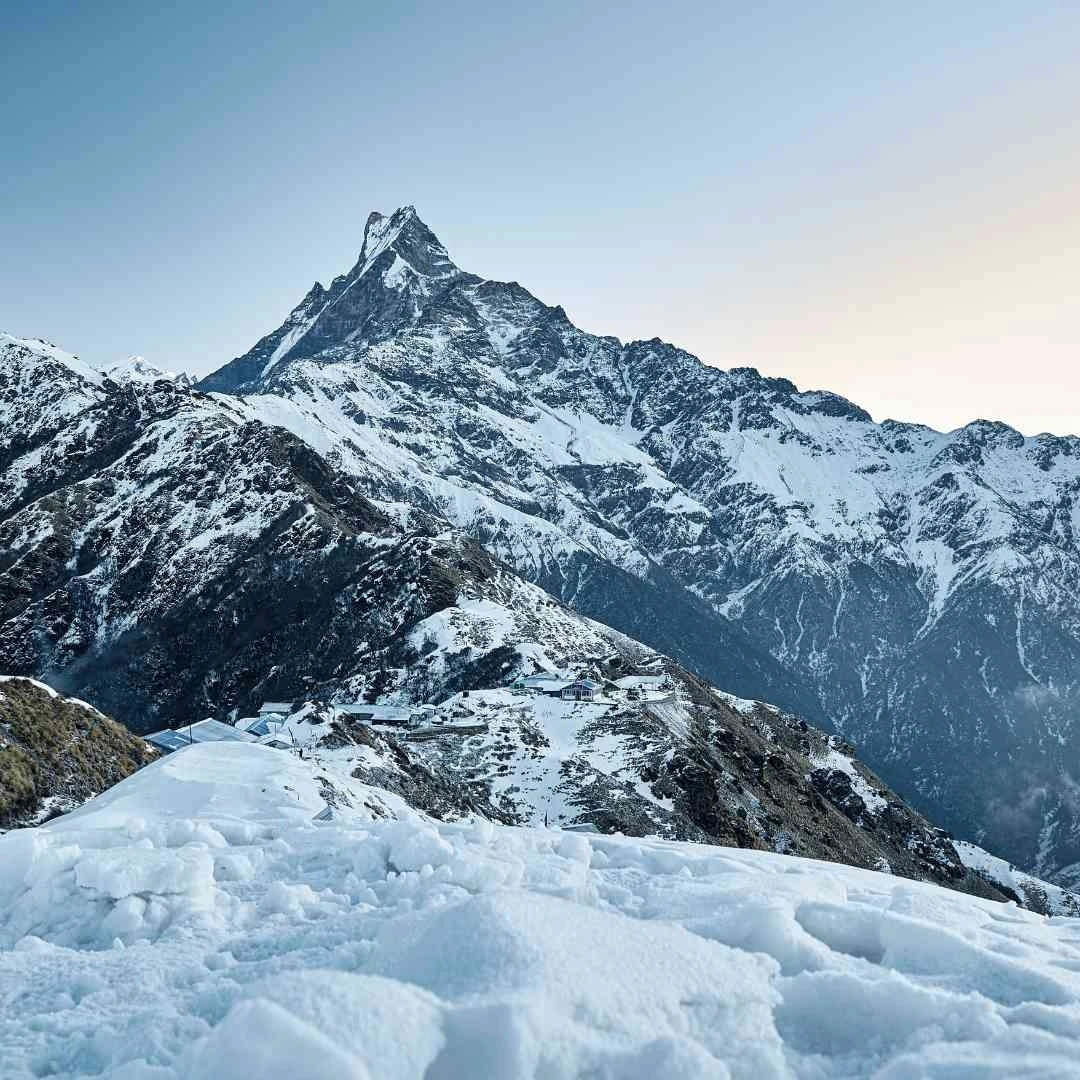
Mardi Himal follows a high ridge above Pokhara. The route reaches 4,500 m in 6–8 days. Machhapuchhre dominates the skyline. December snow turns it into a true winter trek.
What Mountain Views Can You Expect on the Mardi Himal Trek?
The Mardi Himal trek delivers Machhapuchhre (6,993 m) at close range, plus Annapurna South, Hiunchuli, Annapurna III, Gangapurna, and Dhaulagiri on clear mornings. Mardi Himal itself (5,587 m) rises at the ridge end.
The trail follows a narrow ridge from Forest Camp (2,550 m) to High Camp (3,580 m), so the mountains show on both sides for two full days. Fishtail's twin summit dominates sunrise from High Camp. December air gives the ridge its best visibility of the year.
Is Mardi Himal Trek Suitable for Beginners in December?
Yes, fit beginners complete Mardi Himal in December with a licensed guide, 8 weeks of training, and winter gear. The ridge above Low Camp (3,050 m) is steeper and colder than Poon Hill, and the day to the 4,500 m viewpoint is long.
The round trip from High Camp to the upper viewpoint takes 7–8 hours. Altitude sickness risk is moderate because High Camp sleeps at 3,580 m. Pulse oximeter checks each evening catch problems early. Absolute beginners with no hiking history fit Poon Hill better, and Mardi Himal works well as the step up.
How Does Snow Affect the Mardi Himal High Camp Route?
Snow covers the trail above Low Camp for most of December, ranging from ankle-deep to knee-deep after a storm. High Camp lodges stay open, though menus shrink and rooms freeze.
Estimated night lows reach −10°C at High Camp and −16°C near 4,500 m. The ridge exposes you to wind, so a shell layer and goggles matter. Microspikes and trekking poles prevent most falls on packed snow. Guides turn the group around when fresh snow buries the ridge line; this protects the trek more than it ruins it. Our Mardi Himal Trek in December 2026: Weather & Winter Guide covers conditions in more depth.
How Many Days and How Much Does the Mardi Himal Trek Cost?
The Mardi Himal trek takes 6–8 days and costs US$710 for the 8-day Nepal Intrepid Treks package. Permits add up to NPR 5,000 (about US$38) when arranged independently: ACAP NPR 3,000 plus TIMS NPR 2,000.
The standard route runs Kande to Forest Camp, Low Camp, High Camp, the upper viewpoint, and back down to Siding. Add 1 buffer day in December for snow. The package cost includes the guide, porter, lodges, and meals.
What Gear Is Essential for Mardi Himal in December?
Essential gear covers insulated waterproof boots, a −15°C sleeping bag, a down jacket, microspikes, trekking poles, sunglasses, and a headlamp. The ridge exposes everything to wind, so shell trousers earn their place.
Traction: microspikes for icy sections
Warmth: two pairs of gloves and a neck gaiter
Eyes: category 3 or 4 sunglasses against snow glare
Power: a 10,000 mAh bank kept inside the sleeping bag
Next step: The Mardi Himal Trek starts from US$710 for 8 days.
4. Langtang Valley Trek
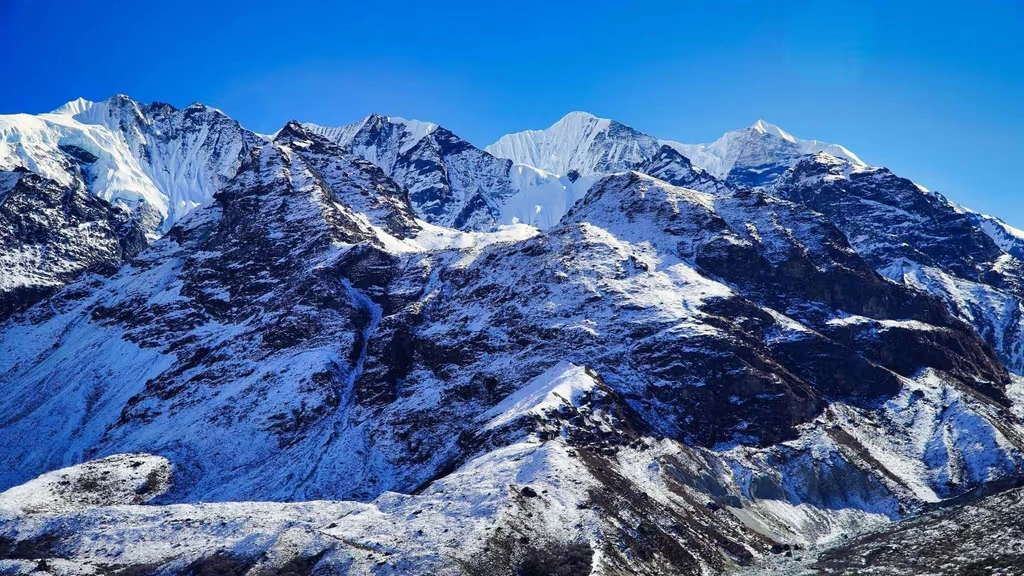
Langtang Valley lies 7–8 hours by road from Kathmandu. The trail climbs to Kyanjin Gompa at 3,870 m. Tamang and Tibetan villages line the route. December brings snow and silence.
What Makes Langtang Valley Beautiful During Winter?
Langtang Valley in winter combines snow-dusted peaks, Tamang and Tibetan villages, and Kyanjin Gompa (3,870 m) under Langtang Lirung (7,227 m). The valley sits inside Langtang National Park, which was established in 1976.
December strips the trail of crowds. Forests of rhododendron and oak hold frost, and rivers run clear. The valley rebuilt after the 2015 earthquake, and trekking income supports that recovery. Walking here in winter, you meet more yaks than trekkers.
How Cold and Snowy Is the Langtang Valley Trek in December?
Kyanjin Gompa falls to about −13°C at night and reaches 3°C by day, and snow lies on the trail above Lama Hotel (2,470 m) through most of December. Lower sections around Syabrubesi stay dry.
Kathmandu averages 19°C by day and 3°C at night in December, and the standard drop of 6.5°C per 1,000 m gives these upper-valley estimates. Sun reaches the valley floor late and leaves early. Snow on the trail is easy to walk; the shaded icy patches between Ghoda Tabela and Langtang village cause the slips.
Which Villages and Cultural Attractions Can You Explore?
The trek passes 7 main stops: Syabrubesi, Bamboo, Lama Hotel, Ghoda Tabela, Langtang Village, Mundu, and Kyanjin Gompa. Kyanjin offers a monastery, a yak cheese factory, and day hikes to Tserko Ri (4,984 m) and Kyanjin Ri (4,773 m).
Tamang and Tibetan culture shapes the valley: mani walls, prayer wheels, and chortens line the trail, and families run the lodges. Take the acclimatization day at Kyanjin and climb Kyanjin Ri first, because Tserko Ri at 4,984 m belongs on the second morning.
What Are the Trekking Difficulty, Duration, and Costs of Langtang Valley Trek?
The Langtang Valley trek is moderate, takes 8–11 days, and costs US$880 for the 11-day Nepal Intrepid Treks package. Walking days run 5–7 hours, and the drive from Kathmandu to Syabrubesi takes 7–8 hours.
Altitude gain stays gradual, which makes Langtang gentler on the body than Everest. Winter adds cold, not technical difficulty. Choosing the operator matters on this route, so read How to Choose the Best Trekking Company for Langtang Valley Trek? before booking.
What Permits and Winter Gear Do You Need for Langtang Valley Trek?
Langtang needs the Langtang National Park permit (NPR 3,000, about US$22) and the TIMS card (NPR 2,000, about US$15), plus a −15°C sleeping bag, down jacket, and microspikes. Agencies arrange both permits.
Documents: passport copy, two passport photos, and insurance covering evacuation
Clothing: four layers, insulated gloves, and a wool hat
Equipment: poles, headlamp, and 2 insulated bottles
Next step: The Langtang Valley Trek costs US$880 for 11 days, and the Langtang Region page lists extensions.
5. Pikey Peak Trek
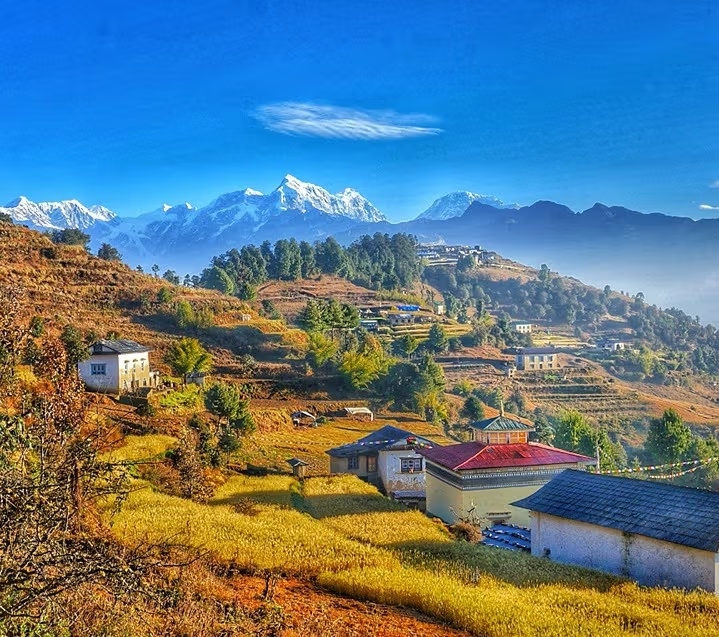
Pikey Peak rises to 4,065 m in the lower Solukhumbu. It offers a wide Everest panorama at sunrise. The trek takes 5–7 days. Few trekkers walk it in December.
Where Can You See Mount Everest from Pikey Peak?
You see Mount Everest (8,849 m) from the Pikey Peak summit at 4,065 m, where the panorama also includes Lhotse, Makalu, Cho Oyu, Numbur (6,958 m), and Kanchenjunga on the far eastern horizon. The view belongs to the summit, not the base camp.
Climb for sunrise. The pre-dawn walk from Pikey Base Camp takes 2–3 hours, and the first light on the Everest massif lasts a few minutes. Sir Edmund Hillary is widely quoted as calling Pikey his favourite Himalayan viewpoint.
What Makes Pikey Peak a Less Crowded Winter Pikey Peak Trek?
Pikey Peak sits in the lower Solukhumbu region, outside Sagarmatha National Park. While you avoid Sagarmatha checkpoint queues, the route requires a Gaurishankar Conservation Area Permit (NPR 3,000) or local municipality fee depending on your exact starting point.
The trail passes Sherpa villages such as Junbesi (about 2,700 m), where homes, monasteries, and the Thupten Choling Monastery stay open to visitors. You hear prayer flags and yak bells rather than porter trains. This trek suits people who want Everest views without the Khumbu cold.
Is the Pikey Peak Route Safe in December?
Yes. The route stays safe in December for fit walkers with a guide, because the highest point is 4,065 m and the slopes are gentle. Altitude sickness is rare when the ascent is paced.
Three hazards remain: icy ground on the pre-dawn summit climb, a cold wind at the top (about −15°C by estimate), and short daylight. Start at 04:30, carry an insulated layer for the summit, and descend before the afternoon cloud. Heavy snowfall is uncommon on the route, but fresh snow shuts the upper ridge for a day.
How Long Does the Pikey Peak Trek Take, and What Does It Cost?
The Pikey Peak trek takes 5–7 days, and 2026 operator listings run US$700–900 for a 7-day trip. The drive from Phaplu to Kathmandu takes 9–10 hours, and a short flight is an option when weather permits.
A typical route runs from Phaplu or Dhap through Pikey Base Camp, over the summit, and down to Junbesi. No national park permit applies. The agency pays small local fees and confirms them in the quote. Nepal Intrepid Treks builds this route as a custom itinerary.
What Should You Know About Accommodation and Winter Conditions of Pikey Peak Trek?
Accommodation is simple teahouse lodging, with the most basic rooms at Pikey Base Camp (about 3,600 m) and better lodges at Junbesi. December nights fall to between −10°C and −15°C at the base.
Bring a −15°C sleeping bag, because blankets alone fall short. Dry daytime weather dominates, with occasional snow on the ridge. Some small lodges close in late December, so ask your operator to confirm each night's bed 7 days before departure.
6. Mohare Danda Trek
Mohare Danda is a community-run ridge trek in Myagdi district. Its viewpoint sits at 3,300 m. Village committees run the lodges. December gives it crisp air and almost no crowds.
What Makes Mohare Danda an Eco-Friendly Trekking Destination?
Mohare Danda is an eco-friendly trek because village committees own and run the community lodges, revenue stays in the villages, and the route avoids the commercial lodge strip of Ghorepani. Local communities and the Myagdi Community Eco-Trek Initiative developed the route.
Lodges at Nangi and Mohare Danda use solar power, kitchen gardens, and managed waste. Trekkers sleep at 3,300 m in rooms built from local stone and timber. Magar villages host you, and visitor spending funds village projects.
Which Himalayan Panoramas Can You Enjoy in December Mohare Danda Trek?
December Mohare Danda panoramas show Dhaulagiri I (8,167 m), Annapurna I (8,091 m), Annapurna South, Nilgiri, Machhapuchhre, and Tukuche Peak (6,920 m). Sunrise and sunset both work from the lodge terrace.
Cold air removes haze, so the white wall of peaks looks closer than it does in autumn. On 30 December, villages celebrate Tamu Lhosar, the Gurung New Year, and a late-month departure can coincide with local festivities. Treat any festival as a bonus, not a promise.
How Does Mohare Danda Compare with Ghorepani Poon Hill?
Mohare Danda offers similar views to Poon Hill at 3,300 m against 3,210 m, with fewer trekkers, community lodges, and a longer 5–6 day route. Poon Hill is shorter and better connected.
The table compares the two treks on the points that decide a December choice.
Factor | Mohare Danda | Ghorepani Poon Hill |
Viewpoint altitude | 3,300 m | 3,210 m |
Typical duration | 5–6 days | 4–5 days |
Crowds in December | Very low | Low |
Lodges | Community eco-lodges | Commercial lodges |
Sunrise setting | Lodge terrace | Hill-top viewpoint |
Best for | Quiet, community-focused trekkers | First-timers with limited time |
According to the Annapurna Conservation Area Project, the region typically records around 200,000 foreign visitors annually. Mohare Danda absorbs only a small share of that traffic, which explains the silence on the trail.
What Are the Trekking Duration, Difficulty, and Costs of Mohare Danda Trek?
The Mohare Danda trek takes 5–6 days, grades as easy to moderate, and costs about US$500–600 for 6 days by our per-day estimate. An 8-day route that adds Khopra Danda lists near US$850.
Days run 5–7 hours with steady climbing through oak and rhododendron forest. Permits are ACAP NPR 3,000 and TIMS NPR 2,000. Nights at Mohare Danda drop to about −8°C. Nepal Intrepid Treks fixes the final price after you choose dates and group size.
How Can Trekkers Support Local Communities Along the Mohare Danda Route?
Trekkers support local communities by sleeping in community lodges, paying posted prices, eating local food, and hiring local porters. Each choice keeps money in the village.
Stay in community-run lodges rather than private options
Eat dal bhat and seasonal produce
Buy handmade goods directly from villagers
Carry non-biodegradable waste down to Pokhara
Nepal Intrepid Treks channels part of its work into education and healthcare projects in remote villages; the Corporate Social Responsibility page describes the programmes.
7. Khopra Danda Ridge Trek
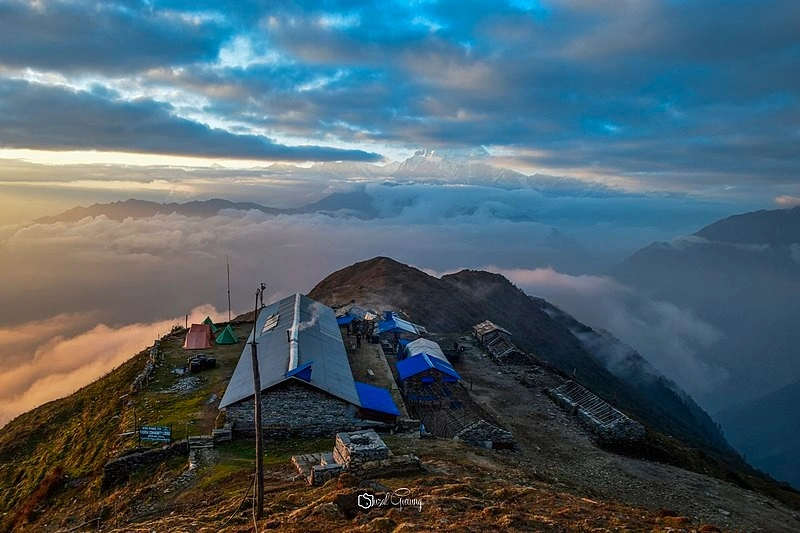
Khopra Danda is a high ridge at 3,660 m facing Dhaulagiri. The trek takes 7–9 days. Community lodges house trekkers along the route. December makes it cold, quiet, and demanding.
What Makes Khopra Danda Different from Other Annapurna Treks?
Khopra Danda differs from other Annapurna treks through its ridge-top position at 3,660 m, community lodges, close Dhaulagiri views, and almost no other trekkers. The route skips the Annapurna Base Camp corridor entirely.
The trail climbs through bamboo, pine, and rhododendron forest to a high meadow ridge facing Dhaulagiri I, Annapurna South, and Nilgiri. Community-owned lodges run the route, and rooms are simple. The climb is steep and sustained, so the trek attracts trekkers who want effort and solitude over comfort.
Can You Visit Khayer Lake During the December Trek?
Yes, in stable weather. Khayer Lake (4,660 m) sits at the foot of Annapurna South and takes 8–9 hours round trip from Khopra Ridge. Snow depth and wind decide on the morning.
Khayer Lake is sacred to Hindu and Buddhist pilgrims and lies in open alpine terrain with no shelter. Estimated December nights at the lake reach −17°C. Treat the lake hike as a bonus, build in 1 spare day at Khopra, and let the guide make the call. A turned-back lake day still leaves the ridge sunrise.
How Do Snow and Cold Affect the Khopra Ridge Route?
Snow covers the ridge above 3,000 m for much of December, and nights at Khopra fall to about −10°C by estimate. Lower forest sections stay mostly dry.
The ridge exposes lodges to wind, and water freezes overnight. Sleep with your bottle inside the bag. Microspikes handle packed snow on the steep forest sections, and poles save knees on descents. Fresh snow slows the day from Khopra down to the lower villages by 1–2 hours.
What Are the Duration, Difficulty, and Accommodation Options on Khopra Danda Ridge Trek?
The Khopra Danda trek takes 7–9 days, grades moderate to hard in December, and uses community lodges and simple teahouses, with 2026 listings from about US$850 for 8 days. Days run 5–8 hours.
The climb from Swanta (2,200 m) to Khopra gains 1,460 m, which exceeds the 500 m-per-night guideline for sleeping altitude above 3,000 m, so split it with an intermediate night. Lodges offer twin rooms, shared bathrooms, and dining rooms with stoves. Confirm in advance that Khopra's lodge is open in your travel week.
What Preparation Is Needed for High-Ridge Trekking in Winter?
High-ridge winter trekking requires 8–12 weeks of training, a −15°C sleeping bag, microspikes, shell trousers, and a guide with winter experience. Wind and exposure raise the stakes above those of forest treks.
Train with 3 weekly walks, one lasting 5 hours
Practise long descents with a loaded daypack
Pack a down jacket and 2 pairs of insulated gloves
Plan 1 spare day for weather
Carry a pulse oximeter and descend at the first sign of worsening symptoms.
8. Tamang Heritage Trail
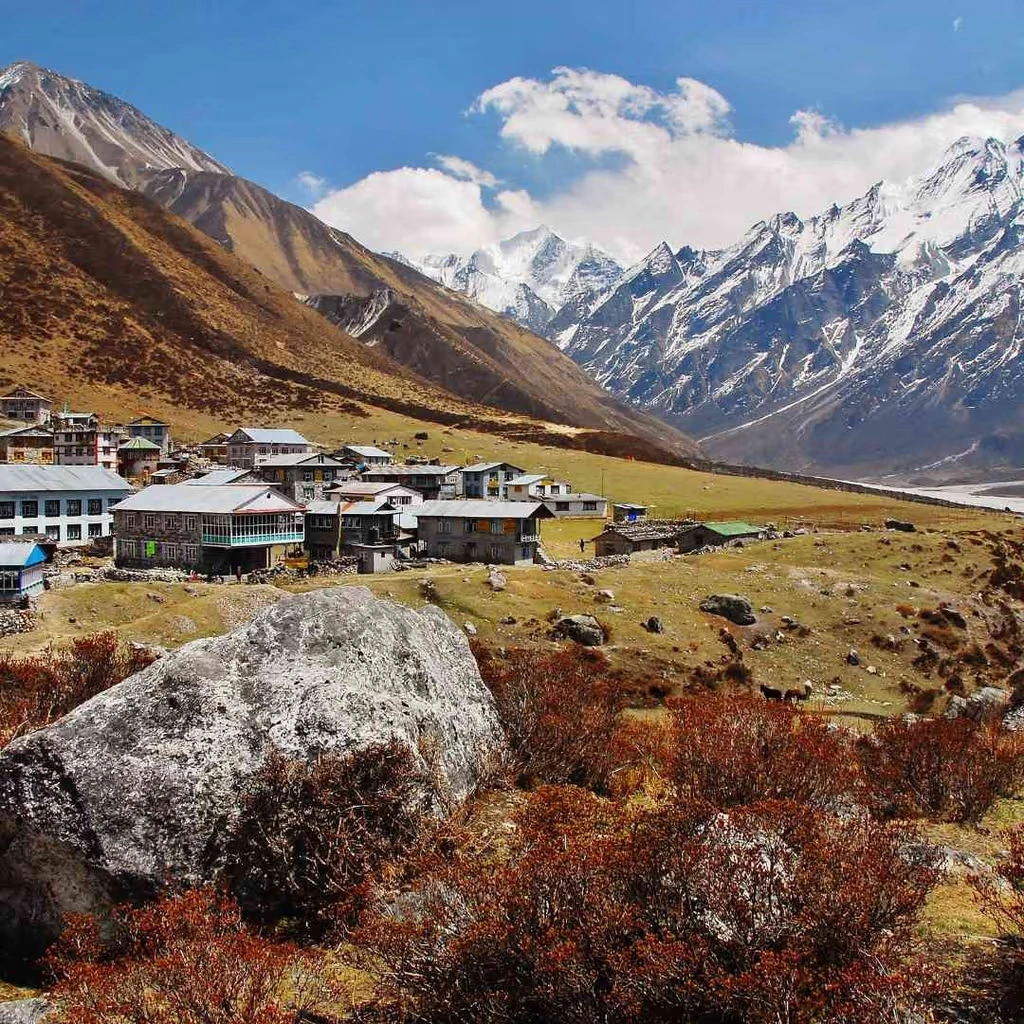
The Tamang Heritage Trail is a culture-first loop from Syabrubesi. Its highest point is 3,165 m. Homestays and hot springs mark the route. December suits it because altitude stays low.
What Tamang Traditions and Villages Can You Experience?
The Tamang Heritage Trail passes Gatlang, Tatopani, Thuman, and Briddim, four Tamang villages with Tibetan-influenced Buddhist culture, stone houses, and homestay hospitality. The Tamang are a people of Tibetan ancestry who migrated to Nepal centuries ago.
In Gatlang, monasteries and carved wooden doors show the old craft. Thuman and Briddim keep stone-house architecture and mani walls. Evenings bring Tamang Selo songs and the damphu drum in some homes. Staying with a family gives you a day-in-the-life view that no museum offers.
What Makes the Tamang Heritage Trail Suitable for Winter?
The Tamang Heritage Trail suits winter because its highest point is 3,165 m, which keeps snow light and nights milder than at the big-name treks. Gatlang (2,238 m) falls to about −2°C at night.
Sunny days dominate December in the lower valleys. Homestays heat the kitchen, and families cook on stoves, so warm food arrives fast. Drive times from Kathmandu to Syabrubesi stay predictable in winter. This is the best choice for trekkers who want culture with low altitude risk.
Can You Enjoy Mountain Views and Natural Hot Springs in December?
Yes. Nagthali viewpoint (3,165 m) frames Langtang Lirung, Ganesh Himal, and the Sanjen Himal, and the natural hot springs at Tatopani (2,607 m) stay open all December. Soak in the afternoon, never after dark.
Nagthali is the high point of the route, reached on the day from Tatopani to Thuman. Estimated nights at Nagthali fall to −8°C, but the walk descends the same day. The Tatopani pools cost a small fee and ease sore legs after a 5–7 hour day.
How Difficult Is the Tamang Heritage Trek, and How Many Days Does It Take?
The Tamang Heritage Trek is easy to moderate and takes 6–10 days, with 5–7 hours of walking per day. The drive from Kathmandu to Syabrubesi takes 7–8 hours, and the highest sleeping altitude is under 2,700 m.
A typical loop runs Syabrubesi, Gatlang, Tatopani, Thuman, Briddim, and back to Syabrubesi. The days involve steady ups and downs but no technical sections. Extend the trek into Langtang Valley to add a high-altitude finish.
What Are the Permit Requirements and Expected Trekking Costs of Tamang Heritage Trail?
The trail requires the Langtang National Park permit (NPR 3,000) and the TIMS card (NPR 2,000), about US$38 together, and 2026 listings run US$450–770 for 9–10 days. Agencies arrange both permits.
Homestay prices stay low because lodging is simple. Add personal costs of US$10–15 per day. Since 2023, foreign trekkers in Langtang National Park hire a licensed guide through a registered agency. Contact Nepal Intrepid Treks for a quote built around your dates.
9. Annapurna Base Camp Trek
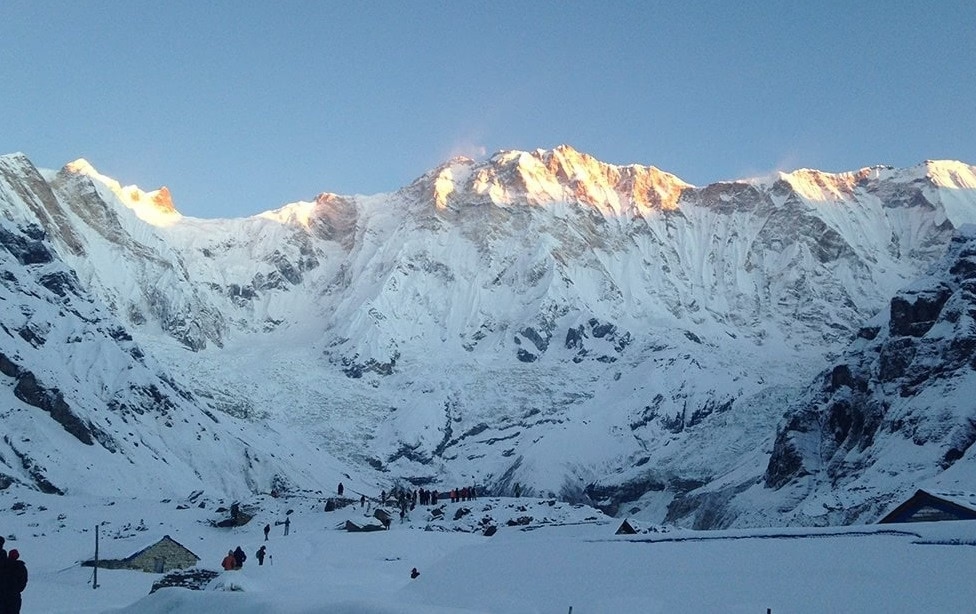
Annapurna Base Camp sits at 4,130 m inside a ring of giants. The trek takes 10–12 days. Snow covers the upper trail in December. Guides watch three avalanche zones closely.
What Makes Annapurna Base Camp Appealing During Winter?
Annapurna Base Camp appeals in winter because the 4,130 m sanctuary shows a ring of snow peaks above 7,000 m, empty lodges, and the cleanest air of the year. Annapurna I (8,091 m) rises 3,960 m above base camp.
Cold air holds less moisture, so Machhapuchhre, Annapurna South, and Gangapurna look closer and sharper. Snow covers every face of the sanctuary wall, and alpenglow turns pink and orange for a few minutes at dawn. Jhinu Danda hot springs reward the descent.
How Do Snowfall and Cold Temperatures Affect the Annapurna Base Camp Trek Route?
Snow lies on the trail above 3,000 m for most of December, and base camp reaches about −13°C at night. Storms arrive as 1–2 day events, then clear.
Three sections carry avalanche risk after snowfall: Hinku Cave to Deurali, Deurali to Machhapuchhre Base Camp (3,700 m), and Machhapuchhre Base Camp to Annapurna Base Camp. Guides hold the group at Deurali or MBC for 1–2 days after heavy snow. In January 2020, an avalanche in the upper sanctuary killed 7 people, because the group walked despite weather warnings.
Is Annapurna Base Camp Trek Safe for Beginners in December?
Yes, with conditions. Beginners complete the trek in December when they train 8–12 weeks, hire a licensed guide, carry winter gear, and choose a 12-day itinerary with a buffer day. First-timers with no hiking history do better in October or November.
Teahouses replace tents, so you carry only a daypack. The Deurali to base camp climb gains 930 m in one day, which sits above conservative acclimatization guidelines. Add a night at Machhapuchhre Base Camp when you have a history of altitude trouble.
How Long Does the ABC Trek Take, and What Is the Typical Cost?
The ABC trek takes 10–12 days, and the 12-day Nepal Intrepid Treks package starts at US$920 per person for groups of 2–4. Solo travellers pay US$1,120 and groups of 13–20 pay US$765.
The package includes airport transfers, hotels, Kathmandu–Pokhara flights, three meals a day on the trek, a licensed guide, a porter for every 2 trekkers, and a sleeping bag and down jacket. International flights, insurance, and tips cost extra. The Annapurna Base Camp Trek in December 2026: Winter Guide holds the full itinerary.
What Winter Clothing and Permits Are Required for Annapurna Base Camp Trek?
The trek requires an ACAP permit (NPR 3,000) and a TIMS card (NPR 2,000), plus four clothing layers, a −15°C sleeping bag, and microspikes. The permits total about US$38.
Layers: merino base, fleece, down jacket, and waterproof shell
Hands and head: 2 pairs of gloves, a beanie, and a neck gaiter
Traction: microspikes for the Chhomrong to Bamboo stairs
Eyes: sunglasses against snow glare
Next step: The Annapurna Base Camp Trek runs 12 days from US$920, with an extra buffer day available on private departures.
10. Gosaikunda Lake Trek
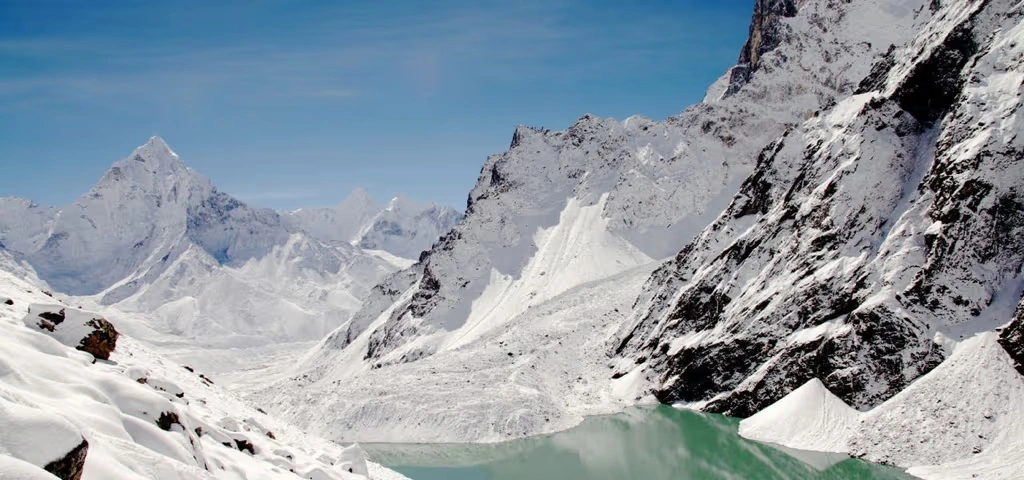
Gosaikunda is a sacred alpine lake at 4,380 m. The trek runs 5–13 days depending on the route. December freezes the lake and the upper trail. This trek suits only fit, well-prepared trekkers.
What Makes Gosaikunda Lake a Sacred Himalayan Destination?
Gosaikunda Lake is sacred because Hindu tradition holds that Shiva created it with his trident, and thousands of pilgrims visit the 4,380 m lake each year around the Janai Purnima festival. The lake sits in Langtang National Park.
Surrounding lakes, including Saraswati Kunda and Bhairav Kunda, add to the pilgrimage circuit. Buddhist and Hindu devotees both visit. In December the pilgrims are gone, and the lake freezes over, leaving a silent white basin.
Can You Trek to Gosaikunda Lake During December?
Yes, experienced trekkers reach Gosaikunda in December, but it is the hardest trek on this list for beginners. Snow, a high sleeping altitude, and few open lodges make it a trek for fit walkers with a guide.
Snow falls frequently near the lake from December through February. Trekkers walk from Dhunche or Syabrubesi, and the upper route climbs steeply past Sing Gompa and Laurebina. Sleeping at 4,380 m demands patience. Choose early December over late December, and keep a spare day.
How Do Snow and High-Altitude Conditions Affect Accessibility?
Snow and altitude restrict access most above Laurebina Yak (about 3,930 m), where trails ice over and Gosaikunda reaches about −17°C at night by estimate. Heavy snow closes the route for days.
Wind-blown snow hides the trail near the lake. Some lodges at the lake close in December, so confirm beds in advance. Crossing Laurebina Pass (4,610 m) into Helambu needs dry conditions and traction, and guides often reverse the route when snow is deep.
What Are the Trekking Duration, Difficulty, and Costs of Gosaikunda Lake Trek?
The Gosaikunda trek takes 5–6 days from Dhunche or 12–14 days with the Langtang Valley loop, grades hard in December, and costs roughly US$480 for the short route and US$1,000 for the long route by our per-day estimate. Permits are NPR 3,000 plus TIMS NPR 2,000.
The estimate uses our fixed-price packages, which average US$77–89 per day. Days run 5–8 hours. The jump from Sing Gompa (3,254 m) to Gosaikunda gains 1,126 m, so spreading the climb over an extra night protects the group.
What Safety Precautions Are Essential for the Gosaikunda Trek?
Essential precautions are an acclimatized itinerary, a licensed guide, a pulse oximeter, microspikes, evacuation insurance, and a firm turnaround time. Altitude sickness is the leading risk at 4,380 m.
Limit sleeping-altitude gain to 500 m per night above 3,000 m
Descend at the first sign of worsening symptoms
Carry insurance covering helicopter evacuation
Avoid alcohol and sleeping pills
According to the Wilderness Medical Society's 2024 guidelines, descent is the primary treatment for severe altitude illness.
How Can Nepal Intrepid Treks Help You Plan the Best December Trek in Nepal?
Nepal Intrepid Treks plans the best December trek in Nepal through licensed guides, winter-rated gear, permit handling, and itineraries with weather buffers. The company operates from Nayabazar-16, Kathmandu, and holds a 5.0 rating across 159 TripAdvisor reviews.
Founder Lal Gurung started as a porter, became a guide, and has 20 years of Himalayan experience, including Island Peak (6,189 m) and Mera Peak (6,476 m). The team is affiliated with the Nepal Tourism Board, the Nepal Mountaineering Association, and the Trekking Agencies' Association of Nepal. Guides carry pulse oximeters and first-aid kits.
Packages cover the fixed-price treks: Poon Hill (US$415), Mardi Himal (US$710), Langtang Valley (US$880), Annapurna Base Camp (US$920), and Everest Base Camp (US$1,485). Read client experiences on the Reviews page, and see the Season to Visit Nepal guide for month-by-month conditions.
Can Nepal Intrepid Treks Customize a December Trek for Your Experience and Budget?
Yes. Nepal Intrepid Treks customizes December treks for fitness, budget, group size, and dates, including Pikey Peak, Mohare Danda, Khopra Danda, Tamang Heritage Trail, and Gosaikunda. Private departures add buffer days and altitude-friendly splits.
Tell the team your travel window, group size, and hiking history. The response covers route, cost, and gear. Beginners receive Poon Hill or Mohare Danda plans, and strong walkers receive Khopra or Gosaikunda plans with extra nights for safety.
Plan your dates: Contact Nepal Intrepid Treks through the Contact Us page or WhatsApp +977 9849009919 for a December itinerary and quote.
What Are the Key Takeaways for Choosing the Best Trek in Nepal in December?
The best trek in Nepal in December depends on fitness and altitude tolerance: Poon Hill, Mohare Danda, and Tamang Heritage suit beginners; Mardi Himal, Langtang, Pikey Peak, and Annapurna Base Camp suit fit trekkers; Everest Base Camp, Khopra Danda, and Gosaikunda suit experienced trekkers. Match the trek to the highest sleeping altitude you can handle.
Five decisions shape every December trek:
Pick early December (1–12 December) for clear air and open lodges
Choose a sleeping altitude below 3,500 m for a first winter trek
Book a guide, a −15°C or colder sleeping bag, and evacuation insurance
Add 1–2 buffer days for snow and flight delays
Confirm lodge openings 7 days before departure
Permits for the national park and conservation-area treks total about US$38 (NPR 5,000). Fixed-price packages run US$415–1,485. Each trek rewards preparation with sharper mountains and quieter trails than any autumn departure delivers.
The best treks in Nepal in December reward trekkers who plan around cold, altitude, and daylight. Pick the trek that matches your fitness, set a buffer day, and choose an operator who knows winter conditions on the trail.