Everest Base Camp Trek is a high-altitude Himalayan trekking route in Nepal that leads through the Khumbu valley to the southern base of Mount Everest, passing deep into the UNESCO-listed wilderness of Sagarmatha National Park. The trail ascends from Lukla into a continuous mountain corridor shaped by glacial rivers, alpine valleys, and extreme elevation gain, moving through culturally rich Sherpa settlements such as Namche Bazaar, Tengboche, and Dingboche. Along the way, trekkers experience a rare combination of ecological diversity, Buddhist heritage landscapes, and structured altitude progression that defines one of the most physically significant non-technical routes on Earth.
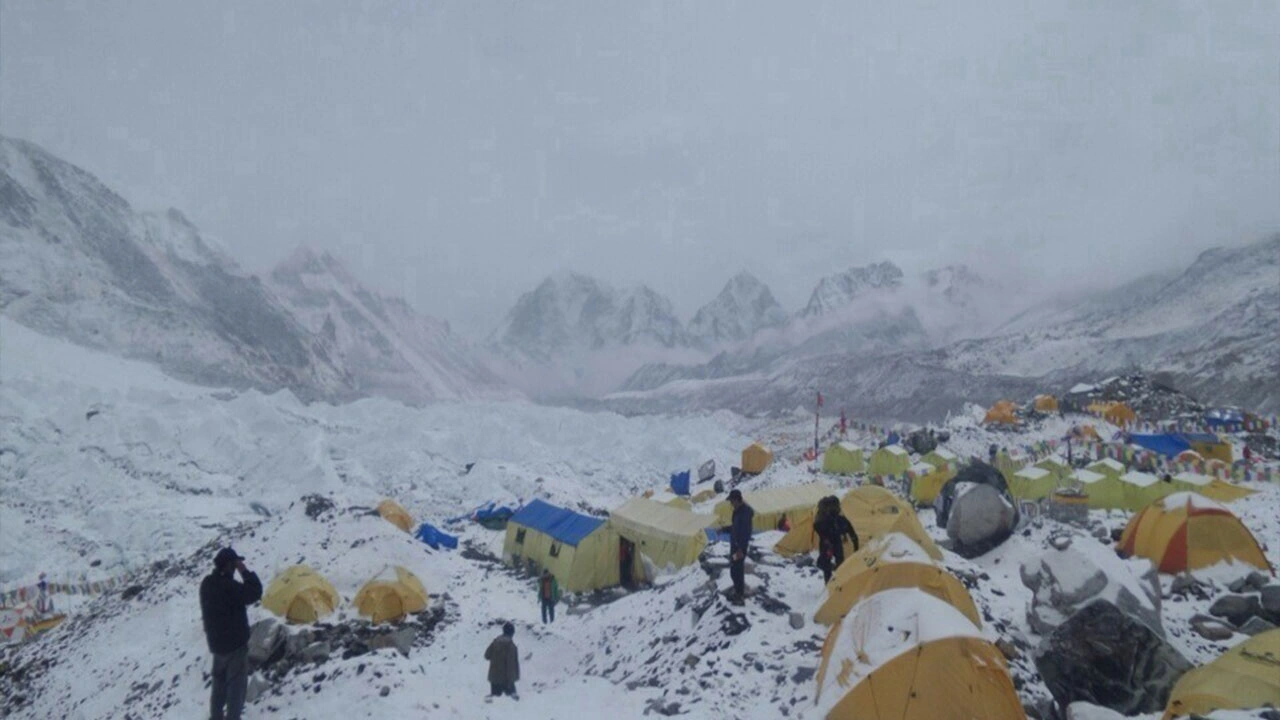
Its iconic status emerges from the intersection of geography, mountaineering history, and human accessibility to the world’s highest summit. The legacy of the 1953 ascent by Hillary and Tenzing, combined with the development of the Lukla gateway via Tenzing-Hillary Airport, transformed Everest Base Camp into a globally recognized destination rather than a remote expedition zone. Today, the trek attracts tens of thousands of visitors annually who follow a 12–16 day acclimatized journey, not only to witness the towering Everest-Lhotse-Nuptse massif but also to engage with centuries-old Sherpa culture and the intense physiological demands of high-altitude walking in one of the planet’s most extreme environments.
What Makes Everest Base Camp Trek So Iconic?
The Everest Base Camp Trek earns its iconic status through 3 converging factors: the gravitational pull of the world's highest summit, a 70-year history of mountaineering legend, and the unmatched concentration of 8,000-meter peaks visible along a single trekking corridor through Sagarmatha National Park.
Everest Base Camp Trek, defined as the trail from Lukla (2,845 m) to EBC (5,364 m) and back, draws approximately 40,000 trekkers annually, more than any other high-altitude trek in the Himalayas. No other trekking route places non-climbers within 6 kilometers of the world's highest summit.
Why Is Everest's Global Reputation Tied to This Trek?
Everest's global reputation connects directly to this trek because EBC is the only access point non-climbers reach to stand within visual range of the summit pyramid. Mount Everest, known locally as Sagarmatha in Nepali and Chomolungma in Tibetan, towers at 8,848.86 meters, a measurement confirmed by China and Nepal in December 2020.
The first successful summit by Sir Edmund Hillary of New Zealand and Tenzing Norgay Sherpa of Nepal on May 29, 1953, transformed Everest from a geographic extreme into a global symbol of human achievement. That single event created the cultural gravity that pulls trekkers to EBC today.
Sagarmatha National Park, established in 1976 and listed as a UNESCO World Heritage Site in 1979, covers 1,148 square kilometers and includes Everest, Lhotse, and Cho Oyu, along with several major peaks above 6,000 meters.
How Did Everest Base Camp Become a Legendary Trekking Route?
Everest Base Camp became a legendary trekking route through 3 historical phases: the 1953 summit expedition that established the route's purpose, the 1964 opening of the Lukla airstrip (Tenzing-Hillary Airport) by Hillary himself that made the region accessible, and the 1975 creation of Nepal's formal trekking permit system that commercialized access.
Before flights to Lukla, trekkers often approached via Jiri, which roughly adds 10 days to the trip to Namche Bazaar. The airstrip reduced approach time to 35 minutes from Kathmandu, increasing annual visitor numbers from under 200 in the 1960s to over 40,000 by 2019.
Tenzing-Hillary Airport itself carries the names of both summit achievers, embedding the symbolic weight of the 1953 first ascent into every trekker's entry point.
What Emotional Experience Do Trekkers Associate with It?
Trekkers associate 4 primary emotional states with the EBC trek: physical accomplishment from sustained high-altitude exertion, spiritual resonance from daily encounters with Buddhist monasteries and prayer walls, humility from the scale of the Himalayan environment, and a documented sense of historical connection to the 1953 Hillary-Norgay expedition.
The 130-kilometer round-trip route accumulates approximately 4,900 meters of total elevation gain. Reaching EBC at 5,364 meters, without technical climbing equipment, places trekkers among the top fraction of high-altitude foot travelers globally.
The sight of Khumbu Icefall from EBC, where expedition climbers begin their summit ascent above 5,364 meters, creates a direct emotional link between the trekker standing on the moraine and the summit 3,484 meters above.
Where Does the Everest Base Camp Trek Route Go?
The Everest Base Camp Trek route travels from Lukla (2,845 m) northeast through the Dudh Koshi River valley, passing 7 major staging villages across 65 kilometers one way, before reaching EBC at 5,364 meters, a net elevation gain of 2,519 meters from the starting airstrip.
The route operates entirely within Sagarmatha National Park after the Monjo checkpoint, where trekkers present entry permits. The trail follows the Dudh Koshi and Imja Khola river systems upstream, using stone-paved paths maintained since the expedition era.
What Is the Standard Lukla to EBC Trekking Route?
The standard Lukla to EBC route covers 65 kilometers one way across 7 primary staging points: Phakding (2,610 m), Namche Bazaar (3,440 m), Tengboche (3,860 m), Dingboche (4,410 m), Lobuche (4,940 m), Gorak Shep (5,164 m), and Everest Base Camp (5,364 m).
The following table presents the standard itinerary with elevation and daily trekking duration:
Staging Point | Elevation | Approximate Daily Trek Duration |
Lukla | 2,845 m | Arrival day |
Phakding | 2,610 m | 3–4 hours |
Namche Bazaar | 3,440 m | 5–6 hours |
Tengboche | 3,860 m | 5–6 hours |
Dingboche | 4,410 m | 4–5 hours |
Lobuche | 4,940 m | 5–6 hours |
Gorak Shep | 5,164 m | 3–4 hours |
Everest Base Camp | 5,364 m | 3–4 hours from Gorak Shep |
Namche Bazaar serves the critical acclimatization function. The standard itinerary places 2 rest nights here, allowing the body to adapt above 3,440 meters before ascending further. Skipping this rest increases acute mountain sickness (AMS) risk by a clinically significant margin.
How Does the Khumbu Region Shape the Journey Path?
The Khumbu region, defined as the highland drainage basin of the Dudh Koshi River above 3,000 meters, dictates the route's physical shape through 3 geographic forces: valley corridors that determine trail direction, river crossings at 9 suspension bridges that set fixed passage points, and ridge topography that creates the mandatory ascent patterns above Namche Bazaar.
The Khumbu region spans approximately 1,500 square kilometers within Sagarmatha National Park. Its elevation range, from 2,845 meters at Lukla to 8,848 meters at the Everest summit, produces 6 distinct ecological zones along a single north-south corridor.
The Dudh Koshi River, meaning "Milky River", carries glacial meltwater from the Khumbu, Lhotse, and Ngozumpa glaciers. The river's course defines the first 3 trekking days from Lukla to Namche Bazaar.
Above Namche, the Imja Khola valley guides the route east toward Tengboche and Dingboche. Above Dingboche, the route splits: one arm continues to Lobuche and EBC, the second arm climbs to Island Peak base camp (5,087 m).
What Altitude Milestones Define the Route?
The EBC trek passes 5 critical altitude thresholds, each associated with measurable physiological change and distinct trekking environment:
2,845 m (Lukla): Trek begins; mild altitude effects possible in sea-level travelers
3,440 m (Namche Bazaar): First mandatory acclimatization zone; altitude headaches common
4,000 m (above Tengboche): AMS risk zone; oxygen partial pressure falls to 60% of sea level
5,000 m (Lobuche to Gorak Shep): High-altitude zone; nightly temperatures drop to −15°C in winter
5,364 m (EBC): Destination; atmospheric oxygen at approximately 53% of sea-level density
Kala Patthar, at 5,545 meters, extends the altitude milestone to the trek's highest reachable point, 181 meters above EBC, and provides the closest unobstructed view of Everest's summit from a non-climbing vantage.
How Difficult Is the Everest Base Camp Trek?
The Everest Base Camp Trek rates as a strenuous non-technical trek requiring 12–16 days of continuous effort, a cardiovascular fitness base of 5–6 hours of aerobic exercise per week for 2 months prior, and the physiological capacity to function at oxygen levels 47% lower than sea level without supplemental oxygen.
The trek presents no technical climbing obstacles. Trekkers walk on established stone trails throughout. The primary difficulty is altitude, not terrain gradient.
What Fitness Level Is Required for the Trek?
The EBC trek requires an aerobic fitness base equivalent to sustained hiking 5–6 hours per day for 12 consecutive days at progressive altitude levels. Trekkers with no prior high-altitude experience complete it successfully with 8–12 weeks of structured preparation.
A practical 3-category fitness framework applies:
Category A (Prepared): Regular cardiovascular training 4–5 days per week, including at least 2 sessions of 4+ hour hikes with 600+ meter elevation gain, for 8–12 weeks pre-trek
Category B (Moderately Prepared): 3 days per week cardio with occasional hill hikes; requires 12+ weeks preparation and longer acclimatization days on trail
Category C (Unprepared): No sustained exercise baseline; medical screening mandatory; completion rates drop significantly above 5,000 meters
Age does not determine fitness eligibility. The oldest recorded EBC trekker completed the route at 85 years. Medical screening for cardiovascular conditions replaces age as the primary eligibility criterion above 60 years.
How Does Altitude Sickness Affect Trekkers?
Altitude sickness, medically termed Acute Mountain Sickness (AMS), affects approximately 50% of trekkers above 4,000 meters on the EBC route, with symptoms including headache, nausea, fatigue, and insomnia. AMS onset occurs within 6–12 hours of rapid ascent beyond 2,500 meters.
The Khumbu Rescue Post at Pheriche (4,280 m), operated by the Himalayan Rescue Association, records and treats AMS cases along the EBC route. The post operates from October through May, the 2 peak trekking windows.
Three altitude-related conditions exist on a severity spectrum:
AMS (mild): Headache, nausea, insomnia; managed with rest, hydration, acetazolamide
HACE (High-Altitude Cerebral Edema): Brain swelling; requires immediate descent of 500–1,000 m
HAPE (High-Altitude Pulmonary Edema): Fluid in lungs; requires immediate descent and supplemental oxygen
The standard "climb high, sleep low" protocol, ascending to a higher elevation during the day and returning to a lower camp for the night, reduces HACE and HAPE incidence by training the body to adapt at compressed-oxygen environments.
How Many Days Does the Trek Typically Take?
The standard EBC trek takes 12–14 days from Lukla to EBC and back to Lukla, incorporating 2 mandatory acclimatization rest days at Namche Bazaar (3,440 m) and Dingboche (4,410 m). Guides and medical professionals recommend 14–16 days for trekkers with no prior Himalayan experience.
The minimum documented completion time is 10 days, a pace that elevates AMS risk significantly above the statistical average. The 14-day itinerary reduces AMS incidence by allowing an additional acclimatization night at both Namche and Lobuche.
Total round-trip distance: 130 kilometers. Total elevation gain (cumulative): approximately 8,000 meters accounting for all daily ascents and descents.
When Is the Best Time to Do the Everest Base Camp Trek?
The optimal trekking windows for EBC are spring (March–May) and autumn (October–November), when the monsoon and winter weather systems recede, trail visibility extends to 100+ kilometers, and temperatures at EBC range from −5°C to +5°C during daylight hours.
These 2 windows account for over 85% of annual EBC trekking traffic.
Why Are Spring and Autumn the Peak Trekking Seasons?
Spring and autumn deliver the 3 conditions EBC trekking requires: clear skies for mountain views, stable trail conditions, and temperatures above fatal cold without summer monsoon precipitation.
Spring (March–May) aligns with the Everest climbing season. Expedition teams establish Base Camp from late March onward, making EBC uniquely active during this window. Rhododendron forests below 4,000 meters bloom from March to April, adding ecological diversity to the lower trail.
Autumn (October–November) follows the monsoon recession. Post-monsoon clarity produces the sharpest mountain photography conditions of the year, with atmospheric particulate levels at their annual minimum. October delivers the highest trekker volume of any single month on the EBC route.
How Does Weather Impact Visibility and Safety?
.webp)
Weather affects EBC trekking across 4 measurable dimensions: summit visibility, trail surface condition, temperature range, and Lukla airport operational status.
Lukla's Tenzing-Hillary Airport, ranked among the world's most technically demanding landing strips at 527 meters length with a 12% incline, closes during fog, heavy precipitation, and wind events. Flight cancellations during monsoon season (June–August) average 3–4 days per week. Autumn cancellations average fewer than 1 day per week.
Summit visibility from Kala Patthar extends beyond 100 kilometers on clear autumn mornings. Monsoon-season cloud cover reduces visibility to under 5 kilometers within the Khumbu valley by midday on most days.
Wind speed at EBC exceeds 80 km/h during winter jet stream events (December–February), making camp establishment dangerous and trail progress above 5,000 meters hazardous without expedition-grade shelter.
What Seasonal Challenges Should Trekkers Expect?
Each of the 4 trekking seasons presents distinct challenges:
Spring (Mar–May): Increasing temperature creates afternoon cloud buildup by day 60–75 of the season; summit Kala Patthar before 9 AM for optimal clarity
Autumn (Oct–Nov): Nights fall to −10°C at EBC by November; cold-rated sleeping gear (−15°C rated) essential after mid-October
Winter (Dec–Feb): Sub-zero temperatures at all elevations above 3,000 m; teahouse availability drops by 60% as many lodges close; Khumbu Rescue Post operates limited hours
Monsoon (Jun–Sep): Precipitation on 75–80% of days above 3,000 m; leeches active on trails below 3,500 m; landslide risk on lower sections near Phakding
What Are the Top Highlights of the Everest Base Camp Trek?
The EBC trek delivers 5 definitive highlights that distinguish it from all other Himalayan treks: the summit view from Kala Patthar (5,545 m), the Khumbu Glacier moraine at EBC itself, the medieval gateway atmosphere of Namche Bazaar, the historic Tengboche Monastery, and the uninterrupted Everest-Lhotse-Nuptse wall visible from Gorak Shep.
Why Is Kala Patthar a Must-Visit Viewpoint?
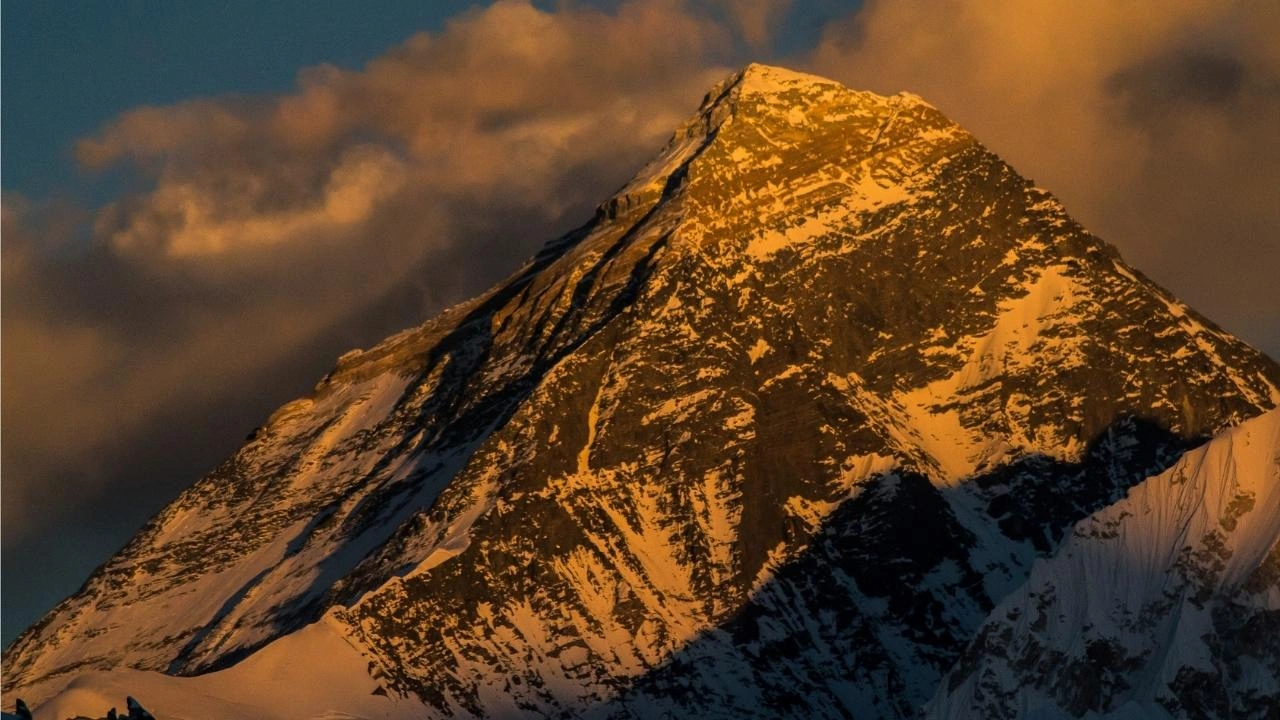
Kala Patthar (5,545 m) delivers the closest, clearest, unobstructed view of Mount Everest's summit pyramid available without technical climbing. At 5,545 meters, it stands 181 meters above EBC and positions trekkers 8.5 kilometers horizontal distance from the Everest summit at 8,848.86 meters.
"Kala Patthar" translates from Nepali as "Black Rock", a reference to the dark schist formation at its summit. The viewpoint faces directly south-southwest toward the Everest-Nuptse-Lhotse massif, placing all 3 peaks within a single field of view.
Optimal summit timing: 5:30–7:30 AM. Afternoon cloud buildup reduces visibility to under 20% of morning conditions at this viewpoint. Wind increases sharply after 10 AM.
The 4 peaks visible from Kala Patthar's summit: Everest (8,848.86 m), Lhotse (8,516 m), Nuptse (7,861 m), and Pumori (7,161 m), 3 of which rank among the world's 14 eight-thousanders.
What Makes Everest Base Camp Itself So Special?
Everest Base Camp at 5,364 meters is the staging ground from which all Everest summit expeditions begin, making it the functional threshold between trekking and technical Himalayan mountaineering. Standing at EBC places trekkers at the exact point where every documented Everest summit attempt originates on the Nepal side.
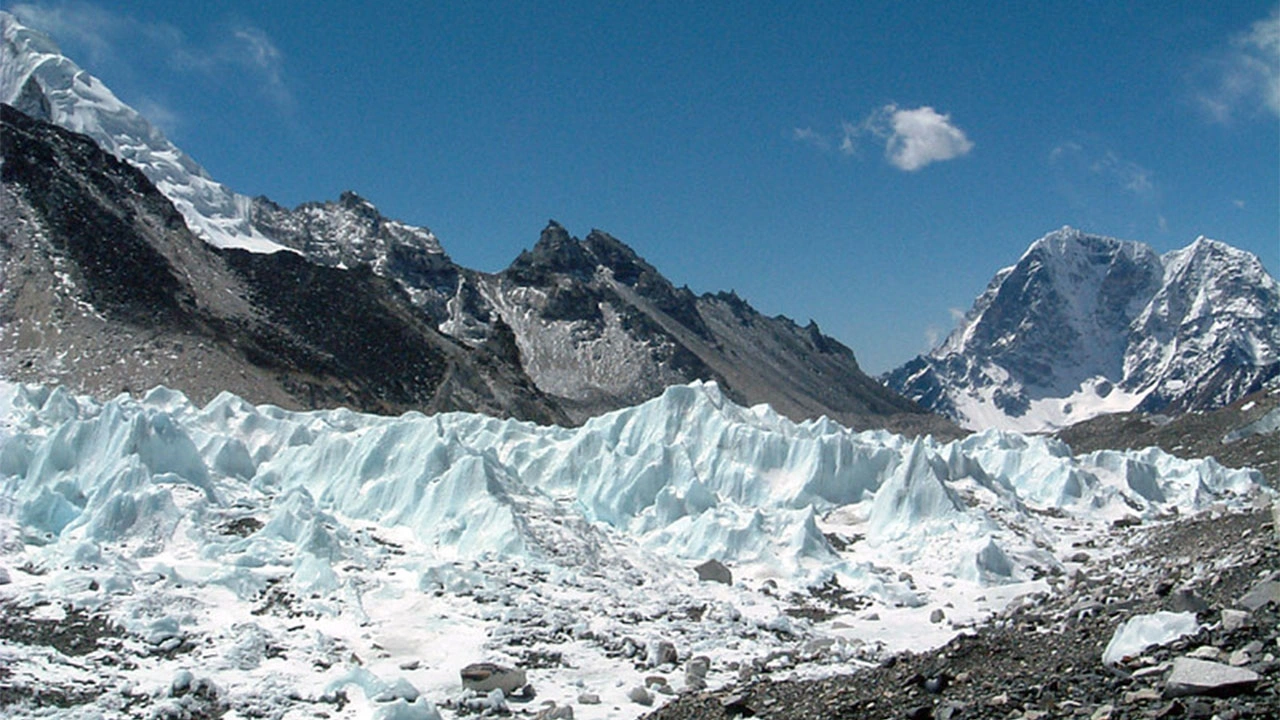
The Base Camp occupies the southern edge of the Khumbu Glacier, one of the largest glaciers in the Himalayas at 17 kilometers length and 1–3 kilometers width. The glacier's surface at BC is covered by moraine debris, creating the characteristic rock-strewn appearance visible in expedition photographs.
During spring season (April–May), 400–500 expedition climbers occupy EBC simultaneously across dozens of national teams. During autumn and the trekking season, permanent occupancy falls to 0, leaving the moraine silent at the world's most famous staging ground.
The Khumbu Icefall, the vertical ice cascade immediately above EBC, rising from 5,364 m to 6,000 m, remains visible from the base camp floor. It represents the first technical hazard every Everest climber faces above BC.
Which Villages and Viewpoints Are Most Memorable?
The 4 most memorable villages on the EBC route are Namche Bazaar, Tengboche, Dingboche, and Gorak Shep, each with a distinct architectural, cultural, or environmental character that defines its section of the Khumbu corridor.
Namche Bazaar (3,440 m), the Khumbu's commercial center, occupies a horseshoe-shaped bowl with a Saturday market that has operated continuously since the 14th century. The Sherpa Culture Museum and Sagarmatha National Park Visitor Center both operate here.
Tengboche (3,860 m) holds the largest monastery in the Khumbu, Tengboche Monastery, built in 1916 and rebuilt after a 1989 fire, with Everest, Lhotse, and Ama Dablam forming a simultaneous backdrop.
Dingboche (4,410 m) marks the transition to the high-altitude zone. Stone-walled farming terraces surround the village, functioning fields at 4,410 meters, one of the world's highest agricultural elevations.
Gorak Shep (5,164 m) is the last permanently inhabited settlement before EBC. Its name translates to "Dead Crow" in Tibetan. The settlement contains the highest functioning teahouses and lodges on the main EBC trail.
Why Is the Khumbu Region Culture So Special?
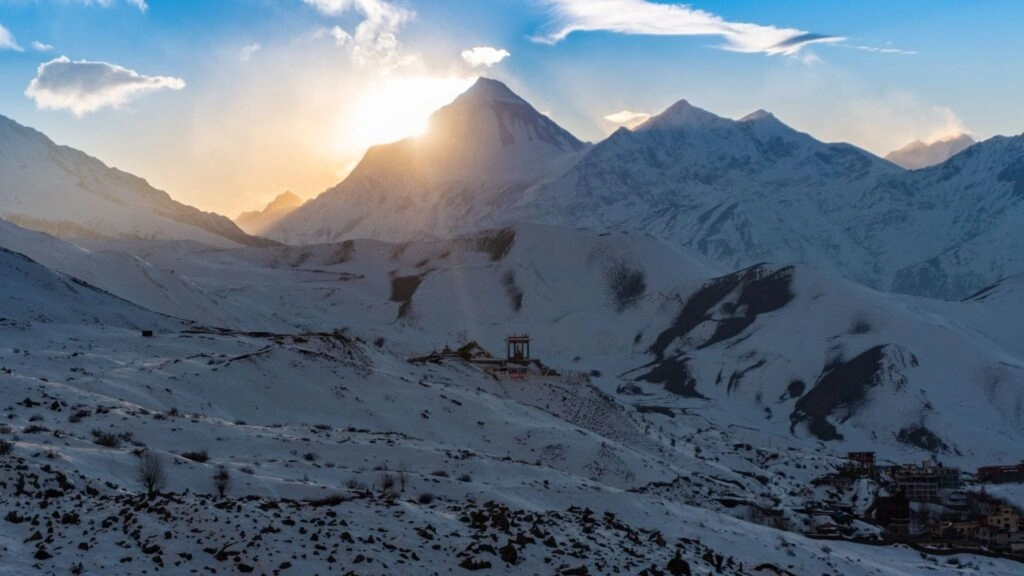
The Khumbu region carries cultural singularity through the unbroken presence of the Sherpa people, a Tibetan-origin ethnic group who have inhabited this valley above 3,000 meters for over 500 years, maintaining Tibetan Buddhist traditions, a distinct architectural vocabulary, and a mountaineering expertise that created the global trekking industry.
How Do Sherpa Traditions Shape the Trekking Experience?
Sherpa culture shapes the EBC trekking experience across 4 direct contact points: teahouse hospitality, trail safety protocols, religious landmark management, and the economic structure of Khumbu villages.
The Sherpa people, whose name translates as "people from the east" in Tibetan, migrated from the Kham region of eastern Tibet approximately 500 years ago. Today approximately 10,000 Sherpa people live in the Khumbu valley. Their Buddhist faith structure determines the placement of every mani wall, chorten, and prayer flag along the EBC route.
Trekking protocol demands all travelers pass mani walls and chortens on the left side, consistent with the Tibetan Buddhist clockwise circumambulation practice. Violation of this convention carries cultural significance that Sherpa guides actively maintain.
Sherpa guides on EBC treks carry a documented altitude performance advantage attributed to genetic EPAS1 variants that increase hemoglobin efficiency in low-oxygen environments. This genetic adaptation allows Sherpa high-altitude workers to function at 50% atmospheric oxygen without the cognitive and physical impairment that affects non-adapted populations.
What Role Do Monasteries Play Along the Route?
7 active monasteries operate along or directly accessible from the EBC route, functioning simultaneously as religious centers, community anchors, and cultural heritage sites that define the Khumbu's Buddhist identity.
The following 3 monasteries carry the greatest historical and cultural significance on the main trail:
Tengboche Monastery (3,860 m), founded in 1916 by Lama Gulu, serves as the Khumbu's spiritual seat. The monastery survived a 1934 earthquake, a 1989 electrical fire, and a 1934 avalanche, and stands as the most visited monastery in Nepal's high Himalayan zone.
Thyangboche Monastery presides over the annual Mani Rimdu festival, a 19-day Tibetan Buddhist ritual performed at Tengboche each November. The festival's masked dance performances (Cham) attract both Buddhist pilgrims and secular trekkers.
Pangboche Monastery (3,985 m), the oldest monastery in the Khumbu, dating to approximately 1667, houses a purported yeti scalp and hand fragment, artifacts that became the subject of examination by Sir Edmund Hillary's 1960 scientific expedition to the Khumbu.
Monasteries serve a practical function for trekkers: they mark safe stopping points at acclimatization-appropriate intervals and provide sheltered prayer halls where trekkers rest at high altitude.
How Do Local Festivals Enhance the Journey?
3 major festivals occur within the trekking season windows and are directly observable on the EBC route:
Mani Rimdu (October/November at Tengboche): A 19-day Tibetan Buddhist festival culminating in masked Cham dances performed by Tengboche monks. The public festival day draws 500–1,000 observers to Tengboche's monastery courtyard.
Losar (February/March): The Tibetan and Sherpa New Year, celebrated across all Khumbu villages. Homes are decorated with juniper smoke offerings, new prayer flags are raised on village chortens, and monastery pujas (ritual prayer ceremonies) are performed continuously over 3 days.
Dumje (June/July): The Sherpa harvest and community renewal festival, observed primarily in June. Trekkers in the region during the monsoon window encounter village-level celebrations in Namche Bazaar, Khumjung, and Khunde.
What Preparation and Challenges Should Trekkers Expect?
EBC trekkers require 4 preparation categories: physical conditioning (8–12 weeks aerobic training), gear acquisition (cold-weather layering system, altitude-rated sleeping equipment), permit procurement (TIMS card + Sagarmatha National Park entry fee), and medical readiness (vaccinations, AMS medication protocol with physician guidance).
What Gear Is Essential for Everest Base Camp Trek?
The essential EBC gear list comprises 12 critical items spanning insulation, navigation, foot protection, and altitude health management:
Down jacket (−20°C rated): Mandatory above 4,500 m; nighttime EBC temperatures reach −15°C in autumn
Trekking boots (waterproof, ankle support): Gaiter-compatible; broken in for 40+ hours before trek
Sleeping bag (rated to −15°C): Teahouse blankets insufficient above 4,000 m
Trekking poles (collapsible, 2 poles): Knee load reduction of 20–25% on descents
Layering system (moisture-wicking base, insulating mid, windproof shell): 3-layer minimum
Headlamp (200+ lumens, spare batteries): Required for pre-dawn Kala Patthar summits
Water purification (filter or tablets): Giardia contamination risk present in stream sources
Sunscreen (SPF 50+) and UV-rated glacier glasses: UV radiation intensity at 5,000 m exceeds sea-level exposure by 50%
First-aid kit with AMS medications: Acetazolamide (Diamox) per physician prescription; dexamethasone for HACE emergency
Pulse oximeter: Monitors blood oxygen saturation; below 80% SpO2 at rest triggers descent protocol
Satellite communicator (SPOT or Garmin inReach): Mobile coverage ends above Namche Bazaar in most networks
Snacks (high-calorie, 500–1,000 kcal emergency reserve): Teahouse availability reduced during poor-weather closures
How Should Trekkers Prepare Physically and Mentally?
Physical preparation for EBC follows a 12-week progressive training structure targeting 3 fitness dimensions: cardiovascular endurance, leg strength, and load-carrying capacity.
A 12-week preparation framework operates in 3 phases:
Weeks 1–4 (Base building): 4 cardio sessions per week, 45–60 minutes each; 1 long hike per week (3–4 hours); no loaded pack required
Weeks 5–8 (Volume increase): 5 sessions per week; long hike increases to 5–6 hours; introduce 8–10 kg pack weight on long days; add hill repeats
Weeks 9–12 (Specificity): 2 back-to-back long hiking days per week (simulating consecutive trek days); pack weight increases to 12 kg; altitude simulator sessions optional for sea-level residents
Mental preparation centers on 2 specific competencies: decision-making under physical fatigue, and tolerance for high-altitude sleep disruption. Sleep quality at 5,000+ meters decreases by 30–40% due to Cheyne-Stokes breathing, periodic breathing interruptions caused by altered carbon dioxide sensitivity at altitude. Trekkers who experience poor sleep during the trek perform better when pre-briefed on this physiological norm.
What Are the Main Risks and How Are They Managed?
The EBC route presents 4 primary risk categories, each with established management protocols used by commercial trekking operators:
Acute Mountain Sickness (AMS): Managed through the "ascend no more than 300–500 m per day above 3,000 m" protocol, mandatory rest days at Namche and Dingboche, and acetazolamide prophylaxis for high-risk trekkers. The Himalayan Rescue Association post at Pheriche (4,280 m) provides medical consultation.
Hypothermia: Managed through layering protocol, teahouse heating schedules, and the "no wet cotton" rule, synthetic or wool base layers replace cotton throughout the trek above 3,000 m.
Trail injuries (ankle sprains, falls): Managed through trekking pole use, gaiters on rocky sections above 4,500 m, and the mandatory porter-guide system maintained by most commercial operators. Trail width above Lobuche narrows to 1–2 meters with lateral drop hazards.
Helicopter evacuation: Available from all points above Lukla. Altitude-capable helicopters operate from Kathmandu and respond within 2–4 hours under clear weather conditions. Travel insurance with helicopter rescue coverage (minimum USD 100,000 evacuation benefit) is standard commercial operator requirement.
How Should You Experience Everest Base Camp Trek as a Once-in-a-Lifetime Journey?
The EBC trek delivers its maximum value as a once-in-a-lifetime journey when approached with 3 intentional frameworks: adequate time (14+ days), cultural engagement beyond the trail (monastery visits, Sherpa interaction, acclimatization-day village exploration), and professional guiding that contextualizes the mountain history at each staging point.
Can Guided Everest Base Camp Trek Services Enhance Your Experience?
Guided EBC trek services enhance the experience across 5 documented dimensions: route safety, cultural context, permit management, emergency protocol access, and acclimatization monitoring.
Licensed Nepalese trekking guides carry Government of Nepal certification from the Trekking Agencies' Association of Nepal (TAAN) and the Nepal Mountaineering Association (NMA). Certified guides perform daily pulse oximetry readings, apply the Lake Louise AMS scoring system to identify risk trekkers, and carry emergency descent authority, the right to require a trekker to descend regardless of personal preference.
Porter regulations under Nepal law limit loads to 30 kg per porter. Certified operators adhere to the International Porter Protection Group (IPPG) standards: adequate clothing, insurance, accommodation, and medical coverage for all support staff.
A guided trek with a certified agency eliminates 4 logistical friction points: TIMS card acquisition, Sagarmatha National Park permit, teahouse reservation during peak season, and domestic flight arrangement through Kathmandu to Lukla.
For the Everest Base Camp trek, current Nepal rules require a licensed trekking guide and a TIMS card arranged through a trekking agency.
What Are the Key Takeaways About Everest Base Camp Trek's Iconic Status?
Everest Base Camp Trek holds its iconic status through the convergence of 5 irreplaceable elements: proximity to the world's highest summit (8,848.86 m), passage through 70 years of Himalayan mountaineering history, immersion in Sherpa Buddhist culture across 500 years of continuous Khumbu habitation, the physiological challenge of 5,364-meter altitude without technical equipment, and the Kala Patthar (5,545 m) viewpoint, the planet's most accessible high-altitude panorama of Everest, Lhotse, and Nuptse simultaneously.
No other non-technical trek on Earth places an ordinary trekker within 6 kilometers of a surveyed 8,000-meter summit, through a UNESCO World Heritage landscape, along paths walked by Hillary, Norgay, Messner, Habeler, and every other Everest legend since 1953.
The EBC trek's iconic status is not proximity alone. It is the complete concentration of geographic extremity, living culture, historical weight, and physical challenge, all accessible to any trekker with 12–16 days, structured preparation, and the decision to begin at Lukla.


