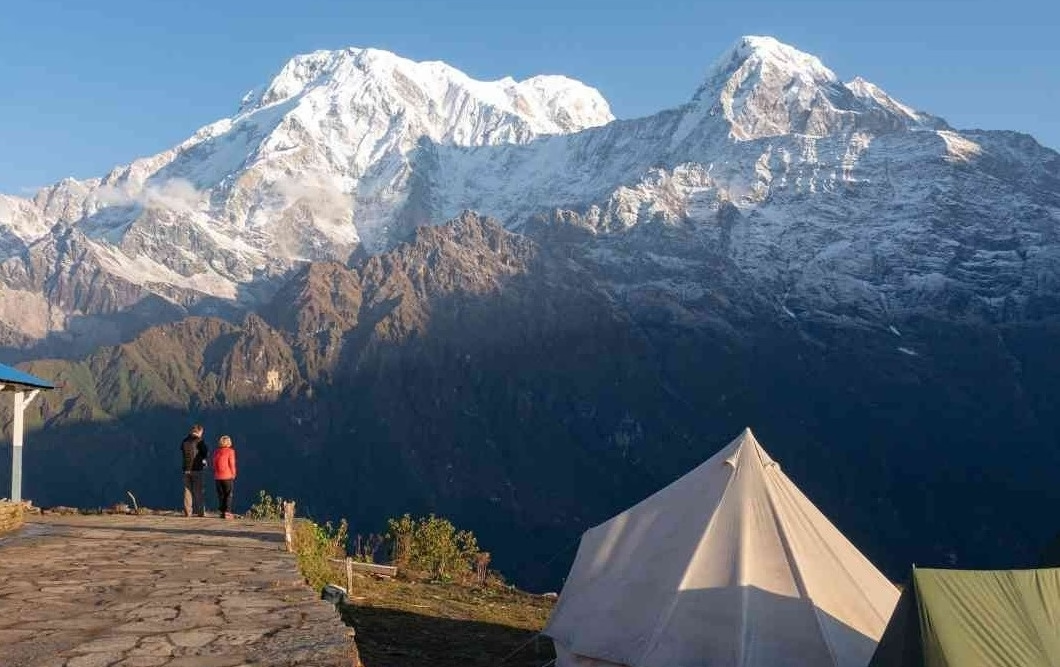
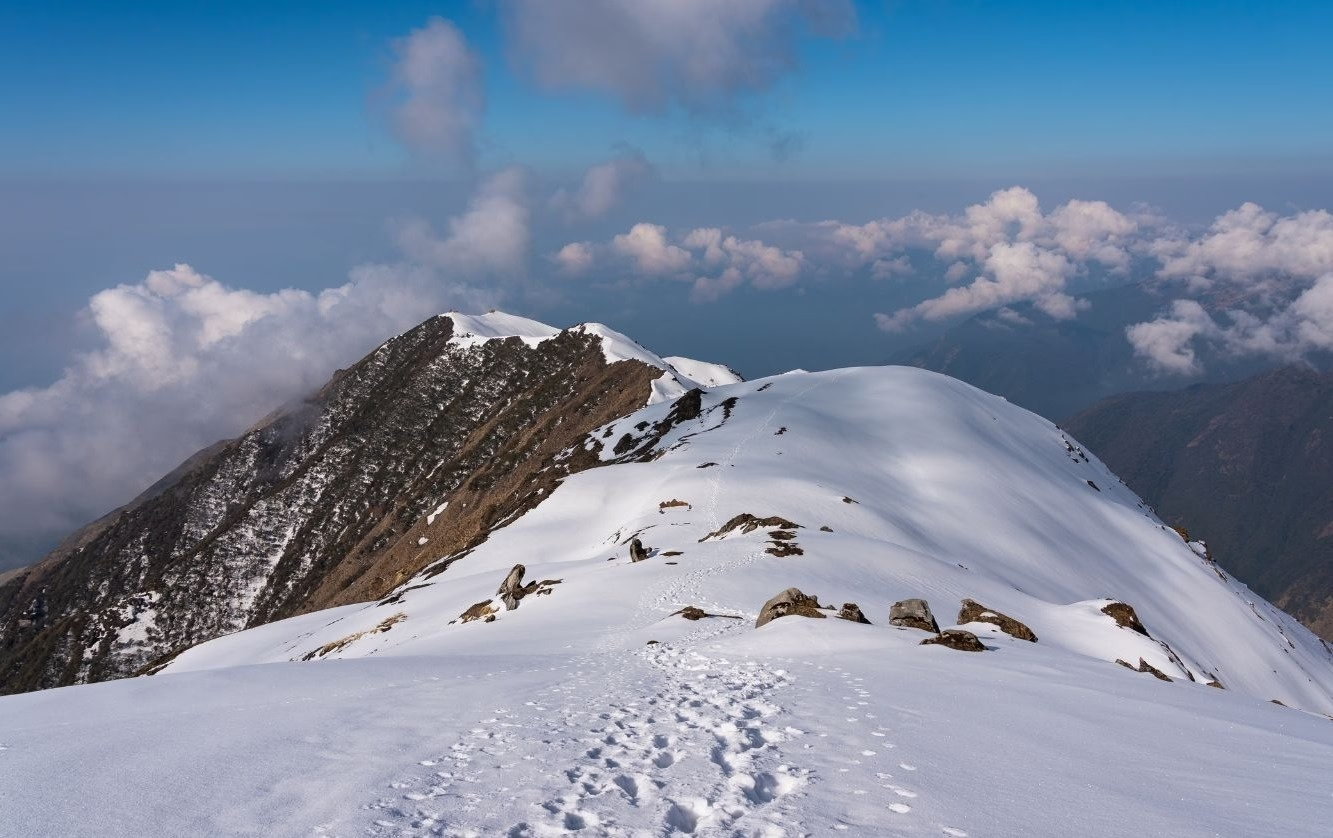
The Mardi Himal Trek TIMS card (Trekkers' Information Management System card) requirement in 2026 remains a key permit rule for foreign and SAARC trekkers entering the Mardi Himal route in Nepal. Trekkers on this Annapurna Conservation Area trail must carry both a valid TIMS card (Trekkers' Information Management System card) and an ACAP (Annapurna Conservation Area Project) permit before starting the trek, because checkpoint officers may verify permit records at multiple entry points along the route.
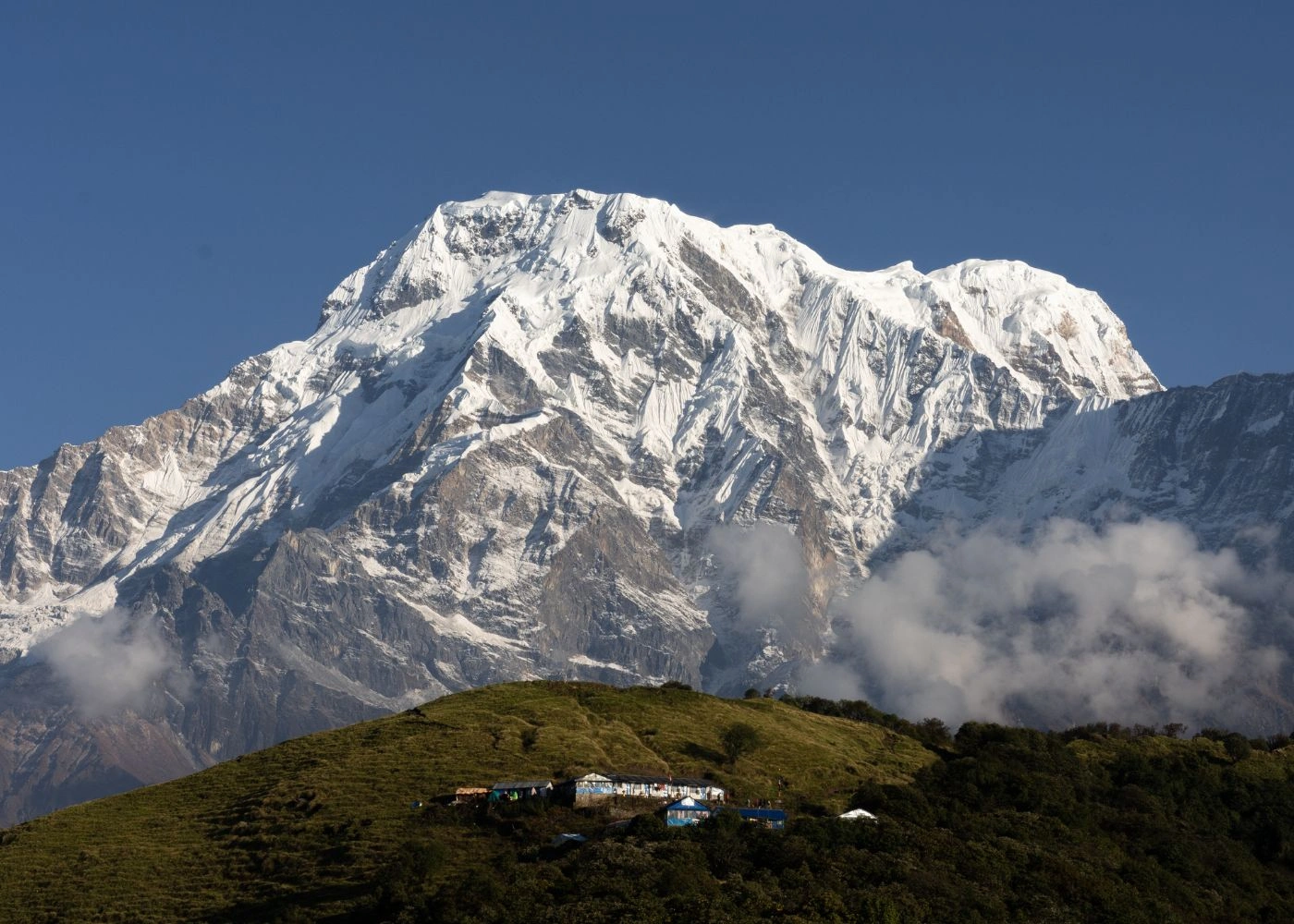
Understanding the Mardi Himal permit system is important before you travel to Pokhara or begin the trail from Kande, Lwang Ghalel, or Sidhing. This guide explains whether TIMS is still mandatory in 2026, who needs it, how much TIMS (Trekkers' Information Management System) and ACAP (Annapurna Conservation Area Project) cost, where to apply in Kathmandu or Pokhara, and what fines or delays trekkers can face without the correct documents.
Is a TIMS Card Required for Mardi Himal in 2026?
The TIMS card (Trekkers' Information Management System card) is required for Mardi Himal in 2026. The Nepal Tourism Board (NTB) and the Trekking Agencies' Association of Nepal (TAAN) jointly mandate TIMS registration for all foreign and SAARC trekkers entering any designated trekking zone in Nepal, including the Mardi Himal route within the Annapurna Conservation Area.
The TIMS card, Trekkers' Information Management System card, is a mandatory trekking registration document issued by the NTB and TAAN. It records trekker identity, route, emergency contacts, and insurance details at a centralized database. The card exists for 2 primary purposes: trekker safety tracking and permit revenue collection.
Why Do Some Sources Say TIMS Is Still Mandatory?
The NTB's official trekking regulations, last updated in January 2025, list Mardi Himal as a TIMS-required zone. The regulation applies to all trekkers who are not Nepali citizens. The Nepal government enforces TIMS through checkpoint inspections at designated trekking zone entry gates. Fines for missing TIMS range from NPR 2,000 to NPR 5,000 depending on the checkpoint officer's jurisdiction.
Why Do Some 2026 Guides Say Only ACAP Is Checked?
Field reports from trekkers on the Mardi Himal route between January and March 2026 indicate that 2 of the 3 main checkpoints only scanned ACAP permits during entry. This discrepancy occurs because checkpoint staffing varies seasonally. Officers at lower-altitude entry points focus on ACAP verification. Officers at higher altitude checkpoints, specifically the Sidhing gate, verify both TIMS and ACAP. Carrying only ACAP creates a permit gap at upper route checkpoints.
Which Rule Do Trekkers Follow Before the Mardi Himal Trek?
Trekkers carry both TIMS and ACAP permits before entering the Mardi Himal route. The official NTB regulation supersedes field reports from individual trekkers. Permit offices in Kathmandu and Pokhara issue both documents simultaneously. The TIMS counter at the Nepal Tourism Board office at Bhrikutimandap, Kathmandu, and the TIMS counter at the TAAN office in Pokhara issue cards 7 days a week during office hours (Sunday to Friday, 9:00 AM to 5:00 PM).
What Permits Do You Need for the Mardi Himal Trek?
Mardi Himal Trek requires 2 mandatory permits in 2026: a TIMS card and an ACAP permit. Foreign trekkers pay USD 20 for TIMS and USD 30 for ACAP. SAARC nationals pay NPR 600 for TIMS and NPR 1,500 for ACAP. No restricted area permit applies to the standard Mardi Himal route.
Do You Need an ACAP Permit for Mardi Himal?
The ACAP permit, Annapurna Conservation Area Project permit, is the primary entry permit for the Mardi Himal Trek. The Mardi Himal route lies entirely within the Annapurna Conservation Area, a protected zone administered by the National Trust for Nature Conservation (NTNC) under the Government of Nepal. ACAP permits are issued by NTNC permit counters in Kathmandu (at Bhrikutimandap) and Pokhara (at the Lakeside tourism office). Officers at the Kande trailhead check ACAP upon entry into the conservation zone.
Do You Need a Local Entry Permit for the Mardi Himal Route?
No separate local entry permit applies to the Mardi Himal Trek as of 2026. The ACAP permit covers all villages along the standard Mardi Himal trek itinerary, including Pothana, Pitam Deurali, Forest Camp, High Camp, and Mardi Himal Base Camp. Some earlier versions of this trek included a local fee at Lwang village. That fee was absorbed into ACAP revenue in 2023 and is no longer collected independently.
How Does TIMS Fit Into the Full Permit List?
TIMS functions as the identity registration layer within the 2-permit system for Mardi Himal. The ACAP permit grants physical access to the conservation area. The TIMS card registers the trekker's route, insurance, and emergency contacts with the NTB's central trekking database. TIMS data is used by Nepal's mountain rescue coordination units during search and rescue operations. Trekkers without TIMS cannot file a formal rescue request through official NTB channels.
Who Needs a TIMS Card or Permit for Mardi Himal?
4 categories of trekkers face different TIMS and ACAP requirements on Mardi Himal: foreign nationals, SAARC nationals, Nepali citizens, and children. Foreign nationals and SAARC nationals both require TIMS and ACAP. Nepali citizens require neither. Children under 10 years of age are exempt from TIMS fees.
Do Foreign Trekkers and SAARC Trekkers Follow the Same Rules on Mardi Himal Trek?
Foreign trekkers and SAARC trekkers follow identical documentation rules but pay different fees. Both groups present a valid passport, 2 passport-size photos, and travel insurance proof at the TIMS counter. The SAARC classification covers citizens of 8 nations: India, Pakistan, Bangladesh, Sri Lanka, Bhutan, Maldives, Afghanistan, and Nepal. Indian citizens present their national identity card in place of a passport at the TIMS office. The fee difference is approximately 75%: foreign trekkers pay NPR 2,000 for TIMS while SAARC nationals pay NPR 600.
Do Nepali Citizens Need TIMS or ACAP for Mardi Himal?
Nepali citizens are exempt from both TIMS and ACAP on the Mardi Himal Trek. The NTB's permit regulations apply exclusively to foreign and SAARC nationals. Nepali trekkers register voluntarily at local checkpoints using a community trekking register maintained by village conservation units. This register is separate from the NTB's official TIMS database.
Do Children Need a TIMS Card or Trekking Permit for Mardi Himal Trek?
Children under 10 years of age are exempt from TIMS fees on Mardi Himal. Children between 10 and 18 pay the standard TIMS rate for their nationality category. The ACAP permit applies to all trekkers above 5 years of age. Parents carry the passport or birth certificate of children under 10 at checkpoints for age verification. Checkpoint officers request documentation for children who appear to be near the age threshold.
How Can You Apply for a Mardi Himal TIMS Card in 2026?
Mardi Himal TIMS cards are obtained through 3 channels in 2026: NTB offices in Kathmandu, TAAN offices in Pokhara, or a registered trekking agency. No online TIMS issuance system is active as of March 2026. All applications require in-person submission of documents at an authorized TIMS counter.
Can You Apply for TIMS Online Before Arrival for Mardi Himal Trek?
No online TIMS application portal issues valid TIMS cards as of 2026. The NTB launched a digital trekking permit pilot in 2023 that covered select northern routes but excluded Mardi Himal from its initial scope. The NTB's official website at ntb.gov.np provides downloadable TIMS application forms, but submission and card issuance require physical presence at a counter. Trekkers arriving in Nepal apply for TIMS on the day of arrival or any day before the trek departure.
Can You Get TIMS in Kathmandu or Pokhara for Mardi Himal Trek?
TIMS cards are issued at 2 authorized locations:
Kathmandu: Nepal Tourism Board, Bhrikutimandap, Thamel, open Sunday to Friday, 9:00 AM to 5:00 PM
Pokhara: TAAN office, Tourist Service Centre, Damside, open Sunday to Friday, 9:00 AM to 4:00 PM
Processing time at both counters is 20 to 40 minutes with complete documents. Trekkers arriving in Pokhara without a TIMS card apply at the Pokhara counter before driving to the Kande trailhead. No TIMS counter operates at the Kande trailhead or along the Mardi Himal route.
Can a Trekking Agency Apply for TIMS for You?
Registered trekking agencies apply for TIMS on behalf of their clients through the agency TIMS channel. The agency TIMS fee is USD 10 per foreign trekker, 50% less than the individual trekker rate of USD 20. The agency submits a group application form with copies of all trekker passports, photos, and insurance documents to the NTB. Processing time for group applications is 1 to 2 business days. Trekkers confirm that their agency holds a valid NTB and TAAN registration before authorizing the agency to process TIMS.
What Documents Do You Need for the TIMS Application of Mardi Himal Trek?
The TIMS application for Mardi Himal requires 5 documents: a valid passport, 2 passport-size photos, travel insurance proof, emergency contact details, and a completed TIMS application form. Agency-assisted applications add 1 additional document: the registered trekking agency's license number and authorized stamp.
Do You Need a Passport Copy and Passport Photo for TIMS applications on Mardi Himal Trek?
The TIMS application requires 1 photocopy of the passport's biographical data page and 2 passport-size photographs (35mm × 45mm, white background). SAARC nationals who present national identity cards in place of passports carry a photocopy of both sides of the ID card. The TIMS counter staff verify the original document before accepting photocopies. Trekkers who submit only a photocopy without presenting the original face application rejection.
Do You Need Insurance and Emergency Contact Details for TIMS applications on Mardi Himal Trek?
Travel insurance that covers high-altitude trekking and helicopter evacuation is mandatory for TIMS applications on Mardi Himal. The TIMS form requires the insurance policy number, the insurer's name, and the emergency contact's full name and phone number (with country code). Insurance covering altitudes up to 5,587 metres, Mardi Himal's summit elevation, satisfies the coverage requirement. Policies that exclude altitude above 4,000 metres are rejected by TIMS counter staff.
Do You Need Guide or Agency Details for the TIMS Form?
Independent trekkers leave the guide and agency section of the TIMS form blank and pay the individual TIMS rate. For a full breakdown of permit implications, see our complete guide on trekking Mardi Himal without a guide. Agency-assisted trekkers enter the agency name, NTB registration number, and the assigned guide's full name and NTB guide license number. Guide license verification is conducted by the TIMS counter before form acceptance. Trekking with an unlicensed guide does not disqualify the TIMS application, but the trekker pays the individual TIMS rate regardless of using a guide.
How Much Does a Mardi Himal TIMS Card Cost in 2026?

The Mardi Himal TIMS card costs USD 20 for individual foreign trekkers and USD 10 for agency-organized foreign trekkers in 2026. SAARC nationals pay NPR 600 for individual TIMS and NPR 300 through a registered agency. The full permit budget for Mardi Himal totals USD 50 for individual foreign trekkers (USD 20 TIMS + USD 30 ACAP).
The following table shows the 2026 TIMS fee structure by nationality and booking type. Fees are payable in Nepali Rupees (NPR) or US Dollars (USD) at the official counter exchange rate. All fees are non-refundable.
Trekker Category | Individual TIMS Fee | Agency TIMS Fee |
Foreign nationals | USD 20 (approx. NPR 2,700) | USD 10 (approx. NPR 1,350) |
SAARC nationals | NPR 600 | NPR 300 |
Nepali citizens | Exempt | Exempt |
Children under 10 | Exempt | Exempt |
The fees above reflect the NTB's 2025 fee revision, which maintained the 2023 rates without adjustment.
What Is the Mardi Himal TIMS Fee for Foreign Trekkers?
Foreign trekkers pay USD 20 for individual TIMS or USD 10 through a registered Nepali trekking agency. The NTB defines "foreign trekker" as any holder of a non-Nepali, non-SAARC passport. Citizens of the United States, United Kingdom, Australia, Germany, France, China, Japan, and all other non-SAARC nations fall under the foreign trekker fee category. The USD 20 rate applies to solo trekkers who apply directly at the NTB or TAAN counter without agency involvement.
What Is the Mardi Himal TIMS Fee for SAARC Nationals?
SAARC nationals pay NPR 600 for individual TIMS and NPR 300 through a registered trekking agency. The SAARC discount reflects a bilateral tourism cooperation agreement between Nepal and its 7 SAARC partner nations. Indian trekkers, the largest SAARC trekking group on Mardi Himal, pay NPR 600 and present their Aadhaar card or Indian passport at the TIMS counter. The SAARC rate has remained unchanged since 2019.
What Other Mardi Himal Permit Costs Do You Budget For?
The full Mardi Himal permit budget for 2026 covers 2 mandatory permits plus optional services. The ACAP permit costs USD 30 for foreign nationals and NPR 1,500 for SAARC nationals. No restricted area permit applies. The total permit cost for a foreign independent trekker is USD 50 (TIMS + ACAP). For a foreign trekker using an agency, the total is USD 40 (USD 10 agency TIMS + USD 30 ACAP). Trekkers also budget for the ACAP permit counter processing fee of NPR 200, which applies at some counters.
What Mistakes Can Delay Your TIMS or Permit Approval on Mardi Himal?
5 common mistakes delay TIMS and ACAP approval on Mardi Himal: incorrect route details, missing insurance documents, mismatched passport names, incomplete emergency contact information, and insufficient photographs. Each error requires document re-submission, adding 1 to 3 business days to the processing timeline.
What Happens If Your Mardi Himal Route Details Are Entered Incorrectly?
The TIMS application form requests the trekker's planned route, entry point, and exit point. The standard Mardi Himal route entry point is Kande (altitude: 1,770 m) and the exit point is Lumre or Pokhara. Trekkers who enter an incorrect route face rejection at checkpoints where the declared route does not match the physical trail location. The TIMS counter corrects route entry errors on the same day with the original form and passport.
Can You Start the Mardi Himal Trek Without TIMS or ACAP?
Trekkers cannot legally enter the Mardi Himal route without both TIMS and ACAP. The Kande checkpoint, the primary entry gate to the Mardi Himal trail, performs mandatory permit verification for all trekkers. Officers at Kande refuse entry to trekkers who present only 1 of the 2 required permits. No grace period, temporary pass, or provisional entry exists for permit-missing trekkers. The nearest ACAP permit counter to the trailhead is at the Pokhara Lakeside office, 18 kilometres from Kande.
What Fines or Checkpoint Issues Can You Face on Mardi Himal Trail without a valid TIMS card?
Trekkers caught on the Mardi Himal trail without a valid TIMS card face fines of NPR 2,000 to NPR 5,000 per checkpoint. Officers at the Sidhing checkpoint, the most actively monitored point on the upper route, issue written fine notices that trekkers pay at the checkpoint or at the Pokhara district administration office. Trekkers missing ACAP permits face removal from the trail. Re-entry requires returning to Pokhara, obtaining the ACAP permit, and restarting from Kande. This adds 1 full day to the trekking itinerary.
How Should You Get Help With Mardi Himal TIMS and Permits?
Registered Nepali trekking agencies provide full TIMS and ACAP permit assistance for Mardi Himal, reducing the individual permit cost from USD 50 to USD 40 and eliminating all document submission tasks for the trekker. Trekkers weighing solo vs guided trekking on this route will find a full cost and safety comparison there. The agency applies for both permits simultaneously using the group application channel at the NTB.
Can a Trekking Agency Help With TIMS and Permit Paperwork?
A registered trekking agency handles the complete TIMS and ACAP application process on behalf of the trekker. The agency collects passport copies, photos, and insurance details from the trekker before arrival in Nepal. Upon the trekker's arrival in Kathmandu or Pokhara, the agency delivers pre-processed TIMS and ACAP permits within 24 hours. Agencies registered with both the NTB and TAAN access the group application channel, which processes permit batches faster than individual counters during peak trekking seasons (March to May and October to December). Trekkers verify agency credentials through the NTB's public registry at ntb.gov.np before submitting personal documents.
What Are the Key Takeaways on Mardi Himal TIMS in 2026?
The Mardi Himal Trek TIMS card requirement in 2026 is confirmed by Nepal Tourism Board regulation. Trekkers carry 2 permits, TIMS and ACAP, before entering the Kande trailhead. Foreign trekkers pay USD 20 for individual TIMS and USD 30 for ACAP, totalling USD 50. SAARC nationals pay NPR 600 for TIMS and NPR 1,500 for ACAP. Nepali citizens and children under 10 are exempt from both fees.
TIMS applications require a passport, 2 passport photos, travel insurance covering altitudes up to 5,587 metres, and emergency contact details. TIMS counters operate in Kathmandu at Bhrikutimandap and in Pokhara at the Damside TAAN office. No online TIMS issuance exists as of March 2026. Registered trekking agencies reduce the TIMS cost to USD 10 and handle full document submission.
Trekkers who enter the Mardi Himal route without TIMS face fines of NPR 2,000 to NPR 5,000 and checkpoint removal. Field reports of ACAP-only checks at lower checkpoints do not exempt trekkers from the TIMS requirement at upper route stations. Carrying both permits protects against fine risk at all 3 checkpoint levels on the route, especially for anyone choosing the Mardi Himal Trek package for a scenic Himalayan trekking destination in Nepal.