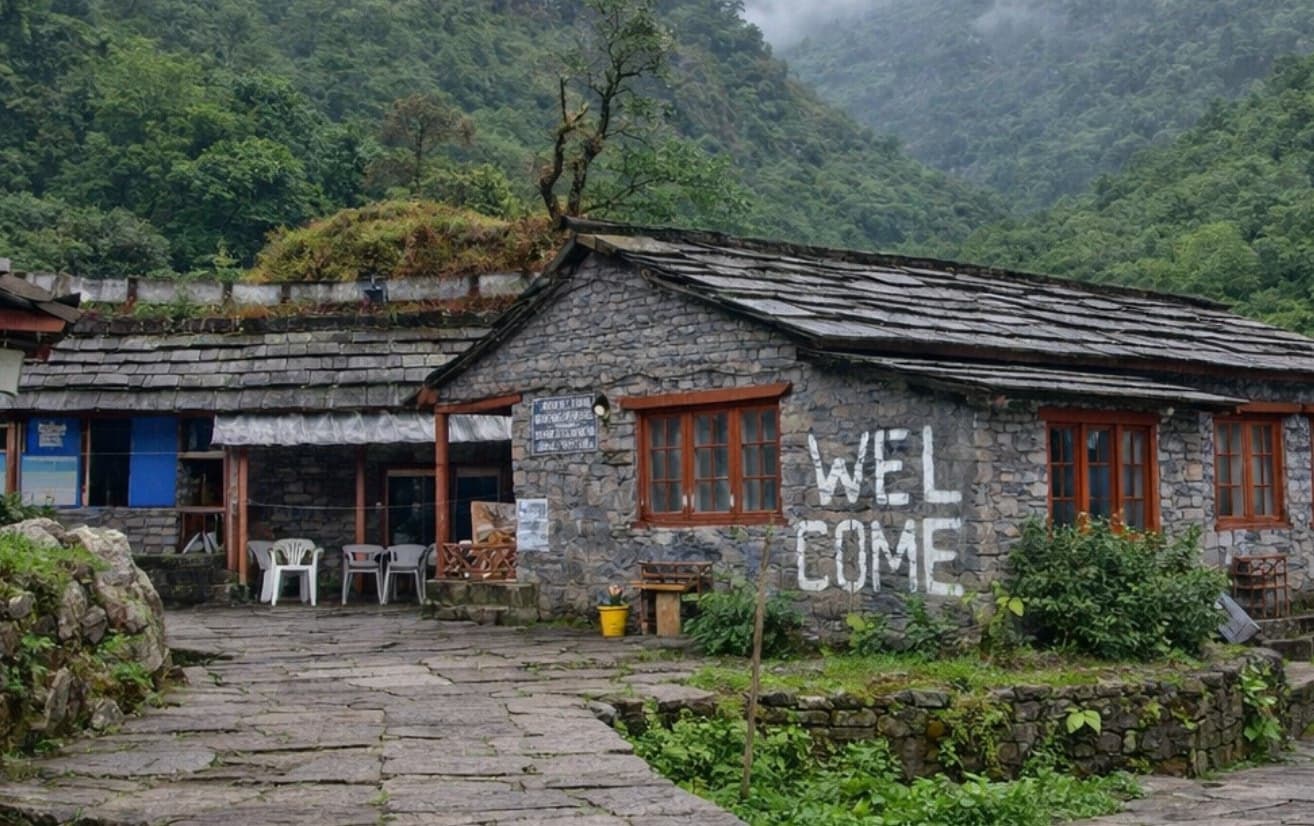
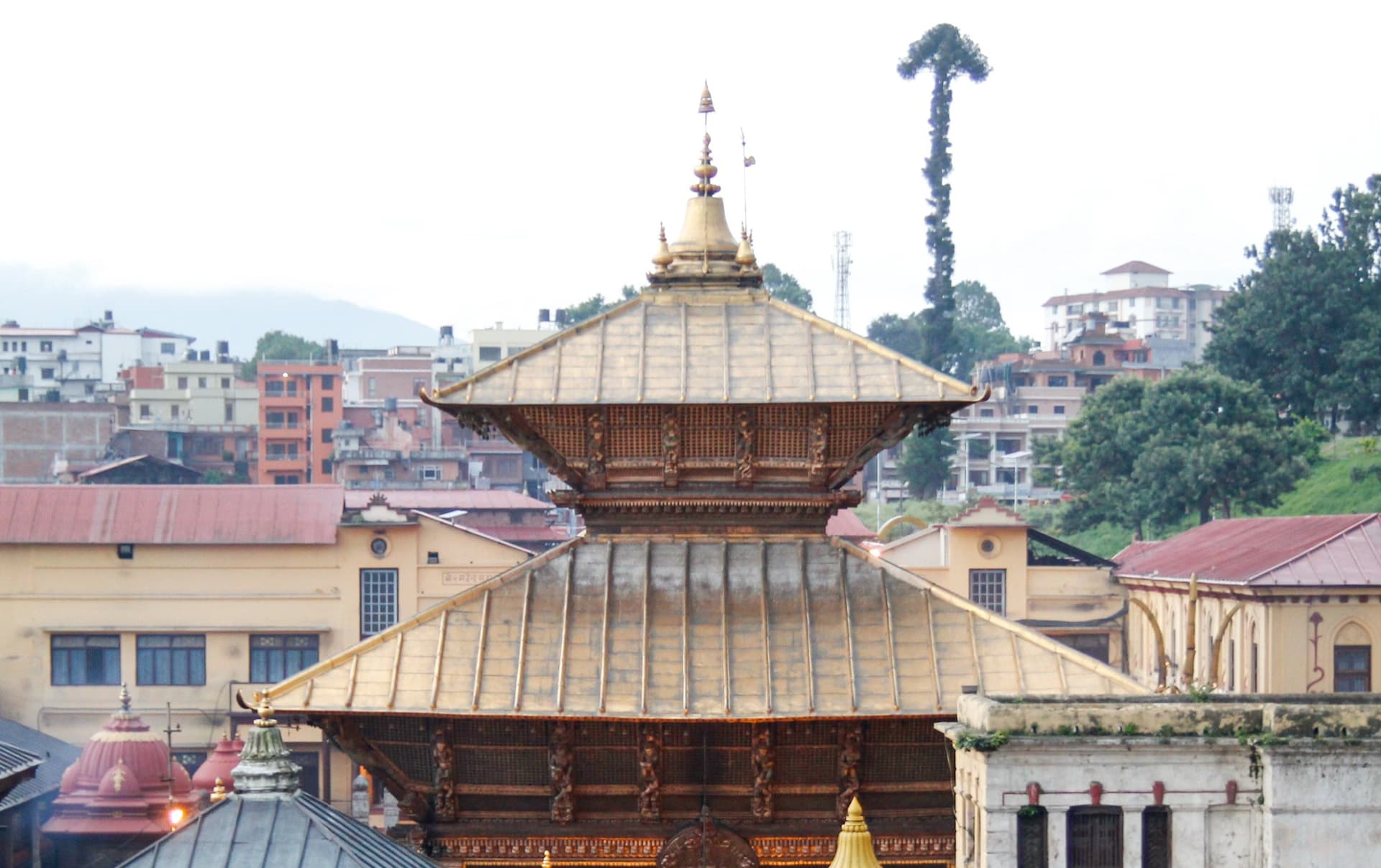
Upper Mustang Tiji Festival offers a rare opportunity to experience one of the Himalayas' most significant living Buddhist traditions in the ancient walled city of Lo Manthang. Celebrated for centuries by the people of the former Kingdom of Lo, the Tiji Festival is a sacred ritual that symbolizes the triumph of harmony over chaos through elaborate Cham dances, monastic ceremonies, and community participation. Held within the historic courtyard of Chhoede Monastery, the festival preserves a spiritual heritage that remains deeply woven into the daily life, culture, and identity of Mustang's Loba people.
This 14-day cultural journey goes beyond the three festival days to explore the broader landscape and history of Upper Mustang, Nepal's remote trans-Himalayan desert region. Traveling through traditional settlements such as Chaile, Charang, and Lo Manthang, visitors encounter medieval monasteries, ancient cave complexes, royal heritage sites, and centuries-old Tibetan Buddhist traditions that have survived largely unchanged due to the region's long isolation. Combined with visits to Namgyal Gompa, Chhoser Sky Caves, and Ghar Gompa, the journey provides a comprehensive introduction to Mustang's unique cultural, historical, and spiritual legacy while placing the Tiji Festival within the wider story of this remarkable Himalayan kingdom.
Trip Snapshot | Detail |
Festival dates | June 1–3, 2027 |
Trip duration | 14 days, Kathmandu to Kathmandu |
Maximum altitude | Lo Manthang, 3,840 m / 12,598 ft |
Core permits | Restricted Area Permit (RAP) + Annapurna Conservation Area Permit (ACAP) |
Travel style | Domestic flights + 4WD jeep, light walking at the festival sites |
Best paired season | Late spring, just ahead of the summer monsoon |
Why Is the Tiji Festival 2027 in Lo Manthang a Unique Cultural Event?
.webp)
Tiji is the only major festival in Nepal staged entirely inside a still-functioning medieval walled capital. Lo Manthang's mud-brick ramparts, royal palace, and monastery courtyard form the festival's stage, unchanged in layout since the 15th century. Monks of Chhoede Monastery perform sacred Cham dances in century-old brocade costumes and hand-carved wooden masks, watched by villagers who walk in from settlements across the Lo region. Few other Himalayan festivals combine an intact royal capital, an unbroken monastic lineage, and a restricted-entry region in one event. What most visitors overlook is that Tiji is not staged for tourists; you are watching a living religious obligation that would happen with or without an audience, which is exactly what gives it its weight.
What Does the Tiji Festival Represent in Mustang's Buddhist Tradition?
Tiji is short for "Tenpa Chirim," meaning "prayer for world peace," and it reenacts the deity Dorje Jono's defeat of his demon father, whose presence brought drought and chaos to the kingdom. Local accounts place the legend's origins between the 15th and 17th centuries, tied to the spread of Tibetan Buddhism through Mustang under the early rulers of Lo. Dorje Jono's victory restored water and order to the land. Monks perform the legend, not simply narrate it, treating the choreography as an active ritual that protects the community for the coming year rather than a historical reenactment.
Why Are June 1, 2, and 3, 2027 Important Festival Dates?
Tiji follows the Tibetan lunar calendar, so its Gregorian dates shift annually; for 2027 the monastery has set the festival for June 1, 2, and 3. Unlike fixed-date festivals, Tiji's timing is confirmed by Chhoede Monastery's astrological calculations, typically months in advance. This places the 2027 edition later in the season than the 2026 festival (mid-May), closer to the early monsoon window. Travelers booking around these three days gain a narrow but firm planning anchor: arrival in Lo Manthang needs to land on or just before June 1, since the opening ceremony does not wait for late arrivals.
How Is the Tiji Festival Celebrated in Lo Manthang?
The festival unfolds as three connected dance days inside Lo Manthang's main courtyard, each building toward the demon's banishment. Monks dressed as protector deities, skeletons, and animal spirits perform structured Cham sequences to drums, long horns, and cymbals, while the royal family's descendants and village elders occupy reserved positions near the palace. Between dance sets, locals trade news, share food, and present offerings at the temple. The final afternoon closes with the symbolic destruction of the demon effigy, after which the courtyard empties into a wider, looser celebration across the town that continues into the evening.
Where Is Lo Manthang and Why Is It Central to the Tiji Festival?
Lo Manthang sits at 3,840 m in the far north of Mustang district, roughly 9 km from the Tibetan border at Korala. It served as the capital of the independent Kingdom of Lo from 1380, becoming a dependency of Nepal in 1795 while retaining a locally recognized king; that royal lineage held ceremonial standing until 2008, when the title was formally ended when Nepal's government repealed the 1961 Rajya Rajauta Act (The Himalayan Times) following the country's declaration as a federal republic. Because Chhoede Monastery and the royal palace both stand inside Lo Manthang's walls, the festival has nowhere else it could realistically be held; the geography and the ritual are inseparable. Reaching it requires either a multi-day trek or, as in this itinerary, a jeep route north from Jomsom.
What Makes Upper Mustang Different From Other Trekking Regions?
Upper Mustang is a restricted trans-Himalayan desert, not a forested trekking trail, and it stayed closed to foreign visitors until 1992. Where Everest and Annapurna routes pass through rhododendron forest and farmland, Mustang's terrain is wind-carved red cliffs, eroded canyons, and barley terraces fed by glacial irrigation channels. The region's isolation, enforced by the restricted area permit system, kept Tibetan-style architecture, dialect, and monastic practice intact long after similar traditions diluted across the open border in Tibet itself. A common misconception is that Upper Mustang requires technical mountaineering skill; in practice, this route is mostly vehicle-based, with the access challenge being altitude and remoteness rather than terrain difficulty.
How Does Lo Manthang Preserve Mustang's Ancient Culture?
Lo Manthang functions as a living monastery town, not a museum: families still farm inside and outside the walls, and monks still train at Chhoede Monastery in an unbroken teaching lineage. The American Himalayan Foundation has funded restoration of the royal palace and the Thubchen and Jampa monasteries through a documented 12-year conservation programme that AHF launched in 1996 at Thubchen and Jampa Lhakhang, prioritizing original materials and techniques over modern substitutes.
What Cultural and Historical Sites Can Be Explored Around Lo Manthang?
Within a day's range of Lo Manthang sit four sites with genuine historical depth: the Royal Palace, Thubchen and Jampa Gompas, Namgyal Gompa, and the Chhoser sky caves. Thubchen Gompa, built in the late 15th century, holds large-scale mandala murals rarely found elsewhere in Nepal. Jampa Lhakhang houses a three-story seated Buddha statue inside a structure of similar age. Namgyal Gompa, on a hilltop above town, doubles as both monastery and traditional local courthouse.
Further out, Ghar Gompa and the Chhoser caves extend the cultural radius into the 8th century and earlier. Ghar Gompa, also called Lo Gekar, is considered the oldest Buddhist temple in Mustang, contemporaneous with Tibet's Samye monastery; its founding is recorded in the Pema Katang, the Padmasambhava biography unearthed by treasure-revealer Orgyen Lingpa, giving scholars a documented reference point for the temple's origin story rather than undated oral tradition alone.
Day-by-Day Itinerary for the Tiji Festival 2027 Tour
This itinerary sequences gradual altitude gain with festival timing, placing all three Tiji days inside the Lo Manthang stay so nothing is rushed.
Day 01: Arrival in Kathmandu
Land at Tribhuvan International Airport and transfer to your hotel in Kathmandu (1,400 m). The rest of the day is unstructured, useful for resetting after long-haul travel and collecting a first impression of the Kathmandu Valley before the trip briefing.
Day 02: Preparation Day
A full day in Kathmandu covers permit paperwork, equipment checks, and route briefing, plus time for a Kathmandu Valley sightseeing circuit (Swayambhunath, Boudhanath, Pashupatinath, or Durbar Square) for travelers who haven't visited before. This buffer day also absorbs flight delays without disrupting the festival schedule later.
Day 03: Fly to Pokhara (822 m / 2,697 ft)
A short, scenic 25-minute flight drops you into Pokhara beside Phewa Lake, with Annapurna and Manaslu visible on clear mornings. The afternoon is free for lakeside walks or final gear shopping; Pokhara carries far better trekking-gear stock than Lo Manthang will.
Day 04: Fly to Jomsom (2,720 m / 8,924 ft), jeep drive to Chaile (3,050 m / 10,006 ft)
Mountain flights to Jomsom run early morning, before Kali Gandaki valley winds pick up; afternoon flights cancel often enough that agencies build this into the schedule rather than treat it as a risk. From Jomsom, a jeep climbs north past Kagbeni, the restricted area's entry checkpoint, into the start of Upper Mustang's high desert, reaching Chaile by afternoon.
Day 05: Drive to Charang (3,630 m / 11,909 ft) | Distance: 42 km (26 miles) | Duration: 4-5 hours
The route runs through Syangboche and Ghami, passing one of Nepal's longest mani walls en route. Charang (Tsarang) holds a 15th-century red dzong and monastery perched above a deep gorge, both worth an unhurried look before the jeep continues the next morning.
Day 06: Drive to Lo Manthang (3,840 m / 12,598 ft) | Distance: 14 km (8.6 miles) | Duration: 2-3 hours
A short final approach brings you into Lo Manthang with the afternoon free. Most travelers use this time to walk the perimeter walls, browse the market square, and view the Royal Palace exterior before the festival opens the next morning, rather than packing sightseeing into the festival days themselves.
Day 07: Lo Manthang – first day of Tiji festival celebration (1st June 2027)
The opening day, Tsa Chham, depicts the demon's emergence and the region's descent into drought and chaos. Expect crowds early; courtyard space near the dance ground fills well before the morning's first drumbeat.
Day 08: Second day of Tiji festival (2nd June 2027)
Day two, Nga Chham, stages Dorje Jono's escalating confrontation with the demon. The choreography grows more elaborate, with additional masked characters and longer dance sequences than day one, building directly toward the climax.
Day 09: Final Day of Festival/ Visit Namgyal Gompa, Tingkhar and Chhoser (3rd June 2027) | Distance: 16 km (9.9 miles) | Duration: 6-7 hours
The final day, Rha Chham, ends with the demon effigy's ritual destruction and the kingdom's restored peace, the festival's emotional peak. Once the courtyard ceremony closes, the day continues to Namgyal Gompa, Tingkhar village, and the Chhoser sky caves, shifting from festival energy to quieter historical exploration in the same afternoon.
Day 10: Drive Ghar Gompa and back to Sangbochen (3,800 m / 12,467 ft) | Distance: 35 km (21.7 miles) | Duration: 4-5 hours
The return journey detours to Ghar Gompa, Mustang's oldest monastery, before continuing south to overnight at Sangbochen. This is the only day combining a major cultural stop with significant driving distance, so it runs longer than most other days on the route.
Day 11: Drive to Jomsom (2,720 m / 8,924 ft) | Distance: 46 km (28.5 miles) | Duration: 4-5 hours
The jeep retraces the Kali Gandaki valley route south, dropping nearly 1,100 m back to Jomsom. Lower altitude and thicker air make this a noticeably easier day physically than the climb north.
Day 12: Fly to Pokhara
A return flight to Pokhara opens a free afternoon, useful for laundry, a relaxed lakeside meal, or simply decompressing after eight days at altitude.
Day 13: Fly to Kathmandu
Back in Kathmandu, the afternoon is open for last-minute shopping in Thamel or a farewell dinner with the group, a natural close to the trip before departure.
Day 14: Farewell
A scheduled transfer to Tribhuvan International Airport for international departure ends the trip. Build a buffer of at least one full day in your outbound flight booking; Himalayan domestic flights run on weather, not fixed schedules.
What Can Travelers Expect During the 14-Day Tiji Festival Journey?
The journey moves through three distinct phases: city preparation, vehicle-based ascent, and festival immersion, each with a different rhythm. Travelers spend the first two days in Kathmandu, four days moving north by air and jeep, three days centered on the festival itself, and the remaining days retracing the route home. Recognizing this rhythm in advance helps set realistic expectations; this is not a continuous trek but a structured sequence of short, scenic travel days built around one immovable festival window.
How Does Arrival in Kathmandu Begin the Experience?
Kathmandu functions as the logistics hub where permits, gear checks, and route briefings happen before anyone heads toward the mountains. Most travelers underestimate how much of the trip's reliability depends on this stage; permits processed incorrectly here cause delays at Kagbeni checkpoint, not in Kathmandu itself.
Why Is a Preparation Day Important Before Entering Upper Mustang?
A dedicated preparation day catches gear gaps, paperwork errors, and jet lag before they become problems at altitude. Upper Mustang has no equipment shops north of Jomsom, so anything forgotten in Kathmandu stays forgotten for the rest of the trip.
How Do Flights to Pokhara and Jomsom Connect Travelers to Mustang?
Two short domestic flights, Kathmandu-Pokhara and Pokhara-Jomsom, replace what would otherwise be a multi-day road and trekking approach. The Jomsom flight in particular is wind-sensitive; scheduling it as the first activity of the day, rather than after a leisurely breakfast, is standard practice among experienced operators for good reason.
What Is the Route From Jomsom to Chaile, Charang, and Lo Manthang?
The jeep route follows the upper Kali Gandaki valley north through Kagbeni, Chaile, Syangboche, Ghami, and Charang before reaching Lo Manthang, gaining roughly 1,100 m over three driving days. Spreading the ascent across Chaile, Charang, and Lo Manthang overnight stops gives the body more time to adjust than a single long push north would allow.
What Happens During the Tiji Festival Days in Lo Manthang?
Each of the three festival days follows the same general pattern: morning preparation, midday dance sequences, and afternoon dispersal, but the content and intensity of the dances change daily. Knowing this structure in advance helps travelers plan when to claim courtyard viewing positions and when the lighter midday hours suit photography or a break.
What Takes Place on the First Day of the Tiji Festival on June 1, 2027?
Day one, Tsa Chham, introduces the demon character and frames the conflict the festival will resolve over the following two days. Costumed monks process from Chhoede Monastery into the courtyard, accompanied by long horns and drums that mark the day's opening.
What Ceremonies and Performances Occur on June 2, 2027?
Day two, Nga Chham, expands the cast of masked dancers and stages Dorje Jono's direct confrontation with the demon. The choreography runs longer than day one, with more elaborate costume changes between dance segments.
What Highlights Mark the Final Festival Day on June 3, 2027?
Day three, Rha Chham, climaxes with the symbolic destruction of the demon effigy, after which the courtyard erupts into communal celebration. This is consistently the most photographed and most crowded session of the three days; arriving early secures a usable vantage point.
What Cultural Excursions Are Included Beyond the Festival?
Beyond the festival itself, the itinerary builds in time for Namgyal Gompa, Tingkhar, Chhoser, and Ghar Gompa, four sites that extend the cultural picture well past the three dance days. These stops are sequenced for minimal backtracking, attached to days nine and ten rather than squeezed into the festival window.
Why Visit Namgyal Gompa During the Journey?
Namgyal Gompa sits on a hilltop above Lo Manthang and functions as both an active monastery and the traditional local courthouse for the Lo region. Its dual civic-religious role is unusual even by Mustang standards and offers a clearer picture of how monastic authority and local governance overlap in practice.
What Can Travelers Discover in Tingkhar and Chhoser?
Tingkhar has served as the royal family's residence since 1953, while Chhoser holds the Shija Jhong sky caves, a five-story complex of more than 40 rooms carved into a cliff face. Archaeological surveys of the wider Mustang cave network place the earliest domestic cave use at roughly 800–680 BCE, and radiocarbon testing across 15 sampled caves shows two later Buddhist-era occupation waves, 1100–1400 CE and 1500–1600 CE, indicating a far more layered history of shelter, burial, and meditation use than a single ancient period. Archaeologists date parts of the cave system to roughly 2,500 years old, with evidence of burial use as early as 1000 BCE and later use as wartime shelter and meditation space, a layered history most day-tour itineraries compress into a single "ancient caves" mention.
Why Is Ghar Gompa Considered One of Mustang's Sacred Sites?
Ghar Gompa, also called Lo Gekar, dates to the 8th century and is widely regarded as the oldest monastery in the Mustang region, predating equivalent structures across the border in Tibet. Local tradition credits its founding to Padmasambhava, and pilgrims still travel from across the Himalayas specifically for this site, separate from the Tiji crowds drawn to Lo Manthang.
How Challenging Is the Upper Mustang Tiji Festival Journey?
This itinerary rates as moderate, not strenuous: most travel happens by jeep, with light walking around festival sites and monasteries rather than sustained trekking. The primary physical demand is altitude, not terrain, which changes how travelers need to prepare compared to a classic Everest or Annapurna trek.
What Are the Altitude Levels Reached During the Tour?
Elevation rises from 1,400 m in Kathmandu to 3,840 m in Lo Manthang, with the steepest single-day gain occurring between Jomsom and Chaile. Because much of this ascent happens by vehicle rather than on foot, the body has less time to adjust gradually than a walking trek would allow, which is exactly why the itinerary spreads the climb across three overnight stops instead of one long push.
How Should Travelers Prepare for High-Altitude Conditions?
Hydration, a slower pace on the first two days in Mustang, and a pre-trip conversation with a doctor about altitude medication cover most of the preparation that matters. Mild headache or fatigue on arrival in Lo Manthang is common and usually resolves with rest; persistent symptoms warrant informing your guide immediately rather than pushing through.
What Transportation Methods Are Used Throughout the Journey?
The trip combines two domestic flights, one extended 4WD jeep route through Upper Mustang, and short walks at each cultural site. This vehicle-heavy structure makes the trip accessible to travelers who want Mustang's culture without committing to the multi-week trekking fitness that a full Upper Mustang trek demands.
What Should Travelers Know Before Visiting Upper Mustang in 2027?
Visitors need a Restricted Area Permit and Annapurna Conservation Area Permit, a licensed guide, weather-appropriate gear, and a working knowledge of monastery etiquette before arrival. Each of these has changed meaningfully in the past year, so older blog posts and forum threads often carry outdated figures.
What Permits Are Required for Upper Mustang?
Two permits cover entry: the Restricted Area Permit (RAP), reformed in December 2025 to a flat USD 50 per person per day charged only for days actually spent inside the restricted zone, Nepal's Department of Immigration confirms the flat USD 500 fee was scrapped for a USD 50-per-day rate (The Kathmandu Post, Nov 2025), and the Annapurna Conservation Area Permit (ACAP), roughly NPR 3,000. A licensed guide remains mandatory regardless of group size, but as of March 2026 the two-foreign-traveler minimum has been lifted, so solo travelers can now obtain a RAP individually through a registered trekking agency.
Because the RAP requires a minimum 10-day baseline fee, the permit cost will be USD 500 per person. A licensed guide remains mandatory regardless of group size; and the Department of Immigration strictly enforces a minimum requirement of two foreign travelers to issue a Restricted Area Permit. Solo travelers cannot obtain a RAP individually; they must either join an existing group or pay for two permits to secure access. Both permits are issued only through a registered trekking agency, not directly to individual travelers.
What Weather Conditions Can Be Expected in Late May and Early June?
Lo Manthang in early June typically sees daytime temperatures around 15-20°C (59-68°F) under clear skies, with nights dropping near or below freezing. Because Upper Mustang sits in the rain shadow of the Annapurna and Dhaulagiri ranges, it stays largely dry even as the summer monsoon begins building elsewhere in Nepal during this window. Wind is the bigger factor than rain: valley winds intensify sharply from late morning onward, which is why jeep departures and outdoor festival viewing both favor the early hours.
What Should Be Included in a Mustang Packing List?
A practical Mustang packing list covers layered clothing, wind and dust protection, and cash, since none of these are easy to source north of Jomsom.
Down jacket and fleece layers for sub-zero nights at altitude
Wind- and dust-resistant outer shell plus a buff or scarf for valley winds
Sturdy walking shoes rather than technical mountaineering boots
Sunglasses and high-SPF sunscreen for intense high-altitude UV exposure
A four-season sleeping bag, since teahouse heating is minimal
Nepali rupees in cash, as ATMs do not exist beyond Jomsom
A portable power bank, since electricity in Lo Manthang is limited and unreliable
A telephoto lens or zoom camera for festival photography from a respectful distance
Pack light but complete: jeeps have luggage limits, and anything missing from this list stays missing for the rest of the trip.
What Cultural Etiquette Should Visitors Follow During the Festival?
Dress modestly, ask before photographing monks or locals up close, and never step onto the dance ground or block sightlines during ceremonies. Walk clockwise around monasteries, mani walls, and chortens, matching the direction locals follow as a mark of respect rather than habit. Royal family members and senior monks typically occupy reserved courtyard positions; treat these areas as off-limits regardless of how empty they appear before the dancing starts.
What Cultural and Spiritual Experiences Make This Journey Memorable?
Beyond the festival dances themselves, the depth of this trip comes from monastery interiors, walled-village architecture, and the rare chance to watch a centuries-old ritual calendar unfold in real time. Travelers who slow down at the smaller sites, not just the festival courtyard, tend to describe the trip as more memorable than those who treat Tiji as the only highlight.
How Do Monasteries and Ancient Villages Enrich the Experience?
Thubchen Gompa's mandala murals, Jampa Lhakhang's seated Buddha, and Charang's red dzong each add historical texture that the festival alone doesn't provide. Visiting these sites before the festival begins, as this itinerary schedules, avoids competing with festival crowds for time and attention.
What Opportunities Exist for Photography and Cultural Immersion?
Lo Manthang's mud-brick walls at golden hour, the Cham dancers' costumes in direct midday light, and the Chhoser cliffs all reward photographers willing to work around the harsh midday sun rather than fight it. Genuine cultural immersion here means as much about conversations with homestay families and guides as it does about the festival's visual spectacle.
Why Is the Tiji Festival Considered a Once-in-a-Lifetime Event?
Because Tiji's dates shift yearly with the lunar calendar and Lo Manthang remains a restricted, limited-capacity destination, repeat attendance is logistically rare even for dedicated travelers. Combine that scarcity with a ritual that has run, largely unchanged, since the kingdom's founding era, and the "once-in-a-lifetime" framing reflects genuine logistics rather than marketing language.
How Should You Plan an Upper Mustang Tiji Festival 2027 Journey With a Local Trekking Agency?
Start planning at least four to six months ahead, since Lo Manthang's limited guesthouse capacity fills quickly around confirmed festival dates. A local agency handles RAP and ACAP applications, secures festival-week accommodation, and builds acclimatization into the route, three things that are far harder to arrange independently given Upper Mustang's restricted-area status. Confirm your agency holds current Department of Tourism registration and recent Upper Mustang route experience specifically, not just general Nepal trekking credentials; permit rules here changed twice in the past year alone, and an agency working from outdated information can cost you time at the checkpoint.
Can Nepal Intrepid Treks Help You Experience the Upper Mustang Tiji Festival 2027?
We are a Kathmandu-based, registered trekking agency that has guided travelers through Mustang, Annapurna, Everest, and Langtang for years, and Upper Mustang's restricted permit process is something we handle directly rather than outsource. For the Tiji Festival 2027, we build itineraries around the confirmed June 1-3 dates, secure your RAP and ACAP paperwork in advance, and arrange guesthouse space in Lo Manthang before festival-week availability tightens. Our guides know the Mustang route firsthand, from the Kagbeni checkpoint formalities to which Lo Manthang courtyard positions give the clearest festival views. If you're weighing a private departure against a small group, or have questions about combining this trip with other regions, reach out and we'll work through the details with you directly.
What Are the Key Takeaways About the Upper Mustang Tiji Festival 2027 Journey?
Tiji Festival 2027 runs June 1-3 in Lo Manthang, confirmed via the Tibetan lunar calendar by Chhoede Monastery.
This 14-day itinerary combines all three festival days with cultural stops at Namgyal Gompa, Chhoser, and Ghar Gompa.
Travel is mostly jeep-based with light walking, making the route accessible without multi-week trekking fitness.
Maximum altitude reaches 3,840 m in Lo Manthang, with ascent spread across three overnight stops to support acclimatization.
Required permits are the RAP (USD 500 for the first 10 days) and the Annapurna Conservation Area Permit (ACAP) (~NPR 3,000), arranged only through a registered trekking agency.
A minimum of two foreign travelers is strictly required to obtain the Restricted Area Permit; solo travelers must join a group or pay for an extra permit.
Early booking matters most for guesthouse space in Lo Manthang, which is limited and fills around confirmed festival dates.