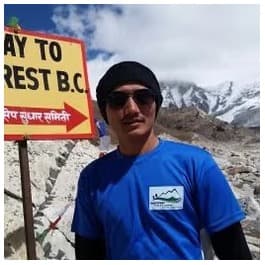
Trekking to Everest Base Camp (EBC) is a bucket-list adventure, combining rugged Himalayan landscapes with rich Sherpa culture. While the journey is about disconnecting from the daily grind, many trekkers still seek internet access to share experiences, navigate, or stay in touch. Here’s a guide to connectivity on the EBC trail.
Internet Options on the EBC Trek
- Local SIM Cards
- Ncell & NTC: Purchasing a local SIM in Kathmandu (e.g., Ncell or Nepal Telecom) provides sporadic 3G/4G coverage up to Namche Bazaar and Tengboche. Signals fade at higher altitudes (beyond Dingboche).
- Data Packages: Affordable prepaid plans (1GB for ~$5) work in lower regions but expect limited service near Lobuche or Gorak Shep.
- Teahouse Wi-Fi
- Most lodges offer paid Wi-Fi via Everest Link, a satellite-based network.
- Cost: 3–3–10 per day, depending on the data volume (e.g., 1GB for 24 hours). Cards are sold at teahouses.
- Speed: Basic browsing and messaging (1–2 Mbps); streaming or large uploads are impractical.
- Portable Hotspots & Satellite Devices
- Rent a portable Wi-Fi device in Kathmandu for reliable coverage (cost: 10–10–15/day).
- For emergencies, consider a satellite communicator (e.g., Garmin inReach), though these don’t provide social media access.
Where Will You Get Connectivity?
- Kathmandu & Lukla: Strong 4G and hotel Wi-Fi.
- Namche Bazaar: The “gateway to Everest” has cafes with Wi-Fi and decent SIM coverage.
- Tengboche/Dingboche: Spotty signals; rely on teahouse Wi-Fi.
- Lobuche/Gorak Shep: Minimal to no cellular service. Everest Link works intermittently.
- EBC: No internet—embrace the digital detox!
Cost Considerations
- Wi-Fi Cards: Budget 5–5–15 daily for Everest Link. Total trek cost: ~50–50–100.
- SIM Data: ~10–10–20 for a 2-week plan (usable up to Namche).
- Portable Hotspots: Higher upfront cost but convenient for groups.
Tips for Staying Connected
- Download Offline Tools: Maps (Maps.me), translation apps, and entertainment before departure.
- Power Management: Carry a solar charger/power bank; charging ports cost 2–2–5/hour in teahouses.
- Limit Usage: Check emails/messages once daily to save costs and battery.
- Communicate Schedule: Inform family about connectivity gaps to avoid worry.
The Environmental & Cultural Note
While connectivity is possible, remember that the EBC trek is a chance to immerse in nature and local traditions. Overuse of Wi-Fi drains limited resources and distracts from the experience. Consider unplugging occasionally to respect the environment and engage with fellow trekkers.
Final Thoughts
Internet access on the EBC trek is neither seamless nor cheap, but it’s available for those who need it. Plan, manage expectations, and balance staying connected and savouring the raw beauty of the Himalayas. After all, the mountains reward those who pause to listen.