Ropai Festival is Nepal’s annual rice planting festival and National Paddy Day celebration, observed on Aasadh 15 (June 29, 2026) during the height of the monsoon season. The festival marks the beginning of the country’s main paddy transplantation period, when farmers across Kathmandu Valley, Kakani, Nuwakot, Chitwan, Pokhara, and the Terai work together to plant rice seedlings in flooded fields. Rooted in more than 3,000 years of agricultural heritage, Ropai Festival represents the deep connection between Nepal’s farming communities, food security, and traditional way of life. The celebration combines rice planting, Ropai Puja rituals, Asare Geet folk songs, communal labor traditions, and seasonal foods that have been passed down through generations.
For visitors, Ropai Festival offers far more than a cultural event. It provides an opportunity to join local farmers in authentic paddy planting activities, experience rural Nepal during its most important agricultural season, and understand how rice cultivation shapes communities across the country. From participating in traditional fieldwork and sharing dahi chiura with farming families to exploring Kathmandu Valley and Kakani’s terraced landscapes, travelers gain first-hand insight into one of Nepal’s oldest living traditions. This guide covers everything you need to know about celebrating Ropai Festival 2026, including its cultural significance, festival dates, rice planting experiences, itinerary details, local customs, travel preparation, and the best places to participate.
What Is Ropai Festival and Why Is It Celebrated in Nepal?
Ropai Festival is Nepal's annual paddy transplanting celebration, observed on the 15th day of the Nepali month Aasadh (June–July). Officially instituted by a Government of Nepal ministerial decision in Mansir 2061 BS (2004), with the first Rastriya Dhan Diwas tatha Ropai Mahotsav celebrated on Aasadh 15, 2062 BS, as confirmed by the Ministry of Agriculture, Forest and Environment, the festival marks the beginning of the main rice cultivation season across the country's Terai plains, mid-hills, and valley farmland.
The word Ropai derives from the Nepali verb ropnu, meaning to plant or transplant seedlings from nursery beds into prepared paddy fields. Rice cultivation in Nepal spans more than 3,000 years, making Ropai one of the oldest living agricultural traditions in South Asia. Today, rice covers approximately 1.38 million hectares of Nepal’s cultivated land, about 42% of the country’s total cropped area, producing roughly 5.7 million metric tons annually and supplying close to half the population’s daily calorie needs, according to MoALD’s Statistical Information on Nepalese Agriculture.
What Is the Cultural Significance of Ropai Festival?
The cultural significance of Ropai Festival lies in 3 interconnected dimensions: agricultural renewal, community solidarity, and national identity. The festival is not merely about planting crops, it represents Nepal's deep-rooted agrarian philosophy where the land, the farmer, and the community are inseparable.
Ropai is the moment the entire farming year pivots. Nursery beds prepared 25–30 days earlier, the standard transplanting age confirmed in Nepali rice agronomy research, now yield ready seedlings. Farmers perform Ropai puja (ritual worship) to Annapurna, the Hindu goddess of grain and abundance, requesting protection for the harvest. The ritual includes offerings of yogurt, beaten rice, and flower garlands at the field's edge before the first seedling touches the mud.
Community labour defines Ropai. The tradition of parma, reciprocal labour exchange among neighbouring households, activates during Ropai season. One household's field is planted collectively, then the group moves to the next farm. No money changes hands. Trust and mutual obligation drive the system. This is the social architecture behind every Ropai celebration.
Why Is Aasadh 15 Considered the Main Ropai Celebration Day?
Officially instituted by a Government of Nepal ministerial decision in Mangsir 2061 BS (2004), with the first Rastriya Dhan Diwas tatha Ropai Mahotsav celebrated on Aasadh 15, 2062 BS, as confirmed by the Ministry of Agriculture, Forest and Environment, the festival marks the beginning of the main rice cultivation season across the country's Terai plains, mid-hills, and valley farmland. The Nepali calendar month Aasadh corresponds to mid-June to mid-July in the Gregorian calendar, the precise period when monsoon rainfall saturates fields enough for transplanting.
Agronomists generally recommend transplanting once monsoon rains have saturated the soil, a window that typically falls in the second and third weeks of Aasadh (mid-to-late June).
How Does Rice Planting Connect to Nepalese Traditions and Communities?
Rice planting connects to Nepalese traditions through 4 primary cultural expressions: ritual worship, folk music, communal labour, and seasonal foods. Each element reinforces the others within a single harvest cycle.
Folk songs called Asare Geet, songs of Aasadh, are sung specifically during Ropai. Women lead these call-and-response songs while bent at the waist, planting seedlings in rhythmic rows. The songs cover themes of seasonal love, longing, and harvest hope. Madal drums provide percussion from the field boundaries. In Newari farming communities in Kathmandu Valley, the festival includes separate ritual dances tied to field deities.
For rural Nepali communities, Ropai participation is not optional, missing it disrupts the entire household harvest timeline. For urban Nepalis, Aasadh 15 is the one day each year when city residents return to ancestral villages to plant paddy alongside relatives. This annual migration strengthens intergenerational bonds that urban life otherwise erodes.
The festival is not merely about planting crops, it represents Nepal's deep-rooted agrarian philosophy where the land, the farmer, and the community are inseparable, and where the numbers back the sentiment: rice alone accounts for roughly 7% of national GDP and 18% of agricultural GDP, and sustains employment for about three-quarters of the working population for at least half the year.
When Is Ropai Festival 2026 and What Are the Best Dates to Join?
Ropai Festival 2026 falls on June 29, 2026, which corresponds to Aasadh 15 in Nepal's Bikram Sambat calendar (2083 BS). Participation in rice planting programs remains open from June 25 through July 15, 2026, a 21-day window that accommodates most travel schedules.
Why is June 29, 2026 the Main Ropai Festival Day?
June 29, 2026 is the main Ropai Festival day because it marks Aasadh 15, 2083 BS, Nepal's officially gazetted National Paddy Day. On this specific date, organized Ropai programs activate across Kathmandu Valley, Chitwan, Pokhara Valley, and the Eastern and Western Terai simultaneously.
While heavily celebrated by farming communities and agricultural organizations, government offices, schools, and most businesses remain open, treating it as an observed national day rather than a mandatory shutdown. Agricultural demonstration events take place at government farms in Khumaltar (Lalitpur), Lumle (Kaski), and Rampur (Chitwan). High-profile Ropai events draw Nepal's politicians, agricultural officers, and media, creating visible, community-wide engagement around food security and rural culture.
Travelers joining on June 29 experience Ropai at its most festive: maximum community participation, organized folk music, traditional food spreads, and the highest density of cultural expression in one location.
Can You Participate Between June 25 and July 15, 2026?
Yes, visitors participate in authentic rice planting activities on any day from June 25 to July 15, 2026, with full community engagement on most days in that window. Farmers across Kathmandu Valley's surrounding villages, including Kakani, Shivapuri foothills, Nuwakot district, and Kavrepalanchok, stagger their transplanting across the entire Aasadh month.
June 25–28 represents the pre-festival window, when early-season farmers begin transplanting in well-irrigated plots. Visitors joining on these dates participate in smaller, more intimate farming sessions with individual households. July 1–15 marks the post-festival continuation, when higher-altitude mid-hill farms (1,800–2,500 meters) begin their transplanting cycle as monsoon rainfall reaches sufficient levels. Both windows deliver authentic experiences; June 29 adds the national celebration layer.
What Weather and Farming Conditions Can You Expect During Ropai Season?
Ropai season weather in Kathmandu Valley (June 25–July 15) delivers daily temperatures of 20–28°C with 85–95% relative humidity and afternoon monsoon showers, arriving within a normal monsoon season that runs from roughly 13 June to 2 October and totals about 1,472 mm nationally, per the Department of Hydrology and Meteorology's 2025 monsoon precipitation summary. Fields are intentionally flooded to 5–10 cm water depth before transplanting begins.
Expect 2–4 hours of morning sunshine followed by cloud buildup and afternoon rain between 2:00–5:00 PM daily. Morning Ropai sessions (7:00–11:00 AM) occur under partial sun before heat peaks. The mud texture in flooded paddy fields ranges from soft loam in valley floors to clay-heavy soils at higher elevations, both require bare feet or rubber sandals for safe footing. Leeches are active during monsoon in forested areas near Kakani; field areas are generally leech-free.
4-Day Ropai Festival Itinerary in Nepal (Ropai Aasadh 15, June 29, 2026)
The main festival day is June 29, 2026, though any day from June 25 to July 15 works equally well for authentic participation. This 4-day itinerary from Nepal Intrepid Treks combines Kathmandu Valley cultural exploration with hands-on paddy planting in Kakani's farmland.
Day 01: Arrival
Your journey begins with arrival at Tribhuvan International Airport (TIA), Kathmandu, Nepal's sole international gateway, located 6 km east of Thamel. A Nepal Intrepid Treks representative meets you at the airport arrivals hall with a name sign and transfers you to your hotel in Thamel or Lazimpat.
The evening orientation briefing covers 3 items: the next day's Kathmandu sightseeing schedule, Ropai etiquette for Day 03, and what to pack for the paddy field experience. A welcome dinner at a traditional Newari restaurant introduces you to the foods central to Ropai culture, dahi chiura (curd with beaten rice), aloo tama (bamboo shoot curry), and kwati (mixed bean soup). Overnight in a 3-star hotel in Kathmandu.
Day 02: Sightseeing in Kathmandu Valley
Day 02 covers 4 World Heritage Sites in Nepal across Kathmandu Valley, building cultural context for the Ropai experience the following morning.
Pashupatinath Temple (morning, 7:30 AM): Nepal's most sacred Hindu temple sits on the Bagmati River's eastern bank. Observe the morning rituals and stunning temple architecture, though note that the famous grand Aarti at the riverbank ghats takes place later in the evening. Agricultural deities Pashupatinath protects include cattle and harvest, directly connected to Ropai's spiritual dimension.
Boudhanath Stupa (mid-morning, 10:00 AM): The 36-meter diameter stupa is the largest in South Asia and the spiritual centre of Nepal's Tibetan Buddhist community. The stupa's mandala base design symbolizes cosmic agricultural cycles in Buddhist cosmology.
Swayambhunath (midday, 12:30 PM): The hilltop stupa overlooking Kathmandu Valley offers the clearest aerial view of the valley's paddy field geography, the checkerboard green-and-gold patchwork you join the following morning.
Patan Durbar Square (afternoon, 2:30 PM): The Newari cultural heart of Lalitpur district displays centuries of metalwork, woodcarving, and courtyard architecture. The traditional Newari farming community of Patan still celebrates Ropai with distinct Newar rituals separate from the national festival format. Return to Kathmandu by 5:30 PM. Overnight in Kathmandu.
Day 03: Drive to Kakani and Join Ropai (Paddy Planting Program) & Return to Kathmandu
Day 03 is the core experience. Departure from Kathmandu hotel at 6:30 AM by private vehicle northwest along the Kakani Road, a 28 km drive taking 55–70 minutes through Balaju Industrial District and Gurjudhara before climbing into terraced hillside farmland.
Arrival in Kakani (7:30–8:00 AM): Your Nepal Intrepid Treks guide introduces you to the host farming family. The family prepares the field by flooding it to 8 cm depth the evening before. Pre-planting puja includes flower offerings at the field corner shrine, followed by the eldest farmer planting the first 3 seedlings as a blessing.
Ropai Activity (8:00–11:30 AM): You enter the field barefoot or in rubber sandals. A local farmer demonstrates the planting technique: pinch a cluster of 3–5 seedlings between thumb and forefinger, insert 2–3 cm deep into mud at 20 cm row spacing, step backward in a straight line. The goal is maintaining straight rows, the skill that separates experienced Ropai farmers from first-timers. Crooked rows draw gentle teasing from local women; this is a beloved part of the festival social experience.
Traditional Asare Geet folk songs accompany planting throughout the session. The farming family's women lead songs; visitors join the rhythm even without knowing the words. Midway through, the family serves dahi chiura and local chyang (millet beer) at the field boundary, the traditional mid-planting refreshment.
Cultural Interaction (11:30 AM–1:00 PM): After planting, the family hosts lunch in their traditional mud-and-stone farmhouse. The meal includes freshly cooked bhat (steamed rice), dal (lentil soup), seasonal vegetable curry, and pickled fermented greens. A kitchen walkthrough explains traditional cooking equipment: the chulo (clay stove), stone grinding wheel, and bamboo rice steamers.
Return to Kathmandu (1:30 PM): Drive back via the same route, arriving in Kathmandu by 3:00 PM. Evening is free for Thamel shopping, spa, or independent dining.
Day 04: Farewell
Final breakfast at the hotel. Your Nepal Intrepid Treks representative transfers you to Tribhuvan International Airport according to your flight schedule. For travelers extending their Nepal trip, we arrange onward connections to Pokhara, a Chitwan jungle safari, or trekking departure points including Lukla (Everest region) and Jomsom (Mustang).
What Makes a Rice Planting Experience in Nepal Unique?
A rice planting experience in Nepal delivers 3 layers unavailable in other countries: an unbroken 3,000-year agricultural tradition, active community participation by local farming families, and Himalayan mountain panorama visible from the paddy fields on clear monsoon mornings. The experience is not a re-enactment or a tourism construct, the planting contributes to the actual family harvest.
What Activities Can You Join During a Traditional Ropai Program?
A traditional Ropai program includes 6 core activities: pre-planting ritual worship, seedling bundle preparation, barefoot paddy transplanting, Asare Geet folk song participation, mid-planting food service, and post-planting farmhouse lunch. Each activity occupies a distinct 20–45 minute window in the 3.5-hour program.
Seedling bundle preparation is an overlooked activity that most tour operators skip. Visitors join farmers at the nursery bed before field transplanting begins, pulling seedling clusters, bundling them in groups of 50–60, and transporting them in doko bamboo baskets to the main field. This 20-minute activity explains the full planting cycle and earns immediate respect from farming families.
How Do Farmers and Local Communities Celebrate the Festival?
Farmers and local communities celebrate Ropai through 4 distinct practices: parma labour exchange, competitive planting games, age-group singing contests, and shared meal traditions at field boundaries. The atmosphere shifts from ritual seriousness in the morning puja to playful competition by mid-morning planting.
Competitive planting games pit two teams against each other across parallel field rows, the team reaching the far boundary first wins. Prize is typically a bottle of local raksi (grain distillery spirit) or a garland of marigolds. In Kathmandu Valley farming villages, local government ward offices organize formal Ropai competitions with prize money of NPR 5,000–15,000 (approximately USD 37–112) for the fastest and straightest-row teams.
What Traditional Foods and Drinks Are Enjoyed During Ropai?
Ropai's 5 traditional foods and drinks are dahi chiura, thekwa, aloo tama tarkari, chyang, and bhat-dal-tarkari served in leaf plates called tapari. Each food carries agricultural symbolism connected to the planting season.
Dahi chiura, yogurt with beaten rice, is the signature Ropai food. Dairy farmers in Bhaktapur and Kirtipur prepare fresh cultured yogurt specifically for Aasadh 15 in large clay pots. Beaten rice (chiura) represents the previous year's harvest stored and processed through winter. Together, they symbolize past harvest sustaining present cultivation.
Thekwa is a fried wheat-and-jaggery biscuit common in Terai Ropai celebrations, distributed in the field as mid-morning energy food. Chyang (millet beer, 4–6% alcohol content) is served in bamboo cups at the field boundary, traditional field labor refreshment drunk communally. Bringing your own thermos of water is wise; chyang is offered freely and refusing it gracefully requires knowing the phrase "Ek chhak pugyo" ("One sip was enough").
Where Can You Experience Authentic Ropai Festival Activities Near Kathmandu?
The 3 best locations for authentic Ropai Festival activities near Kathmandu are Kakani (28 km northwest), Godavari (18 km south), and Dhulikhel (30 km east), each offering different elevation, farming community character, and scenic backdrop.
Why Is Kakani a Great Destination for a Paddy Planting Experience?
Kakani is the best destination for a paddy planting experience near Kathmandu because it combines 5 advantages: active multi-generational farming households, Himalayan panoramic views including Langtang and Ganesh Himal, 2,070-meter altitude delivering cooler planting conditions, accessibility via a 28 km paved road, and a settled farming community with no commercial tourism saturation.
Kakani's farming households maintain terraced paddy fields on slopes between 1,800–2,200 meters elevation. The terracing technique, locally called khet, uses mud-brick retaining walls built over centuries, each terrace holds 5–15 cm of water during transplanting season. The village receives approximately 40 organized Ropai visitors per year total, meaning each group remains a genuinely novel experience for the host community, not a routine tourist transfer.
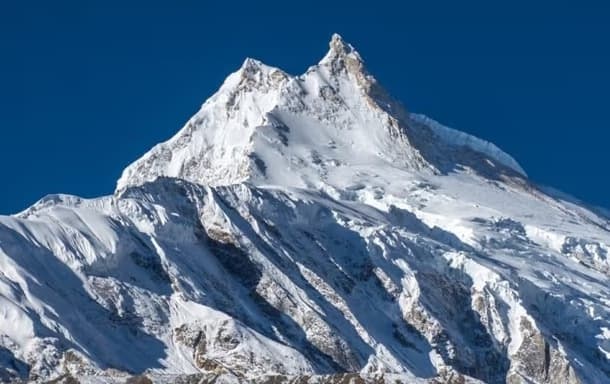
On clear mornings (most common 6:00–9:00 AM before cloud buildup), Kakani offers direct sightlines to 4 Himalayan ranges: Langtang Lirung (7,227m), Ganesh Himal (7,422m), Manaslu (8,163m), and Shisha Pangma (8,027m) on the Tibetan border. Visitors drawn to that Langtang massif can explore the full Langtang Valley trek, which passes directly through the same range visible from Kakani's terraced paddy fields.
What Natural and Cultural Attractions Can You Explore Around Kakani?
Around Kakani, 4 natural and cultural attractions enhance the Ropai experience: Kakani Bhanjyang viewpoint, Rani Ban Royal Forest, Kakani Agricultural Farm (government research station), and Tare Bhir cliff viewpoint. Each lies within a 3 km radius of the main village.
Kakani Agricultural Farm, operated by Nepal's Department of Agriculture, maintains demonstration plots of 47 paddy varieties including traditional Nepali heritage varieties like Marsi, Jumli Marsi, and Machhapuchhre 3, cultivated and studied for national agricultural preservation and yield research. Farm staff provide informal explanations of seed selection and nursery bed preparation to visiting groups.
Rani Ban Royal Forest covers 9 km² of broadleaf-pine mixed forest directly adjacent to Kakani village. The forest trail system offers 1.5–2 hour morning walks encountering rhododendron groves, Himalayan black bear territory markers, and 43 documented bird species including Kalij pheasant and Rufous-bellied woodpecker.
How Can Visitors Interact With Local Farming Communities?
Visitors interact with local farming communities through 4 structured channels: pre-assigned host family introductions, kitchen and food processing demonstrations, field-work participation, and post-meal cultural exchange sessions. Nepal Intrepid Treks pre-coordinates all 4 channels with host families at least 2 weeks before visitor arrival.
The most effective interaction approach involves learning 5 Nepali farming vocabulary words before arrival: ropni (transplanting), beiu (seedling), khet (paddy field), dhan (unhusked rice), and bhat (cooked rice). Using these words in context during the field activity generates authentic appreciation from farming families and opens conversational doors that remain closed to purely observational visitors.
What Should You Bring for a Ropai Festival Experience?
Visitors bring 3 categories of items for a Ropai Festival experience: appropriate clothing, personal comfort items for muddy field conditions, and monsoon travel essentials. Pack each category the evening before the Kakani day trip.
What Clothing and Footwear Are Best for Rice Planting Activities?
The best clothing for rice planting activities is dark-colored cotton or synthetic fabric that rolls above the knee, paired with rubber sandals (Crocs-style) or bare feet. Light colors absorb mud staining permanently. Synthetic fabrics dry 60% faster than cotton after field exposure.
Bring 2 complete sets of field clothing: one to wear into the field, one clean set for the post-planting farmhouse lunch. Leave expensive clothing at the hotel. Sarongs or lungis (wrap-around cloth) work better than shorts for modesty during field work in conservative village settings, women especially benefit from knee-length coverage that is culturally appropriate in Kakani farming communities.
How Can You Stay Comfortable During Muddy Field Activities?
Stay comfortable during muddy field activities by applying waterproof sunscreen 30 minutes before field entry, wearing rubber sandals into the mud rather than going completely barefoot on the first attempt, and packing a microfiber travel towel for post-field cleanup. Rubber sandals anchor better in loose clay than bare feet during the first 15 minutes, shift to barefoot once mud texture is familiar.
A dry bag or ziplock bag protects your phone and camera from splashes. Mud enters every crevice. The satisfying physical engagement of rice planting, bending, stepping backward, inserting, repeating, produces mild lower-back fatigue after 45–60 minutes. Stand straight and stretch every 20 minutes to manage this.
What Travel Essentials Should You Pack for the Monsoon Season?
Pack 6 travel essentials for Nepal's monsoon Ropai season: a compact umbrella (wind-resistant, not fashion-grade), waterproof daypack cover, insect repellent (DEET 30%+ for evening use), oral rehydration salts, blister plasters for post-field foot irritation, and a light fleece for Kakani's 2,070-meter evening temperature of 12–16°C.
Monsoon in Nepal can bring both sudden, intense afternoon downpours and multi-day stretches of continuous, soft rain (locally known as jhari). A compact umbrella handles the 20-minute afternoon showers common during the Kakani return drive. Insect repellent use is concentrated in the evenings; daytime field activity involves too much movement and water for mosquitoes to be active.
Who Can Join a Ropai Festival Tour in Nepal?
Ropai Festival tours in Nepal accept participants aged 5 to 72, including families with children, couples, solo travelers, and corporate groups. The physical requirements are minimal. While the physical requirements are moderate due to the mud, the activity is highly adaptable, and the cultural engagement is universal. The cultural engagement is universal.
Is the Experience Suitable for Families, Couples, and Solo Travelers?
The Ropai Festival experience is suitable for families, couples, and solo travelers because the activity scales naturally to group size and age range. Children aged 5–12 treat paddy planting as tactile play, their naturally short stature makes bending into mud effortless. Elderly participants aged 60+ plant from the field boundary using a seated stool approach that host farmers provide without being asked.
Couples find Ropai a genuinely shared novel experience, the combination of physical engagement, cultural immersion, and natural beauty creates conditions for meaningful shared memory formation. Solo travelers integrate into the farming family's existing work group, receiving direct mentorship from farmers who take personal pride in teaching planting technique correctly.
Do You Need Previous Farming Experience to Participate?
No previous farming experience is needed to participate in Ropai. Local farmers teach the planting technique through demonstration and gentle correction over the first 5–10 minutes. The hand motion, pinch, insert, release, becomes automatic within 20 minutes for most participants. Famers universally expect visitors to produce crooked rows initially and frame this with humor, not frustration.
The only meaningful prerequisite is physical comfort with standing in ankle-deep mud for 90–120 minutes. This is a sensory experience unlike any other, cool, soft, faintly mineral-scented mud gripping each step, that participants consistently identify as the most memorable physical sensation of their Nepal trip.
How Physically Demanding Is the Rice Planting Experience?
Rice planting rates as moderate physical demand on a 5-point scale, requiring a 3 out of 5 effort level comparable to 90 minutes of brisk walking with intermittent bending. The primary physical demands are lower back engagement from repeated forward bending, leg stability in unstable mud surface, and sun exposure during morning field activity.
Participants with chronic lower back conditions plant from a seated position at the field boundary, this remains authentic engagement. Participants with mobility limitations observe, photograph, assist with seedling bundle delivery to the field, and participate fully in the meal and cultural sessions.
What Cultural Etiquette Should Visitors Follow During Ropai Festival?
Visitors follow 5 cultural etiquette practices during Ropai Festival: remove footwear before entering farmhouses, accept food and drinks with both hands, ask permission before photographing faces, participate physically rather than only observing, and address the family elder directly before engaging with other family members.
How Can You Respect Local Customs and Traditions?
Respect local Ropai customs through 3 key practices: participate in the pre-planting puja attentively without treating it as a photo opportunity, accept the mid-field food offering graciously even if you eat only a small amount, and leave the field cleaner than you found it by collecting any personal items that fall into the mud.
Photography during puja is welcomed when done quietly from a respectful distance, not from directly beside the ritual space. The puja priest (usually the eldest farming man) performs the ritual in 8–12 minutes; conversation and camera clicks during this period disrupt the ceremonial atmosphere.
What Are the Best Ways to Interact With Farmers and Villagers?
The 3 best interaction methods with Ropai farmers and villagers are learning their names and using them correctly, contributing genuine physical effort to planting rather than standing aside, and expressing curiosity about farming decisions, why this field was chosen for today, why this variety was planted here, what the harvest timeline looks like.
Farmers respond most positively to visitors who ask agricultural questions rather than cultural questions. "How deep do the roots go?" earns a longer, more engaged answer than "Is this your tradition?" Farming is technical knowledge farmers hold with pride, treating it as such transforms the interaction from tourist-local to peer learning.
How Can Responsible Tourism Benefit Local Communities?
Responsible Ropai tourism delivers 3 direct community benefits: direct income to host farming families (NPR 3,000–5,000 per visiting group, approximately USD 22–37), reduced youth out-migration pressure when farming becomes economically viable alongside tourism, and preservation of traditional seed varieties and farming practices that urbanization otherwise erodes.
Nepal Intrepid Treks directs 100% of host family participation fees directly to the farming household, not through village intermediaries. We document traditional rice variety names and farming practices with host family consent, contributing to the Nepal Agricultural Research Council's heritage seed documentation program.
How Much Does a Ropai Festival Tour in Nepal Cost?
A 4-day Ropai Festival tour in Nepal costs USD 285–420 per person, based on double occupancy in 3-star Kathmandu accommodation, private vehicle transport, English-speaking guide, all ground transfers, and the full Kakani paddy planting program with host family lunch.
What Services Are Typically Included in the Package?
A standard Ropai Festival package includes 8 services: airport pickup and drop-off, 3 nights' accommodation in Kathmandu (breakfast included), all ground transportation in private vehicle, English-Nepali bilingual guide for all 3 activity days, Kathmandu Valley sightseeing program (all 4 UNESCO sites), Kakani Ropai program with host family coordination, traditional farmhouse lunch on Day 03, and all government taxes and service charges.
Nepal Intrepid Treks packages are priced in USD with NPR equivalents available at current exchange rate. The standard rate for 2026 is USD 320 per person (double occupancy). Single supplement adds USD 65. Group discounts of 10% apply for parties of 6 or more.
What Additional Expenses Should Travelers Consider?
Travelers budget 4 additional expense categories beyond the package: international flights to Kathmandu (USD 400–900 from major Asian hubs, USD 800–1,600 from Europe or North America), Nepal visa fee (USD 30 for 15-day tourist visa, USD 50 for 30 days), personal shopping and souvenirs in Thamel (USD 30–100 depending on preferences), and guide and driver tips (standard recommendation: USD 5–10 per day per staff member).
Nepal visa applications process on arrival at TIA for passport holders of 100+ countries. The visa-on-arrival desk accepts USD, EUR, GBP, and major Asian currencies. Credit card payment is available but charges a 3% processing fee, USD cash is faster and cheaper.
How Can You Get the Best Value From Your Experience?
Get the best value from your Ropai Festival experience by booking 4–6 weeks in advance to secure June 29 host family availability, travelling in a group of 4–6 to activate group pricing, and extending your Nepal trip by 3–4 additional days for a Pokhara or Chitwan add-on that uses existing ground transport.
June 29 host family slots fill 3–4 weeks before the main festival date. Families hosting Ropai groups limit participation to 6–8 visitors per session to maintain authenticity and field capacity. Booking early is the single most effective action for securing the best date, the best location, and the most engaged host family.
How Can You Plan Your Ropai Festival Experience With Nepal Intrepid Treks?
Plan your Ropai Festival experience with Nepal Intrepid Treks through 3 steps: submit an inquiry via our website with your travel dates and group size, receive a customized itinerary with available host family options within 24 hours, and confirm with a 20% deposit that secures your June 29 or preferred date booking.
Can Nepal Intrepid Treks Help You Join an Authentic Ropai Festival Program?
Yes, Nepal Intrepid Treks organizes authentic Ropai Festival programs with farming families in Kakani, coordinating every detail from host family matching and transport to guide assignment and post-planting cultural sessions. Our team has facilitated Ropai experiences for 240+ international visitors since 2018, across 6 host farming communities in Kakani and Nuwakot district.
What separates Nepal Intrepid Treks from generic Kathmandu tour operators offering "Ropai day trips" is 3-year minimum relationships with each host farming family, agricultural context briefings from our team before each visit, and post-trip connection to the host family for those who wish to follow the harvest through October. You plant the rice. We tell you when it's harvested. Several past participants have returned in October specifically to witness the harvest of seedlings they transplanted in June.
What Are the Key Takeaways About Celebrating Ropai Festival 2026 in Nepal?
Ropai Festival 2026 offers 5 irreplaceable experiences: direct participation in Nepal's 3,000-year rice cultivation tradition, hands-on paddy transplanting with active farming families, Himalayan mountain panorama from Kakani's terraced fields, traditional Asare Geet folk music in the field, and a farmhouse lunch that connects every ingredient to the agricultural cycle around you.
The main festival day is June 29, 2026, with the full participation window open from June 25 to July 15. Visitors planning a longer cultural journey through Nepal can pair Ropai with the Dashain festival in October - Nepal's biggest national celebration, which reunites families across the country in an equally immersive expression of Nepali tradition. The 4-day itinerary from Nepal Intrepid Treks - Arrival, Kathmandu sightseeing, Kakani Ropai, Farewell, delivers maximum cultural immersion within a compact, accessible schedule.
Ropai is one of the few agricultural festivals in the world where foreign visitors contribute genuine productive labour to a family's actual harvest, not a demonstration field. The rice you plant in June feeds the family in October. That is the weight behind every barefoot step into the paddy mud, and the reason Ropai stays with every visitor long after Nepal disappears behind the airplane window.
Contact Nepal Intrepid Treks today to secure your Ropai Festival 2026 program, host family availability for June 29 is limited to 3 active groups. Early booking guarantees your preferred date, your matched farming family, and the full Aasadh 15 national celebration experience.