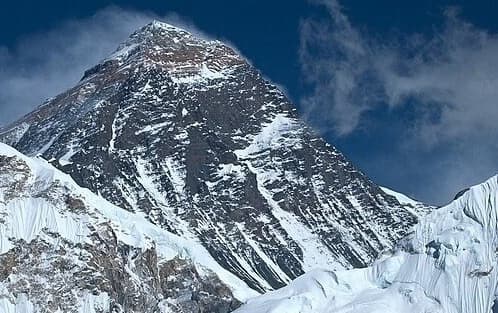
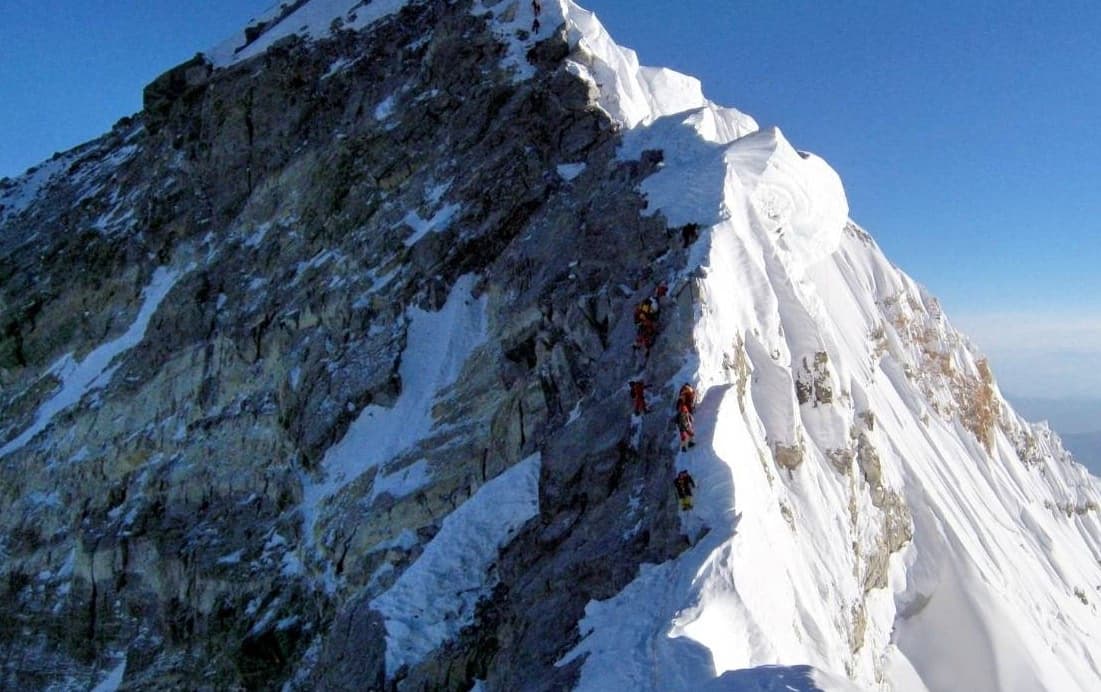
Planning a trip to Nepal starts with understanding the factors that shape your overall travel budget. The cost of visiting Nepal varies according to your travel style, itinerary, trekking destination, accommodation standard, transportation choices, travel season, and whether you explore independently or with a licensed guide. While Nepal remains one of the world's most affordable adventure destinations, expenses can differ significantly between cities like Kathmandu and Pokhara, popular Himalayan trekking regions such as Everest Base Camp and Annapurna Base Camp, and remote restricted areas that require additional permits and logistics. Understanding these variables makes it easier to build a realistic budget without compromising your travel experience.
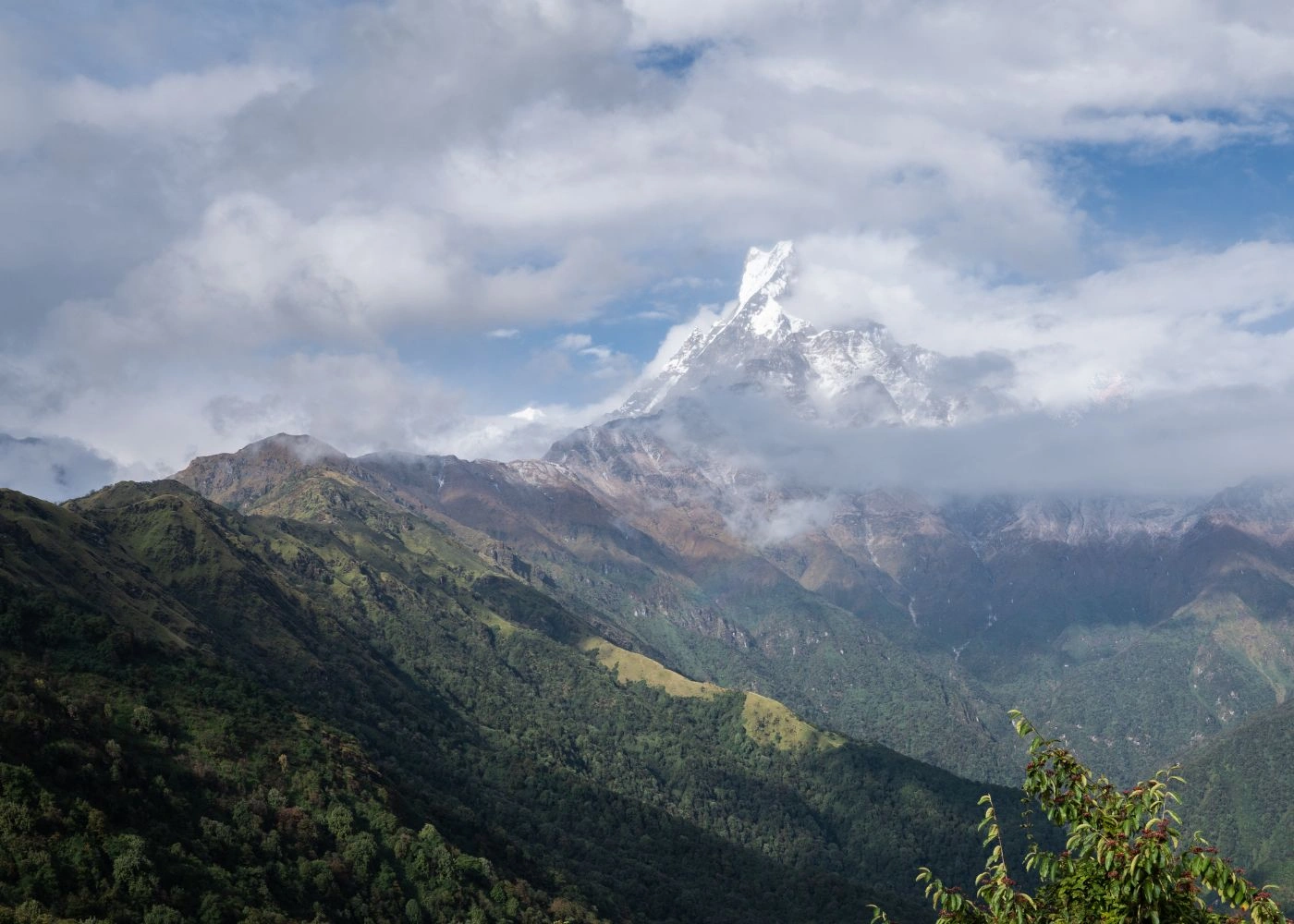
This guide provides a complete breakdown of Nepal trip costs, covering daily travel budgets, international and domestic flights, hotels, hostels, teahouses, food, local transportation, trekking packages, tourist visas, TIMS cards, national park permits, and sightseeing fees. It also compares costs across different trip lengths, travel seasons, and destinations, explains how altitude influences daily spending, and shares practical ways to reduce expenses while trekking or touring Nepal. Whether you're planning a budget backpacking trip, a mid-range Himalayan adventure, or a luxury holiday, this guide will help you estimate the total cost of your Nepal journey with confidence.
What Does a Nepal Trip Cost per Day by Travel Style?
Nepal's daily per-person cost ranges from $25 for a careful backpacker to $400+ for a fully-guided luxury trekker. The most significant cost multiplier is trekking altitude, not the city you base yourself in. Spending nights above 3,500 meters adds $20–40 per day over standard city rates across every travel style.
The table below shows per-day estimates excluding international flights and one-time permit fees.
Travel Style | City (Kathmandu / Pokhara) | On Trek (High Altitude) |
Backpacker | $25–35 | $40–60 |
Mid-range | $60–100 | $80–140 |
Luxury | $200–350 | $300–500+ |
How much should backpackers budget per day in Nepal?
Backpackers in Nepal manage $25–35 per day in cities and $40–60 per day on trekking routes. This budget covers dorm beds or basic guesthouses ($5–12/night), dal bhat at local restaurants ($3–5 per meal), and public transport for city movement ($0.50–2 per ride).
On trail, teahouse accommodation charges $5–15 per room, but most teahouse operators require guests to eat their meals. Budget $20–35/day for on-trail food, not because the food is expensive, but because there's nowhere else to eat above a certain altitude. Carry chocolate, nuts, and dried fruit from Kathmandu to avoid paying $4–5 for a single snack at high altitude shops.
What most backpacker guides miss: the cheapest accommodation in Kathmandu is not in Thamel. The Boudhanath and Lazimpat neighborhoods offer guesthouses at the same price point with far less tourist noise and better food value within a short walk.
How much should mid-range travelers budget per day?
Mid-range travelers spend $60–100 per day in Nepal's cities and $80–140 per day on trekking routes. This covers private en-suite rooms at 3-star guesthouses ($30–60/night), sit-down restaurant meals ($10–20 per meal), and tourist buses or private jeeps for inter-city travel ($10–25 per journey).
On trail, mid-range means attached bathrooms in upgraded teahouses, paid hot showers (NPR 200–400 per session), and the comfort of a licensed guide ($26–38/day) handling route decisions and teahouse negotiations. That guide cost is not a luxury, it's the category line between mid-range and budget trekking in Nepal's mountain context.
How much should luxury travelers budget per day?
Luxury travelers in Nepal spend $200–350 per day in cities and $300–500+ per day on premium trekking routes. This covers 4–5 star hotel rooms ($100–350/night at properties like Dwarika's or Hyatt Regency Kathmandu), private driver hires ($60–120/day), restaurant dining ($40–80/meal), and mountain flight experiences ($120–180/person).
On trek, luxury means staying at lodge chains like Yeti Mountain Home or Khumbu Luxury Camps, employing a full guide and porter team ($80–120/day combined), and accessing helicopter transfers into or out of remote zones ($500–1,200 per segment). The most consistently overlooked luxury cost is helicopter rescue insurance. Every trekker above 3,500 meters needs a policy, evacuation without coverage runs $4,000–8,000 per rescue.
What Are the Main Costs of a Nepal Trip?
The 5 main costs of a Nepal trip are international flights, accommodation, food, local transportation, and guided trekking services. Permits form a separate category that catches first-timers off guard but adds a predictable $50–200 to most itineraries.
How much do flights to Nepal usually cost?
Flights to Kathmandu (KTM) cost $600–1,200 round trip from Europe, $900–1,800 from the USA, $100–300 from India, and $200–600 from Southeast Asia.
Nepal has no direct long-haul service from North America. All transatlantic routes connect through Middle East hubs (Doha, Dubai, Abu Dhabi) or South Asian hubs (Delhi, Bangkok). Qatar Airways and Emirates carry the majority of European and American traffic into Kathmandu. Booking 3–4 months ahead and targeting shoulder season departure dates (late February, June, or early September) consistently reaches the lower end of each range.
Tribhuvan International Airport operates at capacity limits. Weather delays, especially during monsoon and winter, are common. Build an extra buffer day at both ends of your trip. Rebooking fees inside Nepal are rarely refundable.
How much do hotels and hostels in Nepal cost?
.webp)
Accommodation in Nepal costs $5–12/night for dorms, $15–50 for budget private rooms, $50–150 for mid-range hotels, and $150–400+ for luxury properties.
Kathmandu's Thamel neighborhood carries a 15–25% premium over equivalent rooms in Boudhanath, Patan, or Bhaktapur. Pokhara's Lakeside area matches Kathmandu mid-range pricing at $30–60/night for a standard private room. On trekking routes, teahouses charge $3–10 per room as a nominal fee, with profit derived almost entirely from meals. Occupying a room and refusing to eat teahouse food creates friction on long routes. Factor food into your accommodation calculation on any trek above 3,000 meters.
How much should you budget for food and drinks?
Food in Nepal costs $3–6 per meal at local restaurants and $8–20 at tourist sit-down spots. The single best financial decision a trekker makes is committing to dal bhat, lentil soup, rice, and vegetable plate, as the primary trail meal. A dal bhat at a teahouse costs NPR 500–900 ($3.75–6.75) and comes with unlimited rice and vegetable refills, delivering 700–900 calories per serve.
Altitude drives food costs sharply upward. Black tea costs NPR 60–80 in Kathmandu, NPR 150–200 at Namche Bazaar (3,440m), and NPR 280–350 above Dingboche (4,410m). A conservative eating day above 4,500 meters runs $30–50 per person. Bottled water adds another $8–15 daily at altitude, where a 1.5-liter bottle sells for NPR 250–400. A Sawyer Squeeze filter or Steripen ($25–40 one-time cost) eliminates this entirely and pays for itself within 3 trail days.
How much does local transportation in Nepal cost?
Local transport costs $0.50–2 for city buses and tuk-tuks, $8–15 for tourist buses between Kathmandu and Pokhara, $25–50 for jeep day hire, and $180–250 one-way for domestic flights to trekking gateways like Lukla or Jomsom.
The Kathmandu–Pokhara tourist bus takes 6–7 hours and costs $8–12. The public bus for the same route costs $5–8 and takes 7–9 hours. A private car runs $80–100. The domestic flight takes 25 minutes and costs $80–120.
Lukla (IATA: LUA) is the most expensive per-kilometer transport link in Nepal and the most weather-sensitive. The airport operates under visual flight rules only. Cancellations occur on 20–30% of December–February days, part of a wider pattern of flight delays and cancellations across Nepal's mountain airports. Book Lukla flights for early in your trip window, not at the tail end, so weather delays don't compress your acclimatization schedule.
How much do tours and activities in Nepal cost?
Tours and activities in Nepal cost $30–80 for guided Kathmandu city tours, $90–150 for paragliding in Pokhara, $120–180 for mountain flights with Everest views, and $1,200–5,000 for guided multi-day trekking packages.
Specific package benchmarks in 2026: a fully-supported Annapurna Base Camp 12-day package runs $1,200–2,000 per person. An Everest Base Camp 16-day package with guide and porter runs $2,500–5,000. A Gokyo Lakes trek package runs $2,000–3,500. The cost variable that most trekkers underestimate is porter count. Most packages include one porter per two trekkers. Adding an individual porter ($9–14/day) reduces pack weight from 15 kg to 5 kg, which materially changes daily hiking performance above 4,000 meters.
How Does Trip Length Change Your Nepal Budget?
Longer Nepal trips increase total cost without reducing the daily rate much. Fixed costs like permits, domestic flights, and guide minimums spread across more days, but trail food, teahouse accommodation, and guide salaries remain constant throughout. A 14-day trek costs roughly twice a 7-day trek, not 1.5 times.
How much does a 7-day Nepal trip cost?
A 7-day Nepal trip costs $800–2,500 total excluding international flights. Backpackers spending 3 days in Kathmandu and 4 days on a short trek (Poon Hill, Nagarkot, Shivapuri) spend $800–1,000. Mid-range travelers with hotel upgrades and guided services spend $1,200–1,800. Luxury itineraries combining Kathmandu sightseeing with a helicopter excursion to the Everest region cost $2,000–4,000.
Seven days is enough for Kathmandu, Pokhara, and a light trek. It is not enough for Everest Base Camp (16 days minimum recommended) or the full Annapurna Circuit (14–21 days). This is the most common trip-length misread for first-time Nepal visitors, and it produces the most common trekking regrets.
How much does a 10-day or 14-day Nepal trip cost?
A 10-day Nepal trip costs $1,200–4,000 and a 14-day trip costs $1,800–6,000, excluding international flights. These durations unlock the most popular full trekking routes: Annapurna Base Camp (10–12 days from Pokhara), Langtang Valley (7–10 days from Kathmandu), and the Gokyo Lakes trail in the Everest region (12–14 days).
Budget trekkers doing the Annapurna Base Camp route over 11 days spend $600–800 on-trail (excluding Pokhara hotel and permits). Mid-range trekkers with a guide and upgraded teahouses spend $1,200–1,800 over the same route. The permit total for a 14-day Annapurna itinerary, TIMS card plus ACAP permit, adds $30–40 per person on top.
How much does a one-month Nepal trip cost?
A one-month Nepal trip costs $2,000–6,000 excluding international flights. This range covers the full Annapurna Circuit (15–20 days), a Kathmandu valley cultural stay, a Chitwan National Park wildlife safari ($80–200 for 2 nights), and extended time in Pokhara or Lumbini.
Long-stay trekkers access monthly guesthouse rates in Kathmandu and Pokhara: $200–400/month for a private room with attached bath, which is significantly cheaper than nightly rates across four weeks. Local market shopping for simple meals brings grocery costs to $20–40 per week. One spontaneous upgrade, a helicopter tour ($450–700) or a Chitwan river safari add-on, adds $200–500 to an otherwise tight budget. Always carry a 15% cash buffer on top of your planned monthly total.
What Entry Fees and Permits Should You Budget For?
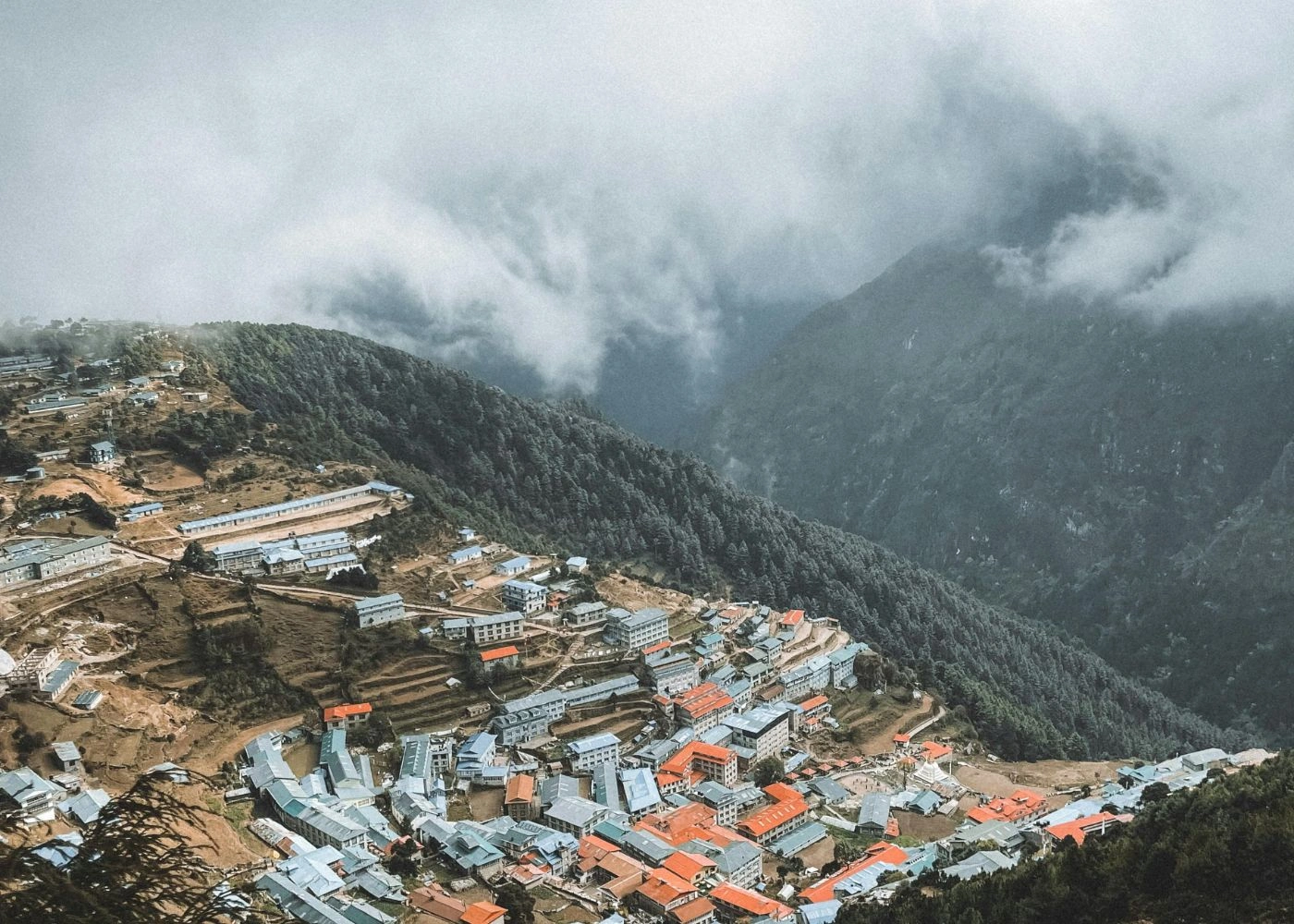
Nepal permit costs add $50–200 to most trekking budgets. The 3 required permit types for most routes are tourist visa, TIMS card, and national park or conservation area permit. Restricted area treks add a fourth permit costing $500–1,000 more.
How much does a Nepal tourist visa cost?
The Nepal tourist visa costs $30 USD for 15 days, $50 USD for 30 days, and $125 USD for 90 days, per current fee guidance from Nepal's Department of Immigration (Nepal Department of Immigration, TIA Visa Fee Notice). Most trekkers buy a 30-day visa on arrival at Tribhuvan International Airport. The process takes 20–45 minutes depending on queue length.
Visa fees are payable in USD, EUR, GBP, or equivalent major currencies. Payment is cash only at the visa counter. Bring $50 USD for the most common visa type, ATMs at the airport dispense NPR but at less favorable exchange rates than city banks.
Nepal does not issue multi-entry tourist visas. Travelers crossing into Tibet or India mid-trip need a fresh Nepal visa on return, adding $50–125 depending on remaining duration.
Which trekking permits and TIMS fees might apply?
Most trekking routes in Nepal require a TIMS card plus at least one national park or conservation area permit. Current TIMS fees for 2025–2026: individual trekkers pay NPR 2,000 (~$15 USD) for a Green TIMS card and group trekkers pay NPR 1,000 (~$7.50 USD) for a Blue TIMS card, per TAAN's official fee schedule (TAAN Official TIMS Overview).
This fee difference is the most common permit mistake independent trekkers make. Booking through a licensed agency cuts your TIMS cost in half. TIMS applies to most popular routes including the Annapurna region, Langtang, Manaslu, and Mustang. The Khumbu (Everest) region uses its own Sagarmatha National Park checkpoint rather than a standalone TIMS system.
What park and heritage site fees should you expect?
National park entry fees run NPR 3,000 (~$22.50 USD) per person for most protected trekking areas. Heritage site entry fees in Kathmandu Valley run NPR 400–1,800 per site. The Annapurna Conservation Area Permit (ACAP) costs NPR 3,000 for foreign nationals, per the National Trust for Nature Conservation's official e-permit portal, with a 2.9% surcharge added for online card payment (NTNC Official e-Permit Portal).
Key 2025–2026 permit fees by destination:
Sagarmatha National Park (Everest region): NPR 3,000 per person
Annapurna Conservation Area Permit (ACAP): NPR 3,000 per person
Langtang National Park: NPR 3,000 per person
Manaslu Conservation Area: NPR 3,000 per person
Bhaktapur Durbar Square: NPR 1,800 per visitor
Kathmandu Durbar Square: NPR 1,000 per visitor
Patan Durbar Square: NPR 1,000 per visitor
Boudhanath Stupa: NPR 400 per visitor
Restricted area permits (Upper Mustang, Dolpo, Nar Phu, Kanchenjunga) now cost $50 USD per person per day, following a December 2025 Department of Immigration policy change reported by the Kathmandu Post that abolished the old flat $500-for-10-days fee (The Kathmandu Post — Nepal scraps $500 Upper Mustang trekking fee).
Which Places in Nepal Cost More Than Others?
The 4 most significant location-based cost variables in Nepal are city base choice (Kathmandu vs. Pokhara), trekking region (lower altitude vs. Everest corridor), starting point (road-accessible vs. fly-in gateways), and permit zone (open vs. restricted). Route selection affects your total budget more than daily spending habits.
Is Kathmandu or Pokhara cheaper for travelers?
Kathmandu runs 10–15% cheaper than Pokhara for backpackers. Mid-range and luxury accommodation costs match between the two cities ($50–150/night range). The gap shows in food: dal bhat in Pokhara's Lakeside area costs NPR 400–600, while the same meal in Kathmandu's Boudhanath or a local neighborhood runs NPR 250–350.
For trekkers, the city choice follows the trek destination. Pokhara is the direct gateway to the Annapurna region, no extra transport cost or day required. Kathmandu is the mandatory base for Everest, Langtang, Manaslu, and Kanchenjunga treks. Budget travelers aiming for Annapurna routes gain nothing by routing through Kathmandu first.
How much more do Everest and Annapurna trips cost?
The Everest Base Camp trek costs 40–70% more than the Annapurna Base Camp trek on like-for-like itineraries. The 3 reasons: Lukla domestic flights add $360–500 in round-trip airfare that Annapurna trekkers don't pay, teahouse prices above Namche Bazaar run 30–50% higher than Annapurna equivalent altitudes, and EBC requires at minimum 16 days compared to ABC's 10.
A budget EBC trek from Kathmandu (Lukla flights, food, accommodation, TIMS, park permit, no guide) runs $800–1,100 on-trail. A budget ABC trek from Pokhara (same inclusions) runs $450–650. With a guide and porter, EBC totals $1,500–2,200, and ABC totals $900–1,400 across their respective durations. For a full side-by-side breakdown of difficulty, scenery, and logistics beyond cost, see our Everest vs Annapurna trek comparison.
Are remote regions in Nepal more expensive to visit?
Remote Nepal regions cost 3–6 times more than popular open trekking routes. Upper Mustang, Dolpo, Nar Phu, and inner Dolpa carry this premium for 4 compounding reasons: restricted area permits cost $500–1,000 for 10 days, helicopter access or rough jeep tracks add $300–800 per person in transport, fewer teahouses mean more porter-carried supplies, and mandatory licensed agency booking adds 15–25% to base costs.
A 10-day Upper Mustang trek with a licensed agency, guide, restricted area permit, and teahouse accommodation costs $2,500–4,500 per person. The equivalent Annapurna Circuit stretch costs $700–1,500. Remote regions deliver what popular routes can no longer offer: no trail crowds, unchanged village culture, and high-altitude landscapes few visitors reach. For trekkers who've already done EBC or ABC, the price premium for Upper Mustang or Kanchenjunga is justified by the experience difference.
When Is Nepal Cheapest or Most Expensive to Visit?
Nepal's peak pricing period runs October through November and March through April, aligning with the two primary trekking seasons. The cheapest months are June through August (monsoon) and December through January (winter cold).
Which seasons raise flight and hotel prices in Nepal?
October and November raise international flight costs and accommodation rates by 20–40% above annual averages. Popular teahouses on the EBC and Annapurna routes book out 2–3 weeks in advance during October. Kathmandu mid-range hotel rates jump from $40–60/night to $70–100/night. The demand is rational, October and November deliver the clearest mountain views, driest trail conditions, and most stable weather of any period.
March through April carries similar price premiums, particularly for flights from Europe. Late March and April bring the rhododendron bloom across the Annapurna range, the forests between Ulleri and Ghorepani run deep red and pink, and it's genuinely one of the finest trail conditions in the Himalayas. Peak prices are predictable. Book flights 4–5 months ahead and teahouses on popular routes at least 3 weeks before arrival during these windows.
When can you find the best value for your budget?
February and September offer the best budget-to-experience balance for Nepal trekkers. February trail traffic drops 60–70% below October levels. Hotel rates in Kathmandu and Pokhara fall 20–30%. Temperatures at altitude reach -10°C to -20°C overnight above 4,000 meters, so proper cold-weather gear is non-negotiable. September marks the monsoon's end: trails are green, waterfalls run full, skies clear after weeks of cloud, and prices remain near their monsoon lows.
.webp)
June through August is Nepal's cheapest period for everything except comfort. Leeches on lower trails below 2,500 meters, muddy paths, and persistent afternoon rain make trekking miserable without specialist gear. Upper Mustang sits in the Annapurna rain shadow and stays dry through monsoon, it's the one major exception and is worth considering for budget travelers open to restricted-zone costs.
December and January bring budget hotel rates across Kathmandu and Pokhara. Many teahouses above Namche and Manang close from December through February, which reduces accommodation options above 3,500 meters and limits viable routes to those with confirmed open lodges.
How Can You Visit Nepal on a Smaller Budget?
Visiting Nepal on a smaller budget requires cutting 3 specific cost categories: altitude-inflated trail spending, international flights booked at peak season, and tourist-zone food and drink markups in Kathmandu and Pokhara. Most other costs in Nepal are either small or difficult to reduce without compromising safety.
Which costs are easiest to cut in Nepal?
The 4 easiest Nepal costs to cut are restaurant location, water purchases, city taxis, and souvenir shopping.
Moving 2 streets from Thamel or Lakeside cuts meal prices by 40–60%. A dal bhat 200 meters outside the main tourist strip costs NPR 250–300 versus NPR 450–600 inside it. Choosing dal bhat over Western dishes at teahouses saves $4–8 per meal on trail, and dal bhat is objectively the better high-altitude fuel anyway.
Bottled water at altitude runs NPR 250–400 per 1.5-liter bottle. Four to six liters daily at 4,000+ meters means $8–15 per day on water alone. A $30 water filter eliminates this within 3 days on trail. Taxis in Kathmandu without negotiated rates charge tourists 50–100% above fair price. Pathao and InDrive (Nepali ride-hailing apps) show fixed prices before you book. Thamel souvenir prices are open 3–5 times above realistic value. The same pashminas, thankas, and trekking gear are available in Boudhanath and Ason Market for 40–60% less. These four fixes only scratch the surface. Our full guide to cheap travel in Nepal covers transport, food, and seasonal booking tactics in more depth.
Is independent travel cheaper than a guided trip?
Independent trekking saves $30–50 per day versus a fully-guided trek on open routes. A licensed guide costs NPR 3,500–5,000/day ($26–38 USD) and a porter costs NPR 1,200–1,800/day ($9–14 USD).
The math gets complicated for first-timers. A competent guide handles teahouse negotiations, trail navigation in poor visibility, acclimatization pace management, and emergency coordination. Helicopter rescue without good local support runs $4,000–8,000 per evacuation. One avoidable evacuation cancels years of daily savings.
Experienced trekkers returning to a route they've already done independently, say, Poon Hill after having completed Annapurna Base Camp, save $30–50/day with minimal added risk. First-timers on the Everest corridor or any route above 4,500 meters are far better served by a registered guide than by the daily savings.
How much emergency cash should you carry in Nepal?
Carry a minimum of $300–500 USD in cash as an emergency reserve for any Nepal trekking trip. ATMs serve Kathmandu, Pokhara, Namche Bazaar, and Jomsom. Above these nodes, no ATMs exist. Teahouses at altitude do not accept cards.
Daily cash needs on trail run $30–80 per day. A 10-day trek with no ATM access requires $300–800 in cash from the last reliable withdrawal point before the trailhead. Withdraw from Kathmandu or Pokhara before departure, don't plan on Namche or Jomsom ATMs, which have supply gaps during peak trekking season.
Carry both currencies from Kathmandu. NPR for all trail and city purchases. USD for visa fees and restricted area permits, which are quoted in foreign currency at government offices.
How Should You Plan Nepal Costs With a Travel Expert?
Planning Nepal costs with a local travel expert gives you access to permit sequencing knowledge, teahouse advance booking in peak season, and accurate itinerary timelines that online calculators consistently underestimate. Most first-time Nepal trekkers underestimate total trip complexity by 30–40% when planning independently.
Can a local tour or trek operator lower Nepal trip costs?
A licensed local trek operator reduces total Nepal trip costs in 3 specific ways.
First, permits booked through a TAAN-registered agency qualify for the group TIMS rate at NPR 1,000 versus the individual rate of NPR 2,000, a $7.50 saving per person per permit.
Second, operators with established teahouse relationships secure advance accommodation during October and November when lodges along the EBC and Annapurna routes fill 2–3 weeks out. Trekkers arriving without bookings during peak season sleep in dining rooms or wait for no-show cancellations.
Third, licensed operators source guides and porters through TAAN channels at regulated daily rates. Informal arrangements with unlicensed guides carry both safety risks and price variability. Booking with a Kathmandu- or Pokhara-based operator also bypasses the 20–35% margin that international booking platforms add on top of local package rates. Comparing a shortlist of local trekking companies in Nepal before you book confirms these savings are real and consistent across routes.
What Are the Key Takeaways About Nepal Trip Costs?
A Nepal trip costs $25–400+ per person per day, with most 14-day trekking itineraries falling between $1,500 and $4,000 including international flights. The 5 biggest cost drivers are flight origin, trek altitude, trip duration, guided versus independent trekking, and travel season.
Permits add $50–200 for open trekking routes and $500–1,000+ for restricted areas. Peak season (October–November and March–April) raises flights and accommodation by 20–40%. February and September deliver the strongest budget-to-experience ratio. June–August is cheapest but monsoon conditions make most routes below 3,000 meters uncomfortable.
Budget trekkers eating dal bhat, using water filters, booking through registered agencies, and using ride-hailing apps in Kathmandu can complete Annapurna Base Camp or Langtang for $600–900 on-trail. Luxury trekkers prioritizing lodge quality, private guiding, and helicopter access spend $3,000–6,000 for the same route.
The most important Nepal budgeting principle: altitude changes prices more than geography. Every 1,000 meters of elevation adds roughly $10–20 per day to your spending across food, accommodation, and supplies, regardless of whether you call yourself a budget or mid-range traveler. Plan your altitude days accordingly, and your Nepal trip budget will hold.