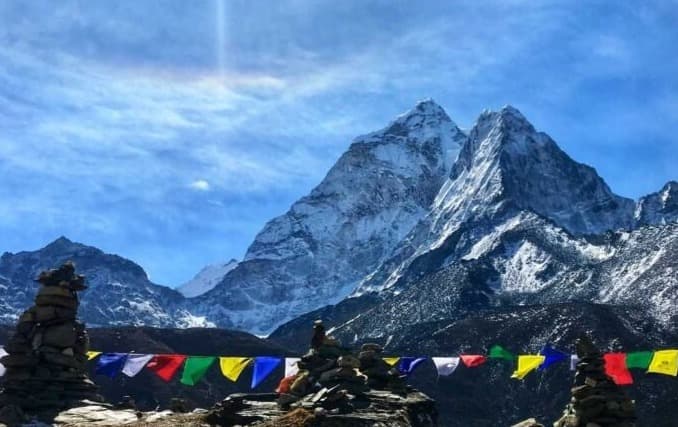
Mardi Himal Trek is a short high-altitude base camp trek in Nepal’s Annapurna Conservation Area near Pokhara, and foreign trekkers cannot legally complete it without a licensed guide in 2026. Nepal’s mandatory guide policy, enforced since April 1, 2023, applies to all non-Nepali trekkers on the Mardi Himal route and requires guide assignment through a government-registered trekking agency. ACAP permit control, TIMS-linked trekker registration, and checkpoint verification now make Mardi Himal a legally guided trek rather than an independent unguided route.
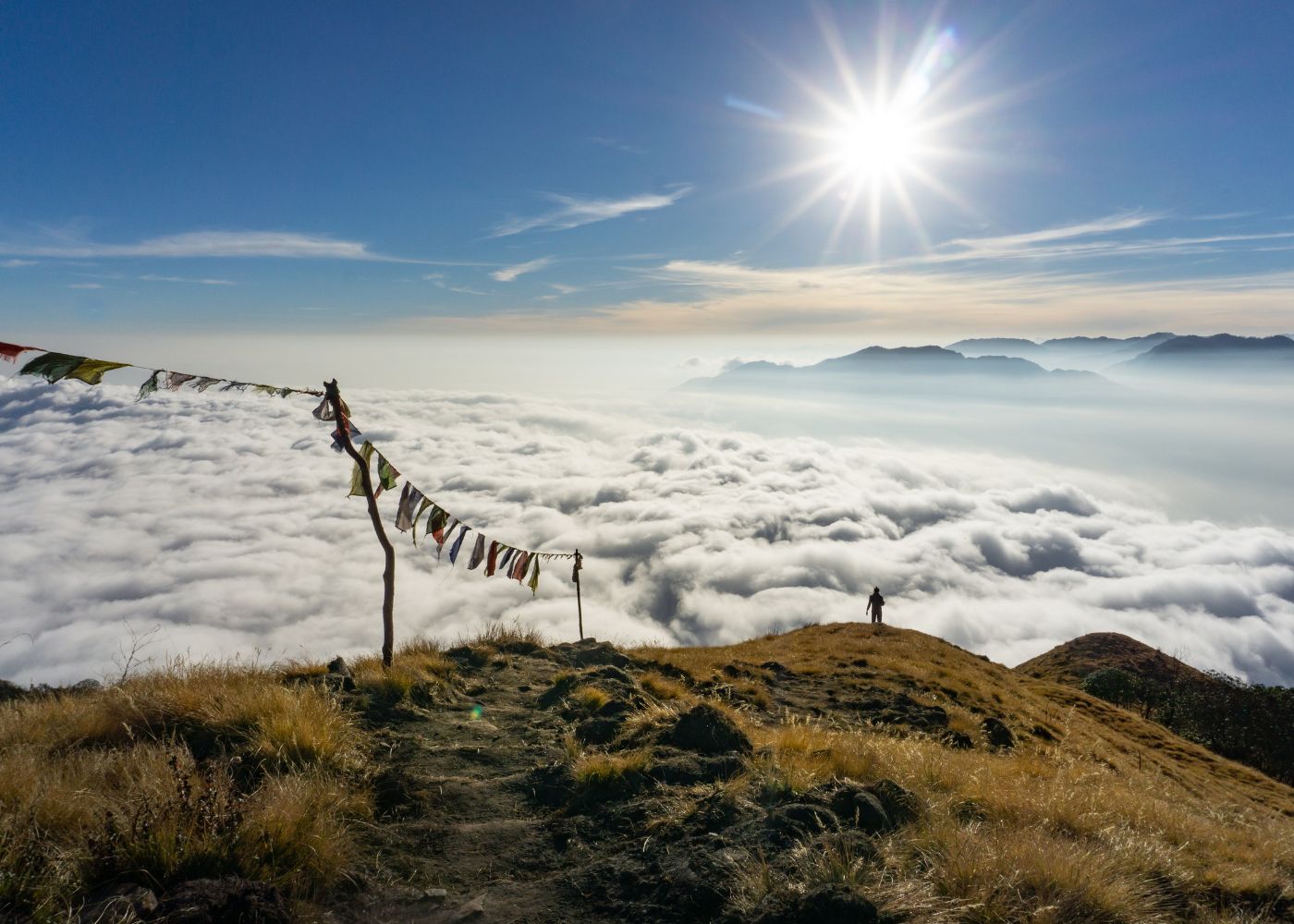
Confusion persists because older pre-2023 blogs still describe Mardi Himal as a solo-friendly trek, while the March 2026 update on restricted area permits was widely misunderstood as a nationwide return of independent trekking. Mardi Himal was not included in that change because the route operates under Annapurna Conservation Area rules, not restricted area permit rules. This guide explains the current 2026 regulations, required permits, guide costs, trek difficulty, altitude risks, best trekking months, and how to book a legal solo-style Mardi Himal experience through a registered agency in Pokhara.
What Do Nepal's 2026 Rules Say About Mardi Himal?
Nepal's 2026 trekking rules require every foreign trekker on the Mardi Himal route to hire a licensed guide registered with a Nepal Tourism Board-approved trekking agency. The mandate applies to solo travelers, couples, and groups equally. Freelance guides are no longer accepted. Only guides formally affiliated with registered companies meet the legal standard.
The Nepal Tourism Board (NTB) is the government authority responsible for issuing trekking licenses and setting trail regulations. The Trekking Agencies' Association of Nepal (TAAN) is the industry body that enforces agency registration standards. Together, these 2 entities created the mandatory guide framework announced in March 2023 and fully activated from April 1, 2023.
The 2026 enforcement cycle added stricter checkpoint monitoring. Digital scanners at key entry points, including Birethanti and Ghandruk, now verify guide credentials alongside trekker permits. Paper-only documentation no longer satisfies checkpoint requirements on actively monitored sections of the Annapurna network.
Is Mardi Himal on the Routes That Require a Licensed Guide?
Yes. Mardi Himal is explicitly listed among the routes requiring a licensed guide under the Mandatory Guide Policy Nepal 2026, alongside the Annapurna Circuit, Annapurna Base Camp, Ghorepani Poon Hill, and Tilicho Lake. The policy covers approximately 95% of all permit-required trekking routes in Nepal. Mardi Himal requires an Annapurna Conservation Area Permit (ACAP), which automatically places it within the mandatory guide framework.
Has the No-Guide Rule Changed Since 2023?
The no-guide rule has not been reversed or relaxed for Mardi Himal since its April 2023 implementation. One significant 2026 update addressed restricted area routes, the Department of Immigration confirmed in March 2026 that solo trekkers can now obtain Restricted Area Permits (RAP) for regions such as Manaslu Circuit, Upper Mustang, and Dolpo without requiring a trekking partner. However, this change affects only restricted area permits, not conservation area permits. Mardi Himal operates under an ACAP permit, not a RAP. The guide requirement on Mardi Himal remains unchanged by the March 2026 announcement.
Which Permits Do You Need for Mardi Himal in 2026?
Trekkers need 2 core permits for the Mardi Himal Trek in 2026: the Annapurna Conservation Area Permit (ACAP) and, in most cases, the TIMS card (Trekkers' Information Management System). A local municipality fee, collected by Machhapuchhre Rural Municipality, is a third charge payable at checkpoints along the trail, typically near Kande or as the path approaches High Camp.
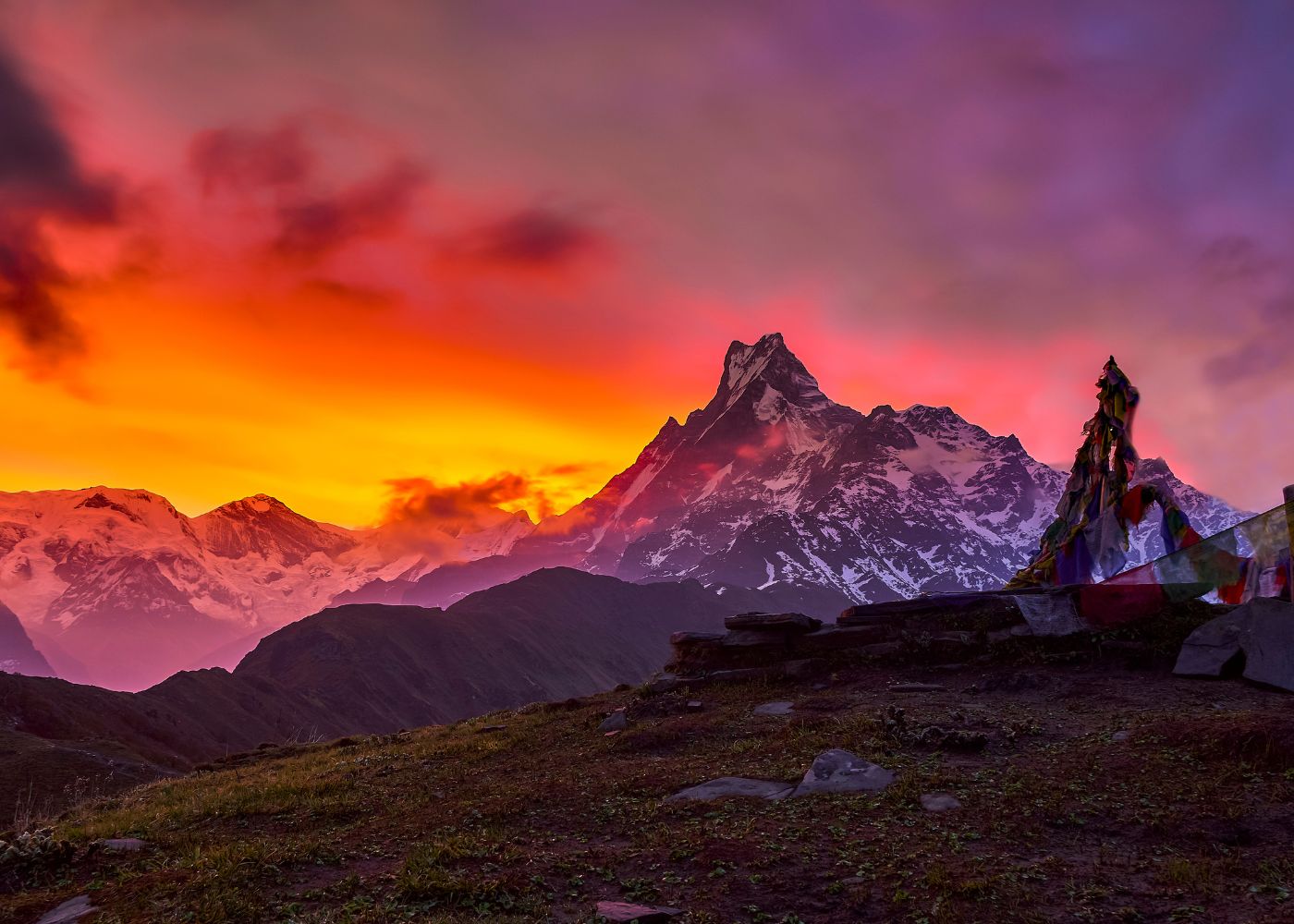
The ACAP permit is issued by the National Trust for Nature Conservation (NTNC) and costs NPR 3,000 (approximately USD 22) for foreign nationals and NPR 1,000 for SAARC citizens. Permits are paid only in Nepalese Rupees (NPR) cash. Permit offices accept no card payments.
The 2 locations where foreign trekkers obtain ACAP permits are:
-
Pokhara: ACAP Permit Counter at Damside
-
Kathmandu: Nepal Tourism Board office at Bhrikutimandap
Both offices operate Sunday to Friday, 9:00 AM to 5:00 PM, excluding public holidays.
Do You Need a TIMS Card for Mardi Himal?
The TIMS card requirement for Mardi Himal in 2026 depends on whether you trek through a registered agency. Trekkers booking through a registered agency have their information entered into the national database automatically. The TIMS card, in those cases, is often processed as part of the agency package rather than purchased separately. Independent TIMS issuance, specifically the Green Independent TIMS card that pre-2023 solo trekkers used, no longer exists. The independent TIMS system was discontinued when the mandatory guide rule took effect.
Trekkers arranging their trek through a registered agency pay approximately USD 10–20 for TIMS processing as part of their package documentation. The TIMS card functions as a safety tracking instrument: checkpoint officials use it to log trekker locations, which enables faster emergency response coordination.
Do You Need an ACAP Permit for Mardi Himal?
Yes. The ACAP permit is non-negotiable for the Mardi Himal Trek. The entire Mardi Himal trail runs through the Annapurna Conservation Area, a protected zone covering 7,629 sq km. ACAP permit revenues fund 4 core functions: trail maintenance, wildlife protection programs, emergency shelter construction, and clean water infrastructure in mountain villages. Checkpoints at Pothana and Kande verify permits physically. No digital substitute is accepted in place of the original hard-copy permit.
Permit rules that apply at all checkpoints include:
-
Non-transferability: A permit issued to one trekker is not valid for another
-
Original hard copy only: Printed copies or digital images are rejected
-
No alteration: Any erasure or handwritten change invalidates the permit
-
Regional validity: ACAP is valid only within the Annapurna Conservation Area boundary
Why Is There Confusion About Trekking Mardi Himal Solo?
The confusion stems from 3 overlapping sources: outdated pre-2023 content still ranking online, the distinction between "solo trekking" and "independent trekking," and the March 2026 restricted area update being misread as applying to all routes.
Mardi Himal was a popular route for independent trekkers before the April 2023 rule change. Hundreds of travel blogs, forum posts, and guidebook entries from 2019–2022 describe the trek as one where no guide was required. This content remains indexed and continues to attract search traffic, creating a false impression that the pre-2023 situation still applies.
Why Do Some Sources Still Say Independent Trekking Is Allowed?
Some sources conflate "trekking alone" with "trekking without a guide." In 2026, trekking alone, as in, without a group partner, is permitted. Trekking without a licensed guide is not. A solo traveler can legally book a guide for themselves, arrange their own itinerary, and move at their own pace. That arrangement qualifies as legal solo trekking. What remains illegal is entering a Conservation Area or National Park without a registered guide accompanying you physically on the trail.
A second source of confusion involves the March 2026 Department of Immigration announcement on restricted areas. That announcement granted solo trekkers the ability to obtain Restricted Area Permits without a partner, a rule that previously required 2 trekkers minimum. Media coverage of this update used language such as "solo trekking now allowed," which was misinterpreted as a broader reversal of the mandatory guide policy. The guide requirement was explicitly maintained in the same announcement.
What Is the Difference Between Protected and Restricted Areas?
A protected area in Nepal refers to Conservation Areas and National Parks, such as the Annapurna Conservation Area. A restricted area refers to zones near international borders requiring special government permission, such as Manaslu, Upper Mustang, Tsum Valley, and Dolpo.
The table below defines the 2 permit categories and their 2026 guide requirements:
|
Area Type |
Example Zones |
Permit Type |
Guide Required (2026) |
|
Conservation Area |
Annapurna, Langtang, Manaslu |
ACAP, MCAP, LCAP |
Yes, mandatory |
|
National Park |
Sagarmatha, Chitwan |
NP Permit |
Yes, mandatory |
|
Restricted Area |
Upper Mustang, Dolpo, Kanchenjunga |
RAP + Conservation Permit |
Yes, mandatory; solo partner no longer needed |
Mardi Himal sits in a Conservation Area. The March 2026 update only modified partner requirements for restricted area permits. Guide requirements across all 3 area types remain unchanged.
What Happens If You Try Mardi Himal Without a Guide?
Trekkers attempting Mardi Himal without a licensed guide face 3 concrete consequences: removal from the trail at checkpoints, inability to obtain valid permits through standard channels, and potential issues with insurance, lodge access, and future permit eligibility.
Can Checkpoints Turn You Back Without the Right Documents?
Yes. Checkpoint officials at Pothana and Kande have legal authority to deny trail access and instruct trekkers to return to Pokhara. In 2026, the checkpoint system on the Annapurna network includes digital scanner verification at select stations. Officials cross-check guide credentials against agency registrations in the NTB database. Trekkers whose permits were self-obtained without agency linkage fail this verification.
Penalties listed by the Nepal Tourism Board for non-compliance include:
-
Immediate removal from the trekking route
-
Monetary fines assessed at the checkpoint
-
Blacklisting from future trekking permit applications in Nepal
Can Permit Issues Affect Lodges, Transport, or Insurance?
Yes. Permit non-compliance creates downstream problems across 3 service categories. Most teahouse lodges on the Mardi Himal route ask trekkers to present permits at check-in. Lodges operating inside the Conservation Area are subject to local municipal oversight and risk their operating licenses by hosting unpermitted guests. Transport providers arranging return journeys from Siding or Kande to Pokhara also verify guide assignments when processing group bookings.
Travel insurance presents the largest financial risk. Insurance policies covering high-altitude trekking in Nepal routinely contain clauses requiring compliance with local regulations. A trekker injured on the Mardi Himal route without a licensed guide may face claim rejection on grounds of regulatory non-compliance, including helicopter evacuation coverage, which can cost USD 3,000–6,000 per flight.
Can You Still Keep a Solo-Style Experience With a Guide?
Yes. Hiring a single licensed guide for a 1-person trek preserves the majority of the independent trekking experience. A guide does not set the pace, dictate itinerary stops, or manage decisions that belong to the trekker. Most licensed guides on the Mardi Himal route operate as safety and navigation partners rather than group leaders.
Can a Guide Join You From Pokhara Instead of Kathmandu?
Yes. Mardi Himal guides are available directly in Pokhara, and most trekkers arrange their guide there rather than in Kathmandu. The trek's trailheads, Kande, Phedi, and Siding, are all within a 1-hour drive of Pokhara Lakeside. Registered trekking agencies in Pokhara's Lakeside district process ACAP permits, arrange licensed guides, and handle TIMS documentation within 1 business day for most straightforward bookings.
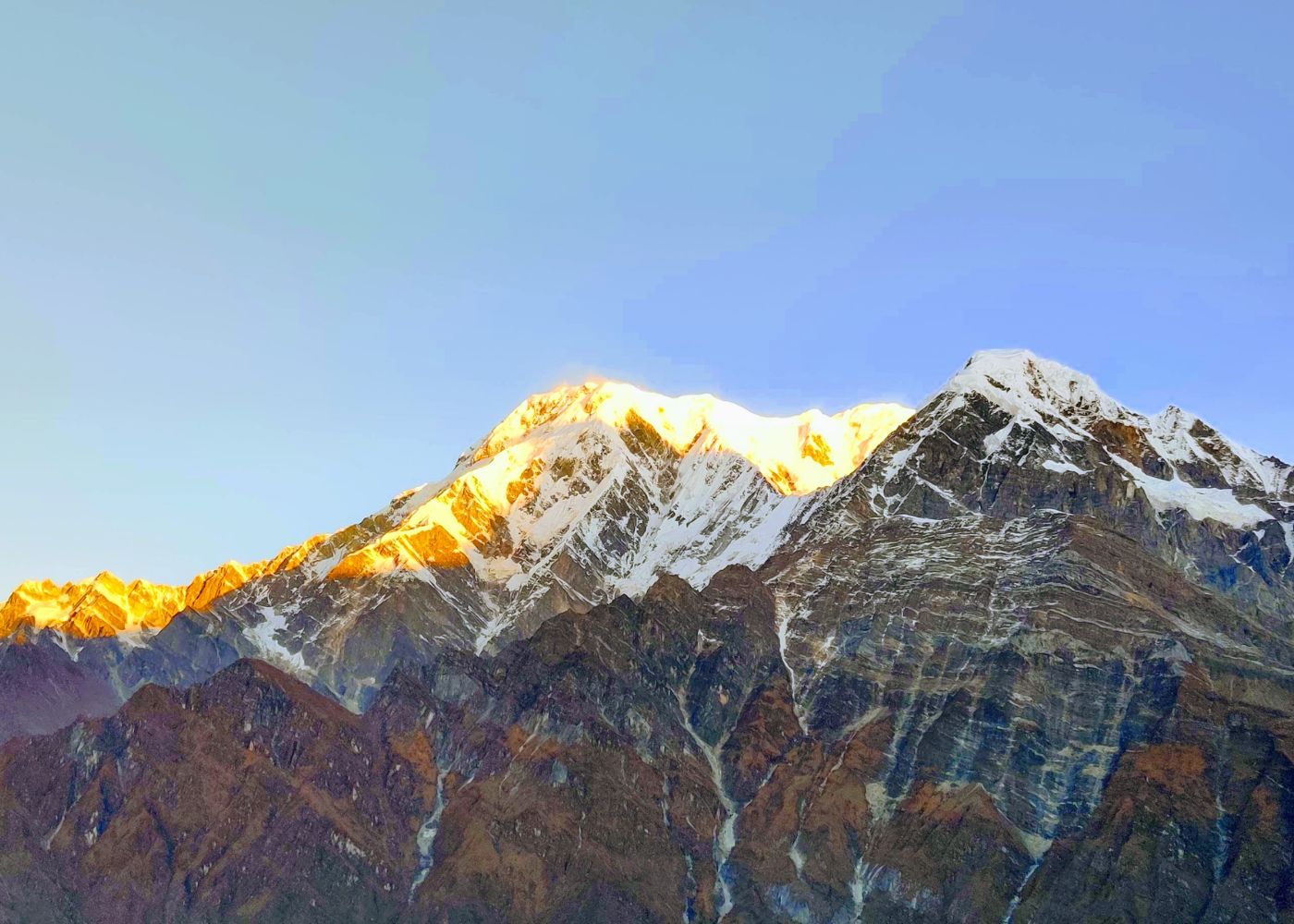
Arranging a guide from Pokhara eliminates 1–2 transit days that a Kathmandu-based arrangement adds. The guide meets the trekker at the agency office or directly at the trailhead vehicle departure point, depending on the agency's process.
How Much Support Does a Mardi Himal Guide Usually Provide?
A licensed Mardi Himal guide provides 5 core support functions: navigation on the unmarked ridge sections, altitude monitoring, checkpoint documentation management, lodge liaison in Gurung and Magar villages, and emergency coordination. The Mardi Himal ridge above 3,300m has sections where trails converge and diverge without clear signage. Navigation errors on this ridge have resulted in documented fatalities in recent years.
Guide daily rates in 2026 range from USD 20–35, depending on experience level and agency. Guides working through registered agencies carry NTB-issued licensing cards and provide meal and accommodation receipts for trekkers keeping cost records.
How Hard Is the Mardi Himal Trek for Most Trekkers?
The Mardi Himal Trek is classified as a moderate-difficulty trek, suitable for trekkers with basic fitness and no technical climbing experience. The route covers approximately 40–55 km of walking over 4–7 days, depending on the chosen itinerary. The maximum altitude reached is 4,500m at Mardi Himal Base Camp.
How Long Is the Trek and How High Do You Go?
The Mardi Himal Trek spans 4 to 7 days for most trekkers, with a maximum altitude of 4,500m (14,763 ft) at Base Camp. Key altitude waypoints along the route include:
-
Kande (trailhead): 1,770m
-
Forest Camp: ~2,520m
-
Low Camp: 2,990m (9,809 ft)
-
High Camp (highest sleeping point): 3,580m (11,745 ft)
-
Mardi Himal Base Camp (summit point): 4,500m (14,763 ft)
The elevation gain from trailhead to Base Camp totals approximately 2,730m. Daily trekking hours range from 5 to 7 hours on standard itineraries.
What Fitness and Altitude Risks Should You Expect?
Trekkers on the Mardi Himal route face 3 primary physical challenges: sustained steep ascent, high-altitude exposure above 3,500m, and cold night temperatures at High Camp. Acute Mountain Sickness (AMS) is the primary altitude-related risk. AMS symptoms, including headache, nausea, fatigue, and disorientation, can develop above 3,000m in susceptible individuals.
High Altitude Cerebral Edema (HACE) and High Altitude Pulmonary Edema (HAPE) are the 2 severe altitude conditions that require immediate descent and emergency evacuation. Licensed guides on the Mardi Himal route are trained to recognize early indicators of all 3 conditions and initiate descent protocols before symptoms escalate.
When Is the Best Time to Do Mardi Himal in 2026?
The 2 optimal trekking windows for Mardi Himal in 2026 are spring (March–May) and autumn (September–November). These 4 months deliver the highest probability of clear mountain views, stable weather, dry trail conditions, and reliable lodge availability at all 5 elevation zones on the route.
Which Months Offer the Best Views and Trail Conditions?
October and November rank as the 2 best individual months for Mardi Himal views and trail conditions. Post-monsoon skies clear of haze, temperatures at High Camp average 0–5°C at night, and rhododendron forests below Forest Camp remain accessible without snow obstruction.
March and April offer a competing advantage: rhododendron forests between Kande and Forest Camp bloom in red, pink, and white at elevations of 1,800–3,000m. This 6-week bloom window is specific to the Annapurna foothills and is not replicated on other major Himalayan routes.
|
Month |
Temperature at High Camp (Night) |
Trail Conditions |
Mountain Visibility |
|
March |
-5 to 2°C |
Clear |
Good |
|
April |
0 to 5°C |
Clear |
Good |
|
May |
5 to 10°C |
Increasing cloud |
Fair |
|
October |
-2 to 4°C |
Clear |
Excellent |
|
November |
-8 to 0°C |
Clear |
Excellent |
How Do Winter and Monsoon Change the Trek?
Winter (December–February) and monsoon (June–August) each create distinct trail hazards that reduce both safety and enjoyment on the Mardi Himal route. December and January bring snowfall above 3,000m that can block the High Camp to Base Camp section entirely. Temperatures at High Camp drop to -15°C overnight in January.
Monsoon season delivers 3 specific risks on the Mardi Himal trail:
-
Leeches on forested sections below 2,500m from June–August
-
Landslides on the unstable slopes between Forest Camp and Low Camp
-
Trail flooding at stream crossings near Kande and Siding
February and late November are shoulder months that experienced trekkers use to avoid peak-season crowds while maintaining acceptable trail conditions. Lodge availability is higher, and some agencies offer lower package rates during these months.
How Much Does Mardi Himal Cost in 2026?
The total cost of the Mardi Himal Trek in 2026 ranges from USD 342 to USD 900 per person for a 5–7 day itinerary, depending on operator type, group size, accommodation standard, and whether porter services are included. Budget-conscious trekkers using local Pokhara-based agencies reach Base Camp for USD 342–499. Full-service packages through international operators reach USD 599–999.
What Should You Budget for Permits, Lodges, and Food?
Permit costs for Mardi Himal total approximately USD 40 per foreign trekker in 2026, covering the ACAP (USD 22–30) and TIMS processing (USD 10–18). The Machhapuchhre Rural Municipality local fee adds NPR 3,500–5,500 (USD 26–41), collected at checkpoints along the route.
The table below shows the 5 core cost categories for a standard 7-day Mardi Himal Trek:
|
Cost Category |
Budget Range (USD) |
Notes |
|
Permits (ACAP + TIMS + local fee) |
40–80 |
Cash in NPR required |
|
Accommodation (teahouses, per night) |
5–10 per night |
Basic twin-share |
|
Meals (3 per day) |
15–25 per day |
Prices rise above 3,000m |
|
Transportation (Pokhara ↔ trailhead) |
5–40 each way |
Shared vs. private jeep |
|
Guide (per day) |
20–35 per day |
Licensed, registered |
|
Porter (per day, optional) |
15–25 per day |
Includes meals + accommodation |
No ATMs exist along the Mardi Himal trail. Trekkers carry all cash needed for in-trail expenses before departing Pokhara. The nearest ATM to the trailhead is in Pokhara Lakeside, approximately 1 hour from Kande.
Does Hiring a Guide Change the Total Cost Much?
Yes. Adding a licensed guide increases the total trek cost by USD 100–245 for a 5–7 day itinerary, based on the daily guide rate of USD 20–35. A 5-day trek with a guide at USD 25/day adds USD 125 to the total. This represents the single largest variable expense after transportation for trekkers booking directly rather than through a package.
The cost comparison between guided and unguided trekking is no longer practically relevant, since unguided trekking is not legally permitted. Trekkers choosing a full package through a Pokhara-based local agency, which bundles permits, guide, transportation, and accommodation, pay USD 299–499 for 5 days and USD 499–699 for 7 days. Solo travelers paying per-item in Pokhara typically spend USD 400–600 for a 7-day guided trek with a porter.
How Should You Book Mardi Himal If a Guide Is Required?
Book the Mardi Himal Trek through a trekking agency registered with the Nepal Tourism Board (NTB) and the Trekking Agencies' Association of Nepal (TAAN). Only agencies holding active registration with both bodies can legally issue guide assignments that satisfy checkpoint verification. Freelance guide arrangements made outside the registered agency system do not meet the 2026 documentation standard and will fail checkpoint scrutiny.
Can a Local Trekking Agency Arrange Permits and a Guide?
Yes. Local trekking agencies in Pokhara's Lakeside district arrange all 3 permit types, assign a licensed guide, coordinate transportation to Kande or Phedi, and complete TIMS registration within 1 business day for most standard bookings. Trekkers arriving in Pokhara without advance bookings can confirm a complete guide-and-permit package in 24–48 hours, provided they arrive outside peak-season periods (late September–November and late March–April).
Verification steps when booking through a Pokhara or Kathmandu agency include:
-
Confirm NTB registration number of the agency, verifiable on the Nepal Tourism Board's official online registry
-
Request the guide's NTB license card number before departure
-
Receive all permits in original hard copy, not digital scans, before reaching the trailhead
-
Confirm that the agency handles TIMS registration in its name, as trekkers are no longer issued independent TIMS cards
What Are the Key Takeaways on Mardi Himal in 2026?
The Mardi Himal Trek is legally open to foreign trekkers in 2026 under 1 non-negotiable condition: a licensed guide registered with a government-approved agency must accompany every non-Nepali trekker for the full duration of the trail.
The mandatory guide rule originated with the Nepal Tourism Board's March 2023 announcement, took effect April 1, 2023, and reached full checkpoint enforcement by the 2026 season. The Annapurna Conservation Area Permit (ACAP) at NPR 3,000 (USD 22) and TIMS card processing remain the 2 core permit requirements. The Green Independent TIMS card used by pre-2023 solo trekkers no longer exists.
The March 2026 Department of Immigration update on solo restricted area permits does not apply to Mardi Himal, which operates under ACAP, not a Restricted Area Permit.
Total trek costs range from USD 342 for a budget 5-day itinerary to USD 900 for a 7-day full-service package. A licensed guide adds USD 100–245 to a self-arranged trek, a cost that also brings navigation safety on unmarked ridge sections above 3,300m, checkpoint document management, and altitude monitoring up to Base Camp at 4,500m.
The 2 optimal trekking windows remain October–November and March–April. Local trekking agencies in Pokhara's Lakeside district confirm guide assignments and permits within 24–48 hours, making last-minute arrangements feasible outside peak season.
Mardi Himal remains one of the most accessible high-altitude Base Camp treks in Nepal, shorter than Annapurna Base Camp, less crowded than Ghorepani Poon Hill, and visually comparable to both. The guide requirement changes the administrative setup, not the quality of the trekking experience on Nepal's ridge beneath Machhapuchhre.