Mardi Himal Trek altitude sickness is the most important health risk on this short, elevation-gain Annapurna trail because the route climbs from Pokhara (820 m) to High Camp and the Mardi Himal viewpoint, where trekkers breathe about 40% less oxygen per breath than at sea level. This rapid elevation gain can trigger acute mountain sickness (AMS) within 6 to 12 hours, especially on the steep ascent from Low Camp to High Camp, and severe cases can progress to high altitude cerebral edema (HACE) or high altitude pulmonary edema (HAPE) without immediate descent. Mardi Himal is a non-technical trek, but altitude makes it medically demanding, particularly for trekkers who ascend too fast, sleep too high, hydrate poorly, or have a previous history of Acute Mountain Sickness (AMS).
This guide explains why altitude sickness happens on the Mardi Himal Trek, which trail sections carry the highest risk, what symptoms to watch for, when to stop ascending, and how to prevent complications through acclimatization, hydration, pacing, and route planning. It also covers the Lake Louise AMS Score, SpO₂ monitoring, rest-versus-descent decisions, emergency warning signs, altitude medicines such as acetazolamide, dexamethasone, and nifedipine, and the role of guides, rescue systems, and proper gear in making the trek safer. For first-time Himalayan trekkers and experienced hikers alike, the key to completing Mardi Himal safely is not fitness alone, but understanding how the body reacts above 3,000 meters and responding early before mild AMS becomes a life-threatening altitude emergency.
Why Does Altitude Sickness Happen on the Mardi Himal Trek?
Altitude sickness on the Mardi Himal Trek occurs because atmospheric pressure decreases as elevation increases, reducing the partial pressure of oxygen in each inhaled breath. At High Camp (3,580 m), the body receives 40% less oxygen per breath than at sea level. The body responds by increasing breathing rate, heart rate, and red blood cell production. When ascent rate outpaces this adaptation, acute mountain sickness (AMS) develops within 6–12 hours.
Acute mountain sickness (AMS) is a clinical syndrome caused by hypoxia, insufficient oxygen delivery to body tissues, triggered by rapid elevation gain above 2,500 meters. The Mardi Himal Trek starts at Pokhara (820 m) and climbs to High Camp (3,580 m) within 4 to 5 days on a standard itinerary. This steep ascent profile consistently outpaces natural acclimatization in 25–40% of trekkers.
How Does Lower Oxygen at Higher Elevation Affect Trekkers?
Lower oxygen at altitude triggers 3 primary physiological responses: hyperventilation (increased breathing rate), tachycardia (elevated heart rate above 100 bpm at rest), and polycythemia (increased red blood cell production driven by erythropoietin release). These are normal short-term adaptation responses. When the body cannot adapt fast enough, the result is AMS, which affects 25–40% of trekkers above 3,000 meters, according to Wilderness Medicine Society research.
Oxygen saturation, measured as SpO₂, drops from 98–99% at sea level to 80–85% at 4,500 meters. A pulse oximeter measures SpO₂ directly at camp. SpO₂ values below 75% at High Camp indicate dangerous hypoxia and require immediate descent to a lower camp without delay.
Which Parts of the Mardi Himal Trek Increase Altitude Risk?
3 specific sections of the Mardi Himal Trek carry the highest altitude risk: the ascent from Low Camp (3,050 m) to High Camp (3,580 m), overnight stays above 3,500 m, and the pre-dawn summit push toward Mardi Himal viewpoint at 4,200 m. Each of these segments exposes trekkers to rapid elevation gain of 450–1,450 meters within a single trekking day.
The following table shows the elevation profile of the standard 7-day Mardi Himal Trek route from Pokhara, including single-day elevation gain per segment.
Day | Start Point | End Point | Elevation Start | Elevation End | Daily Gain |
1 | Pokhara | Kande | 820 m | 1,770 m | +950 m |
2 | Kande | Forest Camp | 1,770 m | 2,600 m | +830 m |
3 | Forest Camp | Low Camp | 2,600 m | 3,050 m | +450 m |
4 | Low Camp | High Camp | 3,050 m | 3,580 m | +530 m |
5 | High Camp | Viewpoint + Descend | 3,580 m | 3,050 m | -530 m |
6 | Low Camp | Forest Camp | 3,050 m | 2,600 m | -450 m |
7 | Forest Camp | Pokhara | 2,600 m | 820 m | -1,780 m |
Day 4 presents the highest single-day elevation gain of 1,450 meters, from Low Camp (3,050 m) to High Camp (3,580 m). This segment triggers the greatest altitude risk on the entire route.
What Altitude Sickness Symptoms Should You Watch for on the Mardi Himal Trail?
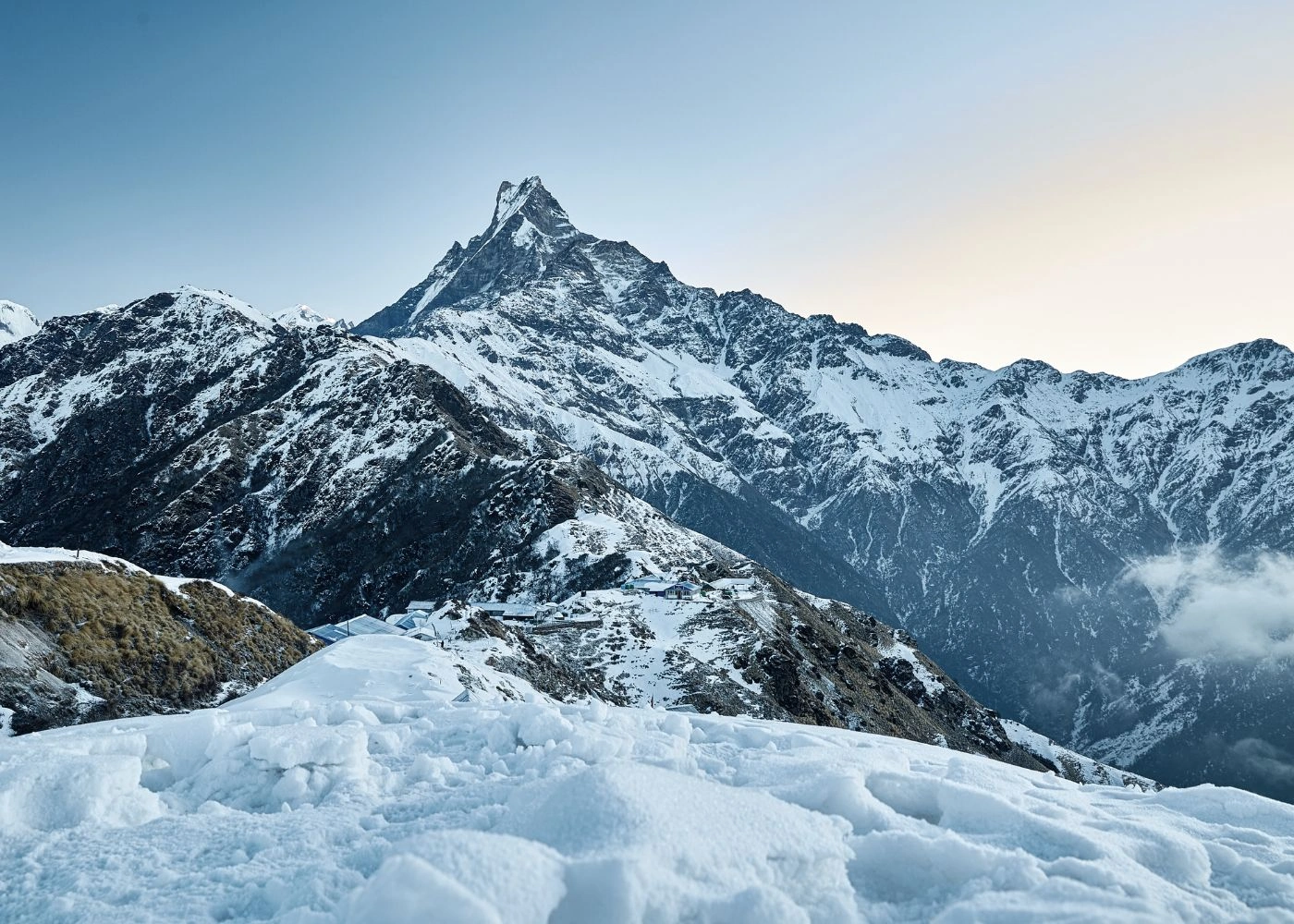
Trekkers on the Mardi Himal Trek monitor for 6 primary altitude sickness symptoms: persistent headache, nausea or vomiting, fatigue, dizziness, loss of appetite, and disturbed sleep. These symptoms appear within 6–12 hours of reaching a new elevation. The 2018 Lake Louise AMS Score uses four symptoms, headache, nausea/vomiting, fatigue, and dizziness/light-headedness; a score of 3 or more with headache supports AMS for research purposes, but clinical judgment remains essential.
How Do Mild AMS Symptoms Usually Begin?
Mild AMS begins with a persistent bifrontal headache, pressure felt on both sides of the forehead, combined with at least 1 of: nausea, fatigue, or dizziness. According to the Lake Louise Consensus Criteria (2018 revision), a headache score of 1 combined with any 2 additional symptoms produces a Lake Louise Score of 3, confirming mild AMS.
Mild AMS symptoms appear within 6–12 hours of arriving at a new elevation. The 4 most commonly reported mild symptoms on the Mardi Himal Trek are:
Headache: reported by 70% of trekkers above 3,500 m
Loss of appetite: reported by 55% of trekkers above 3,500 m
Fatigue and muscle weakness: reported by 48% of trekkers
Disturbed sleep with frequent waking: reported by 40% of trekkers
Mild symptoms resolve within 24 hours when the trekker stops ascending and rests at the same elevation without further gain.
Which Severe Altitude Sickness Signs Need Urgent Action?
4 severe altitude sickness signs require immediate descent without waiting for improvement: ataxia (loss of coordination), severe confusion or altered consciousness, productive cough with pink frothy sputum, and extreme breathlessness at rest. These signs indicate either HACE (High Altitude Cerebral Edema) or HAPE (High Altitude Pulmonary Edema), both classified as life-threatening emergencies.
HACE (High Altitude Cerebral Edema) is a severe form of altitude sickness involving brain swelling caused by fluid accumulation in cerebral tissue, producing confusion, ataxia, and coma without treatment. HAPE (High Altitude Pulmonary Edema) is a severe form of altitude sickness involving fluid accumulation in lung tissue, producing breathlessness at rest, wet cough, and cyanosis, a bluish discoloration of the skin caused by deoxygenated blood.
According to Himalayan Rescue Association data from the Manang station, HACE and HAPE together account for 85% of altitude-related fatalities in the Annapurna region. Without descent within 1–4 hours of symptom onset, fatality rates exceed 50% for both conditions. A descent of 500–1,000 meters produces measurable symptom relief within 30–60 minutes.
When Does Altitude Sickness Usually Start on Mardi Himal Trek?
Altitude sickness on the Mardi Himal Trek most commonly begins on Day 4, within 6–12 hours of arriving at High Camp (3,580 m). Trekkers ascending from Low Camp (3,050 m) gain 1,450 meters of elevation in a single day, the highest single-day gain on the entire route, triggering AMS onset in 25–40% of those who ascend without an intermediate acclimatization night.
How Do Ascent Rate and Sleeping Altitude Affect Altitude Sickness Risk?
Ascent rate and sleeping altitude are the 2 primary controllable risk factors for altitude sickness on the Mardi Himal Trek. The Wilderness Medical Society's 2019 Practice Guidelines state that sleeping elevation, not daytime maximum elevation, determines the quality of overnight acclimatization. Trekkers gain altitude acclimatization primarily through physiological changes that occur during sleep, not during active trekking.
The recommended maximum sleeping elevation gain above 3,000 meters is 500 meters per night. The full Mardi Himal elevation profile shows that the standard Day 4 ascent from Low Camp (3,050 m) to High Camp (3,580 m) represents a sleeping elevation gain of 1,450 meters, 2.9 times the recommended limit. Adding a rest night at Middle Camp (3,550 m) breaks this gain into 2 segments of +500 m and +950 m, substantially reducing AMS risk.
When Should Altitude Sickness Symptoms Be Treated as a Warning to Stop?
Do not continue ascending with symptoms of altitude illness, and descend if symptoms worsen despite rest and treatment at the same elevation. These thresholds signal progression toward HACE and mandate a halt to further elevation gain.
The tandem gait test requires the trekker to walk 10 steps heel-to-toe in a straight line. Inability to complete this without stumbling or stepping off the line confirms neurological involvement. This test is administered by a trained guide at each high-altitude camp during daily health checks.
Who Is Most at Altitude Sickness Risk on the Mardi Himal Trek?
Trekkers at highest risk of altitude sickness on the Mardi Himal Trek share 4 characteristics: previous AMS history above 3,500 m, rapid ascent profiles without acclimatization nights, inadequate hydration below 2 liters per day, and residence at elevations below 1,000 m for the 6 months prior to trekking. These 4 combined risk factors increase AMS incidence by 60–75% compared to trekkers without them, according to Himalayan Rescue Association data from Pokhara.
Does Fitness Reduce the Risk of Altitude Sickness?
Physical fitness does not reduce the risk of altitude sickness. According to a study published in the Journal of Wilderness and Environmental Medicine, cardiovascular fitness level shows no statistically significant correlation with AMS incidence above 3,500 meters. A trained marathon runner and a sedentary trekker face identical AMS risk at the same elevation when ascending at the same rate.
Physical fitness improves trekking endurance and post-exertion recovery but does not accelerate acclimatization. The body acclimatizes through hormonal adaptation, specifically erythropoietin (EPO) production in the kidneys and renal cortex, a process independent of aerobic capacity or VO₂ max.
Do Age, Hydration, and Past AMS History Matter for Altitude Sickness Risk?
Age, hydration status, and past AMS history each independently affect altitude sickness risk on the Mardi Himal Trek. Himalayan Rescue Association data from the Pokhara base region shows that trekkers aged 20–30 years experience 15% higher AMS incidence than those aged 40–50 years. This pattern is attributed to the tendency of younger trekkers to ascend faster and hydrate less consistently.
Dehydration reduces plasma blood volume and impairs oxygen transport, directly amplifying hypoxia severity at altitude. At 3,500 meters, a 2% reduction in body water weight reduces blood oxygen-carrying efficiency by 8–12%.
Past AMS history is the single strongest predictor of future AMS events. A trekker who developed AMS above 3,500 meters on a prior trek carries a 70–75% probability of developing AMS again at the same elevation without acetazolamide prophylaxis.
How Can You Prevent Altitude Sickness on the Mardi Himal Trek?
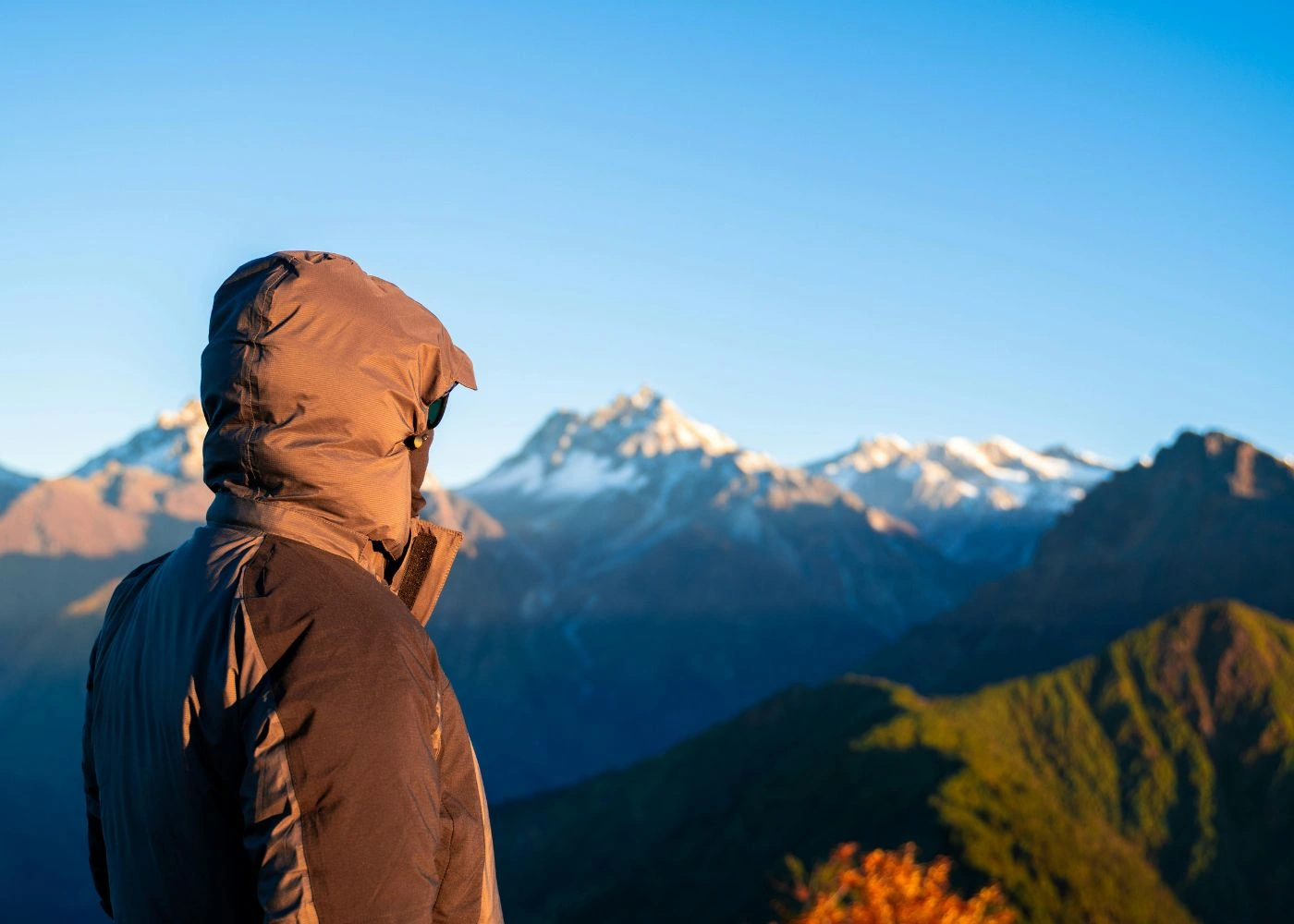
Preventing altitude sickness on the Mardi Himal Trek requires 3 simultaneous strategies: limiting sleeping elevation gain to 500 meters per night above 3,000 m, maintaining daily hydration at 3–4 liters of fluid, and building at least 1 acclimatization night at Middle Camp (3,550 m) before ascending to High Camp (3,580 m). These 3 strategies, applied together, reduce AMS incidence by 50–65% on this route. Browse our Mardi Himal Trek packages to find licensed guide options, permit assistance, accommodation details, and full itinerary support from a Nepal Tourism Board-registered agency.
How Should You Pace Your Ascent on Mardi Himal?
Trekkers pace their ascent on Mardi Himal by inserting a rest night at Middle Camp (3,550 m) before ascending to High Camp (3,580 m), splitting the Day 4 gain of 1,450 meters into 2 separate days. This restructured itinerary reduces the sleeping elevation gain on the critical high-altitude day from 1,450 meters to 950 meters.
The standard 7-day itinerary compresses the ascent from Low Camp (3,050 m) to High Camp (3,580 m) into a single day. An 8-day itinerary that includes Middle Camp as a sleeping stop reduces AMS risk by dividing this segment: Day 4 climbs from Low Camp to Middle Camp (+500 m), and Day 5 climbs from Middle Camp to High Camp (+950 m). Rest at each overnight camp, including short walks of no more than 200 vertical meters above sleeping altitude, reinforces the acclimatization signal.
What Should You Eat, Drink, and Avoid at Altitude on the Mardi Himal Trek?
At altitude on the Mardi Himal Trek, trekkers consume 3–4 liters of water daily, maintain a 60–70% carbohydrate-based diet, and avoid alcohol, benzodiazepine sleeping pills, and heavy protein meals above 3,000 meters. These dietary practices support acclimatization by preserving blood volume, reducing digestive oxygen demand, and avoiding respiratory depression during sleep.
5 specific dietary practices support acclimatization on this route:
Drink 500 ml of water immediately upon waking each morning at camp
Maintain 60–70% carbohydrate intake through rice, noodles, tsampa, and bread, carbohydrates require 8% less oxygen to metabolize than fats
Eliminate alcohol entirely above 3,000 m, alcohol suppresses breathing rate by 15–20% during sleep, directly worsening nocturnal hypoxia
Avoid benzodiazepine sleeping pills, they reduce respiratory drive and accelerate oxygen desaturation overnight
Eat 4–5 small meals rather than 2–3 large meals, large meals divert 20–25% more blood to the digestive system, reducing peripheral oxygen delivery
Can Acclimatization Days Help on Mardi Himal Route?
Acclimatization days reduce AMS incidence by 35–50% on the Mardi Himal Trek when applied at the Middle Camp elevation band of 3,500–4,000 meters. An acclimatization day involves remaining at the same sleeping elevation for 24 hours while completing a short daytime ascent of 300–500 vertical meters, then returning to the same sleeping camp before nightfall.
Middle Camp (3,550 m) is the optimal acclimatization point on this route. A rest day at Middle Camp, structured as a daytime hike to 4,000 m followed by return to sleep at 3,550 m, triggers measurable erythropoietin (EPO) release and stimulates red blood cell production without increasing sleeping altitude stress. EPO production begins within 90 minutes of altitude exposure and peaks at 24–48 hours.
How Should You Treat Altitude Sickness During the Mardi Himal Trek?
Treating altitude sickness on the Mardi Himal Trek follows a 3-step protocol: stop all ascent immediately upon symptom recognition, rest at the current elevation for up to 24 hours if symptoms are mild, and descend 500–1,000 meters without delay if symptoms worsen or fail to improve within 24 hours. Descent is the single most effective treatment for all 3 forms of altitude sickness: AMS, HACE, and HAPE.
When Should You Rest, Descend, or Seek Medical Help?
Rest at current elevation applies when the Lake Louise AMS Score is 3–4 with no neurological symptoms. Immediate descent of 500–1,000 meters applies when the Lake Louise Score reaches 5 or above, ataxia is present, or any respiratory symptom appears. Medical evaluation at the Himalayan Rescue Association clinic in Pokhara is required when symptoms persist after a 1,000-meter descent.
The 3-tier altitude sickness response protocol for the Mardi Himal Trek:
Rest at current altitude: Lake Louise Score 3–4, headache responds to ibuprofen, no ataxia, no breathlessness at rest
Descend 500–1,000 m immediately: Lake Louise Score ≥5, positive tandem gait test, any HACE or HAPE symptom present
Emergency evacuation to Pokhara: Symptoms persist after 1,000-meter descent, loss of consciousness, cyanosis, or SpO₂ below 70%
Helicopter evacuation from High Camp to Pokhara takes 15–25 minutes when weather permits. Fishtail Air and Simrik Air both operate rescue flights from Pokhara International Airport to Mardi Himal High Camp.
Which Medicines May Help With Altitude Sickness on the Mardi Himal Trek?
3 medicines treat altitude sickness on the Mardi Himal Trek: acetazolamide (Diamox) for prevention and mild AMS treatment, dexamethasone for HACE emergency management, and nifedipine for HAPE emergency management. Each targets a different altitude sickness mechanism. A licensed physician prescribes all 3 before departure from Kathmandu or Pokhara.
Acetazolamide (Diamox) is a carbonic anhydrase inhibitor that accelerates acclimatization by stimulating deeper, faster breathing, raising blood oxygen saturation by 2–4% overnight. The standard prophylactic dose is 125 mg twice daily, beginning 24 hours before ascending above 3,000 meters. Trekkers with sulfonamide drug allergies cannot take acetazolamide. Common side effects include increased urination frequency and tingling in the hands and feet.
Dexamethasone is a corticosteroid that reduces cerebral edema in HACE by decreasing inflammatory fluid accumulation in brain tissue. The emergency treatment dose is 8 mg as an initial oral or intramuscular dose, followed by 4 mg every 6 hours. Dexamethasone treats AMS and HACE symptoms but does not promote acclimatization, descent remains mandatory alongside its administration.
Nifedipine is a calcium channel blocker that reduces pulmonary arterial hypertension in HAPE by relaxing smooth muscle in the pulmonary vasculature, decreasing lung fluid accumulation. The treatment dose is 30 mg extended-release once daily. Nifedipine requires blood pressure monitoring during administration, as it can cause systemic hypotension.
What Should You Do if Altitude Sickness Symptoms Get Worse at Night?
Worsening symptoms at night require 3 immediate actions: wake the trek guide immediately, measure SpO₂ with a pulse oximeter, and descend to a lower camp at once if SpO₂ drops below 75% or neurological symptoms are present. Nighttime HACE progression advances faster than daytime progression because breathing rate decreases during sleep, accelerating arterial oxygen desaturation.
A portable hyperbaric chamber (Gamow bag) inflated to 2 psi (103 mmHg above ambient) simulates a descent of 1,500 meters when a trekker remains inside for 1–2 hours, buying critical time for emergency evacuation. Reputable trekking operators on the Mardi Himal High Camp route carry Gamow bags and pulse oximeters at every high-altitude camp above 3,500 meters.
What Packing and Planning Steps Help Reduce Your Altitude Sickness Risk?
Reducing altitude sickness risk through packing requires 5 specific items: a pulse oximeter (to monitor SpO₂ at each camp), acetazolamide (physician-prescribed at 125 mg twice daily), ibuprofen (1,000 mg tablets for headache management), oral rehydration salts (to restore electrolyte balance), and written confirmation that the trek operator carries a Gamow bag. These 5 items collectively address the 3 primary altitude risk mechanisms: oxygen monitoring, pharmaceutical prevention, and emergency treatment.
Which Gear Supports Safer Trekking at Higher Altitude?
5 specific gear items support safer high-altitude trekking on the Mardi Himal route: a pulse oximeter, adjustable trekking poles, a sleeping bag rated to -10°C, an insulated 1-liter water bottle, and a personal high-altitude first aid kit containing dexamethasone and nifedipine. Pulse oximeters are available in Pokhara's Lakeside market (Baidam, Kaski district) for NPR 1,500–3,000 (approximately USD 11–22) and weigh 50–70 grams.
Trekking poles reduce lower-limb muscular exertion by 20–25% on steep ascents, lowering total oxygen demand per kilometer climbed at elevation. A sleeping bag rated to -10°C maintains core temperature at High Camp, where nighttime temperatures drop to -5°C to -10°C during the October–November trekking season and to -15°C to -20°C in December–February.
How Should You Prepare for Altitude Sickness Before Arriving in Nepal?
Pre-trek preparation for altitude sickness involves 4 steps before arriving in Nepal: consult a physician for acetazolamide prescription 2–3 weeks before departure, complete 4–6 weeks of aerobic cardiovascular training at 70–80% maximum heart rate, spend 2–3 acclimatization days in Kathmandu (1,400 m) before traveling to Pokhara, and purchase comprehensive trekking insurance that explicitly covers helicopter evacuation from above 3,000 meters. Helicopter evacuation from High Camp (3,580 m) to Pokhara without insurance costs USD 1,500–2,500 per flight.
Cardiovascular training, structured as 45-minute aerobic sessions at 70–80% maximum heart rate, performed 4 times per week, improves VO₂ max and reduces the oxygen cost per trekking step. Physical conditioning does not accelerate altitude acclimatization biochemically but reduces cardiovascular exertion intensity at each elevation point, lowering the oxygen debt incurred per day.
How Should You Approach Mardi Himal Trek Safety With Expert Help?
Trekkers approach Mardi Himal Trek altitude safety with expert help by hiring a licensed guide certified by the Nepal Tourism Board (NTB) who is trained in Wilderness First Responder (WFR) protocols, carries a pulse oximeter and emergency medication kit, and follows a documented altitude response protocol at each camp above 3,000 meters. Reviewing the current Mardi Himal guide requirements before departure is essential, as 2026 checkpoint enforcement now requires formal agency affiliation, freelance arrangements no longer satisfy trail verification. A certified guide reduces emergency evacuation response time by 40–60 minutes through pre-established communication networks with Pokhara hospitals and helicopter operators.
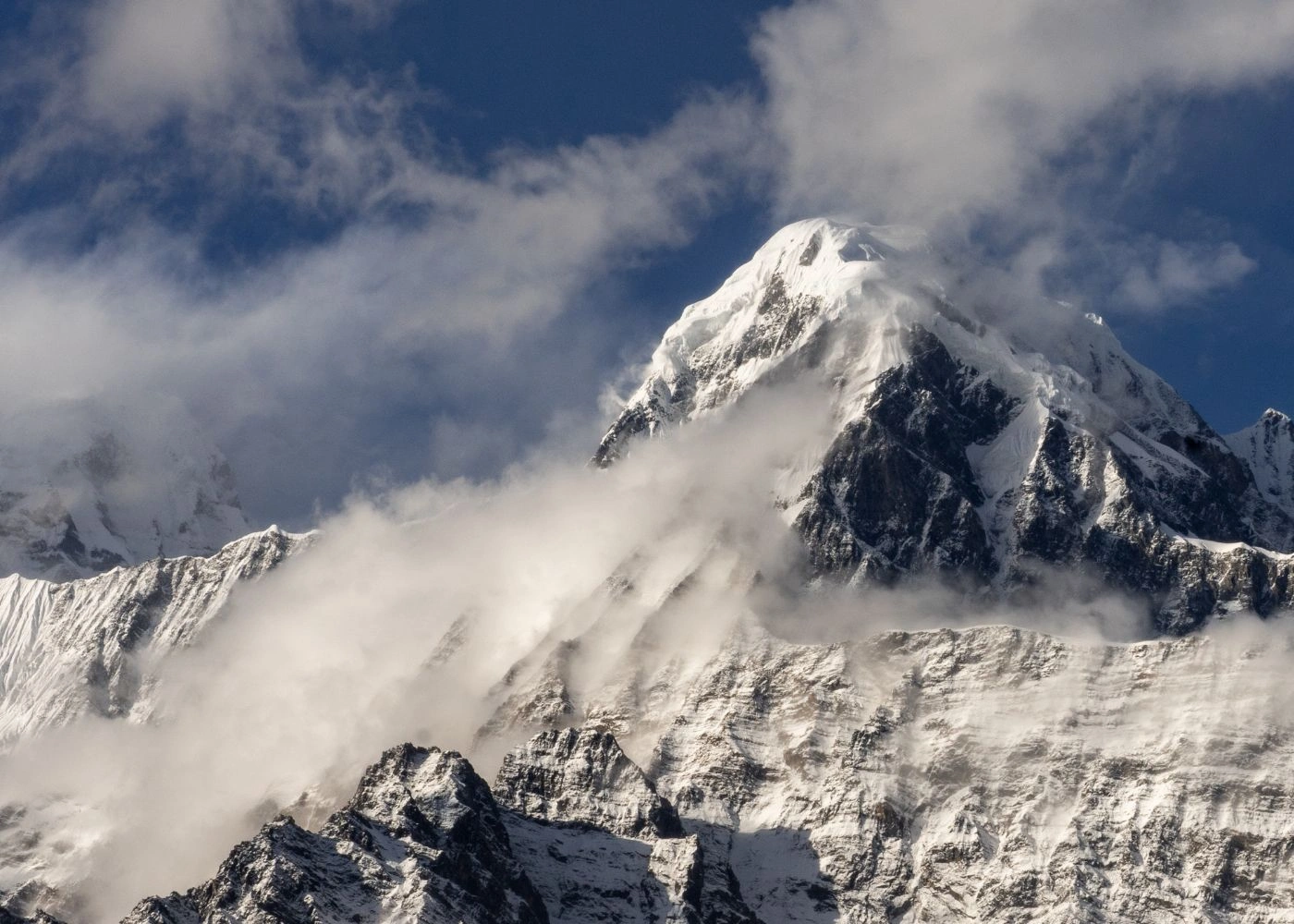
All trekkers on the Mardi Himal Trek require 2 documents for legal passage: a TIMS card (Trekkers' Information Management System card, issued by the Nepal Tourism Board at NPR 2,000 for SAARC nationals and NPR 2,000 for non-SAARC nationals) and an ACA permit (Annapurna Conservation Area permit, issued by the National Trust for Nature Conservation at NPR 3,000). These documents are verified at checkpoints in Lwang Ghalel village, the entry point to the Mardi Himal restricted section.
Can a Guided Trek Operator Help Reduce Mardi Himal Trek Altitude Sickness Risk?
A guided trek operator reduces altitude risk on the Mardi Himal Trek through 4 systematic practices: daily SpO₂ monitoring at each camp using a pulse oximeter, flexible itinerary adjustment to include acclimatization nights when SpO₂ drops below 85%, pre-loaded emergency medication kits containing dexamethasone and nifedipine, and direct communication protocols with Fishtail Air or Simrik Air in Pokhara for helicopter evacuation. These 4 practices reduce serious AMS complication rates by 60–70% compared to unsupported solo trekking on the same route. For trekkers still weighing the solo vs guided trek decision, this risk gap, alongside the full cost comparison, provides the clearest framework for choosing.
Guided trek operators who operate legally on the Mardi Himal route are registered with the Trekking Agencies' Association of Nepal (TAAN) and comply with the Nepal Tourism Board's minimum guide-to-trekker ratio of 1:10. Guides trained in Wilderness First Responder (WFR) protocols recognize HACE and HAPE symptoms, administer emergency medications, and coordinate helicopter evacuation within the 1–4-hour critical intervention window.
What Are the Key Takeaways About Mardi Himal Trek Altitude Sickness?
Mardi Himal Trek altitude sickness is a preventable and treatable condition when trekkers apply 4 core principles: limit sleeping elevation gain to 500 meters per night above 3,000 m, maintain 3–4 liters of daily fluid intake, recognize the 6 primary AMS symptoms within 6–12 hours of elevation gain, and descend 500–1,000 meters immediately when severe signs, ataxia, confusion, breathlessness at rest, appear. These 4 principles reduce serious altitude sickness complications to below 5% among prepared trekkers on this route.
The Mardi Himal Trek reaches 4,500 meters at base Camp, exposing trekkers to 40% less oxygen per breath than at sea level. AMS affects 25–40% of trekkers above 3,000 meters. HACE and HAPE, the 2 life-threatening altitude sickness forms, carry fatality rates above 50% without descent within 1–4 hours of severe symptom onset. Acetazolamide (125 mg twice daily, physician-prescribed), acclimatization nights at Middle Camp (3,550 m), and SpO₂ monitoring at each camp are the 3 evidence-based tools that prevent progression from mild AMS to life-threatening complications.
A Nepal Tourism Board-certified guide trained in Wilderness First Responder protocols, trekking insurance that covers helicopter evacuation, and a pulse oximeter purchased in Pokhara are the 3 structural safeguards that make the Mardi Himal Trek safe for trekkers of all fitness levels, from first-time Himalayan trekkers to experienced high-altitude hikers.