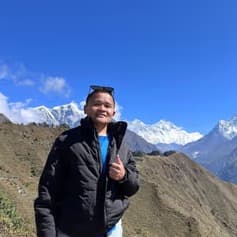
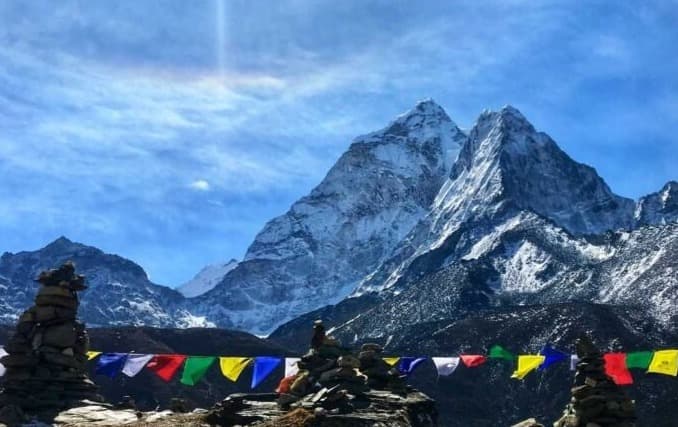
The Mardi Himal Trek is a short high-altitude trek in Nepal’s Annapurna Conservation Area that leads to Mardi Himal Base Camp at 4,500 meters and can be completed either solo or with a licensed guide. Choosing the right option depends on more than budget or independence. The decision is shaped by your trekking experience, altitude readiness, navigation skills, travel season, and comfort managing mountain risks such as fog, snowfall, and acute mountain sickness (AMS) on remote sections above Forest Camp and High Camp.
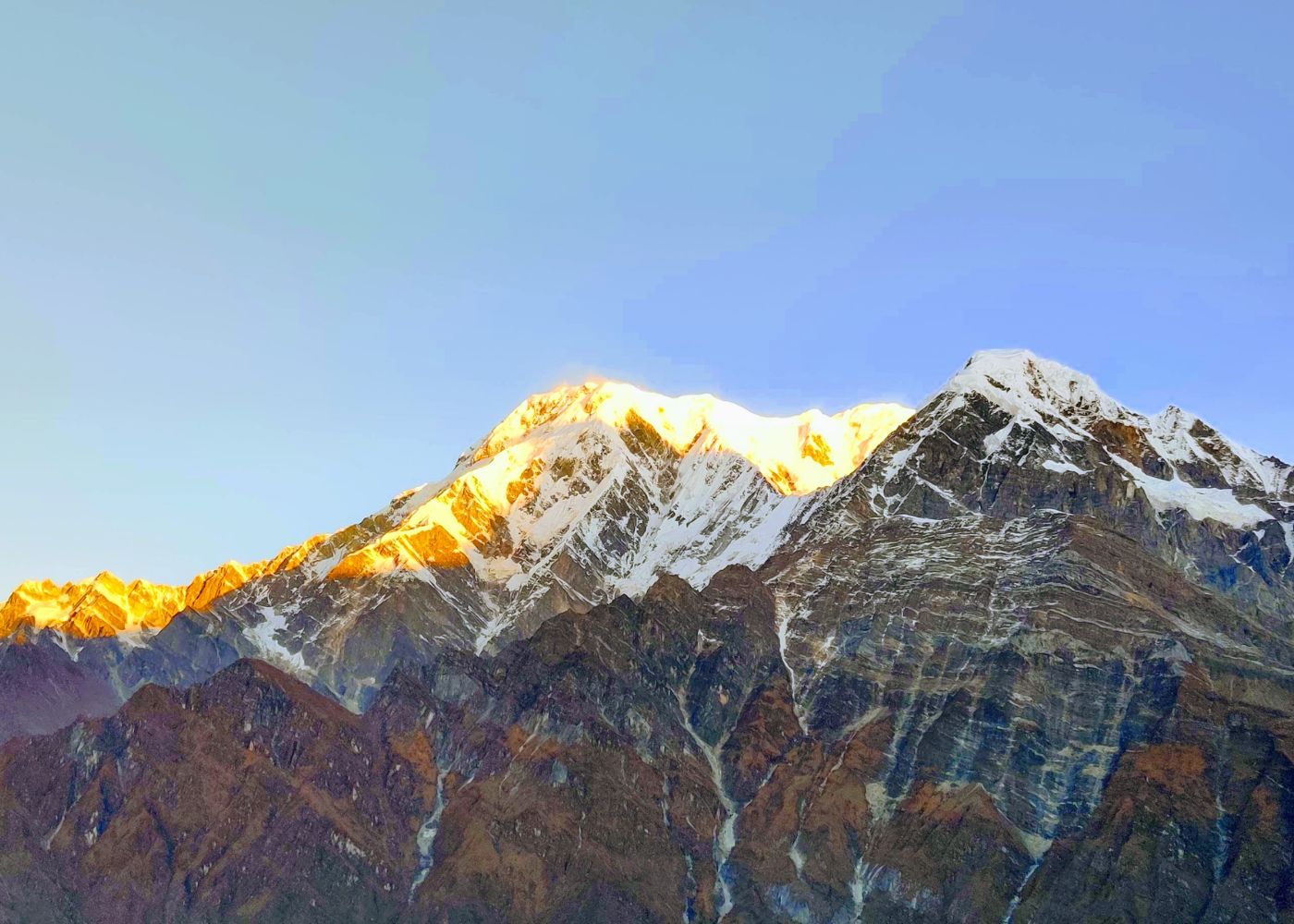
Solo trekking on Mardi Himal appeals to experienced hikers who want lower costs, flexible pacing, and full control over logistics, while guided trekking offers stronger safety support, local cultural insight, route finding, and emergency coordination for beginners, families, and solo female travelers. A complete decision requires comparing permits such as Annapurna Conservation Area Project (ACAP) and TIMS (Trekkers' Information Management System), trail difficulty, weather exposure, teahouse access, guide and porter costs, and the overall value of independence versus support. This guide breaks down every major factor so you can choose the trekking style that best matches your goals, confidence, and season of travel.
What Makes the Mardi Himal Trek Popular for Solo and Guided Hikers?
The Mardi Himal Trek attracts both solo and guided hikers because it offers a shorter duration of 5 to 7 days, lower permit costs than classic Annapurna routes, and dramatic Himalayan views without extreme altitude exposure. The trail combines accessibility with wilderness, making it viable for independent trekkers and rewarding for guided groups alike.
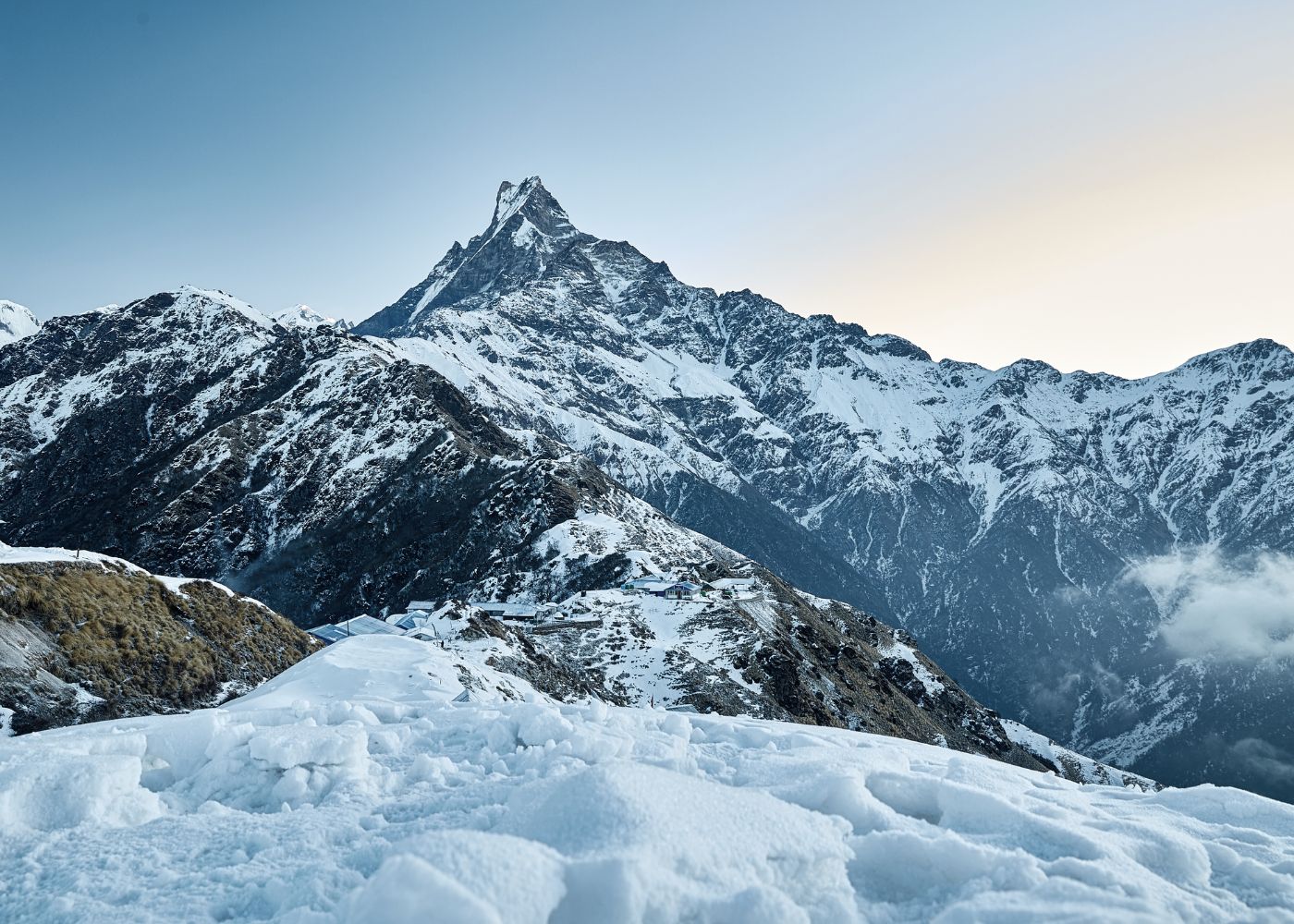
The Mardi Himal Trek is a defined trekking route in the Annapurna Conservation Area of Gandaki Province, Nepal. It leads to Mardi Himal Base Camp at 4,500 meters above sea level. The route passes through Rhododendron forests, ridge trails, and high-altitude meadows.
Solo trekkers choose this trail for its relative compactness and available teahouse infrastructure. Guided groups choose it for its cultural richness, including encounters with Gurung and Magar communities in villages like Lwang Ghalel and Sidhing.
The trail became officially recognized as a separate trekking route by Nepal Tourism Board in 2012, following years of use by local herders and a small number of independent trekkers.
Where Is the Mardi Himal Trek and How Difficult Is It?
The Mardi Himal Trek starts from Kande or Phedi, near Pokhara in Gandaki Province, Nepal, and reaches a maximum elevation of 4,500 meters at Mardi Himal Base Camp. The difficulty rating is moderate, requiring 5 to 7 days of walking at 5 to 8 hours per day.
Pokhara serves as the gateway city, located 200 kilometers west of Kathmandu. The trek falls entirely within the Annapurna Conservation Area (ACA), which covers 7,629 square kilometers of protected Himalayan terrain.
The trail gains approximately 3,200 meters in elevation from start to finish. 3 key high points define the route: Forest Camp at 2,520 meters, High Camp at 3,580 meters, and Mardi Himal Base Camp at 4,500 meters.
Terrain types on this trek include forest paths, exposed ridgelines, and rocky alpine zones. Trail markers exist on the main route, but visibility drops significantly in fog and snowfall, which occur frequently above 3,500 meters between December and February.
Who Is This Trek Best Suited For?
The Mardi Himal Trek suits trekkers with basic fitness levels and at least 3 to 5 days of prior hiking experience. It is accessible to beginners with a guide, and manageable solo for those with prior high-altitude trekking experience above 3,000 meters.
5 primary trekker profiles complete this route successfully:
-
Experienced solo trekkers with previous Himalayan or alpine experience
-
Beginner trekkers accompanied by a licensed guide
-
Solo female trekkers who hire a local guide for safety and navigation
-
Small family groups using a guide-porter combination
-
Budget travelers with trekking experience who prefer independent itineraries
Trekkers with cardiovascular conditions, recent injuries, or zero altitude exposure above 2,500 meters face higher risk completing this trek solo without professional support.
Can You Do the Mardi Himal Trek Solo Legally and Safely?
Solo trekking on the Mardi Himal Trek is legally permitted for all nationalities. Nepal does not require a mandatory guide for this route. Safety depends on individual experience, seasonal conditions, and preparedness, not on legal requirements.
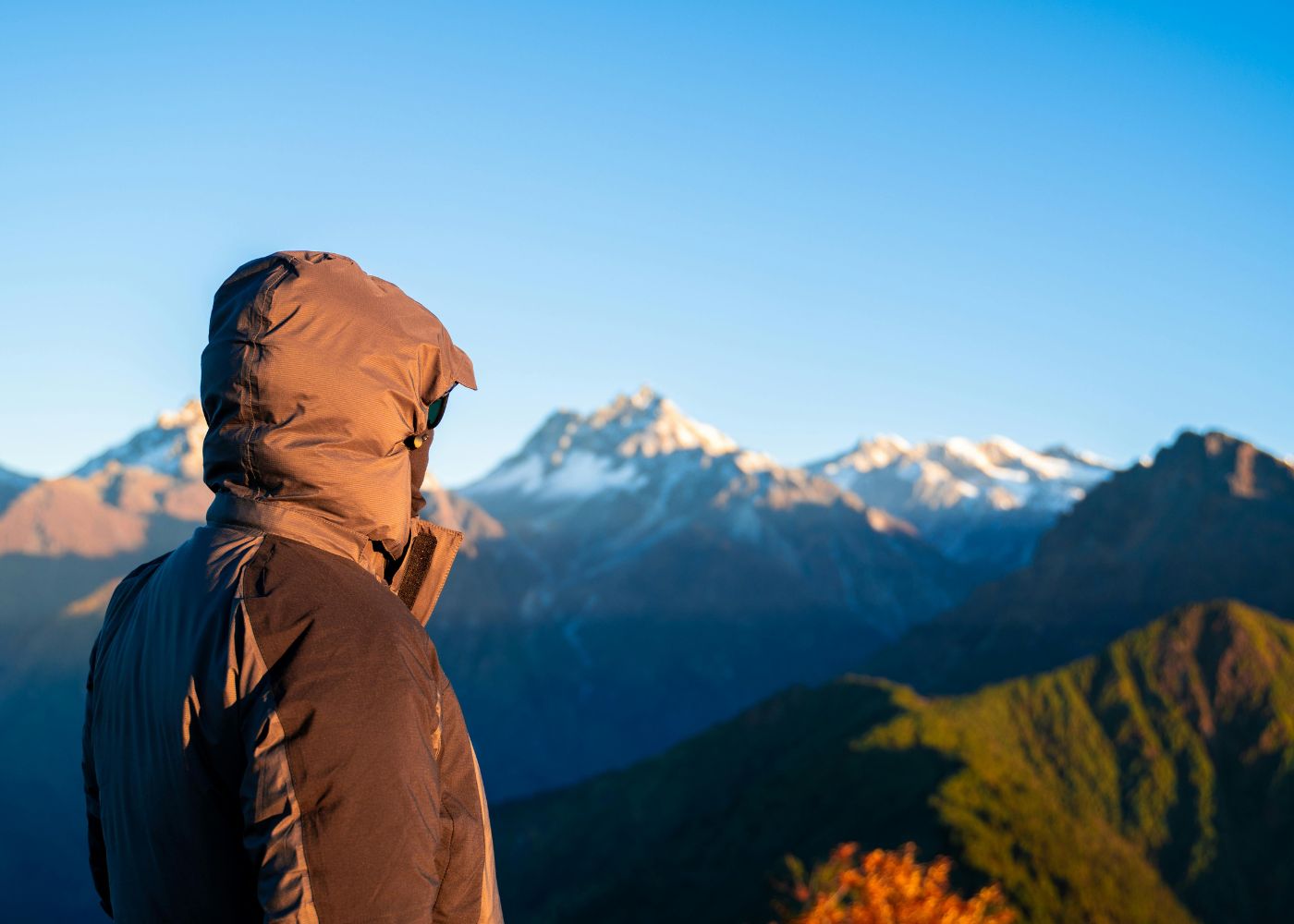
Nepal's Department of Immigration and the Annapurna Conservation Area Project (ACAP) regulate trekking access through permit systems, not through mandatory guide rules. This distinguishes the Mardi Himal Trek from restricted areas like Upper Mustang or Dolpo, where licensed guides are mandatory.
Solo trekking becomes legally complete when a trekker carries 2 active permits: the Annapurna Conservation Area Permit (ACAP) and the TIMS card (Trekkers' Information Management System). Checkpoint rangers verify both documents at entry points near Kande and at trail checkpoints above Pothana.
Do You Need a Guide or Porter for the Mardi Himal Trek?
No legal requirement mandates a guide or porter for the Mardi Himal Trek. Hiring a guide is a personal decision based on safety preferences, navigation confidence, and language ability. Porters carry loads up to 25 kilograms and do not provide navigation or emergency support.
A guide differs from a porter in 3 functional ways: guides provide route navigation, local knowledge, and emergency coordination; porters carry luggage but do not navigate or advise. Many trekkers hire a guide-porter, a single person trained in both roles.
What Permits and Checkpoints Should Solo Trekkers Know?
Solo trekkers on the Mardi Himal Trek require 2 permits: the Annapurna Conservation Area Permit (ACAP) at NPR 3,000 (approximately USD 22) per person and the TIMS card at NPR 2,000 (approximately USD 15) per person. Both are obtained in Kathmandu or Pokhara before the trek begins.
The Annapurna Conservation Area Permit (ACAP) is issued by the National Trust for Nature Conservation (NTNC), a government-affiliated body established in 1982. The TIMS card is issued by the Trekking Agencies' Association of Nepal (TAAN) or Nepal Tourism Board offices.
4 main checkpoints mark the Mardi Himal Trail where permit verification occurs:
-
Kande (starting point)
-
Pothana
-
Forest Camp area
-
Deurali junction
Solo trekkers who bypass checkpoints face fines and forced evacuation from the trail. Registering at every checkpoint also creates a rescue trail for emergency response teams from High Camp and above.
What Safety Risks Are Higher When Trekking Alone?
Solo trekkers on the Mardi Himal Trek face 5 elevated safety risks: trail disorientation in fog above 3,500 meters, acute mountain sickness (AMS) without a companion to monitor symptoms, injury without immediate evacuation support, hypothermia in sudden snowfall, and checkpoint irregularities that delay rescue tracing.
Acute Mountain Sickness (AMS) is a medical condition triggered by rapid ascent above 2,500 meters. Symptoms include severe headache, nausea, fatigue, and loss of coordination. AMS progresses to High-Altitude Pulmonary Edema (HAPE) or High-Altitude Cerebral Edema (HACE) without immediate descent, both of which are life-threatening conditions.
Trail disorientation above Forest Camp increases sharply during snowfall and low-visibility cloud cover. GPS applications including Gaia GPS and Maps.me provide offline trail data, but device failure in subzero temperatures at High Camp requires a physical map and compass as backup.
Teahouse owners along the route provide basic emergency support, but no medical station exists between Deurali (2,100 meters) and Mardi Himal Base Camp (4,500 meters). Helicopter evacuation from High Camp costs between USD 1,500 and USD 3,500, depending on insurance coverage and weather windows.
What Are the Pros and Cons of a Solo Mardi Himal Trek?
Solo trekking on the Mardi Himal Trail delivers 4 core advantages: full schedule control, lower total cost, personal solitude, and pace flexibility. It carries 4 core disadvantages: elevated safety risk, limited cultural interpretation, navigation dependency, and no external AMS monitoring.
The following table summarizes the 8 primary trade-offs between solo and guided trekking on this route. Each factor is evaluated by impact level to help trekkers make an informed decision.
|
Factor |
Solo Trekking |
Guided Trekking |
|
Schedule Control |
Full flexibility |
Fixed or negotiated |
|
Total Cost |
NPR 15,000–25,000 |
NPR 35,000–60,000 |
|
Navigation Support |
Self-reliant |
Provided |
|
AMS Monitoring |
None |
Active by guide |
|
Cultural Insight |
Limited |
Deep |
|
Emergency Response |
Delayed |
Faster |
|
Social Interaction |
Variable |
Consistent |
|
Language Barrier |
High in remote areas |
Eliminated |
Does Solo Trekking Offer More Freedom and Flexibility?
Solo trekking on the Mardi Himal route provides complete daily schedule control, including the ability to adjust rest days, extend High Camp stays for summit views, and modify the itinerary based on weather without coordination delays.
A guided trekker operates on a pre-agreed itinerary that balances the guide's schedule, group pace, and teahouse booking confirmations. Solo trekkers wake, depart, and rest entirely on personal timelines.
This flexibility carries direct value at High Camp, where pre-dawn starts between 4:00 AM and 5:00 AM capture clear Annapurna and Machapuchare visibility before afternoon cloud cover arrives. Solo trekkers adapt this window freely. Guided groups with multiple members require group consensus.
What Challenges Do Solo Trekkers Face on This Route?
Solo trekkers on the Mardi Himal Trail face 5 documented challenges: route finding above High Camp in low visibility, language barriers at remote teahouses above Forest Camp, solo AMS risk management, logistics coordination from Pokhara, and psychological isolation during multi-day high-altitude sections.
Teahouse staff above Forest Camp speak limited English. Nepali language skills or a translation application reduces this barrier by 70% in practical terms. Ordering meals, communicating health symptoms, or requesting emergency help in Nepali accelerates response in critical situations.
How Much Experience Should You Have Before Going Solo?
Solo trekkers on the Mardi Himal Trek require a minimum of 2 prior multi-day trekking experiences, including at least 1 trek that reached above 3,000 meters. Trekkers without altitude experience above 2,500 meters face unquantified AMS risk at High Camp and Mardi Himal Base Camp.
3 competency benchmarks define readiness for solo Mardi Himal trekking:
-
Navigation with offline maps and compass on unmarked terrain
-
Self-diagnosis of AMS symptoms and self-directed descent decisions
-
Solo logistics management including permit acquisition, transport, and teahouse booking
What Are the Benefits of Hiring a Guide for Mardi Himal?
Hiring a guide for the Mardi Himal Trek delivers 5 measurable benefits: active AMS monitoring, real-time route navigation, cultural and language mediation, emergency coordination with local rescue networks, and logistics management from Pokhara to the trail.
A licensed trekking guide in Nepal is a professional certified by the Nepal Tourism Board (NTB) after completing a minimum 42-day training program that covers first aid, route knowledge, altitude physiology, and guest management. Licensed guides carry NTB identification cards.
An unlicensed guide lacks this training and cannot access official rescue coordination networks or insurance support frameworks. Trekkers hiring guides independently verify the NTB license number before departure from Pokhara.
How Can a Guide Improve Safety and Decision-Making?
A licensed guide improves Mardi Himal Trek safety through 3 direct mechanisms: continuous AMS symptom monitoring at checkpoints, weather-informed descent or acclimatization decisions, and immediate communication with teahouse owners and local rescue operators in Nepali.
AMS symptom monitoring is the most critical safety function a guide performs above 3,500 meters. Guides trained in Wilderness First Aid (WFA) protocols identify early AMS indicators, headache above 7 on a 10-point pain scale, loss of coordination, or persistent nausea, and initiate descent protocols before symptoms escalate to HAPE or HACE.
Decision-making at High Camp during weather changes benefits from a guide's 3 to 5 years of direct experience on the specific trail. A guide differentiates between temporary cloud cover and an approaching storm front based on wind direction, temperature drop patterns, and seasonal knowledge.
Can a Guide Help With Navigation, Weather, and Logistics?
A guide manages all 3 operational pillars of a Mardi Himal trek: navigation from Kande to Base Camp across 5 distinct terrain zones, weather pattern interpretation using local knowledge, and logistics coordination including teahouse reservations, porter loads, and permit compliance.
Trail navigation above High Camp involves a 2.5-kilometer exposed ridgeline with unmarked bifurcations in snowfall. Guides memorize this section through repeated traversals and adjust the approach path based on current snow depth and rockfall risk.
Logistics management by a guide eliminates 4 coordination tasks: teahouse booking at Forest Camp, High Camp, and Badal Danda; porter hiring and load distribution in Pokhara; permit line management at NTNC and TAAN offices; and transport arrangement from Pokhara to Kande.
Is a Guide More Useful in Peak or Off-Season Conditions?
A guide provides greater operational value in off-season trekking conditions, specifically December through February and June through August, when snowfall, monsoon rain, and trail closure risk increase navigation difficulty by a measurable degree at elevations above 3,000 meters.
Peak season trekking (March–May and October–November) provides clear trails, reliable weather windows, and dense teahouse activity that creates a natural safety network for solo trekkers. Off-season trekking reduces teahouse availability to 40–60% of normal capacity and increases trail isolation on upper sections.
A guide's value coefficient increases directly in proportion to seasonal difficulty. In peak season, a guide primarily adds cultural richness and comfort. In off-season, a guide adds route safety and emergency access.
How Does the Cost of Solo vs Guided Trekking Compare?
Solo trekking on the Mardi Himal route costs between NPR 15,000 and NPR 25,000 (USD 112–187) for a 7-day itinerary, excluding international flights and Pokhara accommodation. A guided trek with a licensed guide and optional porter costs between NPR 35,000 and NPR 60,000 (USD 262–449) for the same duration.
This cost comparison covers the 6 primary expense categories: permits, transport, accommodation, food, guide fees, and porter fees.
Is Solo Trekking Really Cheaper Overall?
Solo trekking costs 40–55% less than a guided Mardi Himal Trek in direct out-of-pocket expenses. The cost gap narrows when solo trekkers factor in emergency evacuation insurance, GPS application subscriptions, and the value of time saved by guide-managed logistics.
Helicopter evacuation insurance, which covers emergency extraction costs up to USD 5,000, costs between USD 6 and USD 12 per day through providers including World Nomads and Trekkers Insurance. Solo trekkers without this coverage absorb 100% of evacuation costs out-of-pocket.
What Does a Guide or Porter Usually Cost?
A licensed trekking guide on the Mardi Himal Trek charges between NPR 2,500 and NPR 4,000 (USD 19–30) per day. A porter charges between NPR 1,500 and NPR 2,500 (USD 11–19) per day. A guide-porter, trained in both roles, charges between NPR 2,800 and NPR 3,500 (USD 21–26) per day.
Daily guide fees include the guide's food, accommodation, and insurance costs during the trek. Trekkers pay these costs separately in addition to the daily fee. Tips are not included in the daily rate; the standard tip for a 7-day trek is NPR 3,000–5,000 (USD 22–37) per guide.
Porter loads are capped at 25 kilograms by Nepal's Tourism Act. Trekkers who exceed this limit face porter refusal or mandatory splitting of loads into 2 porter hires.
Which Option Offers Better Value for Different Travelers?
Guided trekking delivers superior value for 4 trekker profiles: first-time Himalayan trekkers, solo female travelers, groups with mixed fitness levels, and trekkers in off-season conditions. Solo trekking delivers superior value for experienced trekkers with prior altitude exposure, navigation skills, and flexible schedules.
Value is measured across 3 dimensions: safety return per dollar spent, experiential depth per day, and logistical time saved. A guide scores highest on all 3 dimensions for inexperienced trekkers. For experienced trekkers, solo trekking scores highest on cost-to-experience ratio.
How Does the Trekking Experience Differ Solo vs Guided?
Solo trekking produces a more introspective, pace-controlled experience on the Mardi Himal route. Guided trekking produces a more culturally immersive, contextually narrated experience. The experiential gap widens above Forest Camp, where cultural villages become sparse and natural interpretation replaces social infrastructure.
Will Solo Trekkers Meet Other Hikers Easily?
Solo trekkers on the Mardi Himal Trail meet other hikers with high frequency during peak season (March–May and October–November) at 3 primary locations: Forest Camp teahouses, High Camp lodges, and the Base Camp viewpoint. Meeting frequency drops by approximately 60–70% in off-season months.
Teahouses at Forest Camp and High Camp function as natural social hubs. International trekkers from South Korea, Israel, the United States, and Germany represent the 4 largest foreign trekking demographics on this route based on Nepal Tourism Board arrival data.
Solo trekkers seeking companionship connect with other hikers at teahouse dinner tables where common routes, summit attempts, and weather conditions provide natural conversation anchors.
Does Guided Trekking Offer More Cultural Insight?
Guided trekking on the Mardi Himal route delivers significantly deeper cultural insight through 3 channels: a guide's bilingual narration in trail villages, introductions to Gurung and Magar community members, and contextualized explanation of Buddhist shrines, chortens, and prayer flag traditions along the route.
The Gurung people are an ethnic group indigenous to the mid-hills of Nepal's Gandaki Province, known historically as Gorkha soldiers and agriculturalists. The Magar people are a Tibeto-Burman ethnic group concentrated in villages like Lwang Ghalel, which the Mardi Himal trail passes through.
A solo trekker without Nepali language skills walks through these villages without cultural context. A guide translates interactions, explains architectural and religious significance, and facilitates direct community engagement that transforms a hiking route into a cultural corridor.
Which Option Feels More Comfortable for First-Time Trekkers?
Guided trekking provides greater psychological and practical comfort for first-time trekkers through 4 mechanisms: elimination of permit confusion, removal of navigation anxiety, active health monitoring, and Nepali language mediation at teahouses and checkpoints.
First-time Himalayan trekkers report that permit acquisition, transport logistics from Pokhara, and teahouse booking create the highest pre-departure stress points. Guides absorb all 3 of these tasks. Trail anxiety above High Camp, particularly on the exposed ridge to Base Camp, diminishes when a guide provides directional confidence and pace management.
When Should You Choose Solo Trekking Over a Guide?
Choose solo trekking on the Mardi Himal Trek when you have completed at least 2 prior multi-day treks above 3,000 meters, carry offline navigation tools, hold valid emergency evacuation insurance, and are trekking during peak season with full teahouse availability.
Is Solo Trekking Better for Experienced Hikers?
Solo trekking is the optimal choice for experienced hikers who prioritize schedule freedom, personal pace, and cost reduction. Experienced hikers with AMS self-management knowledge, offline GPS navigation, and basic Nepali language phrases extract maximum value from a solo Mardi Himal itinerary.
3 experience markers define a trekker as ready for solo Mardi Himal completion:
-
Completed a prior trek above 3,500 meters with successful acclimatization
-
Navigated an unmarked or partially marked trail independently
-
Managed multi-day logistics including permits, accommodation, and transport in a non-English-speaking country
When Does Independent Trekking Make the Most Sense?
Independent trekking on this route makes the most practical sense during peak season (March–May or October–November), when teahouse density is at 100% capacity, trail markers are visible, other trekkers provide an informal safety network, and weather windows are most predictable.
The logical framework for choosing independent trekking rests on 3 conditions all being true simultaneously: established trekking experience, favorable seasonal conditions, and personal preference for solitude or self-directed exploration. When all 3 conditions are met, the guide's operational value decreases to primarily cultural enrichment.
When Is Hiring a Guide the Better Choice?
Hiring a guide is the better choice in 5 conditions: first-time Himalayan trekking, off-season travel (December–February or June–August), solo female travel, family groups with children, and any medical history involving respiratory, cardiovascular, or altitude-related conditions.
Should Beginners, Families, or Solo Women Hire a Guide?
Beginners, families, and solo women trekking the Mardi Himal route gain the most measurable benefit from hiring a licensed guide. Beginners reduce AMS risk, families ensure child safety and pace management, and solo women access gender-specific safety support through a local guide's cultural authority in remote areas.
Solo female trekkers in Nepal report that a male local guide reduces harassment incidents in remote teahouses and trail junctions. A guide's presence communicates cultural respect and professional context that deters unwanted interaction in low-population sections above Forest Camp.
Families with children under 14 years old face additional logistical complexity on exposed ridgelines and high-altitude snow sections. A guide manages group separation, monitors child altitude response, and communicates with teahouse owners to prepare child-appropriate meals and sleeping arrangements.
Does a Guide Make Bad Weather or Quiet Seasons Easier?
A guide reduces the operational difficulty of off-season Mardi Himal trekking by managing 4 weather-related challenges: identifying safe snow crossing windows above High Camp, rerouting through alternate paths during trail closure, coordinating with available teahouses in low-capacity months, and executing emergency descent protocols during storm conditions.
Monsoon season (June–August) deposits heavy rainfall on lower trail sections and creates leech-active zones between Kande and Forest Camp. Snow season (December–February) closes the High Camp to Base Camp section for days at a time. A guide with active season experience navigates both conditions more safely than a first-time trekker on either route.
How Can You Decide Between Solo and Guided Trekking?
The decision between solo and guided Mardi Himal trekking reduces to 4 diagnostic questions: What is your prior altitude trekking experience? What season are you trekking in? What is your total available budget? How comfortable are you with solo navigation in low-visibility terrain?
What Questions Should You Ask Before Choosing?
Before finalizing a solo or guided approach to the Mardi Himal Trek, evaluate your answers against these 6 decision questions:
-
Have you trekked above 3,000 meters before, and did you experience AMS symptoms?
-
Are you trekking between October and May, or in monsoon and winter months?
-
Do you carry offline navigation tools and emergency evacuation insurance?
-
Is your Pokhara-to-trailhead transport and permit logistics already confirmed?
-
Is your goal primarily scenic and physical, or culturally enriched?
-
Are you trekking alone, with a partner, or in a group of 3 or more?
A "no" answer to questions 1, 3, or 4 indicates direct benefit from hiring a guide.
Which Option Fits Your Budget, Confidence, and Goals?
Budget travelers with strong trekking confidence and peak-season itineraries extract the best total value from solo trekking. Budget-conscious beginners with first-time Himalayan ambitions extract the best safety-adjusted value from a guide-porter hire at NPR 2,800–3,500 (USD 21–26) per day.
The trekking goal determines the correct choice with equal weight to budget and confidence. A trekker whose primary goal is summit photography and physical achievement gains equal value solo. A trekker whose primary goal is cultural immersion and contextual understanding gains disproportionate value with a local guide.
How Should You Approach the Mardi Himal Trek With a Guide?
Approaching the Mardi Himal Trek with a guide requires 4 pre-departure steps: verify the guide's NTB license number through Nepal Tourism Board's online registry, confirm the daily rate and expense coverage in a written agreement, review the guide's prior Mardi Himal-specific experience in seasons matching yours, and establish an emergency communication protocol including satellite messenger or local SIM card usage.
Booking a guide through a registered Pokhara trekking agency provides 3 protections unavailable through informal hiring: legal employment documentation, third-party dispute resolution, and guide insurance coverage. Trekking agencies registered with the Nepal Tourism Board and TAAN operate under regulatory frameworks that protect both client and guide.
The itinerary discussion with the guide before departure covers 5 essential elements: daily walking hours, acclimatization day placement, teahouse confirmation for each night, load distribution between porter and personal carry, and bad-weather contingency options at High Camp.
Can a Local Trekking Guide Improve Your Mardi Himal Trek?
A local Mardi Himal trekking guide improves the trek experience across 3 dimensions: safety through real-time AMS and weather monitoring, cultural depth through Gurung and Magar community context, and logistics efficiency through pre-established teahouse relationships and permit familiarity. Local guides with Mardi Himal-specific experience outperform generalist Pokhara guides in all 3 dimensions because of route-specific knowledge accumulated over 3 to 10 seasons.
Local guides from Lwang Ghalel, Sidhing, or Ghachok villages carry direct community relationships that open teahouse conversations, local farm visits, and homemade meal experiences inaccessible to both solo trekkers and guides from outside the region.
What Are the Key Takeaways About Solo vs Guided Trekking?
The Mardi Himal Trek is completed successfully both solo and guided, with the right choice determined by trekking experience, season, budget, and personal goals rather than by legal requirements. Solo trekking delivers cost savings of 40–55%, full schedule control, and deep personal autonomy. Guided trekking delivers active safety monitoring, cultural immersion, and logistics elimination.
6 final principles summarize the solo vs guided Mardi Himal decision:
-
Experienced trekkers with prior altitude exposure above 3,000 meters trek solo most effectively in peak season
-
Beginners, solo female travelers, and families extract the highest safety and cultural value from licensed local guides
-
Off-season trekking between December and February increases guide value from convenient to essential for safe navigation above High Camp
-
Permit acquisition (ACAP at NPR 3,000 and TIMS at NPR 2,000) is mandatory for all trekkers regardless of solo or guided status
-
Emergency evacuation insurance covering up to USD 5,000 in helicopter extraction costs is the single most important financial protection for solo trekkers
-
A licensed NTB-certified guide charges NPR 2,500–4,000 (USD 19–30) per day and provides active AMS monitoring, route navigation, and emergency coordination that no digital tool fully replicates on this route
The Mardi Himal Trek rewards both independent adventurers and culturally curious guided travelers with equal generosity, the mountain does not discriminate by trekking style. The preparation before the trail begins determines the quality of the experience above it.