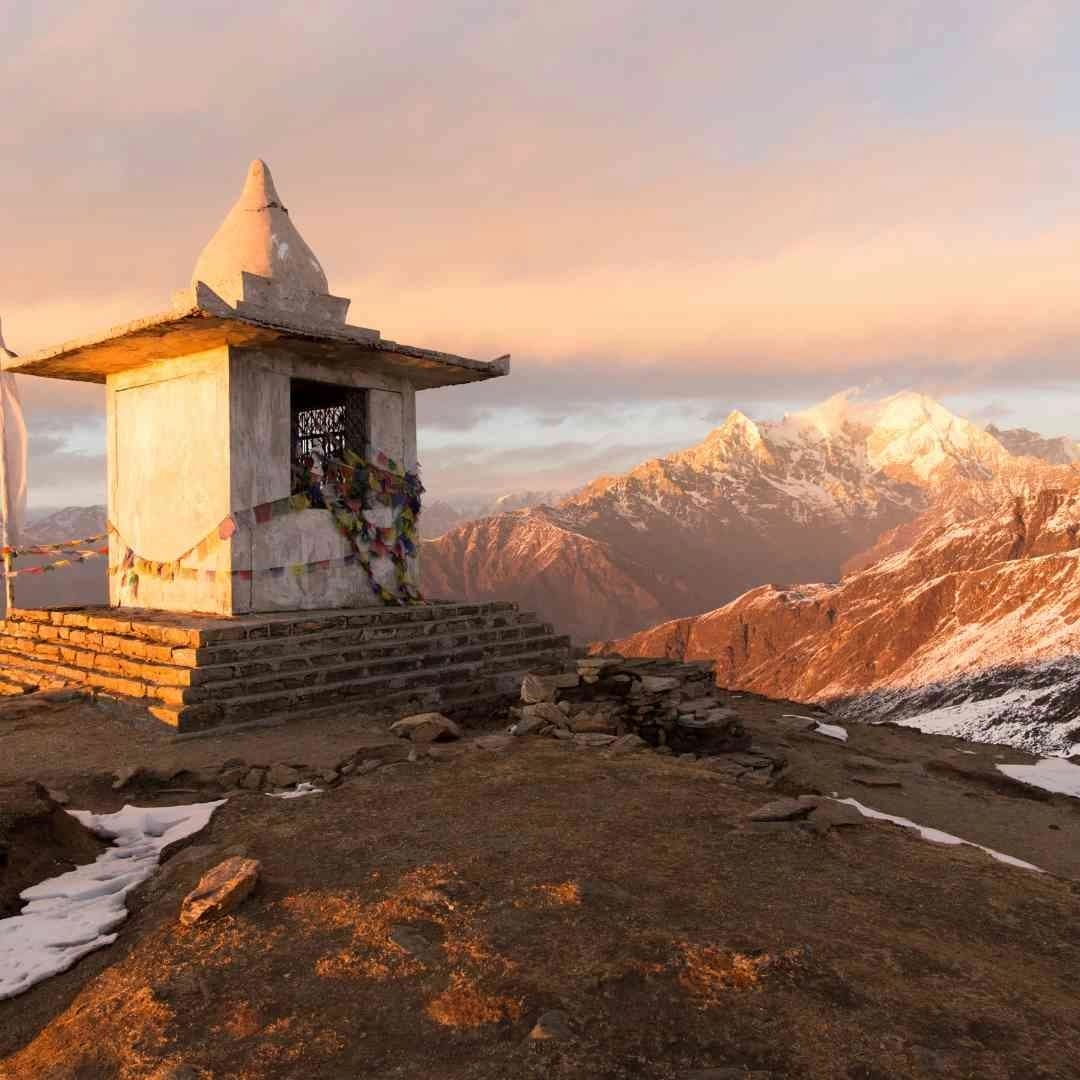
The 11-Day Mani Rimdu Festival Trek 2026 in Nepal is a Himalayan cultural trekking journey that combines Tibetan Buddhist traditions, Sherpa heritage, and spectacular Everest-region scenery in the Khumbu Valley. Centered on the annual Mani Rimdu Festival, this moderate trek takes travelers through Sagarmatha National Park, Phakding, and Namche Bazaar to experience sacred monastery ceremonies, traditional Chaam masked dances, Buddhist blessings, and the concluding Torma Lhong ritual.
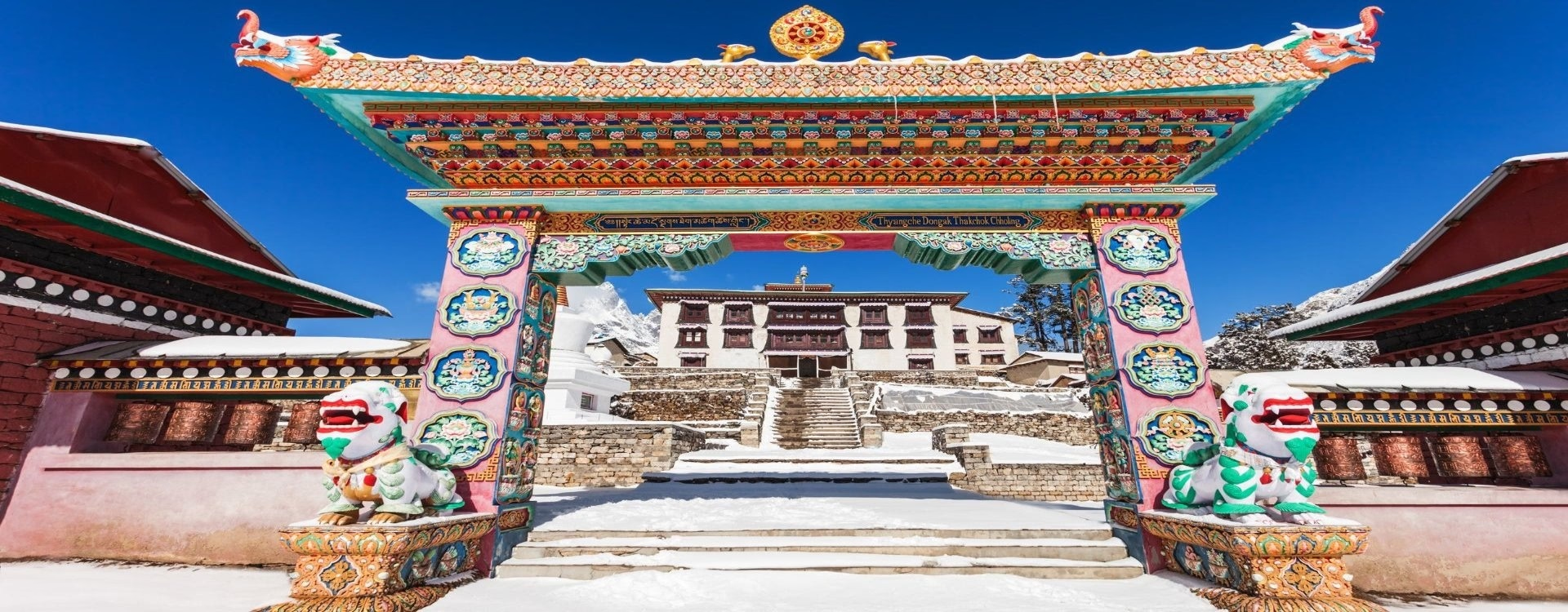
The journey offers two festival experiences: Tengboche Monastery from October 26–28, 2026, known for its grand celebrations and panoramic views of Everest and Ama Dablam, and Thame Monastery from November 5–7, 2026, renowned for its intimate atmosphere and close connection with traditional Sherpa community life.
Operated by Nepal Intrepid Treks, this 11-day Everest-region adventure includes domestic flights to Lukla, guided Himalayan trekking, an essential acclimatization day in Namche Bazaar, and three days dedicated to experiencing the Mani Rimdu Festival. With trekking elevations ranging from 2,610m to approximately 3,880m, the route offers an accessible alternative to more demanding high-altitude expeditions without requiring technical climbing experience.
October and November provide favorable post-monsoon trekking conditions, clear mountain views, and opportunities to explore historic monasteries and traditional Sherpa settlements. From understanding the festival's religious significance and choosing the right monastery to preparing for altitude, estimating trek costs, and arranging permits and accommodation, the Mani Rimdu Festival Trek 2026 combines cultural discovery, Himalayan adventure, and practical travel planning in one comprehensive Nepal trekking experience.
Why Is the Mani Rimdu Festival One of the Most Important Events in the Everest Region?
The Mani Rimdu Festival is the single most significant Buddhist event in the Khumbu Valley, a 3-day ceremony that unites Sherpa communities, Buddhist monks, and visiting pilgrims around sacred masked dances, prayers, and fire offerings. Every year, the festival draws thousands of cultural travelers to the Everest region specifically for its unique ceremonial programme that no other Buddhist event in Nepal replicates.
For the Sherpa people, Mani Rimdu represents the triumph of Buddhism over destructive forces and the blessing of all sentient beings. The festival is not a performance staged for tourists, it is a living religious tradition observed continuously at Tengboche and Thame monasteries for generations. Witnessing it carries the same weight as attending a centuries-old living pilgrimage where the audience participates rather than observes.
What Is the History of the Mani Rimdu Festival?
Mani Rimdu originated at Rongbuk Monastery in Tibet and was transplanted to the Khumbu Valley in the early 20th century when Sherpa lamas established Tengboche Monastery in 1916 and Thame Monastery in the years following.
The festival's name translates directly from Tibetan: Mani refers to the mani stones inscribed with the mantra "Om Mani Padme Hum," and Rimdu refers to the small blessed pill distributed to all attendees. The ritual preparation spans 19 private days before the 3-day public event begins. During those 19 days, monks create sacred torma (ritual dough offerings), conduct fire pujas, and prepare the elaborate Chaam ceremonial costumes.
Tengboche Monastery has shown remarkable resilience; after the original 1916 structure was destroyed by an earthquake in 1934, it was rebuilt, only to be consumed by a massive fire in 1989. Today's meticulously reconstructed monastery stands as the spiritual heart of the Khumbu at 3,867 metres above sea level.
What Religious Ceremonies Take Place During Mani Rimdu?
3 primary ceremonies define the public days of Mani Rimdu: the Blessing Day, the Chaam Masked Dance Day, and the Torma Throwing Day (Torma Lhong).
Day 1, Wong (Empowerment) Blessing Ceremony: The head lama distributes the sacred, blessed Mani pills (Rilwu) to all attendees. Receiving this pill is considered a direct spiritual empowerment and protection against misfortune for the coming year.
Day 2, Chaam Masked Dances: Monks in elaborate costumes representing deities, demons, and protective spirits perform ritual dances in the monastery courtyard. Each of the 8–12 dance sequences narrates a specific Buddhist teaching on the nature of karma, impermanence, and liberation.
Day 3, Torma Lhong Fire Puja: The fire puja concludes the festival with the dramatic throwing of torma effigies into fire, symbolizing the destruction of negative forces. Local Sherpas attend all 3 days, bringing family members including elders and children, reinforcing the festival's role as a living communal tradition.
Why Do Travelers Visit Nepal for the Mani Rimdu Festival?
Travelers visit Nepal for the Mani Rimdu Festival because it combines 3 experiences that cannot be replicated anywhere else: Himalayan trekking at high altitude, direct participation in a Tibetan Buddhist ceremony, and cultural immersion inside active Sherpa village life.
Everest-region treks are available year-round, but the Mani Rimdu window, October and November, coincides with the clearest skies, the most stable weather, and the festival's 3-day public programme. No other event in the Khumbu Valley concentrates the same density of cultural, spiritual, and scenic value into an 11-day window.
When and Where Will the Mani Rimdu Festival 2026 Be Celebrated?
The Mani Rimdu Festival 2026 will be celebrated at 2 monasteries in Nepal's Khumbu region: Tengboche Monastery and Thame Monastery. The Tengboche celebration runs October 26–28, 2026. The Thame celebration follows on November 5–7, 2026. Both dates are determined by the full moon of the 9th month of the Tibetan lunar calendar.
When Will the Mani Rimdu Festival 2026 Be Held at Tengboche Monastery?
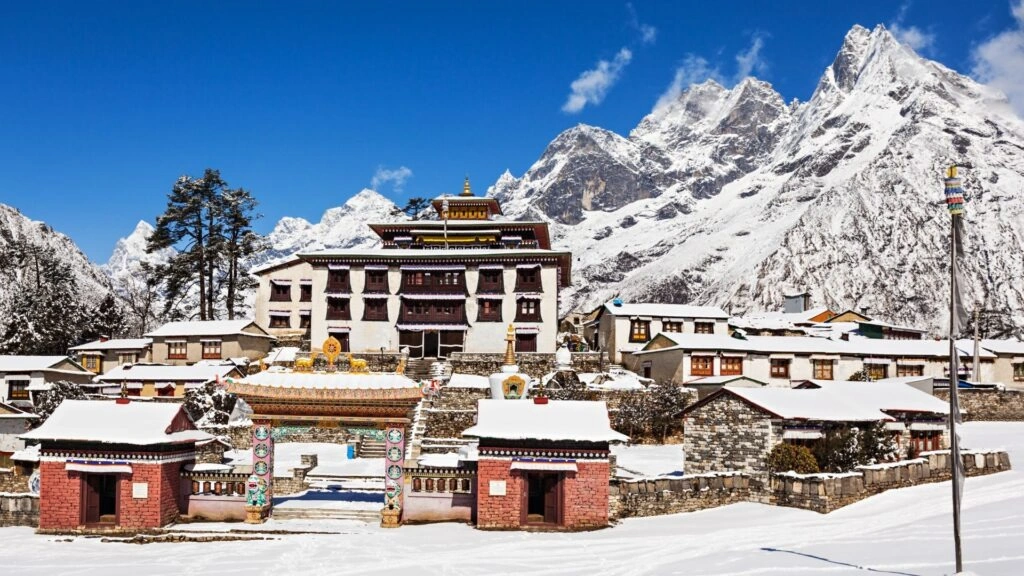
The Mani Rimdu Festival 2026 at Tengboche Monastery will be held on October 26, 27, and 28, 2026. Tengboche Monastery sits at 3,867 metres in the Khumbu Valley, approximately 6 hours of trekking above Namche Bazaar. It is the largest monastery in the Khumbu region and draws the largest festival attendance, typically 2,000–4,000 visitors across the 3 days, including Sherpa families from throughout the valley, Tibetan Buddhist practitioners, and international trekkers.
When Will the Mani Rimdu Festival 2026 Be Held at Thame Monastery?
The Mani Rimdu Festival 2026 at Thame Monastery will be held on November 5, 6, and 7, 2026. Thame Monastery sits at approximately 3,800 metres in Thame village, positioned 3 hours northwest of Namche Bazaar in the upper Bhote Koshi valley. Thame is the ancestral home community of Tenzing Norgay, the first Sherpa to summit Everest alongside Sir Edmund Hillary in 1953, a cultural connection that adds historical depth to every visit.
How Do Tengboche and Thame Festival Experiences Differ?
The Tengboche and Thame Mani Rimdu experiences differ in 3 key ways: scale, atmosphere, and trekking route. The following table presents the 4 most critical comparison points:
Factor | Tengboche | Thame |
Altitude | 3,867m | ~3,800m |
Festival Crowd | 2,000–4,000 visitors | 500–1,000 visitors |
Atmosphere | Grand, highly attended | Intimate, community-focused |
Trek Approach | South from Namche | West-northwest from Namche |
Tengboche delivers a grander spectacle, more resident monks, larger crowds, a dramatic mountain backdrop including Ama Dablam (6,812m) and Everest (8,849m). Thame delivers a more intimate experience where you stand shoulder-to-shoulder with Sherpa families rather than a mixed international crowd.
Mani Rimdu Festival 2026 Oct 26, 27 & 28: Tengboche Monastery
The Tengboche itinerary runs from October 22 to November 1, 2026, covering 11 days including arrival, 2 domestic flights, 5 trekking days, 3 festival days, and 1 farewell day.
Day 01 / Oct 22: Arrival
Arrive at Kathmandu's Tribhuvan International Airport. A Nepal Intrepid Treks representative meets you at arrivals and transfers you to your hotel in Thamel. The evening welcome briefing covers trek logistics, gear check, permit documentation, and altitude preparation. Kathmandu sits at 1,400 metres, your body begins its gradual adjustment immediately upon arrival.
Day 02 / Oct 23: Fly from Kathmandu/Ramechhap to Lukla and Trek to Phakding
Fly from Tribhuvan International Airport or Manthali Airport (Ramechhap) to Lukla's Tenzing-Hillary Airport at 2,840 metres. The 25–30 minute flight delivers aerial views of the Himalayan range before landing at one of the world's most dramatic mountain airstrips. From Lukla, trek 8 km south along the Dudh Koshi River valley to Phakding at 2,610 metres, a 2–3 hour walk through pine forest and past the first mani stone walls of the Khumbu. Overnight in Phakding.
Note: Ramechhap flights operate when Kathmandu airport faces peak-season congestion. Nepal Intrepid Treks confirms your specific departure point 48 hours before the flight.
Day 03 / Oct 24: Trek to Namche
Trek 11 km from Phakding (2,610m) to Namche Bazaar (3,440m), a 5–6 hour ascent through Sagarmatha National Park. The trail crosses the Hillary Suspension Bridge at 3,300 metres before the steep 600-metre final climb into Namche. Your Sagarmatha National Park permit receives its entry stamp at the Monjo checkpoint. The trail crosses the iconic Hillary Suspension Bridge at 3,300 metres. Shortly after, at the Top Danda viewpoint during the steep final climb into Namche, you will catch your very first glimpse of Mount Everest (8,849m) peering over the Lhotse-Nuptse ridge. Overnight in Namche.
Day 04 / Oct 25: Acclimatization Day and Hike to Everest View Hotel
Rest in Namche for acclimatization. The standard acclimatization hike climbs 440 metres above Namche to the Everest View Hotel at 3,880 metres, the world's highest-altitude hotel, operating since 1971. The panoramic terrace delivers unobstructed views of 6 major peaks: Everest, Lhotse, Nuptse, Ama Dablam, Thamserku, and Kangtega. Return to Namche for the night. This acclimatization day reduces Acute Mountain Sickness (AMS) risk by 60–70% for the higher-altitude festival days that follow.
Day 05 / Oct 26: Trek to Tengboche & Explore 1st Day Festival
Trek 10 km from Namche (3,440m) to Tengboche (3,867m), a 4–5 hour walk through Kyangjuma, Sanasa, and Phunki Tenga. Arrive at Tengboche in time for the afternoon's opening blessing ceremony. The head lama distributes Mani pills to all attendees. The monastery courtyard fills with monks in ceremonial robes, incense smoke, and the resonant sound of Tibetan horns and drums. Overnight at Tengboche.
Day 06 / Oct 27: Explore 2nd Day Festival
Full day at Tengboche for the Chaam masked dance ceremony, the festival's centrepiece. Monks perform 8–12 distinct dance sequences, each representing a different deity or protective spirit. Each costume requires 2–3 hours to assemble due to layered headdresses and embroidered robes. The performance runs 4–6 hours in the courtyard. Photography is welcomed during the outdoor dances, follow your guide's instruction on respectful distance during indoor ritual sequences. Overnight at Tengboche.
Day 07 / Oct 28: Explore 3rd and Final Day of Festival
Attend the Torma Lhong fire puja, the ceremonial closing of Mani Rimdu. The abbot leads final prayers before the torma effigies are thrown into fire, marking the ritual completion. After the ceremony, locals gather for communal meals and chang (Sherpa barley beer) in the village. This is the strongest day for informal interaction with Sherpa families and direct cultural exchange outside the monastery setting. Overnight at Tengboche.
Day 08 / Oct 29: Trek to Namche
Descend 10 km from Tengboche (3,867m) back to Namche Bazaar (3,440m) in 3–4 hours. Ama Dablam (6,812m) dominates the eastern skyline throughout the descent. Namche offers the Khumbu's best teahouses, bakeries serving fresh apple pie, and a well-stocked gear market for any replacement equipment. Overnight in Namche.
Day 09 / Oct 30: Trek to Lukla
Trek 22 km from Namche (3,440m) to Lukla (2,840m) in 6–7 hours. The long downhill day follows the Dudh Koshi valley through Phakding and crosses 6 suspension bridges. Arrive in Lukla for a final evening meal in the Himalaya before tomorrow's flight. Overnight in Lukla.
Day 10 / Oct 31: Fly to Ramechhap/Kathmandu
Take the morning flight from Lukla to Ramechhap or directly to Kathmandu, weather permitting. Mountain flights operate subject to visibility conditions, early morning fog causes 1–3 hour delays on approximately 20% of October departures. Nepal Intrepid Treks builds buffer time into the itinerary for this. Arrive in Kathmandu for hotel check-in and a farewell dinner.
Day 11 / Nov 01: Farewell
Final morning in Kathmandu. International airport transfers are organized per your departure flight schedule. Most trekkers use this morning for last-minute shopping in Thamel, a Nepali spa treatment, or a final Himalayan tea before their international flight home.
Mani Rimdu Festival 2026 Nov 05, 06 & 07: Thame Monastery
The Thame itinerary runs from November 1 to November 11, 2026, following the same 11-day structure but directed toward Thame village in the upper Bhote Koshi Valley west of Namche Bazaar.
Day 01 / Nov 01: Arrival
Arrive in Kathmandu. Nepal Intrepid Treks transfers you to your Thamel hotel. The welcome briefing and gear check take place the same evening. November temperatures in Kathmandu average 9°C at night and 24°C during the day, considerably cooler than October, requiring heavier insulation for the higher sections.
Day 02 / Nov 02: Fly from Kathmandu/Ramechhap to Lukla and Trek to Phakding
Same flight and trekking logistics as the Tengboche itinerary. Fly to Lukla (2,840m), trek to Phakding (2,610m) in 2–3 hours. November temperatures at Phakding drop to -2°C overnight, a down sleeping bag insert or warmer base layers are recommended from this first night onward. Overnight in Phakding.
Day 03 / Nov 03: Trek to Namche
Trek 11 km from Phakding (2,610m) to Namche Bazaar (3,440m). November delivers the clearest skies of the trekking year, atmospheric visibility frequently exceeds 100 km in the post-monsoon dry season. The Everest views from the Namche ridge are sharper and more defined in November than in any other month. Overnight in Namche.
Day 04 / Nov 04: Acclimatization Day and Hike to Everest View Hotel
Acclimatization hike to the Everest View Hotel (3,880m). By early November, the post-Dashain trekking surge from October has subsided, the hotel terrace is quieter and the peak views remain spectacular. The acclimatization protocol applies identically to the Tengboche itinerary: ascend to 3,880m, return to Namche (3,440m) for overnight sleeping. Overnight in Namche.
Day 05 / Nov 05: Trek to Thame & Explore 1st Day Festival
Trek 10 km from Namche (3,440m) west-northwest to Thame village (~3,800m), a 4-hour walk through the Bhote Koshi valley passing Thamo and Samde villages. Arrive for the 1st day blessing ceremony at Thame Monastery. Crowd sizes here run 500–1,000 visitors versus Tengboche's 2,000–4,000, the monastery courtyard feels distinctly intimate. The lama's blessing ceremony proceeds with the same ritual structure but with a stronger sense of community intimacy. Overnight in Thame.
Day 06 / Nov 06: Explore 2nd Day Festival
Full-day Chaam masked dance programme at Thame Monastery. The smaller audience at Thame allows front-row viewing with unobstructed sightlines to all 8–12 dance sequences. Interaction with local monks before and after the dances is more accessible than at Tengboche due to the smaller crowd. Photography conditions are excellent, the courtyard receives full southern light throughout the morning performance. Overnight in Thame.
Day 07 / Nov 07: Explore 3rd and Final Day of Festival
Torma Lhong fire puja and festival conclusion. The post-ceremony gathering in Thame village offers the most direct community access of any Mani Rimdu experience, Sherpa families frequently invite festival visitors to share food and chang in village homes at a noticeably higher rate than at Tengboche. This community hospitality is one of the most frequently cited highlights by Nepal Intrepid Treks guests who choose the Thame option. Overnight in Thame.
Day 08 / Nov 08: Trek to Namche
Return 10 km from Thame (~3,800m) east to Namche Bazaar (3,440m) in 3–4 hours. The valley views heading east reveal the full Khumbu Himal range in November's crisp, clear light, Everest, Lhotse, Nuptse, and Ama Dablam all visible simultaneously from the trail. Overnight in Namche.
Day 09 / Nov 09: Trek to Lukla
Trek 22 km from Namche (3,440m) to Lukla (2,840m) in 6–7 hours. November daylight runs approximately 11 hours, an early 6:30 AM start ensures a comfortable mid-afternoon arrival with time to rest before the morning flight. Overnight in Lukla.
Day 10 / Nov 10: Fly to Ramechhap/Kathmandu
Morning flight from Lukla. November weather delivers the most stable flying conditions of the trekking year, fog frequency drops significantly compared to October. Arrive in Kathmandu for hotel check-in and farewell dinner.
Day 11 / Nov 11: Farewell
Final morning in Kathmandu. International airport transfers organized per your departure flight. Trek complete.
How Difficult Is the 11-Day Mani Rimdu Festival Trek 2026?
The 11-Day Mani Rimdu Festival Trek 2026 rates as moderate in difficulty, it requires basic physical fitness, involves 4 full trekking days with daily distances ranging from 8 km to 22 km, and reaches a maximum sleeping altitude of 3,867 metres at Tengboche (or ~3,800m at Thame). No technical climbing, ropes, or ice axes are required at any point on the route.
What Fitness Level Is Required for This Trek?
Trekkers complete this route with 6–8 weeks of structured cardiovascular preparation, specifically, 3–4 weekly sessions of 45–60 minutes each involving hill walking, stair climbing, or sustained jogging. The core physical requirement is the ability to walk 5–6 hours consecutively on uneven terrain at altitude.
Trekkers aged 12 to 72 complete this route annually. Children aged 12 and older with prior hiking experience handle the altitude well when the acclimatization protocol is strictly followed. Trekkers over 60 with cardiovascular health clearance from a physician complete this trek without difficulty, provided they maintain their pace and never skip the Namche acclimatization day.
What Altitude Challenges Should Trekkers Expect?
3 altitude thresholds require attention on this trek: Namche Bazaar at 3,440m, the acclimatization hike to 3,880m, and the festival venue at either Tengboche (3,867m) or Thame (~3,800m).
Acute Mountain Sickness (AMS) affects approximately 25–40% of trekkers who ascend above 3,000 metres without adequate acclimatization. The 4 primary AMS risk factors on this route are ascending more than 500 vertical metres per day above 3,000m, dehydrating during the approach to Namche, skipping the acclimatization day at Namche, and flying to Lukla directly from sea-level cities without prior altitude exposure in the same trip.
How Does Acclimatization Improve Trek Safety?
Acclimatization reduces AMS risk by following 1 fundamental principle: climb high, sleep low. The Day 4 hike to 3,880m (Everest View Hotel) followed by descent back to Namche (3,440m) for overnight sleeping is the most critical safety activity on the entire 11-day itinerary.
Proper hydration plays an equal role, drinking 3–4 litres of water daily from Day 2 onward measurably reduces headache incidence at altitude. Diamox (acetazolamide) at 125–250mg twice daily is a clinically supported prevention option, consult a travel medicine physician at least 3 weeks before departure to assess suitability.
What Are the Major Highlights of the Mani Rimdu Festival Trek 2026?
The 11-Day Mani Rimdu Festival Trek 2026 delivers 4 distinct categories of highlight: Tibetan Buddhist cultural ceremony, Himalayan mountain views, living Sherpa heritage villages, and Sagarmatha National Park landscapes. No single Everest-region trek combines all 4 categories in 11 days as efficiently as this route.
What Cultural Experiences Make This Trek Unique?
3 cultural experiences distinguish this trek from all other Everest-region routes: direct participation in a Tibetan Buddhist ceremony, access to Sherpa village life in Namche Bazaar and the festival village (Tengboche or Thame), and personal interaction with practicing monks during a living religious ceremony.
Most trekkers who complete standard Everest Base Camp routes encounter monasteries as static historical sites visited briefly during the ascent. The Mani Rimdu itinerary positions the festival as the primary destination, with the trekking route as the path that earns you entry into it. That distinction fundamentally changes the quality of the cultural experience.
What Mountain Views Can Trekkers Expect Along the Route?
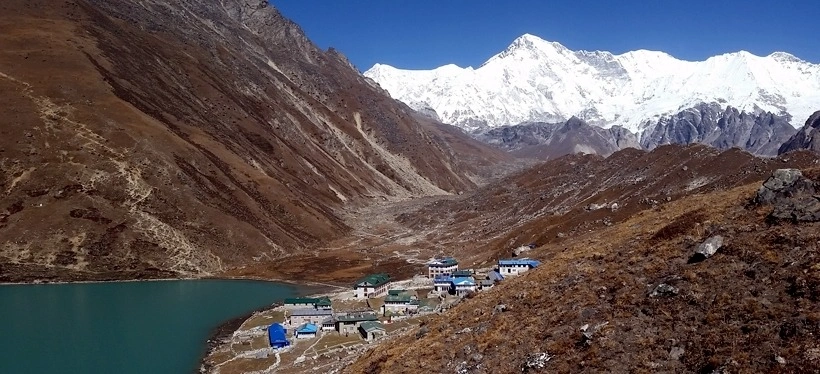
Trekkers on this route encounter clear views of 8 major Himalayan peaks across the trekking days:
Mount Everest (8,849m): visible from the Namche ridge on Day 3 and from the Everest View Hotel terrace on Day 4
Lhotse (8,516m): the world's 4th highest peak, visible from Namche onward alongside Everest
Ama Dablam (6,812m): the route's most photographed peak, dominating the eastern skyline between Namche and Tengboche
Nuptse (7,861m): visible as part of the Everest massif from ridge viewpoints
Cho Oyu (8,188m): The world's 6th highest mountain and Nepal's 5th highest peak, visible on the western horizon from the Thame route
Thamserku (6,608m), Kangtega (6,779m), and Kwangde Ri (6,187m), visible throughout the lower and mid-Khumbu trekking sections
October and November deliver the sharpest mountain visibility of the year. The post-monsoon atmosphere in October and the cold, dry November air both produce exceptional viewing conditions that other trekking seasons cannot match.
Which Sherpa Villages and Monasteries Are Visited?
This trek passes through or near 6 major Sherpa settlements and cultural sites:
Phakding (2,610m): the first Sherpa village on the trail, where traditional stone architecture and mani walls begin
Namche Bazaar (3,440m): the Khumbu Valley's commercial and cultural hub, home to the Sherpa Museum, the weekly Saturday market, and the highest-altitude bakeries in Nepal
Tengboche Monastery (3,867m): the Khumbu's most significant Buddhist monastery, housing 40+ resident monks under the guidance of the Rinpoche (reincarnate lama)
Thame village (~3,800m): the ancestral home community of Tenzing Norgay Sherpa and one of the most historically significant Sherpa settlements in Nepal
Kyangjuma and Sanasa: mid-route tea-house villages with traditional stone construction and spectacular valley views above Namche
What Should You Know Before Booking the Mani Rimdu Festival Trek 2026?
4 practical areas require action before booking: permits, packing, weather preparation, and booking lead time for festival departure dates. Each factor directly determines trek cost, safety, and experience quality.
What Permits Are Required for the Trek?
2 mandatory permits are required for all trekkers on the Mani Rimdu Festival route:
Sagarmatha National Park Entry Permit: NPR 3,000 per person (approximately USD 22). Issued at the Monjo entry gate on Day 3 of the trek. All park fees contribute directly to Sagarmatha National Park conservation programmes.
Khumbu Pasang Lhamu Rural Municipality Permit: NPR 3,000 per person (approximately USD 23). Issued at Lukla. This local government fee supports Sherpa community infrastructure and local services. This local government fee supports Sherpa community infrastructure and local services.
Nepal Intrepid Treks includes both permits in all standard Mani Rimdu Festival trek packages, trekkers do not need to arrange permits independently. The permits are processed and presented at each checkpoint by your assigned guide.
What Should You Pack for October and November Conditions?
4 equipment categories are essential for the Mani Rimdu Festival Trek: insulation layers, trekking footwear, sun protection, and trekking poles.
Insulation: Down jacket rated to -10°C minimum, thermal base layers, fleece mid-layer, and a waterproof outer shell
Footwear: Waterproof trekking boots with ankle support rated to -5°C, plus lightweight camp shoes for teahouse evenings
Sun protection: SPF 50+ sunscreen, UV-protection sunglasses, and a wide-brim hat, UV exposure increases 10% for every 1,000m of altitude gain
Trekking poles: Reduce knee stress by 25–30% on the steep descents between Tengboche and Namche, and between Namche and Phakding
October adds the possibility of brief afternoon showers from the tail end of the monsoon, a waterproof pack cover and rain jacket are essential. November requires heavier insulation for overnight temperatures that drop to -8°C to -12°C at Tengboche and Thame.
What Weather and Temperature Conditions Can You Expect?
October and November are the 2 premier trekking months in Nepal, delivering cloudless skies, stable daytime temperatures, and near-zero precipitation.
Month | Daytime Temp at Namche | Overnight Temp at Tengboche/Thame | Monthly Rainfall |
October | 8°C–15°C | -2°C to -6°C | 0–5mm |
November | 5°C–12°C | -8°C to -12°C | Near zero |
November's colder overnight temperatures require a 3-season sleeping bag rated to -10°C. Teahouses at both Tengboche and Thame provide insulated rooms, the primary cold risk is nighttime temperatures while sleeping, not daytime trekking conditions.
How Much Does the Mani Rimdu Festival Trek 2026 Cost?
The 11-Day Mani Rimdu Festival Trek 2026 costs between USD 1,400 and USD 2,200 per person depending on group size, accommodation standard, and specific inclusions. Nepal Intrepid Treks offers both group departure and fully private trek options for both the October and November windows.
What Is Usually Included in a Trek Package?
Standard Nepal Intrepid Treks Mani Rimdu Festival packages include 9 service categories:
Airport transfers on arrival and departure days in Kathmandu
Kathmandu hotel accommodation for 2 nights (3-star standard)
Domestic flights: Kathmandu or Ramechhap to Lukla and return
Teahouse accommodation on trek for 7 nights
All trek meals: breakfast, lunch, and dinner (21 meals total)
Licensed English-speaking trekking guide (Khumbu-born, certified)
Porter service at 1 porter per 2 trekkers, carrying up to 15 kg of your baggage
All mandatory trekking permits (Sagarmatha National Park and Khumbu Pasang Lhamu)
First aid kit and emergency helicopter evacuation coordination support
What Expenses Are Typically Excluded?
4 expense categories fall outside standard trek packages:
International flights to and from Kathmandu
Travel insurance with helicopter evacuation coverage, mandatory, with a minimum USD 100,000 evacuation coverage requirement
Personal trekking equipment (boots, poles, down jacket, sleeping bag)
Tips for guides and porters, the customary rate is USD 15–20 per day for your guide and USD 8–10 per day per porter, divided across the group
What Factors Affect the Total Trek Cost?
3 variables determine your final trek cost: group size, accommodation tier, and booking timing.
Group size: Solo travelers pay 20–30% more than the per-person rate for groups of 4 or more, because fixed costs for guide, porter, and permits apply regardless of group size
Accommodation: Standard teahouses are included at the base package price; deluxe lodges (where available) add USD 15–30 per night per room
Booking timing: Festival departure dates fill 4–6 months in advance, booking within 8 weeks of departure risks USD 100–200 premium pricing on last available slots, particularly for Tengboche accommodation during the October festival dates
Is This Trek Suitable for First-Time Trekkers?
Yes, the Mani Rimdu Festival Trek is appropriate for first-time trekkers who complete a structured 6–8 week fitness preparation programme before departure. The maximum sleeping altitude of 3,867m at Tengboche is 1,497 metres lower than Everest Base Camp (5,364m), making this one of the most accessible high-altitude cultural treks in Nepal.
First-time trekkers with no prior Himalayan experience complete this route annually with Nepal Intrepid Treks. The critical requirements are physical preparation, strict adherence to the acclimatization protocol, and following guide instructions on pace and hydration.
How Far in Advance Should You Book for Festival Dates?
Book the Mani Rimdu Festival Trek at least 3–4 months before your desired departure date. Festival dates concentrate demand from cultural travelers, photographers, Buddhist practitioners, and standard trekkers simultaneously, October and November departures regularly sell out 4–6 months in advance.
Accommodation at Tengboche and Thame during the 3 festival days is the most constrained resource in the entire itinerary. Nepal Intrepid Treks reserves teahouse and lodge space months before the festival to guarantee confirmed rooms for all registered participants. Waiting until 4–6 weeks before departure risks losing confirmed accommodation or having to switch from your preferred festival option.
Which Festival Option Is Better for Your Travel Plans?
The Tengboche option (Oct 26–28) is better for travelers who prioritize scale and visual spectacle. The Thame option (Nov 05–07) is better for travelers who prioritize intimate cultural immersion and direct community interaction.
Both options deliver a complete Mani Rimdu experience. The 3-day ceremonial structure, blessing, Chaam dances, and torma fire puja, is identical at both monasteries. The difference is entirely in atmosphere, crowd density, and the quality of personal interaction with local Sherpa families. Experienced cultural travelers who have attended large-scale Buddhist festivals elsewhere frequently rate the Thame experience higher specifically because of the intimacy.
Can Nepal Intrepid Treks Help You Experience the Mani Rimdu Festival 2026?
Nepal Intrepid Treks designs and operates both the Tengboche and Thame Mani Rimdu Festival Trek itineraries for 2026, with confirmed departure dates, expert local guides, and complete permit and logistics management from Kathmandu to Kathmandu.
The company's guides are Khumbu-born licensed professionals who explain the festival's Buddhist ceremonial context to trekkers directly in the monastery setting, not from a printed guidebook, but from lived cultural knowledge passed through generations of Sherpa tradition. That depth of contextual understanding transforms what visitors observe from a spectacle into a comprehensible cultural experience.
Group and private departures are available for both the October 22 (Tengboche) and November 1 (Thame) start dates. Nepal Intrepid Treks handles all documentation including national park permits, domestic flight reservations, and teahouse accommodation bookings at festival-period capacity. Contact Nepal Intrepid Treks to confirm availability for Mani Rimdu Festival 2026, October and November group slots fill 4–6 months before departure.
What Are the Key Takeaways About the 11-Day Mani Rimdu Festival Trek 2026?
The 11-Day Mani Rimdu Festival Trek 2026 delivers a combination of experiences unavailable on any other Nepal trek: the Khumbu Valley's iconic Himalayan landscape, the Sagarmatha National Park ecosystem, and a 3-day Buddhist ceremony that Sherpa communities have observed for over a century.
5 key takeaways define this trek:
Two festival windows are available: Tengboche (Oct 26–28, 2026) for scale and grandeur; Thame (Nov 05–07, 2026) for intimacy and direct community access
Moderate difficulty: The trek reaches 3,867m maximum sleeping altitude and requires 6–8 weeks of structured pre-departure fitness preparation
October–November is Nepal's optimal trekking season: Clear skies, minimal precipitation, and peak Himalayan mountain visibility
All-inclusive packages available: Nepal Intrepid Treks manages permits, flights, accommodation, meals, and guiding across all 11 days from Kathmandu to Kathmandu
Book 3–4 months in advance: Festival dates concentrate demand, confirmed Tengboche and Thame accommodation requires early reservation
The Mani Rimdu Festival Trek 2026 is not simply an Everest-region trekking route, it is a complete cultural journey that places the Khumbu Valley's spiritual heart at the centre of every trekking day. Nepal Intrepid Treks makes that journey organized, safe, and deeply rewarding for every trekker who walks the route with us.