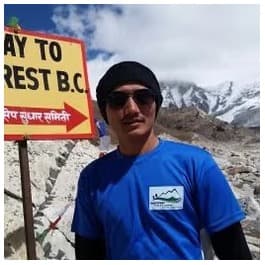
The Annapurna Base Camp (ABC) trek is generally safe for solo trekkers who prepare properly, choose the right season, and understand altitude risks. Thousands complete this teahouse route annually without incident, but your safety depends on fitness level, acclimatization strategy, and weather awareness.
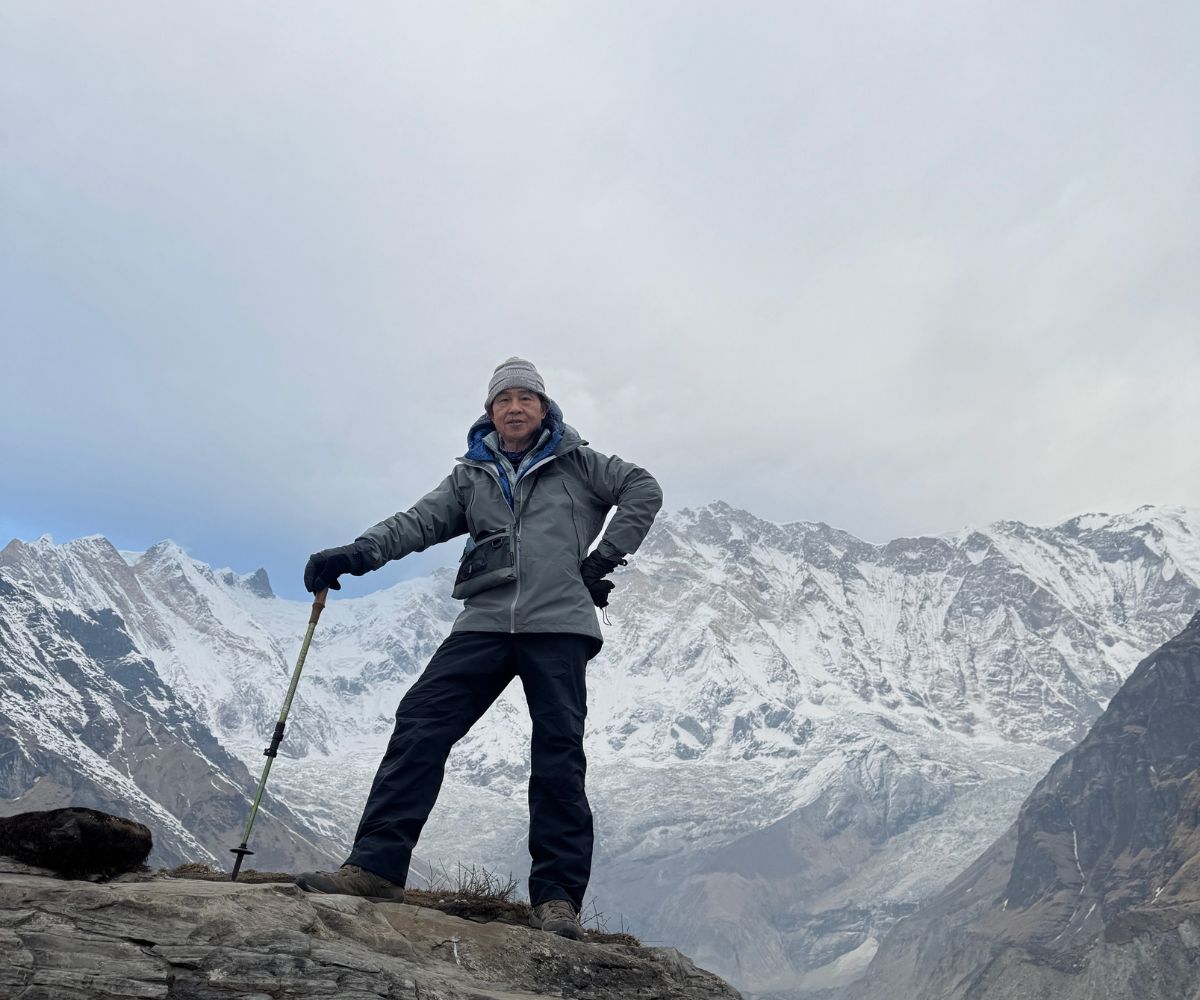
Quick Safety Verdict
ABC works well for:
-
Trekkers with moderate fitness and some multi-day hiking experience
-
Those trekking during spring (March to May) or autumn (September to November)
-
Solo travelers comfortable with basic trail navigation and altitude awareness
-
People who plan proper acclimatization days
ABC may not suit:
-
First-time high-altitude trekkers without altitude experience
-
Those with poor cardiovascular fitness or recent altitude illness history
-
Winter trekkers (December to February) without cold-weather and snow experience
-
Anyone planning to rush the itinerary without buffer days
Important rule update: The Nepal Tourism Board (NTB) requires a licensed trekking guide and agency-issued Trekking Information Management System (TIMS) card for major routes including the Poon Hill to ABC circuit, effective March 31, 2023. Confirm current enforcement with the NTB or registered agencies before departure, as rules and on-ground implementation evolve.
Personal Security on the Trail and in Teahouses
Crime and Safety Environment
The ABC route passes through established trekking villages with lodge infrastructure. Peak seasons (March to May, September to November) bring hundreds of trekkers weekly, creating a busy, social trail environment. Serious crime against trekkers remains rare.
Common low-level issues include:
-
Overcharging at remote lodges
-
Lost or misplaced items in teahouses
-
Occasional pickpocketing in busy Pokhara markets before/after treks
The trail itself feels secure. Lodge owners know each other, guides communicate regularly, and the trekking community operates on reputation. Most solo trekkers report feeling safer on the ABC trail than in urban areas.
Solo Female Trekker Considerations
Female solo trekkers complete ABC regularly and safely. The teahouse system provides natural social interaction, you share dining spaces, meet other trekkers, and lodge families often look out for regular guests.
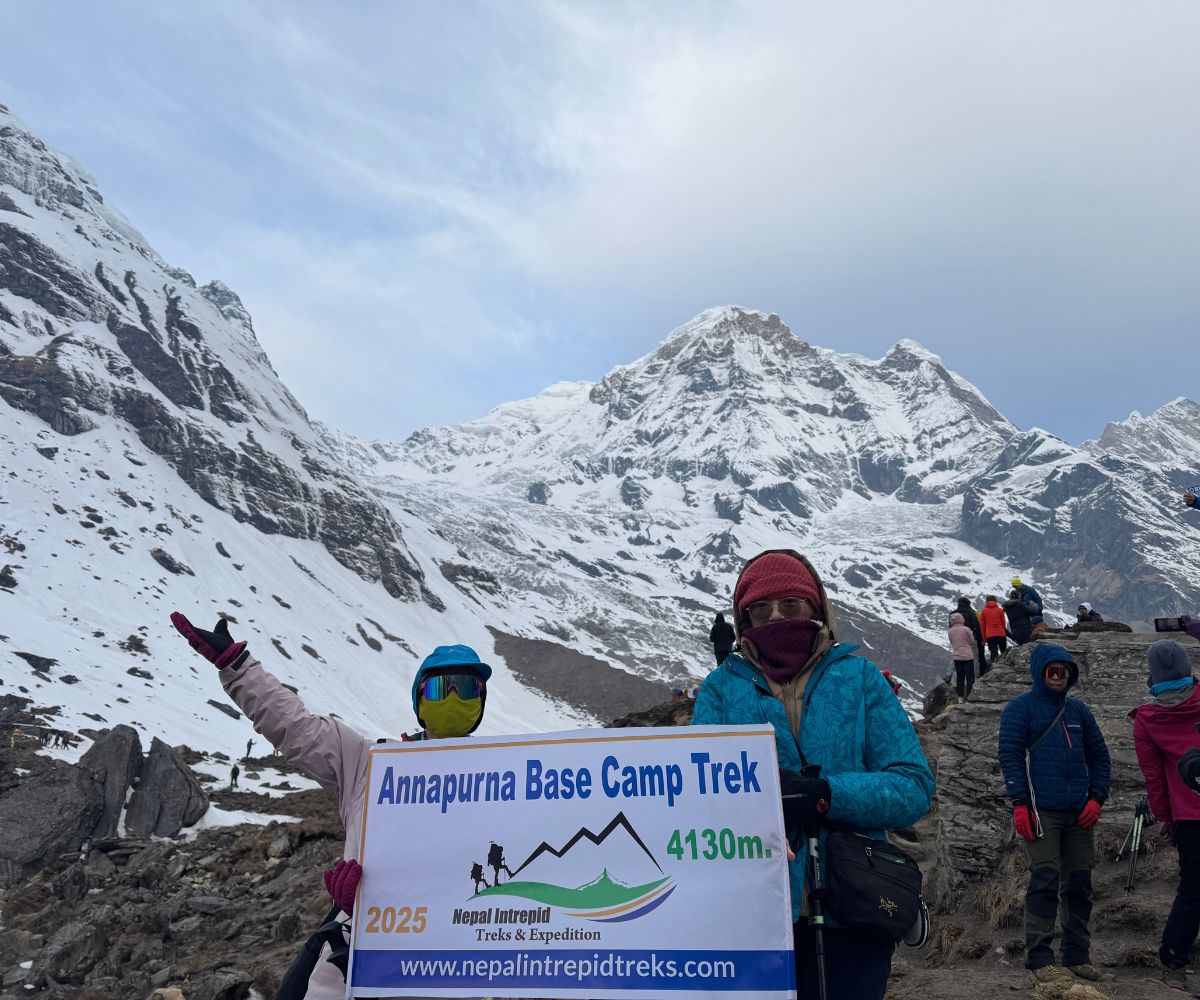
Practical boundaries that help:
-
Choose established lodges recommended by recent trekkers or guidebooks
-
Avoid walking alone after dark between villages (distances make this impractical anyway)
-
Trust your instincts, if a situation feels uncomfortable, move lodges or join other trekkers
-
Keep conversations with porters and guides professional but friendly
-
Share your daily plan with lodge owners or fellow trekkers
Cultural note: Nepali teahouse culture respects modesty. Loose-fitting trekking clothes and avoiding revealing evening wear helps you blend in and reduces unwanted attention.
Teahouse Security Habits
Most ABC lodges provide basic rooms with simple door latches. Follow these practices:
Firstly, keep your passport, cash, and cards in a hidden money belt or neck pouch worn 24/7, even while sleeping.
Secondly, use a door wedge or small padlock for added room security at night (lodge doors often lack strong locks).
Thirdly, charge devices in the dining area where you maintain visual contact with your belongings (charging rooms can be shared spaces).
Store your main backpack in your room with a small cable lock through zippers. Keep your headlamp, water bottle, and toilet paper accessible for nighttime bathroom trips.
Getting Help When Needed
Emergency contacts for Nepal:
-
Tourist Police: 1144
-
Nepal Police: 100
-
Ambulance: 102
Lodge owners and staff become your first resource for problems. They have local networks, can contact guides or rescue services, and often speak enough English to help coordinate assistance. Many lodges now have WiFi (paid, limited), which enables emergency communication with family or insurance companies.
Other trekkers on the trail create an informal support network. Solo trekkers often team up casually for difficult sections or share information about trail conditions ahead.
Biggest Real Risks: Altitude, Weather, and Terrain
Altitude Illness at 4,130 Meters
Annapurna Base Camp sits at approximately 4,130 meters (13,550 feet), making altitude the primary safety concern for solo trekkers. Acute Mountain Sickness (AMS) affects roughly 25 to 40 percent of trekkers above 4,000 meters who ascend too quickly.
Common AMS symptoms include:
-
Headache (usually the first sign)
-
Nausea or vomiting
-
Dizziness or lightheadedness
-
Fatigue beyond normal tiredness
-
Loss of appetite
-
Disturbed sleep
The Centers for Disease Control and Prevention (CDC) recommends ascending no faster than 300 to 500 meters per day above 3,000 meters and including rest days for acclimatization. For ABC specifically, this means spending a night at Deurali (3,230 meters) before pushing to Machapuchare Base Camp (MBC) (3,700 meters) and ABC the following day.
When to turn back immediately:
-
Worsening headache that does not respond to rest and hydration
-
Confusion or altered mental state
-
Severe breathlessness at rest
-
Loss of coordination or balance
-
Persistent vomiting
High Altitude Cerebral Edema (HACE) and High Altitude Pulmonary Edema (HAPE) represent life-threatening progressions of altitude illness. Descent provides the only reliable treatment. The CDC notes that medications like acetazolamide (for prevention) and dexamethasone (for treatment) exist, but emphasizes: talk to a clinician before your trek for proper medical guidance.
Solo trekkers face altitude risk differently than groups. There is no guide watching for early symptoms, no companion to notice if you seem confused. Develop self-awareness: check your breathing rate, monitor your energy levels, and be brutally honest if symptoms worsen rather than improve.
Weather Patterns and Seasonal Hazards
Spring (March to May): The site loads in the fastest way with stable weather, clear mountain views, and moderate temperatures. Occasional afternoon clouds form above 3,500 meters. Trails stay dry and well-defined. Spring represents the safest solo trekking window.
Autumn (September to November): Post-monsoon clarity brings stunning visibility and comfortable temperatures. This season sees the highest trekker volume, which increases social interaction but can make popular lodges crowded. Weather remains highly predictable.
Monsoon (June to August): Heavy rainfall creates slippery trails, activates leeches below 2,500 meters, and brings regular afternoon downpours. Cloud cover obscures mountain views for days. Landslides occasionally close sections of the trail. Solo monsoon trekking requires acceptance of wet conditions, reduced visibility, and potential route delays. Only experienced trekkers comfortable with these challenges trek ABC during monsoon.
Winter (December to February): Snow accumulates above 3,000 meters, temperatures drop to -15°C at ABC, and shorter daylight hours compress trekking windows. Some higher lodges close. Winter demands cold-weather experience, proper gear (4-season sleeping bag, insulated clothing, microspikes), and flexibility to wait out storms. Winter ABC suits experienced solo trekkers only.
Terrain Challenges
The ABC route follows stone staircases, forest paths, and rocky trails. Most sections remain moderate difficulty, but several areas require attention:
Stone steps (Chhomrong area): Thousands of irregular stone stairs climb and descend valley sides. These wear on knees and test ankle stability, especially when wet.
River crossings: Suspension bridges span the Modi Khola and tributaries. Bridges are sturdy but swing underfoot, use handrails and cross when other trekkers are not bouncing the bridge.
Upper glacial moraine: Between MBC and ABC, the trail crosses rocky moraine terrain that becomes icy in early morning or after snow. Walking poles help with balance.
Twisted ankles, knee strain, and blisters cause more trek-ending problems than altitude for many trekkers. Proper footwear (broken-in boots with ankle support) and trekking poles reduce injury risk significantly.
Planning That Makes Solo Trekking Safer
Itinerary Design Principles
Safer ABC itineraries prioritize acclimatization over speed. A rushed 5-day itinerary dramatically increases altitude illness risk. A 7 to 9 day trek (including travel from Pokhara) allows proper adjustment.
Standard safer itinerary:
-
Day 1: Pokhara to Jhinu Danda (1,780 meters)
-
Day 2: Jhinu Danda to Chhomrong (2,170 meters)
-
Day 3: Chhomrong to Bamboo (2,310 meters)
-
Day 4: Bamboo to Deurali (3,230 meters)
-
Day 5: Deurali to MBC (3,700 meters)
-
Day 6: MBC to ABC (4,130 meters) and return to MBC
-
Day 7: MBC to Bamboo
-
Day 8: Bamboo to Pokhara via Chhomrong
This schedule spreads the altitude gain from 2,310 meters to 4,130 meters across 3 days (approximately 600 meters per day). Build a buffer day at Deurali or MBC if you feel altitude symptoms developing.
Start early each day. Departure by 7 AM gives you 6 to 8 hours of trekking time before afternoon weather changes. Early starts also mean you reach lodges by mid-afternoon, leaving time to rest, eat properly, and hydrate before evening cold sets in.
Navigation and Connectivity
The ABC trail follows well-marked paths through villages. Signage exists at major junctions, and the trail sees enough traffic that you can orient by following other groups.
Offline navigation remains essential. Download maps.me or similar offline mapping apps before leaving Pokhara and mark your planned lodge stops. The trail occasionally splits (shorter vs longer routes between villages), and having a map prevents wrong turns.
WiFi availability: Most lodges offer paid WiFi (200 to 500 Nepali rupees per day), but connection speeds decrease and reliability drops above 3,000 meters. Some lodges above Deurali have no connectivity.
Power management: Bring a 20,000+ mAh power bank fully charged. Lodge charging costs 200 to 500 rupees per device and takes hours. Keep your phone in airplane mode with GPS-only access to extend battery life for navigation and emergency calls.
Tell someone your detailed itinerary before departing. Check in daily (via WiFi or by asking lodge owners to pass messages) so someone knows your location and expected next stop.
Safety-Focused Packing List
Core items that directly affect solo safety:
Firstly, a layering system (base layer, insulating fleece, down jacket, waterproof shell) that handles -10°C to +15°C temperature swings.
Secondly, quality rain protection (jacket and pants) that keeps you dry during unexpected storms.
Thirdly, headlamp with extra batteries for early morning starts and nighttime bathroom trips.
Additional safety essentials include a basic first aid kit with blister treatment (Compeed patches), pain relievers (ibuprofen), anti-diarrheal medication (loperamide), rehydration salts, and personal prescription medications. Water purification tablets or a filter prevent stomach illness. Sunscreen (SPF 50+) and sunglasses with UV protection matter above 3,000 meters where UV exposure intensifies.
Trekking poles reduce knee strain on descents and provide stability on icy morning trails. A -10°C sleeping bag keeps you warm in unheated teahouse rooms.
Permits, Rules, and Emergency Support
Required Permits and Costs
Annapurna Conservation Area Project (ACAP) Permit: The National Trust for Nature Conservation (NTNC) administers ACAP permits. Fees are NRs 3,000 for foreign nationals, NRs 1,000 for SAARC country citizens, and children below 10 years do not require a permit. Obtain permits in Pokhara at the Nepal Tourism Board office or through registered trekking agencies. The permit funds conservation efforts and trail maintenance throughout the Annapurna region.
TIMS (Trekking Information Management System) Card: The Nepal Tourism Board revised trekking regulations effective March 31, 2023. The new provision requires a licensed trekking guide and agency-issued TIMS card for routes including the Poon Hill to ABC circuit. The TIMS system tracks trekker movements for safety and rescue coordination.
Important clarification: Online sources show conflicting information about TIMS suspension or optional status. Official NTB guidance indicates guides and TIMS remain required for ABC routes under current regulations. Rules and on-ground enforcement can change. Confirm requirements with the Nepal Tourism Board or a registered trekking agency before finalizing your trek plans.
Travel Insurance Requirements
Trekking insurance must cover high-altitude trekking (up to 6,000 meters minimum) and helicopter evacuation. ABC sits at 4,130 meters, which places it in the altitude coverage zone that some basic travel policies exclude.
Helicopter rescue from ABC costs USD 3,000 to 5,000 depending on weather and location. Insurance should cover:
-
Emergency evacuation by helicopter
-
Medical treatment for altitude illness
-
Trip cancellation or delay due to weather
-
Lost or damaged equipment
Read policy fine print carefully. Some insurers require proof of a licensed guide for coverage validation. Others exclude trekking above certain altitudes without professional guide accompaniment. Purchase insurance before leaving your home country, as policies bought in Nepal may offer limited coverage.
Emergency Action Plan
If altitude illness develops:
Firstly, stop ascending immediately and rest at your current altitude for 24 hours.
Secondly, descend at least 500 meters if symptoms worsen or do not improve after rest.
Thirdly, contact your lodge owner who can arrange porter assistance for descent or coordinate rescue if needed.
For medical emergencies requiring evacuation:
-
Call Tourist Police at 1144 or your insurance emergency line
-
Provide your exact location (lodge name and elevation)
-
Keep your passport and insurance documents accessible
-
Lodge owners can help coordinate helicopter landing zones
Most ABC evacuations involve altitude illness or injuries from falls. Helicopter rescue depends on weather clear skies enabling quick evacuation, but storms can delay rescue for 1 to 3 days. This reality makes prevention (proper acclimatization, careful footwork) your primary safety strategy.
Solo vs Guide Decision and Final Safety Checklist
When a Guide Materially Improves Safety
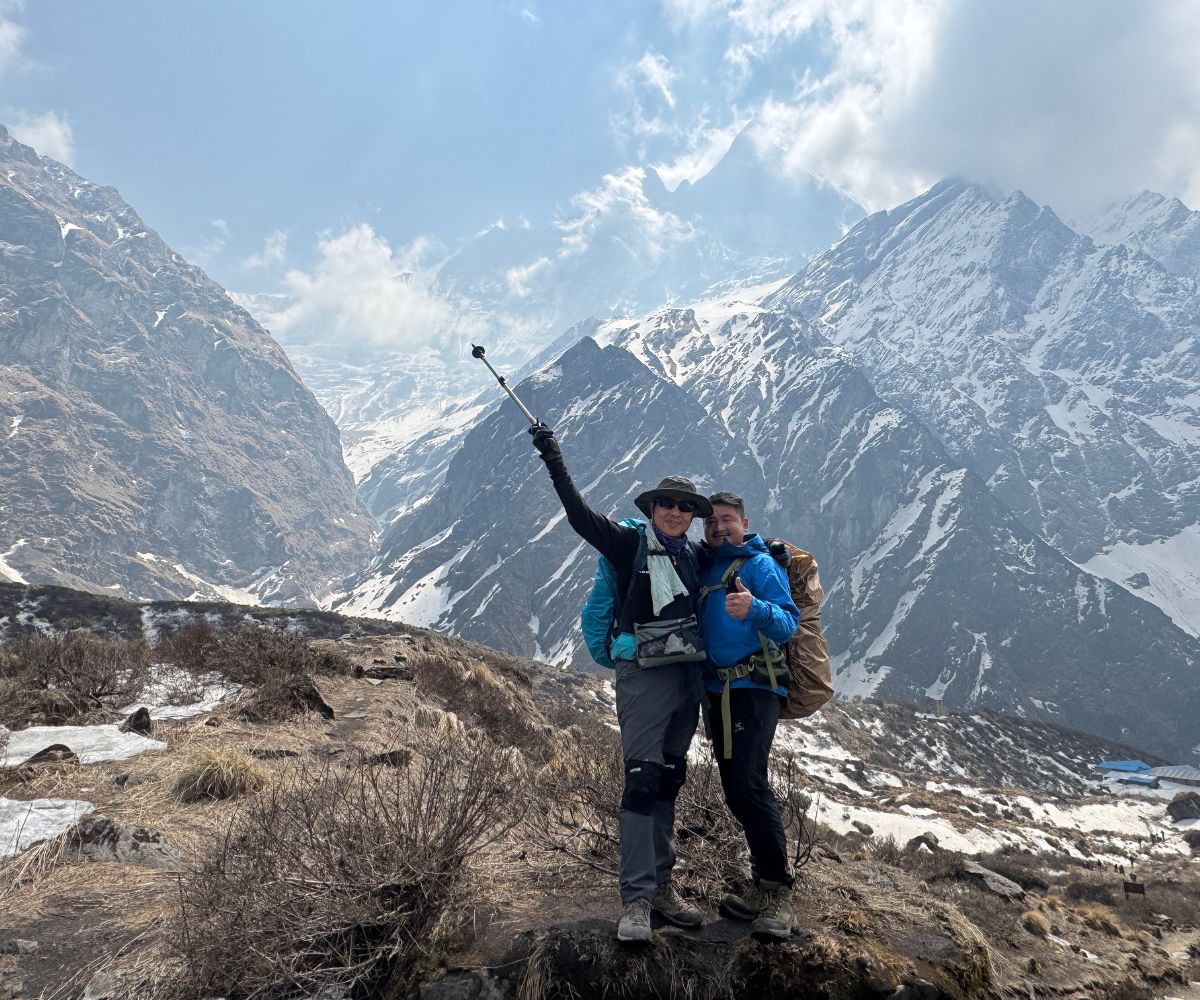
Guides provide measurable safety value for:
Shoulder season or winter treks: Guides know snow conditions, avalanche-prone areas, and which lodges stay open. They carry communication devices and have established rescue contacts.
First-time high-altitude trekkers: Guides monitor your physical condition, recognize early altitude illness symptoms you might dismiss, and make objective decisions about continuing or descending.
Solo female trekkers who feel uncomfortable: Cultural navigation and security presence can reduce stress and increase enjoyment.
Anyone with previous altitude illness or injury history: Professional monitoring adds a safety buffer for higher-risk individuals.
Cost vs Safety Value
Licensed guides charge USD 25 to 35 per day. Porters cost USD 15 to 20 daily. For an 8-day ABC trek, a guide adds roughly USD 200 to 280 to your budget.
What this investment provides:
-
Constant companion who monitors your health
-
Navigation expertise and trail condition knowledge
-
Lodge negotiation and booking assistance
-
Emergency response coordination
-
Cultural translation and social facilitation
The question becomes: does USD 250 provide equivalent value to the increased independence and flexibility of solo trekking? For experienced trekkers in peak season, possibly not. For first-timers or those trekking in challenging seasons, absolutely yes.
Final Solo Safety Checklist
Before leaving Pokhara:
-
ACAP permit and TIMS card obtained through registered agency
-
Insurance confirms high-altitude and evacuation coverage
-
Detailed itinerary shared with family or friend
-
Offline maps downloaded and route waypoints marked
-
Emergency contacts (Tourist Police 1144, insurance) saved in phone
-
Power bank fully charged
-
First aid kit assembled with altitude and blister medication
During the trek:
-
Start each day by 7 AM to avoid afternoon weather
-
Drink 3 to 4 liters of water daily for acclimatization
-
Monitor altitude symptoms honestly (headache, nausea, dizziness)
-
Take rest days if symptoms develop
-
Check in daily with someone via WiFi or lodge communication
-
Descend immediately if symptoms worsen
-
Keep passport, money, and insurance documents on your body
If you feel uncertain about any aspect of solo trekking ABC, choose a licensed guide. The investment provides safety infrastructure that matters most when problems develop. A guide transforms altitude illness or injury from a potential crisis into a managed situation with professional response protocols.
You can alsoRead this this Topic: Is Annapuran Base camp trek safe?
Is Annapurna Base Camp safe for solo female trekkers?
Yes, ABC is safe for solo female trekkers who follow standard precautions. The established teahouse route sees regular traffic from international trekkers of all genders. Lodge families provide a social environment, and you often meet other solo travelers who team up casually for sections of the trail. Choose established lodges, avoid walking alone after dark between villages, and trust your instincts if situations feel uncomfortable. Many female solo trekkers report feeling safer on the ABC trail than in urban areas due to the tight-knit trekking community and lodge owner networks.
What is the safest season to do ABC solo?
Spring (March to May) and autumn (September to November) provide the safest conditions for solo ABC trekking. These seasons offer stable weather, clear mountain views, moderate temperatures, and dry trails. Spring brings rhododendron blooms and warming temperatures, while autumn delivers post-monsoon clarity and comfortable trekking conditions. Both seasons see high trekker volume, which provides natural social interaction and makes navigation easier. Winter demands cold-weather expertise and proper gear, while monsoon brings rain, leeches, and reduced visibility that increase difficulty significantly.
How high is Annapurna Base Camp and is altitude sickness common?
Annapurna Base Camp sits at approximately 4,130 meters (13,550 feet). Altitude sickness affects 25 to 40 percent of trekkers who ascend above 4,000 meters too quickly. Common symptoms include headache, nausea, dizziness, and fatigue. The key to prevention involves proper acclimatization: ascend no faster than 300 to 500 meters per day above 3,000 meters, include rest days, stay well-hydrated (3 to 4 liters daily), and listen to your body. Descend immediately if symptoms worsen. Most trekkers who follow a gradual 7 to 9 day itinerary complete ABC without significant altitude problems.
Do I need a guide and TIMS card for the ABC route?
Yes, current Nepal Tourism Board regulations require a licensed trekking guide and agency-issued TIMS card for the ABC route effective March 31, 2023. The revised provision covers major routes including the Poon Hill to ABC circuit. Registered trekking agencies arrange both guide services and TIMS cards as part of their packages. Rules and enforcement evolve, so confirm current requirements with the Nepal Tourism Board or a registered trekking agency before departure. The TIMS system tracks trekker movements for safety and emergency response coordination.
How much is the ACAP permit and where do I get it?
The ACAP permit costs NRs 3,000 for foreign nationals, NRs 1,000 for SAARC country citizens, and children below 10 years do not require a permit. Obtain permits in Pokhara at the Nepal Tourism Board office or through registered trekking agencies. The National Trust for Nature Conservation administers ACAP permits, and fees fund conservation efforts and trail maintenance throughout the Annapurna Conservation Area. Bring passport photos and your passport for permit processing, which typically completes in 30 minutes to 2 hours depending on queue length.
What should I do if I feel altitude sickness symptoms?
Stop ascending immediately and rest at your current altitude for 24 hours if mild symptoms (headache, slight nausea) develop. Drink extra water, eat light meals, and avoid alcohol. Descend at least 500 meters if symptoms worsen or do not improve after rest. Inform your lodge owner who can arrange porter assistance or coordinate rescue if necessary. Watch for severe warning signs: worsening headache despite rest, confusion, severe breathlessness at rest, or loss of coordination. These require immediate descent and medical evacuation. The Centers for Disease Control and Prevention recommends consulting a clinician before your trek about preventive medication options like acetazolamide.
Is travel insurance required for ABC and what should it cover?
Travel insurance is not legally required but remains essential for safe ABC trekking. Your policy must cover high-altitude trekking up to at least 6,000 meters and helicopter evacuation from remote areas. Helicopter rescue from ABC costs USD 3,000 to 5,000, which exceeds most travelers' emergency funds. Insurance should also cover medical treatment for altitude illness, trip cancellation or delay due to weather, and lost or damaged equipment. Read policy fine print carefully, as some insurers require proof of a licensed guide for coverage validation or exclude trekking above certain altitudes without professional accompaniment.
What are Nepal's emergency numbers for tourists?
Nepal's primary emergency numbers for tourists are Tourist Police at 1144, Nepal Police at 100, and Ambulance at 102. The Tourist Police hotline (1144) provides English-speaking assistance and coordinates rescue operations for trekkers. Save these numbers in your phone before leaving Pokhara. Many ABC lodges have paid WiFi that enables emergency calls, though connectivity decreases above 3,000 meters. Lodge owners serve as your first resource for emergencies; they have local networks, can contact guides or rescue services, and help coordinate helicopter evacuations when weather permits.
Want a safer ABC experience?
Choose a local licensed guide for established route knowledge, health monitoring, and emergency-ready planning. Ask registered trekking agencies like Nepal Intrepid Treks for recommended itineraries that prioritize acclimatization and include proper permit arrangements.