The Annapurna Base Camp Trek is a popular adventure in the Himalayas, attracting many trekkers each year. As with any trek, safety concerns are paramount. Trekkers often wonder if the Annapurna Base Camp Trek is a safe journey.
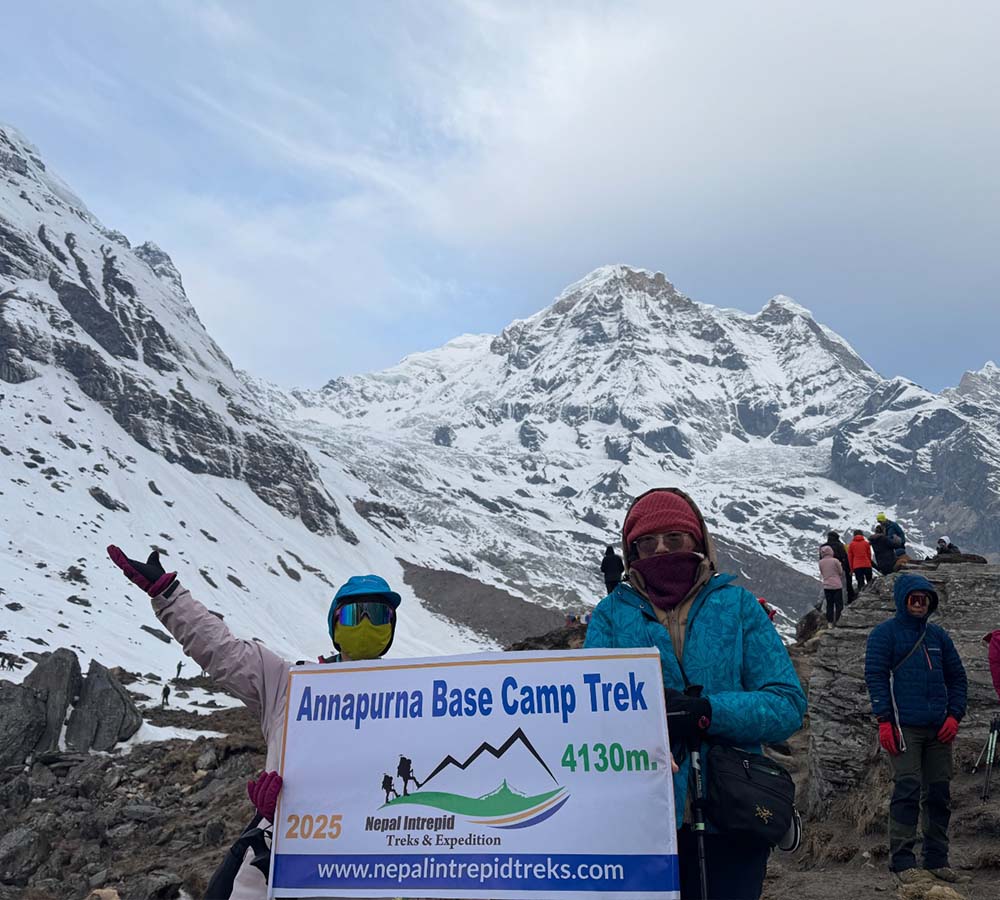
While the trek can be challenging, many trekkers complete it successfully every year. To ensure a safe and enjoyable experience, it's essential to be aware of the potential risks and take necessary precautions. This article will provide you with valuable safety tips and insights to help you prepare for your trek.
By understanding the risks and taking the right precautions, you can have a safe and enjoyable experience on the Annapurna Base Camp Trek. Our goal is to provide you with the information you need to make informed decisions and stay safe on your adventure.
The Annapurna Base Camp Trek Experience
The Annapurna Base Camp trek is a challenging yet rewarding adventure that takes you through lush forests, picturesque villages, and dramatic mountain scenery. As you embark on this journey, you'll experience the rich cultural heritage of the Himalayas and witness breathtaking views of the Annapurna range.
Route Overview and Key Landmarks
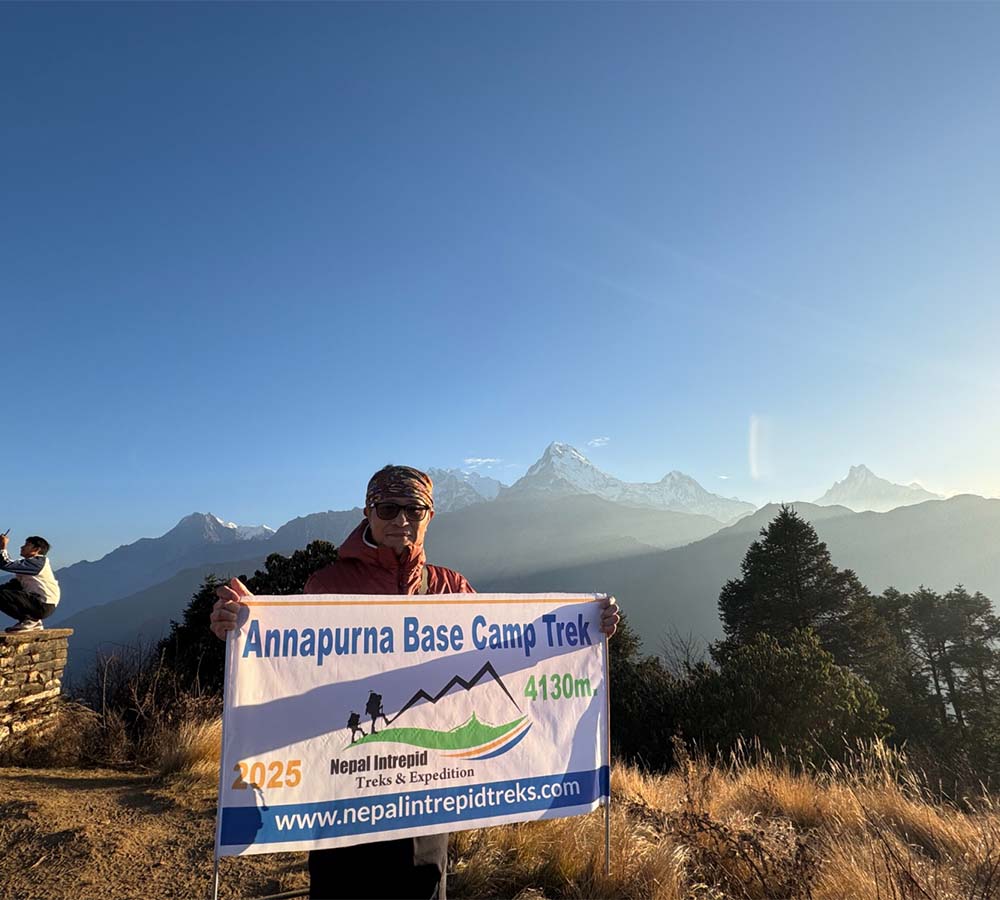
The trek begins in Nayapul, near Pokhara, and follows a well-defined route through various landscapes, including subtropical forests and alpine meadows. Key landmarks along the way include the charming Gurung villages, the stunning natural beauty of Chomrong, and the majestic Annapurna Base Camp. Trekkers should be aware of annapurna base camp trek precautions to ensure a safe and enjoyable journey.
Typical Duration and Difficulty Level
The typical duration for the Annapurna Base Camp trek is around 7-12 days, depending on the trekker's pace and acclimatization needs. The difficulty level is considered moderate, with some steep ascents and descents. To mitigate risks, understanding annapurna base camp trek safety measures is crucial. The table below summarizes the trek's key characteristics:
|
Duration |
Difficulty Level |
Maximum Altitude |
|
7-12 days |
Moderate |
4,130 meters |
As noted by experienced trekkers, "The Annapurna Base Camp trek is a once-in-a-lifetime experience that requires careful planning and preparation." By understanding the route, duration, and difficulty level, trekkers can better prepare themselves for the adventure ahead.
"The real voyage of discovery consists not in seeking new landscapes, but in having new eyes." - Marcel Proust
Is Annapurna Base Camp Trek Safe? The Facts and Statistics
As one of the most popular treks in the Himalayas, the Annapurna Base Camp trek's safety record is a topic of much interest. The trek attracts thousands of adventurers each year, drawn by its breathtaking landscapes and the challenge it presents.
Historical Safety Records
The Annapurna Base Camp trek has a relatively good safety record compared to other high-altitude treks. Statistics show that with proper preparation and guidance, the risk of serious incidents can be significantly minimized. Historical data indicates that most trekkers complete the journey without major issues, though there have been instances of altitude sickness and trail accidents.
It's essential for trekkers to be aware of these risks and take necessary precautions, including acclimatization and hiring experienced guides. The Nepalese government and trekking associations have also implemented various safety measures, including regular trail maintenance and check posts.
Comparison with Other Popular Himalayan Treks
When comparing the Annapurna Base Camp trek to other Himalayan treks, such as the Everest Base Camp trek, it's evident that each has its unique safety challenges. The Annapurna Circuit, for instance, is known for its diverse terrain and potential for altitude sickness. A key factor in safety is the trekker's preparedness and the guidance they receive.
While the Annapurna Base Camp trek is considered relatively safe when properly managed, trekkers should still be prepared for emergencies. This includes having appropriate travel insurance and being aware of evacuation procedures.
By understanding the safety records and taking necessary precautions, trekkers can enjoy a safe and fulfilling experience on the Annapurna Base Camp trek. The combination of natural beauty, cultural richness, and adventure makes it a compelling choice for many, provided they approach it with the right mindset and preparation.
Primary Safety Concerns on the Annapurna Base Camp Trek
The journey to Annapurna Base Camp is fraught with safety risks, including altitude sickness and natural hazards like avalanches. Understanding these risks is crucial for a safe and enjoyable trek.
Altitude Sickness Risks and Prevention
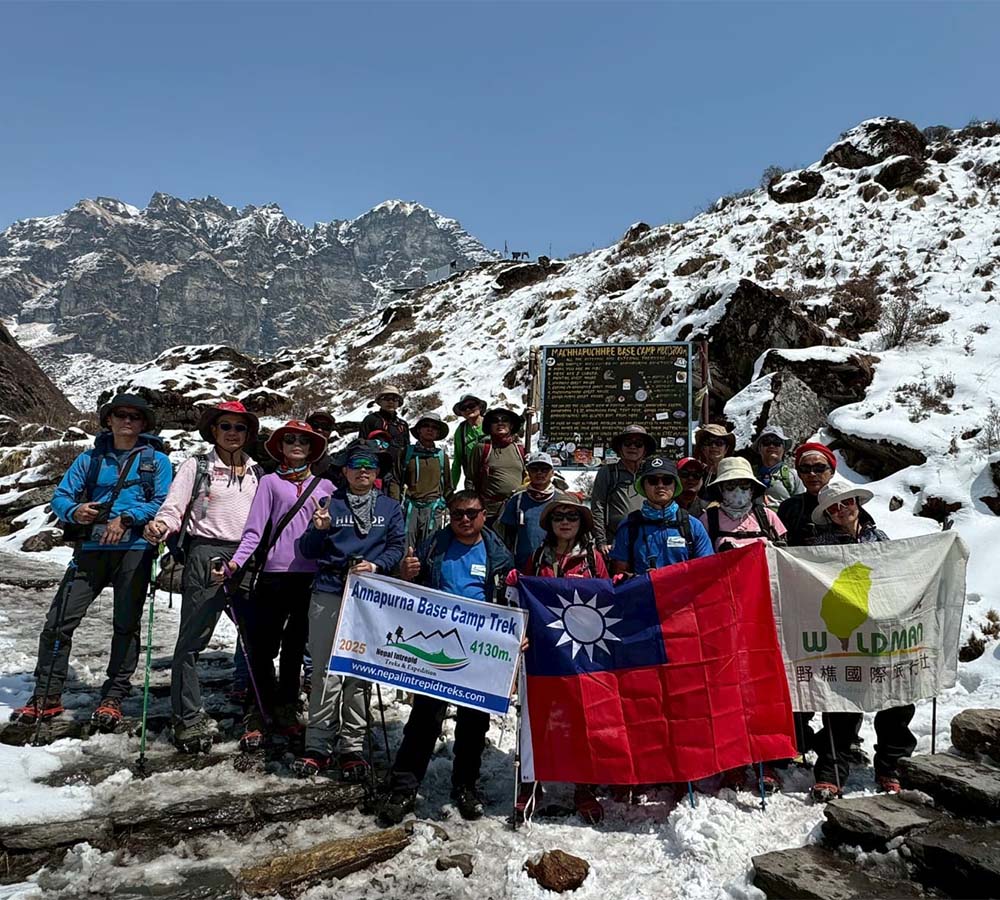
Altitude sickness, also known as Acute Mountain Sickness (AMS), is a significant risk on the Annapurna Base Camp trek due to the high elevations encountered. Symptoms can range from mild headaches to life-threatening conditions. To mitigate this risk, trekkers should:
-
Ascend gradually, allowing the body to acclimatize.
-
Stay hydrated by drinking plenty of water.
-
Be aware of the symptoms of AMS and take rest days as needed.
Prevention is key, and being informed about the risks can help trekkers take necessary precautions. Medications like Diamox can also be considered under medical guidance.
Avalanches and Landslides: High-Risk Areas
The Annapurna region is prone to avalanches and landslides, particularly during the monsoon season. Trekkers should be cautious in areas known to be susceptible to these natural hazards.
High-risk areas include:
-
The Thorong La Pass, known for its steep paths and unpredictable weather.
-
Sections of the trail during the monsoon season when landslides are more frequent.
Staying informed about weather conditions and trail status can help trekkers avoid these dangerous situations. Trekking with a guide or group can also enhance safety.
Weather Conditions and Best Time to Trek
Understanding the weather conditions is essential for a safe and enjoyable Annapurna Base Camp trek. The Himalayan region experiences a variety of weather conditions throughout the year, significantly impacting the trekking experience.
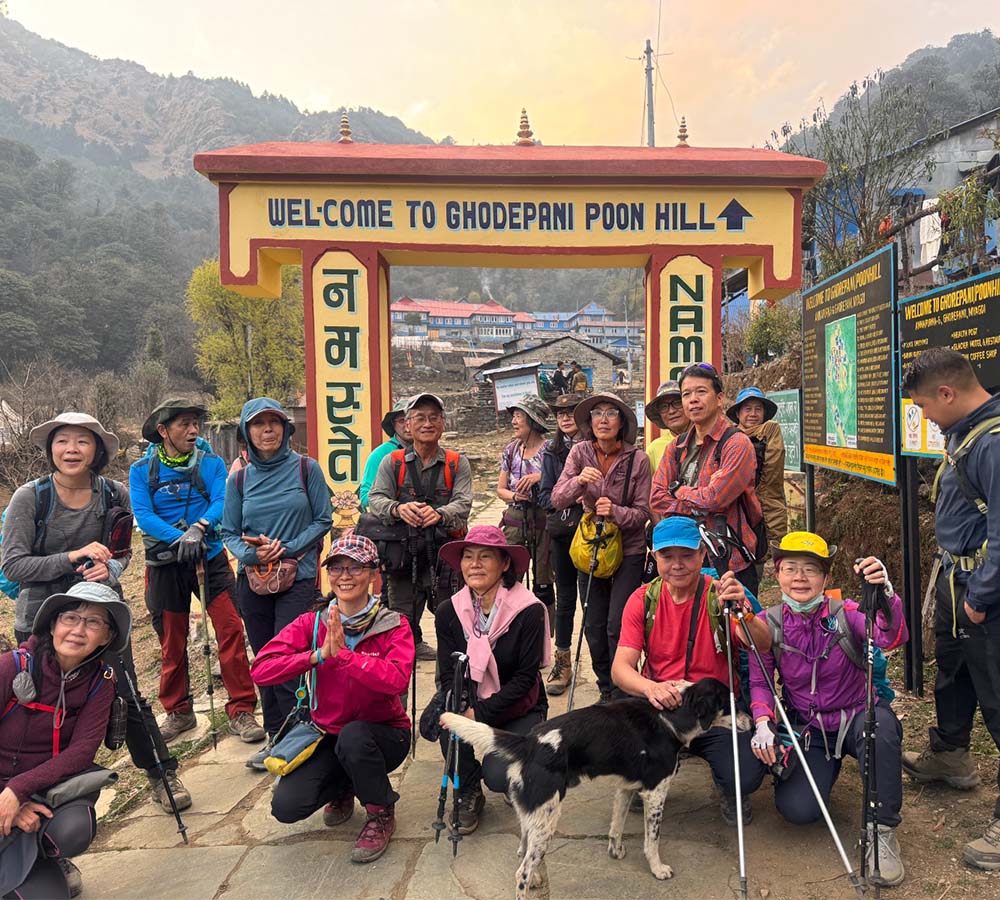
The Annapurna Base Camp trek is typically considered safe during certain periods of the year when the weather is more favorable. Trekkers should be aware of these conditions to plan their trip accordingly.
Peak Season Safety Advantages
The peak trekking season, which includes spring (March to May) and autumn (September to November), offers the most favorable conditions for the Annapurna Base Camp trek. During these periods, the weather is generally clear, with moderate temperatures and minimal precipitation, making it ideal for trekking.
Monsoon Dangers to Avoid
The monsoon season, which typically lasts from June to August, brings heavy rainfall to the region, increasing the risk of landslides and flash floods. Trekkers should avoid this period as the trails become slippery and dangerous, and some routes may be closed due to the risk of avalanches.
Winter Trekking Considerations
Winter (December to February) is another challenging period for the Annapurna Base Camp trek due to cold temperatures and potential snowfall. While the scenery can be breathtaking, trekkers need to be well-prepared with appropriate gear and clothing to handle the harsh conditions.
|
Season |
Weather Conditions |
Safety Considerations |
|
Spring (March to May) |
Clear skies, moderate temperatures |
Ideal trekking conditions |
|
Monsoon (June to August) |
Heavy rainfall |
High risk of landslides and flash floods |
|
Autumn (September to November) |
Clear skies, moderate temperatures |
Ideal trekking conditions |
|
Winter (December to February) |
Cold temperatures, potential snowfall |
Requires proper gear and preparation |
Physical Preparation for a Safe Annapurna Experience
Preparing physically for the Annapurna Base Camp trek is crucial for a safe and enjoyable experience. The trek is demanding, with long days of walking at high altitudes. Therefore, it's essential to be in good physical condition before embarking on this adventure.
Recommended Fitness Level and Training
A good level of cardiovascular fitness is necessary for the Annapurna Base Camp trek. Regular aerobic exercises such as hiking, running, or cycling can help improve cardiovascular health. It's recommended to start training at least 2-3 months prior to the trek.
-
Engage in cardiovascular exercises for at least 30 minutes, 3-4 times a week.
-
Incorporate strength training to build muscular endurance, focusing on legs and core.
-
Practice hiking with a loaded backpack to simulate trek conditions.
Acclimatization Strategies
Acclimatization is critical to preventing altitude sickness on the Annapurna Base Camp trek. Gradual ascent is key, allowing the body to adapt to higher elevations. It's also important to stay hydrated and monitor your body's response to altitude.
|
Altitude Range |
Acclimatization Strategy |
|
Below 3000m |
Normal hiking pace, no rest days required |
|
3000m - 4000m |
Rest day every 2-3 days, gradual ascent |
|
Above 4000m |
Rest day every 2 days, monitor for altitude sickness |
By focusing on physical preparation and acclimatization, trekkers can significantly reduce the risks associated with the Annapurna Base Camp trek, ensuring a safer and more enjoyable experience.
Essential Safety Gear and Equipment Checklist
The Annapurna Base Camp trek, known for its breathtaking Himalayan landscapes, demands a thorough checklist of safety equipment to ensure a safe and enjoyable experience. Trekkers must be well-prepared to face the challenges that come with high-altitude hiking.
Clothing and Layering Systems
A robust clothing system is vital for adapting to the varying temperatures encountered during the trek. Layering is key, starting with a moisture-wicking base layer, followed by insulating layers, and finishing with a waterproof and windproof outer layer. This system helps regulate body temperature and protects against the elements.
Additionally, trekkers should pack warm hats, gloves, and scarves for colder conditions, as well as quick-drying trekking pants and shirts for warmer days.
Navigation and Communication Tools
Effective navigation is critical on the Annapurna Base Camp trek. Trekkers should carry a detailed map of the trail, a compass, and a GPS device or smartphone with a GPS app. It's also wise to bring extra batteries for these devices.
For communication, a local SIM card or a portable Wi-Fi hotspot can be invaluable for staying in touch with guides, porters, and emergency services.
First Aid and Emergency Supplies
A well-stocked first aid kit is indispensable. It should include items such as bandages, antiseptic wipes, pain relievers, and any personal medications. Trekkers should also be aware of how to use these supplies effectively.
Furthermore, carrying emergency shelter and warmth supplies, such as a lightweight bivy sack and warm blankets, can be lifesaving in case of unexpected weather changes or injuries.
By carefully assembling and checking off these essential safety gear and equipment, trekkers can significantly enhance their safety and enjoyment on the Annapurna Base Camp trek.
Health Precautions and Medical Preparation
Before embarking on the Annapurna Base Camp trek, it's crucial to take necessary health precautions to ensure a safe and enjoyable journey. Trekkers should be aware of the potential health risks associated with high-altitude trekking and take steps to mitigate them.
Required and Recommended Vaccinations
Trekking in Nepal requires being up-to-date on certain vaccinations. Consult your doctor or a travel clinic to determine the necessary vaccinations for travel to Nepal. Commonly recommended vaccinations include Hepatitis A, Hepatitis B, and Typhoid.
-
Hepatitis A: Recommended for all travelers to Nepal
-
Hepatitis B: Recommended for travelers who may be exposed to blood or bodily fluids
-
Typhoid: Recommended for travelers who will be eating or drinking outside of major restaurants and hotels
Medications for Common Altitude Issues
Altitude sickness is a significant risk on the Annapurna Base Camp trek. Acetazolamide is a commonly prescribed medication to help prevent altitude sickness. Trekkers should also be aware of the symptoms of altitude sickness, including headaches, nausea, and fatigue.
|
Medication |
Purpose |
Dosage |
|
Acetazolamide |
Prevention of altitude sickness |
125mg twice daily |
|
Ibuprofen |
Relief of headache and pain |
200-400mg every 4-6 hours |
Water Purification and Food Safety
Trekkers should take precautions to ensure safe drinking water and food. Water purification tablets or filters can be used to purify water from streams or taps. It's also essential to avoid undercooked or raw food and to choose food from reputable sources.
By taking these health precautions and being prepared medically, trekkers can minimize their risk of illness and enjoy a safe and successful Annapurna Base Camp trek.
Guided vs. Independent Trekking: Safety Implications
When planning the Annapurna Base Camp trek, one crucial decision is whether to trek guided or independently, each having distinct safety implications. The choice between these two options can significantly affect one's experience and safety on the trail.
Trekking with a guide or a guided group offers several safety advantages. Guides are knowledgeable about the terrain, weather conditions, and potential hazards, providing valuable insights and assistance when needed.
Benefits of Professional Guides and Porters
Professional guides and porters bring extensive knowledge and experience to the trek. They are trained to handle emergencies and can provide critical assistance in case of altitude sickness or other health issues. Here are some key benefits:
-
Expert knowledge of the terrain and weather conditions
-
Ability to handle emergencies and provide first aid
-
Assistance with navigation and route finding
-
Enhanced safety through group dynamics
Having a professional guide can be particularly beneficial for those who are new to high-altitude trekking or unfamiliar with the region.
Solo Trekking Risks and Precautions
Trekking independently can be a thrilling experience, but it comes with its own set of risks. Solo trekkers need to be well-prepared and aware of the potential hazards, including getting lost, altitude sickness, and weather-related dangers.
|
Risks |
Precautions |
|
Getting Lost |
Carry a GPS device and detailed maps |
|
Altitude Sickness |
Understand acclimatization strategies and monitor health |
|
Weather-Related Dangers |
Stay informed about weather forecasts and be prepared for sudden changes |
For those who choose to trek independently, it's essential to take necessary precautions and be prepared for emergencies.
Both guided and independent trekking have their safety implications. Understanding these can help trekkers make informed decisions and prepare accordingly for a safe and enjoyable Annapurna Base Camp trek.
Permits, Registration, and Safety Infrastructure
The Annapurna Base Camp trek is a highly regulated trek, with specific permits and registrations required for safety. Understanding these requirements is crucial for a successful and enjoyable journey.
TIMS Card and Permit Requirements
The Trekker's Information Management System (TIMS) card is a mandatory requirement for all trekkers. It helps track trekkers' whereabouts and ensures their safety. The Annapurna Conservation Area Permit (ACAP) is another essential permit that supports conservation efforts in the region. Trekkers can obtain these permits through registered trekking agencies or at designated permit offices.
Check Posts and Safety Monitoring
Along the trekking route, several check posts are strategically located to monitor trekkers' progress and provide assistance when needed. These check posts play a vital role in ensuring compliance with safety regulations and providing support during emergencies. As one trekker noted, "The check posts were a reassuring presence, making us feel safer and more supported throughout our journey."
"The check posts were a reassuring presence, making us feel safer and more supported throughout our journey." - Experienced Trekker
Recent Safety Improvements on the Trail
In recent years, Nepal significant improvements have been made to enhance safety on the Annapurna Base Camp trek. These include better trail maintenance, improved emergency response systems, and increased presence of safety personnel. As a result, the trek has become safer for adventurers.
By understanding and complying with permit requirements and appreciating the safety infrastructure in place, trekkers can enjoy a safer and more fulfilling experience on the Annapurna Base Camp trek.
Emergency Protocols and Rescue Operations
Understanding emergency protocols can make a significant difference in the Annapurna Base Camp trek experience. Being prepared for any situation that may arise during the trek is crucial for a safe and enjoyable journey.
Travel Insurance Requirements
Having the right travel insurance is a critical aspect of emergency preparedness. It is mandatory for trekkers to have insurance that covers emergency evacuations, including helicopter rescues. Ensure your policy includes coverage for trekking activities and has a sufficient coverage limit.
|
Insurance Provider |
Coverage Limit |
Helicopter Rescue Coverage |
|
Rise & Shield |
$100,000 |
Yes |
|
Alpha Global Solutions |
$50,000 |
Limited |
|
World Nomads |
$200,000 |
Yes |
Helicopter Evacuation Procedures
In the event of a serious emergency, helicopter evacuation may be necessary. It's essential to understand the procedures and costs associated with such evacuations. Always check with your insurance provider to see if helicopter rescue is covered under your policy.
Communication During Emergencies
Effective communication is vital during emergencies. Trekkers should carry a reliable means of communication, such as a satellite phone or a fully charged mobile phone with a local SIM card. It's also advisable to inform someone about your itinerary and expected return time.
By being prepared and understanding the emergency protocols, trekkers can significantly enhance their safety on the Annapurna Base Camp trek. It's about being proactive and taking necessary precautions to ensure a safe and enjoyable experience.
Balancing Adventure Safety on the Annapurna Base Camp Trek with Nepal Intrepid
The Annapurna Base Camp Trek is a thrilling adventure that requires careful planning and attention to safety. By understanding the potential risks and taking necessary precautions, trekkers can minimize their exposure to danger and maximize their enjoyment of this incredible journey.
Key annapurna base camp trek safety tips include being aware of altitude sickness risks, monitoring weather conditions, and staying on designated trails. Additionally, trekkers should take annapurna base camp trek precautions such as packing essential gear, staying hydrated, and being prepared for emergencies.
By balancing adventure with safety, Nepal Intrepid is experiencing the breathtaking beauty of the Annapurna region while minimizing their risk of injury or illness. With proper planning, preparation, and awareness, the Annapurna Base Camp Trek can be a life-changing experience that leaves a lasting impression.
FAQ
Is the Annapurna Base Camp Trek safe for solo travelers?
While it's possible to trek solo, hiring a professional guide or joining a guided group is highly recommended for safety. Solo travelers should be experienced, well-prepared, and aware of the risks.
What are the primary safety concerns on the Annapurna Base Camp Trek?
The main safety concerns include altitude sickness, avalanches, landslides, and unpredictable weather conditions. Trekkers should be aware of these risks and take necessary precautions.
How can I prevent altitude sickness on the Annapurna Base Camp Trek?
To prevent altitude sickness, ascend gradually, stay hydrated, and consider taking medication like Diamox. It's also essential to monitor your body's response to altitude and descend if symptoms persist.
What is the best time to trek to Annapurna Base Camp?
The best time to trek is during the spring (March to May) and autumn (September to November) seasons when the weather is generally stable and clear.
Are there any specific vaccinations required for the Annapurna Base Camp Trek?
Consult your doctor or a travel clinic to determine the necessary vaccinations. Typically, vaccinations for Hepatitis A, Typhoid, and Rabies are recommended.
What kind of safety gear and equipment should I bring on the trek?
Essential safety gear includes a first aid kit, crampons, ice axe, and layers for extreme weather. Navigation tools like a compass, GPS, and map are also crucial.
Can I trek to Annapurna Base Camp without prior experience?
While prior trekking experience is not necessary, a good level of physical fitness and mental preparation are essential. It's also recommended to hire a guide or join a guided tour.
What is the role of a guide or porter on the Annapurna Base Camp Trek?
Guides provide local knowledge, navigation, and emergency assistance. Porters help carry gear, allowing you to trek more comfortably. Both contribute significantly to a safe and enjoyable trek.
How do I stay informed about weather conditions on the trek?
Stay updated with local forecasts, and ask your guide or lodge owners about weather conditions. Be prepared for changing weather, and have a plan for emergencies.
Are there emergency rescue services available on the Annapurna Base Camp Trek?
Yes, helicopter rescue services are available in case of emergencies. Ensure you have travel insurance that covers emergency evacuations.
What are the annapurna base camp trek safety guidelines?
Follow guidelines such as staying on designated trails, being aware of altitude sickness, and keeping emergency contact information handy.
What are the annapurna base camp trek safety recommendations?
Recommendations include trekking with a guide, being prepared for changing weather, and staying hydrated and energized throughout the trek.
How can I assess the risks associated with the Annapurna Base Camp Trek?
Assess risks by understanding the terrain, weather conditions, and potential hazards like altitude sickness. Plan accordingly, and stay informed.
What safety measures are in place on the Annapurna Base Camp Trek?
Safety measures include check posts, safety monitoring, and recent improvements on the trail. Guides and porters also play a crucial role in maintaining safety.
What are the annapurna base camp trek precautions I should take?
Precautions include being prepared for emergencies, staying informed about weather, and taking necessary health and safety measures.