Nepal is one of the most popular Himalayan destinations for solo female travellers, combining world-famous trekking routes, historic cities, spiritual sites, and affordable long-term travel. Women travel independently across Kathmandu, Pokhara, Chitwan, and mountain regions including Annapurna Circuit, Langtang Valley, and Everest Base Camp for trekking, cultural travel, yoga retreats, and volunteer programs. Nepal’s tourism sector is highly developed around independent visitors, with guesthouses, licensed guides, tourist police, and established trekking infrastructure that make solo travel practical even for first-time visitors.
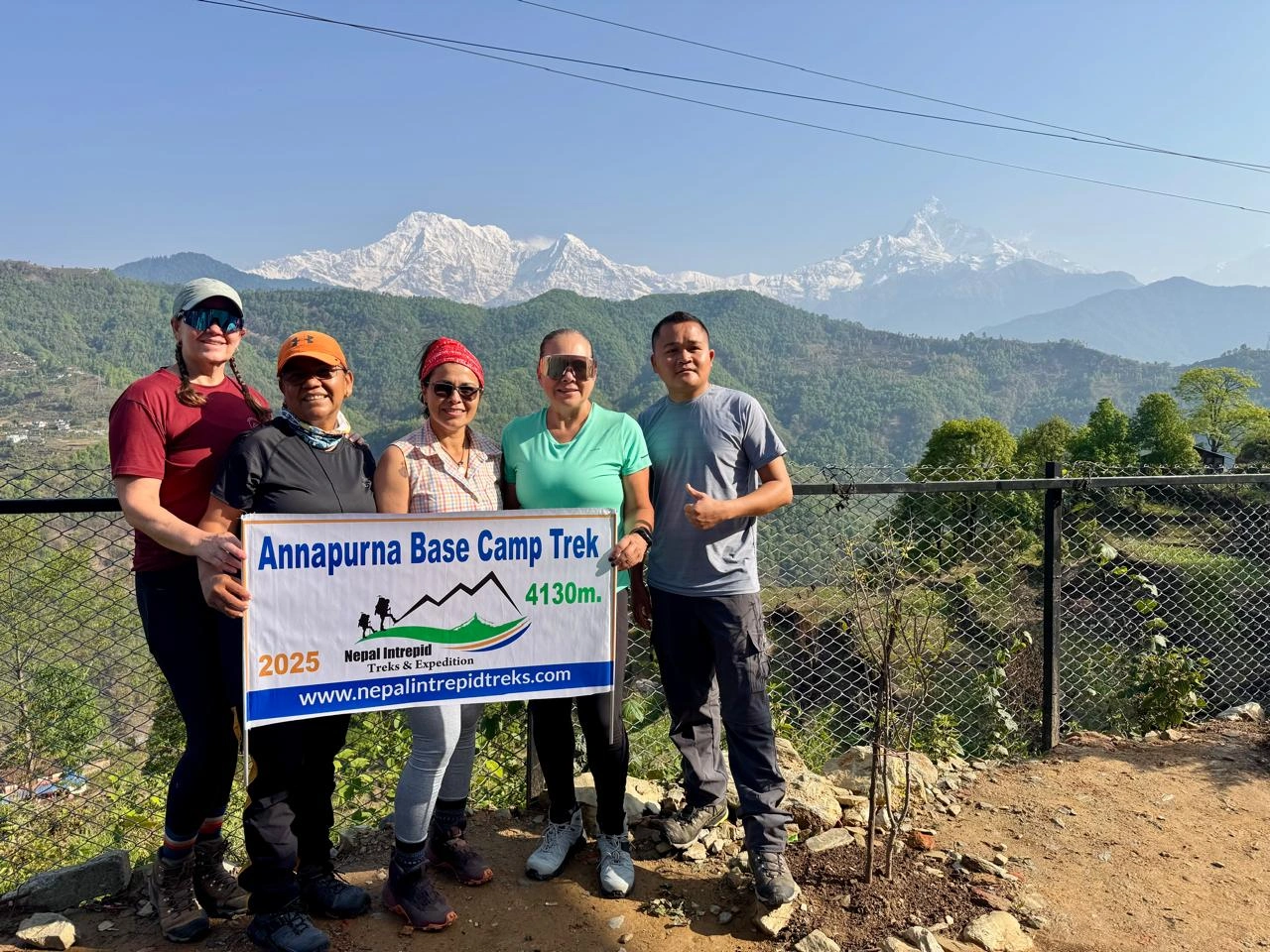
Safety in Nepal depends less on gender alone and more on location, transport choices, trekking route, accommodation quality, and awareness of local social norms. Urban areas such as Kathmandu and Pokhara are generally safe during the day, while remote trekking trails, late-night transport, and unverified services create the main risks for women travelling alone. Understanding local customs, choosing safe transport, booking reliable accommodation, and preparing for mountain conditions such as altitude sickness or emergency evacuation significantly improves the experience. For solo female travellers who plan carefully, Nepal offers a safe, culturally rich, and deeply rewarding journey through one of Asia’s strongest destinations for independent adventure travel.
What Makes Nepal Popular for Solo Female Travel?
Nepal attracts solo female travellers because it combines natural spectacle, cultural richness, and an established tourism infrastructure at a price point accessible to most budgets. The country welcomed over 1 million tourists in 2023, with exactly 1,014,876 international arrivals recorded in the Ministry of Culture, Tourism and Civil Aviation 2023 Statistics Report, representing a major milestone in post-pandemic tourism recovery across independent and guided itineraries. The tourism ecosystem, guesthouses, trekking agencies, guide networks, and local cafés built specifically around solo visitors, reduces friction for women travelling alone in ways that less-developed destinations cannot.
Why Do Solo Female Travellers Choose Nepal?
Solo female travellers choose Nepal for 5 primary reasons: the Himalayan trekking routes, the cultural density of the Kathmandu Valley, the affordability of long-term travel, the English-language competency of locals in tourist areas, and the strong existing community of solo women travellers who document Nepal's trails in real time.
The solo female travel community around Nepal is unusually active. Women share route updates, guesthouse reviews, and safety tips on platforms like Facebook groups ("Solo Female Trekkers Nepal"), Reddit's r/solotravel, and travel forums. This live knowledge network reduces the information gap that makes solo female travel risky in less-documented regions.
What most guides overlook: Nepal's tourism workforce is disproportionately staffed by people who interact with foreign women daily. Guesthouse owners in Pokhara, teahouse managers on the Annapurna Circuit, and Thamel shopkeepers maintain long-term reputations built on visitor reviews. This reputation economy creates a structural incentive for respectful treatment.
Which Types of Trips Are Most Common in Nepal?
The 4 most common trip types for solo female travellers in Nepal are:
Multi-day treks on established routes such as the Annapurna Circuit, Langtang Valley, and Everest Base Camp
Cultural circuits centred on Kathmandu, Bhaktapur, and Patan, combining temple visits with local market exploration
Yoga and wellness retreats concentrated in Pokhara's lakeside district and Kathmandu neighbourhoods
Volunteer or language programs, typically 2–8 weeks, based in mid-sized towns including Chitwan and Lumbini
Each trip type carries a different safety profile. Urban cultural trips involve higher street-level social interaction but lower physical risk. Trekking trips reduce social crowding but increase isolation on remote trail sections. Understanding which profile matches your itinerary shapes which precautions matter most.
How Safe Is Nepal for Women Travelling Alone?
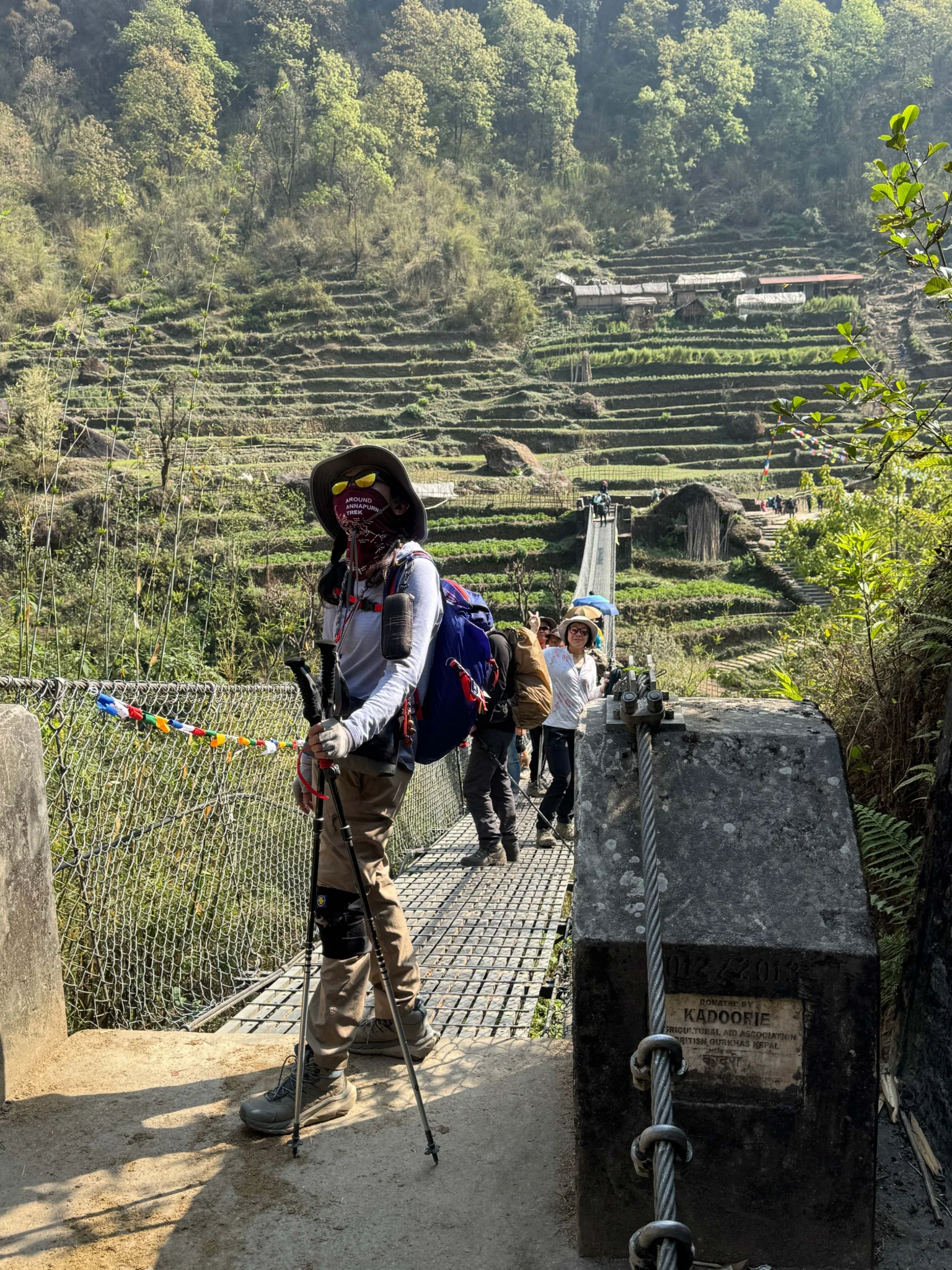
Nepal is moderately safe for solo female travellers, with a safety profile comparable to popular solo-travel destinations in Southeast Asia such as Vietnam and Thailand. Violent crime against tourists is rare. The more common risks involve petty theft, opportunistic scams, unwanted attention, and logistical challenges in rural areas. Women with prior solo travel experience typically rate Nepal positively; first-time solo travellers benefit from additional planning.
What Safety Risks Should Solo Female Travellers Know?
The 6 most relevant safety risks for solo female travellers in Nepal are:
Verbal harassment and unwanted attention, most common in Thamel (Kathmandu) and tourist-heavy lakeside areas of Pokhara, particularly from touts and informal vendors
Petty theft, pickpocketing on crowded buses, in busy market areas, and near major temples including Pashupatinath and Boudhanath
Trekking isolation, on less-trafficked routes, women solo trekking face stretches with minimal fellow traveller presence, reducing immediate help access
Transport safety, local buses lack seatbelts, mountain roads are narrow, and night travel between cities carries elevated risk
Accommodation quality variance, budget guesthouses in rural areas occasionally have inadequate door locks or poor lighting in common areas
Drink spiking, reported in a small number of bar-heavy areas in Thamel; risk is low but real
What separates Nepal from higher-risk destinations: sexual assault against foreign tourists is infrequent and widely reported in the local and international press when it does occur. The Nepalese government, tourism boards, and local police treat tourist safety incidents as reputationally damaging, which produces faster official response than in countries where tourism accountability is weaker.
How Does Safety Vary Between Cities and Rural Areas?
Safety in Nepal varies significantly across a spectrum of 3 zones: urban tourist centres, mid-altitude towns, and remote trekking routes.
Urban tourist centres (Kathmandu, Pokhara) offer the highest density of English-speaking locals, tourist police, medical facilities, and fellow travellers. Risks are social rather than physical. Mid-altitude towns like Namche Bazaar, Manang, and Ghorepani sit on well-trafficked trekking corridors with teahouses staffed by experienced hosts, safety is generally high. Remote sections of trails, particularly between checkpoints on less-popular routes, present the greatest risk, not from crime but from medical emergencies, weather events, and genuine isolation.
Rural villages away from trekking routes carry a different dynamic. Conservative gender norms are stronger, English is limited, and the informal infrastructure that supports tourist safety (other travellers, tourist police, reviewed guesthouses) is absent. Women venturing into non-trekking rural Nepal benefit from local contacts or organised group arrangements.
Which Areas in Nepal Are Safest for Solo Female Travellers?
The safest areas for solo female travellers in Nepal are Pokhara's Lakeside district, central Kathmandu's tourist zones, the Annapurna Circuit's mid-section, and the Langtang Valley. These locations combine high traveller density, established accommodation networks, tourist police presence, and strong local accountability built on tourism reviews.
Is Kathmandu Safe for Solo Travel?
Kathmandu is safe for solo female travel within its core tourist areas, which include Thamel, Durbar Square, Boudhanath, and Patan. Thamel has tourist police support and nearby police access, making it one of the easier areas for foreign visitors to seek assistance when needed and the neighbourhood's 24-hour activity creates passive safety through crowd presence.
The risks in Kathmandu concentrate in 3 specific contexts: late-night navigation of poorly lit backstreets east of Thamel, overcrowded public transport during rush hours (6–9 AM and 5–8 PM), and extended interaction with persistent touts near Freak Street and Durbar Square. Women who pre-book accommodation, use app-based taxis (Pathao, inDrive), and avoid walking alone after 10 PM in unfamiliar streets navigate Kathmandu comfortably.
What most travel guides understate: Kathmandu's social street culture involves high-volume verbal engagement with foreign women from vendors, tour promoters, and rickshaw drivers. This is rarely threatening but consistently tiring. Developing a neutral, non-engaging response style, walking purposefully, avoiding eye contact with persistent touts, wearing earbuds when navigating busy areas, reduces its frequency significantly.
Is Pokhara Safer for First-Time Visitors?
Pokhara is the most recommended Nepalese city for first-time solo female visitors, for 4 measurable reasons: lower population density than Kathmandu, a compact Lakeside district where most services concentrate within walking distance, a traveller-heavy social environment that normalises solo female presence, and a reputation-driven hospitality sector where guest reviews directly affect business survival.
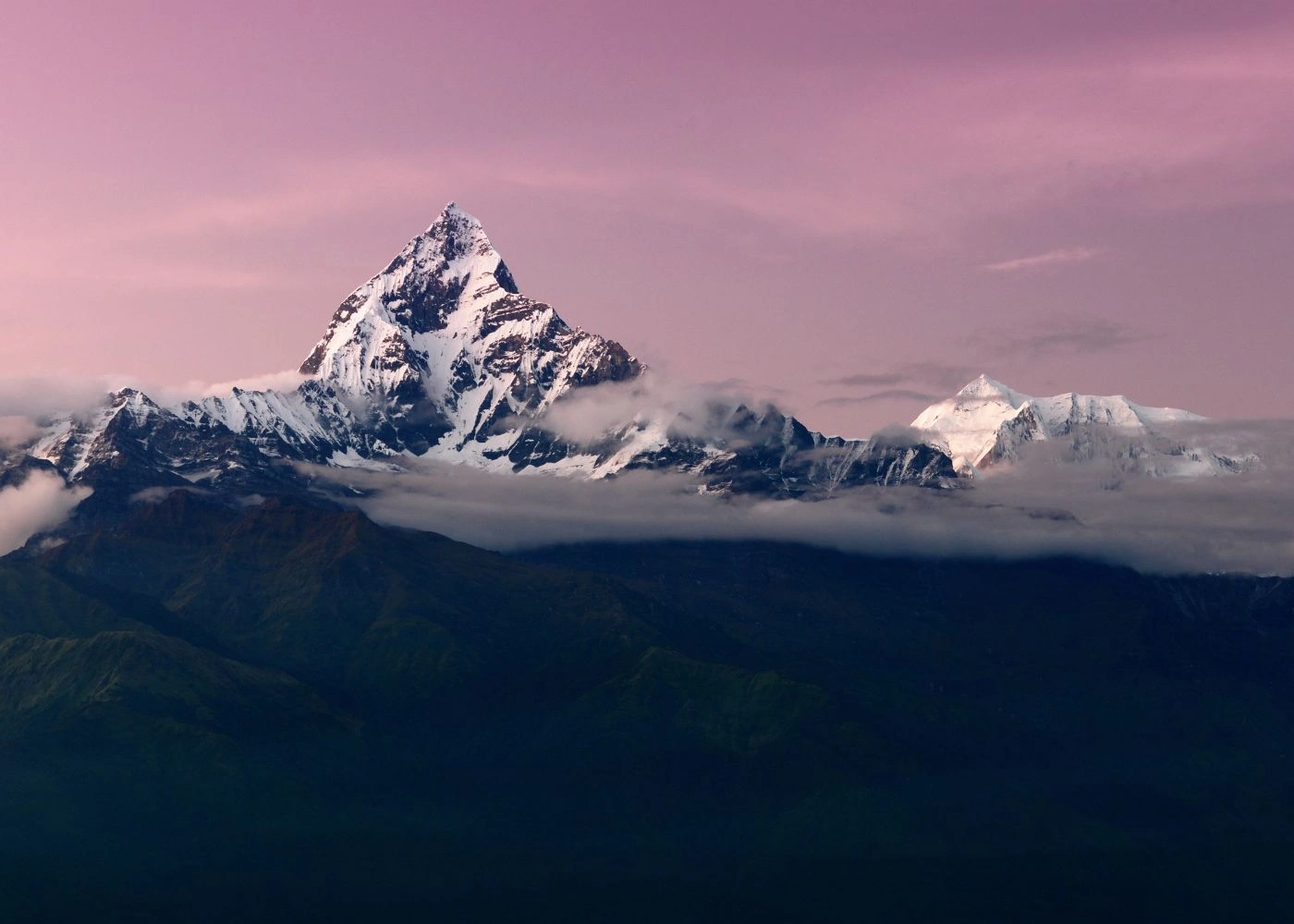
The Lakeside area (Baidam) functions as a self-contained visitor ecosystem. Restaurants, yoga studios, trekking agencies, medical clinics, and accommodation cluster within approximately 2 kilometres. Women navigating Lakeside can meet fellow travellers easily, which reduces the isolation that elevates risk in solo travel. Aggressive touts are less prevalent here than in Thamel.
Pokhara's risk concentrations are the southern lakeside late at night (limited lighting beyond the main strip), isolated paragliding landing areas outside the core zone, and budget accommodation options beyond the main Lakeside road where vetting is harder.
Beyond cultural attractions, Nepal’s tourism ecosystem is economically robust, generating NPR 66,543.56 million in tourism earnings as reported by the Nepal Tourism Board May 2025 Insight Report, supporting local guesthouses and guide networks across major trekking routes.
Which Trekking Regions Need Extra Precautions?
The 3 trekking regions that require extra precautions for solo female travellers are:
Upper Mustang, remote, limited teahouse density, restricted permit area with infrequent official contact points; best approached with a guide
Kanchenjunga Base Camp, long multi-week route with few other trekkers; isolation is high across most sections
Off-route Dolpo, extremely remote, basic infrastructure, long stretches without teahouses or other travellers
By contrast, the Annapurna Circuit, Everest Base Camp, and Langtang routes carry consistent teahouse density and regular trekker traffic, which provides both social safety and practical access to help when needed. For a detailed breakdown of Annapurna Base Camp solo female safety, including permit rules and teahouse networks, see our dedicated guide.
What Cultural Norms Should Women Understand Before Visiting?
Nepal operates within a socially conservative Hindu and Buddhist cultural framework in which gender norms differ significantly from Western European or North American defaults. Understanding these norms prevents unintended offence, reduces unwanted attention, and builds respectful interactions with local communities, which in turn improves personal safety and travel quality.
What Clothing Is Respectful in Nepal?
Respectful clothing for women in Nepal covers shoulders and knees in all non-resort contexts. Loose trousers, long skirts, and lightweight long-sleeved tops serve dual purposes: they align with local dress expectations and provide practical sun and insect protection during treks.
Specific clothing rules apply in religious spaces. Temples, monasteries, and stupas require covered legs and shoulders regardless of heat. Many sites provide sarong wraps at entrance points, but carrying a lightweight scarf resolves this independently. Tight or revealing clothing in rural villages generates sustained social attention that ranges from discomfort to safety risk, particularly when walking alone.
In Pokhara's Lakeside and Thamel, dress standards are more relaxed due to tourist normalisation, but even here, moving toward modest clothing after dark reduces unwanted attention.
How Should Travellers Handle Local Attention?
Local attention directed at solo female travellers in Nepal falls into 3 distinct categories: genuine hospitality and curiosity, commercial interest (selling tours, transport, goods), and social attention rooted in unfamiliarity with independent women.
Each category warrants a different response. Genuine hospitality, invitations for tea, questions about home countries, friendly market conversation, forms the majority of social interaction and enriches the travel experience. Declining these connections reflexively is both unnecessary and socially counterproductive. Commercial attention responds to clear, firm, single-refusals: saying "no thank you" once and continuing walking ends most vendor interactions.
Social attention from groups of young men, while rarely threatening in Nepal, warrants confident, non-engaging body language. Walking at a steady pace, maintaining direct eye contact forward, and avoiding extended solo stops in areas with limited foot traffic reduces its frequency.
How Can Solo Female Travellers Stay Safe in Nepal?
Solo female travellers stay safe in Nepal through 4 practical strategies: using vetted transport, pre-booking accommodation with verified reviews, maintaining emergency contact routines, and building situational awareness appropriate to each zone. Most safety incidents in Nepal involve tourists who made ad-hoc decisions in unfamiliar environments without fallback plans.
Which Transport Options Are Most Reliable?
The 4 most reliable transport options for solo female travellers in Nepal, ranked by safety:
Private app-based taxis (Pathao, inDrive), GPS-tracked, fare-agreed in advance, driver details recorded; the safest option for urban travel in Kathmandu and Pokhara
Pre-arranged hotel transfers, guesthouses and hotels arrange airport and inter-city pickups with vetted drivers; cost premium is small relative to safety value
Tourist buses (Green Line, Greenline, Prithvi Highway services), designated tourist coaches between Kathmandu, Pokhara, and Chitwan; seat-allocated, air-conditioned, English-speaking staff
Domestic flights (Buddha Air, Yeti Airlines), for mountain-area access (Lukla, Pokhara, Bharatpur); far safer than mountain road travel and worth the cost premium
Local public buses and shared jeeps carry higher risk not from criminal activity but from road safety, overloading, poor road conditions, and driver fatigue are documented hazards on Nepalese mountain routes.
Night buses between major cities deserve a specific warning: road conditions after dark on mountain highways carry genuine accident risk. When time allows, daytime travel or flying is the safer choice.
How Can You Choose Safe Accommodation?
Safe accommodation in Nepal shares 5 consistent characteristics: recent positive reviews on Booking.com, Hostelworld, or Google Maps (within the last 6 months), lockable room doors with functioning deadbolts, 24-hour reception or a contactable host, location within the main tourist zone of the city, and clearly displayed emergency contact numbers.
For trekking routes, teahouses vetted through the Trekking Agencies Association of Nepal (TAAN) or recommended by the Nepal Tourism Board provide the most reliable accommodation. On the Annapurna and Everest routes, teahouses have standardised significantly over the past decade, basic but consistent.
What to check on arrival: test the door lock before settling, confirm the WiFi password for communication access, and note the nearest pharmacy and police post. This 3-minute check prevents the majority of accommodation-related problems.
What Emergency Contacts Should You Save?
Before beginning any solo trip in Nepal, save these 7 emergency contacts:
Nepal Police Emergency: 100
Tourist Police (Kathmandu): +977-1-4226359
Ambulance (nationwide): 102
CIWEC Hospital Travel Medicine Center (Kathmandu): +977-1-4435232
Himalayan Rescue Association (Kathmandu): +977-1-4440292
Your country's embassy in Kathmandu, locate via your national government's travel portal
Your accommodation's direct phone number, more reliable than front-desk email in emergencies
Register with your country's embassy or consulate before arrival. Most governments offer free traveller registration services (STEP for US citizens, LOCATE for Australians citizens) that enable contact during natural disasters, political unrest, or medical emergencies.
Is Trekking in Nepal Safe for Solo Female Travellers?
Trekking in Nepal is safe for solo female travellers on established routes with adequate preparation. The Annapurna Circuit, Everest Base Camp trek, and Langtang Valley route carry consistent teahouse infrastructure, TIMS checkpoint systems, and regular trekker traffic that create de facto safety networks. Risks on these routes are primarily physical (altitude sickness, weather, terrain) rather than criminal.
Should You Trek Alone or Hire a Guide?
Hiring a licensed guide is the recommended approach for first-time Nepal trekkers, regardless of gender. A guide provides 5 concrete benefits: route knowledge that prevents costly wrong turns, altitude sickness recognition and appropriate response, teahouse pre-booking in peak season, cultural interpretation that deepens the experience, and local emergency contact networks unavailable to independent trekkers.
For experienced trekkers revisiting Nepal, solo trekking on the Annapurna Circuit and Langtang is feasible. Both routes have mandatory TIMS (Trekkers' Information Management System) card checkpoints, which create a documented record of trekker location, a practical safety mechanism in its own right. For a full rundown of solo ABC trekking precautions, including permit rules and insurance requirements, see our dedicated safety guide.
The guide vs. solo decision isn't only about safety. It's also about trip quality. Guides who grew up in mountain communities offer contextual knowledge, plant names, village histories, altitude weather patterns, that trail maps don't capture. Women who hired guides for their first Nepal trek consistently rate the experience higher than those who trekked independently, based on aggregated reviews across major travel platforms.
Which Trails Are Best for Solo Women?
The 3 best trekking trails for solo female travellers in Nepal are:
Annapurna Circuit Trek (18–21 days, 160–230 km), the highest teahouse density of any Nepal route, diverse terrain from subtropical to alpine, and consistent trekker traffic even in shoulder seasons
Ghorepani Poon Hill Trek (4–5 days), the ideal first Nepal trek; short duration, high teahouse density, reliable mobile network for much of the route, stunning Himalayan views without technical altitude challenges
Langtang Valley Trek (7–10 days), close to Kathmandu, compact route, welcoming Tamang communities with strong cultural tourism practices, and fewer trekkers than Annapurna or Everest routes (meaning less crowding while still offering community density)
What Common Scams or Problems Should You Avoid?
Common scams targeting solo female travellers in Nepal concentrate in 4 operational categories: false tour operator credentials, inflated taxi fares, "free" cultural invitations with hidden costs, and gem or carpet schemes posing as business investment opportunities.
How Can You Spot Tourist Scams?
Tourist scams in Nepal share 3 identifiable patterns: urgency (the "deal" disappears unless you decide immediately), authority misdirection (someone claims to be official tourism staff but has no verifiable credential), and social obligation escalation (a friendly interaction gradually incorporates a financial ask).
The gem export scam is Nepal's longest-running tourist fraud. A friendly local explains they can ship gemstones or carpets abroad for tax-free resale at a profit, and requests an upfront payment or credit card. No profit materialises. The Nepal Tourism Board maintains an updated scam warning list at welcomenepal.com, reviewing it before arrival takes 10 minutes and prevents hours of financial and logistical problems.
Taxi fare inflating is the most frequent minor scam, concentrated at Tribhuvan International Airport. Licensed taxis have meters; agreeing to a metered fare or using Pathao eliminates the problem. The fixed-rate taxi counter inside the airport arrivals hall is the safest first-step option for newly arrived visitors.
What Situations Should You Avoid at Night?
The 5 specific situations solo female travellers avoid at night in Nepal are:
Walking alone in unlit backstreets of Thamel and Freak Street after 10 PM
Accepting rides from unlicensed vehicles, motorcycles or informal cars offering lifts near bars and restaurants
Isolated lakeside areas in Pokhara beyond the main lit strip after dark
Solo hiking on trails near Kathmandu (Shivapuri, Nagarjun Forest Reserve) after sunset, these areas have limited after-dark presence
Remaining in a bar or venue alone after fellow travellers or known companions have left, particularly in venues with persistent male solicitation
The key principle: Nepal's safety infrastructure operates more effectively during daylight. Tourist police patrols, guesthouse staff vigilance, and fellow trekker presence, all of which contribute to practical safety, reduce significantly after dark.
Academic research published in the Aalborg University Master's Thesis on Solo Female Travel Safety in Nepal indicates that while solo women experience minor logistical hurdles and verbal harassment, structured teahouse networks and active tourist police presence successfully mitigate primary safety risks.
What Do Solo Female Travellers Say About Visiting Nepal?
Solo female travellers who document their Nepal experiences report a consistent pattern of positive overall impressions combined with specific, manageable challenges. The volume of positive reports significantly outweighs negative ones across review platforms, travel blogs, and forum threads.
What Positive Experiences Are Most Common?
The 5 most frequently cited positive experiences among solo female travellers in Nepal are:
Warmth of teahouse and guesthouse hosts, particularly on the Annapurna Circuit, where family-run teahouses create a home-like environment that reduces the isolation of solo travel
Community among trekkers, trail culture fosters rapid friendships; solo women consistently report connecting with other travellers within the first day of trekking
Spiritual and cultural depth, the Kathmandu Valley's temple complex (Pashupatinath, Swayambhunath, Boudhanath) and monastery access provides genuine cultural engagement unavailable in more commercialised destinations
Affordability, a comfortable solo day in Pokhara costs NPR 2,500–4,000 (approximately USD 19–30), making extended stays financially accessible
Personal transformation, Nepal's combination of physical challenge, spiritual environment, and community generosity generates experiences that women consistently describe as significant personal milestones
What Challenges Do Travellers Report?
The 4 most consistently reported challenges for solo female travellers in Nepal are:
Persistent male attention in Thamel, most women describe it as tiring and occasionally uncomfortable rather than threatening
Altitude sickness management, Acute Mountain Sickness (AMS) affects a significant proportion of trekkers above 3,000 metres; symptoms include headache, nausea, and fatigue; the standard protocol is acclimatisation rest days and descent if symptoms worsen
Infrastructure variability, hot water availability, WiFi reliability, and road conditions vary widely between tourist-centre and rural Nepal, requiring flexible expectations
Solo dining comfort, in conservative towns outside tourist zones, women eating alone attract curious attention; this diminishes with confident, normalised behaviour but doesn't disappear entirely
What experienced travellers recommend: treat the early attention and infrastructure variability as part of Nepal's character rather than obstacles to it. Women who approach Nepal with flexible expectations report higher satisfaction than those who expect Western-standard infrastructure or social norms.
How Should You Plan a Safe Solo Trip to Nepal?
A safe solo trip to Nepal is planned across 5 sequential stages: destination research, health preparation, documentation, in-country logistics, and emergency preparedness. Each stage reduces a specific category of risk.
Health preparation deserves more attention than most guides allocate. Consult a travel medicine clinic 6–8 weeks before departure. Recommended vaccinations for Nepal include Hepatitis A, Typhoid, and Tetanus updates as minimums; Hepatitis B, Rabies (for trekking), and Japanese Encephalitis (for Terai lowland visits) depending on itinerary. Altitude medication (Acetazolamide/Diamox) requires a prescription and benefits from advance consultation, not last-minute airport pharmacy purchases.
Travel insurance for Nepal must cover helicopter evacuation explicitly. Mountain rescue in Nepal frequently involves helicopter extraction; costs reach USD 3,000–8,000 without insurance. World Nomads, SafetyWing, and Battleface all offer policies with verified Nepal helicopter evacuation coverage.
What Can Travel Services Help With?
Licensed Nepal travel services provide 4 practical safety functions beyond itinerary planning:
Guide and porter placement through TAAN-registered agencies, ensuring accountability and fair treatment for both traveller and guide
Teahouse pre-booking during peak seasons (October–November and March–May), when accommodation without reservation becomes unreliable above 3,500 metres
Local emergency contacts, established agencies maintain relationships with Himalayan Rescue Association stations, altitude medicine specialists, and helicopter operators
Permit processing, TIMS cards, Annapurna Conservation Area Permits (ACAP), Sagarmatha National Park permits, and restricted area permits require correct documentation; agencies ensure compliance
Reputable agencies register with the Nepal Tourism Board. Verifying registration at ntb.gov.np before payment eliminates the risk of unregistered operators who lack accountability structures. Working with an experienced trekking agency in Nepal ensures permits, licensed guides, and emergency contacts are all handled in one place.
What Are the Key Takeaways About Solo Female Travel in Nepal?
Nepal is a safe and deeply rewarding destination for solo female travellers who prepare appropriately. The country's established trekking infrastructure, reputation-accountable tourism sector, and active traveller community create structural safety for women travelling independently.
The 6 key takeaways for solo female travel in Nepal are:
Safety is location-specific, Pokhara Lakeside and Annapurna Circuit are among Nepal's safest environments; remote trekking routes and non-tourist rural areas require additional precautions
Cultural preparation matters, modest dress, awareness of temple etiquette, and understanding of social norms reduces unwanted attention and deepens cultural connection
Guide hiring is strongly advisable for first-time trekkers, practical route and altitude knowledge outweighs the cost, which ranges from USD 25–40 per day for licensed guides
Transport and accommodation choices carry more daily safety impact than any other variable, vetted options from app-based taxis to reviewed guesthouses eliminate the majority of common risks
Emergency preparation is non-negotiable, travel insurance with helicopter evacuation, embassy registration, and saved emergency numbers resolve serious situations that would otherwise become crises
The solo female traveller experience in Nepal is broadly positive, the combination of natural scale, cultural authenticity, affordability, and community makes Nepal one of the most consistently recommended solo destinations in Asia
Nepal rewards the traveller who arrives with realistic expectations, practical preparation, and genuine curiosity. For most solo women, it delivers something harder to find in more familiar destinations: an experience that feels genuinely earned.


