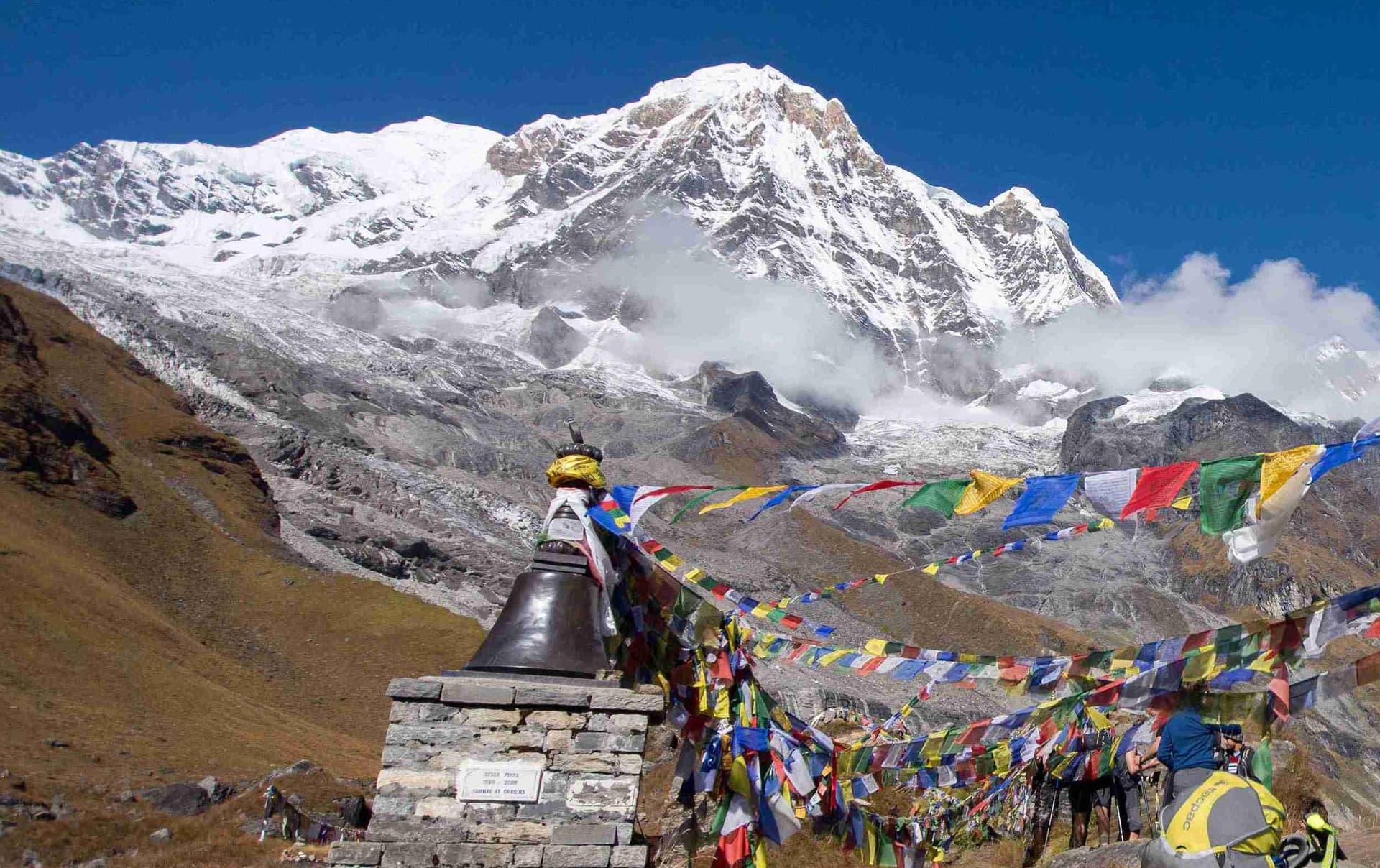
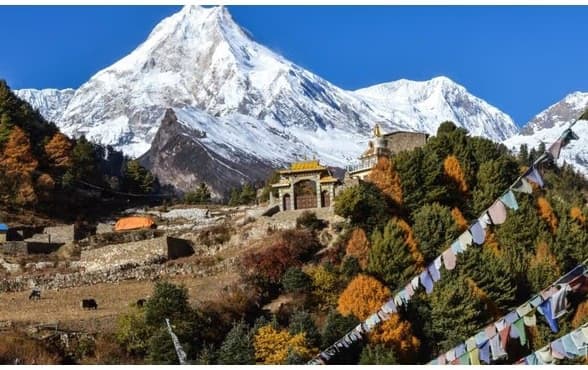
Everest Base Camp (EBC) Trek is one of the world's most popular high-altitude trekking adventures, taking hikers through Nepal's Khumbu region to Everest Base Camp at 5,364 meters (17,598 feet) without requiring any technical climbing or mountaineering experience. For most physically fit and well-prepared trekkers, the route is considered safe when approached with proper acclimatization, realistic pacing, and informed decision-making. Although more than 50,000 people attempt the trek each year and the vast majority complete it successfully, the combination of extreme altitude, rapidly changing Himalayan weather, remote mountain terrain, and limited medical facilities means safety depends far more on preparation than physical strength alone.
.webp)
Understanding the real risks before arriving in the Himalayas is the best way to improve your chances of a safe and successful trek. This guide explains the most common hazards on the Everest Base Camp route, including altitude sickness, weather, trail conditions, and Lukla flight disruptions, while also covering the fitness level required, medical considerations, the safest trekking seasons, essential gear, travel insurance, acclimatization strategies, emergency procedures, and the benefits of trekking with a licensed guide. Whether you're planning your first high-altitude adventure or comparing independent and guided treks, this guide provides the practical information needed to make informed decisions before and during your Everest Base Camp journey.
What Makes the Everest Base Camp Trek Risky?
The 4 primary risks on the Everest Base Camp trek are altitude sickness, extreme weather, technical trail sections, and flight disruptions at Lukla Airport. None of these risks is unavoidable, but each requires a different mitigation strategy before and during the trek.
The EBC route climbs from Lukla at 2,860m to Gorak Shep at 5,164m, then to Base Camp at 5,364m. That elevation gain spans 65 kilometers of trail through the Sagarmatha National Park. The terrain includes suspension bridges, rocky moraines, steep ascents near Namche Bazaar, and exposed ridgelines above Dingboche.
Thin air is the most consistent hazard. At 5,000m, the available oxygen in each breath drops to roughly 53% of what you breathe at sea level. The body adapts, but only when given enough time. When trekkers rush the ascent, that adaptation process breaks down.
Remote location compounds every risk. Proper medical facilities don't exist above Pheriche (4,371m), where the Himalayan Rescue Association (HRA) operates its highest clinic. Above that point, the response to a medical emergency depends entirely on helicopter availability and weather conditions.
How Does Altitude Sickness Affect EBC Trekkers?
Altitude sickness (Acute Mountain Sickness, or AMS) is common on routes that ascend above 3,000m. A 2021 study published in Physiological Reports tracked 332 trekkers on the standard Everest Base Camp ascent profile and found AMS in 73.5% of participants, 23.2% mild and 50.3% moderate-to-severe, using the Lake Louise scoring system. AMS develops when the body cannot adapt fast enough to reduced oxygen levels. Symptoms appear within 6-12 hours of reaching a new elevation.
AMS symptoms include headache (the primary indicator), nausea, fatigue, dizziness, and disrupted sleep. Mild AMS is manageable with rest, hydration, and no further ascent. The serious concern is progression to two life-threatening conditions.
High Altitude Cerebral Edema (HACE) occurs when fluid builds up around the brain. Symptoms are severe headache unresponsive to ibuprofen, loss of coordination (ataxia), confusion, and eventual loss of consciousness. HACE requires immediate descent of 300-500m minimum and emergency evacuation.
High Altitude Pulmonary Edema (HAPE) occurs when fluid accumulates in the lungs. Symptoms are breathlessness at rest, a crackling sound when breathing, persistent dry cough, and pink frothy sputum at advanced stages. HAPE is the leading cause of altitude-related death and demands immediate descent and medical intervention.
The medication Diamox (acetazolamide) accelerates acclimatization by stimulating faster breathing. Dosing and contraindications (including sulfa allergies) are set out in the Wilderness Medical Society's 2024 Clinical Practice Guidelines for Acute Altitude Illness; consult a physician before the trek to determine suitability, as Diamox carries contraindications including sulfa allergies.
How Do Weather and Trail Conditions Change the Risk?
Weather on the EBC route changes within 2-3 hours, with afternoon snowstorms possible above 4,000m even during peak season. Clear mornings are the norm; clear afternoons are not guaranteed.
Above Namche Bazaar (3,440m), temperatures drop below -10°C at night during October and November. Wind chill on exposed sections near Kala Patthar (5,545m) can push the effective temperature to -20°C. Inadequate layering at these elevations doesn't just cause discomfort, it causes hypothermia.
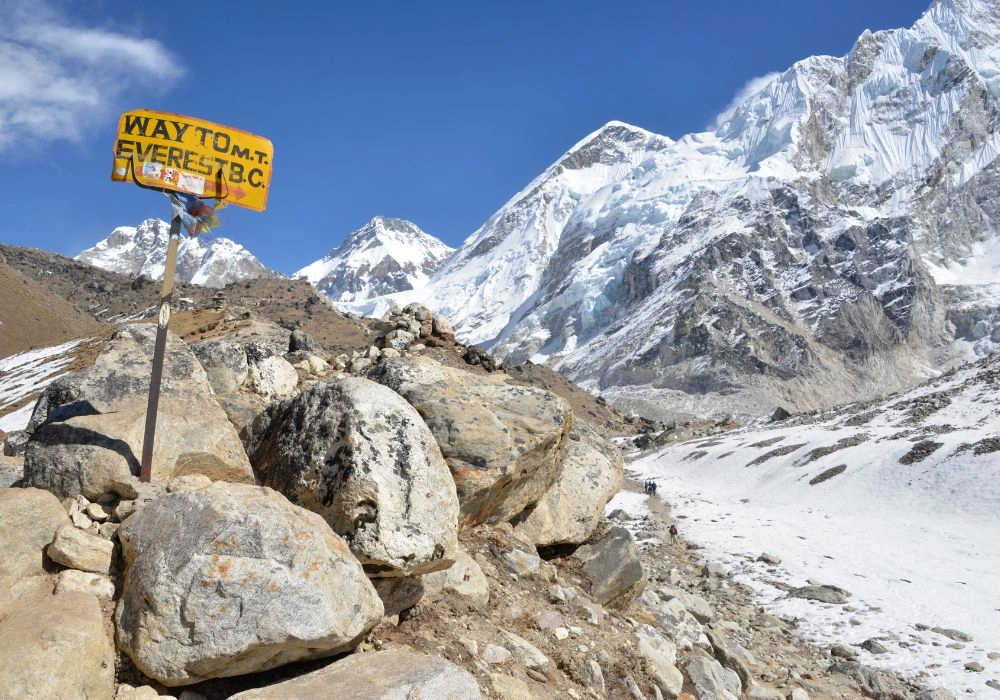
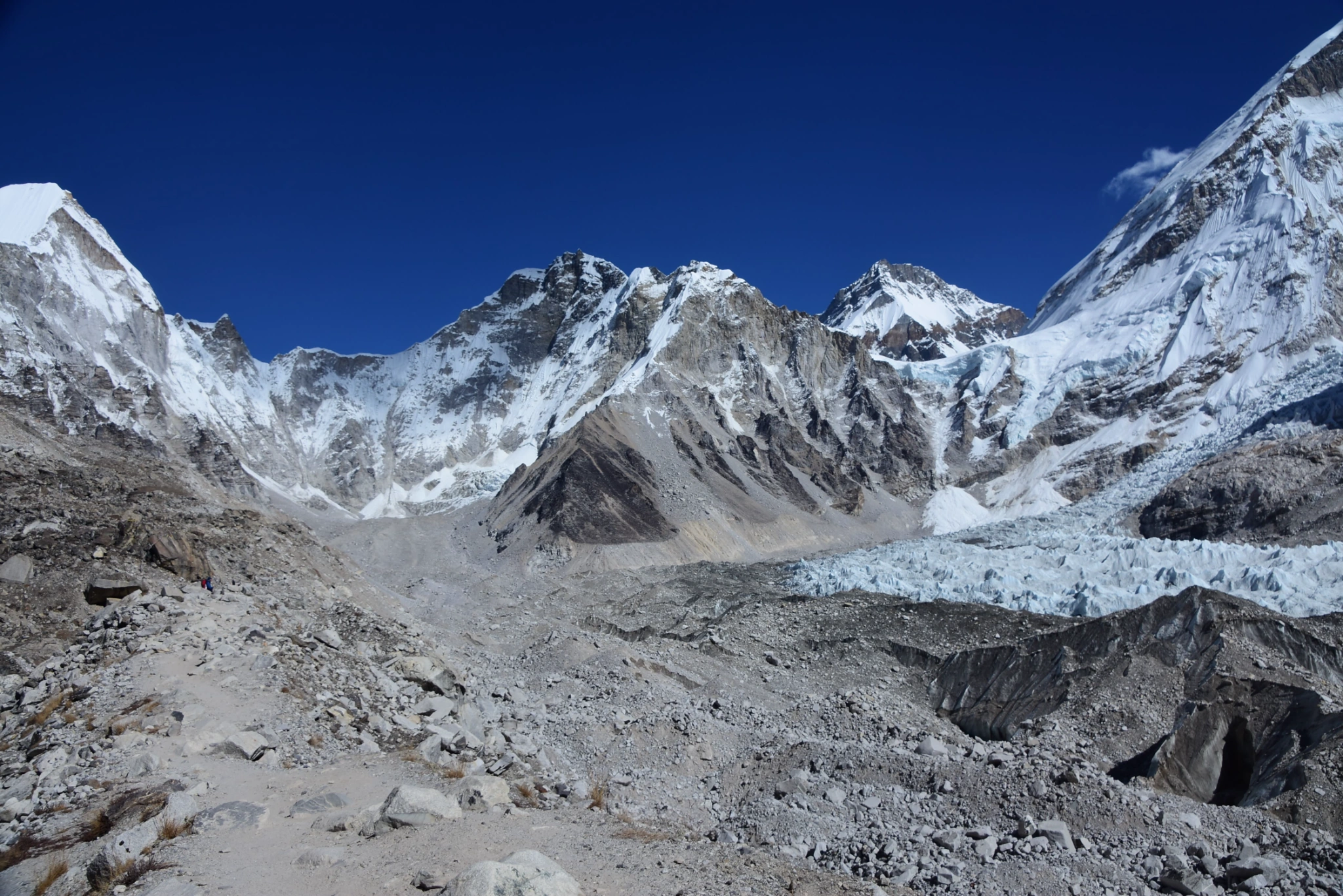
Trail conditions shift with elevation. The lower trail below Namche is well-maintained and wide. Above Dingboche (4,410m), the path narrows, gains loose moraine rock, and in winter acquires ice patches that demand microspikes or careful footing. After heavy snowfall, trail markers disappear entirely.
River crossings via suspension bridges are safe in dry conditions but become slippery when wet. Rockfall near the trail between Lobuche and Gorak Shep happens during early morning freeze-thaw cycles in spring.
Why Do Flights to Lukla Add Uncertainty?
Lukla's Tenzing-Hillary Airport (elevation: 2,860m) is a weather-dependent airstrip where flight delays and cancellations in Nepal affect 20-40% of scheduled flights during autumn and spring seasons. No instrument landing system exists; pilots fly visually.
Cloud cover, fog, and wind above 30 km/h ground all flights. When 2-3 consecutive days of bad weather stack up, hundreds of trekkers accumulate in Lukla waiting for clearance. This creates a cascading problem: delayed departure from Kathmandu compresses the acclimatization schedule or forces trekkers to abandon the route entirely.
The practical fix is to build 2 buffer days into the itinerary at both ends of the trek. Helicopter flights from Lukla to Kathmandu cost $250-$400 per person and operate in narrower windows than fixed-wing, but they clear faster in marginal conditions.
Who Is the Trek Safest For?
The EBC trek is safest for adults aged 18-65 with no uncontrolled cardiovascular, pulmonary, or hematological conditions, who can hike 6-8 hours per day carrying a 6-8 kg daypack on consecutive days. Age alone is not a barrier, trekkers in their 70s successfully complete EBC annually with proper preparation.
What Fitness Level Do You Need for EBC?
A trekker requires a cardiovascular base that sustains 6 hours of moderate aerobic effort across consecutive days, combined with the leg strength to manage 600m+ elevation gain and descent on uneven terrain. The word "fit" here is not casual.
The minimum fitness benchmark: complete a 20 km day hike with 1,000m elevation gain carrying a 6 kg pack without excessive fatigue. If that hike leaves you unable to walk normally the next day, the EBC timeline, which allows no recovery days between trekking stages, creates cumulative exhaustion that amplifies altitude effects.
Cardio training 4 days per week for 3 months before the trek is the standard preparation window. Include stair climbing, trail running, or loaded hikes. Gym cycling and swimming maintain aerobic capacity but don't replicate the impact demands of downhill hiking.
Which Health Conditions Need Medical Clearance?
7 health conditions require physician clearance before the EBC trek: uncontrolled hypertension, coronary artery disease, COPD or chronic asthma, severe anemia (hemoglobin below 10 g/dL), sickle cell trait, recent eye surgery (LASIK or retinal), and epilepsy. Each interacts differently with hypoxia.
Altitude raises blood pressure in everyone. Trekkers with controlled hypertension often complete EBC successfully, but medication adjustment at altitude (particularly diuretics) requires pre-trek medical review. Trekkers with COPD face compounding respiratory stress that standard pulse oximetry monitoring alone cannot safely manage.
Pregnancy is a separate category. The Wilderness Medical Society advises avoiding elevations above 3,658m (12,000 ft) during pregnancy due to fetal hypoxia risk.
Is EBC Safe for Beginners?
EBC is accessible to first-time trekkers with no prior high-altitude experience, provided the acclimatization schedule is strictly followed and a licensed guide manages the pace decisions. The route requires no technical climbing skills, only sustained aerobic effort and mental discipline to rest when the body signals it.
What catches beginners is not the physical challenge but the psychological pressure to keep pace with the group or reach Base Camp "on schedule." Acclimatization is not a schedule, it's a biological process. A beginner who rests an extra day at Namche and arrives at Base Camp healthy makes better decisions than an experienced trekker who pushes through early AMS symptoms.
When Is the Everest Base Camp Trek Safest?
The 2 safest seasons for the Everest Base Camp trek are autumn (late September to mid-November) and spring (mid-March to late May). Both seasons offer stable weather windows, clear trail conditions, and operational teahouses across the full route. For a month-by-month breakdown of weather and conditions, see the best season for Everest Base Camp guide.
Is Spring Safer Than Autumn for EBC?
Spring (March-May) and autumn (September-November) carry comparable safety profiles, but autumn delivers more stable weather and clearer visibility. Spring brings warmer temperatures and blooming rhododendrons below 3,500m, but jet stream winds destabilize rapidly in May.
October and early November are the most consistently clear months on the EBC route. Temperatures at Gorak Shep average -5°C in the daytime and -15°C at night during October, cold, but manageable with a -20°C sleeping bag and proper layering. The trail is drier, Lukla flights cancel less frequently, and the Khumbu Icefall (visible from Base Camp) is frozen and photogenic.
Spring's advantage is temperature. Mid-April days at Base Camp reach 0-5°C, making the final push more comfortable than late October. The disadvantage is afternoon cloud buildup starting in late April, which shortens the usable trekking window each day.
How Do Winter and Monsoon Increase Risk?
Winter (December-February) and monsoon (June-August) both increase EBC risk substantially, though for different reasons. Winter drops temperatures at Gorak Shep to -25°C at night with severe wind chill. Teahouses above Dingboche reduce to skeletal staffing or close entirely. Frostbite becomes a realistic risk for inadequately equipped trekkers.
Monsoon season brings daily rainfall below 4,000m, leeches on the lower trail, trail erosion, reduced visibility, and high humidity that accelerates hypothermia risk when wet. Flash flooding affects several stream crossings. AMS rates don't change with season, but treating complications in monsoon weather is logistically harder due to helicopter grounding.
Some experienced trekkers choose winter specifically for the solitude, the trail carries 90% fewer trekkers than autumn. The risk is real and manageable with the right equipment, but it is not a beginner season.
How Can You Reduce Risk Before the Trek?
Pre-trek risk reduction covers 3 domains: physical training over 10-12 weeks, travel insurance verification, and gear selection based on the specific elevation and temperature range of the EBC route.
How Should You Train for Everest Base Camp?
A 12-week training plan for EBC should include 4 aerobic sessions per week (45-60 minutes each), 2 strength sessions targeting quads, hamstrings, and core, and at least 1 long hike per week with progressive load increases. Start with 10 km hikes and increase to 20-25 km by week 10.
Stair climbing with a loaded pack is the single most effective EBC-specific exercise. 30-45 minutes of stair climbing 3-4 times per week builds the exact muscle groups that fatigue fastest on the uphill sections between Phakding and Namche (an 800m elevation gain over 9 km).
Flexibility and balance training reduces ankle injury risk on the uneven moraine terrain above 4,000m. 15 minutes of daily single-leg balance exercises translates directly to safer footing on loose rock.
What Insurance Should Cover High-Altitude Trekking?
Travel insurance for EBC must include helicopter evacuation coverage to at least 6,000m, emergency medical repatriation, and trip cancellation for medical reasons. Standard travel insurance policies, including most credit card coverages, explicitly exclude high-altitude trekking above 4,000m unless an adventure sports rider is added.
Helicopter evacuation from the Khumbu costs $3,000-$10,000+ depending on departure point and weather conditions. Uninsured trekkers have paid this out-of-pocket, but some local clinics won't dispatch a helicopter without confirmed insurance or a cash deposit.
World Nomads, Battleface, and IMG Global are frequently cited policies that include EBC-level altitude coverage. Verify the exact altitude ceiling before purchasing; some policies cap at 4,500m, which leaves the last 900m of the route uninsured.
What Gear Matters Most for Staying Safe?
The 6 most safety-critical gear items for EBC, covered in full in the trekking equipment checklist, are a down jacket rated to -20°C, waterproof trekking boots with ankle support, trekking poles, a pulse oximeter, a sleeping bag rated to -15°C or colder, and high-SPF sun protection.
A pulse oximeter tracks SpO2 (blood oxygen saturation) and heart rate. Normal SpO2 at sea level is 95-100%. At 5,000m, readings of 80-92% are common and not immediately concerning. Below 75% with symptoms warrants descent. The oximeter makes AMS assessment objective rather than guesswork.
Sunburn at altitude is severe. Peer-reviewed atmospheric modelling shows UV irradiance rises by roughly 0.5–4% for every 100m of elevation gained, and snow or glacier reflection can add substantially more on top of that baseline increase. SPF 50+ sunscreen, UV400 sunglasses, and a wide-brim hat prevent sunburn that dehydrates skin and depletes the body at altitude.
How Do You Stay Safe During the Trek?
On-trail safety on the EBC route relies on 3 behaviors: strict adherence to the EBC acclimatization schedule, active symptom monitoring with a pulse oximeter, and daily hydration of at least 3-4 liters of treated water.
Why Are Acclimatization Days So Important?
Acclimatization days are the single most effective intervention for preventing AMS, HACE, and HAPE on the EBC route. The standard itinerary builds in 2 dedicated rest days, one at Namche Bazaar (3,440m) and one at Dingboche (4,410m). Skipping either one doubles the risk of serious altitude sickness in the Himalayas on the upper route.
The "climb high, sleep low" principle guides every acclimatization day. On the Namche rest day, trekkers hike up to the Everest View Hotel (3,880m) and return to sleep at 3,440m. This controlled exposure accelerates red blood cell production without the risk of sleeping at a new high altitude. The Dingboche rest day follows the same principle with a hike to Nangkartshang Peak (5,083m).
Above 3,000m, the ascent rate rule is clear: gain no more than 300-500m of sleeping altitude per day. Most standard EBC itineraries follow this precisely. Aggressive 10-day itineraries compress this schedule and carry a higher AMS rate.
What Symptoms Mean You Should Stop or Descend?
Descend immediately if a trekker shows any of these 4 symptoms: ataxia (inability to walk a straight line), altered mental status or confusion, persistent cough producing discolored or frothy sputum, or SpO2 readings below 75% with symptomatic distress.
The Lake Louise Scoring System is the clinical tool used by HRA physicians and trained guides. It scores headache, gastrointestinal symptoms, fatigue, and dizziness on a 0-3 scale. A score of 3 or higher with headache present is mild AMS. A score of 6 or higher signals severe AMS and requires descent.
Stop ascending for any of these 5 signs: headache that does not respond to ibuprofen (400mg) and rest, nausea with vomiting, SpO2 drop of more than 10% compared to the previous day's reading, heart rate above 110 bpm at rest above 4,000m, or ankle swelling (peripheral edema). None of these alone confirms HACE or HAPE, but each signals the body is not adapting and requires a rest day before any further ascent.
How Can Hydration, Pace, and Sleep Improve Safety?
Drinking 3-4 liters of treated water daily, maintaining a trekking pace of 3-4 km/h on uphill sections, and sleeping 7-8 hours per night are the 3 behavioral factors most directly linked to lower AMS incidence at high altitude.
Dehydration accelerates AMS. The dry Himalayan air causes insensible fluid loss through respiration, trekkers lose 1-2 liters per day above 4,000m through breathing alone, before any sweating. Thirst is not a reliable indicator at altitude; trekkers who drink when thirsty are consistently mildly dehydrated.
Pace matters more than fitness. The trekker who arrives at Lobuche wrecked from a fast morning push is more vulnerable to AMS than the slower trekker who arrives with energy reserves. Experienced Sherpa guides walk at a pace called "bistari bistari", slowly, slowly. The phrase is not modesty; it's physiology.
Altitude disrupts sleep through periodic breathing (Cheyne-Stokes respiration), causing frequent waking. Sleeping aids like Ambien lower respiratory drive at altitude and are contraindicated. Diamox (taken at the same dose as the acclimatization dose) reduces periodic breathing and improves sleep quality above 3,500m.
Is It Safer to Trek Solo or With a Guide?
Trekking EBC with a licensed Nepali guide reduces serious altitude illness risk, accelerates emergency response, and improves decision-making quality in deteriorating conditions. Solo trekking is legally permitted but carries measurably higher risk above 4,000m.
What Are the Safety Benefits of a Licensed Guide?
A licensed guide on the EBC route provides 5 specific safety functions: daily health assessment, symptom recognition, pace management, emergency communication, and helicopter coordination. These are not redundant services, each addresses a distinct failure point.
.webp)
Guides certified by the Nepal Tourism Board and trained in Wilderness First Aid carry pulse oximeters, Lake Louise scoring forms, and Gamow bag operation knowledge. A Gamow bag is a portable hyperbaric chamber that simulates a descent of 1,500-2,000m. HRA clinics carry them; some guide companies carry them independently on the upper route.
The most underappreciated guide function is pace management. Guides from the Khumbu region, many of them Sherpa, read acclimatization status through observation: breathing pattern, skin color, eye brightness, and movement speed. This assessment happens continuously, not just at nightly check-ins.
What Should You Know About Permits and Local Rules?
EBC trekkers require 2 mandatory permits: the Khumbu Pasang Lhamu Rural Municipality Entry Permit and the Sagarmatha National Park entry permit. A TIMS card is not required for the Everest region. The Khumbu local permit costs NPR 2,000 (approximately $15 USD), and the Sagarmatha National Park permit costs NPR 3,000 (approximately $22 USD) for foreign nationals. The Sagarmatha National Park permit costs $30 USD for foreign nationals.
As of 2025, Nepal's Tourism Ministry requires all foreign trekkers outside designated independent trekking areas to hire a licensed guide. Khumbu is within the zone where this rule applies. Trekking without a registered guide violates this requirement and risks permit revocation at checkpoint inspections at Monjo and Jorsalle.
Camping inside the national park boundary requires a separate camping permit. Most trekkers use teahouses throughout, which eliminates this requirement.
How Do Teahouses, Food, and Water Affect Safety?
Teahouse quality, food caloric density, and water treatment method directly affect energy maintenance and gastrointestinal health, two factors that influence altitude acclimatization outcomes.
Teahouses above Namche provide heated common rooms but unheated sleeping rooms. Temperatures in sleeping quarters at Lobuche and Gorak Shep drop to -5°C at night in October. A sleeping bag rated to -15°C is necessary; teahouse blankets alone are inadequate at those elevations.
Food choices at altitude require deliberate attention. Carbohydrates metabolize more efficiently than fats under hypoxic conditions. Dal bhat (lentils and rice) provides 600-800 calories per serving and is available at every teahouse on the route. Tsampa porridge and pasta are reliable high-carb alternatives. Avoid heavy, fatty meals above 4,000m, they slow digestion and contribute to nausea.
Water safety is non-negotiable. Tap water and natural stream water above Namche harbor Giardia lamblia and Cryptosporidium. Treatment options include boiling for 1 minute (sufficient at altitude despite the lower boiling point of 84°C at 5,000m), iodine tablets (effective for bacteria and protozoa, less reliable for Cryptosporidium), or a SteriPen UV purifier (90-second treatment, highly effective). Bottled water is available at teahouses but costs $2-$5 per 1.5L above Namche and generates significant plastic waste in the national park.
What Should You Do in an Emergency on the Trail?
In a medical emergency on the EBC route, the 4 immediate priorities are: stop further ascent, assess symptoms with the Lake Louise Score and pulse oximeter, contact the guide or nearest HRA clinic, and prepare for descent or evacuation if symptoms are HACE or HAPE grade.
How Do Rescue and Evacuation Work in the Khumbu?
Helicopter rescue in the Khumbu operates through 3 coordination points: local guide companies, the HRA clinics at Pheriche (4,371m) and Namche (3,440m), and Kathmandu-based evacuation dispatch centers. Response time from call to helicopter arrival averages 2-4 hours in clear weather.
Helicopters land at designated helipads: Gorak Shep, Lobuche, Pheriche, Dingboche, and Namche all have landing points. Pickup from the trail itself requires a flat, wind-sheltered location of at least 20 square meters. The guide coordinates the GPS coordinates and patient status with the dispatch center.
Evacuation from Gorak Shep to Kathmandu takes approximately 45 minutes by helicopter. The cost without insurance ranges from $4,000-$10,000 depending on the operator and urgency. With proper travel insurance, the process involves a claim number submitted to the dispatch center before the helicopter launches.
When Should You Turn Back Instead of Pushing On?
Turn back immediately when any of these 3 conditions are present: HACE symptoms (ataxia, confusion), HAPE symptoms (breathlessness at rest, frothy cough), or SpO2 readings below 75% with declining trend over 6 hours. These are not judgment calls, they are medical criteria.
The psychological pressure to reach Base Camp is real. Trekkers who have invested $2,000-$5,000+ in flights, gear, permits, and guide fees feel enormous pressure to push through warning signs. The most experienced guides in the Khumbu recognize this dynamic and frame descent not as failure but as the medically correct decision.
Turning back from Lobuche or Dingboche with AMS does not preclude attempting EBC in a future season. Turning back from HACE or HAPE without rapid evacuation is life-threatening. The decision framework is clear: symptoms that respond to rest and no further ascent are manageable; symptoms that progress despite rest require descent, period.
How Can You Approach EBC With a Guided Trek?
A guided EBC trek structured around verified acclimatization schedules, licensed guide certification, and comprehensive insurance coverage is the highest-safety approach to reaching Base Camp. It does not eliminate risk, no approach does at 5,364m, but it systematically addresses the 4 major failure points.
Can a Guided Everest Base Camp Trek Improve Safety?
Yes. According to the Himalayan Rescue Association, the majority of serious AMS cases and deaths on the EBC route involve solo trekkers or trekkers without certified high-altitude guide support. The presence of a trained guide provides continuous monitoring that self-assessment cannot replicate.
A reputable guided trek includes: a 14-16 day itinerary with built-in acclimatization days, a guide-to-trekker ratio of 1:4 or better on the upper route, daily pulse oximeter readings recorded in a health log, pre-arranged insurance verification, and emergency contact protocols established before departure.
The quality difference between guide companies is significant. Licensed guides with Wilderness First Responder (WFR) certification and 3+ years of EBC-specific experience make objectively better safety decisions than minimally trained guides. Verifying certification through the Nepal Tourism Board's guide registry takes 5 minutes and eliminates the risk of employing an uncertified operator.
What Are the Key Takeaways About EBC Trek Safety?
The Everest Base Camp trek is safe for most prepared trekkers. The word "prepared" carries specific meaning here: a 12-week training program, verified insurance with helicopter evacuation coverage, a licensed guide, and a 14-16 day itinerary with acclimatization days at Namche and Dingboche.
The 6 key takeaways on EBC trek safety are:
Altitude sickness is the primary risk, affecting 50% of trekkers above 3,000m. AMS is manageable; HACE and HAPE require immediate descent.
Acclimatization days are not optional. The rest days at Namche Bazaar and Dingboche are the most important days of the trek from a safety standpoint.
Spring and autumn are the 2 safe seasons. October and early November offer the most stable weather window. Monsoon and winter carry significantly elevated risk.
Insurance must cover helicopter evacuation to 6,000m. Standard travel policies typically exclude this without an adventure sports rider.
A licensed guide with WFR certification reduces serious AMS risk through continuous health monitoring and pace management.
Knowing when to turn back is the most important safety skill on the trek. HACE and HAPE symptoms are absolute descent criteria.
EBC is not Everest. It does not demand mountaineering skills or superhuman fitness. What it demands is honesty about fitness level, acclimatization symptoms, and the willingness to turn back when the body says no. Trekkers who bring that honesty to the Khumbu consistently reach Base Camp. Those who don't account for the bulk of the evacuation statistics. Ready to plan your trip with a structured acclimatization itinerary and a licensed guide? Explore our guided Everest Base Camp trek options.
The route to 5,364m is straightforward. Getting there safely is a discipline.