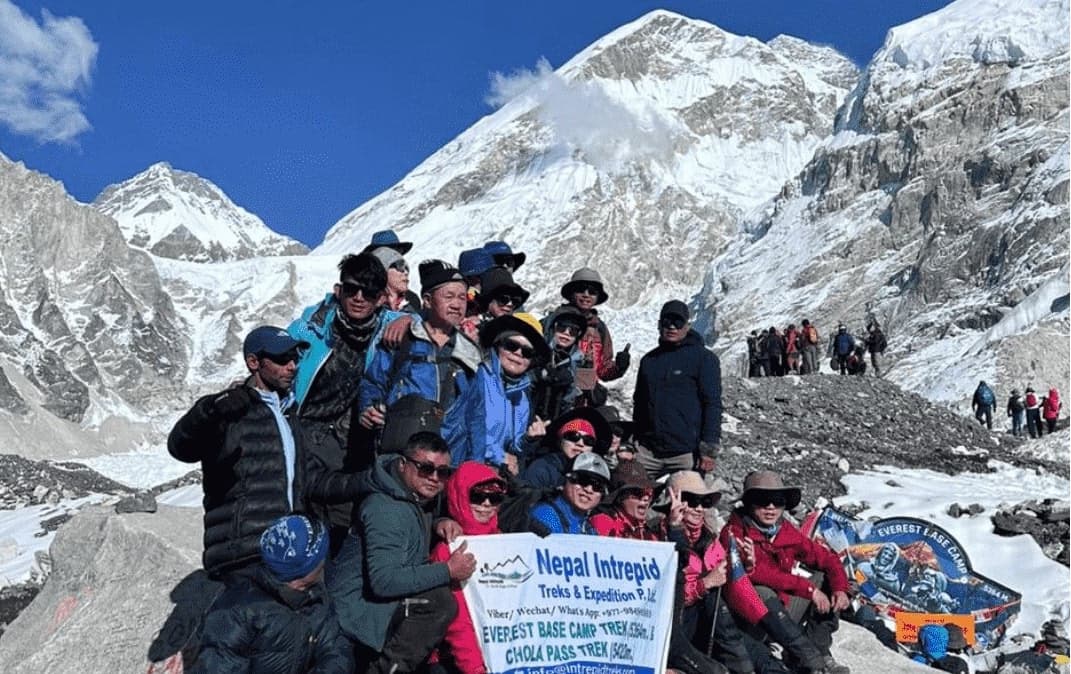
The Everest Base Camp trek is a high-altitude Himalayan expedition in Nepal’s Khumbu region that leads to Everest Base Camp (5,364 meters), the staging point for Mount Everest climbs within Sagarmatha National Park, a UNESCO World Heritage Site. The route spans approximately 130 kilometers round trip from Lukla and passes through key mountain settlements including Namche Bazaar, Tengboche, Dingboche, Lobuche, and Gorak Shep, before reaching the base of the Khumbu Icefall beneath the world’s highest peak, Mount Everest (8,848.86 meters). This trek combines non-technical hiking with extreme altitude exposure, where oxygen levels drop significantly above 3,500 meters and acclimatization becomes essential for safe progression.
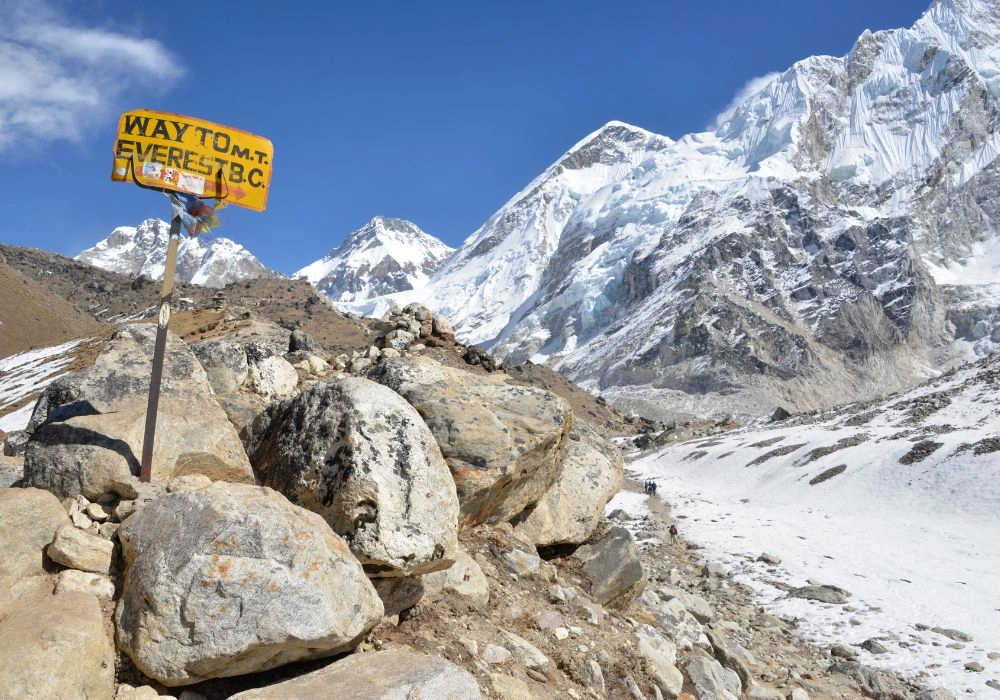
Planning the Everest Base Camp trek requires a structured, multi-layered approach that integrates timing, permits, physical preparation, logistics, and safety management across a 14 to 16 day itinerary. Successful completion depends on selecting the right trekking season, obtaining mandatory Nepal government permits, completing 8 to 12 weeks of endurance training, assembling altitude-appropriate gear, and following a carefully designed acclimatization schedule supported by licensed guides or registered trekking agencies. Because the route exposes trekkers to variable weather conditions, reduced oxygen availability, and remote terrain, effective preparation directly determines both safety outcomes and the ability to reach Everest Base Camp and Kala Patthar.
What Should You Know Before Planning the Everest Base Camp Trek?
Planning the Everest Base Camp trek starts with 4 foundational facts: the trek reaches 5,364 meters (17,598 feet), covers approximately 130 kilometers round trip, demands a minimum fitness level of moderate cardiovascular endurance, and takes between 12 and 16 days to complete from Lukla to base camp and back.
Why Is the Everest Base Camp Trek So Popular?
The Everest Base Camp trek attracts over 40,000 trekkers annually because it offers direct access to the foot of Mount Everest (8,848.86 meters), the world's highest peak, without requiring technical climbing skills or specialized mountaineering certification.
3 primary reasons define its global appeal:
Cultural immersion in Sherpa villages, Buddhist monasteries such as Tengboche Monastery (3,867 meters), and traditional Khumbu teahouses
Landscape access to the Khumbu Glacier, Ama Dablam, and sweeping views of the Khumbu valley and surrounding peaks.
Achievement value of standing at the staging ground used by Everest expeditions, including Sir Edmund Hillary and Tenzing Norgay's 1953 first ascent
Where Is Everest Base Camp Located?
Everest Base Camp is located at 5,364 meters (17,598 feet) above sea level in the Khumbu region of northeastern Nepal, within Sagarmatha National Park, a UNESCO World Heritage Site established in 1976, in the Solukhumbu District of Koshi Province.
The base camp coordinates are 27°59′17″N, 86°51′34″E. It sits at the base of the Khumbu Icefall, the first technical obstacle on the South Col route to the Everest summit. The nearest airstrip is Tenzing-Hillary Airport in Lukla (2,860 meters), the standard entry point for trekkers.
How Difficult Is the Everest Base Camp Trek?
The Everest Base Camp trek carries a moderate-to-strenuous difficulty rating. It involves 8 to 10 hours of daily walking on rocky, glacier-adjacent terrain at altitudes between 2,860 meters and 5,644 meters (Kala Patthar viewpoint), with total elevation gain of approximately 2,784 meters from Lukla.
The trek presents 3 distinct difficulty categories:
Physical demand: Sustained daily hiking of 10 to 15 kilometers on uneven trail surfaces
Altitude demand: Exposure to reduced oxygen levels starting at 3,500 meters, where oxygen concentration drops to approximately 65% of sea-level levels
Mental demand: Managing fatigue, cold temperatures (dropping to −20°C at night above 5,000 meters), and multi-week expedition mindset
No technical rope or ice climbing skills are required. Trekkers with prior experience on trails above 3,000 meters complete the route with significantly lower risk of acute mountain sickness (AMS).
How Many Days Does the Everest Base Camp Trek Take?
The standard Everest Base Camp trek takes 14 to 16 days from arrival in Kathmandu to return, including 2 days of domestic travel (Kathmandu–Lukla–Kathmandu), 2 acclimatization rest days (Namche Bazaar and Dingboche), and an early-morning viewpoint hike to Kala Patthar.
The 12-day trekking window (Lukla to Lukla) breaks down as follows:
Day | Destination | Altitude | Distance |
1 | Lukla → Phakding | 2,610 m | 8 km |
2 | Phakding → Namche Bazaar | 3,440 m | 12 km |
3 | Namche Bazaar (Rest Day) | 3,440 m | — |
4 | Namche → Tengboche | 3,867 m | 10 km |
5 | Tengboche → Dingboche | 4,410 m | 10 km |
6 | Dingboche (Rest Day) | 4,410 m | — |
7 | Dingboche → Lobuche | 4,940 m | 8 km |
8 | Lobuche → EBC → Gorak Shep | 5,364 m | 13 km |
9 | Gorak Shep → Kala Patthar → Pheriche | 5,644 m | 16 km |
10 | Pheriche → Namche Bazaar | 3,440 m | 18 km |
11 | Namche → Lukla | 2,860 m | 20 km |
12 | Lukla (Departure) | 2,860 m | — |
The table above shows altitude gains per stage. Stages 7 and 8 represent the highest-risk acclimatization zone, where AMS incidence peaks among poorly prepared trekkers.
When Is the Best Time to Trek to Everest Base Camp?
.webp)
The best seasons for the Everest Base Camp trek are spring (March to May) and autumn (September to November), when trail visibility is mostly clear, daily temperatures range from −5°C to 12°C at 3,500 meters, and precipitation falls below 30 millimeters per month in the Khumbu region.
What Is the Weather Like in Spring?
Spring (March to May) delivers stable trekking conditions with daytime temperatures between 5°C and 15°C at Namche Bazaar (3,440 meters) and between −10°C and 0°C at Gorak Shep (5,164 meters). Snowmelt between February and April renders high-altitude trails navigable from mid-March onward.
April is peak Everest expedition season. Trekkers encounter active mountaineering teams at base camp, including gear depots, expedition tents, and Sherpa logistics operations. Rhododendron forests below 4,000 meters bloom between March and April, covering lower Khumbu trails in red and pink flowering trees.
Wind speeds at Everest summit average 30 km/h in April versus 75 km/h in January, making spring weather the safest atmospheric window for high-altitude trekking.
Why Is Autumn Considered the Best Trekking Season?
Autumn (September to November) is the optimal trekking season because post-monsoon air clarity produces visibility distances of 60 to 80 kilometers, trail mud from summer rains dries within 2 to 3 weeks of monsoon end (early September), and overnight temperatures remain above −15°C at base camp altitude through October.
October represents the statistical peak of trekking traffic in the Khumbu region. Teahouses along the Everest Base Camp trail operate at 85% to 100% capacity during October, requiring advance booking 4 to 6 weeks before departure. November conditions remain favorable but colder, with Gorak Shep temperatures dropping to −20°C after mid-month.
Can You Trek to Everest Base Camp in Winter?
Winter trekking (December to February) is feasible but carries 3 significant risks: temperatures at Gorak Shep drop to −35°C at night, wind chill above 5,000 meters reaches −40°C equivalent, and several teahouses between Lobuche and Gorak Shep close operations from December 15 to February 15.
Winter trekkers experience 3 specific advantages:
Trail solitude: Trekker volumes drop by 70% compared to October
Permit savings: Some agencies reduce guiding fees by 15% to 20% during off-season
Atmospheric clarity: Low humidity produces exceptional Himalayan photography conditions
Trekkers who attempt the winter route require −40°C-rated sleeping bags, insulated base layers rated below −20°C, and confirmed teahouse availability confirmed at least 30 days in advance.
Is the Monsoon Season Suitable for the Trek?
The monsoon season (June to August) presents 4 trail hazards that make EBC trekking significantly more challenging: daily rainfall of 10 to 50 millimeters at Namche Bazaar, trail landslide risk on slopes below 3,500 meters, leeches on lower Khumbu trails below 2,500 meters, and persistent cloud cover blocking Himalayan views for 6 to 10 consecutive days.
The trek remains physically possible during monsoon. The Great Himalayan Trail sits in rain shadow zones above 4,000 meters, keeping the upper Khumbu largely drier than lower approaches. Trekkers traveling during June to August access reduced accommodation rates (30% to 40% below peak season prices) and encounter minimal trail congestion.
How Should You Prepare Physically for the Everest Base Camp Trek?
Physical preparation for the Everest Base Camp trek requires 8 to 12 weeks of structured training focused on cardiovascular endurance, leg strength, and carrying capacity (10 to 15 kilograms pack weight), beginning at minimum 2 months before departure.
What Fitness Level Do You Need for the Trek?
The Everest Base Camp trek requires a moderate cardiovascular fitness baseline: the ability to hike continuously for 5 to 6 hours on varied terrain while carrying a 10-kilogram daypack, with a resting heart rate below 75 beats per minute and no history of heart or lung conditions requiring medical clearance at altitude.
Trekkers with no prior hiking experience complete the route after 12 weeks of dedicated preparation. Experienced hikers with trails above 3,000 meters in their background require 6 to 8 weeks of altitude-specific conditioning.
Which Exercises Help Build Trekking Endurance?
5 exercises build the specific muscular and cardiovascular endurance the Everest Base Camp trek demands:
Stair climbing for 45 to 60 minutes with a loaded pack (10 to 12 kilograms), 4 days per week, targeting quadriceps, hamstrings, and glutes engaged during ascent
Trail running on inclined terrain for 30 to 45 minutes, 3 days per week, increasing VO₂ max by an average of 15% over 8 weeks
Weighted hiking on local trails or treadmill inclines of 8% to 12% gradient for 90 minutes, 2 days per week, building load-bearing endurance
Cycling (stationary or outdoor) for 60 minutes at moderate resistance, 3 days per week, as active recovery that sustains aerobic base
Yoga and mobility work for 30 minutes, 3 days per week, targeting hip flexors, ankles, and thoracic spine mobility critical for rocky trail navigation
How Can You Train for High Altitude Hiking?
High altitude training for the Everest Base Camp trek centers on 3 physiological adaptations: increased red blood cell production (erythropoiesis), reduced resting heart rate at submaximal effort, and improved oxygen extraction efficiency in the lungs and muscle tissue.
Practical training methods available before the trek include:
Altitude simulation masks that restrict airflow to mimic 3,000- to 4,500-meter oxygen levels during cardio sessions
Pre-acclimatization trips to elevations above 3,000 meters (such as mountain treks in the Annapurna region or Langtang Valley) completed 4 to 6 weeks before EBC departure
Hypobaric chamber sessions available at specialist altitude training centers in Kathmandu, replicating 5,000-meter atmospheric pressure over 2-hour sessions
Trekkers who complete at least 1 pre-acclimatization hike above 4,000 meters reduce AMS incidence by approximately 40% compared to those trekking at altitude for the first time.
What Mental Preparation Is Helpful for the Trek?
Mental preparation for the Everest Base Camp trek addresses 3 psychological challenges: daily monotony of multi-hour hiking, physical discomfort from altitude symptoms (headache, fatigue, mild nausea), and decision-making under physical stress when symptoms develop above 4,500 meters.
Effective mental conditioning strategies include:
Goal segmentation: Breaking the 14-day itinerary into 3 phases (Lukla to Namche, Namche to Dingboche, Dingboche to base camp) reduces psychological overwhelm
Breathwork practice: Diaphragmatic breathing techniques, practiced daily for 15 minutes pre-trek, improve oxygen efficiency and reduce anxiety at altitude
Contingency acceptance: Mentally rehearsing descent decisions, including helicopter evacuation, removes decision hesitation when symptoms require retreat
What Permits and Documents Do You Need for the Everest Base Camp Trek?
The Everest Base Camp trek requires 3 mandatory permits: the Sagarmatha National Park Entry Permit, the Khumbu Pasang Lhamu Rural Municipality Permit, and the TIMS (Trekkers' Information Management System) card, totaling NPR 5,000 in government fees.
Which Trekking Permits Are Required?
3 permits are mandatory for all trekkers on the Everest Base Camp route:
The following table shows each permit, its issuing authority, cost, and acquisition point:
Permit | Issuing Authority | Cost | Where to Obtain |
Sagarmatha National Park Entry | Nepal Government (DNPWC) | NPR 3,000 (~$23 USD) | Kathmandu (Tourism Board) or Monjo checkpoint |
Khumbu Pasang Lhamu Permit | Khumbu Pasang Lhamu Rural Municipality | NPR 2,000 (~$15 USD) | Lukla or Namche Bazaar |
TIMS Card | Nepal Tourism Board / TAAN | NPR 2,000 (~$15 USD), FIT trekkers | Nepal Tourism Board, Kathmandu |
Permit fees change annually. The figures above reflect the 2024–2025 fiscal year rates set by the Government of Nepal. Trekkers traveling with a registered agency often receive TIMS assistance as part of their package.
How Can You Get the Necessary Trekking Permits?
Trekking permits are obtained through 2 channels: directly from the Nepal Tourism Board office in Thamel, Kathmandu (open Sunday to Friday, 9:00 AM to 5:00 PM), or through a registered trekking agency that processes all 3 permits on the trekker's behalf within 1 business day.
Independent trekkers obtain the TIMS card and Sagarmatha National Park permit before departing Kathmandu. The Khumbu Pasang Lhamu Rural Municipality permit is collected at checkpoints in Lukla or Namche Bazaar. Park rangers verify all 3 permits at the Monjo checkpoint (2,835 meters), the official entry gate into Sagarmatha National Park.
Documents required for permit processing:
Valid passport (minimum 6 months validity beyond trek departure date)
2 passport-size photographs (3.5 cm × 4.5 cm)
Completed permit application form (available at permit offices)
Do You Need Travel Insurance for Everest Base Camp?
Travel insurance with helicopter evacuation coverage up to $100,000 USD is mandatory for all trekkers on the Everest Base Camp route. The Nepal government and licensed trekking agencies require proof of this coverage before issuing permits or beginning guided services.
Helicopter evacuation from Gorak Shep (5,164 meters) to Kathmandu costs between $3,500 and $6,000 USD. Without insurance, trekkers bear this cost directly. The most common evacuation triggers are severe AMS, high altitude pulmonary edema (HAPE), and high altitude cerebral edema (HACE).
Insurance policies covering the EBC trek include these 4 minimum provisions:
Emergency medical evacuation from altitudes above 5,000 meters
Trip cancellation due to illness or injury
Medical treatment costs at Himalayan Rescue Association (HRA) clinics in Pheriche and Namche Bazaar
Search and rescue operations in remote terrain
What Is the Best Everest Base Camp Trek Itinerary?
The optimal Everest Base Camp trek itinerary spans 14 to 16 days from Kathmandu, incorporating 2 preparation days in Kathmandu, 12 trekking days (Lukla to Lukla), and 2 buffer days for weather delays, particularly at Tenzing-Hillary Airport in Lukla, which records flight cancellations on 15% to 25% of scheduled departure days.
What Happens During the Kathmandu Arrival and Preparation Days?
Kathmandu preparation days (Days 1 and 2) cover 4 essential tasks: completing permit processing at the Nepal Tourism Board in Thamel, attending a pre-trek briefing with the licensed guide, purchasing any missing gear at Thamel outdoor markets, and booking the Kathmandu–Lukla flight (40-minute duration, operated by Tara Air, Summit Air, or Sita Air at fares between $180 and $220 USD one-way).
Trekkers arriving in Kathmandu acclimatize at 1,400 meters elevation for 24 to 48 hours. Kathmandu's altitude does not require acclimatization, but resting before the Lukla flight reduces early fatigue on the trail's first days.
What Is the Typical Day-by-Day Trekking Route?
The standard Everest Base Camp trekking route follows the Dudh Koshi River valley northward from Lukla (2,860 meters) to Gorak Shep (5,164 meters), passing through 8 primary staging villages and 4 altitude thresholds that determine acclimatization rest days.
The route from Lukla progresses through these 8 villages in sequence:
Phakding (2,610 meters): 8 km from Lukla, 3 to 4 hours of hiking, first riverside camp on the Dudh Koshi River
Namche Bazaar (3,440 meters): 12 km from Phakding, 5 to 6 hours, the main commercial hub of the Khumbu region with banks, bakeries, and gear shops
Tengboche (3,867 meters): 10 km from Namche, 4 to 5 hours, site of Tengboche Monastery (founded 1916), the largest Buddhist monastery in the Khumbu region
Dingboche (4,410 meters): 10 km from Tengboche, 4 to 5 hours, stone-walled agricultural village used as the second major acclimatization stop
Lobuche (4,940 meters): 8 km from Dingboche, 4 to 5 hours, high-altitude settlement with limited teahouse capacity
Gorak Shep (5,164 meters): 8 km from Lobuche, 3 to 4 hours, the highest permanent settlement on the EBC route, final base before the trek to base camp
Everest Base Camp (5,364 meters): 4 km from Gorak Shep, 2 to 3 hours round trip
Kala Patthar (5,644 meters): 2 km from Gorak Shep, 2 hours one-way ascent
Why Are Acclimatization Days Important?
Acclimatization days prevent acute mountain sickness (AMS) by allowing the body to increase red blood cell concentration, hemoglobin production, and lung ventilation rate at a pace that matches altitude gain, a physiological process requiring a minimum of 24 to 48 hours at each new altitude threshold above 3,000 meters.
The standard EBC itinerary includes 2 mandatory acclimatization days:
Namche Bazaar (3,440 meters): Rest day with optional hike to Everest View Hotel (3,880 meters) to stimulate erythropoiesis without exceeding the 500-meter daily altitude gain guideline
Dingboche (4,410 meters): Rest day with optional hike to Nangkartshang Peak (5,083 meters) applying the "hike high, sleep low" acclimatization principle
Trekkers who skip acclimatization days experience AMS at a rate of 75% above 4,500 meters versus 30% for trekkers following the standard rest-day schedule, according to data from the Himalayan Rescue Association (HRA) Pheriche clinic records.
What Can You Expect at Everest Base Camp and Kala Patthar?
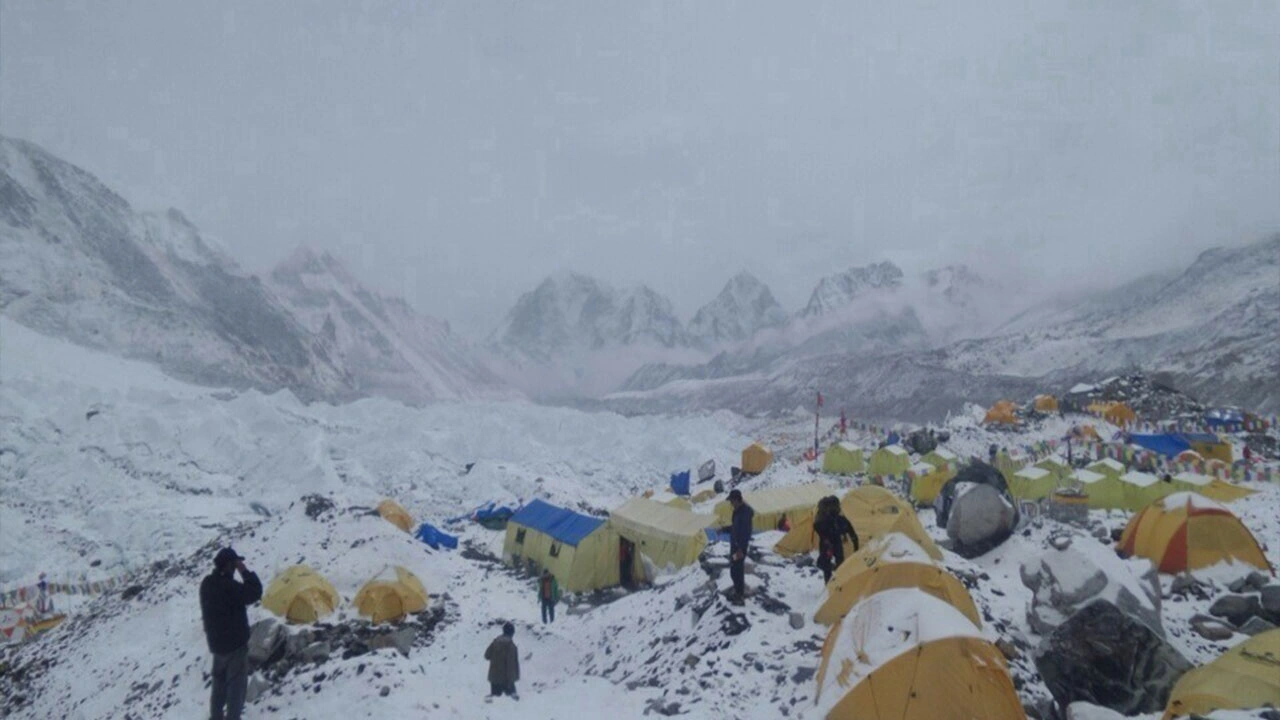
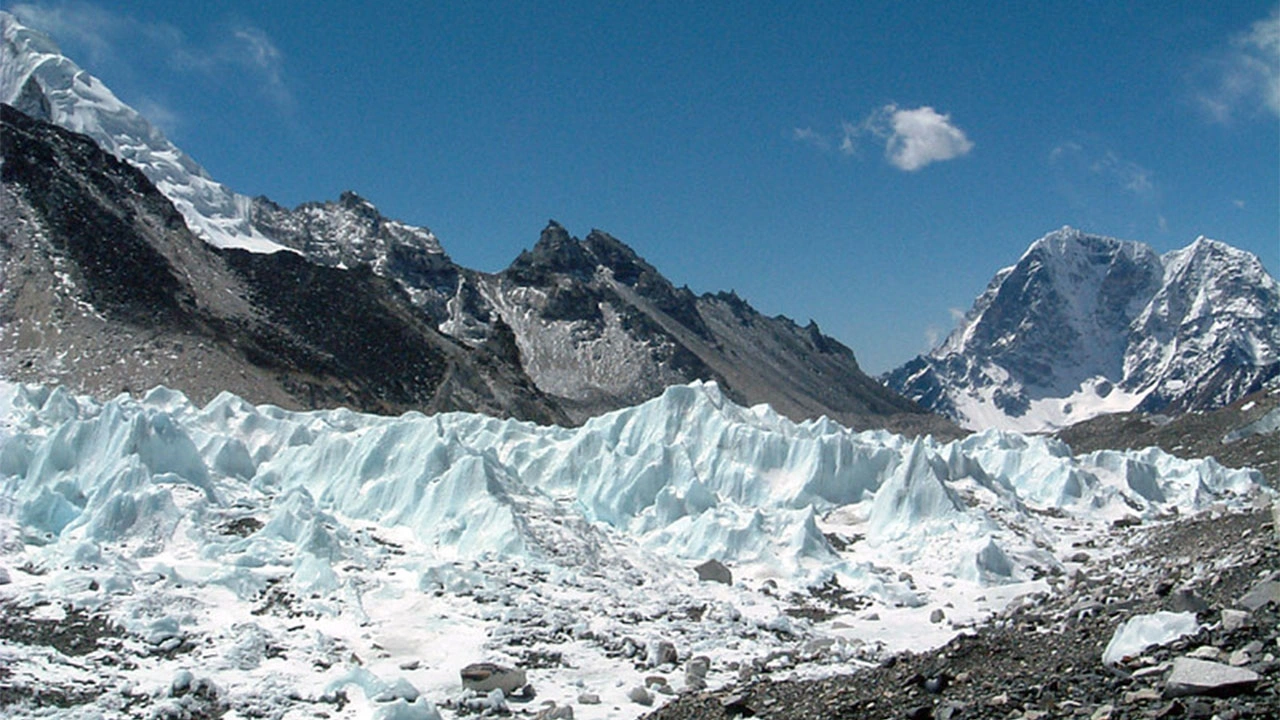
Everest Base Camp (5,364 meters) is a rock-and-ice plateau at the foot of the Khumbu Icefall, marked by colored prayer flags from active expeditions (March to May season) or empty terrain outside expedition season. The base camp area spans approximately 1.5 kilometers across glacial moraine and contains no permanent structures for trekkers.
Kala Patthar (5,644 meters) is a rocky prominence on the southern ridge of Pumori (7,161 meters). It provides the closest unrestricted panoramic view of Mount Everest's summit pyramid from a non-technical trekking point, along with direct sightlines to Lhotse (8,516 meters), Nuptse (7,861 meters), and Changtse (7,583 meters).
The summit hike from Gorak Shep to Kala Patthar takes 2 hours ascending and 1.5 hours descending. Dawn departures at 4:30 AM capture alpenglow on Everest's summit before cloud formation begins at approximately 10:00 AM.
What Should You Pack for the Everest Base Camp Trek?
The Everest Base Camp trek packing list contains 4 categories of essential items: clothing layers (10 to 12 items), trekking gear (8 items), health and safety supplies (12 items), and documentation (5 documents), with total pack weight kept between 8 and 12 kilograms for trekkers using porters.
Which Clothing Layers Are Essential for the Trek?
The Everest Base Camp trek requires a 3-layer clothing system designed for temperature ranges from 15°C at Namche Bazaar to −25°C at Kala Patthar summit in pre-dawn hours.
The 3-layer system comprises:
Base layer (moisture-wicking): Merino wool or synthetic long-sleeve shirts (2 units) and thermal leggings (1 unit), worn directly against the skin to transport moisture away from the body during uphill exertion
Mid layer (insulating): 300-weight fleece jacket and insulated down jacket (700-fill power minimum) that trap body heat in convective airflow at altitudes above 4,000 meters
Outer layer (wind and waterproof): Gore-Tex or equivalent hardshell jacket and waterproof trousers rated to at least 20,000 mm water resistance, blocking Khumbu wind gusts exceeding 50 km/h above 5,000 meters
Additional clothing items include trekking trousers (2 pairs), wool trekking socks (4 pairs), liner gloves and insulated mittens (−20°C rated), a balaclava, a buff neck gaiter, and a wide-brimmed sun hat for UV protection above 4,000 meters (UV index reaches 11 to 12 at 5,000 meters, classified as extreme risk).
What Trekking Gear Should You Bring?
8 gear items are non-negotiable for the Everest Base Camp trek:
Trekking boots: Waterproof, ankle-supporting boots with Vibram soles (broken-in for minimum 50 hours before the trek)
Trekking poles: 2 adjustable carbon or aluminum poles with rubber snow tips, reducing knee load by 25% on descents
Backpack: 30- to 40-liter daypack for day hiking; a 60- to 70-liter expedition pack if trekking without a porter
Sleeping bag: −15°C comfort-rated (duck or goose down, 600-fill power minimum) for teahouse accommodation above 4,000 meters
Headlamp: 300-lumen minimum output with spare lithium batteries (alkaline batteries lose 40% capacity below −10°C)
Sunglasses: CE4 or ANSI Z87.1 glacier glasses with side shields, blocking 99% of UV-A and UV-B radiation at high altitude
Water purification: Sawyer Squeeze filter or Steripen UV purifier, treating a minimum of 2 liters of water per day from teahouse sources or glacial streams
Trekking gaiters: Low-profile gaiters keeping trail debris, snow, and mud from entering boot collars above 4,500 meters
Which Health and Safety Items Should Be in Your Backpack?
12 health and safety items belong in every Everest Base Camp trekker's daypack:
Acetazolamide (Diamox) 125 to 250 mg tablets: prescribed medication for AMS prevention (consult a physician before use)
Ibuprofen 400 mg tablets: managing altitude headache and musculoskeletal pain
Oral rehydration salts (10 sachets): replacing electrolytes lost at high altitude through increased respiration
Antiseptic wound wipes and waterproof plasters (20 units): treating trail abrasions in low-hygiene environments
Blister treatment kit (moleskin foam, blister pads, medical tape)
Pulse oximeter: measuring blood oxygen saturation (SpO₂); descent required when SpO₂ drops below 80% at rest
Altitude sickness test card (WHO-recommended Lake Louise AMS Score card)
Sunscreen SPF 50+ (50 ml) and SPF 30 lip balm: protecting against extreme UV at high altitude
Prescription diarrhea medication (ciprofloxacin or azithromycin, physician-prescribed)
Anti-nausea medication (ondansetron or metoclopramide, physician-prescribed)
Personal emergency contact card with guide's satellite phone number, HRA Pheriche clinic number (+977-38-531003), and insurance company emergency line
Emergency whistle and signal mirror: locating trekkers in poor-visibility terrain
How Can You Pack Light Without Missing Essentials?
Packing light for the Everest Base Camp trek follows 3 prioritization rules: carry only items used on 3 or more days, rent heavy gear in Kathmandu or Namche Bazaar rather than transporting it internationally, and assign all non-daily-use items (spare boots, heavy camp gear, souvenirs) to a porter or to storage at your Kathmandu hotel.
Gear rental prices in Kathmandu (Thamel district) and Namche Bazaar for the 2024–2025 season:
Item | Daily Rental Cost | Total Cost (14 days) |
Down jacket (−20°C) | NPR 200 ($1.50 USD) | NPR 2,800 ($21 USD) |
Sleeping bag (−15°C) | NPR 150 ($1.15 USD) | NPR 2,100 ($16 USD) |
Trekking poles (pair) | NPR 100 ($0.75 USD) | NPR 1,400 ($11 USD) |
Trekking boots | NPR 200 ($1.50 USD) | NPR 2,800 ($21 USD) |
Renting sleeping bags and down jackets reduces international luggage weight by 3 to 5 kilograms. Trekkers carrying packs under 10 kilograms experience 20% lower rates of knee and lower back injury on the descent from base camp.
How Can You Stay Safe and Healthy During the Everest Base Camp Trek?
Trekker safety on the Everest Base Camp route depends on 4 risk management practices: recognizing early AMS symptoms, applying the "climb high, sleep low" acclimatization principle, maintaining hydration of 3 to 4 liters of water per day, and descending immediately when SpO₂ readings drop below 80% at rest.
What Are the Symptoms of Altitude Sickness?
Acute mountain sickness (AMS) is a clinical syndrome triggered by rapid ascent to altitudes above 2,500 meters, where barometric pressure drop reduces arterial oxygen saturation. AMS affects 25% to 50% of trekkers who ascend to Namche Bazaar (3,440 meters) without adequate preparation.
AMS presents through 3 severity grades:
Mild AMS symptoms (Lake Louise Score 3 to 4) include headache, mild nausea, loss of appetite, fatigue, and dizziness, symptoms resembling dehydration or common cold at lower altitudes.
Moderate AMS symptoms (Lake Louise Score 5 to 6) include persistent headache unresponsive to ibuprofen, vomiting, severe fatigue, and coordination loss. Trekking at this stage requires rest for 24 hours at the same altitude.
Severe AMS symptoms (HACE/HAPE) include confusion and altered consciousness (HACE, High Altitude Cerebral Edema), breathlessness at rest and frothy cough (HAPE, High Altitude Pulmonary Edema). Both conditions require immediate descent of at least 500 to 1,000 meters and emergency evacuation.
How Can You Prevent Altitude-Related Problems?
AMS prevention on the Everest Base Camp trek follows 5 established clinical protocols:
Ascending no faster than 500 meters per day above 3,000 meters, matching the altitude gain guideline published by the Wilderness Medical Society
Resting every 2 acclimatization days at Namche Bazaar and Dingboche as prescribed by the standard EBC itinerary
Hydrating 3 to 4 liters daily because dehydration at altitude reduces blood volume and worsens AMS symptoms
Avoiding alcohol and sedatives for the first 48 hours at each new altitude threshold, as both substances suppress ventilatory response
Taking Acetazolamide (Diamox) 125 mg twice daily starting 24 hours before altitude gain, following physician consultation, to stimulate respiratory rate and improve blood oxygenation
Garlic soup, a Khumbu teahouse staple, contains allicin compounds that some altitude medicine practitioners associate with mild vasodilation supporting acclimatization, though clinical evidence remains inconclusive.
What Food and Water Safety Tips Should You Follow?
4 food and water safety practices protect trekkers from gastrointestinal illness on the Everest Base Camp route:
Drink only boiled, filtered, or UV-treated water. Teahouses charge NPR 100 to 300 ($0.75 to $2.25 USD) per liter for boiled water. Untreated glacial stream water carries Giardia lamblia and Cryptosporidium contamination risk.
Eat hot, freshly cooked meals. Dal Bhat (lentil soup with rice, served at all teahouses along the route) is the safest carbohydrate-dense meal, vendors cook it fresh and serve it hot twice daily at teahouses from Lukla to Gorak Shep.
Avoid raw salads and unpeeled fruits above Namche Bazaar, where cold storage and hygiene infrastructure is absent.
Carry oral rehydration sachets to replace sodium and potassium lost through high-altitude breathing, which expels 1.5 to 2 liters of water vapor daily above 4,000 meters.
How Can You Handle Emergencies on the Trek?
Emergency response on the Everest Base Camp trek operates through 3 infrastructure layers: the Himalayan Rescue Association (HRA) clinics at Namche Bazaar and Pheriche, satellite phone communication available through licensed guides, and helicopter evacuation services operating from Lukla (2,860 meters) and Gorak Shep (5,164 meters).
Helicopter evacuation response times from distress signal to arrival average 45 to 90 minutes from Lukla in clear weather. The evacuation window narrows after 2:00 PM due to Khumbu valley thermal activity that creates dangerous rotor turbulence.
Emergency contact numbers every trekker carries on the EBC route:
HRA Pheriche Clinic: +977-38-531003
Nepal Police Emergency: 100
Nepal Tourism Board Emergency: +977-1-4256909
CIWEC Hospital Kathmandu (altitude specialist): +977-1-4435232
How Much Does the Everest Base Camp Trek Cost?
The Everest Base Camp trek costs between $1,200 and $2,500 USD for independent trekkers and between $1,800 and $3,500 USD for fully guided agency packages, excluding international flights to Kathmandu. The total varies based on accommodation standard (standard teahouse vs. lodge room), guide and porter fees, and permit category.
What Are the Main Expenses to Budget For?
8 expense categories determine the total Everest Base Camp trek budget:
The following table shows per-person cost estimates for a 14-day trek departing from Kathmandu:
Expense Category | Budget Range (USD) | Notes |
Kathmandu–Lukla–Kathmandu flights | $360–$440 | Round trip; book 30–60 days in advance |
Sagarmatha National Park Permit | $23 | Fixed government fee |
Khumbu Rural Municipality Permit | $15 | Fixed government fee |
TIMS Card | $15 | Fixed government fee |
Teahouse accommodation | $150–$400 | $10–$30 per night × 12 nights |
Meals on trail | $300–$560 | $25–$40 per day × 12–14 days |
Guide fee | $300–$420 | $25–$35 per day × 12 days |
Porter fee | $240–$360 | $20–$30 per day × 12 days |
Travel insurance | $80–$200 | Varies by age and policy |
Gear (purchased or rented) | $100–$500 | Depends on existing equipment |
Total independent trekker budget (budget range): $1,283 to $2,513 USD excluding international airfare to Kathmandu.
How Much Do Guides and Porters Cost?
Licensed Nepali guides earn $25 to $35 USD per day on the Everest Base Camp route, established through Nepal's Department of Tourism guide licensing framework. Porters earn $20 to $30 USD per day and carry a maximum regulated load of 25 kilograms, per Nepal Porter Association (NPA) standards.
Guide fees for a 12-day trek total $300 to $420 USD. Porter fees for the same period total $240 to $360 USD. Both guides and porters receive tips customarily set at 10% to 15% of their total fee, approximately $30 to $63 USD per guide and $24 to $54 USD per porter for a 12-day trek.
Hiring a guide is mandatory for foreign trekkers on the Everest Base Camp route as of the Nepal Government Tourism Regulation update effective April 1, 2023. Independent trekking without a licensed guide is no longer permitted on this route.
Can You Trek Everest Base Camp on a Budget?
The minimum realistic budget for the Everest Base Camp trek is $1,100 to $1,300 USD (excluding international flights), achievable through 4 cost reduction strategies: staying in dormitory teahouse rooms ($5 to $8 per night), eating Dal Bhat twice daily ($7 to $10 per meal), renting gear in Kathmandu instead of purchasing, and traveling in a small group to split guide costs.
Group trekking with 2 to 4 trekkers sharing 1 licensed guide reduces the per-person guide cost from $350 to $175 (2 trekkers) or $117 (3 trekkers) for a 12-day trek, with each trekker still employing an individual porter.
Budget constraints do not reduce permit fees, evacuation insurance requirements, or guide hiring obligations, all 3 carry fixed costs independent of accommodation or food choices.
How Should You Approach Everest Base Camp Trek Planning With Professional Trekking Support?
Professional trekking support reduces planning complexity across 6 areas: permit procurement, domestic flight booking, teahouse reservation chains, guide–porter logistics, emergency protocol coordination, and itinerary adjustment for weather or health conditions.
Can a Trekking Company Help You Plan a Safe Everest Base Camp Trek?
A registered Nepal trekking company simplifies Everest Base Camp planning through 4 direct services: consolidated permit processing (all 3 permits within 1 business day), teahouse booking along the full 12-day route 30 to 60 days before departure, assignment of a licensed guide with HRA Wilderness First Aid certification, and 24-hour satellite phone emergency coordination during the trek.
Trekking companies registered with the Nepal Association of Tour and Travel Agents (NATTA) and Trekking Agencies' Association of Nepal (TAAN) operate under Department of Tourism oversight and carry mandatory liability insurance for trekker evacuation.
When selecting a trekking agency for the Everest Base Camp route, verify 4 credentials:
TAAN membership number (searchable on the official TAAN database at taan.org.np)
Guide's Department of Tourism license (class A or B certification with photo ID)
Agency's emergency satellite phone provision (Thuraya or Iridium network coverage in the Khumbu)
Teahouse confirmation letters for all 10 nights above Lukla (required to prove pre-booked accommodation during October peak season)
What Are the Key Takeaways for Planning the Everest Base Camp Trek?
The Everest Base Camp trek is a 130-kilometer round-trip route to 5,364 meters in Nepal's Khumbu region, completed in 14 to 16 days through 8 to 12 weeks of structured physical training, 3 mandatory permits, and professional guiding support. The 6 critical planning steps, selecting the spring or autumn season, training with stair climbing and weighted hiking, processing permits in Kathmandu, building a 14-day itinerary with 2 acclimatization days, assembling a 3-layer clothing system, and hiring a TAAN-registered licensed guide, determine both trekking safety and summit-day success.
Total budgets range from $1,100 USD (budget approach) to $3,500 USD (guided agency package), with helicopter evacuation insurance of $100,000 USD minimum coverage mandatory for all trekkers regardless of experience level.
The trek opens twice annually at peak capacity: spring (March to May) and autumn (September to November). Booking accommodation, domestic flights, and guide services 60 days before departure secures access during October, when teahouse capacity along the route fills to 100% occupancy.
Every trekker who plans the Everest Base Camp trek with adequate physical preparation, correct permit documentation, calibrated acclimatization scheduling, and professional local support reaches a viewpoint within 4 kilometers of the world's highest summit, standing at the base camp that has launched every South Col Everest ascent since 1953.