Choosing the best trekking company for the Everest Base Camp trek requires more than comparing prices or selecting a popular travel agency. A reliable Everest trekking company in Nepal should have valid government registration, experienced and licensed guides, a well-planned acclimatization itinerary, transparent package pricing, and documented safety and evacuation procedures.
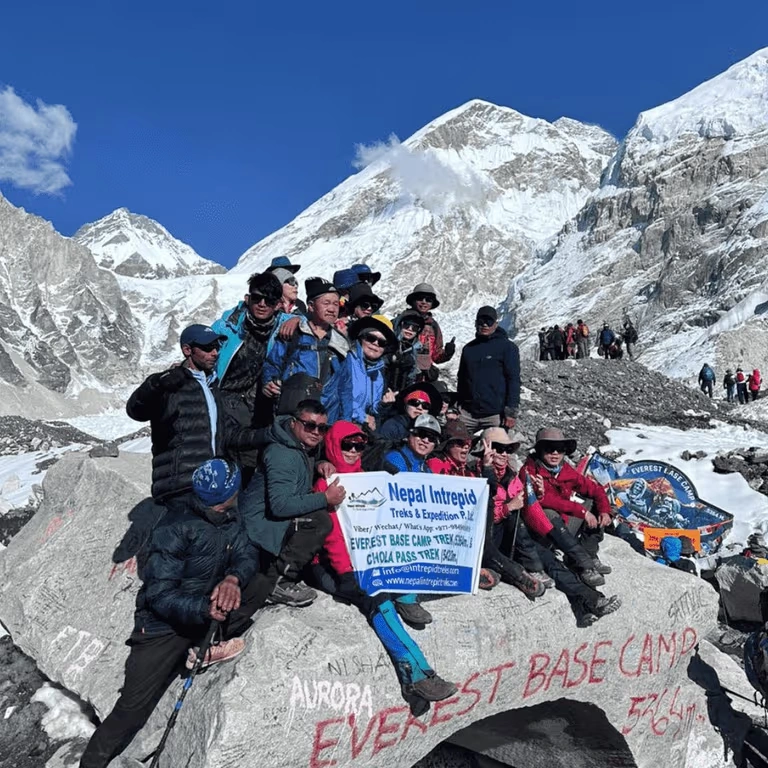
The 130 km round-trip journey from Lukla (2,860 m) to Everest Base Camp (5,364 m) involves high-altitude exposure, unpredictable weather, flight disruptions, and limited emergency access. A professional operator manages trekking permits, Lukla flights, teahouse accommodation, altitude monitoring, and rescue coordination while ensuring fair wages, appropriate equipment, and safe working conditions for guides and porters.
Before booking an Everest Base Camp trekking package, evaluate the company’s actual operating experience, guide-to-trekker ratio, insurance requirements, cancellation policy, and emergency response capabilities. Compare group and private trekking packages by examining included services, hidden costs, acclimatization days at Namche Bazaar and Dingboche, and arrangements for unexpected delays or medical evacuation.
Independent customer reviews, verifiable agency credentials, responsible tourism practices, and clear communication provide further evidence of reliability. Understanding these factors helps you identify a trustworthy Everest Base Camp trekking agency, avoid misleading low-cost packages, and choose a trekking experience that balances safety, comfort, budget, and responsible travel in the Khumbu region.
Why Should You Choose a Reliable Trekking Company for Everest Base Camp Trek?
A reliable trekking company turns a 130-km high-altitude walk into a managed expedition. It secures permits, books Lukla flights, staffs licensed guides, monitors altitude symptoms, and arranges rescue, so a problem at 4,900 m meets a tested plan instead of improvisation.
Company choice decides outcomes on this route because the trek has few exits. Above Namche Bazaar, the only fast way down is a helicopter, and cloud grounds helicopters. Company systems, not fitness alone, decide how an emergency unfolds.
The 2026 rescue-fraud case proves the point. According to the Kathmandu Post (March 2026), Nepal Police charged 32 people in a network of helicopter firms, hospitals, and more than a dozen trekking companies that staged or inflated evacuations to claim insurance payouts. Most agencies operate honestly. The case shows why verification comes before payment.
What Challenges Can a Trekking Company Help You Overcome on the Everest Base Camp Trek?
A trekking company overcomes 6 core challenges: Lukla flight disruption, permit paperwork, altitude sickness, peak-season lodge shortages, language barriers, and emergency evacuation. Each has a specific fix that an experienced operator already runs.
Flight disruption: Lukla flights operate under visual flight rules, so cloud grounds them. During peak trekking seasons (spring from April to May and autumn from October to November), scheduled flights depart from Manthali Airport in Ramechhap, about 132 km from Kathmandu, which adds a 4-to-5-hour pre-dawn drive. Kantipur reported on 4 October 2026 that Manthali–Lukla flights increased as the autumn season began. A good operator pre-books seats, arranges the drive, and holds a helicopter fallback.
Permit paperwork: The trek requires 2 permits, bought at different checkpoints. The company pays for and carries both.
Altitude sickness: The company schedules rest days and trains guides to recognise symptoms early.
Lodge shortages: Namche Bazaar, Dingboche, and Lobuche fill up in October. Guides phone ahead from each stop.
Language barriers: Guides translate with lodge owners, checkpoint officers, and medical staff.
Evacuation: Guides know pickup points, communication coverage gaps, and the insurer's call procedure.
What most people overlook: a 2-day Lukla delay silently deletes your buffer days. Ask every company what happens on day 3 of a delay before you book.
How Can a Professional Trekking Company Improve Your EBC Trekking Experience?
A professional company improves the EBC experience through 5 upgrades: paced itineraries, daily health checks, well-timed summit days, porterage of your main bag, and access to Khumbu culture.
Pacing matters most. Common mistakes we see: trekkers match the fastest walker from Namche to Tengboche, then arrive with headaches. A guide leads from the front and sets a pace slow enough to hold a conversation.
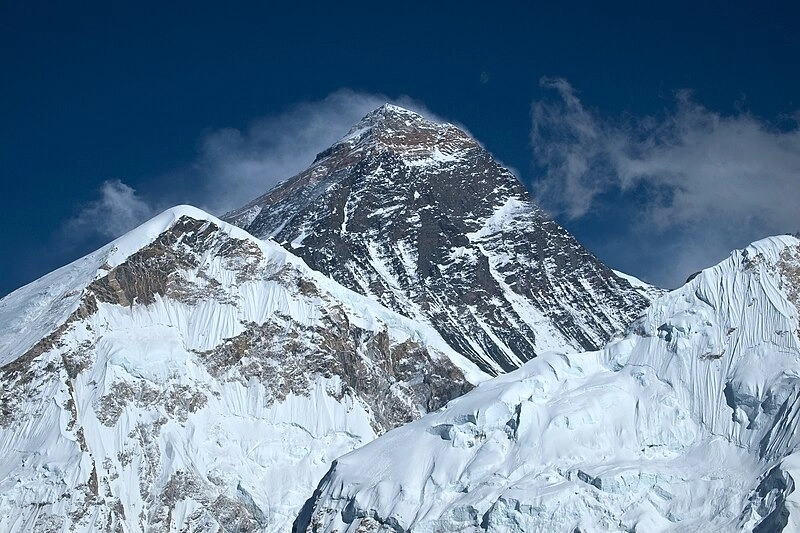
Timing matters next. Base Camp itself offers no view of Everest's summit, because Nuptse blocks it. Kala Patthar (5,643 m) delivers the classic view, and cloud builds by late morning, so guides start the Kala Patthar climb before sunrise. Porterage matters third. Carrying a 5-to-7-kg daypack instead of 15 kg improves breathing and recovery at 4,500 m. Culture completes the picture: guides explain Tengboche Monastery (3,860 m), pass mani walls clockwise, and introduce Sherpa lodge families by name.
What Factors Should You Consider When Choosing a Trekking Company for Everest Base Camp Trek?
Seven factors decide the choice: legal registration, verified experience, guide qualifications, safety systems, price transparency, porter welfare, and communication quality. Weigh registration and safety first, since no discount or itinerary offsets a weak foundation.
The following table maps each factor to the check that verifies it and the red flag that disqualifies a company.
Factor | Verification check | Red flag |
Legal registration | Tourism Department license and company registration numbers | Facebook-only presence, no office address |
Experience | Named EBC departures in the past 12 months | Only generic photos, no itineraries |
Guide qualifications | Guide license number, first-aid certificate | "Guide TBA" until arrival |
Safety systems | Written altitude and evacuation protocol | Verbal assurances only |
Price transparency | Itemised inclusions and exclusions | One lump-sum price |
Porter welfare | Written load limit, insurance, clothing policy | Porters absent from the quote |
Communication | 24-hour reply to a test email | Slow or vague answers |
Companies that pass the first four rows qualify for a price comparison. Companies that fail any of them are eliminated regardless of cost.
How Can You Verify a Trekking Company's Experience and Reputation?
Verify experience in 4 steps: confirm the license number with the Department of Tourism, check membership in the Trekking Agencies' Association of Nepal (TAAN), read independent reviews from the past 24 months, and call 2 recent clients.
The step most buyers skip is identifying the actual operator. Many online brands resell treks to a Kathmandu agency and keep a margin. Ask directly: "Which company operates my trek on the ground, and who employs the guide?" A reseller adds a margin to the price without adding safety.
Then test depth. Ask how many EBC departures the company ran last autumn, what percentage reached Base Camp, and what the most common reason for turning back was. Honest operators answer with specifics, such as "11 of 12 groups; altitude illness in one." Evasive answers signal inexperience. Finally, video-call the Kathmandu office. A real operation shows staff, a desk, and a gear room within minutes.
Why Are Trekking Licenses, Certifications, and Legal Registration Important for Everest Base Camp Trek?
Licenses prove that a company operates legally, carries accountability for your safety, and employs guides the government has trained and registered. Unlicensed operators leave you without legal recourse after an accident, a cancellation, or a payment dispute.
Regulators moved toward stricter enforcement in 2026. According to tourism updates, regulatory oversight for trekking in Nepal has tightened across regions. While the Everest Base Camp route in the Khumbu region operates under local municipal permits rather than Department of Immigration restricted-area rules, government task forces and tourism boards enforce strict verification of licensed guides and agency registrations.
Request 5 documents before paying a deposit:
Trekking agency license from the Department of Tourism
Company registration certificate
PAN or VAT registration
TAAN or equivalent association membership
License numbers for your assigned guide
Check each number against the physical document, not a screenshot posted on a website.
How Can You Evaluate EBC Trekking Guides' Qualifications and Local Expertise?
Evaluate a guide on 5 criteria: license validity, first-aid and altitude training, EBC-specific experience, communication skill, and decision-making under pressure. A short pre-trek call reveals all five.
Ask the company to name your guide before booking and arrange a 15-minute video call. Then ask 3 scenario questions. First: "A client has a headache and nausea at Dingboche. What do you do?" A strong answer stops the ascent, orders rest and fluids, rechecks symptoms in a few hours, and descends the client if symptoms worsen. Second: "Lukla is closed for 3 days. What changes?" A strong answer names the helicopter option and the itinerary compression. Third: "When have you turned a client back?" Guides who have never done it are either lucky or unwilling.
Local expertise shows in small details: which Dingboche lodges have the warmest dining rooms, where the trail ices in November, and which checkpoint staff to greet first.
What Should You Look for in a Trekking Company's Safety Standards?
Look for 6 safety standards: a written emergency plan, daily pulse-oximeter checks, a stocked first-aid kit, a communication plan, guide authority to stop an ascent, and a staffed 24-hour Kathmandu operations desk.
Written documents separate real standards from marketing. The emergency plan names the nearest clinic at each stage, the helicopter contact chain, and the insurer notification step. The turnaround policy gives the guide final authority, with no refund argument. In real-world use, this clause matters more than any piece of gear: a guide who fears a complaint hesitates, and hesitation at 5,000 m costs hours. Ask to see the plan as a document, and ask whether guides receive an annual first-aid refresher.
How Important Are Customer Reviews and Trekking Testimonials for EBC Trek?
Customer reviews rank as the strongest independent signal when they are recent, named, and detailed. Reviews older than 24 months describe a different staff, different prices, and different regulations.
Read in this order. Start with 3-star reviews, since they describe real problems and how the company responded. Then filter for reviews that name the guide and the package, because generic praise is easy to fabricate. Check review velocity: 40 five-star reviews in one month, followed by silence, signals a campaign. Compare platforms, since a company strong on its own website and weak on Google and TripAdvisor deserves questions.
One limit applies. Reviews rarely expose insurance or evacuation practices, because clients cannot see them. Pair reviews with the document checks above.
How Can You Compare Everest Base Camp Trek Packages and Prices?
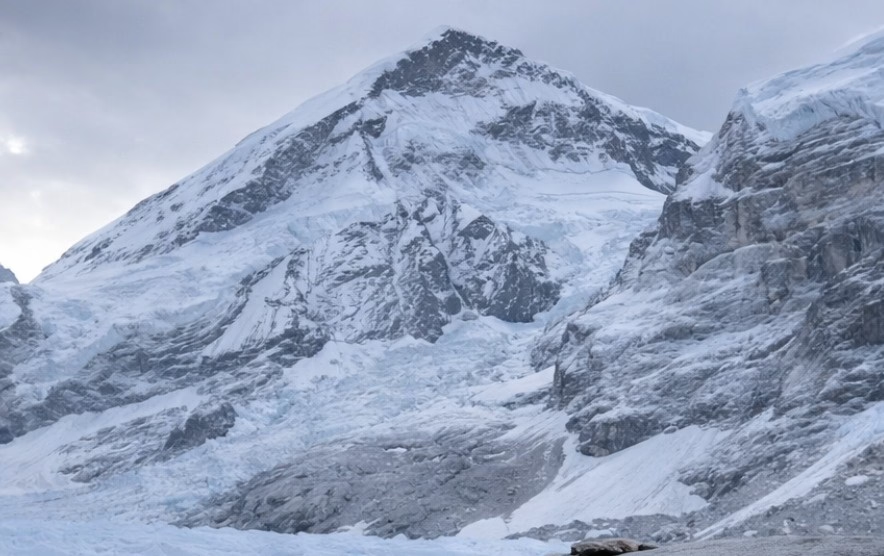
Compare packages by what each price includes, not by the headline number. Request itemised quotes for the same trek length, season, and group size, then price each line.
Commonly quoted 2026 figures give a baseline. Standard guided 14-day packages from local agencies run USD 1,250 to 1,800 per person with Lukla flights, permits, a guide, and a porter. Other 2026 cost guides place the all-in standard range at USD 1,400 to 2,500, and luxury treks with premium lodges start near USD 3,840. These figures vary by season and group size, so use them as a sanity check, not a fixed price.
What Should an Everest Base Camp Trek Package Include?
A complete EBC package includes 9 items: airport transfers, Kathmandu hotel nights, round-trip Lukla flights, permits, a licensed guide, porter support, teahouse lodging, trek meals, and staff insurance and wages.
Confirm each in writing, along with what stays outside the price:
Included: transfers, flights, Sagarmatha National Park and Khumbu Pasang Lhamu permits, guide and porter wages, lodging, breakfast, lunch, and dinner on the trail
Usually excluded: international flights, Nepal visa, travel insurance, personal gear, hot showers, charging, Wi-Fi, bottled water, tips, and extra hotel nights from flight delays
The flight line deserves a second look. Airlines revised Kathmandu–Lukla and Ramechhap–Lukla fares on 1 March 2026, and round trips now cost roughly USD 400 to 550 per person. A package that omits the flight is not cheaper; it is incomplete.
How Can You Identify Hidden Costs in Everest Base Camp Trekking Packages?
Hidden costs appear in 8 places: flight delays, excess baggage, hot showers, device charging, bottled water, Wi-Fi, tips, and optional helicopter returns. Ask for a written estimate of each before paying.
Typical 2026 amounts per trekker, based on published ranges:
Hot showers: USD 2 to 8 per use at higher villages
Device charging: USD 2 to 5 per device
Bottled water: USD 3 to 6 per litre at altitude
Tips: about USD 300 for a guide and USD 150 for porters
Helicopter return from Gorak Shep: USD 800 to 1,200 per person
Extra Kathmandu or Manthali nights: USD 25 to 80 per night, depending on hotel
The largest hidden cost is time. A 2-day Lukla delay costs hotel nights and meals, and it can cost an international flight. Book your flight home at least 3 days after the planned trek end.
Why Should You Compare Group Treks and Private Everest Base Camp Trekking Packages?
Group treks cost less per person, while private treks cost USD 200 to 400 more and add control over pace, dates, and acclimatization. The right choice depends on your fitness, flexibility, and tolerance for strangers.
Group departures share guide and transport costs and offer company on the trail. The trade-off is a fixed schedule: the group moves at one pace, and a slower trekker either pushes or drops out. Private treks adjust pace daily, insert extra acclimatization days, and let you start on your own date.
Three perspectives clarify the choice. Solo travellers gain safety and social contact from a small group of 4 to 8. Couples and families gain the most from private departures, because a child or older parent sets the pace. First-time high-altitude trekkers gain from private departures at the margin, since extra rest days cost a few hundred dollars and reduce altitude-illness risk.
How Do Accommodation, Meals, and Transportation Affect EBC Trekking Costs?
Accommodation, meals, and transportation make up the largest share of EBC costs. Teahouse rooms cost USD 5 to 20 per night, meals cost USD 20 to 35 per day, and Lukla flights cost USD 400 to 550 round trip.
Altitude drives food prices. Every item above Namche travels by porter or yak, so a plate of dal bhat costs more at Gorak Shep than in Lukla. Lodges keep room rates low because they earn from meals, and most expect guests to eat dinner and breakfast on site. Eating elsewhere raises the room charge.
Transport splits into three layers: international arrival, the Kathmandu–Lukla or Manthali–Lukla flight, and the optional helicopter. A shared helicopter between Kathmandu and Lukla costs roughly USD 650 to 700 per person, according to Nepal Hiking Team, and removes the pre-dawn drive to Manthali. For travellers with a tight international flight, that fee buys schedule certainty.
Is the Cheapest Everest Base Camp Trek Package the Best Choice?
No. A guided 14-day package priced below roughly USD 950, including flights, permits, guide, and porter, omits something essential: a licensed guide, porter wages, insurance, or acclimatization days.
The arithmetic proves it. Lukla round-trip flights cost about USD 475 and permits about USD 45. That leaves under USD 430 for 14 days of guide wages (USD 25 to 50 per day), porter wages (USD 18 to 40 per day), lodging, 3 meals daily, hotels, and transfers. The numbers do not close, so a cost is being cut somewhere. Typical cuts: unlicensed freelance guides, porters paid below fair wages, group ratios above 1:10, and itineraries with no rest days.
Mid-range packages deliver the best value. Luxury packages buy lodge comfort and private service, not extra safety.
What Safety and Emergency Services Should an Everest Base Camp Trekking Company Provide?
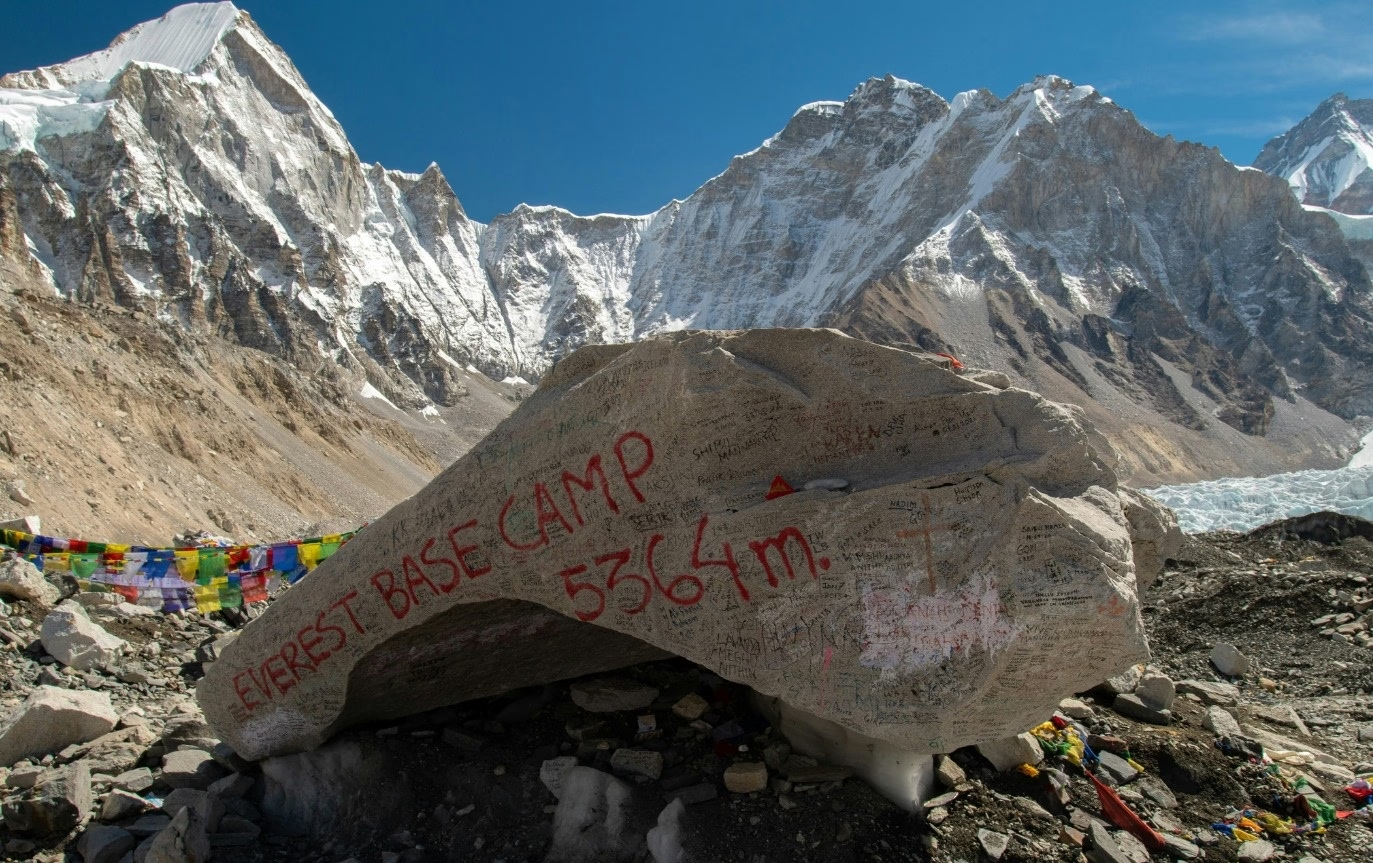
An EBC trekking company provides 4 safety services: altitude management, evacuation arrangements, insurance guidance, and weather and risk management. Each service exists as a written procedure, not a promise.
Written procedures matter more in 2026 than before. The fraud investigation exposed how much emergency activity happens without client visibility. Treat every service below as something you request in writing and confirm by phone.
How Does an EBC Trekking Company Manage Altitude Sickness and Acclimatization?
A competent company schedules acclimatization days at Namche Bazaar (3,440 m) and Dingboche (4,410 m), limits sleeping-altitude gains to 500 m per day above 3,000 m, checks symptoms daily, and descends any client whose symptoms worsen.
The 500-m rule comes from the Wilderness Medical Society's altitude guidelines, which also advise a rest day every 3 to 4 days of ascent. Audit the itinerary against it. The standard sleeping sequence shows the pattern: Dingboche 4,410 m, Lobuche 4,910 m (+500 m), Gorak Shep about 5,164 m (+254 m). Itineraries that skip the Namche and Dingboche rest days compress this and raise risk.
Daily monitoring includes 4 elements: morning pulse-oximeter readings, a symptom check using the Lake Louise criteria (headache plus nausea, fatigue, dizziness, or poor sleep), hydration tracking, and a stop-ascent rule for any symptom. A guide interprets oximeter numbers alongside symptoms, since a number alone diagnoses nothing. Breathlessness at rest, a wet cough, confusion, or loss of balance signal severe illness and demand immediate descent. The Himalayan Rescue Association post at Pheriche runs daily altitude talks during the trekking seasons, and a strong guide brings clients to it. Discuss acetazolamide with your physician before departure.
What Emergency Evacuation and Rescue Arrangements Should Be Available for an EBC Trek?
Evacuation arrangements include named helicopter operators, a communication chain from guide to Kathmandu desk to insurer, guide authority to call a rescue, and client consent over hospital choice. Ask for all four in writing.
The 2026 fraud case defines the risks. According to OCCRP (January 2026), police traced about USD 19.7 million in suspected fraudulent claims and flagged roughly 300 questionable rescues. Arab News (April 2026) reported that the scheme involved filing multiple insurance claims for one flight. Complaints cited by Everest Chronicle (March 2026) described trekkers flown to Kathmandu hospitals without their consent.
Protect yourself with 5 steps:
Call your insurer's emergency line before a non-critical flight
Name your preferred hospital in advance
Request the helicopter manifest and medical records after any evacuation
Refuse transfers you do not understand
Ask the company for its written evacuation protocol before booking
Genuine emergencies still demand fast action. A guide who calls a helicopter for pulmonary or cerebral edema acts correctly. The test is transparency, not hesitation.
Does the Trekking Company Provide Travel Insurance Guidance?
A good company states minimum insurance requirements in writing: emergency helicopter evacuation and medical cover to at least 6,000 m, trip cancellation, and lost baggage. It then reviews your policy certificate before departure.
Companies advise on insurance; they do not sell it. Policy wording decides coverage, so check 4 clauses: maximum altitude, helicopter evacuation, pre-existing conditions, and whether the insurer requires its own assistance company to approve flights. Some standard travel policies stop at a set altitude or exclude "trekking" above it.
The insurance market also shifted in 2026. According to Everest Chronicle (January 2026), Traveller Assist warned Nepal's tourism ministry that it would stop issuing Nepal policies unless bogus rescues ended. Buy cover early, read the evacuation clause, and give the company a copy of the policy number and emergency phone line.
How Can You Assess a Trekking Company's Weather and Risk Management Procedures?
Assess weather and risk management with 4 questions: which forecast sources the company uses, what triggers a delay or turnback, what flight-disruption backup exists, and how many buffer days the itinerary holds. Two buffer days is the practical minimum.
October 2025 showed the stakes. According to Reuters via FOX Weather, heavy rain in Nepal killed at least 47 people in early October, and a rare blizzard stranded hundreds of trekkers on the Tibetan side of Everest, with at least 350 guided down. Khumbu was not the epicentre, yet the event proves that Bay of Bengal systems reach the Himalaya in the "stable" season.
Strong operators monitor forecasts from Nepal's Department of Hydrology and Meteorology, brief clients each evening, and agree turnback triggers (snowfall, whiteout, high wind) before the trek starts. They also document landslide and trail-closure fallbacks.
What Role Do Trekking Guides and Porters Play in the Everest Base Camp Trek?
Guides navigate, set pace, monitor health, and make safety decisions. Porters carry gear so trekkers walk with daypacks. Together they deliver the route's safety and logistics, and their pay and treatment reflect the company's ethics.
A porter-guide, a single person who both guides and carries, lowers cost and raises risk: one person cannot escort a sick client down and keep leading. Specify guide plus porter in your booking. The next sections cover guide qualifications, porter welfare, and staffing ratios.
What Qualifications Should Everest Base Camp Trekking Guides Have?
EBC guides hold 6 qualifications: a government trekking-guide license, wilderness first-aid training, altitude-illness training, documented EBC experience, working fluency in your language, and personal insurance.
Documented experience means a count: at least 10 completed EBC itineraries is a sound benchmark for a lead guide. Training certificates come from recognised providers, including government-approved guide training in Nepal and international wilderness first-aid courses. Ask for the certificate date, since first-aid skills fade without refreshers. Insurance matters because a guide injured on the trail without cover leaves a trek without a leader.
Assistant guides hold the same license with less experience. They suit large groups and carry the same duties during an escort-down.
How Can You Check a Trekking Company's Porter Welfare Policies?
Check porter welfare against 5 standards from the International Porter Protection Group (IPPG): load limits, altitude clothing, shelter and food, medical care and insurance, and fair wages.
IPPG guidelines cap a porter's load at 30 kg including personal gear. Responsible agencies set a lower trekker allowance, typically 10 kg per trekker with one porter serving 2 trekkers, so the porter carries about 20 kg of client gear plus a personal bag.
Ask 4 direct questions. Does the company issue porters sleeping bags, jackets, and boots? Do porters sleep indoors rather than in dining rooms or tents? Who pays for treatment when a porter falls ill? Are porters salaried or hired by the day? Tips top up wages; they do not replace them. A company that answers vaguely or treats porters as an unmentioned line item fails the test.
What Guide-to-Trekker Ratio Should You Expect on Everest Base Camp Trek?
Expect 1 guide per 4 to 6 trekkers and 1 porter per 2 trekkers. Groups above 6 add an assistant guide, so one guide can escort an ill trekker down while the group continues.
Nepal's March 2026 rule for restricted areas caps one guide at 7 trekkers, which serves as an outer benchmark even though EBC sits outside that rule. The following table shows staffing that keeps a rescue possible without abandoning the group.
Group size | Guides | Porters |
1 to 2 | 1 | 1 |
3 to 4 | 1 | 2 |
5 to 6 | 1 plus 1 assistant (recommended) | 3 |
7 to 10 | 1 plus 1 assistant | 4 to 5 |
11 or more | 1 plus 2 assistants | 6 or more |
Ratios of 1 guide to 10 or more trekkers lower the price and remove the safety margin. A single guide cannot lead and escort at the same time.
How Can You Check an Everest Base Camp Trekking Company's Sustainability Practices?
Check sustainability in 3 areas: waste handling, energy and fuel use, and local employment and spending. Ask for a written policy and 1 concrete example per area.
Sagarmatha National Park is a UNESCO World Heritage site, and its waste problem is acute: everything leaves by porter or yak. The Sagarmatha Pollution Control Committee manages waste in the Khumbu, and local rules restrict single-use plastic bottles. A responsible company aligns with these rules instead of testing them.
How Does the Trekking Company Support Local Communities and Businesses?
A community-minded company hires Nepali guides and porters on documented wages, books locally owned lodges, buys supplies from Khumbu and Kathmandu vendors, and funds named projects with receipts.
Spot greenwashing with 3 questions. How many staff on my trek come from Solukhumbu and other Nepali districts? Which lodges do you use, and who owns them? Which project did you fund last year, and how much? Vague answers such as "we give back" fail. Specific answers, such as a named school toilet block or a porter-clothing bank, pass.
You contribute too: rotate lodges, buy tea and snacks in villages, and tip staff in cash at the end of the trek.
What Environmental Practices Should a Responsible Trekking Company Follow?
A responsible company follows 6 practices: refill drinking water instead of buying bottles, carry out non-biodegradable waste, avoid wood fuel, cap group size, brief clients on trail etiquette, and support local waste programs.
Water shows the scale. A trekker drinking 3 litres a day for 10 days buys 30 bottles at USD 3 to 6 each, which costs USD 90 to 180 and leaves 30 plastic bottles on a mountain. Purification tablets or a filter bottle cost under USD 30 and eliminate the waste. Ask whether the company provides purification, boiled-water refills, or both.
Other practices include carrying batteries and wrappers down to Kathmandu, staying in lodges that use solar or electric heating, and keeping groups small enough to avoid crowding lodges and trails.
What Questions Should You Ask Before Booking an Everest Base Camp Trek?
Ask 8 questions before booking: who operates the trek, what the license numbers are, what the price includes, who the guide is, what the acclimatization plan is, what the evacuation protocol is, what the cancellation terms are, and how the company communicates.
Send them in a single email and measure the reply. A professional operator answers within 24 hours with specifics and attachments. A weak operator replies with a sales pitch and a discount. The four sections below cover the questions buyers ask least and regret most.
What Is the Trekking Company's Cancellation and Refund Policy?
A sound policy defines 4 scenarios in writing: you cancel, the company cancels, weather or flights disrupt the trek, and a medical evacuation ends the trek early. Each scenario states a refund percentage and a deadline.
Ask for the deposit percentage and the date the balance is due. Ask what happens to unused lodging and flights after an evacuation, since some costs are non-recoverable once booked. Ask what the company refunds when it cancels for safety reasons. Pay by credit card where possible, because card payments carry dispute rights that bank transfers lack. Keep the signed terms with your booking confirmation.
What EBC Trekking Permits and Documentation Will the Trekking Company Arrange?
The company arranges 2 permits: Sagarmatha National Park entry permit (NPR 3,390 including VAT, about USD 25) and the Khumbu Pasang Lhamu Rural Municipality permit (NPR 2,000 per person for the first four weeks, about USD 15). You arrange your visa, passport, and insurance.
The municipality permit replaced the TIMS card in this region. Trekkers buy the park permit at the Monjo checkpoint or the Nepal Tourism Board office in Kathmandu, and the municipality permit at Lukla. Fees revise each July with the new fiscal year, so confirm current rates with your company. Nepal visas cost USD 30 for 15 days, USD 50 for 30 days, and USD 125 for 90 days. Bring a passport with at least 6 months validity, passport photos, and a copy of your insurance policy. Ask the company to show permit receipts at the start of the trek.
How Does the Trekking Company Handle Itinerary Changes and Delays?
A prepared company handles delays through 4 pre-agreed fallbacks: rebooking the next flight, a shared helicopter to Lukla, an extra Manthali or Kathmandu night, and a compressed trek schedule. It also states who pays for each.
Four disruption types recur: flight delays, weather closures, illness-based changes, and trail closures from landslides. Ask for written answers on cost allocation. Many companies cover the extra guide and porter wages and pass hotel and helicopter costs to clients. A few include a buffer day in the price. Neither is wrong, but surprise is. The autumn 2026 operations show why: Kantipur recorded 9 Manthali–Lukla flights on a single Saturday in early October, and a single cloudy morning removes most of them.
What Communication and Support Can You Expect Before and During the Everest Base Camp Trek?
Expect 4 support layers: a pre-departure briefing, a named contact, daily guide-to-office check-ins during the trek, and a 24-hour emergency line. Test all four before you pay.
Before departure, the company supplies a written itinerary, a packing list, and training advice, typically 8 to 12 weeks of progressive hiking and stair work. During the trek, guides check in with the Kathmandu desk each evening, and trekkers buy Wi-Fi cards in lodges for personal contact. After the trek, the company handles gear return and flight confirmations. A response-time test predicts everything else: companies that answer slowly before you pay answer slower at 5,000 m.
How Can Nepal Intrepid Treks Help You Choose the Right Everest Base Camp Trek Package?
Nepal Intrepid Treks helps you choose by matching a package to your fitness, dates, budget, and altitude experience, then sending an itemised written quote with every inclusion and exclusion listed.
We start with 4 questions: your hiking background, your available days, your group size, and your budget. From those answers, we recommend a group or private departure, a 12-day or 14-day itinerary, and the buffer days your schedule allows. We share our license and registration details before any deposit, name your guide before you book, and explain our evacuation and insurance protocol in writing.
Planning your EBC trek? Send Nepal Intrepid Treks your dates, group size, and fitness level to receive an itemised, no-obligation quote and itinerary.
Why Should You Consider Nepal Intrepid Treks for Your Everest Base Camp Trek?
Consider Nepal Intrepid Treks for 5 reasons: transparent itemised pricing, licensed guides, acclimatization-first itineraries, fair porter treatment, and responsible trail practices. Each reason maps to a check in this guide, so you verify our claims yourself.
Pricing: You receive a line-by-line inclusion list, with hidden-cost estimates stated up front.
Guides: Licensed guides lead every departure, with first-aid training and a written turnaround policy.
Itineraries: We build rest days at Namche Bazaar and Dingboche and keep buffer days against Lukla delays.
Porters: We follow IPPG load limits and provide altitude clothing, shelter, and medical cover.
Practices: We promote refillable water, waste carry-out, and local lodge use.
Run every company, including ours, through the same checks. A company confident in its standards welcomes the scrutiny.
What Should You Remember When Choosing the Best Everest Base Camp Trekking Company?
Remember 6 points when choosing the best Everest Base Camp trekking company: verify the license, audit the acclimatization plan, itemise the price, check guide ratios and porter welfare, confirm insurance and evacuation protocol, and test communication before paying.
The cheapest quote rarely survives the arithmetic: flights and permits alone consume about USD 520 of any package. Guides, porters, and rest days cost money, and the company that cuts them passes the risk to you. A licensed operator with a written evacuation protocol, a 1:4 to 1:6 guide ratio, and an itinerary with Namche and Dingboche rest days gives you the highest chance of reaching Base Camp and returning healthy.
Start with 3 actions this week: request the license numbers, send the 8 booking questions, and compare two itemised quotes line by line. The right Everest Base Camp trekking company answers all three without hesitation.