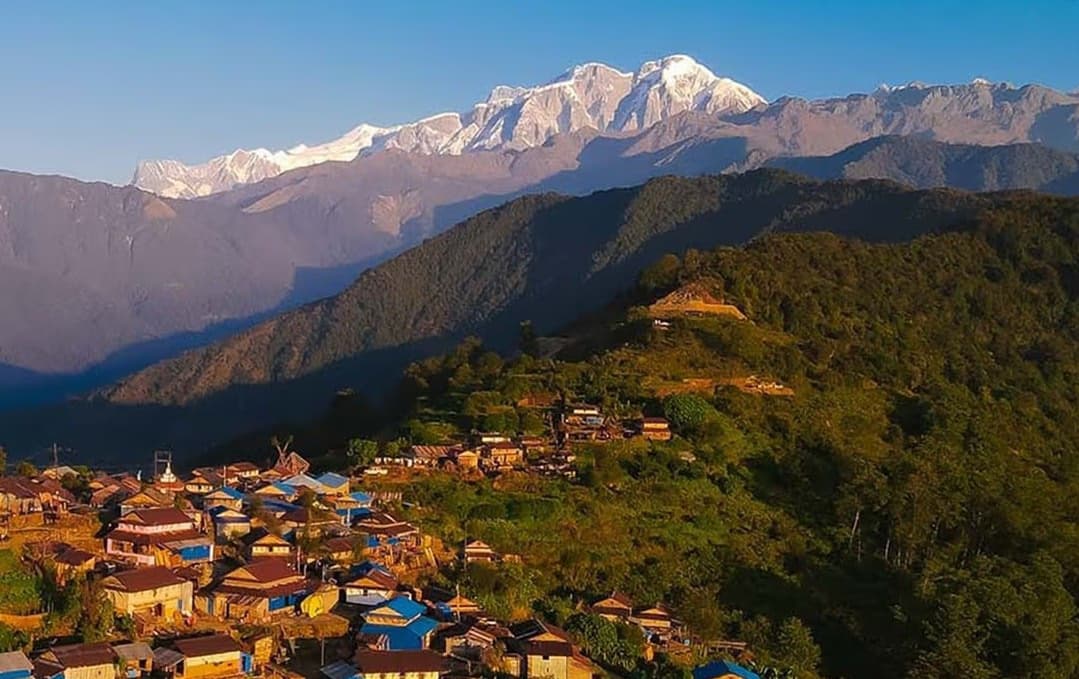
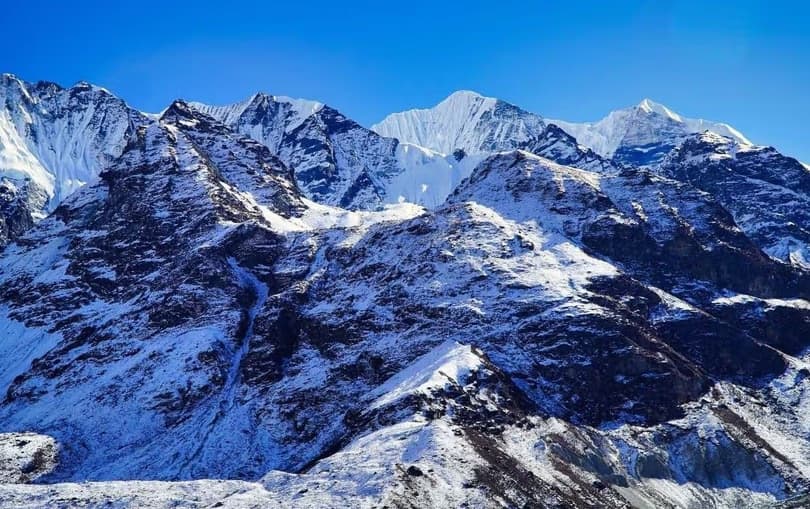
Everest Base Camp is one of the world's most famous trekking destinations, attracting thousands of hikers each year to Nepal's Khumbu region beneath Mount Everest. Reaching base camp at 5,364 meters (17,598 feet) involves far more than following a mountain trail. The journey combines domestic flights, high-altitude trekking, gradual acclimatization, permit requirements, teahouse accommodation, seasonal weather considerations, and careful physical preparation. Most trekkers spend 12 to 14 days completing the route, passing through iconic Sherpa settlements and experiencing some of the Himalayas' most spectacular landscapes.
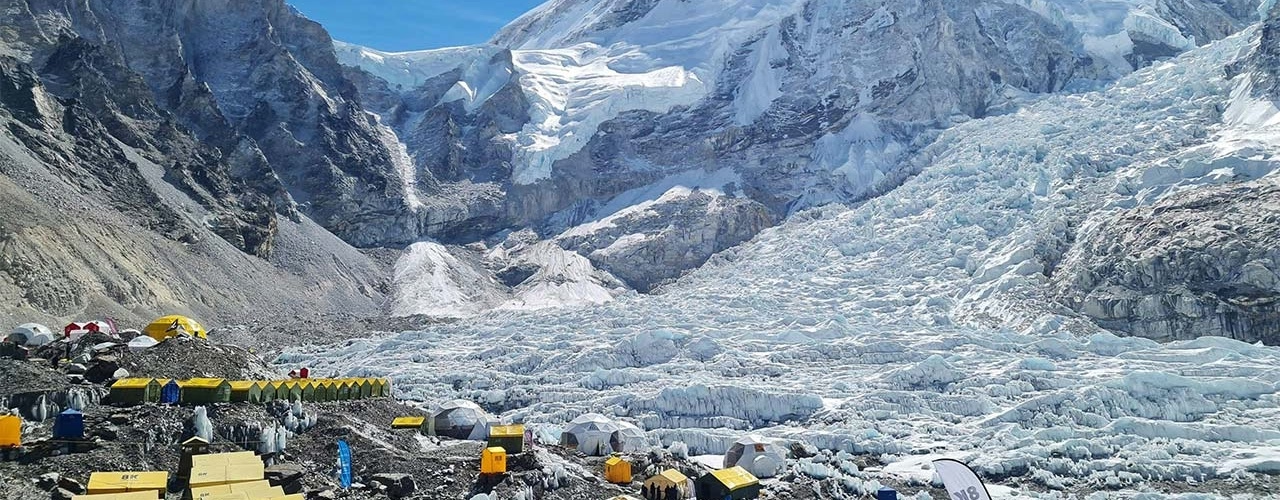
Planning an Everest Base Camp trek requires understanding each stage of the journey, from arriving in Kathmandu and reaching Lukla to managing altitude, choosing the best season, budgeting expenses, and preparing the right gear. Success on the trail depends less on technical climbing ability and more on pacing, acclimatization, and sound logistics. This guide explains everything involved in getting to Everest Base Camp, including transportation options, trekking routes, permits, fitness requirements, packing essentials, costs, guide regulations, and practical advice for completing the adventure safely and successfully.
What Is Everest's Death Zone and Where Does It Start?
The Death Zone on Everest begins at 8,000 meters (26,247 feet) above sea level. This threshold applies to all high-altitude climbing, not just Everest. The term describes the altitude band where atmospheric pressure drops so severely that the human body takes in less oxygen than it burns, creating an irreversible net deficit that begins the moment a climber enters it.
On Everest specifically, the Death Zone covers the final 848.86 meters to the summit at 8,848.86 meters (29,031.7 feet). Camp IV, the highest established camp on the South Col route, sits at 7,920 meters, just 80 meters below the threshold. Climbers who sleep at Camp IV are already pushing the outer edge of human tolerance before the summit push even begins.
Why Is 8,000 Meters Called the Death Zone?
The term "Death Zone" was coined by Swiss physician and mountaineer Edouard Wyss-Dunant in 1953, the same year Tenzing Norgay and Edmund Hillary made the first successful Everest summit. Wyss-Dunant used it to describe the altitude above which permanent physiological survival becomes impossible without supplemental oxygen.
At 8,000 meters, atmospheric pressure is roughly 356 millibars, about 35% of sea level pressure, a range modeled in detail in West and Wagner's classic gas-exchange predictions for the Everest summit (West & Wagner, NJIT.edu). Oxygen partial pressure drops to approximately 73 millibars, and arterial oxygen saturation collapses to 55-60% even in well-acclimatized climbers.
The body responds to this deficit immediately: breathing accelerates, heart rate rises, and cognitive function begins to degrade. No amount of prior acclimatization prevents this process. The body can adapt to altitudes up to approximately 5,500 meters by producing more red blood cells and increasing lung efficiency. Above that ceiling, it only deteriorates.
How Is the Death Zone Different From Lower Camps?
The critical difference between the Death Zone and lower camps is that acclimatization stops working above 8,000 meters. At Base Camp (5,364 meters), Camp I (5,943 meters), Camp II (6,400 meters), and Camp III (7,162 meters), the body adapts over days and weeks by increasing hemoglobin concentration and improving oxygen-carrying capacity.
The Death Zone removes that possibility entirely. A climber can spend 6 weeks on Everest's lower slopes following a rigorous Everest Base Camp acclimatization protocol, build exceptional red blood cell counts, and still begin to deteriorate the moment they cross 8,000 meters. The scientific consensus, supported by field data from UCL's Caudwell Xtreme Everest expedition, which recorded some of the lowest arterial oxygen levels ever measured in a living person at 8,400 meters (Caudwell Xtreme Everest / UCL Discovery, 2013) confirms that no human being can acclimatize to life at or above 8,000 meters. The body simply cannot extract enough oxygen to sustain normal cellular function, regardless of fitness level or altitude experience.
How Long Do Climbers Usually Spend in the Death Zone?
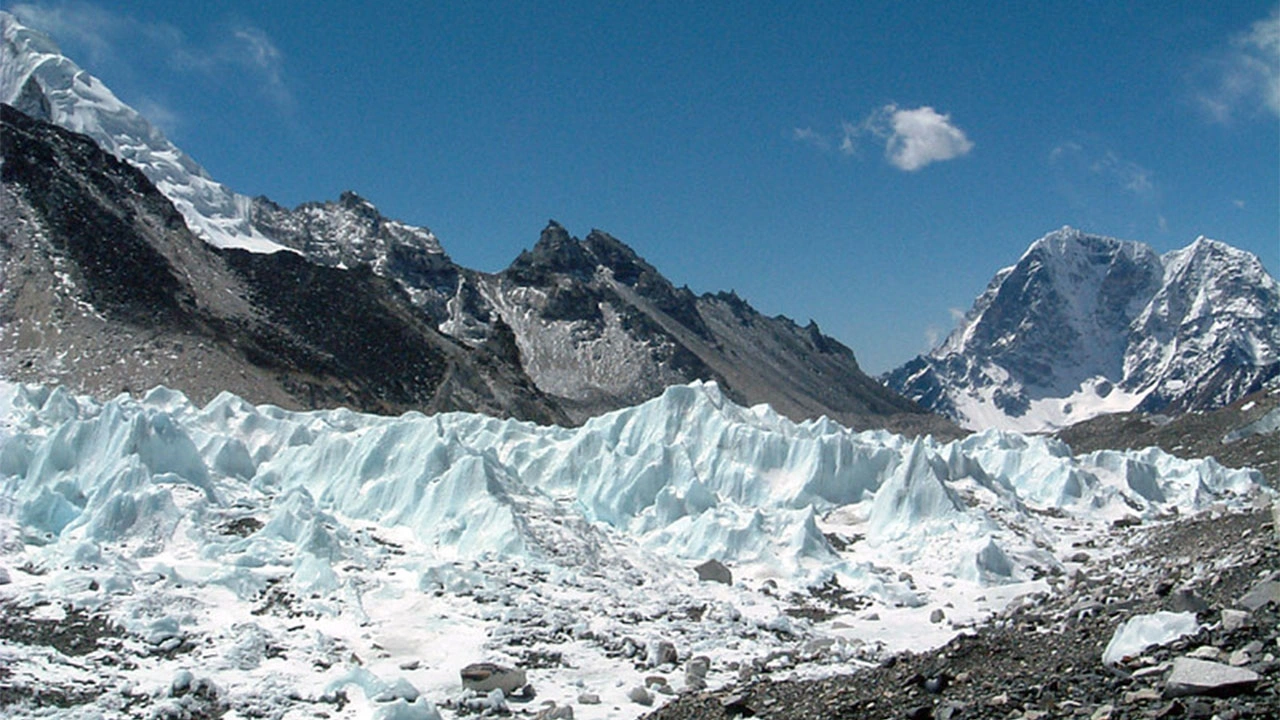
Most Everest climbers spend between 16 and 24 hours in the Death Zone across the entire summit push. The fastest elite climbers trim this to under 12 hours. Teams dealing with delays, weather, or route congestion sometimes stretch beyond 28-30 hours, and that extended exposure directly increases mortality risk.
What Is a Typical Summit Push Above 8,000 Meters?
A standard summit push on the South Col (Southeast Ridge) route unfolds in 3 distinct phases, each with its own Death Zone exposure time.
The departure from Camp IV happens between 9:00 PM and midnight. Climbers ascend through the Balcony (8,400 meters), traverse the Southeast Ridge, negotiate the South Summit (8,749 meters), cross the Hillary Step or its post-2015 landslide equivalent, and reach the summit at 8,848.86 meters. This ascent takes 6 to 10 hours, depending on conditions and pace.
The descent retraces the same route and typically takes 4 to 7 hours, faster than the ascent, but physically more dangerous because exhaustion and depleted oxygen supplies compound every step.
Total Death Zone exposure during a clean, uncomplicated summit push: 14 to 18 hours. That is the best-case scenario for most guided commercial expeditions.
When Does the Risk Spike From Prolonged Exposure?
Risk escalates sharply after 18 hours of continuous Death Zone exposure. The inflection point is not a clean line, it reflects accumulated physiological damage across 5 systems simultaneously: neurological, cardiovascular, respiratory, musculoskeletal, and thermoregulatory.
Past the 18-hour mark, dehydration reaches critical levels (the body loses 1 to 2 liters of fluid per hour through accelerated breathing at altitude). Core body temperature regulation becomes unreliable. Cognitive impairment deepens from mild confusion to decision-making failure. Supplemental oxygen flow rates, which sustain a climber's functional window, drop as cylinders empty. The combination of these 4 factors, dehydration, hypothermia, cognitive impairment, and oxygen depletion, does not add up linearly. It compounds.
Climbers who spend more than 24 hours above 8,000 meters without descending enter a zone of near-certain serious medical emergency.
What Limits Human Survival Above 8,000 Meters?
4 primary physiological mechanisms limit human survival above 8,000 meters: hypoxia, hypercapnia, extreme cold, and caloric depletion. No technological preparation eliminates any of these. Supplemental oxygen addresses hypoxia partially but does not touch the other 3.
How Does Low Oxygen Affect Judgment and Movement?
Hypoxia at 8,000 meters impairs judgment, fine motor control, and decision-making within 2 to 4 hours of exposure without supplemental oxygen. The brain accounts for roughly 20% of the body's oxygen consumption under normal conditions. When oxygen supply drops to 40-50% of baseline, the prefrontal cortex, the region governing complex reasoning and risk assessment, degrades first.
Climbers in early-stage hypoxia exhibit 4 well-documented behavioral patterns: slowed response time (measured at 30-50% longer reaction delays in research subjects), reduced ability to perceive personal risk, willingness to push past previously set turnaround times, and difficulty executing multi-step physical tasks like adjusting oxygen regulators or clipping into fixed ropes.
This is not stubbornness or poor judgment under normal circumstances. It is a direct neurological consequence of oxygen starvation. A climber who has trained rigorously, planned meticulously, and set firm turnaround rules can still override those rules under hypoxic impairment, and feel completely rational while doing so. This phenomenon, widely documented in high-altitude medicine literature, is the mechanism behind many summit-day fatalities, including several during the catastrophic 1996 season.
Why Does the Body Deteriorate So Fast at This Altitude?
The body deteriorates rapidly above 8,000 meters because it begins cannibalizing muscle protein for fuel within 4 to 6 hours when caloric intake stops. At extreme altitude, nausea eliminates appetite almost entirely. Most climbers consume fewer than 200 calories during a full summit push day, while burning an estimated 6,000 to 10,000 calories.
Three additional deterioration mechanisms accelerate the timeline:
Fluid loss through exhaled breath at altitude is 3 to 5 times higher than at sea level, with no reliable way to replace fluids fast enough during the summit push.
Cold injury develops in exposed skin within 5 to 10 minutes at the temperatures typical of the Death Zone (-25°C to -40°C ambient, colder with wind).
Sleep deprivation compounds all other deficits. Climbers ascending from Camp IV have had, at best, 2 to 3 hours of broken sleep before the push due to Cheyne-Stokes breathing, the irregular breathing pattern caused by hypoxia that disrupts sleep at extreme altitude.
What Factors Change How Long You Can Stay There?
3 primary variables determine how long a specific climber tolerates the Death Zone: acclimatization depth, weather and route conditions, and supplemental oxygen use. These variables interact. A perfectly acclimatized climber caught in deteriorating weather with depleted oxygen faces greater danger than a less-experienced climber descending cleanly in ideal conditions.
How Do Acclimatization and Fitness Affect Tolerance?
Prior acclimatization extends a climber's functional window in the Death Zone by improving oxygen efficiency at the cellular level, but it does not stop physiological deterioration; it only slows it. Understanding the full spectrum of altitude sickness in the Himalayas, from AMS at lower camps to HACE and HAPE in the Death Zone, is essential context for planning any high-altitude ascent. A well-acclimatized climber arrives at the Death Zone with elevated hemoglobin levels (typically 18-20 g/dL versus a sea-level baseline of 13-17 g/dL), higher lung diffusion capacity, and a more efficient cardiovascular response to low oxygen.
The practical result: an acclimatized climber maintains clearer judgment and stronger movement for approximately 2 to 4 hours longer than an under-acclimatized one under identical conditions. That difference is meaningful but not unlimited.
Cardiovascular fitness matters less above 8,000 meters than many trekkers assume. Above this altitude, the limiting factor is not cardiac output, it is atmospheric oxygen availability. A world-class marathon runner with no high-altitude experience deteriorates faster in the Death Zone than a moderately fit climber with 3 prior seasons above 7,000 meters.
How Do Weather, Traffic, and Delays Increase Exposure?
Weather delays and route congestion are the 2 most common preventable factors that push Death Zone exposure beyond safe limits. Both extend the hours spent above 8,000 meters without reducing the physiological cost.
Wind is the primary weather factor. Sustained winds above 40 km/h make forward progress on the Southeast Ridge and the Northeast Ridge (Tibet route) physically dangerous. Wind chill at 8,000 meters can drop effective temperature to -60°C. In 2019, a season that drew international attention for overcrowding-related deaths, multiple climbers died partly because bottlenecks at the Hillary Step forced them to stand still in extreme cold for 45 minutes to 2 hours, dramatically accelerating cold injury and dehydration.
Route congestion creates 3 specific danger scenarios on Everest:
Forced stops on exposed ridges while waiting for slower climbers to clear fixed-line sections
Delayed turnaround decisions as descent queues block downward progress
Oxygen cylinder depletion from extended ascent times that outlast supply calculations
The 2019 season recorded 11 deaths on Everest, a season documented in Nepal's own Mountaineering in Nepal: Facts and Figures record (Government of Nepal, Department of Tourism, 2024), which acknowledges overcrowding as a contributing factor in several fatalities.
How Does Supplemental Oxygen Extend a Climber's Window?
Supplemental oxygen at a flow rate of 3 to 4 liters per minute raises the effective physiological altitude for a climber at 8,848 meters to approximately 6,500 to 7,000 meters. This extension is significant. It slows cognitive deterioration, reduces frostbite risk by maintaining core temperature more effectively, and allows slightly higher caloric burn from muscle function.
With supplemental oxygen, the safe functional window above 8,000 meters extends from roughly 10 to 12 hours (without oxygen) to 16 to 24 hours, which is exactly why commercial expeditions rely on it universally.
The oxygen supply calculation is one of the most critical logistics decisions in Everest climbing. A standard summit push from Camp IV requires 3 to 4 cylinders per climber, each holding 3.4 liters at 300 bar pressure. Flow rate management is not optional. Running at 4 liters per minute reaches an empty cylinder approximately 4 hours faster than running at 2 liters per minute. Climbers who increase flow rate to counter fatigue or cold on the way up frequently run low on descent, precisely when physical and cognitive demands remain high.
What Happens If a Climber Stays Too Long?
A climber who remains above 8,000 meters beyond 24 to 28 hours faces 3 life-threatening outcomes: High Altitude Cerebral Edema (HACE), High Altitude Pulmonary Edema (HAPE), and complete physical collapse from exhaustion combined with hypothermia. Any one of these conditions alone is fatal without immediate descent. When two or three converge, survival without external rescue is rare.
What Are the Warning Signs of HACE and HAPE?
HACE (High Altitude Cerebral Edema) is a neurological emergency defined in the Wilderness Medical Society's 2024 clinical practice guidelines (Wilderness & Environmental Medicine, 2024) as fluid accumulation in brain tissue causing loss of coordination, severe headache, hallucinations, and eventual coma. The first reliable physical indicator is ataxia, inability to walk a straight line. A climber who cannot perform a straight-line heel-to-toe walk is experiencing HACE until proven otherwise and requires immediate descent.
Additional HACE warning signs include:
Persistent, severe headache that does not respond to ibuprofen or acetazolamide
Confusion, irrational speech, or decision-making that contradicts prior agreements (such as ignoring turnaround times)
Loss of visual coordination
Extreme fatigue disproportionate to exertion
HAPE (High Altitude Pulmonary Edema) is a respiratory emergency where fluid accumulates in the lungs, causing reduced oxygen absorption, wet cough, and respiratory failure. It kills faster than HACE in many cases and presents with slightly different early signs: unusual breathlessness at rest, a persistent dry or frothy cough (which becomes pink-tinged in advanced stages), chest tightness, and cyanosis, a bluish discoloration of the lips and fingertips.
HAPE is the leading altitude-related cause of death in climbers. It develops faster than most climbers expect: from early symptoms to life-threatening respiratory failure in as few as 6 to 12 hours. What makes it especially dangerous in the Death Zone is that the breathlessness it causes is easily attributed to altitude fatigue, compounded by the extreme Everest temperatures in the Death Zone, which accelerate fluid loss and cloud symptom recognition. This distinction costs critical descending time.
How Quickly Can Exhaustion Turn Into a Fatal Emergency?
Complete physical collapse in the Death Zone transitions from manageable fatigue to life-threatening emergency in as few as 2 to 3 hours when multiple systems fail simultaneously. The clinical term is "peripheral circulatory failure", the body redirects blood flow from limbs to core organs, causing sudden loss of strength in legs and arms.
A climber who sits down and cannot stand within 10 minutes in the Death Zone is in a fatal medical emergency by almost every measure. At 8,000 meters, self-rescue requires standing, moving, and making correct decisions, none of which are possible in advanced exhaustion. Rescue by other climbers at this altitude means someone else risking their life, requires enormous physical strength from the rescuer, and succeeds only with immediate commencement. Several of the most documented Everest tragedies, including the 1996 season deaths of Scott Fischer and Rob Hall, illustrate precisely how fast this deterioration sequence runs once it begins.
How Do Climbers Minimize Time in the Death Zone?
Climbers minimize Death Zone exposure through 3 core strategies: strict turnaround time discipline, optimized route pacing, and pre-planned oxygen rationing. All 3 require execution under hypoxic cognitive impairment, which is exactly why they are decided before the summit push and enforced by climbing partners and guides regardless of how the climber feels in the moment.
Why Do Turnaround Times Matter on Summit Day?
Turnaround times are non-negotiable safety mechanisms that prevent summit fever from extending Death Zone exposure past survivable limits. The standard turnaround time on the South Col route is 2:00 PM. This is not arbitrary. A climber who summits at 2:00 PM and descends at a normal pace reaches Camp IV by approximately 8:00 PM, after dark, requiring headlamps, but with enough oxygen supply and physical reserves to complete the descent.
A climber who ignores the 2:00 PM turnaround and summits at 4:00 PM faces descent in full darkness, with depleted oxygen, in deteriorating physical condition, and with 2 additional hours of Death Zone exposure adding to total accumulation. The mathematics of that decision have ended more Everest lives than any single weather event.
The turnaround time discipline separates surviving climbers from those who die. In the 1996 season analysis by Dr. David Shlim and others, the majority of fatalities involved climbers or guides who passed predetermined turnaround times. In 2006, climber David Sharp died at 8,500 meters on the North Route after sitting down near the "Green Boots Cave", a known landmark on the Northeast Ridge where the body of an Indian climber, widely identified as Tsewang Paljor, had been resting since 1996. Sharp's team had not enforced a firm turnaround policy.
How Do Route Planning and Pace Reduce Time Above 8,000 Meters?
Controlled ascent pace at 8,000 meters is the single most effective way to reduce total Death Zone exposure time. The optimal pace on summit day is the slowest pace that maintains forward progress without stopping, not the fastest pace the climber can physically sustain.
Aggressive early pacing above 8,000 meters burns oxygen faster, depletes glycogen reserves that the body cannot replenish at altitude, and accelerates respiratory fluid loss. Climbers who push hard between Camp IV and the Balcony (8,400 meters) consistently report greater exhaustion between the South Summit and the Hillary Step than those who paced conservatively.
Route selection also determines exposure. On the South Col route, fixed ropes from below 8,000 meters allow consistent movement without route-finding delays. On the Northeast Ridge (Tibet/North Col route), the technical sections above 8,700 meters, including the First, Second, and Third Steps, require greater technical skill and take longer to navigate, increasing Death Zone exposure by an estimated 2 to 4 additional hours compared to a comparable-pace climber on the South Col route.
What Happens When Things Go Wrong Near the Summit?
When emergencies occur above 8,000 meters, the combination of extreme altitude, extreme cold, and physical exhaustion turns situations that are manageable at lower elevations into fatal crises. What would be a helicopter evacuation at 3,000 meters becomes a desperate crawl down fixed lines at 8,700 meters.
Why Are Rescues So Difficult in the Death Zone?
Helicopter rescue above 8,000 meters on Everest is physically impossible under most conditions because rotor efficiency drops with air density. The Eurocopter AS350 B3 completed a test landing at the Everest summit in May 2005, a record-setting achievement that took place in ideal conditions with a single pilot and no passengers. Rescuing an incapacitated climber from the Death Zone via helicopter has never been practically achieved.
Ground rescue by other climbers faces 4 fundamental constraints at this altitude:
A single rescuer cannot move an unconscious 80 kg climber down fixed ropes without additional support
Every rescuer who enters the Death Zone to assist begins their own deterioration clock
Descent speed with an assisted climber is 3 to 5 times slower than solo descent
Weather windows that allow summit attempts close within hours, trapping rescuers
This is the brutal arithmetic of Everest rescue. It explains why more than 200 bodies remain on the mountain, many above 8,000 meters, including "Green Boots" on the North Ridge (visible from the standard Northeast Ridge route) and several others near the South Col and upper Southeast Ridge. For a full breakdown of the Everest death toll by year, including cause-of-death analysis and the role the Death Zone plays in each fatality category, the data reveals patterns every aspiring climber should study.
What Can Delays, Bottlenecks, or Lost Oxygen Cause?
Oxygen cylinder loss or failure above 8,000 meters reduces effective physiological tolerance by 40 to 60% within 15 to 20 minutes of switching to ambient air. A climber running at 3 liters per minute who loses a regulator or drops a cylinder transitions from a functional Death Zone state to acute hypoxia before they can descend to a safe altitude.
Bottlenecks at fixed-line technical sections, particularly the area below the Hillary Step where the route narrows to single-file movement, create forced standing stops in extreme cold. A 45-minute stop at 8,700 meters costs the climber 45 minutes of oxygen, 45 minutes of additional cold exposure, and extends total Death Zone time by the same amount. The 2019 crowding photographs that circulated globally showed lines of 30 to 50 climbers queued on the Southeast Ridge, a visual representation of exactly how route congestion translates into extended Death Zone exposure across entire groups.
How Should Climbers Approach the Death Zone With Guides?
Climbers preparing for the Death Zone require guides with documented high-altitude emergency response training, not simply guides with personal Everest summits. The guide's role in the Death Zone is not primarily navigation, the route is fixed-lined. The guide's role is physiological monitoring, oxygen management, and enforcing turnaround discipline over a hypoxically impaired client.
Can Guided Everest Expeditions Reduce Death Zone Risk?
Well-structured guided expeditions reduce Death Zone mortality risk through 4 measurable mechanisms: systematic acclimatization scheduling, pre-planned oxygen rationing, enforced turnaround protocols, and Sherpa positioning for rapid descent assistance. These mechanisms do not make the Death Zone safe. They make the risk more knowable and more controllable.
The best Everest guiding operations conduct pre-expedition psychological profiling to identify clients prone to summit fever. They pre-negotiate explicit turnaround agreements signed before departure. They assign lead Sherpas with designated authority to override summit bids regardless of client objection. These are not bureaucratic additions to the climbing experience, they are the direct response to the documented pattern of hypoxia-driven decision failures that produce the majority of Everest fatalities.
Following highly publicized overcrowding, the Nepal government amended its mountaineering regulations, formally recorded in the Department of Tourism's official regulation text (Government of Nepal, 2024), which requires a mandatory high-altitude guide for every two foreign climbers on peaks above 8,000 meters. Enforcement remains inconsistent, but the regulation reflects a formal acknowledgment that unguided or poorly guided clients in the Death Zone represent the highest-risk demographic on the mountain.
For trekkers and aspiring climbers building toward high-altitude objectives, the starting point is not Everest; it is a structured progression through peaks above 6,000 meters. Island Peak climbing at 6,189 meters is one of the most recommended first-step objectives in Nepal, followed by 7,000-meter peaks such as Aconcagua (6,961 meters), building the physiological and decision-making experience the Death Zone demands before it becomes a realistic consideration.
What Are the Key Takeaways About Everest's Death Zone?
The Death Zone is a precise physiological concept, not a metaphor. It begins at 8,000 meters. On Everest, it covers the final 848 meters to the summit. No human acclimatizes to this altitude, the body only deteriorates there, and the rate of deterioration determines survival.
The 6 most important facts every serious climber carries into the Death Zone:
The safe functional window is 16 to 24 hours with supplemental oxygen; 8 to 12 hours without it
Cognitive impairment from hypoxia begins within 2 to 4 hours and directly undermines turnaround discipline
HACE and HAPE present with initial symptoms that are easily misread as standard fatigue, the 2-hour window between early symptoms and life-threatening emergency is short
Oxygen cylinder management determines whether a climber descends safely or runs dry above 8,500 meters
Turnaround time at 2:00 PM on the South Col route is not a guideline, it is the boundary between survivable and non-survivable summit pushes for most climbers
Route congestion adds hours of Death Zone exposure without warning and without a practical way to compensate once a climber is committed to the ascent
The mountain has recorded over 340 deaths since serious climbing attempts began in 1921. The majority of those deaths occurred above 8,000 meters. Most involved some combination of extended exposure, compromised oxygen supply, weather, and impaired judgment. The pattern is consistent enough to be predictive: the climbers who return are the ones who treated the Death Zone's time limit as a hard constraint, not a suggestion.
If you are building toward an Everest attempt, the death zone education starts on the ground, long before you clip into a fixed line above Camp IV.