Annapurna Base Camp stands as one of Nepal's most spectacular trekking destinations, nestled in a natural amphitheater surrounded by towering Himalayan peaks. This sacred sanctuary offers trekkers an intimate encounter with some of the world's highest mountains, including the formidable Annapurna I, which rises to 8,091 meters. The base camp serves as a staging point for mountaineering expeditions while providing ordinary trekkers with an achievable high-altitude adventure that doesn't require technical climbing skills.
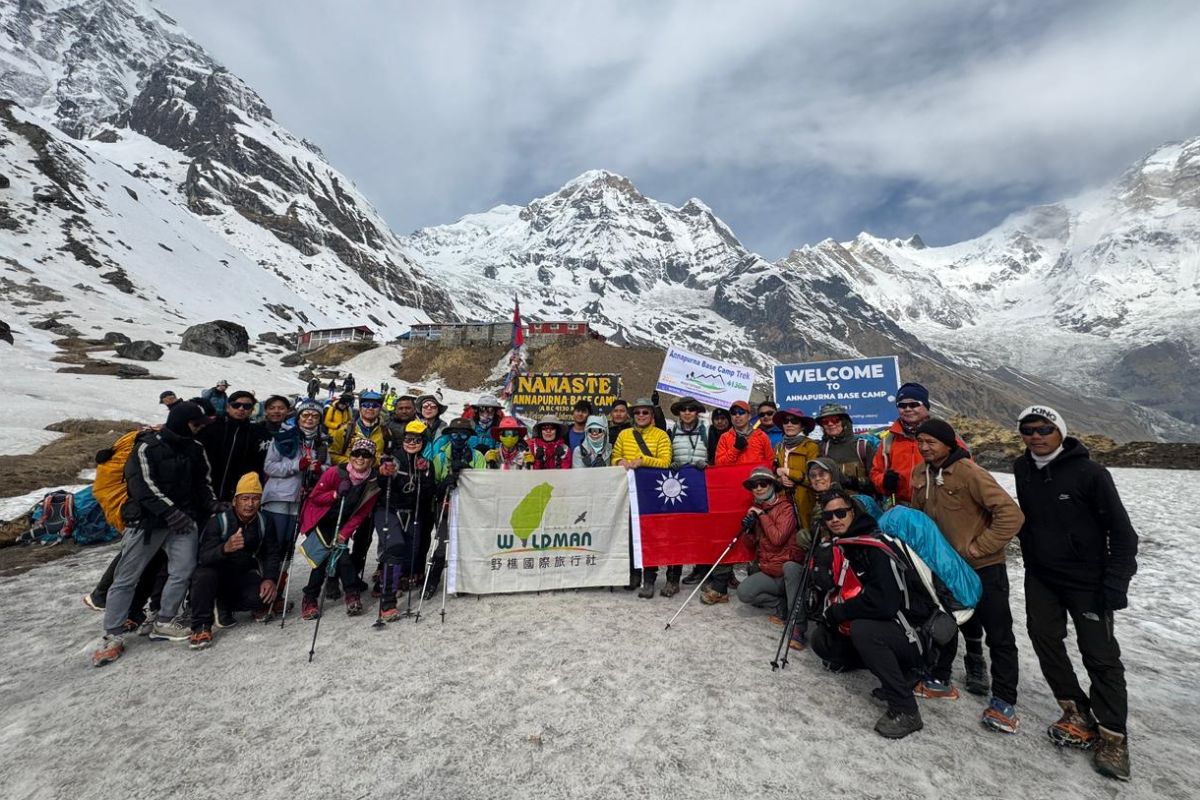
The fame of Annapurna Base Camp extends beyond its dramatic mountain views. This location represents a convergence of natural beauty, cultural richness, and accessibility that few other destinations can match. Trekkers pass through traditional Gurung and Magar villages, traverse bamboo forests and rhododendron groves, and experience the hospitality of mountain communities that have welcomed travelers for generations. The relatively short duration of the trek, combined with its stunning rewards, has made it a bucket-list destination for adventurers worldwide.
The Significance of Annapurna Base Camp's Altitude
The elevation of Annapurna Base Camp plays a crucial role in defining the entire trekking experience. At this altitude, the air contains significantly less oxygen than at sea level, creating physiological challenges that demand respect and proper preparation. Understanding this altitude is not merely a matter of knowing numbers but rather comprehending how it influences every aspect of your journey, from your breathing patterns to your energy levels and sleep quality.
This specific elevation positions Annapurna Base Camp in what mountaineers call the "high altitude" zone, where the body must work considerably harder to function normally. The altitude contributes to the trek's sense of accomplishment while remaining accessible to reasonably fit individuals who take appropriate precautions. It strikes a balance between challenge and achievability that has made this trek popular among both novice high-altitude trekkers and experienced mountaineers seeking a shorter expedition.
How Altitude Affects Trekking and Preparation
Altitude fundamentally transforms the trekking experience in ways that extend far beyond the physical effort required. As you ascend toward Annapurna Base Camp, the decreasing atmospheric pressure means your body receives less oxygen with each breath. This triggers a cascade of physiological responses, including increased heart rate, faster breathing, and potential sleep disturbances. Your body begins producing more red blood cells to compensate for the oxygen deficit, a process that requires time and gradual ascent.
Proper preparation for high-altitude trekking involves both physical conditioning and mental readiness. Cardiovascular fitness forms the foundation of your preparation, as your heart and lungs will work overtime throughout the trek. However, equally important is understanding the patience required for acclimatization. Even the fittest athletes can succumb to altitude sickness if they ascend too quickly. This reality shapes every aspect of trek planning, from itinerary design to packing decisions, making altitude awareness the cornerstone of a successful Annapurna Base Camp adventure.
Height of Annapurna Base Camp
Exact Elevation of Annapurna Base Camp
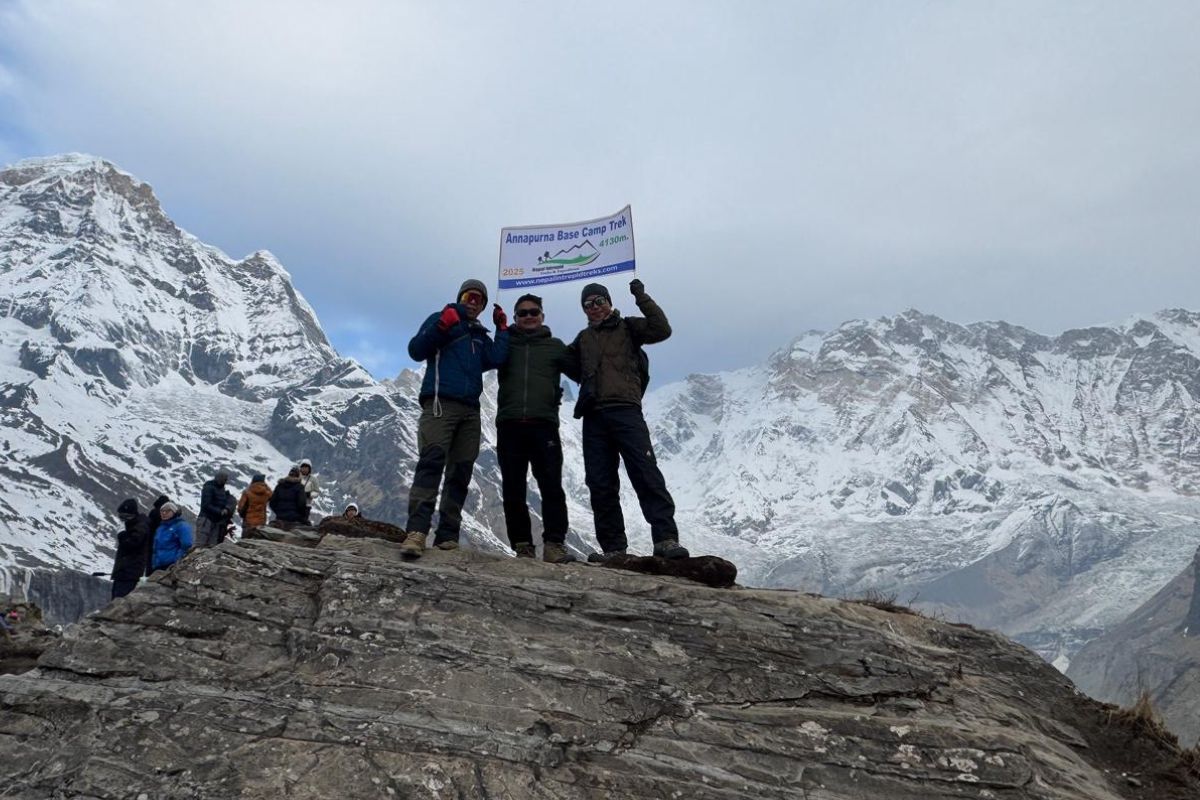
Annapurna Base Camp sits at an elevation of 4,130 meters (13,550 feet) above sea level. This precise measurement places the base camp at a height where atmospheric pressure is approximately 60% of what it is at sea level, meaning your body receives significantly less oxygen with each breath. The camp occupies a glacial basin directly beneath the south face of Annapurna I, creating a natural amphitheater that amplifies the sense of altitude and isolation.
This elevation represents the culmination of a journey that typically begins around 1,000 meters in elevation, meaning trekkers gain more than 3,000 meters of altitude over the course of their trek. The specific location of the base camp varies slightly depending on seasonal conditions and glacier movement, but the official elevation remains constant at 4,130 meters. This height is carefully measured using GPS coordinates and barometric pressure readings, providing accurate data for trekkers planning their ascent.
How Annapurna Base Camp Compares to Other Famous Treks
When compared to other renowned high-altitude treks in the Himalayas, Annapurna Base Camp occupies a unique middle ground. Everest Base Camp, perhaps the most famous trek globally, reaches 5,364 meters, making it over 1,200 meters higher than Annapurna Base Camp. This difference is significant in terms of altitude sickness risk and physical demands. Meanwhile, the popular Poon Hill trek peaks at only 3,210 meters, nearly 1,000 meters lower than Annapurna Base Camp, making it considerably easier for altitude acclimatization.
The Langtang Valley trek reaches similar heights to Annapurna Base Camp, with Kyanjin Gompa sitting at 3,870 meters, while the Manaslu Circuit crosses the Larkya La pass at 5,160 meters. This comparison reveals that Annapurna Base Camp offers a substantial altitude challenge without venturing into the extreme heights that require extensive acclimatization periods. For trekkers seeking their first serious high-altitude experience, this elevation provides an ideal introduction to Himalayan trekking while still delivering breathtaking mountain panoramas.
Factors Affecting Perceived Height During the Trek
The perceived intensity of the altitude at Annapurna Base Camp varies considerably based on multiple factors beyond the raw elevation numbers. Your rate of ascent significantly influences how your body experiences the height; trekkers who rush through the itinerary often struggle more than those who take extra acclimatization days. Individual physiology plays an equally important role, as some people naturally adapt to altitude better than others, regardless of their fitness level at sea level.
Weather conditions dramatically alter the altitude experience as well. Strong winds, cold temperatures, and precipitation can make the elevation feel more challenging by stressing your body through multiple pathways simultaneously. The time of day affects perceived altitude too, with many trekkers noticing that mornings feel easier than afternoons when accumulated fatigue compounds the effects of thin air. Your hydration status, sleep quality the previous night, and even your mental state all contribute to how the altitude affects you at any given moment during the trek.
Trekking Annapurna Base Camp: Altitude Considerations
How to Prepare Physically for High-Altitude Trekking
Physical preparation for Annapurna Base Camp should begin at least two to three months before your departure date. Cardiovascular endurance forms the foundation of your training, as your heart and lungs will work continuously throughout each trekking day. Focus on activities that elevate your heart rate for extended periods, such as running, cycling, swimming, or stair climbing. Aim for four to five training sessions per week, gradually building up to workouts lasting 60 to 90 minutes at moderate to high intensity.
Strength training complements cardiovascular work by preparing your muscles and joints for the specific demands of mountain trekking. Concentrate on exercises that strengthen your legs, particularly your quadriceps, hamstrings, and calves, which bear the brunt of uphill and downhill walking. Incorporate weighted hiking into your training regimen, gradually increasing the load in your backpack to simulate trekking conditions. Core strength exercises improve your stability on uneven terrain, while upper body work prepares you for using trekking poles effectively. Remember that no amount of fitness can guarantee immunity from altitude sickness, but excellent physical condition helps your body cope with the additional stress of reduced oxygen.
Effects of 4,130 Meters on Your Body
At 4,130 meters, your body experiences significant physiological changes that differ from your normal sea-level functioning. The partial pressure of oxygen at this altitude is approximately 60% of that at sea level, forcing your respiratory system into overdrive. Your breathing rate increases both during activity and at rest, sometimes becoming noticeably labored even during simple tasks like organizing your gear. Your heart rate similarly elevates to pump oxygen-depleted blood more rapidly throughout your body.
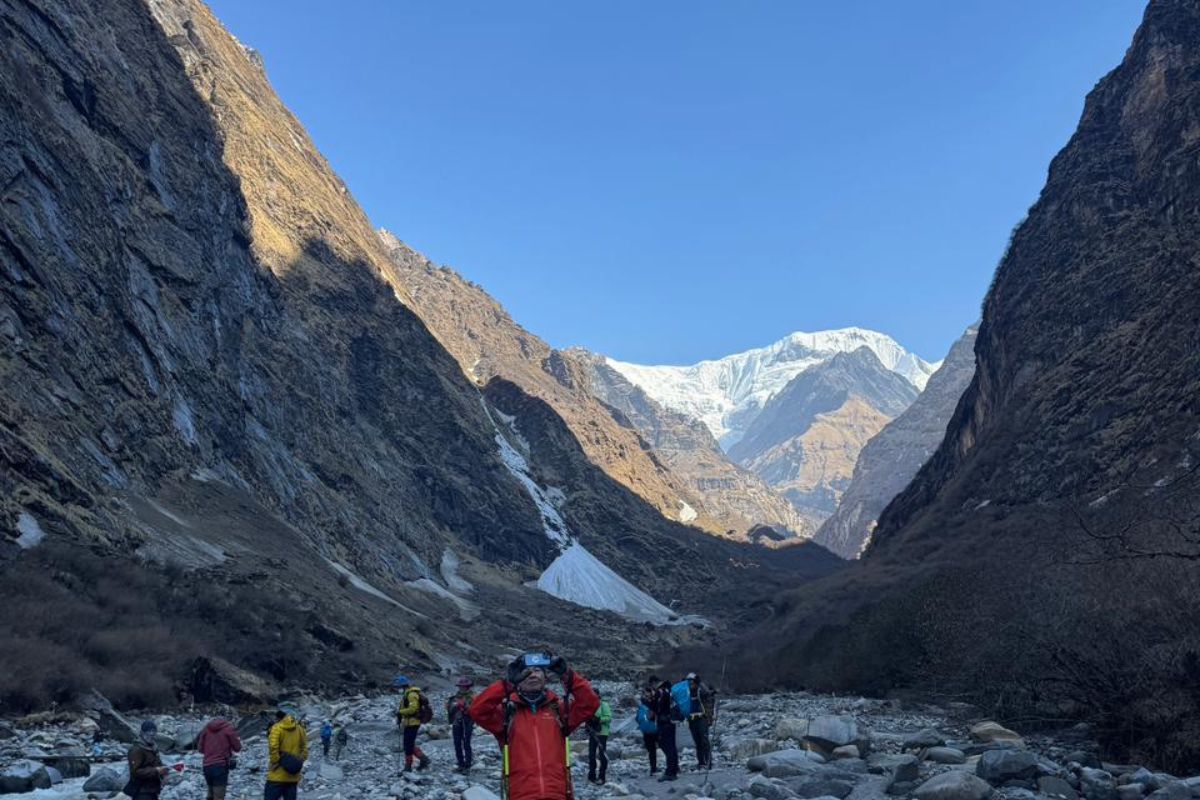
Sleep disturbances are common at this elevation, with many trekkers experiencing periodic breathing patterns known as Cheyne-Stokes respiration, where breathing speeds up and slows down in cycles. Appetite often decreases despite increased caloric needs, and some trekkers notice changes in taste perception. Mild headaches, occasional dizziness upon standing quickly, and increased urination are normal responses to altitude. Your body also increases red blood cell production, though this process takes days to weeks to complete. Cognitive function may subtly decline, with some people experiencing slower reaction times or difficulty concentrating. These changes are typically temporary and resolve upon descent, but recognizing them as normal altitude responses prevents unnecessary worry.
Preventing Altitude Sickness on Annapurna Trek
Preventing acute mountain sickness (AMS) on the Annapurna Base Camp trek requires a multi-faceted approach centered on gradual ascent. The golden rule of altitude trekking is to climb high and sleep low, ensuring that your sleeping elevation doesn't increase by more than 300 to 500 meters per day once above 3,000 meters. Building rest days into your itinerary for acclimatization, particularly at locations like Machapuchare Base Camp before the final push to Annapurna Base Camp, significantly reduces altitude sickness risk.
Hydration plays a crucial role in altitude adaptation, with experts recommending four to five liters of water daily at high elevations. The dry mountain air and increased breathing rate lead to significant fluid loss, and dehydration exacerbates altitude symptoms. Avoid alcohol and sleeping pills, which depress breathing and worsen oxygen deprivation during sleep. Maintain a steady, slow pace during trekking days, even if you feel strong enough to move faster. The Nepali phrase "bistari, bistari" meaning slowly, slowly, should become your mantra. Many trekkers find that taking acetazolamide (Diamox) helps with acclimatization, though this should be discussed with your doctor before the trek. Recognize the early symptoms of altitude sickness, which include headache, nausea, loss of appetite, and fatigue. If symptoms worsen despite rest and hydration, immediate descent is the only reliable treatment.
Trekking Routes and Elevation Profiles
Popular Routes to Reach Annapurna Base Camp
The classic route to Annapurna Base Camp begins in Nayapul, accessible by road from Pokhara, and follows the Modi Khola valley through a series of traditional villages and diverse ecological zones. This standard itinerary typically takes 7 to 12 days depending on your pace and acclimatization needs. The trail passes through Tikhedhunga, Ghorepani, Tadapani, Chomrong, Bamboo, Deurali, and Machapuchare Base Camp before reaching the final destination. This route offers excellent gradient progression, allowing your body to adjust to increasing elevation gradually.
An alternative starting point is Phedi or Dhampus, which shortens the overall trek slightly while still maintaining safe altitude gain rates. Some trekkers choose to incorporate the Poon Hill detour at the beginning of their journey, adding 3 to 4 days to view sunrise over the Annapurna and Dhaulagiri ranges from 3,210 meters before continuing toward the base camp. During peak seasons, a newer route via Jhinu Danda has gained popularity, offering natural hot springs as a bonus attraction. Regardless of which variation you choose, all routes converge at Chomrong, a large Gurung village that serves as the gateway to the inner sanctuary of the Annapurna Conservation Area.
Daily Elevation Gains and Trekking Difficulty
Understanding daily elevation changes helps you mentally and physically prepare for each stage of the journey. The first few days involve relatively modest altitude gains, with the trek from Nayapul at 1,070 meters to Tikhedhunga at 1,540 meters representing a gentle introduction. The climb to Ghorepani at 2,860 meters provides your first significant elevation gain, with the famous stone staircase from Tikhedhunga to Ulleri testing your leg strength and cardiovascular fitness.
From Chomrong at 2,170 meters, the trail drops significantly into the valley before beginning the sustained climb toward base camp. The section from Bamboo at 2,310 meters to Deurali at 3,230 meters represents a challenging 920-meter gain typically spread over two days. The final push from Deurali to Machapuchare Base Camp at 3,700 meters and then to Annapurna Base Camp at 4,130 meters can be done in one day by acclimatized trekkers, though many prefer splitting this into two days for safety. The steepest single-day elevation gain on most itineraries rarely exceeds 700 to 800 meters, which follows safe altitude acclimatization guidelines.
Mapping the Trek: From Pokhara to Base Camp
The journey to Annapurna Base Camp encompasses approximately 110 kilometers of total trekking distance when accounting for both ascent and descent. From Pokhara, situated at 822 meters beside Phewa Lake, you'll travel by vehicle to your trailhead, whether that's Nayapul, Phedi, or another starting point. The initial trekking days follow the Modi Khola river valley, passing through terraced farmland and subtropical forests where bananas and oranges grow beside the trail.
As elevation increases beyond Chomrong, the landscape transforms dramatically. Bamboo forests give way to rhododendron groves, which in spring burst into spectacular displays of red, pink, and white blooms. Above 3,000 meters, vegetation becomes sparse, with hardy alpine plants clinging to the rocky terrain. The final approach to base camp traverses moraines and glacial deposits, with the towering walls of Annapurna South, Annapurna I, Hiunchuli, and Machapuchare creating a natural fortress around you. The trail is well-established and clearly marked throughout, with teahouses providing accommodation and meals at regular intervals, eliminating the need for camping or carrying extensive food supplies.
Scenic High Points and Photo Opportunities
While Annapurna Base Camp itself represents the trek's ultimate reward, numerous scenic highlights occur throughout the journey. Poon Hill, if included in your itinerary, offers arguably the finest sunrise panorama in the Annapurna region, with the entire Annapurna and Dhaulagiri ranges bathed in golden alpenglow. The section between Sinuwa and Chomrong provides stunning views of Machapuchare's distinctive fishtail peak, particularly dramatic in late afternoon light.
The amphitheater at Machapuchare Base Camp serves as a preview of the main event, with massive mountain walls towering overhead. However, nothing compares to the 360-degree spectacle at Annapurna Base Camp itself, where you're surrounded by peaks exceeding 7,000 meters. Dawn at base camp transforms the mountains into glowing sentinels as the first light touches their summits, while sunset paints the snow in shades of pink, orange, and purple. The clear night skies at this altitude reveal countless stars rarely visible from lower elevations, offering astrophotography opportunities for those willing to brave the cold. Along the return journey, the perspective shifts entirely, providing fresh compositions of landscapes you passed during ascent.
Planning Your Trek: Tips and Practical Information
Best Time to Visit Based on Weather and Altitude
The optimal trekking seasons for Annapurna Base Camp are spring (March through May) and autumn (September through November), when weather conditions align favorably with altitude considerations. Autumn offers the most reliable weather, with clear skies, stable temperatures, and minimal precipitation following the monsoon season. Daytime temperatures at base camp hover around 5 to 10 degrees Celsius during October and November, dropping below freezing at night. The clarity of autumn air produces spectacular mountain views and comfortable trekking conditions at all elevations along the route.
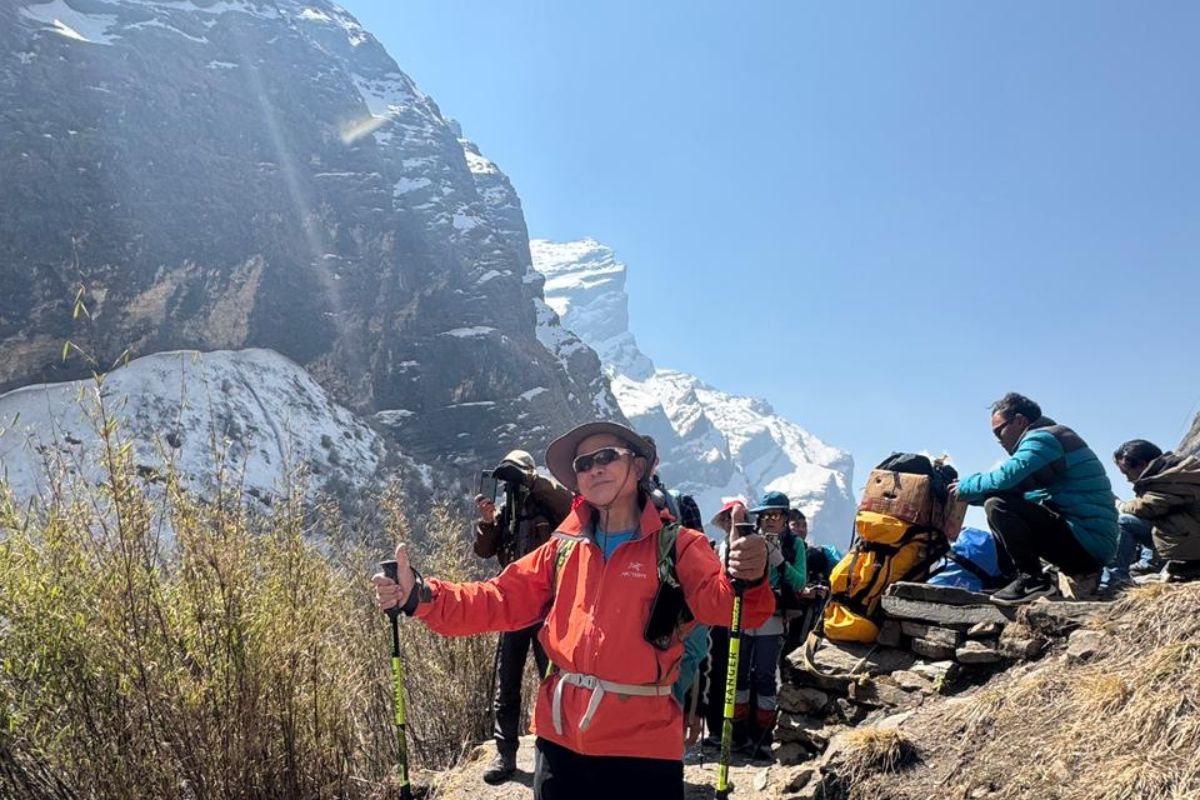
Spring presents equally attractive conditions, with warming temperatures and longer daylight hours offsetting occasional afternoon cloud buildup. The rhododendron forests burst into bloom during April and May, adding vibrant color to the landscape. Spring temperatures run slightly warmer than autumn, both during the day and at night, which some trekkers prefer for high-altitude camping. Winter trekking from December through February is possible for experienced trekkers willing to face extreme cold and potential snow closures at higher elevations. Summer monsoon season from June through August brings heavy rain, leeches, obscured views, and increased landslide risk, making it the least favorable time for this trek despite fewer crowds and greener valleys.
Gear and Clothing for High-Altitude Comfort
Proper gear selection dramatically influences your comfort and safety at Annapurna Base Camp's elevation. Your clothing system should follow layering principles, starting with moisture-wicking base layers that keep sweat away from your skin. Merino wool or synthetic materials outperform cotton, which retains moisture and provides no insulation when wet. Mid-layers should include a fleece or synthetic insulated jacket for wearing in camp and during cold morning starts. Your outer shell must be waterproof and windproof, protecting you from precipitation and the harsh winds common at high altitude.
Down jackets rated for temperatures well below freezing become essential above 3,000 meters, as temperatures drop significantly after sunset. A warm sleeping bag rated to at least minus 10 to minus 15 degrees Celsius ensures comfortable nights at altitude, though teahouses typically provide blankets as supplemental insulation. Quality trekking boots with ankle support and good traction prevent injuries on uneven terrain, while trekking poles reduce knee strain during long descents. Don't overlook accessories like warm gloves, a thermal hat, sunglasses with UV protection, and a buff or scarf for face protection. A headlamp with extra batteries, water purification tablets, a comprehensive first-aid kit, and high-SPF sunscreen round out your essential gear. Many items can be rented or purchased in Pokhara if you prefer not to travel with excessive luggage.
Acclimatization Days and Safety Tips
Incorporating rest days specifically for altitude acclimatization significantly improves your chances of reaching Annapurna Base Camp successfully and comfortably. Standard itineraries include at least one full rest day, typically at Chomrong or between Deurali and Machapuchare Base Camp. During these rest days, you shouldn't remain sedentary; instead, take short acclimatization hikes to higher elevations before returning to sleep at your current altitude. This practice stimulates physiological adaptation while following the crucial principle of climbing high and sleeping low.
Listen to your body throughout the trek and communicate honestly with your guide or trekking companions about any symptoms you experience. Mild headaches and slight breathlessness are normal, but symptoms that worsen, prevent sleep, or include confusion, loss of coordination, or difficulty breathing at rest require immediate attention and usually descent. Maintain a conservative pace even on days when you feel strong, as pushing too hard can trigger altitude problems hours later. Stay hydrated by drinking before you feel thirsty, and force yourself to eat even if appetite diminishes at altitude, as your body needs fuel to function in low-oxygen environments. Consider travel insurance that explicitly covers helicopter evacuation from high altitude, as serious altitude illness requires rapid descent that may not be possible on foot.
Comparing Annapurna Base Camp with Everest Base Camp
Trekkers often debate between Annapurna Base Camp and Everest Base Camp when planning their first Himalayan adventure, with altitude playing a central role in this decision. Everest Base Camp sits at 5,364 meters, more than 1,200 meters higher than Annapurna Base Camp, creating substantially greater altitude challenges and requiring longer acclimatization periods. The Everest trek typically demands 12 to 14 days minimum, while Annapurna Base Camp can be completed comfortably in 7 to 10 days, making it more accessible for travelers with limited vacation time.
The Annapurna trek offers greater cultural diversity and ecological variety, passing through subtropical forests, traditional villages, and alpine zones within a shorter distance. The circular amphitheater at Annapurna Base Camp creates a more intimate mountain experience, with peaks surrounding you on all sides, whereas Everest Base Camp sits on a glacier with a more expansive, less enclosed feeling. Annapurna typically costs less due to its shorter duration and proximity to Pokhara, eliminating the need for expensive flights to Lukla required for Everest. Weather windows are generally longer in the Annapurna region, and the trail presents fewer technical challenges despite similar daily elevation gains. For first-time high-altitude trekkers, Annapurna Base Camp provides an ideal introduction to Himalayan trekking, while Everest Base Camp might better suit those seeking maximum altitude and prestige despite the additional challenges and time commitment required.
Frequently Asked Questions
How high is Annapurna Base Camp in meters and feet?
Annapurna Base Camp is located at 4,130 meters (13,550 feet) above sea level. This elevation places it in the high-altitude zone where oxygen levels are approximately 60% of what you'd experience at sea level, making proper acclimatization essential for a safe and enjoyable trek.
Is Annapurna Base Camp higher than Everest Base Camp?
No, Annapurna Base Camp is significantly lower than Everest Base Camp. Annapurna Base Camp sits at 4,130 meters while Everest Base Camp reaches 5,364 meters, a difference of 1,234 meters. This makes the Annapurna trek more accessible for first-time high-altitude trekkers and requires less time for acclimatization. You can also read this ABC vs EBC Trek, which one is best?
Can beginners trek to Annapurna Base Camp?
Yes, beginners with good fitness levels can successfully complete the Annapurna Base Camp trek. While the altitude presents challenges, the gradual ascent profile and availability of teahouses make it manageable for those without previous trekking experience. However, proper physical preparation, taking adequate acclimatization days, and maintaining a slow, steady pace are essential for success.
How long does it take to trek to Annapurna Base Camp?
The typical Annapurna Base Camp trek takes 7 to 12 days, depending on your route, pace, and acclimatization needs. Most standard itineraries range from 8 to 10 days, including both the ascent and descent. This timeframe allows for proper altitude acclimatization and reduces the risk of altitude sickness.
What is the success rate of reaching Annapurna Base Camp?
The success rate for reaching Annapurna Base Camp is very high, typically above 95% for trekkers who follow proper acclimatization schedules and maintain reasonable fitness levels. The relatively moderate altitude, well-established route, and availability of teahouses contribute to this high success rate compared to more challenging high-altitude treks.
Do you need oxygen at Annapurna Base Camp?
No, supplemental oxygen is not required at Annapurna Base Camp for healthy individuals who acclimatize properly. At 4,130 meters, while the oxygen level is reduced to about 60% of sea level, the human body can adapt naturally through gradual ascent. Oxygen is typically only needed at altitudes above 5,500 to 6,000 meters or in cases of severe altitude sickness.
What is the hardest part of the Annapurna Base Camp trek?
The hardest part varies by individual, but most trekkers find the final ascent from Machapuchare Base Camp to Annapurna Base Camp most challenging due to the altitude and accumulated fatigue. The steep stone staircase from Tikhedhunga to Ulleri early in the trek also tests physical endurance, while the altitude effects at elevations above 3,500 meters challenge even well-conditioned trekkers.
Will I get altitude sickness at Annapurna Base Camp?
Mild altitude symptoms like headaches, shortness of breath, and sleep disturbances are common at 4,130 meters, but severe altitude sickness can be prevented through proper acclimatization. Ascending slowly, staying well-hydrated, avoiding alcohol, and recognizing early symptoms significantly reduce your risk. If symptoms worsen despite rest, immediate descent is necessary.
What temperature is it at Annapurna Base Camp?
Temperatures at Annapurna Base Camp vary by season. During peak trekking seasons (autumn and spring), daytime temperatures range from 5 to 10 degrees Celsius but drop below freezing at night, often reaching minus 5 to minus 15 degrees Celsius. Winter temperatures can plunge to minus 20 degrees Celsius, while summer brings slightly warmer conditions but increased precipitation.
How fit do you need to be for Annapurna Base Camp?
You should be able to walk continuously for 5 to 7 hours per day while carrying a daypack. Moderate cardiovascular fitness is essential, meaning you should comfortably complete activities like jogging 5 kilometers or hiking for several hours. Starting a training program 2 to 3 months before your trek, focusing on cardio endurance and leg strength, prepares most people adequately.
Is Annapurna Base Camp trek dangerous?
The Annapurna Base Camp trek is considered safe when proper precautions are followed. The main risks are altitude-related illness, weather changes, and trail accidents. The route is well-established with frequent teahouses, and thousands of trekkers complete it successfully each year. Hiring an experienced guide, having appropriate insurance including helicopter evacuation coverage, and respecting altitude acclimatization schedules minimize risks significantly.
Can you see Everest from Annapurna Base Camp?
No, you cannot see Mount Everest from Annapurna Base Camp due to the intervening mountain ranges. However, you're surrounded by spectacular peaks including Annapurna I (8,091m), Annapurna South (7,219m), Machapuchare (6,993m), Hiunchuli (6,441m), and Gangapurna (7,455m), creating one of the most impressive mountain panoramas in the Himalayas.
What permits do I need for Annapurna Base Camp?
You need two permits for the Annapurna Base Camp trek: the Annapurna Conservation Area Permit (ACAP) and the Trekkers' Information Management System (TIMS) card. These can be obtained in Kathmandu or Pokhara through trekking agencies or tourist offices. Your trekking agency typically handles permit arrangements if you book through them.
Is there mobile network coverage at Annapurna Base Camp?
Mobile network coverage is available along most of the Annapurna Base Camp trek, including at the base camp itself, though signal strength varies by location and weather conditions. Nepal Telecom and Ncell provide the most reliable coverage. Many teahouses also offer WiFi for a fee, though internet speeds decrease and costs increase at higher elevations.
How much does the Annapurna Base Camp trek cost?
The cost varies depending on whether you trek independently or with an agency. Independent trekking costs approximately $20 to $30 per day for accommodation and meals, plus permits, transportation, and gear. Organized group treks through agencies typically range from $600 to $1,200 for a complete package, while private guided treks can cost $1,000 to $2,000 or more depending on service level and group size.