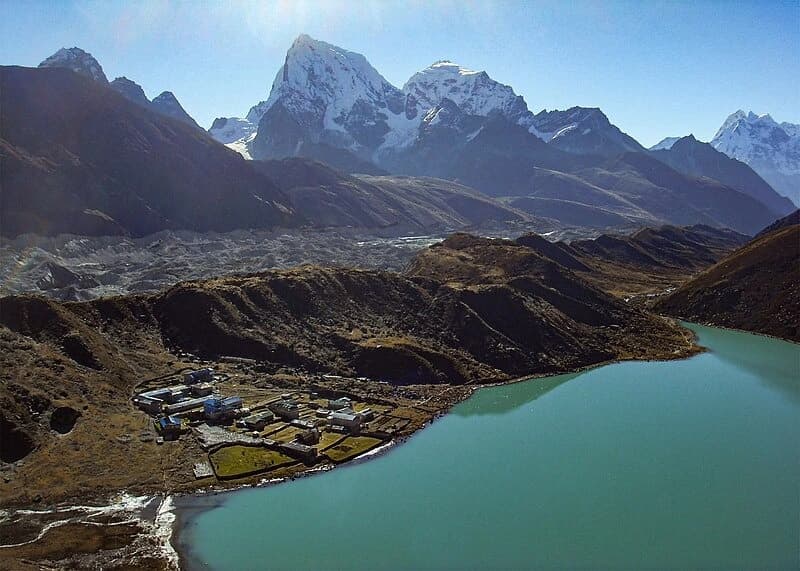
Gokyo Lake is a high-altitude glacial lake in Nepal’s Khumbu region, where the main Third Lake, Dudh Pokhari, lies at approximately 4,750 meters (15,584 feet) above sea level. The surrounding Gokyo Valley reaches even greater elevations, with Gokyo village at about 4,790 meters (15,715 feet), Gokyo Ri at 5,357 meters (17,575 feet), and the higher Gokyo lakes extending beyond 5,000 meters. Such elevation places trekkers in an environment of substantially reduced atmospheric pressure and oxygen availability, making the Gokyo Lake trek fundamentally different from lower-altitude Himalayan routes. Understanding the difference between daytime hiking elevation and sleeping altitude is particularly important because overnight exposure at nearly 4,800 meters places sustained physiological demands on breathing, circulation, hydration, sleep, and oxygen adaptation.
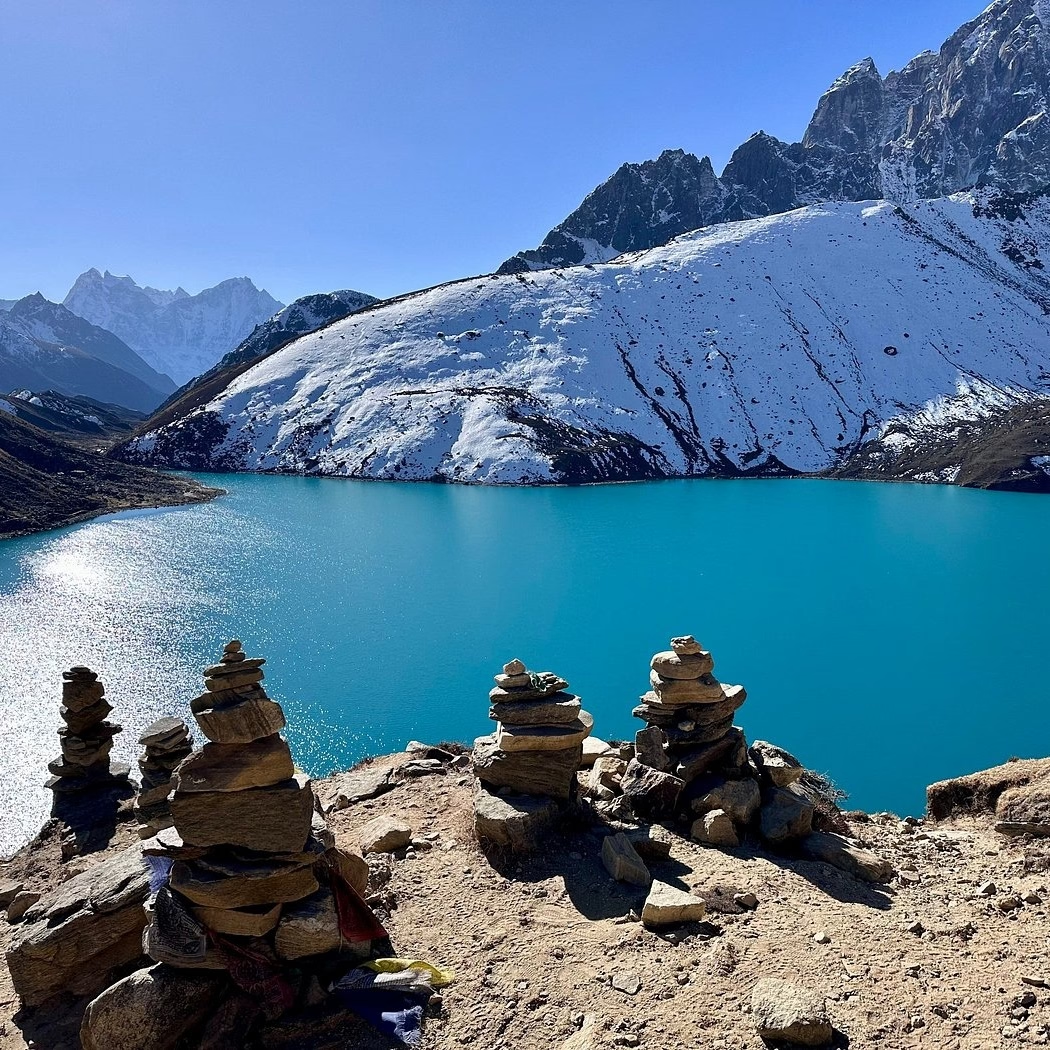
Safe travel to Gokyo Lake depends on progressive acclimatization rather than fitness alone. The journey from Lukla through Namche Bazaar, Dole, and Machhermo gradually exposes the body to increasing altitude while strategic rest days and acclimatization hikes allow physiological adaptation before reaching Gokyo. This guide explains the exact elevations of the Gokyo Lakes and major Khumbu landmarks, how thin air affects the body above 4,000 meters, the recommended ascent profile and acclimatization stops, and the signs of acute mountain sickness (AMS), high-altitude pulmonary edema (HAPE), and high-altitude cerebral edema (HACE). It also covers hydration, nutrition, sleep, physical preparation, altitude monitoring, and practical safety measures so trekkers can plan the Gokyo Valley trek with a realistic understanding of its elevation, risks, and acclimatization requirements.
How High Is Gokyo Lake Above Sea Level?
Gokyo Lake reaches 4,700 meters (15,420 feet) above sea level, placing it inside the "very high altitude" category defined by the Wilderness Medical Society. At this elevation, the atmospheric pressure drops, reducing the available oxygen molecules per breath to approximately 58% of sea-level values. Trekkers ascending from Kathmandu at 1,400 m gain over 3,300 vertical meters within 7–10 trekking days.
What Is the Exact Altitude of Gokyo Lake?
Gokyo refers to a cluster of 6 glacial lakes, all classified as Ramsar Wetland sites, positioned on the lateral moraine of Ngozumpa Glacier, Nepal's longest glacier at 36 kilometers. Each lake occupies a distinct elevation:
Lake Name | Local Name | Altitude |
First Lake | Longponga Tsho | 4,710 m (15,453 ft) |
Second Lake | Taujung Tsho | 4,740 m (15,551 ft) |
Third Lake (Gokyo Lake) | Dudh Pokhari | 4,750 m (15,584 ft) |
Fourth Lake | Thonak Tsho | 4,834 m (15,860 ft) |
Fifth Lake | Ngojumba Tsho | 4,950 m (16,240 ft) |
Sixth Lake | Gyazumpa Tsho | 5,200 m (17,060 ft) |
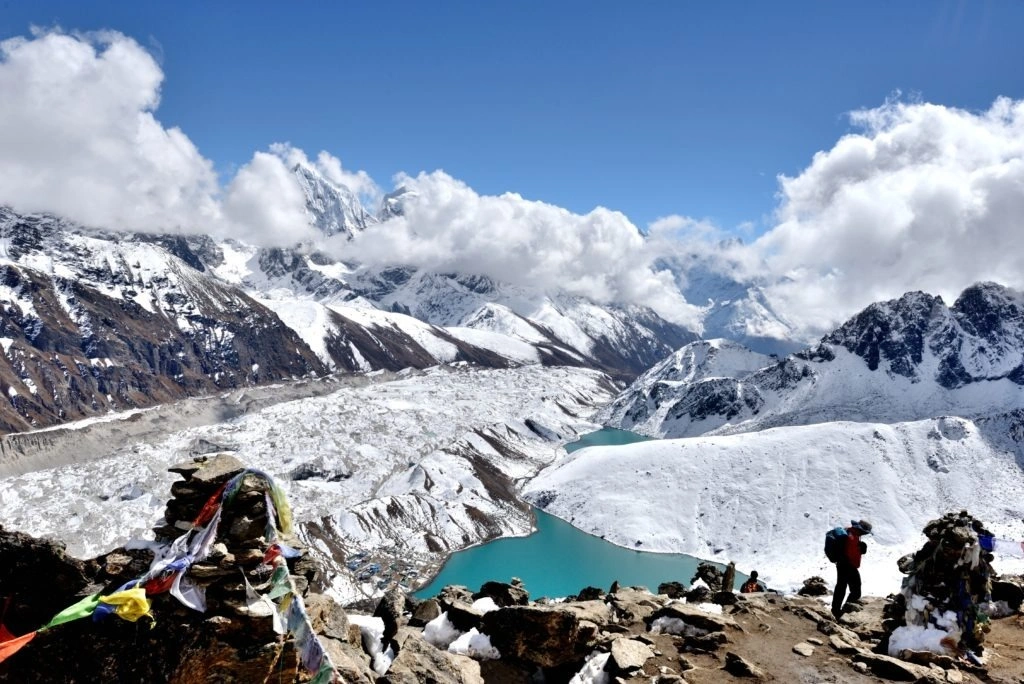
The Third Lake, Dudh Pokhari, is the lake most trekkers refer to as "Gokyo Lake." Gokyo village sits directly beside it at 4,790 meters (15,715 feet). Gokyo Ri, the iconic viewpoint framing Cho Oyu, Everest, Lhotse, and Makalu simultaneously, rises to 5,357 meters (17,575 feet).
What most itinerary planners overlook: the elevation you sleep at matters more than the elevation you reach during the day. Sleeping at Gokyo village at 4,790 m places greater physiological demand on the body than day-hiking to Gokyo Ri at 5,357 m, because overnight rest at high altitude tests the complete oxygen adaptation cycle, breathing regulation, EPO production, and cerebral blood flow adjustment all occur during sleep.
How Does Gokyo Lake Compare With Other Everest Region Destinations?
Gokyo Lake at 4,700 m occupies a mid-range altitude position within the broader Khumbu trekking circuit. The table below compares 9 major altitude checkpoints across the Everest region:
Destination | Altitude | Altitude Category |
Lukla (entry point) | 2,860 m (9,383 ft) | Moderate altitude |
Namche Bazaar | 3,440 m (11,286 ft) | High altitude |
Machhermo | 4,470 m (14,665 ft) | Very High altitude |
Dole | 4,110 m (13,484 ft) | Very High altitude |
Gokyo Lake (Third Lake) | 4,700 m (15,420 ft) | Very High altitude |
Gokyo Village | 4,790 m (15,715 ft) | Very High altitude |
Gorak Shep | 5,164 m (16,942 ft) | Very high altitude |
Everest Base Camp | 5,364 m (17,598 ft) | Very high altitude |
Gokyo Ri | 5,357 m (17,575 ft) | Very high altitude |
Kala Patthar | 5,644 m (18,514 ft) | Extreme altitude |
Gokyo village stands 1,350 meters higher than Namche Bazaar, the standard acclimatization hub for all Khumbu routes. Trekkers who travel directly from Namche to Gokyo in 2 days, skipping the Dole and Machhermo overnight stops, exceed the internationally recommended ascent rate of 500 meters per sleeping night above 3,000 meters. This single planning error causes the majority of altitude sickness evacuations on the Gokyo route each season.
How Does High Altitude Affect the Body Around Gokyo Lake?
At 4,700 meters, the body operates on roughly 58% of the oxygen available at sea level, triggering a cascade of physiological responses collectively called altitude acclimatization. These responses begin within 1–2 hours of arrival at a new elevation and require 2–4 days to stabilize. Trekkers experience measurable changes in breathing rate, red blood cell production, kidney function, and appetite, all at the same time.
What Happens to the Body Above 4,000 Meters?
Above 4,000 meters, 5 primary physiological changes occur simultaneously and predictably:
Increased respiratory rate: The body breathes 30–50% faster to compensate for lower oxygen partial pressure, rising from a sea-level average of 12–20 breaths per minute to 20–30 breaths per minute at rest.
Elevated resting heart rate: Resting heart rate increases by 10–20 beats per minute above an individual's acclimatized baseline; physical exertion triggers proportionally higher cardiac output than identical exercise at sea level.
Erythropoietin (EPO) surge: The kidneys release EPO within 2 hours of altitude exposure. EPO stimulates red blood cell production over 4–7 days, progressively increasing blood oxygen-carrying capacity.
Fluid redistribution: Kidneys excrete bicarbonate to compensate for respiratory alkalosis caused by accelerated breathing. This bicarbonate excretion increases urine output substantially and raises dehydration risk throughout the acclimatization window.
Appetite suppression: Hypoxia suppresses ghrelin, the hunger hormone, causing appetite loss in 60–70% of trekkers above 4,000 m. This neurological suppression, not psychology, drives altitude-induced loss of appetite; forcing food intake at altitude is medically necessary.
Why Does Thin Air Increase Acclimatization Challenges?
Atmospheric pressure at Gokyo Lake (4,700 m) measures approximately 435 millibars (hPa), compared to 1,013 hPa at sea level. Oxygen molecules maintain the same 20.9% atmospheric proportion as sea level, but reduced pressure delivers fewer oxygen molecules into the alveoli with each breath.
The physiology follows precise numbers: alveolar oxygen partial pressure (PaO₂) at 4,700 m drops to approximately 53 mmHg, versus 100 mmHg at sea level. Blood hemoglobin oxygen saturation (SpO₂) falls from 98–99% at sea level to 75–85% in non-acclimatized individuals at Gokyo Lake altitude.
Acclimatization progressively restores SpO₂. After 3–4 days at Gokyo, most trekkers stabilize at 82–90% SpO₂, still below sea-level norms, but sufficient for safe and sustained activity. Pulse oximeters, compact clip-on devices measuring SpO₂ through the fingertip, allow trekkers to track acclimatization progress with real-time data at every stop.
What Factors Influence Individual Altitude Adaptation?
Individual acclimatization rate varies substantially across trekkers, driven by 6 documented biological and behavioral factors:
Prior altitude exposure: Trekkers with previous high-altitude experience above 3,500 m acclimatize 20–30% faster on repeat ascents due to residual epigenetic and hematological adaptations.
Aerobic fitness: High cardiovascular fitness improves exercise tolerance at altitude but does not reduce susceptibility to acute mountain sickness. Fit individuals follow identical acclimatization schedules to unfit individuals.
Age: Trekkers aged 25–45 generally acclimatize faster than those over 60, though the Himalayan Rescue Association (HRA) field data shows age is not a reliable AMS predictor on its own.
Genetics: Variants in EPAS1 and EGLN1 genes, common in Sherpa populations, enable faster hemoglobin adaptation. Most lowland trekkers lack these genetic variants.
Hydration status on arrival: Dehydration thickens blood and reduces oxygen delivery efficiency. Arriving at altitude already under-hydrated, common among trekkers who fly Kathmandu to Lukla without deliberate fluid intake on travel day, directly worsens AMS symptoms from day one.
Pre-existing medical conditions: Asthma, sleep apnea, cardiovascular disease, and anemia all elevate AMS risk. Pre-trek medical clearance and specialist consultation are required for trekkers with any of these conditions.
How Does Acclimatization Work on the Gokyo Valley Trek?
Acclimatization on the Gokyo Valley trek follows a structured ascent profile that limits daily altitude gain, incorporates strategic rest nights, and applies rotational acclimatization hikes, ascending higher during the day and returning to lower elevations to sleep. According to field data from the HRA clinic in Pheriche, proper execution of this protocol reduces AMS incidence on the Gokyo route by approximately 60%.
How Many Days Are Needed to Acclimatize Before Reaching Gokyo Lake?
Reaching Gokyo Lake safely from Lukla requires a minimum of 7 trekking days, with 9–10 days recommended for trekkers with no prior high-altitude experience above 3,500 m. The governing constraint: no trekker ascends more than 500 meters in sleeping altitude per night above 3,000 meters.
The standard route from Lukla (2,860 m) to Gokyo village (4,790 m) covers an altitude gain of 1,930 meters over 7 days, an average of 276 meters per sleeping night. Critically, this gain distributes unevenly, with mandatory acclimatization rests at Namche Bazaar (3,440 m) and at Machhermo (3,700 m) absorbing the physiological load before the final high-gain day.
Trekkers who attempt Gokyo in 5 days from Lukla increase AMS risk by an estimated 400%, based on case rates documented at the HRA clinic across multiple trekking seasons. The extra 2 days require no additional budget, tea house accommodation is inexpensive, while preventing the financial and medical cost of emergency helicopter evacuation, which averages USD 3,000–5,000 from the Gokyo Valley.
What Acclimatization Stops Are Common on the Gokyo Trek?
The Gokyo trek incorporates 3 primary acclimatization stops where overnight rest at a given elevation allows physiological adaptation before ascending further:
Stop 1, Namche Bazaar (3,440 m): The primary acclimatization hub for all Khumbu routes. Trekkers spend 2 nights at Namche, the first dedicated acclimatization rest on the route. Day hikes to the Everest View Hotel at 3,880 m or Khumjung village at 3,790 m activate the "climb high, sleep low" principle. This stop is non-negotiable; skipping a second Namche night directly causes avoidable AMS in the Dole–Machhermo section.
Stop 2, Dole (4,110 m): Most optimized itineraries include a night at Dole to bridge the 1,030-meter altitude gap between Namche and Machhermo. Dole provides the first sleeping night above 4,000 m. Trekkers who skip Dole and push directly from Namche to Machhermo gain a massive 1,030 meters in a single sleeping night, violently exceeding the 500-meter guideline and drastically increasing AMS risk.
Stop 3, Machhermo (4,470 m) or Luza (4,360 m): Machhermo at 4,470 m hosts a satellite HRA clinic and offers the final sleeping altitude before the push to Gokyo. Trekkers seeking a slightly more conservative ascent profile may substitute Luza at 4,360 m as their pre-Gokyo acclimatization stop. Both options cap the ascent rate before the demanding final approach.
Why Is Gradual Altitude Gain Important?
Gradual altitude gain gives the kidneys, lungs, and bone marrow time to complete 3 critical adaptive processes before the next altitude increase:
Bicarbonate excretion: Kidneys require 24–48 hours to normalize blood pH after respiratory alkalosis triggered by faster breathing at each new altitude level.
EPO-driven erythropoiesis: New red blood cells take 4–7 days to mature after EPO release; only partial erythropoiesis occurs within the first 48 hours of altitude exposure.
Cerebrovascular autoregulation: The brain adjusts cerebral blood flow in response to lower oxygen partial pressure over 36–72 hours, progressively reducing altitude headache severity.
The 500-meter-per-night rule exists precisely because exceeding this rate pushes the body into a physiological adaptation deficit, more adjustment is required than the body completes overnight. Consecutive nights of over-ascent create compounding deficits that manifest clinically as severe AMS, high-altitude pulmonary edema (HAPE), or high-altitude cerebral edema (HACE), the three life-threatening altitude illness categories.
What Is the Recommended Gokyo Lake Trek Itinerary for Acclimatization?
The recommended acclimatization itinerary for Gokyo Lake distributes altitude gain across 9 days, with 2 dedicated acclimatization days at Namche Bazaar and 1 full rest day at Gokyo village. This schedule aligns with guidelines from the Wilderness Medical Society (WMS) for high-altitude trekking above 3,000 meters.
Which Trekking Days Allow the Best Acclimatization?
The table below outlines the 9-day acclimatization-optimized itinerary from Kathmandu to Gokyo and back to Lukla:
Day | Route | Sleeping Altitude | Altitude Notes |
Day 1 | Kathmandu → Lukla → Phakding | 2,610 m | Slight descent from Lukla; no altitude stress |
Day 2 | Phakding → Namche Bazaar | 3,440 m | +830 m; significant early altitude gain requiring strict pacing |
Day 3 | Namche Bazaar (acclimatization day) | 3,440 m | Rest day; day hike to 3,880 m; sleep low |
Day 4 | Namche → Dole | 4,110 m | +670 m; first night above 4,000 m |
Day 5 | Dole → Machhermo | 4,470 m | Slight steady ascent preparing the body for the final push |
Day 6 | Machhermo → Gokyo | 4,790 m | +1,090 m; final push to Gokyo village |
Day 7 | Gokyo (acclimatization day + Gokyo Ri) | 4,790 m | Day hike to 5,357 m; sleep at Gokyo village |
Day 8 | Gokyo → Dole | 4,110 m | Descent; cardiovascular recovery |
Day 9 | Dole → Namche → Lukla | 2,860 m | Exit; altitude stress fully reverses |
Day 6, Machhermo to Gokyo, is the highest single-day altitude gain on the route at +1,090 meters. Trekkers with any prior AMS history extend this leg to 2 days by stopping at Luza (4,360 m) midway, reducing the final approach to Gokyo to +430 meters.
Where Can Trekkers Take Rest and Acclimatization Days?
3 locations along the Gokyo route serve as acclimatization bases, each with distinct physiological and logistical strengths:
Namche Bazaar (3,440 m): The best-equipped acclimatization hub on the entire Khumbu trekking network. The HRA clinic, a well-stocked market, bakeries, pharmacy, and multiple day-hike options above 3,800 m make Namche the optimal extended rest point. Trekkers developing early-onset headaches on arrival benefit most from 3 nights here rather than the standard 2.
Machhermo (4,470 m): The Machhermo HRA satellite clinic, one of the only medical facilities above Namche on the Gokyo route, makes this an ideal rest point for trekkers presenting mild AMS symptoms on the ascent. The progressive sleeping altitude compared to Dole positions Machhermo as a mandatory and conservative acclimatization step before pushing to Gokyo.
Gokyo Village (4,790 m): The final acclimatization base before Gokyo Ri. A rest day at Gokyo allows the body to adapt to sleeping altitude before the summit hike. Tea houses in Gokyo provide electricity for device charging, hot meals, and accommodation options ranging from basic to well-provisioned.
How Can Acclimatization Hikes Improve Altitude Readiness?
Acclimatization hikes, ascending to a higher altitude during the day and returning to lower sleeping elevation, accelerate EPO production and erythropoiesis without the physiological stress of sleeping at the higher altitude. The mechanism is well-established: hypoxic daytime exposure stimulates erythropoiesis; recovery sleep at lower altitude maintains oxygen delivery efficiency during the adaptation process.
3 acclimatization hikes deliver the greatest benefit on the Gokyo route:
Namche Day Hike → Everest View Hotel (3,880 m): A 440-meter gain from Namche, this 3–4 hour round-trip delivers the first significant hypoxic training stimulus of the trek. The ridgeline trail also provides a panoramic view of Ama Dablam and the upper Khumbu peaks.
Dole Day Hike → Local Ridgeline (4,300–4,400 m): A short ascent above Dole exposes trekkers to 4,300 m before sleeping at 4,110 m, a 190–290 meter "climb high, sleep low" cycle that accelerates EPO response before the push to Machhermo.
Gokyo Day Hike → Gokyo Ri (5,357 m): The most physiologically impactful hike on the route. A 567-meter ascent above sleeping altitude provides a powerful acclimatization stimulus; the body uses the subsequent recovery sleep at Gokyo village (4,790 m) to consolidate the erythropoietic gains from the day's hypoxic exposure.
What Are the Signs of Altitude Sickness Near Gokyo Lake?
Altitude sickness near Gokyo Lake presents across 3 escalating severity levels: Acute Mountain Sickness (AMS), High-Altitude Pulmonary Edema (HAPE), and High-Altitude Cerebral Edema (HACE). AMS affects an estimated 40–50% of trekkers ascending to 4,700 m without adequate acclimatization schedules. HAPE and HACE are rare but life-threatening, requiring immediate descent.
What Are the Early Symptoms of Acute Mountain Sickness?
AMS symptoms typically emerge within 6–12 hours of arrival at a new altitude and resolve within 24–48 hours with adequate rest. The Lake Louise AMS Scoring System, the internationally validated diagnostic framework used by HRA clinics throughout the Khumbu, identifies 4 primary symptom domains scored on severity:
Headache: Present in 90% of AMS cases; ranges from dull frontal pressure to severe throbbing located at the temples or forehead. Headache worsening on bending forward or lying flat indicates increasing intracranial pressure.
Gastrointestinal distress: Nausea affects 50% of AMS sufferers; vomiting occurs in approximately 20% of moderate-to-severe cases and prevents oral rehydration and medication absorption.
Fatigue and weakness: Disproportionate exhaustion, performing at 30–40% below sea-level capacity for equivalent effort, is a consistent early AMS marker distinct from normal altitude-exercise fatigue.
Dizziness and lightheadedness: Spatial disorientation on standing (orthostatic dizziness), distinct from general exercise-related dizziness that resolves within 60 seconds of stopping activity.
A Lake Louise score of 3 or above, calculated by summing individual symptom severity ratings, indicates AMS requiring rest and observation. A score of 5 or above indicates moderate-to-severe AMS requiring Diamox (acetazolamide) administration or descent.
When Should Altitude Sickness Symptoms Be Taken Seriously?
4 specific symptom presentations require immediate action rather than watchful waiting:
Ataxia (loss of coordination): The heel-toe walk test identifies ataxia: inability to walk a straight line heel-to-toe is the single most reliable field sign of HACE onset and demands immediate descent regardless of other symptom severity.
Persistent vomiting: Vomiting that continues beyond 2 hours at the same altitude prevents oral rehydration and medication absorption, accelerating physiological deterioration in a self-reinforcing cycle.
Severe, unrelenting headache: A headache that fails to respond to ibuprofen (400–600 mg) or paracetamol (500–1,000 mg) within 2 hours without any altitude gain indicates progressive AMS requiring reassessment.
Breathlessness at rest: Dyspnea while sitting still, not during exertion, signals HAPE. Fluid accumulation in the lungs is an emergency requiring immediate descent; no medication replaces altitude loss as treatment for HAPE.
The governing rule applied by every IFMGA-certified mountain guide in the Khumbu: no trekker ascends with any active AMS symptom present, regardless of schedule commitments, financial investment, or group pressure.
How Can Trekkers Respond Safely to Altitude Symptoms?
The 4-step response protocol for AMS at Gokyo Lake altitude:
Stop ascending immediately: No further altitude gain occurs until all symptoms resolve completely, not merely improve.
Rest at current altitude for 24–48 hours: Mild AMS with a Lake Louise score below 4 responds to rest, increased hydration (3–4 liters of water per day), and ibuprofen (400 mg every 8 hours) for headache management.
Administer Diamox (acetazolamide) if prescribed: A dose of 125–250 mg twice daily accelerates acclimatization by stimulating respiratory drive. Diamox requires advance prescription from a physician; contraindications include sulfa allergy and known renal conditions.
Descend 500–1,000 meters if symptoms worsen or fail to improve: Descent to Dole (4,110 m) from Gokyo village (4,790 m) provides a vital 680-meter drop, resolving AMS symptoms faster than any available medication at altitude.
Portable hyperbaric chambers (Gamow bags), present at some Gokyo lodges, simulate descent by increasing internal air pressure and provide temporary symptom relief during helicopter evacuation waiting periods. Their availability at Gokyo village is not guaranteed; physical descent remains the definitive and most reliable treatment.
How Can You Prepare for the Gokyo Lake Altitude?
Effective preparation for Gokyo Lake altitude rests on 3 evidence-based pillars: targeted cardiovascular conditioning over 8–12 weeks before departure, nutrition and hydration protocols specific to high-altitude physiology, and optimized sleep management throughout the trek. Each pillar directly reduces AMS incidence and improves trekking performance above 4,000 m.
What Physical Preparation Helps Before the Trek?
Physical preparation for Gokyo Lake focuses on aerobic capacity, not muscular strength. The body's oxygen delivery system, heart output, lung efficiency, and red blood cell volume, determines altitude performance. 4 training modalities produce the most relevant cardiovascular adaptations:
Zone 2 aerobic training: 3–4 sessions per week of sustained low-to-moderate intensity cardio (running, cycling, rowing) at 60–70% maximum heart rate builds aerobic base over 10–12 weeks. Zone 2 training specifically develops mitochondrial density and fat oxidation, the metabolic pathways most active at high altitude.
Loaded hiking: Weekly hike sessions with a 7–10 kg pack on hilly terrain simulate the specific physiological demands of the Gokyo route. Uphill loaded walking develops the exact combination of leg endurance and cardiovascular output required on the ascent.
Stair climbing with weight: Daily stair sessions of 20–30 minutes with a loaded pack target the hip flexors, quadriceps, and cardiovascular pathways activated on continuous uphill trekking days.
Altitude tent pre-acclimatization: Sleeping in a hypobaric tent at simulated altitudes of 3,000–4,000 m for 2–3 weeks before departure raises baseline EPO levels and begins erythropoiesis before the trek commences. Altitude tents are available for rent from specialist trekking equipment suppliers in major cities.
Aerobic fitness above the 70th percentile for age on a VO₂ max assessment correlates with faster acclimatization onset at altitude. It does not, however, eliminate AMS risk, the acclimatization schedule applies equally to every fitness level.
What Should You Know About Hydration and Nutrition at High Altitude?
Hydration at Gokyo Lake altitude requires 3–4 liters of fluid intake per day, approximately 50% more than standard daily consumption at sea level. Increased respiratory rate causes accelerated water vapor loss with each exhaled breath; the dry Himalayan air above 4,000 m (typically below 20% relative humidity) amplifies this insensible fluid loss continuously.
4 hydration rules specific to high-altitude trekking above 4,000 m:
Monitor urine color throughout each trekking day: Pale straw-yellow urine confirms adequate hydration; dark yellow or amber urine indicates dehydration requiring immediate fluid intake above the standard 3-liter daily target.
Eliminate alcohol above 3,500 m: Alcohol suppresses antidiuretic hormone (ADH), increasing urine output and compounding altitude-driven fluid losses at precisely the elevation where hydration matters most.
Use electrolyte supplements from day one: Plain water at altitude does not replace sodium and potassium lost through bicarbonate-driven increased urination; electrolyte tablets or sachets directly address this deficit throughout the acclimatization window.
Begin drinking before thirst develops: The thirst mechanism is physiologically blunted at altitude; waiting for thirst signals produces chronic under-hydration across multiple trekking days.
Caloric intake at altitude presents a documented nutritional paradox: the body requires 20–30% more calories to maintain core temperature and fuel altitude-accelerated metabolic processes, while appetite decreases by 30–50%. High-caloric-density foods, mixed nuts, dried fruit, energy gels, dark chocolate, and peanut butter packets, provide maximum calories per gram without requiring large meal volumes that appetite suppression makes unachievable.
How Can Sleep and Rest Support Acclimatization?
Sleep quality above 3,500 m deteriorates measurably due to 2 primary mechanisms: periodic breathing (Cheyne-Stokes respiration) and hypoxia-induced arousal. Cheyne-Stokes respiration, a cyclical pattern of increasing, then decreasing breathing depth, followed by brief apnea, occurs in approximately 80% of trekkers at 4,000 m and produces repeated nighttime waking that fragments sleep architecture.
4 sleep optimization strategies apply throughout Gokyo trek nights:
Sleep at the lowest available altitude on acclimatization days: The "climb high, sleep low" principle maximizes EPO stimulus during daytime hypoxic exposure while reducing sleep-disrupting hypoxic stress overnight.
Use a sleeping bag rated to −10°C (14°F) or below: Temperatures drop below freezing at Gokyo village most nights of the trekking season; inadequate thermal protection forces the body to divert metabolic resources from acclimatization to thermoregulation.
Avoid sedative sleep medications: Benzodiazepines, antihistamine sleep aids, and alcohol all suppress respiratory drive, worsening Cheyne-Stokes respiratory cycles and lowering overnight SpO₂ during the critical acclimatization window.
Take Diamox at low dose before sleep if prescribed: Acetazolamide at 125 mg taken before sleep directly reduces Cheyne-Stokes respiration by stimulating respiratory drive, improving both sleep quality and overnight SpO₂ readings.
How Can Nepal Intrepid Treks Support a Safe Gokyo Lake Trek?
Nepal Intrepid Treks designs every Gokyo Lake trek itinerary around medically validated acclimatization principles, matching ascent profiles to individual trekker experience levels and incorporating flexible rest-day provisions at each altitude threshold on the route.
Can Nepal Intrepid Treks Help Trekkers Acclimatize Safely at Gokyo Lake?
At Nepal Intrepid Treks, our Gokyo Lake trek packages include 5 specific altitude safety measures built into every departure:
TAAN-certified and wilderness-first-aid-trained guides: Every trek departs with a licensed guide trained in AMS recognition, Lake Louise score assessment, and high-altitude emergency protocols. Guides carry calibrated pulse oximeters, Diamox, and emergency oxygen cylinders on all treks operating above 4,000 m.
Medically structured 14-day itineraries: Our flagship Gokyo Lake itinerary incorporates 2 nights at Namche Bazaar and 1 full rest day at Gokyo village, exceeding the minimum acclimatization schedule recommended by the Wilderness Medical Society and matching protocols recommended by the HRA Pheriche clinic.
Daily SpO₂ and heart rate monitoring: Guides measure and record each trekker's SpO₂ and resting heart rate each morning before departure. Readings below 75% SpO₂ trigger immediate assessment; readings below 70% initiate descent protocol without exception.
Built-in itinerary flex days: All Nepal Intrepid Treks departures include pre-arranged contingency routing that allows individual trekkers experiencing AMS to rest an additional night at any scheduled stop without disrupting the broader group's schedule.
Pre-departure altitude briefings in Kathmandu: Before every departure, our team conducts a full altitude awareness briefing covering AMS symptom recognition, self-monitoring techniques using pulse oximeters, Diamox protocols, and emergency contact procedures, including guidance on the helicopter evacuation insurance coverage recommended for all Gokyo trekkers.
Planning a Gokyo Lake trek with a team that treats acclimatization as a non-negotiable, not an optional extra? Connect with Nepal Intrepid Treks to review itinerary options, fitness requirements, and the right acclimatization schedule for your experience level.
What Are the Key Takeaways About Gokyo Lake Altitude and Acclimatization?
Gokyo Lake sits at 4,700 meters (15,420 feet), a high-altitude environment delivering 58% of sea-level oxygen with every breath. Safe trekking to this elevation follows 6 non-negotiable principles derived from wilderness medicine research and HRA field data:
Altitude gain above 3,000 m stays at or below 500 meters per sleeping night: Exceeding this rate is the primary cause of avoidable AMS on the Gokyo route.
Minimum 7 trekking days from Lukla to Gokyo village: 9–10 days is the medically preferred schedule for trekkers with no prior high-altitude exposure above 3,500 m.
2 nights at Namche Bazaar (3,440 m): This single acclimatization stop, consistently followed, prevents the majority of avoidable AMS cases documented on the Gokyo route each season.
Daily SpO₂ monitoring with a calibrated pulse oximeter: Readings below 75% require rest and assessment; readings below 70% require immediate descent.
3–4 liters of fluid per day above 4,000 m: Adequate hydration is the most accessible and most consistently underutilized altitude safety intervention available to every trekker.
Descent is the definitive treatment for all serious AMS symptoms: No medication substitutes for the physiological relief provided by 500–1,000 meters of altitude reduction.
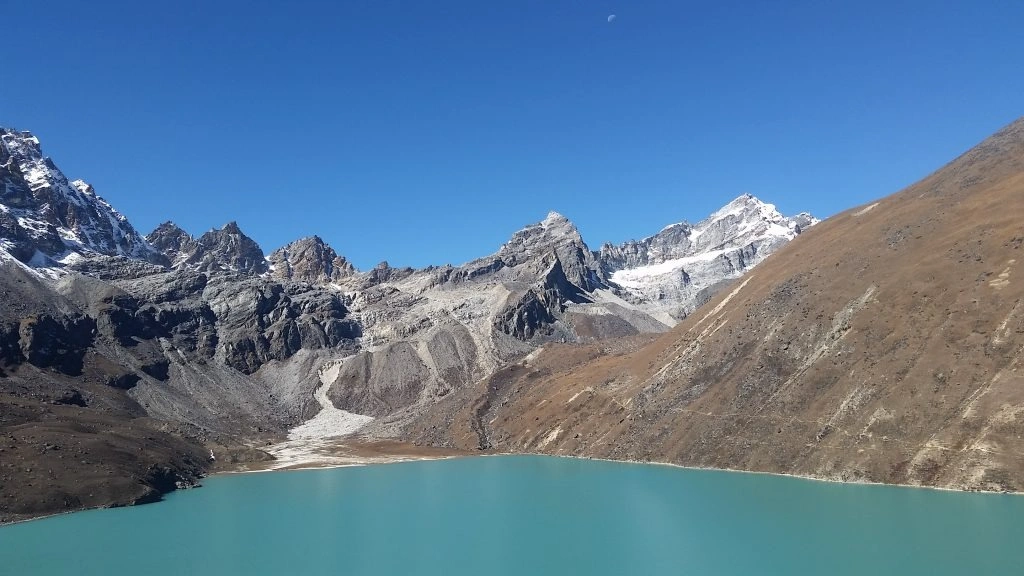
Gokyo Lake rewards trekkers who respect its altitude with one of Nepal's most extraordinary alpine landscapes, turquoise glacial waters beneath Cho Oyu (8,188 m), framed by the endless white expanse of Ngozumpa Glacier and the towering profiles of the Khumbu peaks. Proper acclimatization is not a limitation on this experience. It is the prerequisite for it.