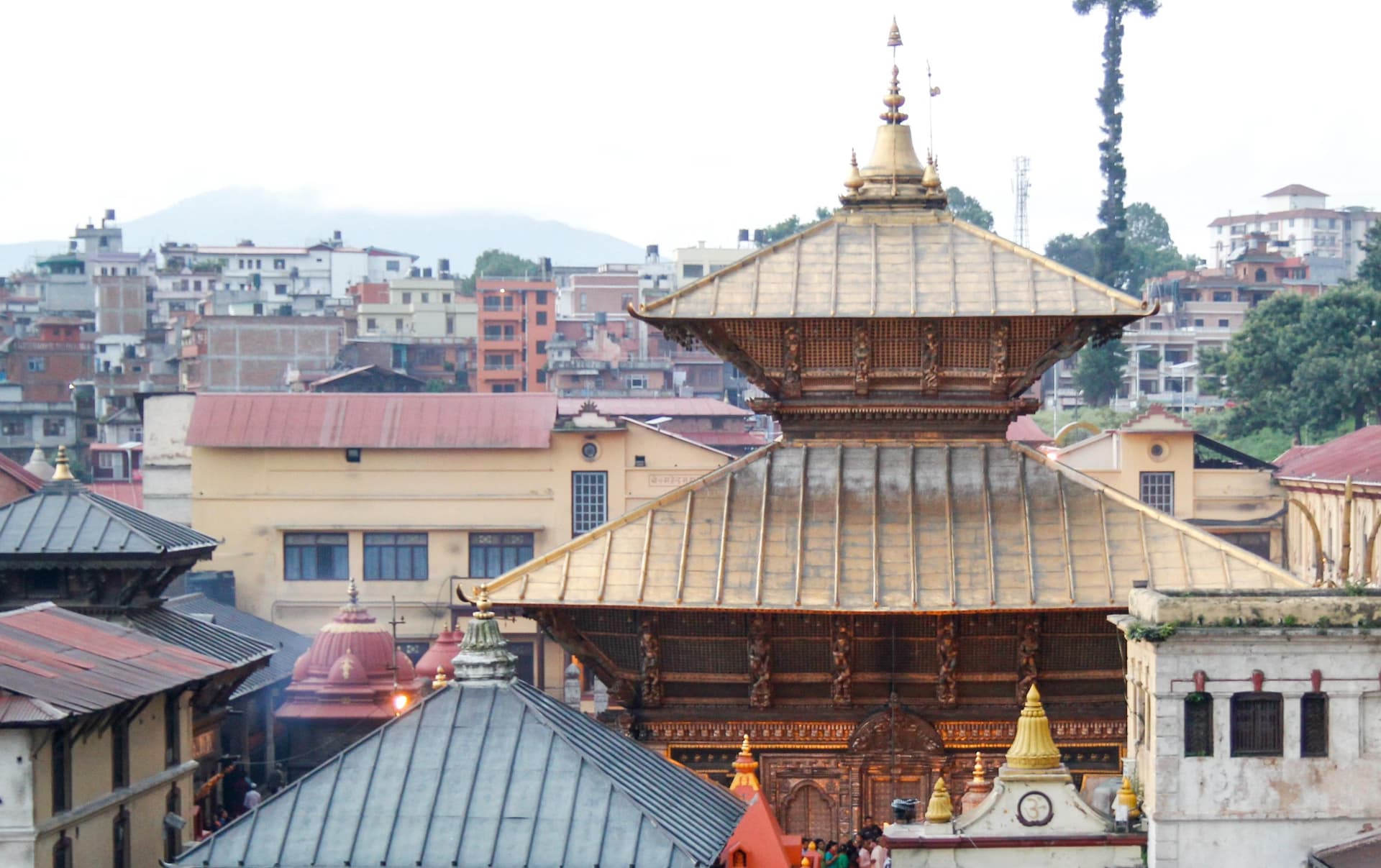
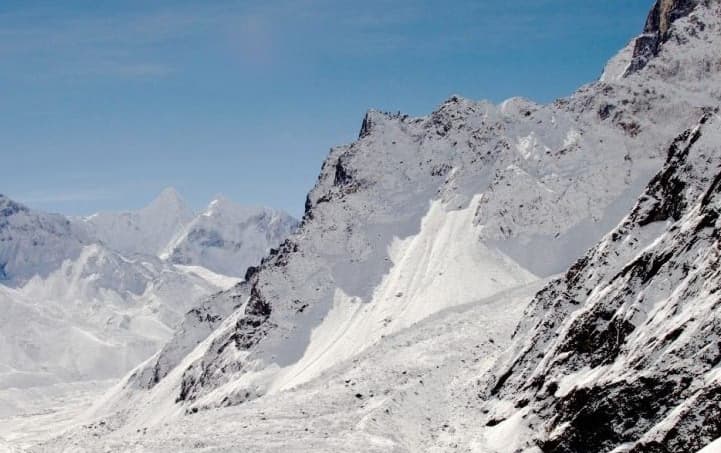
The Everest Base Camp Trek without a flight to Lukla offers a longer and more immersive journey into the Khumbu region, beginning with an overland approach through the hills and valleys of Solu-Khumbu before joining the classic Everest trail. Starting from road-accessible locations such as Salleri, Phaplu, or Jiri, trekkers experience a gradual transition from rural villages, agricultural landscapes, and traditional Sherpa settlements to the high-altitude terrain surrounding Namche Bazaar, Tengboche, Everest Base Camp, and Kala Patthar. The route combines Himalayan culture, mountain scenery, and progressive altitude gain, creating a trekking experience that extends far beyond the standard approach to the Everest region.
Planning an Everest Base Camp trek by road requires understanding transportation options, route variations, trekking duration, permits, accommodation, seasonal conditions, fitness requirements, acclimatization strategies, and overall costs. The additional days spent in Lower Solu-Khumbu provide opportunities to explore historic monasteries, less-visited villages, and diverse ecosystems while preparing the body for higher elevations within Sagarmatha National Park. This guide covers everything needed to organize the trek successfully, including overland routes, day-by-day itineraries, permit requirements, packing recommendations, budgeting, and the key advantages and challenges of reaching Everest Base Camp without flying to Lukla.
What Does the Everest Base Camp Trek Without a Flight to Lukla Involve?
The Everest Base Camp trek without a flight to Lukla involves traveling overland from Kathmandu to a road-accessible trailhead in the Solu-Khumbu region, typically Salleri or Phaplu, and then trekking on foot through lower Sherpa villages to connect with the classic EBC route near Phakding or Namche Bazaar.
.webp)
Instead of flying 35 minutes from Kathmandu (or Ramechhap) to Lukla, trekkers take a 6–8 hour jeep or bus journey to the Solu region. From there, the trail gains altitude gradually over 3 to 5 days, passing through villages such as Salleri, Phaplu, Ringmo, Nunthala, Kharikhola, and Bupsa before joining the main Lukla–Namche trail at Surke or Chaurikharka.
The overall distance from Kathmandu to Everest Base Camp via the overland route is approximately 335 kilometers by road and then 130 kilometers on foot. Total trek duration extends to 18–22 days compared to 14–16 days on the standard route. The altitude profile remains the same from Namche Bazaar (3,440 m) to Everest Base Camp (5,364 m) and Kala Patthar (5,545 m).
Why Do Some Trekkers Avoid Flying to Lukla?
Trekkers avoid flying to Lukla for 4 primary reasons: flight cancellations due to weather, safety concerns about the airport, better acclimatization, and lower overall cost.
Tenzing-Hillary Airport in Lukla operates under Visual Flight Rules (VFR), meaning pilots require clear visibility to land and depart. During peak trekking seasons in spring and autumn, sudden weather deteriorations cause the [Civil Aviation Authority of Nepal Safety Report] to record disruption rates exceeding 30% at Tenzing-Hillary Airport, stranding trekkers under strict Visual Flight Rules. Many trekkers with fixed international return tickets miss their flights home because of these disruptions.
The airport itself sits on a 527-meter runway built into a Himalayan hillside at 2,860 meters, with a gradient of 11.7 percent and a cliff at one end. While safety has improved over the years, the structural limitations of the runway remain real.
Beyond safety and reliability, the overland route provides gradual altitude gain. A trekker who flies to Lukla gains 1,440 meters of elevation in 35 minutes, a biological jump that increases the risk of Acute Mountain Sickness (AMS) in the first 24–48 hours. The road approach to Salleri (2,600 m) or Phaplu (2,470 m) and the subsequent 3–5 days of trekking through lower terrain allow the body to acclimatize progressively before reaching Namche Bazaar.
Cost is the fourth factor. A one-way flight from Kathmandu to Lukla costs approximately USD 180–247 per person. The overland jeep journey to Salleri costs USD 20–30. Round-trip savings amount to USD 250–350, which trekkers reinvest in better lodges, porter services, or extended itineraries.
How Does the Overland Route Change the Trek Experience?
The overland route transforms the EBC trek from a high-altitude challenge that begins at a busy airport into a complete Himalayan journey that starts at the foothills, passes through traditional Sherpa and Rai communities, and gradually immerses trekkers in the landscape before Namche Bazaar.
The lower Solu-Khumbu villages, Salleri, Phaplu, Ringmo, Junbesi, Nunthala, receive far fewer international trekkers than the Lukla corridor. Teahouses here are smaller, more family-run, and offer a more authentic homestay-style environment. Markets in Salleri sell local produce, monks perform rituals at Chiwong Monastery near Phaplu, and yak herders on the trail south of Kharikhola have rarely seen a foreign trekker up close.
The landscape shifts dramatically over the first 4 days. Trekkers walk through subtropical forests, cross suspension bridges over fast rivers, ascend ridgelines with views of Numbur Himal and Karyolung, and gradually enter the alpine terrain that defines the upper Khumbu. This transition, from green hills to bare rock and glacier, is one of the most compelling aspects of the overland route that the standard Lukla start simply cannot offer.
Which Routes Reach Everest Base Camp Without Flying to Lukla?
3 established overland routes reach the Everest region without flying to Lukla: the Salleri route, the Phaplu route, and the Jiri route. Each begins with a road journey from Kathmandu and connects to the classic EBC trail at different points.
Route | Road Journey | Trek Start Point | Days to Namche |
Salleri Route | 6–7 hrs by jeep | Salleri (2,600 m) | 4–5 days |
Phaplu Route | 7–8 hrs by jeep | Phaplu (2,470 m) | 5 days |
Jiri Route | 5–6 hrs by bus/jeep | Jiri (1,905 m) | 7–8 days |
The Salleri and Phaplu routes are the most commonly used in 2026 because road construction in the Solu district has extended paved and gravel road access deeper into the hills, significantly shortening the road segment compared to a decade ago.
The Jiri to Everest Base Camp trek is the historic classic, the route taken by Edmund Hillary's expedition in 1953 and by all EBC trekkers before the Lukla airport opened in 1964. It adds 7–8 extra trekking days and is best suited for trekkers seeking the most complete cultural immersion and the highest mileage experience.
The historic overland trail from Jiri to Everest Base Camp spans 182 kilometers of footpaths mapped in research by the [ICIMOD Sustainable Tourism Development in Everest Region Report], preserving the exact route traversed by Sir Edmund Hillary's 1953 expedition.
How Do You Travel From Kathmandu to Salleri?
Traveling from Kathmandu to Salleri takes 6–7 hours by private jeep or shared jeep and covers approximately 270 kilometers via the Kathmandu–Sindhuli highway. Shared jeeps depart from Ratna Bus Park in Kathmandu early in the morning, typically at 6:00–7:00 AM, and cost NPR 800–1,200 per seat (approximately USD 6–9). Private jeep hire costs NPR 12,000–18,000 (USD 90–135) for the vehicle.
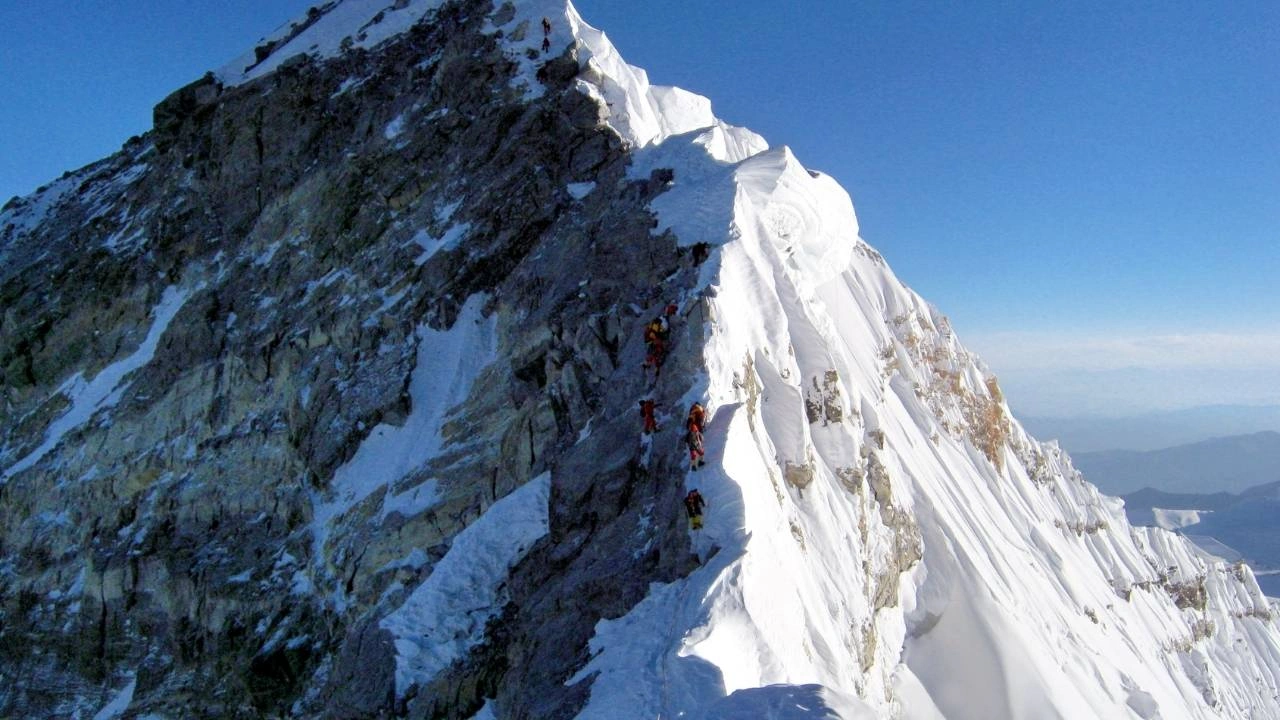
The road passes through Sindhuli, Khurkot, and Ghurmi before ascending into the Solu hills. The final 40 kilometers involve steep switchbacks on a narrow mountain road, this section takes 2 hours and is bumpy. Trekkers with motion sickness should take medication beforehand.
Salleri is the district headquarters of Solukhumbu and offers full guesthouse facilities, ATMs, pharmacies, and gear shops. It is a practical staging point before beginning the overland trek. Altitude at Salleri is 2,600 meters, making it the highest road-accessible point before starting to trek toward Phaplu and beyond.
How Do You Travel From Kathmandu to Phaplu?
Traveling from Kathmandu to Phaplu takes 7–8 hours by private jeep and covers approximately 280 kilometers on the same Sindhuli highway route as Salleri, with an additional 10-kilometer road extension toward Phaplu. Shared transport to Phaplu is less frequent than to Salleri; most trekkers charter a private jeep or book through their trekking agency.
Phaplu sits at 2,470 meters and has a small domestic airport, but that airport serves only limited charter and rescue flights, not scheduled commercial services from Kathmandu. The village itself is a quiet settlement with teahouses, a monastery, and a hospital run by Sir Edmund Hillary's Himalayan Trust. Starting the trek from Phaplu rather than Salleri saves approximately half a day of walking on the first trekking day.
Which Route Is Best for Reaching the Everest Region by Road?
The Salleri route is the best overland option for most trekkers in 2026 because it balances road accessibility, altitude start point, and trail quality. The road to Salleri is better maintained than the extension to Phaplu, shared transport is available daily, and the trek from Salleri covers more of the Solu cultural corridor, including Ringmo and Junbesi, 2 villages that trekking guides consistently rate as the most scenic in lower Solu-Khumbu.
Trekkers who want to minimize road time and start trekking sooner choose Phaplu. Trekkers seeking the deepest historical and cultural experience choose the Jiri route, accepting the extra week of walking.
How Long Does the Everest Base Camp Trek Without a Flight Take?
The Everest Base Camp trek without a flight to Lukla takes 18–22 days in total, including the road journey from Kathmandu, the overland trekking section to Namche Bazaar, the classic EBC trail to Base Camp and Kala Patthar, and the return journey.
The exact duration depends on 3 factors: the starting point (Salleri, Phaplu, or Jiri), the number of acclimatization days built into the itinerary, and the return method (walk back to Salleri or fly out from Lukla if conditions allow).
How Many Extra Days Should You Plan for the Overland Route?
Trekkers should plan 4–5 extra days compared to the standard EBC trek when starting from Salleri or Phaplu, and 8–9 extra days when starting from Jiri. These extra days are not "buffer" days, they are active trekking days covering 14–18 kilometers per day through lower Solu-Khumbu.
What most guides fail to mention: the extra days on the overland route also eliminate the need for a dedicated acclimatization day at Phakding (the first overnight stop on the standard route). Because trekkers arrive at Namche Bazaar having already spent 4–5 days gradually ascending from 2,600 meters, their acclimatization profile is significantly better than those who flew directly to Lukla.
How Does the Itinerary Compare With the Standard EBC Trek?
The table below compares the 2 itineraries at the key milestones:
Milestone | Standard EBC (via Lukla flight) | Overland EBC (via Salleri) |
Start altitude | 2,840 m (Lukla) | 2,600 m (Salleri) |
Days to Namche Bazaar | 2 days | 5–6 days |
Total trek duration | 14–16 days | 18–22 days |
Acclimatization quality | Moderate | High |
Flight dependency | Yes (both ways) | Optional return only |
Total cost (USD) | USD 1,500–2,500 | USD 1,200–2,000 |
From Namche Bazaar onward, both routes are identical. The classic trail continues to Tengboche (3,867 m), Dingboche (4,410 m), Lobuche (4,940 m), Gorak Shep (5,164 m), and Everest Base Camp (5,364 m). The descent follows the same trail in reverse.
What Is the Typical Itinerary for the Trek?
A standard 20-day itinerary for the Everest Base Camp trek without flight via Salleri looks as follows:
Days 1–2: Arrive Kathmandu. Permits, gear check, cultural acclimatization at 1,400 m.
Day 3: Drive Kathmandu to Salleri (2,600 m), 6–7 hours by jeep.
Day 4: Trek Salleri to Phaplu (2,470 m), 4–5 hours. Visit Chiwong Monastery.
Day 5: Trek Phaplu to Ringmo (2,720 m) via Junbesi, 6–7 hours.
Day 6: Trek Ringmo to Nunthala (2,330 m), 5–6 hours. Cross the Dudh Koshi tributary.
Day 7: Trek Nunthala to Kharikhola (2,070 m), 5 hours. Enter Dudh Koshi valley.
Day 8: Trek Kharikhola to Bupsa (2,350 m), 5–6 hours. Begin the climb toward Khari La.
Day 9: Trek Bupsa to Surke (2,290 m), 4–5 hours. This is where the route meets the main Lukla trail.
Day 10: Trek Surke to Namche Bazaar (3,440 m) via Phakding, 7–8 hours. Permit check at Monjo.
Day 11: Acclimatization day at Namche Bazaar. Hike to Everest View Hotel (3,880 m).
Day 12: Trek Namche to Tengboche (3,867 m), 5–6 hours. Visit Tengboche Monastery.
Day 13: Trek Tengboche to Dingboche (4,410 m), 5–6 hours.
Day 14: Acclimatization day at Dingboche. Hike to Nagarjun Hill (5,100 m).
Day 15: Trek Dingboche to Lobuche (4,940 m), 5 hours.
Day 16: Trek Lobuche to Gorak Shep (5,164 m), 3 hours. Afternoon hike to Everest Base Camp (5,364 m).
Day 17: Early morning ascent of Kala Patthar (5,545 m). Descend to Pheriche (4,371 m).
Day 18: Trek Pheriche to Namche Bazaar (3,440 m), 6–7 hours.
Day 19: Trek Namche to Lukla (2,840 m), 6–7 hours. Optional overnight to fly home.
Day 20: Fly Lukla to Kathmandu, or trek back toward Salleri for ground return.
Which Villages Will You Pass Through Before Namche Bazaar?
Trekkers on the Salleri route pass through 8 primary villages before reaching Namche Bazaar: Salleri, Phaplu, Ringmo/Junbesi, Nunthala, Kharikhola, Bupsa, Surke, and Chaurikharka. Each village offers different cultural and geographic characteristics.
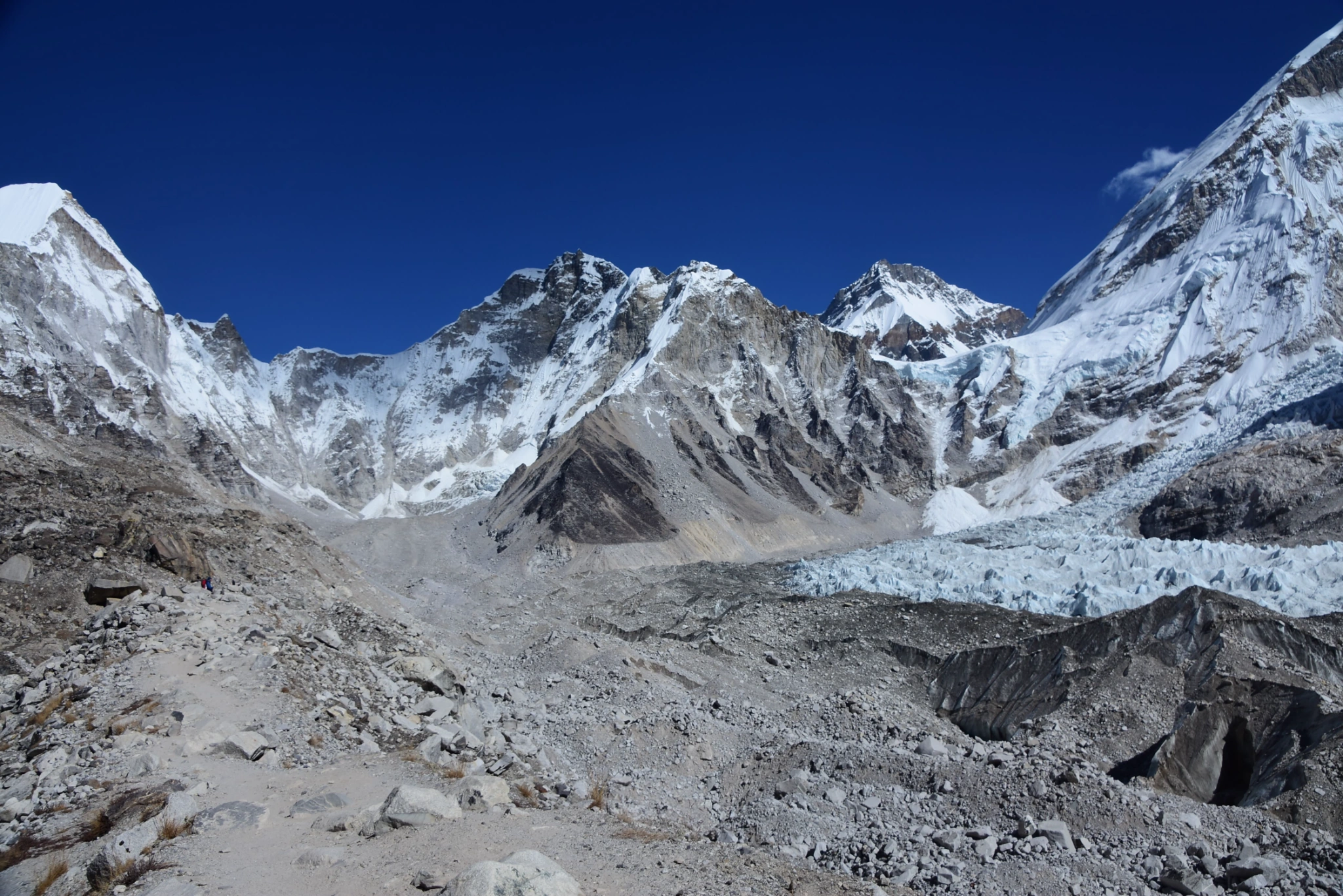
Junbesi is widely regarded as the most beautiful village in the lower Solu region, a traditional Sherpa settlement surrounded by apple orchards, chortens, and views of Numbur Himal (6,957 m). The Thubten Chöling Monastery near Junbesi is one of the largest active monasteries in the Everest region and houses over 400 monks and nuns.
Kharikhola marks the transition from the lower Rai cultural belt into the higher Sherpa zone. The town has a weekly market, a health post, and serves as the last settlement before the serious ascent toward Khari La pass begins.
How Does the Route Connect to the Classic Everest Base Camp Trail?
The overland route connects to the classic EBC trail at Surke (2,290 m), a small village one hour's walk below Chaurikharka and approximately 90 minutes below Lukla. At this junction, the trail merges with the route that trekkers from Lukla use on their way toward Phakding. From Surke onward, both groups follow identical terrain: north along the Dudh Koshi River through Phakding (2,652 m), crossing the famous Hillary Suspension Bridge, and ascending through Monjo (2,840 m), the Sagarmatha National Park entry gate, to Namche Bazaar.
Trekkers who started in Salleri 7 days earlier will notice they feel considerably more comfortable at this altitude than those who flew to Lukla just 2 days before. That acclimatization advantage is the most underappreciated benefit of the overland approach.
What Permits Are Required for the Trek?
The Everest Base Camp trek without a flight to Lukla requires 2 mandatory permits: the Sagarmatha National Park Entry Permit and the Khumbu Pasang Lhamu Rural Municipality Permit. Trekkers starting from Jiri additionally need the Gaurishankar Conservation Area Permit (GSCAP) for the lower trail segment.
Which Entry Permits Must Trekkers Obtain?
The 2 permits required in 2026 are:
Sagarmatha National Park Entry Permit This permit authorizes entry into Sagarmatha National Park, a UNESCO World Heritage Site that encompasses the upper Khumbu region including Namche Bazaar, Tengboche, and Everest Base Camp. The permit costs NPR 3,000 (approximately USD 25) for foreign nationals and NPR 1,500 for SAARC nationals. Children under 10 enter free of charge.
Khumbu Pasang Lhamu Rural Municipality Permit This permit replaced the TIMS card for the Everest region following decentralization of permit authority to local governments. It costs NPR 3,000 (approximately USD 25) per person for foreign nationals. The permit records trekker details at checkpoints digitally, replacing the paper-based TIMS system.
Gaurishankar Conservation Area Permit (GSCAP), Jiri route only Trekkers using the historic Jiri–Solu route pass through the Gaurishankar Conservation Area. This permit costs NPR 3,000 for foreign trekkers and 13% VAT per person for 30 days and is obtained at the checkpoint in Shivalaya or at the Tourist Service Center in Kathmandu.
The TIMS card is no longer mandatory for the EBC region. Total permit cost for a foreign national on the Salleri or Phaplu route: approximately USD 50.
Where Can the Required Permits Be Purchased?
Permit | Kathmandu | En Route |
Sagarmatha National Park Permit | DNPWC office, Bhrikuti Mandap | Monjo entry gate |
Khumbu Rural Municipality Permit | Not available | Lukla or Monjo checkpoint |
GSCAP (Jiri route) | Tourist Service Center, Kathmandu | Shivalaya checkpoint |
Getting the Sagarmatha permit in Kathmandu before departure is advisable during peak season (October and April), when the Monjo checkpoint queues can delay trekkers by 30–60 minutes. The Khumbu permit, however, is available only within the Khumbu region itself, at Lukla airport or the Monjo checkpoint.
Trekkers with a licensed Nepali guide can ask their agency to collect permits on their behalf, which is the fastest and most reliable method.
How Difficult Is the Everest Base Camp Trek Without a Flight to Lukla?
The Everest Base Camp trek without a flight to Lukla is rated moderate-to-strenuous. It requires good cardiovascular fitness, the ability to walk 5–8 hours per day for 14–18 consecutive days, and tolerance for sleeping at altitudes above 5,000 meters for 3–4 nights.
What Fitness Level Is Recommended?
Trekkers complete this route successfully at fitness levels that include: regular hikers who exercise 3–4 times per week, runners capable of 5–8 km at easy pace, cyclists, and swimmers. A sedentary person with no recent exercise history faces a high risk of not completing the trek.
The overland route demands more leg endurance than the standard EBC trek because of the additional 4–6 days of trekking in the lower Solu region, which involves more pronounced ascent and descent over long ridges compared to the relatively gradual Dudh Koshi valley above Namche. Daily elevation gain in the Solu section ranges between 500–900 meters, with corresponding descents.
Preparing with 6–8 weeks of stair climbing, long-distance hiking with a loaded backpack, and cardio training at moderate intensity is the minimum preparation standard. Trekkers who train specifically for this route report significantly higher completion rates and fewer AMS symptoms above Dingboche.
How Does Altitude Affect Trekkers on This Route?
Altitude affects trekkers on this route at 3 key thresholds: Namche Bazaar (3,440 m), Dingboche/Pheriche (4,200–4,410 m), and Gorak Shep (5,164 m).
The most common altitude-related issue is Acute Mountain Sickness (AMS), characterized by headache, fatigue, nausea, and disturbed sleep, our detailed guide on altitude sickness in Himalaya covers symptoms, prevention, and emergency protocols. AMS typically appears within 6–24 hours of arriving at a new elevation. The primary treatment is descent, even 300–500 meters of descent resolves symptoms in most cases within hours.
Acute mountain sickness impacts 25% to 50% of travelers ascending rapidly above 2,500 meters, according to clinical data published in the [Wilderness Medical Society Consensus Guidelines for Acute Altitude Illness], highlighting why gradual overland ascent is clinically superior.
Trekkers on the overland route gain altitude more slowly than those flying to Lukla, which measurably reduces AMS risk in the first 5 days. However, from Namche Bazaar onward, both groups face identical altitude exposure. The golden rule above Namche remains the same: never ascend more than 300–400 meters of sleeping altitude per day, and take a rest day every 3rd day above 3,500 meters.
Diamox (acetazolamide) is the most widely used pharmaceutical for AMS prevention. It does not prevent HAPE (High Altitude Pulmonary Edema) or HACE (High Altitude Cerebral Edema), which are serious altitude emergencies requiring immediate helicopter evacuation. Travel insurance with helicopter evacuation coverage is mandatory, not optional, for this trek.
When Is the Best Time to Trek to Everest Base Camp Without Flying?
The best time to trek to Everest Base Camp without flying is during spring (March–May) and autumn (September–November). These windows offer the most stable weather, clearest mountain views, and open teahouses along the entire route including the lower Solu section.
What Are the Weather Conditions by Season?
Spring (March–May): Temperatures at Namche Bazaar range from -5°C at night to 12°C during the day. Lower Solu is warm and green, with rhododendron forests in bloom between 2,500–3,500 meters. Morning skies are typically clear; afternoon clouds build after 1:00 PM. April is the busiest month for EBC trekking.
Autumn (September–November): Post-monsoon air is crystal clear. Temperatures at Namche drop to -8°C nights by November. The lower Solu villages are harvesting season, a particularly good time to observe traditional agricultural practices in Salleri and Junbesi. October is the single best month for mountain views on the entire route.
Winter (December–February): The overland route remains technically passable, but temperatures at Gorak Shep drop to -20°C at night. Many teahouses above Dingboche close or reduce services. Fewer trekkers on the lower Solu trail means less trail breaking in fresh snow. Not recommended for inexperienced trekkers.
Monsoon (June–August): Heavy rainfall makes trails slippery and dangerous in the lower Solu section. Leeches are common below 2,500 meters from June to August. Views are obstructed. The overland route becomes particularly challenging during this period due to landslides on some road sections.
Which Months Offer the Best Mountain Views?
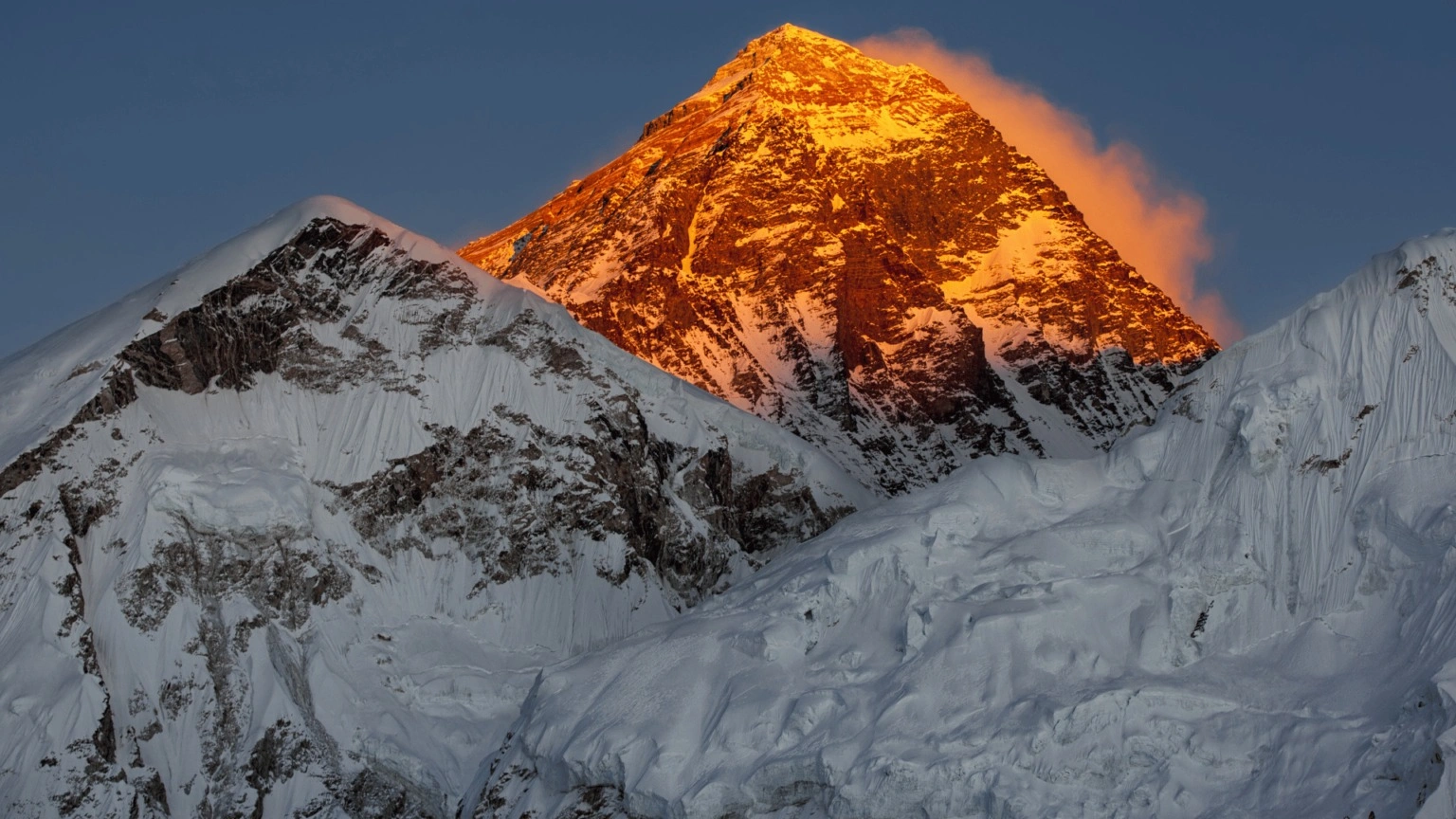
October provides the clearest mountain views on the entire EBC route. Post-monsoon air is washed clean of dust and haze, visibility from Kala Patthar extends to over 50 kilometers, and Everest, Lhotse, Makalu, and Ama Dablam appear in full relief against deep blue skies. April is the second-best month, particularly for close-up views of Ama Dablam from the Tengboche ridge.
November offers exceptional photography conditions but increasing cold, with nighttime temperatures below -10°C at Gorak Shep by mid-month.
What Should You Pack for the Trek?
Packing for the Everest Base Camp trek without a flight requires planning for 4 distinct climate zones: subtropical lowlands (Kathmandu to Salleri), temperate forest (Salleri to Surke), alpine (Namche to Dingboche), and high alpine/arctic (Lobuche to Kala Patthar).
Which Essential Clothing and Gear Are Needed?
Clothing (10 key items):
Moisture-wicking base layers (2 sets): polyester or merino wool, worn from day 1 to Kala Patthar
Mid-layer fleece jacket: worn above 3,000 meters at rest stops and evenings
Down jacket (600-fill minimum): essential above Namche Bazaar; worn inside teahouses above Dingboche
Waterproof hardshell jacket and pants: for rain and wind from Kathmandu to EBC
Trekking pants (2 pairs): one lightweight for lower sections, one insulated for above Namche
Thermal leggings: worn as base layer above 4,000 meters
Trekking boots (waterproof, ankle-support): the single most important gear item; break them in for 6+ weeks before departure
Gaiters: useful for snow above Lobuche in early spring and late autumn
Wool or synthetic trekking socks (5 pairs): merino wool reduces blister risk significantly
Warm hat, balaclava, and gloves + liner gloves: essential above 4,500 meters
Equipment (8 key items):
55–65L trekking backpack: large enough for 20 days of gear; hire a porter for loads above 12 kg
Trekking poles: reduce knee strain by 25% on descents; extendable, not fixed-length
Sleeping bag rated to -15°C: teahouse blankets above Dingboche are insufficient
Headlamp + spare batteries (lithium): cold kills alkaline batteries above 4,000 m
Water purification (SteriPen or tablets): tap water and tap-filtered water above 3,500 m carries giardia risk
Pulse oximeter: monitors blood oxygen saturation; a reading below 75% at rest at altitude warrants descent
Sunscreen SPF 50+ and glacier glasses (UV400): solar radiation intensity increases 4% per 300 meters of altitude
First aid kit including Diamox, Ibuprofen, Ciprofloxacin, blister treatment, and altitude sickness guide
How Should You Prepare for Changing Weather Conditions?
The layering system, base layer, mid layer, outer shell, is the framework all experienced Himalayan trekkers use. The key rule: never start a morning hike in fewer than 3 layers above 3,500 meters. Within 30 minutes of walking, the body generates enough heat to remove the outer and mid layers. By midday, only a base layer is needed. By late afternoon, all layers go back on.
What most first-time EBC trekkers underestimate: the temperature differential between sun and shade above 4,500 meters. At Gorak Shep in October, direct sunlight makes a short-sleeved shirt comfortable at noon, while shade and wind make that same location life-threateningly cold 30 minutes after sunset. Always carry the down jacket accessible in the top of the pack, not buried at the bottom.
How Much Does the Everest Base Camp Trek Without a Flight Cost?
The Everest BaThe Everest Base Camp trek without a flight to Lukla costs USD 1,200–2,000 per person for a guided package, or USD 800–1,400 for a self-arranged budget trek, USD 300–500 less than the standard package. For a complete breakdown of what drives pricing, see our full guide on Everest Base Camp trek cost.
Official economic data compiled in the [Nepal Tourism Statistics Annual Report - MoCTCA] indicates that average daily trekking expenditures in the Himalayan region range between USD 65 and USD 85, making overland budget adjustments financially advantageous.
Which Expenses Should You Budget For?
The full cost breakdown for a 20-day overland EBC trek (foreign national, guided package):
Expense Category | Budget (USD) | Mid-Range (USD) |
Trekking package (guide + porter + lodges + meals) | 900–1,200 | 1,400–2,000 |
Permits (Sagarmatha + Khumbu permit) | 50 | 50 |
Travel insurance (incl. helicopter evacuation) | 80–120 | 120–200 |
Visa (30-day Nepal tourist visa) | 30 | 30 |
Kathmandu accommodation (pre/post, 4 nights) | 60–100 | 120–200 |
Gear (if renting in Kathmandu) | 80–150 | — |
International flights (variable) | 400–900 | 600–1,200 |
Personal expenses (tips, hot showers, wifi, snacks) | 100–150 | 150–250 |
Total (excl. international flights) | ~1,300 | ~2,500 |
Guide fees range from USD 25–35 per day. Porter fees range from USD 15–25 per day. Tipping is customary and expected: USD 100–150 for a guide and USD 50–80 for a porter on a 20-day trek is the standard range among experienced trekkers in 2026.
Teahouse accommodation on the lower Solu section costs NPR 300–600 per night (USD 2–5). Above Namche, standard rooms cost NPR 400–1,000 per night, with prices rising steeply above Dingboche. Meals at teahouses range from NPR 400 for dal bhat to NPR 700 for pasta above 4,500 meters.
Can the Overland Route Reduce Overall Trek Costs?
The overland route reduces overall trek costs in 3 specific ways: eliminating return Lukla flights (saving USD 180–247 per person one way), reducing the risk of unplanned extra nights caused by flight delays (which can add USD 50–100 per night in peak season Lukla hotels), and allowing trekkers to spend extra nights in cheaper Solu teahouses rather than the more expensive Namche Bazaar lodges.
The overland route also works well for budget trekkers who hire a guide only (without porter), carry a lightweight 45L pack, and stay in budget teahouses throughout. A solo trekker using this approach completes the 20-day trek for as low as USD 800–900 total (excluding international flights), which is rare at this altitude and adventure scale.
What Are the Main Benefits and Drawbacks of Avoiding the Lukla Flight?
The 4 main benefits are: superior acclimatization, elimination of flight dependency, lower cost, and richer cultural experience. The 2 main drawbacks are: greater time commitment and more demanding physical preparation for the lower trail.
How Does the Road Approach Improve Acclimatization?
The road approach improves acclimatization through progressive altitude exposure, the most effective physiological strategy for preventing AMS. Trekkers starting at Salleri (2,600 m) spend 6–7 days ascending from 2,000 to 3,440 meters before reaching Namche Bazaar, with multiple overnight stops at intermediate altitudes. By contrast, trekkers flying to Lukla (2,840 m) gain over 1,440 meters of elevation in 35 minutes, with only 2 days before arriving at Namche.
Studies in high-altitude medicine consistently show that the rate of altitude gain, not just the maximum altitude, is the primary predictor of AMS risk. The overland approach naturally enforces the same protocol that mountain medicine experts recommend — for a full breakdown of rest days and altitude strategies, see our guide on EBC trek acclimatization.
A measurable real-world indicator: trekkers on the overland route report significantly fewer headaches and better sleep quality in the first 48 hours at Namche Bazaar compared to those who flew to Lukla.
What Challenges Should Trekkers Expect on the Overland Route?
5 specific challenges define the overland route that the standard Lukla start does not involve:
Long road journey discomfort. The 6–8 hour jeep ride from Kathmandu to Salleri on narrow, winding mountain roads causes motion sickness in approximately 25% of trekkers. Pre-medicating with ginger tablets or Dramamine and choosing a front seat reduces this risk.
Lower trail fatigue. The Solu trails involve more elevation gain and loss per day than the Dudh Koshi valley trail above Namche. Knee strain and fatigue accumulate over the first 5 days. Trekking poles are essential from day 1.
Fewer English speakers. Teahouse owners in Salleri, Ringmo, and Kharikhola speak limited English compared to those in the heavily touristed Lukla–Namche corridor. A guide who speaks both Nepali and English is especially valuable on the lower section.
Limited ATMs and medical facilities. Cash withdrawal is available in Salleri but not in villages south of Namche. Carry sufficient NPR for 8–10 days of expenses before leaving Salleri.
Variable teahouse quality. Below Phaplu, teahouses are smaller and less standardized. Wi-Fi is unavailable in most villages before Surke. Hot showers require advance notice. These are minor inconveniences for experienced trekkers but significant for first-timers expecting Namche-standard facilities throughout.
How Should You Plan an Everest Base Camp Trek Without a Flight to Lukla?
Planning this trek effectively requires decisions across 4 categories: timing (which season and month), logistics (route selection, transport booking, permit acquisition), physical preparation (fitness training timeline), and guide/agency selection.
Book transport from Kathmandu to Salleri at least 1 day in advance during peak season. Private jeeps are bookable through most Kathmandu trekking agencies for USD 90–135. Permits can be organized by a registered agency in 1 working day. Allow 2 full days in Kathmandu for gear shopping, medical consultations, and permit collection before departure.
Register with your embassy before departure and share your detailed itinerary with a trusted contact at home. Nepal's TIMS system records your trekking details, but embassy registration provides an additional safety layer for solo trekkers.
Can a Guided Trek Help You Complete the Route More Efficiently?
A guided trek reduces logistical friction on the overland route in 4 specific ways: the guide handles transport bookings, permit queues, teahouse reservations in remote Solu villages, and trail navigation on unmarked sections between Ringmo and Nunthala where forks are easy to miss without local knowledge.
Hiring a porter frees trekkers to move at a pace that maximizes enjoyment and minimizes injury. A porter carrying 20 kg of group gear allows trekkers to carry only a 6–8 kg daypack, which is the single most effective change most trekkers can make to their lower-body endurance. The cost, USD 15–25 per day, is among the most financially efficient trekking investments available in Nepal.
Independent trekkers with prior Himalayan experience complete this route without a guide using the Cicerone or Lonely Planet EBC guides, offline maps (maps.me or AllTrails), and regular check-ins at police checkpoints. The route from Surke to EBC is well-signed and crowded enough during peak season that navigation is straightforward. The lower Solu section between Salleri and Surke benefits considerably from local guidance.
What Are the Key Takeaways About the Everest Base Camp Trek Without a Flight to Lukla?
The Everest Base Camp trek without a flight to Lukla is a complete, logistically sound, and rewarding alternative to the standard route. It costs less, acclimatizes better, and delivers a cultural dimension that the Lukla-centric trail simply cannot match.
6 key facts summarize everything a trekker needs to know:
The overland route starts at Salleri (2,600 m) or Phaplu (2,470 m) and joins the classic EBC trail at Surke, approximately 7 walking days before reaching Namche Bazaar.
Total trek duration is 18–22 days, 4–6 days longer than the standard route, with no flight required in either direction if returning via ground transport.
2 permits are mandatory: the Sagarmatha National Park Entry Permit (USD 25) and the Khumbu Pasang Lhamu Rural Municipality Permit (USD 16), totaling approximately USD 41.
Best seasons are October and April, with October offering the clearest views and April offering the warmest temperatures and blooming landscapes.
Total cost ranges from USD 1,200–2,000 for a guided package, USD 300–500 less than the equivalent Lukla-flight package due to savings on domestic air travel.
The overland approach is the superior acclimatization strategy: 6–7 days of gradual ascent before Namche Bazaar measurably reduces AMS risk compared to the biological altitude jump of the Lukla flight.
The trek to Everest Base Camp is one of the most significant walking journeys on Earth. Beginning it at road level, the way Hillary's team did, connects modern trekkers to the full geographic scale of what it means to walk from Nepal's foothills to the foot of the world's highest mountain. If you're ready to start planning, explore our full guided Everest Base Camp trek package with day-by-day itinerary, inclusions, and departure dates. Professional trek execution is governed by standards established in the [National Academy of Tourism and Hotel Management (NATHM) Trekking Guide Training Syllabus], requiring certified leaders to complete 450 hours of high-altitude first aid and wilderness navigation training.