Everest Base Camp permits are mandatory entry authorizations for trekkers visiting Sagarmatha National Park and the Khumbu region of Nepal. In 2026, the standard Everest Base Camp trek requires two permits: the Sagarmatha National Park entry permit and the Khumbu Pasang Lhamu Rural Municipality entry fee. The combined cost depends on nationality, while the standard route does not require a TIMS card.
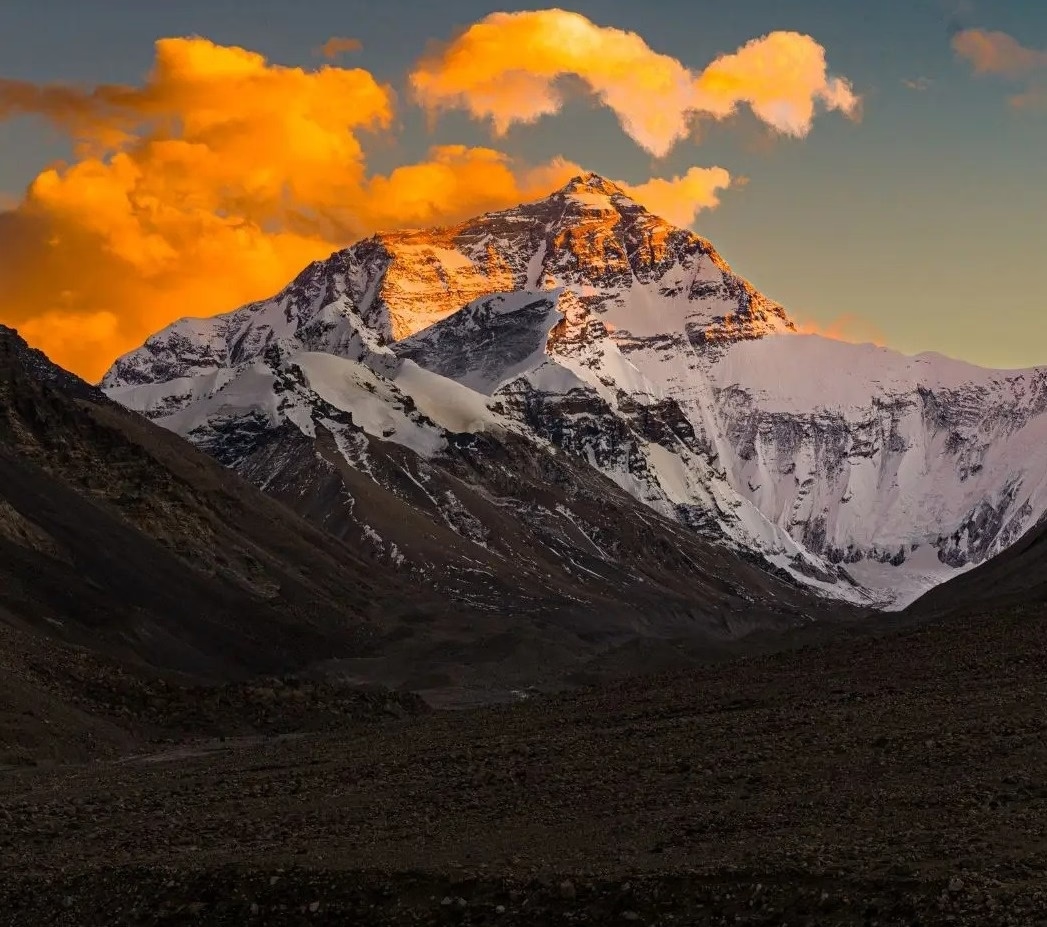
Understanding Everest Base Camp permit costs and regulations helps trekkers prepare the required documents, arrange payments, and pass checkpoints at Lukla, Monjo, and Namche Bazaar without unnecessary delays. This guide covers 2026 permit fees, application procedures, payment locations, nationality-based rates, and additional requirements for Gokyo Lakes, the Three Passes trek, and the Jiri to Everest Base Camp route.
What Is the Sagarmatha National Park Entry Permit for Everest Base Camp?
The Sagarmatha National Park entry permit is a government-issued pass that lets you enter the protected area surrounding Mount Everest. Every Everest Base Camp trekker must hold one. Park staff check it at Monjo, the park gate, on day two of the trek.
Sagarmatha is the Nepali name for Mount Everest. The national park around it covers 1,148 square kilometres in Solukhumbu District. Nepal established the park in 1976, and UNESCO listed it as a World Heritage Site in 1979. The Everest Base Camp trail runs inside the park boundary from Monjo (2,835 m) to Base Camp (5,364 m) and Kala Patthar (5,545 m).
The permit funds trail maintenance, ranger patrols, waste management and conservation work in the park. In practice, it also works as your legal right to be on the trail. Without it, a ranger at Monjo stops you at the gate.
How Much Does the Sagarmatha National Park Permit Cost in 2026?
The Sagarmatha National Park permit costs NPR 3,000 (about US$19.50) for foreign nationals, NPR 1,500 (about US$9.70) for SAARC nationals, and NPR 100 for Nepali citizens. Children under 10 enter free.
The fee is per person and per entry. Most 2026 sources list NPR 3,000 as the full price. Budget a small cash buffer anyway, because fee notices change at the start of Nepal's fiscal year in mid-July.
SAARC stands for the South Asian Association for Regional Cooperation. Its members are Afghanistan, Bangladesh, Bhutan, India, the Maldives, Nepal, Pakistan and Sri Lanka. Citizens of the seven non-Nepali member states qualify for the reduced park rate with a valid passport.
A SAARC passport does not discount the Khumbu municipality fee in the same proportion. The cost section below covers that split.
Who Needs a Sagarmatha National Park Entry Permit?
Every person who enters Sagarmatha National Park on foot or via helicopter tour needs the permit. That covers foreign trekkers, SAARC nationals, and Nepali citizens, whether they hike with a group, a private guide, or a porter.
Two groups of travellers ask about exemptions. Children under 10 pay nothing but still appear on the paperwork. Climbers heading for Island Peak, Lobuche East, or Everest hold a climbing permit issued by the Department of Tourism (DoT) or NMA, depending on the peak, and still pay the park fee.
The permit does not depend on your reason for visiting. A day hiker to Namche Bazaar and a trekker bound for Base Camp both pass the Monjo gate and both pay.
Where Can You Obtain the Sagarmatha National Park Permit?
You can buy the Sagarmatha National Park permit at the DNPWC counter inside the Nepal Tourism Board office in Bhrikuti Mandap, Kathmandu, or at the park entrance in Monjo. Buying it in Kathmandu removes a queue from day two.
A trekking agency normally collects the permit on your behalf, usually the day before your flight to Lukla. Independent travellers walk in with their passport and cash.
Monjo is the alternative. Rangers issue permits at the gate. During the October and November rush, operators report waits of 10 to 20 minutes per group, and a morning with a dozen groups in line pushes your Namche Bazaar arrival into the afternoon.
Our advice: buy it in Kathmandu. The cost is identical, and your first trekking day starts with one fewer task.
What Documents Are Required for the National Park Permit?
The park permit requires your original passport with at least six months of validity, a valid Nepal visa, and a completed application form available at the counter.
Bring the documents in this order:
Your original passport, valid for at least six months from the date you enter Nepal
A copy of your passport photo page and Nepal visa
Cash in Nepali rupees
The permit is printed with your passport name. It is non-transferable and non-refundable. A permit bought for a friend who then cancels does not pass to anyone else.
Spelling errors cause more delays than missing documents. A name entered as "Jon" on the permit and "John" on the passport invites questions at the checkpoint. Check the printed name before you walk away from the counter.
How Long Is the Sagarmatha National Park Permit Valid?
The Sagarmatha National Park permit covers one entry into the park for one continuous trek. Nepal publishes no fixed day limit, so the permit works for your whole trek, but a second entry after you leave requires a new permit.
This single-entry rule matters for two itineraries. The first is a side trip out of the park, such as a flight from Lukla to Kathmandu mid-trek followed by a return. The second is a trek that leaves the park and re-enters from a different valley. Both trigger a second permit.
A standard Everest Base Camp trek of 12 to 16 days never runs into this. Staying inside the park from Monjo to Base Camp and back is one entry. Keep the original permit and a phone photo of it until you exit at Monjo on the way down.
What Is the Khumbu Pasang Lhamu Rural Municipality Entry Fee?
The Khumbu Pasang Lhamu Rural Municipality entry fee is a local-government charge on foreign visitors entering the municipality, which covers Lukla and the entire Everest Base Camp trail. It is separate from, and paid in addition to, the national park permit.
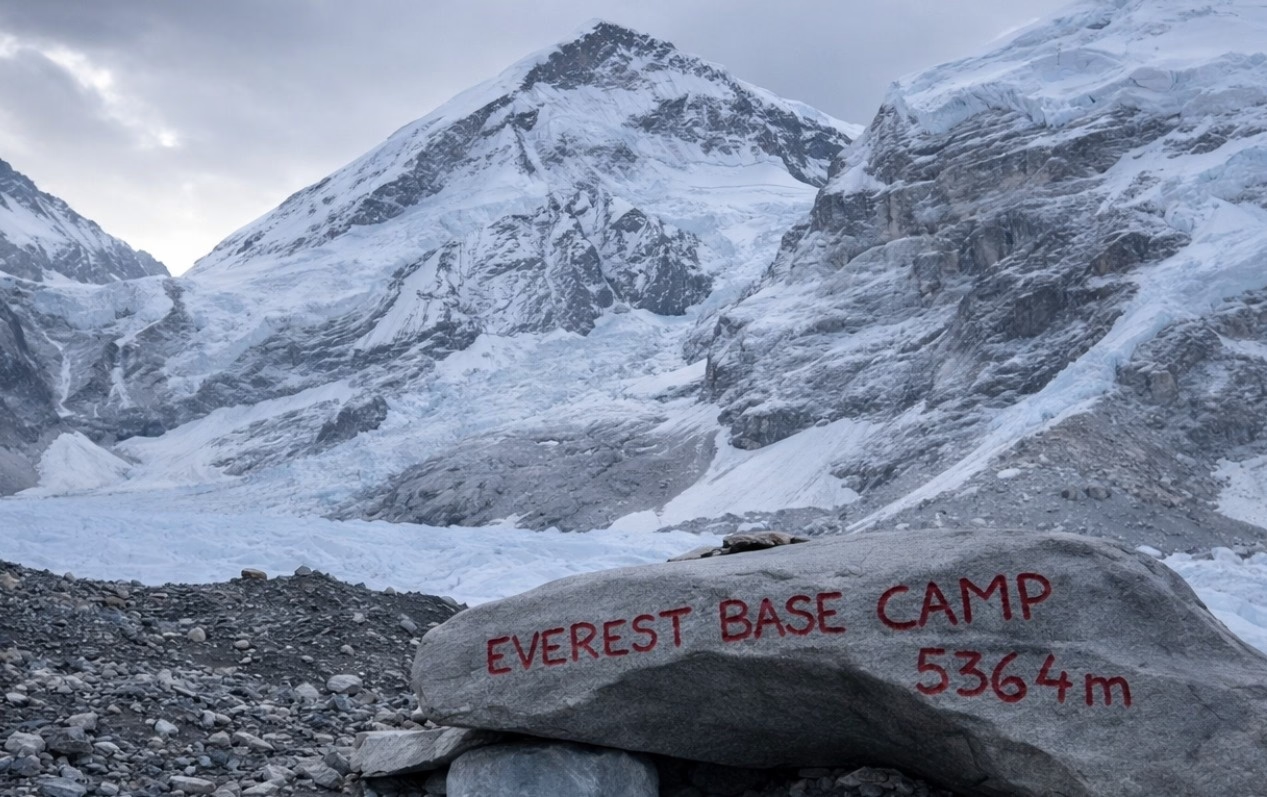
Khumbu Pasang Lhamu is the rural municipality (a local government unit in Nepal's federal system) that governs the upper Khumbu region, including Lukla, Surke, Chaurikharka, and lower approach villages such as Kharikhola and Bupsa. The name honours Pasang Lhamu Sherpa, who in April 1993 became the first Nepali woman to summit Mount Everest and died on the descent.
The municipality began collecting the fee on 1 October 2017 at NPR 2,000 per foreigner. Its public notice of 3 October 2017 declared the TIMS card "no longer valid" in its territory. That notice reshaped Everest permit logistics, and it explains why the TIMS question still confuses trekkers nine years later.
How Much Is the Khumbu Municipality Fee in 2026?
The Khumbu municipality fee is NPR 3,000 (about US$19.50) for foreign nationals and NPR 2,000 (about US$13) for SAARC nationals. Chinese citizens pay the reduced rate of NPR 2,000. Children under 10 enter free with supporting documents.
The history explains why websites disagree. The fee ran at NPR 2,000 for stays up to four weeks and NPR 2,500 for longer stays. According to Himal Press reporting on the 2024/25 fiscal year, which began on 16 July 2024, the municipality replaced that duration-based structure with a nationality-based one. Foreigners from outside SAARC and China moved to NPR 3,000.
Many agency blogs never updated. A trekker who reads "NPR 2,000" on an older page hears "3,000" at the Lukla counter and assumes the staff are overcharging. They are not. Budget NPR 3,000 and treat any lower figure as an outdated quote.
Why Does the Khumbu Municipality Charge an Entry Fee?
The Khumbu municipality charges the fee because it receives little federal funding for the tourism infrastructure its trails demand. Revenue pays for trail repair, waste handling, bridges, health posts and conservation in the upper Khumbu.
Tashi Lhamu Sherpa, the municipality's vice chairperson, gave this reasoning when the 2024 increase took effect. The valley carries heavy trail traffic on a small local budget.
According to a Kantipur report of May 2025, the municipality collected more than NPR 150 million in tourism fees between mid-July 2024 and late May 2025. That is roughly US$975,000 across 10 months of collection.
Visitors sometimes argue that the fee overlaps with the park permit, and the two charges do apply to the same walk. Residents counter that the national park fee flows to Kathmandu while the municipal fee stays in the valley. That second point explains why the municipality defends its fee.
Where Can You Pay the Khumbu Municipality Fee?
You pay the Khumbu municipality fee at the municipality counter in Lukla after landing, or at the Monjo checkpoint. Kathmandu has no counter for it, so the fee is always paid on the trail side of the flight.
At Lukla, guides on organised treks walk the group through the counter while porters collect bags. The Monjo option exists for anyone who skips Lukla, such as trekkers who arrive from Jiri or Salleri on foot.
Pay in Nepali rupees. Counters do not take cards, and foreign currency is not accepted for these fees. Keep the receipt. Wardens at Namche Bazaar and above ask to see it.
Guided groups pay in one visit. The guide carries the passports and settles the whole group at once, which beats six individuals queuing separately.
What Documents Are Required to Obtain the Khumbu Entry Permit?
The Khumbu entry permit requires your original passport and cash in Nepali rupees. Counter staff record your passport details digitally and issue a card or receipt that checkpoints scan on the way up.
Carry the same core documents as for the park permit: your original passport and visa page. Some counters also ask for your trek dates and the name of your agency or guide.
Counter staff tie the record to your passport number, so a spelling mismatch in any pre-registered details causes a delay. Confirm spellings with your agency before arrival.
Does the Khumbu Municipality Fee Apply to All Everest Trekking Routes?
The Khumbu municipality fee applies to every route inside the municipality's boundaries: Everest Base Camp, Gokyo Lakes, Cho La Pass, the Three Passes circuit, Kala Patthar, and the Lukla to Namche corridor. It is charged once per trek.
The boundary decides the fee, not the trail name. Routes entering Khumbu from outside, such as the Jiri approach through Solu, trigger the fee when you cross into the municipality area at Lukla or Monjo. You pay once, not once per valley.
The fee does not apply to the lower Solu section of the Jiri trail. That stretch sits under other local governments and the Gaurishankar Conservation Area, which has its own permit. The route-differences section below covers it in detail.
How Much Do Everest Base Camp Trek Permits Cost in Total in 2026?
Everest Base Camp trek permits cost NPR 6,000 in total for most foreign nationals in 2026: NPR 3,000 for the Sagarmatha National Park permit and NPR 3,000 for the Khumbu municipality fee. That equals about US$39.
The total stays flat whether you walk the standard 12-day route or a 16-day itinerary with acclimatisation days. Permits charge per entry, not per night.
The cash number to carry is higher than NPR 6,000. Add a buffer of NPR 1,000 for fee changes. Then budget the trek costs separately: flights, lodges, food, guide and porter wages, and insurance. At US$39, permits make up a small share of a typical Everest Base Camp budget.
Permits are the smallest cost on this trek. Spend the saved attention on insurance with helicopter evacuation cover, which protects you against a far larger bill.
What Is the Combined Cost of Both Everest Base Camp Permits?
The combined cost of both Everest Base Camp permits is NPR 6,000 per foreign trekker (about US$39), NPR 3,500 for SAARC nationals (about US$22.70), and NPR 100 per Nepali citizen for the park, with Nepali citizens entirely exempt from the municipal fee.
The following table shows each permit by nationality group, converted at NPR 154 per US$1.
Permit | Foreign nationals | SAARC nationals | Nepali citizens |
Sagarmatha National Park | NPR 3,000 (US$19.50) | NPR 1,500 (US$9.70) | NPR 100 (US$0.65) |
Khumbu Pasang Lhamu fee | NPR 3,000 (US$19.50) | NPR 2,000 (US$13) | Exempt (NPR 0) |
TIMS card | Not required | Not required | Not required |
Total | NPR 6,000 (US$39) | NPR 3,500 (US$22.70) | About NPR 100 (US$0.65) |
Chinese citizens pay NPR 3,000 for Sagarmatha National Park and NPR 2,000 for the Khumbu Municipality fee, totaling NPR 5,000 (about US$32.50).
The table shows that the SAARC discount saves NPR 2,500, mostly from the park permit. Verify the current figure with the municipality before you travel, because fee tables change in July.
Are Everest Base Camp Permit Fees Different for Foreigners, SAARC Nationals, and Nepali Citizens?
Yes. Foreigners pay NPR 6,000, SAARC nationals NPR 3,500, and Nepali citizens pay NPR 100 for the park permit. Nationality sets the rate, so carry a passport or citizenship document that proves it.
Nepal prices access by nationality across its national parks, and Everest follows the pattern. The Khumbu municipality moved from a duration-based fee to a nationality-based one in July 2024, which brought it in line with the park.
For Nepali citizens, the municipality exempts domestic citizens entirely from the municipal fee. Nepali visitors carry their citizenship card and pay NPR 100 at the park entrance.
SAARC trekkers carry a passport as proof of nationality. Nepali citizens carry their citizenship card.
Are There Additional EBC Permit Costs for Children?
Children under 10 enter Sagarmatha National Park and the Khumbu municipality free of charge with supporting documents. Children aged 10 and older pay the full adult fee for their nationality.
The free entry covers fees only. Altitude at Lobuche (4,910 m) and Gorak Shep (5,164 m) affects children and adults alike, and young children cannot reliably report early symptoms of altitude sickness.
Carry a passport or birth certificate showing the child's age. Counter staff ask for proof, and a family with a nine-year-old and no document pays full price.
A family of four with two adults and two children aged 8 and 10 pays NPR 18,000 (NPR 6,000 for each of three paying people), about US$117. Plan that figure before the trip, not at the Lukla counter.
Can You Pay Everest Trekking Permit Fees by Cash or Card?
You pay Everest trekking permit fees in cash, in Nepali rupees. Permit counters in Kathmandu, Lukla and Monjo do not reliably accept credit or debit cards, and they do not accept US dollars, euros or pounds.
Change money in Kathmandu at a licensed counter, then keep the rupees in a waterproof pouch. ATMs exist in Lukla and Namche Bazaar, but cash runs out in peak weeks and connections drop in bad weather.
A common mistake is arriving in Lukla with only US dollars and a card. The counter cannot help, and the trek starts with a scramble for a money changer at a poor rate.
For a standard foreign trekker, carry NPR 6,000 for permits and keep your daily spending cash separate. Agency clients typically avoid the issue because the guide pays the fees from funds the agency provides.
Why Is a TIMS Card Not Required for Everest Base Camp Trek in 2026?
A TIMS card is not required for the standard Everest Base Camp route in 2026 because the Khumbu municipality's own trek registration replaced it. Checkpoints at Lukla, Monjo and Namche Bazaar inspect the municipal receipt and the park permit.
This is the most contested point in the whole permit system, and the honest answer has layers. The Khumbu municipality rejected TIMS in October 2017. The Nepal Tourism Board then issued a 2023 directive requiring TIMS and a guide in national parks and conservation areas. The municipality pushed back. The Kathmandu Post covered the dispute on 3 April 2023 and reported no resolution.
Three years later, the practical result is stable. Operators in the Everest region report that checkposts on the standard route ask for the two Everest permits and do not ask for TIMS. Some agencies still arrange an e-TIMS card for clients as a precaution. Ask your agency which approach it takes, and ask for the reasoning.
TIMS rules vary by region. Langtang and central trekking areas require the card, while restricted regions like Manaslu require restricted area permits (RAP) instead of TIMS, and national park entries like Rara require their respective park permits. Everest does not require TIMS on the standard route.
What Is the TIMS Card and Why Was It Introduced?
TIMS stands for Trekkers' Information Management System. The Trekking Agencies' Association of Nepal and the Nepal Tourism Board introduced it in 2008 to register trekkers, track their locations and speed up rescue operations.
The card records your passport details, route, dates, and emergency contact. Historically, three versions existed: green for independent trekkers, blue for agency-guided trekkers, and pink for SAARC nationals. Today the system is moving to a digital e-TIMS with a QR code tied to the passport, issued through registered agencies.
The safety logic is real. Search teams that know which valley a missing trekker entered start with a narrower area. The fee also funds trekking-sector data collection.
The Everest region argued that its own checkpoints, at Lukla, Monjo and Namche Bazaar, already provide that registration. That argument is the foundation of the exemption.
Why Does the Everest Region Have a Separate Permit System?
The Everest region has a separate permit system because Nepal's 2015 federal restructuring gave local governments authority to levy their own fees, and Khumbu Pasang Lhamu used it. The municipality registers trekkers itself rather than through TIMS.
Nepal's constitution created 753 local governments, and rural municipalities gained revenue powers. Khumbu Pasang Lhamu used those powers in 2017 to collect tourism fees directly. The fee keeps revenue in the valley instead of routing it through a national system.
The arrangement carries a trade-off. Trekkers gain simplicity, with two permits instead of three. The municipality gains independence. The cost is regulatory friction with national bodies, which shows up as the guide-requirement dispute of 2023.
Our practical view: follow the checkpoint rules on the trail, and hire a licensed guide regardless, for safety and for the paperwork cover it provides.
Is a TIMS Card Required for Independent Trekkers in the Everest Region?
No. Independent trekkers do not need a TIMS card in the Everest region. They pay the park permit and the Khumbu fee, but face a separate question about whether a licensed guide is mandatory.
The guide rule is the sharper issue. The Nepal Tourism Board announced in 2023, effective 1 April, that foreign trekkers must walk with a licensed guide through a registered agency in national parks and conservation areas. The Khumbu municipality said guides were not mandatory in its territory.
Reports from 2026 describe the guide requirement as increasingly enforced, and the sources disagree on whether Everest is fully covered. Treat a guide as the safe assumption. A trekker who walks alone to Lukla and learns otherwise at a checkpoint loses days, not dollars.
Solo trekking above Namche Bazaar also carries real risk. Altitude sickness progresses fast at 4,000 m and above, and a guide recognises it in time.
Is a TIMS Card Required for Trekkers Hiring a Licensed Guide?
No. Trekkers hiring a licensed guide through a registered agency do not need a TIMS card for the standard Everest Base Camp route. The guide carries and presents the Sagarmatha permit and the Khumbu receipt at each checkpoint.
Guided trekking simplifies the paperwork. Your guide handles the Lukla counter, the Monjo gate and any inspection at Namche Bazaar or Jorsalle. You hand over your passport and photos once, in Kathmandu.
Some agencies still buy an e-TIMS for guided clients. The purchase does no harm, but it is not an Everest requirement. Ask what a TIMS line in your quote covers.
Where and How Can You Obtain Everest Base Camp Trek Permits?
You obtain Everest Base Camp trek permits in two places: the Nepal Tourism Board office in Kathmandu for the park permit, and the municipality counter in Lukla for the Khumbu fee. Monjo issues both as a backup.
Three routes lead to the permits: through your agency, in person in Kathmandu, or on the trail. The agency route takes the least effort. The in-person route costs one morning in Kathmandu. The trail route works and costs time. Hold every receipt until you leave the park, because inspections run downhill too.
Can You Obtain Everest Permits in Kathmandu?
You can obtain the Sagarmatha National Park permit in Kathmandu at the DNPWC counter inside the Nepal Tourism Board office in Bhrikuti Mandap. You cannot obtain the Khumbu municipality fee there, because the municipality collects it only in Lukla and Monjo.
The split surprises first-time trekkers, who expect one counter and one receipt. The park permit is a national document and the Khumbu fee is a local one, so each has its own issuing office. Plan the Kathmandu stop for the day before your Lukla flight, because early flights leave at dawn.
Can You Get Both Permits in Monjo or Other Entry Checkpoints?
Yes. Monjo issues both the Sagarmatha National Park permit and the Khumbu municipality fee. Lukla issues the Khumbu fee. Buying at Monjo works but adds a queue on day two, and peak-season lines run 10 to 20 minutes.
Monjo (2,835 m) sits about two hours beyond Phakding. Trekkers arriving on foot from Jiri or Salleri use it as their main permit point, since they skip the Lukla airport entirely.
For trekkers who fly to Lukla, the efficient pattern is Kathmandu for the park permit and Lukla for the municipal fee. That leaves only a quick inspection at Monjo. No bypass trail exists, because the route to Namche Bazaar runs through the gate.
What Is the Step-by-Step Process for Obtaining Everest Trekking Permits?
To obtain Everest trekking permits, follow these 6 steps in order: prepare documents, change money, buy the park permit in Kathmandu, pay the Khumbu fee at Lukla, pass the Monjo gate, and keep paper receipts safe.
Prepare your passport, visa, and digital copies of key pages.
Change at least NPR 6,000 per person into cash rupees.
Buy the Sagarmatha National Park permit at the DNPWC counter inside NTB at Bhrikuti Mandap the day before your flight, or let your agency do it.
Pay the Khumbu municipality fee at the Lukla counter after landing.
Present both documents at the Monjo gate on day two and wait for the entry record.
Photograph each permit and receipt, and store the photos in your phone.
Allow a morning in Kathmandu, a short stop in Lukla and 10 to 20 minutes at Monjo in peak weeks.
Can a Trekking Agency Arrange Everest Base Camp Permits?
Yes. Registered trekking agencies arrange Everest Base Camp permits as a standard service. The agency collects your documents, buys the park permit, pays the Khumbu fee through your guide, and often includes the cost in the trip price.
Most trekkers use this route. An agency knows the counters, the current fee and the paperwork quirks, and it carries responsibility for your guide's credentials. Some packages include permit fees, and some list them as a separate line paid in cash. Neither approach is wrong. Ask for the answer in writing before you pay a deposit.
What Happens If You Trek to Everest Base Camp Without the Required Permits?
Trekking to Everest Base Camp without the required permits leads to being stopped at a checkpoint, paying the missing fees, possible penalties, and removal from the trail. The route funnels through manned gates, so detection is close to certain.
The Everest trail has no side door. Every route climbs through Lukla, Monjo or Namche Bazaar, and each hosts staff who inspect documents. A trekker who skips permits to save NPR 6,000 risks a forced return, wasted flight money and a fine. The numbers never favour the shortcut.
Are There Fines for EBC Trekking Without Valid Permits?
Yes. Fines exist, but no single published schedule covers the Everest permits. The Nepal Tourism Board announced in 2023 a NPR 12,000 fine for trekkers without a guide or TIMS card, and NPR 10,000 per trekker against the agency.
That 2023 announcement applied nationally, and the Everest municipality disputed it. Treat the figures as indicative. The consistent outcome across sources is this: officials charge the missing permit fees, may add a penalty, and can order you off the trail.
Agencies that send unlicensed guides or skip paperwork carry their own penalties, which is one reason reputable operators refuse to cut corners. For fine-related questions, call the Nepal Tourism Board or the municipality before travel. Checkpoint staff work from the written rule in front of them, and arguments do not move it.
Where Are Everest Base Camp Trek Permits Checked?
Rangers and municipal staff check Everest Base Camp permits at Lukla, Monjo, Jorsalle and Namche Bazaar. Monjo is the main inspection, where the park gate records your entry date.
Here is what each point inspects:
Lukla: the Khumbu municipality receipt or trek card
Monjo: the Sagarmatha National Park permit and an entry record
Jorsalle: a secondary check of the park permit, sometimes of other documents
Namche Bazaar: the park headquarters, where wardens spot-check paperwork
Inspections also run on the descent. The Monjo gate records your exit, and keeping the receipts to that point avoids a conversation. Guided groups pass in minutes because the guide presents one folder for everyone.
What Should You Do If You Lose Your EBC Trekking Permits?
If you lose your Everest Base Camp permits, report the loss to the nearest police post or checkpoint, show your passport and photos of the originals, and ask the issuing office for a replacement. Replacement can cost extra and take time.
Photograph every permit on day one and store the pictures on your phone and in cloud storage. Your agency also keeps copies. Report a loss at the next checkpoint, normally Monjo or Namche Bazaar. A phone photo plus a passport helps staff confirm that you paid, but the decision stays with them. A waterproof folder prevents most losses, since rain and sweat destroy more permits than loss does.
Do Everest Base Camp Permit Rules Change for Different Trekking Routes?
Everest Base Camp permit rules stay the same for Gokyo, Cho La and the Three Passes, which use the same two permits. They change for the Jiri approach, which adds a Gaurishankar Conservation Area permit.
Route choice affects permit cost through one variable: whether the trail leaves the Sagarmatha National Park and Khumbu municipality boundaries. Gokyo, Cho La, Renjo La and Kongma La all remain inside both. The Jiri approach starts outside them.
Peak climbing alters the picture most. Island Peak (6,165 m), Lobuche East (6,119 m), and Mera Peak (6,476 m) add climbing permits issued by the DoT or NMA, and Mera sits in a different protected area with its own fee. Trekkers combining a pass crossing with a peak plan their permit budget in two parts.
Do You Need Additional Permits for Gokyo Lakes and Cho La Pass?
No. Gokyo Lakes and Cho La Pass need no additional permits. The Sagarmatha National Park permit and the Khumbu municipality fee cover both, because the routes stay inside the park and the municipality.
The Gokyo valley branches from Namche Bazaar, and Cho La links Gokyo and Dzongla. All of it sits within the same two boundaries, so trekkers who add Gokyo to Base Camp pay nothing extra. Longer itineraries raise lodge and guide costs, but the permit bill stays at NPR 6,000.
Our Everest Region page maps the valleys and shows how Gokyo, Base Camp and Cho La connect.
Are Special Permits Required for Three Passes Trek?
No. The Everest Three Passes trek needs no special permit beyond the Sagarmatha National Park permit and the Khumbu municipality fee. The circuit crosses Kongma La, Cho La and Renjo La inside the park.
The Three Passes route climbs to 5,535 m at Kongma La, 5,420 m at Cho La and 5,360 m at Renjo La. The altitude, not the paperwork, defines its difficulty. Passes close in heavy snow, and guides reroute accordingly.
Restricted-area treks such as Upper Mustang or Manaslu need special permits. Everest does not sit in that category, and two permits cover the full circuit.
Our Everest Three High Passes Trek runs the circuit over 21 days, and the permit paperwork matches the standard Base Camp trek.
Do You Need Different Permits for Jiri to Everest Base Camp?
Yes. The classic Jiri to Everest Base Camp route adds a Gaurishankar Conservation Area Permit (GCAP), listed at NPR 3,000 and purchased at the Nepal Tourism Board office in Kathmandu, in addition to the Sagarmatha permit and Khumbu fee.
The classic Jiri approach crosses lower Dolakha and Solu before reaching the Khumbu. The initial stretch passes through Gaurishankar Conservation Area (Shivalaya checkpoint). Note that starting from Salleri or Phaplu does not cross GCAP territory, so trekkers starting there skip the GCAP permit.
Plan the Kathmandu permit stop before leaving for the trailhead, because no GCAP counter exists in Jiri town. The Khumbu municipality fee and the park permit are bought later, at Monjo, since trekkers on this route skip Lukla airport.
The total for a foreign trekker starting at Jiri reaches about NPR 9,000, or US$58. Add 5 to 7 extra walking days for the approach to Lukla.
How Can Nepal Intrepid Treks Help You Arrange Everest Base Camp Permits in 2026?
Nepal Intrepid Treks arranges Everest Base Camp permits for clients as part of trip logistics. We collect documents before arrival, handle the Kathmandu and Lukla counters, and brief you on each checkpoint.
Nepal Intrepid Treks is a Kathmandu-based trekking and expedition company, working from Nayabazar-16 for more than 10 years. Our guides walk the Lukla to Monjo to Namche Bazaar section regularly and see permit rules at counters and gates as they apply that season.
Rules and fees shift, and we update our own checklists when they do. Our Everest Base Camp Trek runs 16 days and 15 nights, and the page lists the current itinerary and price.
For questions about the permit fees or documents for your nationality, message us on WhatsApp at +977 9849009919. A direct answer takes a few minutes, and it costs nothing.
Can Nepal Intrepid Treks Arrange All Required Everest Trekking Permits?
Yes. Nepal Intrepid Treks arranges all required Everest trekking permits: the Sagarmatha National Park permit, the Khumbu Pasang Lhamu fee, and the Gaurishankar permit for Jiri starts. We also confirm TIMS status for your route before departure.
Share your passport details and arrival date once, and we handle the rest. The paperwork follows the order described in this guide: park permit in Kathmandu, Khumbu fee at Lukla, inspection at Monjo.
Confirm in your booking whether permit fees sit inside your trip price or arrive as a separate line, and keep that written answer. Clear terms prevent arguments at the Lukla counter. Matching your trek to the weather window matters too.
What Should You Know About Everest Base Camp Permit Costs and Requirements Before Your Trek?
Before your Everest Base Camp trek, know 5 facts: two permits cost NPR 6,000 for most foreigners, TIMS is not required on the standard route, you pay in cash, checkpoints inspect at Lukla and Monjo, and routes through Jiri add a third permit.
Permits for Everest Base Camp in 2026 follow a simple structure. The Sagarmatha National Park permit costs NPR 3,000. The Khumbu Pasang Lhamu fee costs NPR 3,000 for most foreign nationals and NPR 2,000 for SAARC and Chinese visitors. Children under 10 enter free.
Three habits protect your trek. Carry NPR 6,000 in cash per person. Photograph every receipt. Confirm the current fee with your agency or the municipality's website before you fly, since July brings changes and some blogs lag behind.
The paperwork fills about an hour of a 12 to 16 day journey. Finish it cleanly in Kathmandu and the rest of the trip turns to altitude, weather and the trail to 5,364 m. For a day-by-day look at that trail, read our guide to Everest Base Camp Trek Distance.
Planning your Everest Base Camp trek for 2026? Message the Nepal Intrepid Treks team on WhatsApp at +977 9849009919 or +977 9851002409 with your nationality and arrival date. We confirm the exact permit fees for your passport and arrange the paperwork in Kathmandu.


