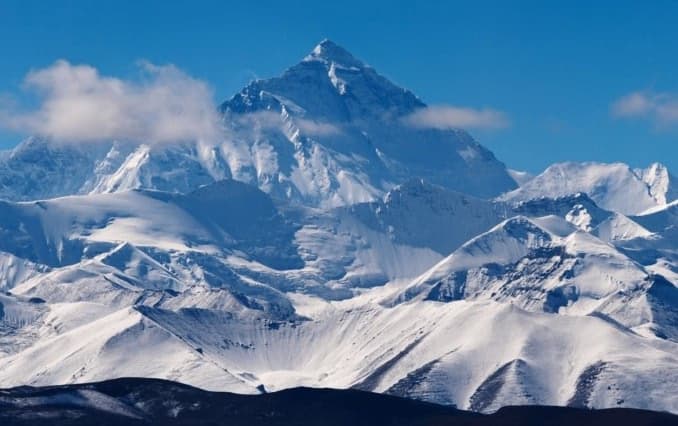
The Everest Base Camp Trek is Nepal’s most iconic high-altitude trekking adventure, leading trekkers through the Khumbu Valley to Everest Base Camp at 5,364 metres beneath Mount Everest, the highest mountain on Earth. The route passes through famous Himalayan settlements including Namche Bazaar, Tengboche Monastery, Dingboche, Lobuche, and Gorak Shep while crossing suspension bridges, alpine forests, glacial terrain, and traditional Sherpa villages inside Sagarmatha National Park. Trekkers experience Everest-region culture, panoramic views of Everest, Lhotse, Nuptse, and Ama Dablam, and one of the world’s most recognized non-technical trekking routes supported by a developed teahouse and guide network.
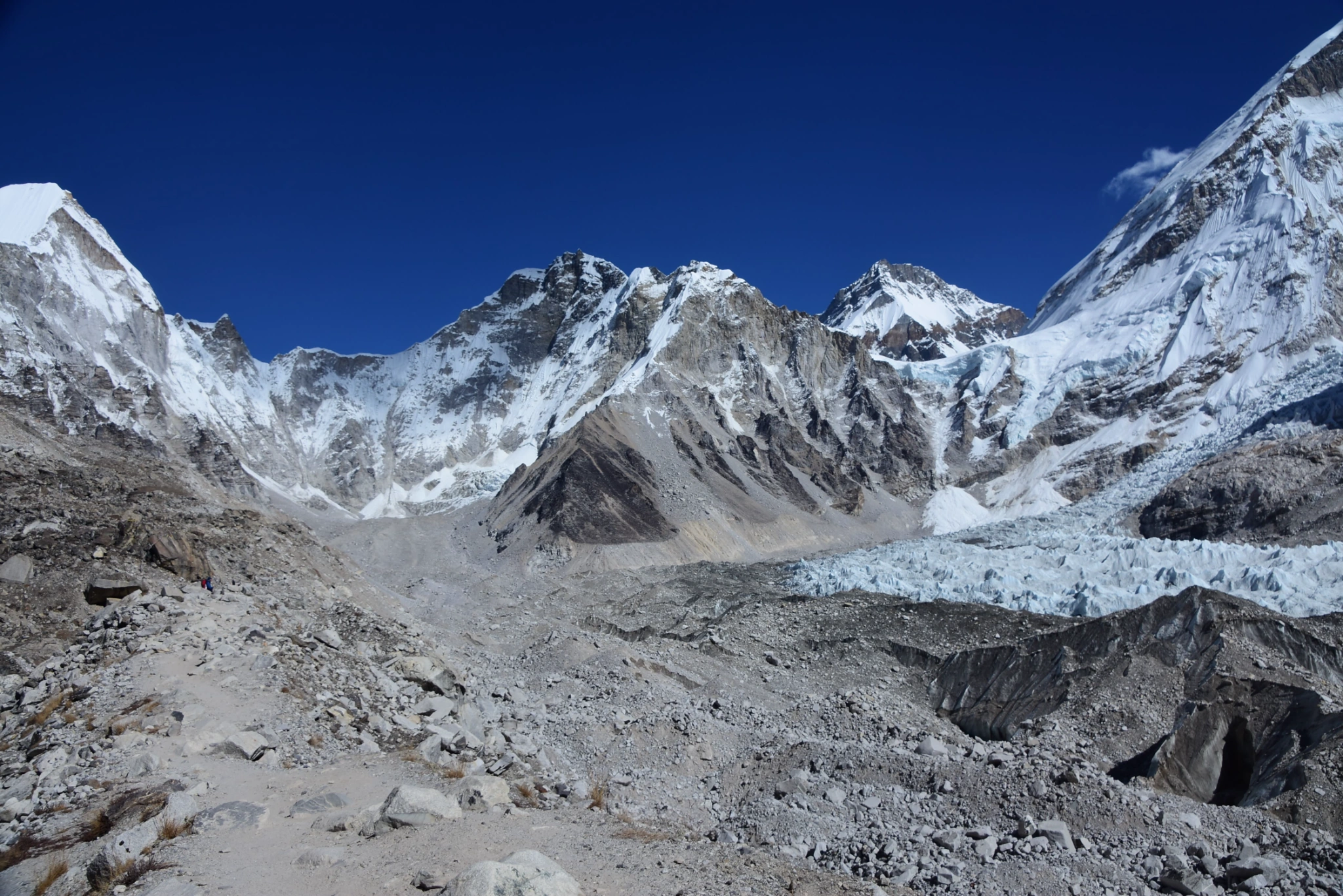
This Everest Base Camp Trek guide covers everything required for safe and successful trek planning, including the best trekking seasons, itinerary options, acclimatization strategy, altitude sickness prevention, permits, trekking difficulty, packing lists, accommodation, food, costs, guide and porter support, and essential fitness preparation. The guide also explains how to prepare for high-altitude conditions above 5,000 metres, what to expect on the trail from Lukla to Kala Patthar, and how trekkers can maximize safety, comfort, and summit-view experiences during a 12 to 14-day Himalayan expedition in Nepal.
Why Is the Everest Base Camp Trek So Popular?
The Everest Base Camp Trek is popular because it combines access to the world's highest mountain at 8,848.86 metres, deep Sherpa cultural heritage, and a well-established teahouse trail infrastructure that allows trekkers of moderate fitness to reach 5,364 metres without technical climbing equipment.
The trail passes through Sagarmatha National Park, a UNESCO World Heritage Site designated in 1979. Trekkers walk through 8 distinct elevation zones, from the Lukla airstrip at 2,860 metres to Kala Patthar at 5,545 metres. The combination of mountain panoramas, Buddhist monasteries, and glacial terrain creates a multi-dimensional trekking experience unavailable on any other trail in the world.
What Makes the Everest Region Unique for Trekkers?
The Everest region, officially called the Khumbu Valley in Solukhumbu District, contains 3 of the world's 14 eight-thousanders, Everest (8,848.86 m), Lhotse (8,516 m) and Cho Oyu (8,188 m) all visible from the trail.
Sagarmatha National Park covers 1,148 square kilometres and protects 118 bird species, 28 mammal species including the snow leopard and red panda, and over 650 plant species. The Khumbu Glacier, the world's highest glacier at 4,900 metres, sits directly adjacent to Everest Base Camp. The Sherpa community, who have inhabited the region for over 500 years, operate the teahouse lodges, guide services, and porter networks that make the trek logistically accessible.
Why Do Adventure Travelers Choose Everest Base Camp?
Adventure travelers choose Everest Base Camp because it delivers a verifiable achievement, standing at the base of the world's tallest peak, without requiring technical mountaineering skills, making it the single most recognized non-technical high-altitude trek on earth.
The trail also offers 3 distinct reward points: Namche Bazaar at 3,440 metres for acclimatization and culture, Tengboche Monastery at 3,867 metres for Buddhist heritage, and Kala Patthar at 5,545 metres for the most accessible 360-degree panorama of Everest, Lhotse, Nuptse, and Pumori. No other trek delivers this combination within a 14-day window.
When Is the Best Time to Trek to Everest Base Camp?
.webp)
The best times to trek to Everest Base Camp are spring (March to May) and autumn (September to November). These 2 seasons deliver stable weather, clear skies, trail temperatures between -10°C and 15°C at altitude, and visibility windows of over 80 kilometres from Kala Patthar.
Nepal's trekking seasons are dictated by the South Asian monsoon cycle. The monsoon arrives in mid-June and retreats in mid-September. Winter runs from December to February. Spring and autumn account for approximately 80% of all annual EBC trekking permits issued by the Nepal Tourism Board.
What Are the Benefits of Trekking in Spring?
Spring, from March to May, produces stable trail conditions, blooming rhododendron forests below 4,000 metres, and overlapping Everest climbing season activity at Base Camp, giving trekkers direct visual access to expedition teams preparing for summit attempts.
Temperatures at Everest Base Camp in April average -5°C at night and 5°C during the day. Trail congestion peaks in April and May due to high permit volumes. Namche Bazaar markets operate at full capacity. The Khumbu Icefall, visible from Base Camp, shows active expedition movement throughout April. Rhododendron forests between Phakding (2,610 m) and Namche Bazaar (3,440 m) bloom in pink and red from mid-March through April.
Why Is Autumn the Most Recommended Season?
Autumn, from September to November, is the most recommended season because post-monsoon skies are the clearest of the year, trail dust is suppressed by residual moisture, temperatures remain moderate, and lodges operate at full capacity with consistent food and accommodation standards.
October delivers the optimal combination of clear skies (visibility above 90 km on average) and comfortable temperatures ranging from -8°C at night to 12°C during the day at Base Camp elevation. Trail traffic peaks in mid-October. The Mani Rimdu festival at Tengboche Monastery occurs in October or November, adding a cultural dimension to the autumn trekking window.
Can You Trek to Everest Base Camp During Winter?
Winter trekking to Everest Base Camp, from December to February, is logistically possible but demands preparation for temperatures dropping to -20°C at Gorak Shep, reduced teahouse availability above Dingboche, and trail ice from 3,500 metres upward.
Approximately 5% of annual EBC trekkers complete the route in winter. The trail above Tengboche monastery sees significantly fewer trekkers, meaning teahouses operate with limited menus and reduced staff. The advantage is total solitude on the trail and unobstructed mountain views on clear days. A 4-season sleeping bag rated to -20°C and full crampons are required gear for the winter window.
How Difficult Is the Everest Base Camp Trek?
The Everest Base Camp Trek rates as a moderate-to-strenuous trek. It involves 12 to 14 days of walking at elevations between 2,610 metres and 5,545 metres, with daily gains of 300 to 700 metres, covering an average of 10 to 16 kilometres per day on mixed terrain.
The trek does not require technical climbing skills, ropes, or crampons in spring and autumn. The primary physical challenge is sustained aerobic exertion at altitude combined with cumulative leg fatigue over 130 kilometres. The secondary challenge is altitude-related physiological stress above 3,500 metres, where oxygen concentration drops to approximately 60% of sea-level levels.
What Fitness Level Is Required for the Trek?
Trekkers require a cardiovascular fitness base capable of 6 to 8 hours of continuous walking at moderate pace across consecutive days. A 12-week training program combining 4 to 5 weekly cardio sessions and 2 weighted hike sessions per week builds sufficient baseline fitness.
Cardiovascular benchmarks that indicate readiness include: completing a 20-kilometre day hike with 1,000 metres of elevation gain within 7 hours, sustaining Zone 2 heart rate (60–70% of maximum) for 90 minutes continuously, and recovering to resting heart rate within 5 minutes after a sustained uphill effort. Knee joint stability is the most frequently cited limiting factor on descent sections, particularly between Gorak Shep and Pheriche.
Can Beginners Successfully Complete the Trek?
Beginners with no prior trekking experience complete the Everest Base Camp Trek at a success rate of approximately 65 to 70% when they follow a 14-day itinerary, hire a licensed guide, and adhere strictly to acclimatization rest days.
The key differentiator between successful and unsuccessful beginners is not physical fitness alone, it is decision-making at altitude. Beginners who attempt to walk through early altitude sickness symptoms, skip acclimatization days, or rush above 4,500 metres face the highest evacuation risk. The 2 non-negotiable requirements for beginners are a 14-day itinerary (not the compressed 10-day version) and a licensed TIMS-registered guide.
What Are the Biggest Altitude Challenges?
The 3 biggest altitude challenges on the Everest Base Camp Trek are acute mountain sickness (AMS) above 3,500 metres, high-altitude pulmonary edema (HAPE) above 4,000 metres, and high-altitude cerebral edema (HACE) above 4,500 metres, all three conditions require immediate descent if symptoms escalate.
AMS affects approximately 50% of trekkers at Namche Bazaar (3,440 m) in mild form, characterized by headache, fatigue, and nausea. HAPE, involving fluid accumulation in the lungs, occurs in 1 to 2% of all EBC trekkers and is the leading cause of altitude-related death on the route. HACE, involving fluid accumulation in the brain, occurs in less than 1% of trekkers but progresses rapidly without descent. Diamox (acetazolamide) at 125–250 mg twice daily is the clinically verified prophylactic medication for AMS prevention.
How Long Does the Everest Base Camp Trek Take?
The Everest Base Camp Trek takes 12 to 14 days for the standard round-trip itinerary from Lukla, including 2 mandatory acclimatization days at Namche Bazaar (3,440 m) and Dingboche (4,410 m), plus the return descent to Lukla.
The complete itinerary covers 130 kilometres of trail distance. Flight time from Kathmandu's Tribhuvan International Airport to Tenzing-Hillary Airport in Lukla is 35 minutes. The total Nepal trip duration, including Kathmandu arrivals and pre-trek preparation, ranges from 16 to 18 days.
What Is the Standard Everest Base Camp Itinerary?
The standard 14-day Everest Base Camp itinerary follows 9 upward stages and 4 descent stages: Kathmandu to Lukla (fly), Lukla to Phakding (2,610 m), Phakding to Namche Bazaar (3,440 m), Namche acclimatization day, Namche to Tengboche (3,867 m), Tengboche to Dingboche (4,410 m), Dingboche acclimatization day, Dingboche to Lobuche (4,940 m), Lobuche to Gorak Shep (5,164 m) and Everest Base Camp (5,364 m), Gorak Shep to Kala Patthar (5,545 m) and descent to Pheriche (4,371 m), then 3 stages of descent back to Lukla.
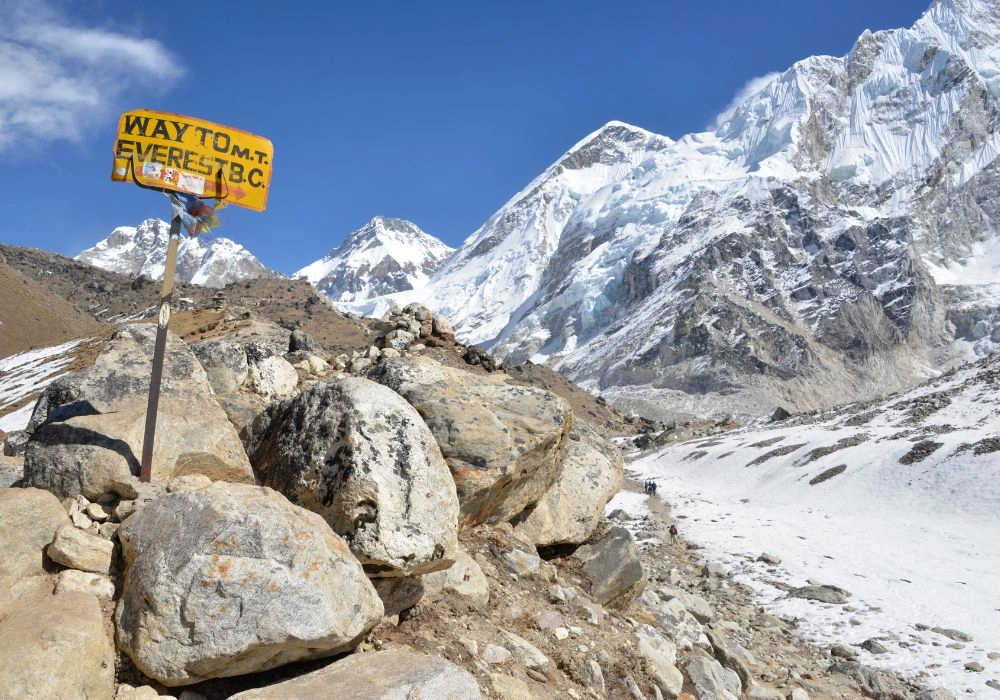
The longest single walking day is the Lobuche to Gorak Shep to EBC segment, covering 14 kilometres with a total elevation gain of 424 metres and an elevation loss of 200 metres, requiring 8 to 10 hours. The total elevation gain across the full itinerary from Lukla to Kala Patthar is approximately 4,450 metres.
Why Are Acclimatization Days Important?
Acclimatization days are physiologically necessary because the human body requires 24 to 48 hours to produce additional red blood cells and increase erythropoietin (EPO) secretion after reaching a new altitude, reducing AMS risk by 40% when properly observed.
The 2 scheduled acclimatization days occur at Namche Bazaar (3,440 m) and Dingboche (4,410 m). Each acclimatization day follows the "climb high, sleep low" principle, trekkers ascend 200 to 400 metres above their sleeping elevation during the day and return to the lower camp to sleep. At Namche, the standard acclimatization hike ascends to Everest View Hotel (3,880 m). At Dingboche, the standard hike ascends to Nangkartshang Peak (5,083 m).
Can the Trek Duration Be Customized?
The trek duration is customizable between 10 and 21 days based on fitness level, budget, and specific objectives. A 10-day express itinerary compresses acclimatization days and carries a 30% higher AMS risk compared to the 14-day standard. Extended 18 to 21-day itineraries incorporate 3 side trips: Gokyo Lakes (4,700 m), Chola Pass (5,420 m), and Three Passes (Renjo La 5,360 m, Cho La 5,420 m, Kongma La 5,535 m).
Private trekking groups with Nepal Intrepid Treks have the option to add Lobuche East Peak (6,119 m) as a non-technical summit for an additional 3 days, giving technically inclined trekkers a genuine mountaineering experience within the same regional itinerary.
What Permits Are Required for the Everest Base Camp Trek?
The Everest Base Camp Trek requires 2 mandatory permits: the Sagarmatha National Park Entry Permit at NPR 3,000 (approximately USD 22) and the TIMS (Trekkers' Information Management System) Card at NPR 2,000 (approximately USD 15) for organized trekking groups.
Both permits are non-negotiable. Checkpoints at Monjo (2,835 m), the Sagarmatha National Park gate, verify both documents. Trekkers without valid permits face immediate trail expulsion and a monetary fine ranging from NPR 10,000 to NPR 50,000.
Which Trekking Permits Are Mandatory?
The 2 mandatory permits are the Sagarmatha National Park Entry Permit and the TIMS Card. SAARC nationals pay NPR 1,500 for the national park permit. All other nationalities pay NPR 3,000. The TIMS Card costs NPR 2,000 for agency-organized trekkers and NPR 3,000 for independent trekkers.
The Khumbu Pasang Lhamu Rural Municipality permit is charged at USD 20 per person per week for the first four weeks, with a higher weekly rate beyond that. This permit is collected at the Lukla checkpoint upon arrival. The total permit cost varies by trekking duration and nationality, because the Khumbu municipality permit is charged separately in USD.
How Can Trekkers Obtain Everest Region Permits?
Trekkers obtain the Sagarmatha National Park Permit at the Nepal Tourism Board office in Kathmandu's Pradarshani Marg or at the national park entrance gate in Monjo. The TIMS Card is issued at the Nepal Tourism Board office or through registered trekking agencies.
Processing time for both permits at the Kathmandu office averages 30 to 60 minutes with a valid passport and 2 passport-sized photographs. Registered trekking agencies including Nepal Intrepid Treks process all permits on behalf of clients as part of standard trek packages, eliminating the need for individual office visits. Digital permit verification began at checkpoints in 2023 using QR-code-enabled TIMS Cards.
What Should You Pack for the Everest Base Camp Trek?
The Everest Base Camp Trek packing list covers 4 categories: layered clothing system for -20°C to +15°C temperature range, technical trekking footwear, navigation and communication gear, and altitude health supplies, the complete kit weighs 10 to 14 kilograms in a 60 to 70-litre pack.
Pack weight directly affects daily energy expenditure. Each additional kilogram of pack weight increases caloric burn by approximately 40 calories per hour of trekking. Trekkers hiring porters transfer the majority of their load, carrying only a 5 to 8-kilogram day pack on the trail.
Which Clothing Items Are Essential for High Altitude?
The 5 essential clothing categories for Everest Base Camp are a base layer (moisture-wicking merino wool or synthetic), mid-layer (300-weight fleece), insulation layer (800-fill down jacket rated to -15°C), waterproof shell (Gore-Tex or equivalent), and trekking trousers with thermal underlayer for above 4,000 metres.
Specific items within each category include:
Base layers: 2 long-sleeve merino wool tops (175–200 gsm), 2 thermal leggings
Mid-layer: 1 fleece jacket (300-weight Polartec or equivalent)
Insulation: 1 down jacket (800-fill, -15°C rating), 1 down sleeping bag (-20°C comfort rating for winter, -10°C for spring/autumn)
Shell: 1 Gore-Tex waterproof jacket and trousers
Extremities: Balaclava, buff neck gaiter, UV-blocking sunglasses (Category 3–4), insulated gloves with liner
What Trekking Gear Should You Bring?
The 7 non-negotiable trekking gear items are trekking poles (telescoping, with powder baskets), boots (waterproof leather or synthetic, ankle-supporting, broken in for minimum 40 km before departure), gaiters, headlamp with spare batteries, trekking socks (3 to 4 Darn Tough or Smartwool pairs), lightweight camp shoes, and a 3-litre water bladder or 2 × 1-litre Nalgene bottles.
Trekking pole usage reduces knee joint load by 25% on descents, according to biomechanical studies on high-altitude hiking. Boot selection is the single most consequential gear decision, blisters and ankle sprains from poorly fitted boots account for 60% of all non-altitude-related early trek terminations.
What Health and Safety Supplies Are Recommended?
The recommended health and safety kit contains 11 core items: Diamox (acetazolamide 250 mg tablets, prescribed by a physician), ibuprofen 400 mg, loperamide for gastrointestinal illness, oral rehydration salts, blister treatment kit (moleskin, Compeed pads), antiseptic cream, SPF 50+ sunscreen, lip balm SPF 30, altitude-specific travel insurance documentation, a pulse oximeter, and a personal first aid manual.
A pulse oximeter is a portable device that measures blood oxygen saturation (SpO2) and pulse rate. At Lukla (2,860 m), healthy SpO2 readings are 94–98%. At Everest Base Camp (5,364 m), SpO2 readings of 70–80% are normal. A reading below 70% at any elevation or a drop of more than 10 points in 24 hours signals a medical concern requiring immediate descent.
How Can You Prevent Altitude Sickness During the Trek?
Altitude sickness prevention on the Everest Base Camp Trek relies on 3 evidence-based strategies: following a gradual ascent profile (no more than 500 metres of sleeping elevation gain per day above 3,000 m), observing all scheduled acclimatization days, and maintaining hydration at 3 to 4 litres of water per day throughout the trek.
Altitude sickness, medically termed acute mountain sickness (AMS), is a physiological response to reduced atmospheric oxygen pressure. At 5,364 metres, atmospheric pressure is 53 kPa compared to 101.3 kPa at sea level, meaning each breath delivers approximately 52% of the oxygen available at sea level.
What Are the Common Symptoms of Altitude Sickness?
The 6 common symptoms of altitude sickness are headache (the diagnostic marker for AMS), fatigue disproportionate to physical exertion, nausea or vomiting, dizziness or lightheadedness, difficulty sleeping, and loss of appetite, symptoms appearing together above 2,500 metres indicate AMS and require a rest day before ascending further.
The Lake Louise AMS Score is the clinically recognized diagnostic tool used by mountain medics and guides. A score of 3 or above (calculated across symptom severity ratings of 0–3 for each of the 6 symptoms) confirms AMS. Trekkers experiencing HAPE symptoms, wet cough, breathlessness at rest, rattling sound in the chest, require immediate descent of at least 500 metres and emergency evacuation via helicopter from the nearest available landing zone.
How Can Trekkers Safely Acclimatize?
Trekkers acclimatize safely by applying 4 principles: ascending no more than 500 metres of sleeping altitude per day above 3,000 metres, taking 1 full rest day for every 1,000 metres of elevation gain above 3,000 metres, practicing "climb high, sleep low" on acclimatization days, and descending immediately if AMS symptoms exceed a Lake Louise Score of 3.
Hydration directly supports acclimatization by maintaining blood viscosity and facilitating erythropoiesis (red blood cell production). Alcohol and sleeping pills suppress respiratory drive at altitude, increasing AMS risk. Garlic soup, served at teahouses throughout the Khumbu Valley, contains allicin and is consumed traditionally by Sherpas for its purported vasodilatory effects at altitude, though clinical evidence for this use remains preliminary.
Where Do Trekkers Stay and Eat Along the Route?
Trekkers stay in teahouse lodges, locally owned guesthouses that provide a private or shared room with 2 single beds, a communal dining hall, and shared toilet facilities, available at all 8 major stopping points on the route from Phakding (2,610 m) to Gorak Shep (5,164 m).
Teahouses replaced tent camping as the primary accommodation model on the EBC trail in the 1980s when the Sherpa community began commercializing the trekking route. As of 2024, over 200 registered teahouse lodges operate along the EBC trail within Sagarmatha National Park.
What Are Teahouses Like on the Everest Trail?
Teahouses on the Everest trail range from basic plywood-walled rooms with foam mattresses and shared outdoor toilets at lower elevations to stone-walled lodges with attached bathrooms, hot shower availability, and solar-powered charging stations at Namche Bazaar (3,440 m) and Tengboche (3,867 m).
Room costs average NPR 300 to NPR 800 (USD 2.50 to USD 6) per night at basic lodges below Namche. Above Dingboche (4,410 m), room costs reach NPR 500 to NPR 1,500 (USD 3.50 to USD 11) per night. The standard teahouse arrangement links accommodation pricing to meal purchases, lodges at higher elevations charge lower room rates to incentivize on-site dining, which generates the majority of their revenue. WiFi is available at most lodges up to Dingboche; connectivity becomes unreliable above 4,500 metres.
What Food Options Are Available During the Trek?
Teahouse dining menus on the EBC trail include 35 to 50 dishes covering Nepali staples (dal bhat, momos, thukpa noodle soup), Western-adapted items (pasta, pancakes, pizza), Tibetan dishes (tsampa porridge, butter tea), and high-calorie snacks (Snickers bars, biscuits, Pringles), caloric intake targets of 3,500 to 4,500 calories per day are achievable from teahouse menus alone.
Dal bhat (lentil soup with rice and vegetable curry) is the most nutritionally complete and cost-effective meal on the trail at NPR 600 to NPR 900 (USD 4.50 to USD 6.75) per serving. It delivers approximately 700 to 900 calories per portion and is refillable at no extra cost in most lodges. Food prices increase by 30 to 50% for every 1,000 metres of elevation gain due to transportation costs, all supplies above Namche Bazaar are carried by porters or transported by yak.
How Much Does the Everest Base Camp Trek Cost?
The Everest Base Camp Trek costs between USD 1,200 and USD 2,500 per person for a fully guided 14-day package from Kathmandu, covering domestic flights, permits, guide, porter, accommodation, and meals, a budget independent trek without agency services costs USD 700 to USD 1,000 excluding international flights.
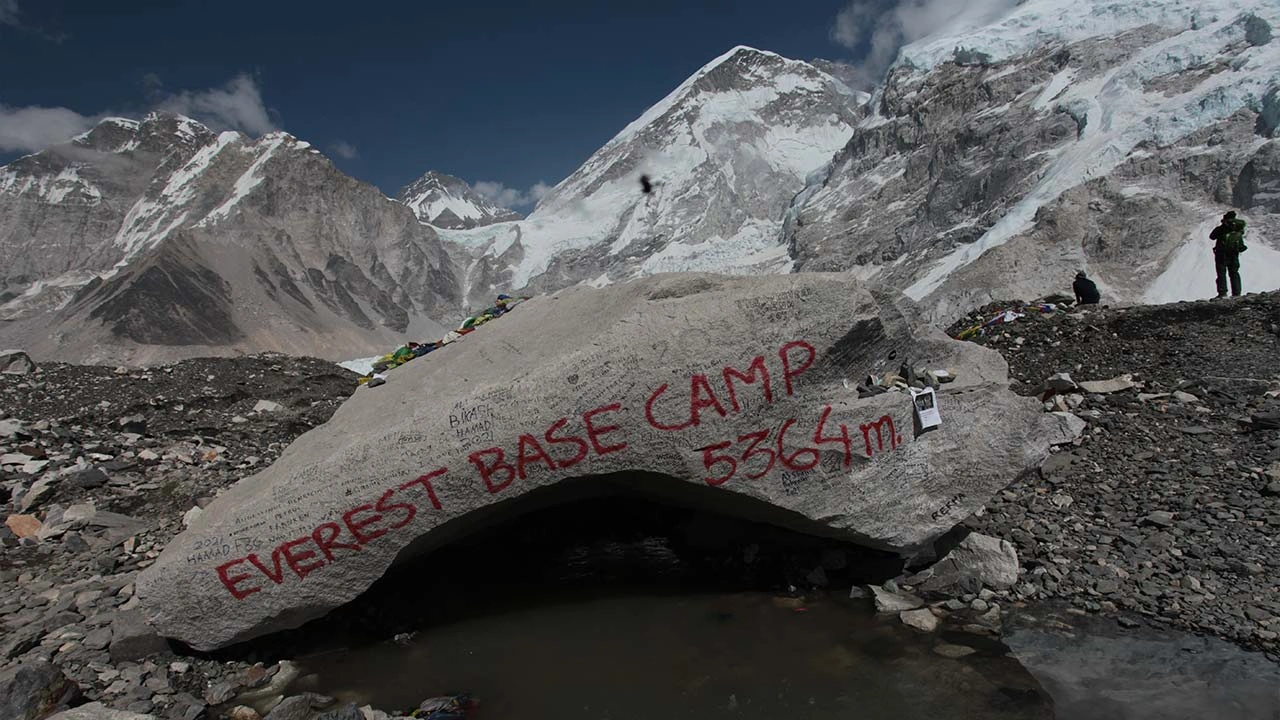
Total trip cost from international departure to return depends on 4 variables: country of origin (airfare), chosen trekking package tier (budget, standard, premium), personal spending on gear and supplements, and travel insurance. The Kathmandu-to-Lukla round-trip flight costs USD 175 to USD 250 per person on commercial carriers including Tara Air and Summit Air.
What Is Usually Included in Trek Packages?
Standard Everest Base Camp trek packages from Nepal Intrepid Treks include 7 components: all domestic transportation and airport transfers, Sagarmatha National Park permit and TIMS Card, licensed government guide (1 guide per 2 trekkers maximum), porter services (1 porter per 2 trekkers, carrying up to 25 kg), teahouse accommodation on twin-share basis, all meals on trek (breakfast, lunch, dinner), and a trek completion certificate.
Premium packages add 3 additional services: pre-trek gear rental (down jacket, sleeping bag, trekking poles), Kathmandu hotel accommodation (3-star minimum, 2 nights pre-trek and 1 night post-trek), and comprehensive altitude rescue insurance with helicopter evacuation coverage up to USD 10,000. Budget packages typically exclude Kathmandu hotel, gear rental, and often porter services.
What Extra Expenses Should Trekkers Expect?
Trekkers budget for 6 categories of extra expenses: personal gear purchase or rental in Kathmandu (USD 100 to USD 300), snacks and personal purchases at teahouse lodges (USD 5 to USD 15 per day), hot shower fees above Namche (USD 2 to USD 5 per shower), charging fees for electronics (USD 1 to USD 3 per device), personal travel insurance (USD 80 to USD 200 for a 3-week Nepal policy), and guide and porter tips (USD 10 to USD 20 per day for guide, USD 7 to USD 12 per day for porter).
Tipping is a culturally embedded practice in Khumbu trekking and represents 20 to 30% of guide and porter monthly income. The Trekking Agencies Association of Nepal (TAAN) publishes annual recommended tip guidelines that Nepal Intrepid Treks follows for client reference.
Should You Hire a Guide or Porter for Everest Base Camp?
Hiring a licensed guide and porter is the recommended approach for 95% of EBC trekkers because guides provide real-time medical decision-making at altitude, cultural translation at checkpoints and monasteries, and route navigation in low-visibility conditions, services that directly reduce evacuation risk and increase trek completion rates.
Solo, guideless trekking on the EBC route is legally permitted but carries documented risks. According to the Nepal Tourism Board's 2022 trekking incident report, 73% of all altitude-related helicopter evacuations on the EBC trail involved solo or guideless trekkers.
What Are the Benefits of Hiring a Local Guide?
A licensed EBC guide delivers 5 verified benefits: daily health monitoring using pulse oximetry and AMS score assessment, emergency protocol management including helicopter evacuation coordination, checkpoint documentation handling at 6 permit control points, cultural context at Sherpa villages and Buddhist monasteries, and route knowledge across 130 kilometres of marked and unmarked trail.
Licensed guides in Nepal hold certification from the Nepal Mountaineering Association (NMA) or the Nepal Government's Department of Tourism. Guide certification requires completion of a 21-day wilderness first aid course, a 14-day altitude sickness management course, and a written examination. Nepal Intrepid Treks employs only NMA-certified guides with a minimum of 3 completed EBC seasons.
How Can Porters Improve the Trekking Experience?
Porters improve the trekking experience by reducing daily carry weight from 10 to 14 kilograms to 5 to 8 kilograms, which decreases knee joint stress on descents by 25%, reduces caloric expenditure by 200 to 300 calories per day, and allows trekkers to focus entirely on trail conditions and acclimatization management rather than physical load.
Nepal Intrepid Treks employs porters under the standards set by the International Porter Protection Group (IPPG), which mandates load limits of 25 kilograms per porter, provision of appropriate clothing above 4,000 metres, and insurance coverage for work-related injury. Porters are Nepali citizens from Khumbu and Solu regions for whom trekking employment provides primary income during the 2 annual trekking seasons.
What Are the Top Attractions Along the Everest Base Camp Route?
The 6 top attractions on the Everest Base Camp route are Namche Bazaar (cultural and commercial hub at 3,440 m), Tengboche Monastery (3,867 m), the Khumbu Glacier (the world's highest glacier starting at 4,900 m), Everest Base Camp itself (5,364 m), Kala Patthar viewpoint (5,545 m), and the Hillary-Tenzing memorial at Gorak Shep (5,164 m).
Each attraction represents a distinct entity type: Namche Bazaar is a commercial settlement, Tengboche Monastery is a Tibetan Buddhist institution founded in 1923, the Khumbu Glacier is a glaciological feature, Everest Base Camp is a mountaineering staging zone active from April to May, Kala Patthar is a geological vantage point, and the memorial is a historical marker commemorating the first Everest summit in 1953.
Why Is Namche Bazaar Important for Trekkers?
Namche Bazaar (3,440 m) is the commercial, logistical, and medical hub of the Khumbu Valley, functioning as the last point with ATM access, reliable WiFi, gear rental shops, a hospital (Khunde Hospital, 4 km), and bakeries before the high-altitude section of the trail begins.
The town hosts a Saturday market where Tibetan traders from across the border sell goods including spices, hardware, and yak products, a tradition active for over 200 years. The Sagarmatha National Park Visitor Center, located above the main bazaar, displays geological maps of the Himalayan range, wildlife specimens, and a historical chronology of Everest expeditions from 1921 to present. The Namche acclimatization day allows trekkers to explore the town and surrounding viewpoints before ascending to Tengboche.
What Can You See From Kala Patthar?
From Kala Patthar (5,545 m), trekkers have a direct, unobstructed view of 6 major Himalayan summits: Everest (8,848.86 m), Lhotse (8,516 m), Nuptse (7,861 m), Pumori (7,161 m), Changtse (7,543 m), and Lingtren (6,749 m), the closest accessible viewpoint to Everest's summit pyramid for non-climbers.
Everest Base Camp itself sits in a valley at 5,364 metres and offers no view of Everest's summit due to surrounding moraines. Kala Patthar, located 181 metres higher and 3 kilometres northeast of Base Camp, provides the summit vista. Pre-dawn departures from Gorak Shep between 4:00 AM and 5:00 AM reach Kala Patthar at sunrise, delivering the iconic alpenglow view of Everest's southeast face in orange and gold light.
How Should You Prepare for a Safe and Successful Trek?
A safe and successful Everest Base Camp Trek requires a 12-week pre-departure training program, a verified gear kit, a booked registered guide service, completed permits, comprehensive altitude insurance, and a pre-trek health consultation with a physician for Diamox prescription and altitude readiness assessment.
Preparation across these 6 domains reduces the probability of early trek termination from 35% (unprepared trekkers) to under 12% (fully prepared trekkers with guide support), based on Nepal Tourism Board completion rate data across 5 trekking seasons from 2018 to 2023.
What Training Helps Before the Everest Base Camp Trek?
The 12-week EBC pre-trek training program builds fitness across 3 phases: base endurance (weeks 1 to 4), elevation-specific strength (weeks 5 to 8), and peak conditioning (weeks 9 to 12), totaling 4 to 5 workout sessions per week.
Phase 1 targets aerobic base with 45 to 60-minute Zone 2 cardio sessions (running, cycling, rowing) 4 times per week. Phase 2 introduces weighted hikes of 15 to 20 kilometres with 800 to 1,000 metres of elevation gain twice per week plus 2 gym sessions targeting quadriceps, hamstrings, and hip flexors. Phase 3 incorporates back-to-back long hiking days (consecutive 20 km+ hikes on Saturday and Sunday) to simulate multi-day trail fatigue. Stair climbing with a weighted pack (10 to 12 kg) is the most time-efficient urban substitute for mountain hiking.
What Common Mistakes Should Trekkers Avoid?
The 8 most common and costly mistakes on the Everest Base Camp Trek are ascending too fast above 3,000 metres, skipping acclimatization days to save time or money, underestimating cold at 4,500+ metres, wearing non-broken-in boots on day 1, trekking without a pulse oximeter, consuming alcohol above 3,500 metres, relying on paracetamol to mask AMS symptoms and continue ascending, and booking a 10-day itinerary without prior high-altitude experience.
Each mistake carries a specific consequence: ascending too fast causes AMS in 50% of cases. Consuming alcohol at altitude suppresses hypoxic ventilatory response (HVR), the physiological mechanism by which the body compensates for reduced oxygen. Using paracetamol to mask AMS headache and continuing upward is the primary behavioral precursor to HAPE and HACE, both of which carry fatality risk without immediate descent.
How Should You Plan the Everest Base Camp Trek With Expert Support?
Planning the Everest Base Camp Trek with expert support requires selecting a Nepal Tourism Board-registered trekking agency with licensed guides, a published safety protocol, transparent pricing, and verified client references from a minimum of 5 completed EBC seasons.
Nepal's trekking industry operates under the Trekking Agencies Association of Nepal (TAAN) regulatory framework. Registered agencies carry government-issued licenses that list their certified guides, insurance coverage terms, and operational history. Unregistered "freelance" guides operate without insurance, medical training certification, or regulatory accountability.
Can Nepal Intrepid Treks Help You Organize the Everest Base Camp Trek?
Nepal Intrepid Treks organizes the complete Everest Base Camp Trek experience, from Kathmandu airport pickup to trek completion certificate, with NMA-certified guides, IPPG-compliant porters, and all permits, domestic flights, accommodation, and meals included in a single transparent package priced in USD.
The agency offers 3 EBC package tiers: a 12-day budget itinerary (USD 1,200), a 14-day standard itinerary (USD 1,600), and a 16-day premium itinerary with Kala Patthar sunrise, Gokyo Lakes side trip, and 3-star Kathmandu hotel (USD 2,400). All 3 packages include altitude rescue insurance and 24-hour emergency coordination from the Kathmandu base office. Custom group departures and private itineraries are available year-round for groups of 2 to 20 trekkers.
What Are the Most Important Takeaways About the Everest Base Camp Trek?
The Everest Base Camp Trek is a 130-kilometre, 12 to 14-day trail in Nepal's Khumbu Valley reaching 5,364 metres above sea level, accessible to trekkers of moderate fitness who follow a structured acclimatization protocol, carry verified gear, and trek with a licensed guide.
The 7 most important takeaways for anyone planning the Everest Base Camp Trek are:
Timing: Trek in October for optimal weather or April for expedition season overlap, these 2 months represent the peak of Nepal's 2 annual trekking windows.
Fitness: Complete a 12-week training program with 4 to 5 weekly sessions before departure.
Permits: Budget NPR 7,000 (USD 52) for the mandatory 3-permit package covering Sagarmatha National Park, TIMS Card, and Khumbu Rural Municipality entry.
Acclimatization: Take both scheduled rest days at Namche Bazaar (3,440 m) and Dingboche (4,410 m), skipping either day increases AMS risk by 40%.
Health: Carry a pulse oximeter, obtain a Diamox prescription before departure, and descend immediately for any Lake Louise AMS Score of 3 or above.
Cost: Budget USD 1,200 to USD 2,500 for a complete guided 14-day package from Kathmandu, plus USD 80 to USD 200 for travel and altitude insurance.
Guide: Book a Nepal Tourism Board-registered agency with NMA-certified guides, guideless trekkers account for 73% of helicopter evacuations on the EBC trail.
The Everest Base Camp Trek stands as the world's most recognized non-technical high-altitude trekking objective precisely because it combines rigorous mountain experience with a well-supported trail infrastructure, every trekker who prepares methodically and ascends patiently reaches Base Camp.