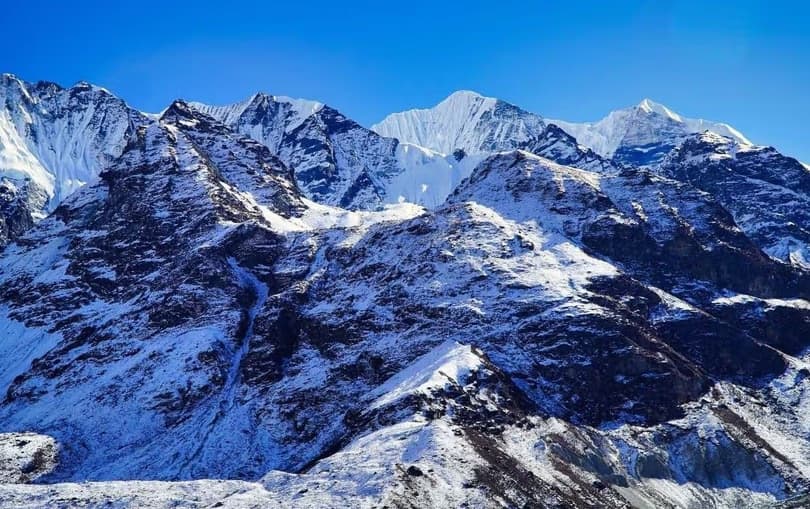
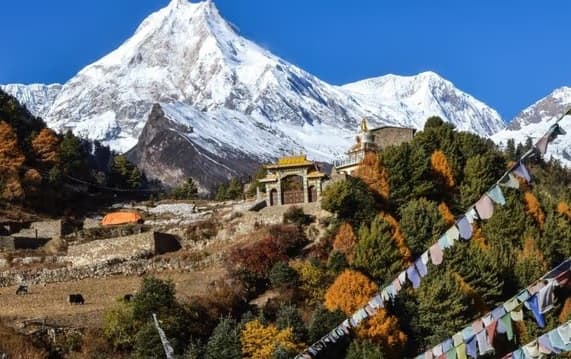
The Everest Base Camp (EBC) Trek is one of Nepal's most popular high-altitude adventures, attracting thousands of Indian trekkers each year with the opportunity to reach the base of the world's highest mountain. While the trek is achievable for a wide range of budgets, the total cost varies considerably depending on factors such as trekking season, itinerary length, group size, flight choices, accommodation standards, guide and porter services, permits, and personal expenses. Understanding these variables before booking helps Indian travelers plan a realistic budget, avoid unexpected costs, and choose a trekking package that matches their travel style.
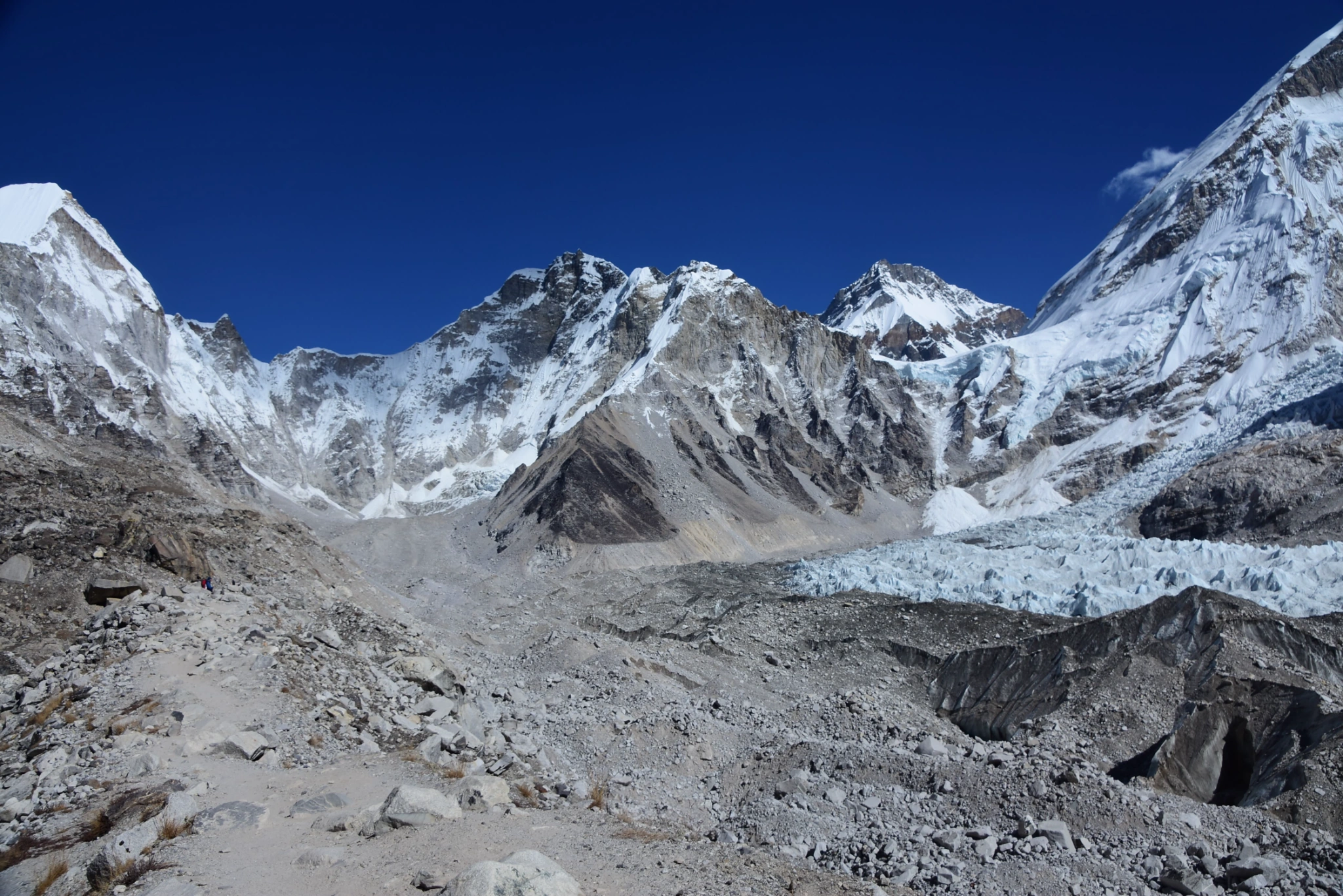
This guide provides a complete breakdown of the Everest Base Camp trek cost for Indians, covering everything from India–Kathmandu and Lukla flight expenses to trekking permits, tea house accommodation, meals, transportation, guide and porter fees, travel insurance, gear rentals, tipping, and emergency funds. It also explains how visa-free entry to Nepal, SAARC permit discounts, group departures, seasonal pricing, and smart budgeting strategies can reduce the overall cost. Whether you're planning a budget group trek, a comfortable guided adventure, or a premium Himalayan experience, this guide will help you estimate your total expenses and confidently choose the best-value Everest Base Camp trek.
How Much Does the Everest Base Camp Trek Cost for Indian Travelers?
The Everest Base Camp trek costs Indian travelers INR 95,000 to INR 4,20,000 in total, including international flights, permits, guide, porter, accommodation, meals, and trail expenses. The realistic all-in budget for a standard mid-range 14-day trek is INR 1,50,000 to INR 2,00,000.
The EBC trek, short for Everest Base Camp Trek, is a 130 km round-trip trekking route in the Khumbu region of Nepal, reaching an altitude of 5,364 m at Everest Base Camp. The route starts and ends at Lukla (Tenzing-Hillary Airport, elevation 2,860 m) after a 35-minute mountain flight from Kathmandu. For Indian trekkers, the total cost depends heavily on 4 variables: operator type (agency-booked vs. fully independent), group size, trekking season, and gear decisions.
What Is the Average Budget for the Trek?
The average all-in budget for a mid-range Indian trekker is INR 1,60,000 to INR 1,90,000, covering international flights from Delhi, the Kathmandu-Lukla mountain flight, a licensed guide, one porter, mandatory permits, tea house accommodation, all meals, travel insurance, and trail amenity costs over 14 days.
Most trekkers underestimate the budget by INR 20,000 to INR 35,000 by forgetting guide and porter tips, hot shower fees, charging fees for devices, and the cost of additional acclimatization days caused by delays at Lukla due to weather.
What Is Included in Most Trek Packages?
Most standard EBC trek packages from Nepal Tourism Board (NTB)-registered Kathmandu agencies include 6 core components:
Kathmandu to Lukla domestic mountain flight, round trip
Sagarmatha National Park Entry Permit
Khumbu Pasang Lhamu Rural Municipality Entry Permit
Tea house accommodation (twin-sharing basis) for all trek nights
All meals during the trek, breakfast, lunch, and dinner at tea houses
One NTB-licensed trekking guide for the full duration
Mid-range and premium packages add Kathmandu hotel stays (1-2 nights pre and post trek), an airport pickup, a farewell dinner, and a Nepal Tourism Board trekking completion certificate.
What Costs Are Usually Excluded?
Trek packages consistently exclude 6 categories: international flights from India to Kathmandu, travel insurance, personal trekking gear, tips for guides and porters, alcoholic beverages, and pay-per-use trail amenities such as hot showers, Wi-Fi, and device charging.
Indian trekkers regularly underestimate gear costs. Renting a down jacket in Namche Bazaar (elevation 3,440 m, the largest Sherpa trading town on the EBC route) costs USD 2 to USD 4 per day. Renting a -20°C sleeping bag runs USD 1 to USD 3 per day. Buying the same items in India before departure is cheaper for trekkers who plan multiple Himalayan trips per year.
What Factors Affect the Everest Base Camp Trek Cost?
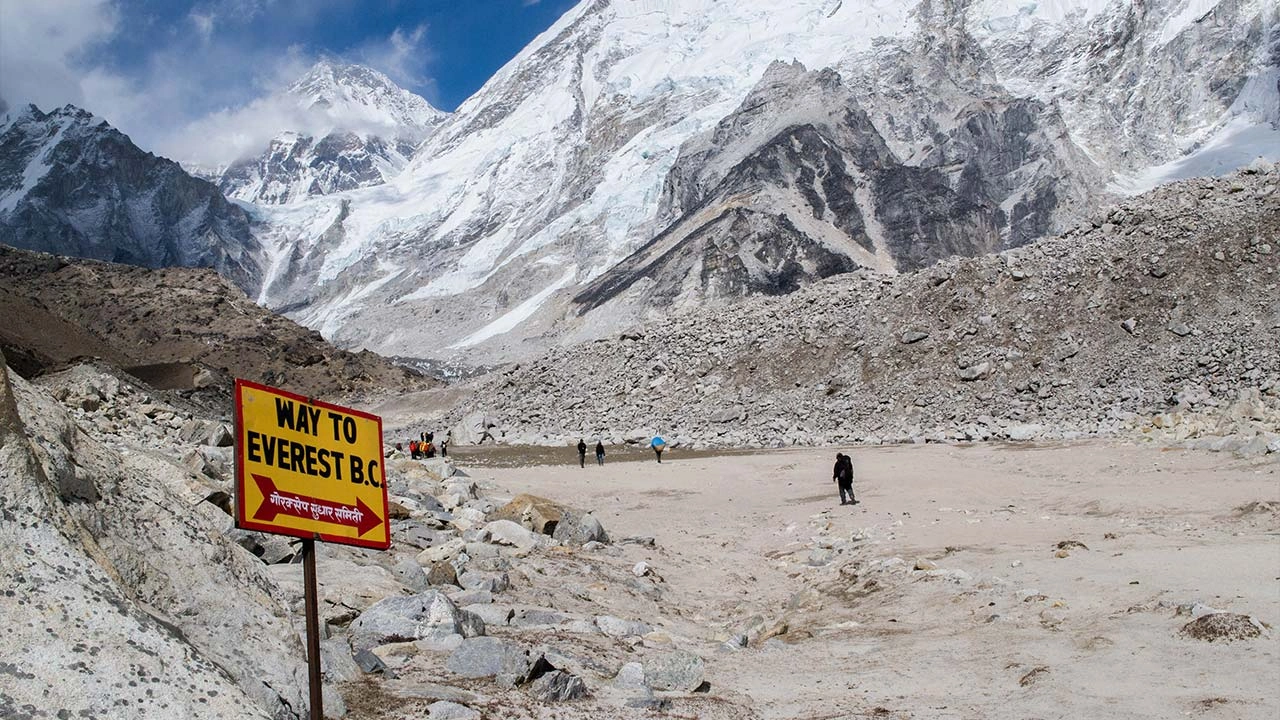
4 primary variables determine the Everest Base Camp trek cost for Indians: trek duration, group size, trekking season, and operator type. Each variable creates a cost difference of 15 to 40 percent when shifted from the lowest to the highest value.
How Does Trek Duration Change the Price?
Trek duration directly controls 3 cost categories: guide fees, porter fees, and accommodation nights. The standard EBC trek runs 12 to 14 days from Lukla. Extended itineraries of 16 to 18 days, which include side trips to Gokyo Lakes (elevation 4,700 m), Chola Pass (5,420 m), or a pre-dawn climb of Kala Patthar (5,645 m) for a clear Everest view, add USD 120 to USD 200 per person to guide fees and accommodation.
Shorter, more frequent acclimatization days matter more at altitude than trekkers expect: gradual ascent is a Grade 1B recommendation in the Wilderness Medical Society's 2019 Clinical Practice Guidelines for Acute Altitude Illness, which advise limiting sleeping-elevation gain to roughly 300–500 m per day above 3,000 m to prevent AMS and HACE. The standard 14-day itinerary accounts for 2 scheduled acclimatization rest days: one in Namche Bazaar and one in Dingboche (elevation 4,410 m).
Duration | Guide Fee (USD) | Accommodation (USD) | Total Difference vs. Standard |
10 days | $280 – $350 | $75 – $100 | −INR 12,000 to −INR 18,000 cheaper |
12 days | $336 – $420 | $90 – $120 | −INR 6,000 to −INR 9,000 cheaper |
14 days | $420 – $490 | $105 – $140 | Standard baseline |
16 days | $480 – $560 | $120 – $160 | +INR 6,000 to +INR 10,000 |
18 days | $540 – $630 | $135 – $180 | +INR 12,000 to +INR 20,000 |
How Does Group Size Impact the Overall Cost?
Group treks with 6 to 12 trekkers reduce per-person cost by 25 to 40 percent compared to solo private treks. Guide fees, airport vehicle costs, and agency overheads are divided across the group. A solo private EBC trek with a dedicated guide runs USD 1,500 to USD 1,800 per person. The same 14-day trek booked in a fixed-departure group of 8 costs USD 1,100 to USD 1,400 per person.
Indian trekkers who book directly with a Kathmandu-based NTB-registered agency pay 15 to 30 percent less than those booking through Indian online travel aggregators, which add their own margin to the Kathmandu agency's base price.
How Does the Trekking Season Affect Pricing?
Peak EBC trekking seasons run from March to May (spring) and September to November (autumn). Package prices during peak weeks, specifically late September to mid-October and late March to mid-April, are 10 to 20 percent higher than shoulder or off-season prices.
Off-season trekking (December to February in winter, June to August in monsoon) cuts package prices by 15 to 25 percent, but introduces specific risks:
Winter (December to February): Temperatures at Gorak Shep (5,140 m) drop to −20°C. Some high-altitude passes near Lobuche see trail ice. Fewer trekkers mean fewer tea houses stay open above Namche.
Monsoon (June to August): Heavy rainfall causes trail erosion and landslides between Lukla and Phakding. Visibility for mountain views drops to near zero.
The strongest price-to-conditions ratio for Indian trekkers falls in late October, early November, and the first two weeks of April. These windows deliver stable trail conditions, clear mountain views, and competitive package rates before peak-week surcharges apply.
What Are the Main Cost Components of the Trek?
The EBC trek has 6 main cost components: flights, permits, accommodation, food and drinks, ground transportation, and guide or porter fees. Understanding each component lets Indian trekkers build a precise personal budget rather than relying on a single package price.
How Much Do Flights Cost?
Indian trekkers pay 2 sets of flight costs: the international flight from India to Kathmandu (Tribhuvan International Airport, IATA code KTM), and the domestic mountain flight from Kathmandu or Ramechhap to Lukla (Tenzing-Hillary Airport, IATA code LUA).
International flights from India to Kathmandu (2026 economy class estimates):
Departure City | Round Trip Cost (INR) |
Delhi (DEL) | INR 6,000 – INR 16,000 |
Mumbai (BOM) | INR 9,000 – INR 22,000 |
Kolkata (CCU) | INR 5,000 – INR 12,000 |
Bengaluru (BLR) | INR 10,000 – INR 25,000 |
Chennai (MAA) | INR 11,000 – INR 26,000 |
Hyderabad (HYD) | INR 10,000 – INR 24,000 |
Indian citizens do not require a Nepal visa. This removes the USD 30 to USD 50 visa fee that trekkers from the United States, Europe, and Australia pay. It also eliminates the 30-minute visa processing wait at Kathmandu airport on arrival.
Kathmandu to Lukla flight (domestic): USD 160 to USD 185 one way, or USD 320 to USD 370 round trip. Budget-conscious trekkers use the Ramechhap (Manthali Airport, IATA code RHP) option instead. Ramechhap is a 5-hour drive from Kathmandu. The Ramechhap-to-Lukla flight costs USD 95 to USD 115 one way, saving approximately USD 80 to USD 90 per person on the domestic segment. The shared jeep from Kathmandu to Ramechhap costs USD 10 to USD 15 per person, keeping the net saving at USD 60 to USD 75.
How Much Do Trekking Permits Cost?
EBC trekkers require 2 mandatory permits: the Sagarmatha National Park Entry Permit and the Khumbu Pasang Lhamu Rural Municipality Entry Permit.
Sagarmatha National Park Entry Permit: The Sagarmatha National Park (SNP), inscribed on UNESCO's official World Heritage List for Sagarmatha National Park under natural criterion (vii) in 1979, encompasses 1,148 sq km of the Khumbu Himalaya, including Mount Everest (8,848.86 m, the world's highest peak). Indian nationals pay NPR 1,500 (approximately INR 940 or USD 11) under the SAARC rate confirmed on the Nepal Tourism Board's official Sagarmatha National Park fee schedule, versus NPR 3,000 for non-SAARC foreigners and NPR 25 for Nepali citizens. Non-SAARC foreigners pay USD 30 (approximately NPR 4,050). This 63 percent discount is one of the most significant financial advantages for Indian trekkers.
Khumbu Pasang Lhamu Rural Municipality Entry Permit: This permit applies to all trekkers entering the Khumbu administrative zone. The current fee for 2026 is NPR 3,000 (approximately INR 1,875 or USD 23), regardless of nationality.
Total permit cost for Indian trekkers: Approximately INR 2,800 (NPR 4,500). Non-SAARC trekkers pay approximately INR 3,750 (NPR 6,000) for the same permits.
How Much Does Accommodation Cost?
Tea houses, called lodges or bhattis in local Nepali and Sherpa dialects, are the primary accommodation type on the EBC trail. A tea house provides a private or twin-share room with a bed, pillow, and blanket, plus access to a communal heated dining room. Rooms are basic: no attached bathroom, no central heating, and no Wi-Fi except in the dining area.
Accommodation prices increase with altitude because all supplies reach lodges by porter, pack mule, or helicopter cargo above the Phakding valley floor.
Location | Altitude | Room Cost Per Night (USD) |
Phakding | 2,610 m | $5 – $8 |
Namche Bazaar | 3,440 m | $10 – $25 |
Tengboche | 3,860 m | $6 – $12 |
Dingboche | 4,410 m | $6 – $10 |
Lobuche | 4,940 m | $5 – $8 |
Gorak Shep | 5,140 m | $5 – $10 |
Total accommodation cost for a 14-day EBC trek: USD 100 to USD 200 (INR 8,400 to INR 16,800). Many tea houses offer free or discounted rooms on the condition that trekkers eat all meals at that lodge. Taking these room-and-board arrangements saves USD 30 to USD 60 per person over the full trek.
How Much Does Food and Drinks Cost?
Tea house meal prices are quoted in USD and NPR, with altitude pushing costs upward. Dal bhat, a traditional Nepali meal of lentil soup (dal), steamed rice (bhat), vegetable curry, and pickle, is available everywhere on the trail and is the most affordable full meal at USD 6 to USD 9. Most lodges offer unlimited refills on dal bhat, which matters for trekkers burning 2,500 to 3,500 calories per day at elevation.
Average meal costs at mid-trail elevations (3,500 to 4,500 m):
Porridge or eggs with toast: USD 4 to USD 7
Dal bhat (unlimited refills): USD 6 to USD 9
Fried rice or noodles: USD 5 to USD 8
Pasta or pizza (Namche, Tengboche): USD 7 to USD 12
Dinner main course: USD 7 to USD 12
Tea or coffee: USD 1 to USD 3
Bottled water (1 L): USD 2 to USD 4 (carry a filter bottle and use stream water instead)
Hot chocolate or apple cider: USD 3 to USD 5
Daily food budget: USD 25 to USD 40 at lower elevations, USD 35 to USD 55 above 4,000 m.
Total food budget for 14 days: USD 420 to USD 630 (INR 35,300 to INR 52,900).
How Much Does Ground Transportation Cost?
Ground transportation covers road travel within Nepal: Kathmandu airport to city hotel, and the optional Kathmandu-to-Ramechhap segment for trekkers using the budget domestic flight route.
Kathmandu airport taxi to Thamel (the main trekking district): USD 5 to USD 10
Kathmandu to Ramechhap shared jeep: USD 10 to USD 15 per person (5-hour drive, departs at 2 to 3 AM for morning Lukla flights)
Kathmandu to Ramechhap private jeep: USD 80 to USD 100 for the full vehicle
Trekkers who fly directly from Kathmandu to Lukla pay no ground transport cost beyond the city taxi. Those using the Ramechhap option add USD 10 to USD 15 per person but save USD 60 to USD 75 net on the domestic flight.
How Much Does Hiring a Guide or Porter Cost?
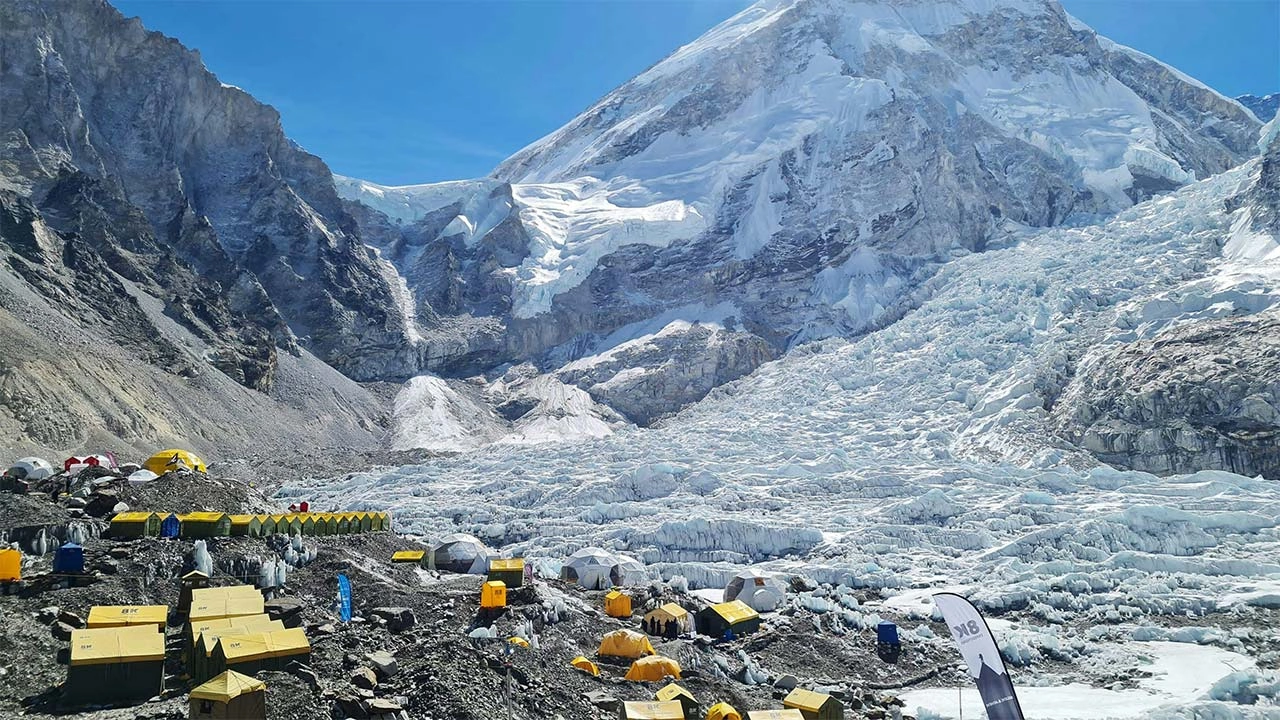
A licensed NTB trekking guide costs USD 25 to USD 35 per day (INR 2,100 to INR 2,940), and a porter costs USD 18 to USD 25 per day (INR 1,512 to INR 2,100). For a 14-day trek with both a guide and one porter, the combined staff cost is USD 600 to USD 840 (INR 50,400 to INR 70,560).
Is Hiring a Guide Mandatory?
While Nepal's central government (Nepal Tourism Board) mandated licensed guides for all trekkers in 2023, a U.S. Embassy Kathmandu travel alert confirming the guide mandate notes the rule was the formal outcome of a "One Trekker, One Guide" policy NTB and TAAN had sought since 2012. As of 2026, independent solo trekking without a guide remains permitted specifically on the EBC route, though hiring one is highly recommended for safety. However, 3 practical risks apply to guideless trekking on EBC:
Route navigation errors above 4,500 m, where trails split and weather changes rapidly
Delayed recognition and response to altitude sickness (AMS) symptoms
No local language support at remote tea houses where lodge owners speak limited English
Nepal Intrepid Treks assigns NTB-licensed guides to all EBC packages. NTB-licensed guides complete a minimum 45-day government training program covering route navigation, first aid for altitude sickness, avalanche awareness, and emergency evacuation procedures.
A common mistake: trekkers hire guides directly off the street in Kathmandu's Thamel district to avoid agency fees. Unlicensed guides carry no government certification, no accountability, and in some cases no altitude trekking experience. Verifying a guide's NTB license number takes 2 minutes at the Nepal Tourism Board office in Bhrikutimandap, Kathmandu.
What Are the Benefits of Hiring a Porter?
A porter carries a maximum of 20 kg of luggage on the EBC trail, allowing trekkers to walk with a daypack of 8 to 10 kg. The porter daily wage of USD 18 to USD 25 is the most efficient labor cost on the trek in terms of physical benefit per dollar.
3 direct benefits of hiring a porter:
Physical energy preservation above 4,000 m, where reduced oxygen availability makes every kilogram of load weight measurably more costly in cardiovascular effort
Evacuation support capacity, since porters can assist descending a trekker showing AMS symptoms faster than the trekker can descend alone
Direct income contribution to Sherpa, Rai, and Tamang communities in the Khumbu region, where trekking-related employment accounts for over 60 percent of household income
Trekkers who skip the porter to save money most often regret this decision above Namche Bazaar. Sharing one porter between 2 trekkers reduces the per-person daily cost to USD 9 to USD 12.50, which is the most economical approach for budget trekkers who want the physical benefit without the full individual cost.
How Much Should You Tip Guides and Porters?
Tipping is customary and expected in Nepali trekking culture. The Trekking Agencies' Association of Nepal (TAAN) publishes a recommended tip schedule used by most reputable agencies.
Standard tip rates per trek (not per day):
Guide: USD 10 to USD 15 per day of the trek, paid as a lump sum at the end
Porter: USD 5 to USD 8 per day of the trek, paid as a lump sum at the end
For a 14-day trek with a group of 4 trekkers sharing one guide and one porter:
Guide tip: USD 140 to USD 210 total, split 4 ways = USD 35 to USD 52.50 per person
Porter tip: USD 70 to USD 112 total, split 4 ways = USD 17.50 to USD 28 per person
Budget INR 4,500 to INR 7,500 per person for tips on a standard 14-day EBC trek. This cost is non-negotiable for ethical trekking. Guide and porter wages cover basic living expenses; tips cover the gap between subsistence income and livable income during the seasonal trekking window.
How Can Indians Save Money on the Everest Base Camp Trek?
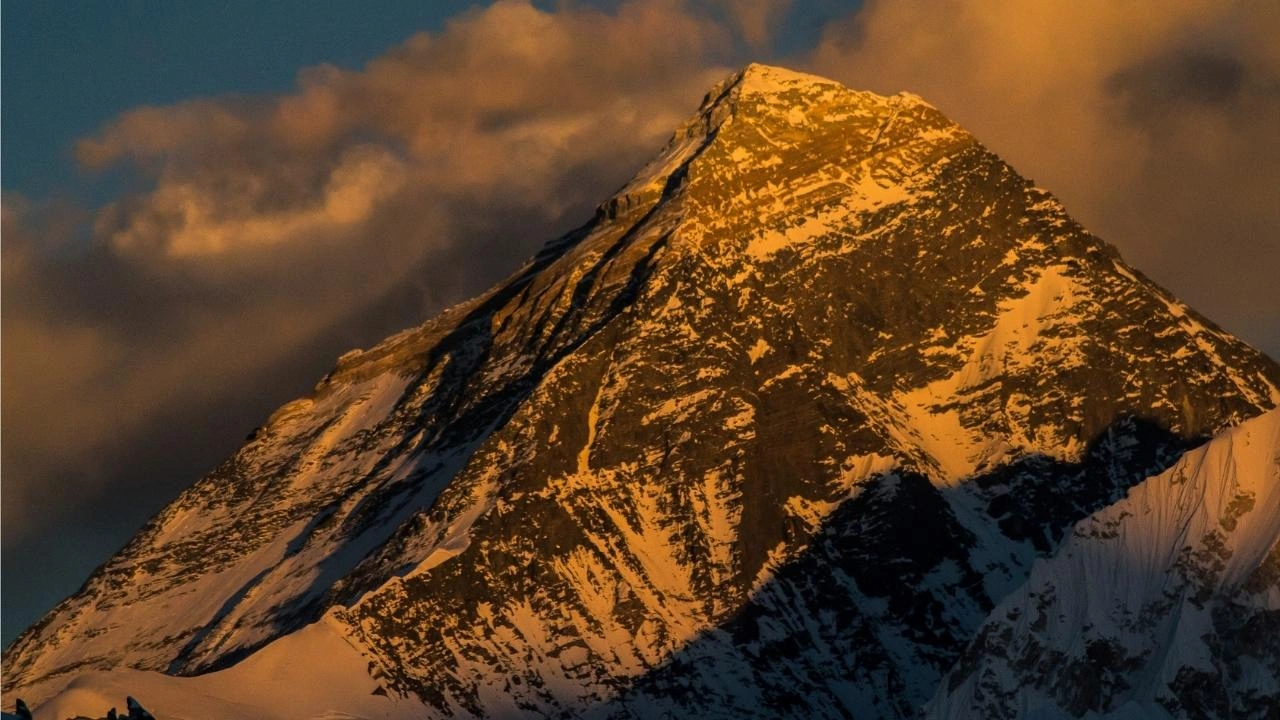
Indian trekkers reduce EBC trek costs through 3 primary strategies: choosing group treks over private ones (saves 25 to 40 percent), trekking in shoulder season, October or April, instead of peak weeks (saves 10 to 20 percent), and renting high-altitude gear in Namche Bazaar instead of buying in India (saves INR 8,000 to INR 18,000).
Should You Choose a Group Trek or a Private Trek?
Group treks with 6 to 10 participants deliver the single largest cost saving on EBC. A private 14-day EBC package from a Kathmandu agency costs USD 1,500 to USD 1,800. The same route in a group of 8 costs USD 1,100 to USD 1,400 per person, a difference of USD 400 to USD 600 per person.
Several Kathmandu agencies including Nepal Intrepid Treks run fixed-departure group EBC treks with set dates in October, November, and April. Indian trekkers who align their travel dates with these departures access group pricing without needing to recruit their own team. Fixed-departure groups also carry pre-confirmed Lukla flight bookings, which reduces weather delay risk because agencies hold priority seat blocks.
When Is the Cheapest Time to Trek?
The cheapest months for EBC trekking are January, February, June, July, and August, though price is only part of the picture; the best season for EBC trek also weighs weather and visibility. Off-season packages cost 15 to 25 percent less than peak-season packages. January and February provide cold but stable trail conditions up to Namche. June through August, the monsoon season, brings significant rainfall but also the highest SAARC visa-free window with minimal competition for tea house beds.
The most cost-effective EBC timing for Indian trekkers balancing price, weather, and views is the first two weeks of November or the first two weeks of April. Package prices in these windows sit 8 to 12 percent below peak-week rates, while weather conditions remain reliable and trail lodges stay open.
What Gear Should You Rent Instead of Buy?
Renting high-altitude trekking gear in Namche Bazaar cuts equipment costs by 60 to 70 percent compared to buying equivalent gear in Delhi or Bengaluru.
Namche Bazaar gear rental rates per day:
Item | Daily Rental Rate (USD) | 14-Day Rental Total (USD) | Buy Price in India (INR) |
Down jacket (−10°C rating) | $2 – $4 | $28 – $56 | INR 5,000 – INR 18,000 |
Sleeping bag (−20°C rating) | $1 – $3 | $14 – $42 | INR 4,000 – $12,000 |
Trekking poles (pair) | $1 – $2 | $14 – $28 | INR 1,500 – INR 5,000 |
Crampons | $1 – $2 | $14 – $28 | INR 2,000 – INR 6,000 |
Duffle bag (60L) | $1 – $2 | $14 – $28 | INR 1,500 – INR 4,000 |
Gear to buy before departure from India, detailed in our full trekking equipment checklist: trekking boots (INR 4,000 to INR 10,000 at Decathlon), moisture-wicking base layers, trekking socks (wool or synthetic), a wind-proof softshell jacket, and a quality 25 to 35L daypack. These items are significantly cheaper in India than in Kathmandu or Namche, and they are personal-fit items that are more comfortable when owned rather than rented.
What Extra Expenses Should You Budget For?
3 categories of extra expenses apply specifically to EBC trekking for Indians: travel insurance covering high-altitude helicopter evacuation, trail amenity fees (Wi-Fi, device charging, hot showers), and emergency cash above Namche Bazaar. Most Indian trekkers underestimate these combined expenses by INR 10,000 to INR 18,000.
How Much Does Travel Insurance Cost?
Travel insurance covering trekking above 5,000 m is a mandatory purchase for EBC. Standard Indian travel insurance policies, including most issued by HDFC Ergo, Bajaj Allianz, and ICICI Lombard, exclude altitudes above 3,500 to 4,000 m. These policies do not cover helicopter evacuation, which costs USD 4,000 to USD 6,000 per flight from Gorak Shep or Kala Patthar to Kathmandu.
EBC-specific high-altitude trekking insurance from providers covering up to 6,000 m costs INR 3,000 to INR 8,000 for 15 to 20 days of coverage. World Nomads (international provider) and Religare Health Insurance offer Nepal high-altitude plans within this range.
The Himalayan Rescue Association (HRA), which runs the aid posts trekkers rely on above Namche and in the Annapurna region, has data suggesting the risk is real: a 2024 peer-reviewed retrospective study of an HRA high-altitude aid post found 11.6% of the 2,904 people treated at its Manang post between 2018 and 2023 had an altitude-related illness (AMS, HAPE, or HACE). No comparably recent public dataset exists specifically for the Pheriche post on the EBC route, but the pattern underscores why insurance and a flexible itinerary matter. Skipping evacuation coverage to save INR 4,000 is a financial risk of INR 3,36,000 to INR 5,04,000 per evacuation.
How Much Should You Budget for Wi-Fi, Charging, and Showers?
Tea house amenities above Lukla are pay-per-use. Prices increase proportionally with altitude because infrastructure costs more to maintain at elevation.
Standard trail amenity costs:
Wi-Fi: USD 2 to USD 5 per hour, or USD 5 to USD 15 per day for unlimited access (available consistently at Namche Bazaar, Tengboche, and Dingboche; patchy above Lobuche)
Device charging (phone, camera, GPS): USD 1 to USD 3 per hour
Hot shower: USD 3 to USD 6 per shower (solar-heated water; unavailable when overcast)
Total trail amenity budget for 14 days with moderate use: USD 60 to USD 100 (INR 5,040 to INR 8,400).
Indian trekkers can reduce this cost substantially with 2 practical purchases: a solar power bank (INR 2,000 to INR 5,000 at Amazon India) for off-grid device charging, and a Nepal Telecom or Ncell SIM card from Kathmandu (INR 150 to INR 300 equivalent) for data connectivity up to Namche Bazaar. Above Namche, only the Everest Link satellite Wi-Fi network provides any data coverage, at variable speeds and USD 2 to USD 5 per hour.
How Much Emergency Cash Should You Carry?
Carry a minimum of USD 200 to USD 300 (INR 16,800 to INR 25,200) in cash above Namche Bazaar. ATMs are available only in Kathmandu and Namche Bazaar. The trail from Namche to Base Camp operates entirely on cash.
Emergency cash covers 3 practical scenarios:
Lukla flight delays or cancellations due to weather, which strand trekkers in Lukla or Namche for 1 to 5 additional nights, adding USD 20 to USD 60 per extra day in accommodation and food
Additional acclimatization rest days recommended by a guide when AMS symptoms appear above Namche
Equipment failures or medical supply purchases from lodges or the Himalayan Rescue Association post at Pheriche
Nepal Rastra Bank and most Kathmandu money exchange counters only accept Indian rupee notes in denominations of INR 100 or lower. Indian notes of INR 500 and above are strictly banned in Nepal, and the INR 2,000 note was withdrawn by the Indian government in 2023. Always carry lower denominations (INR 100 or less) or rely on digital currency cards. Carry clean, undamaged notes. Torn or heavily worn INR notes are commonly refused at Kathmandu exchange counters.
How Does the Everest Base Camp Trek Cost Compare With Other Popular Nepal Treks?
The EBC trek costs 30 to 50 percent more than the Annapurna Base Camp (ABC) trek and 60 to 80 percent more than the Langtang Valley trek. The cost difference is driven primarily by the Lukla domestic flight, the higher supply costs at Khumbu elevations, and the longer standard itinerary length.
Is Everest Base Camp More Expensive Than Annapurna Base Camp?
The Annapurna Base Camp trek (ABC) is a 10 to 12-day route in the Annapurna Conservation Area (ACAP), reaching 4,130 m at base camp. Annapurna Base Camp does not require a mountain flight. Trekkers access the route by road from Pokhara (Tribhuvan Airport to Pokhara is a 20-minute domestic flight, or a 7-hour bus ride from Kathmandu).
Cost comparison for Indian trekkers (excluding international India-to-Kathmandu flights):
Cost Component | EBC (14 days) | ABC (12 days) |
Domestic mountain flight | INR 26,800 – INR 31,000 | None |
Permits (SAARC rates) | INR 2,800 | INR 1,250 (ACAP + TIMS) |
Guide (full trek) | INR 29,400 – INR 41,000 | INR 25,200 – INR 35,000 |
Porter (full trek) | INR 21,000 – INR 29,400 | INR 18,000 – INR 25,200 |
Accommodation + food | INR 43,000 – INR 63,000 | INR 34,000 – INR 52,000 |
Total (excl. intl. flights) | INR 1,22,000 – INR 1,65,000 | INR 81,000 – INR 1,16,000 |
The Lukla mountain flight alone adds INR 25,000 to INR 31,000 per person to the EBC total. For a full breakdown, Annapurna Base Camp trek costs run lower across every cost category, making ABC the strongest cost-efficient alternative for first-time Nepal trekkers who want high-altitude Himalayan experience before committing to the Khumbu route.
Is the Langtang Trek a More Budget-Friendly Alternative?
The Langtang Valley trek is a 7 to 10-day route through Langtang National Park, north of Kathmandu, reaching Kyanjin Gompa at 3,870 m. It requires no domestic flights. A public bus from Kathmandu to Syabrubesi, the trek starting point, costs USD 6 to USD 10, and the journey takes 6 to 7 hours.
Estimated total cost for Indian trekkers on the Langtang trek (excluding international flights):
Langtang National Park permit (SAARC rate): INR 937 (NPR 1,500)
Guide (8 days): INR 16,800 to INR 23,500
Porter (8 days): INR 12,100 to INR 16,800
Accommodation + food: INR 20,000 to INR 32,000
Bus transport (round trip): INR 1,000 to INR 1,700
Total: INR 50,000 to INR 74,000, which is 50 to 60 percent cheaper than EBC.
Langtang is the right choice for Indian trekkers with a first Nepal trek budget under INR 80,000, a schedule window of 7 to 10 days, or those building altitude experience before attempting EBC in a subsequent season.
What Is the Best Budget for Different Types of Indian Travelers?
Indian EBC trekkers fall into 3 budget categories: backpacker (INR 95,000 to INR 1,20,000), comfort (INR 1,40,000 to INR 2,10,000), and luxury (INR 2,80,000 to INR 4,40,000). Each category reflects different accommodation standards, service inclusions, and trek flexibility.
What Is the Ideal Budget for Backpackers?
The backpacker EBC budget covers the minimum viable trek: a shared group departure of 8 to 12 trekkers, the Ramechhap-Lukla flight routing, guide only (no porter), shared twin-room accommodation, and a meal plan focused on dal bhat and noodles.
Backpacker budget breakdown for 14 days from Delhi:
Item | Cost (INR) |
Delhi–Kathmandu round trip flight | INR 8,000 – INR 14,000 |
Ramechhap–Lukla one-way flight | INR 8,000 – INR 9,700 |
Shared jeep Kathmandu–Ramechhap | INR 840 – INR 1,260 |
Permits (SAARC rates) | INR 2,800 |
Guide share in group | INR 5,000 – INR 8,000 |
Accommodation (cheapest rooms) | INR 8,400 – INR 12,600 |
Food (dal bhat + noodles focus) | INR 30,000 – INR 40,000 |
Travel insurance | INR 3,500 – INR 5,000 |
Trail amenities (minimal use) | INR 2,500 – INR 4,200 |
Emergency cash reserve | INR 16,800 |
Total | INR 85,000 – INR 1,12,000 |
Backpackers carry all gear in a single 45 to 55L pack (no porter), limit hot showers to 2 during the full trek, avoid bottled drinks in favor of filtered stream water, and skip Wi-Fi above Namche Bazaar.
What Is the Recommended Budget for Comfort Travelers?
Comfort trekkers use small-group packages of 4 to 8 people, hire both a guide and a personal porter, eat from the full menu at tea houses, and use hot showers 4 to 5 times during the trek.
Comfort budget breakdown for 14 days from Delhi:
Item | Cost (INR) |
Delhi–Kathmandu round trip flight | INR 12,000 – INR 20,000 |
Kathmandu–Lukla direct round trip flight | INR 26,800 – INR 31,000 |
Permits | INR 2,800 |
Guide (14 days) | INR 29,400 – INR 37,800 |
Porter (14 days) | INR 21,000 – INR 29,400 |
Accommodation (single or twin rooms) | INR 11,200 – INR 18,000 |
Food (full menu) | INR 38,000 – INR 50,000 |
Travel insurance | INR 4,500 – INR 6,500 |
Gear rentals in Namche | INR 5,000 – INR 9,000 |
Trail amenities | INR 5,000 – INR 8,400 |
Tips + emergency cash | INR 21,300 – INR 32,700 |
Total | INR 1,76,000 – INR 2,43,000 |
This is the most common budget range for Indian trekkers with 12 to 16 days of travel time and prior trekking experience on routes like the Roopkund Trek, Kedarkantha, or Hampta Pass.
What Is the Expected Budget for Luxury Trek Packages?
Luxury EBC packages include private Sherpa guides with senior certification, upgraded lodge suites in Namche Bazaar and Dingboche, confirmed priority Kathmandu-Lukla seats, pre and post-trek stays at 4-star Kathmandu hotels, and a Kathmandu cultural tour.
The most premium add-on is a helicopter return flight from Gorak Shep to Kathmandu, bypassing the 5-day Lukla descent entirely. This costs USD 350 to USD 600 per seat and saves 5 to 6 full trekking days. For Indian professionals with limited leave, this option converts EBC into a 10 to 11 day total trip instead of 16 to 17 days.
Luxury budget breakdown for 14 to 16 days from Delhi:
Item | Cost (INR) |
Delhi–Kathmandu business class round trip | INR 40,000 – INR 80,000 |
Direct Lukla flights with priority seats | INR 27,000 – INR 32,000 |
Kathmandu hotel (2 nights pre + 1 post, 4-star) | INR 12,000 – INR 22,000 |
Private senior Sherpa guide | INR 50,400 – INR 67,200 |
Personal porter | INR 21,000 – INR 29,400 |
Premium lodge accommodation on trail | INR 20,000 – INR 35,000 |
Food (full menu, all elevations) | INR 50,000 – INR 70,000 |
Travel insurance (comprehensive) | INR 7,000 – INR 12,000 |
Helicopter return Gorak Shep–Kathmandu | INR 29,400 – INR 50,400 |
Tips + personal extras | INR 30,000 – INR 45,000 |
Total | INR 2,87,000 – INR 4,43,000 |
How Should You Choose the Right Everest Base Camp Trek Package?
Choosing the best EBC trek tour operator means picking an NTB-registered Nepal agency that includes a licensed guide, all mandatory permits, a transparent cost breakdown listing each included component, and a written refund or rebooking policy for Lukla flight delays. Packages missing these elements carry financial and safety risks that cost more to resolve on the trail than the initial savings.
4 red flags in EBC package listings:
All-in prices below INR 80,000 from India to Base Camp and back, these exclude the Lukla flight, guide fees, or permits
No mention of the Sagarmatha National Park permit or Khumbu entry permit in the inclusions list
No verifiable NTB registration number displayed on the agency's website or booking documents
Guide and porter costs listed as optional add-ons rather than standard inclusions
4 questions to ask before confirming any EBC booking:
Does the quoted price include the Lukla flight (direct Kathmandu routing or Ramechhap option)?
Is the guide NTB-licensed and certified in Wilderness First Aid or equivalent?
Do the permit inclusions cover both the Sagarmatha National Park and Khumbu Pasang Lhamu fees?
What is the documented rebooking policy if Lukla flights are cancelled due to mountain weather?
Cutting guide quality to save USD 50 per day increases risk on a route where AMS, trail navigation errors, and weather emergencies occur regularly above 4,000 m.
Can Nepal Intrepid Treks Help You Find the Best Value Everest Base Camp Trek?
Nepal Intrepid Treks is a Kathmandu-based NTB-registered trekking agency offering its Everest Base Camp trek packages for Indian travelers across all 3 budget categories. All packages include NTB-licensed guides, both mandatory permits (Sagarmatha National Park and Khumbu), and tea house accommodation with full board meals.
Indian trekkers benefit from 3 specific advantages when booking through Nepal Intrepid Treks:
INR-denominated cost quotes with itemized breakdowns, removing currency conversion guesswork
Flexible Lukla flight routing based on traveler budget: direct Kathmandu-Lukla or the cheaper Ramechhap option
Fixed-departure small-group treks of 4 to 8 trekkers, providing group-rate pricing without requiring the traveler to recruit their own group
For trekkers with flexible dates, Nepal Intrepid Treks matches Indian clients with upcoming group departures, reducing per-person cost by 25 to 35 percent compared to custom private packages of the same duration and standard.
What Are the Key Takeaways About Everest Base Camp Trek Costs for Indians?
The Everest Base Camp trek cost for Indian travelers ranges from INR 95,000 for a budget group trek to INR 4,40,000 for a fully private luxury experience with helicopter return. The standard all-in budget for a mid-range 14-day trek with guide, porter, permits, accommodation, and meals is INR 1,50,000 to INR 2,10,000 per person.
6 cost factors every Indian trekker accounts for before departure:
Indian citizens enter Nepal visa-free, saving USD 30 to USD 50 per person compared to non-SAARC nationalities
SAARC nationals pay NPR 1,500 (INR 940) for the Sagarmatha National Park permit, a 63 percent discount from the standard USD 30 foreign rate
The Ramechhap domestic flight route saves USD 60 to USD 75 per person versus the direct Kathmandu-Lukla option
Group treks of 6 to 10 people reduce per-person cost by 25 to 40 percent versus private treks
Travel insurance covering helicopter evacuation above 5,000 m costs INR 3,000 to INR 8,000 and covers a potential INR 3,36,000 to INR 5,04,000 evacuation expense
Emergency cash of USD 200 to USD 300 stays accessible above Namche Bazaar, where ATMs do not exist
Indian trekkers who plan permit costs, gear rentals, and group timing carefully complete EBC for INR 1,10,000 to INR 1,30,000 total, including flights from Delhi. With the visa exemption, SAARC permit discount, and deep cultural familiarity with Nepali food and mountain communities, Indian trekkers are among the most cost-efficient EBC trekkers in the Khumbu each season.