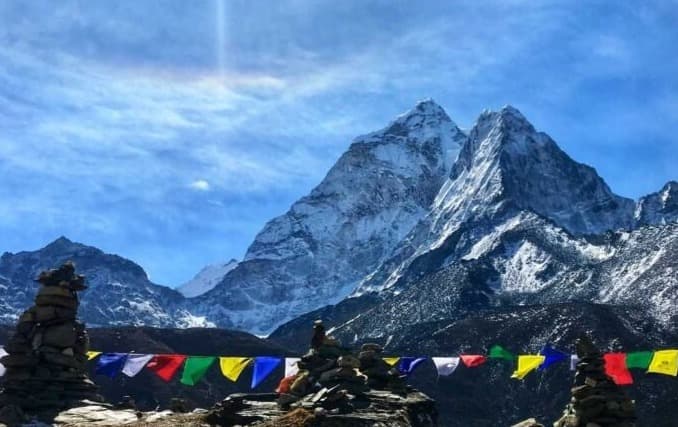
The best time to visit Sikkim and Darjeeling is March to May and October to November, when the eastern Himalayas offer the most rewarding mix of clear skies, comfortable temperatures, stable road conditions, and broad sightseeing access. Spring is ideal for rhododendron blooms, first-flush Darjeeling tea, and trekking routes opening across Sikkim and the Singalila Ridge, while autumn is the strongest season for sharp Kanchenjunga views, post-monsoon clarity, and smooth travel between Darjeeling, Gangtok, Pelling, and North Sikkim gateways. These months give travellers the best chance to experience the region at full strength, from tea estates and toy train rides to high-altitude valleys, monasteries, and mountain viewpoints.
Travel conditions in Sikkim and Darjeeling change sharply with season, elevation, permit rules, and road reliability, so the right time depends on what you want most: flowers, mountain views, snow, trekking, or lower prices. June to September brings the highest risk of landslides and route disruption, especially toward Lachung, Yumthang, Zero Point, and Gurudongmar, while December to February offers snow at places like Tsomgo Lake, Nathula Pass, and Sandakphu but with colder temperatures and more restricted high-altitude access. This guide breaks down each season and month in practical detail so travellers can choose the best window for sightseeing, North Sikkim permits, Darjeeling tea gardens, toy train weather, trekking plans, and budget-friendly travel.
Which Seasons Are Best for Sikkim and Darjeeling?
Sikkim and Darjeeling have 2 peak seasons: spring (March to May) and autumn (October to November). Spring offers rhododendron blooms and pre-monsoon clarity. Autumn delivers post-monsoon washed skies and direct Kanchenjunga visibility from Tiger Hill, Pelling, and Lachung.
Sikkim covers 7,096 square kilometres in the eastern Himalayas, bordered by Nepal, Tibet, and Bhutan. Darjeeling sits at 2,045 metres in the Darjeeling Himalayan Hill region of West Bengal. Both destinations share a monsoon-influenced climate, but their elevation differences, Darjeeling at 2,045 metres versus North Sikkim's Gurudongmar Lake at 5,148 metres, create 4 distinct travel windows within the same geography.
The table below shows season-by-season conditions across both destinations.
|
Season |
Months |
Temp Range |
Sky Clarity |
Road Safety |
|
Spring |
Mar–May |
10°C–22°C |
High |
High |
|
Monsoon |
Jun–Sep |
15°C–25°C |
Low |
Low |
|
Autumn |
Oct–Nov |
8°C–20°C |
Very High |
Very High |
|
Winter |
Dec–Feb |
-5°C–12°C |
Moderate |
Moderate |
Autumn ranks highest for mountain visibility. Spring ranks highest for floral diversity. Winter ranks highest for snow experiences at Nathula Pass (4,310 metres) and Tsomgo Lake (3,753 metres).
Is Spring the Top Time for Clear Views and Blooms?
Spring (March to May) is the top season for rhododendron blooms and pre-monsoon mountain visibility in Sikkim and Darjeeling.Sikkim is one of India’s richest rhododendron regions, with official and government-linked sources describing roughly 36–38 species in the state; bloom timing varies by altitude, generally peaking from spring into early summer. Tiger Hill delivers unobstructed Kanchenjunga views at 8,586 metres on 7 out of 10 clear mornings during this period.
March marks the start of the Sikkim rhododendron trail. The Singalila Ridge in Darjeeling District erupts in red, pink, and white rhododendron clusters across 78 kilometres of trekking terrain. Yumthang Valley, located at 3,564 metres in North Sikkim, peaks in bloom between mid-April and early May.
Spring temperatures average 14°C in Darjeeling and 18°C in Gangtok. Rainfall averages 45mm per month in March, rising to 120mm in May. Tourists who visit Darjeeling between March 15 and April 30 experience the clearest pre-monsoon views and maximum floral density simultaneously.
3 specific spring advantages set this season apart:
-
Yumthang Valley rhododendron bloom peaks at 3,564 metres between April 15 and May 10
-
Darjeeling tea plucking season begins in March, with first-flush Darjeeling tea harvested between March 1 and April 15
-
Kanchenjunga Base Camp trekking opens with stable trail conditions from March 15 onwards
North Sikkim permit processing averages 2 working days during spring. Accommodation occupancy in Gangtok reaches 75–85% in April.
Is Autumn Better for Mountain Views and Mild Weather?
Autumn (October to November) provides the clearest Himalayan visibility of the year in Sikkim and Darjeeling. Post-monsoon air clarity allows views of 5 Himalayan peaks, Kanchenjunga (8,586 m), Kabru (7,412 m), Pandim (6,691 m), Siniolchu (6,888 m), and Simvo (6,812 m), from Pelling and Darjeeling Tiger Hill simultaneously.
October temperatures in Darjeeling range between 8°C and 17°C. Gangtok records 10°C to 20°C. November drops Darjeeling to 6°C–14°C. These temperatures eliminate both the monsoon humidity and the winter frost risk, creating ideal walking conditions across all elevation zones.
Conditions usually improve from late September into October, but heavy rain can continue into early October, so road and trail conditions may still vary at the end of September. Tsomgo Lake (3,753 metres) remains accessible without snow obstruction through October 31 in non-La Niña years. Nathu La access is controlled by permit availability, weather, and current government advisories rather than a simple fixed June–September closure; in general, the main visiting window runs from about May to mid-November.
Darjeeling's autumn tea harvest, the second-flush and autumn-flush plucking, runs October 1 to November 15. Tea garden tours at Makaibari, Happy Valley, and Castleton estates operate at full capacity during this window. Toy train bookings on the Darjeeling Himalayan Railway (DHR), a UNESCO World Heritage Site, fill 3–4 weeks ahead during October.
Is Winter Worth It for Snow and Fewer Crowds?
Winter (December to February) is worth visiting for snow landscapes at Tsomgo Lake, Nathula Pass, and Sandakphu, with 30–40% fewer tourists compared to peak seasons. Tsomgo Lake freezes partially by December 20 in most years. Nathula Pass accumulates 2–4 metres of snowfall by January.
Darjeeling in December records minimum temperatures of 2°C–5°C. Gangtok averages 4°C–10°C. North Sikkim districts, Lachung, Lachen, and Gurudongmar, drop to -10°C to -15°C from December to February. These temperatures restrict North Sikkim access to tourists with cold-weather gear and prior high-altitude acclimatisation.
Winter advantages for budget travellers are significant:
-
Hotel rates in Gangtok drop by 25–35% from December 15 to February 28 compared to peak October rates
-
Darjeeling accommodation averages 20–30% below peak pricing during January
-
Toy train bookings on the DHR remain available within 3–5 days of travel dates in winter months
Sandakphu (3,636 metres), the highest peak in West Bengal, receives snowfall between December and February. The Singalila Ridge trek from Maneybhanjang to Sandakphu remains open with snow gear between December 1 and February 15. Clear winter mornings deliver views of Everest (8,849 m), Makalu (8,485 m), Lhotse (8,516 m), and Kanchenjunga from Sandakphu's summit.
Can Monsoon Still Work for Off-Season Travel?
Monsoon (June to September) works for off-season travel to Darjeeling tea gardens and low-altitude Sikkim cultural sites, but restricts access to 60–70% of North Sikkim routes. Darjeeling town, Ghoom Monastery, and the DHR toy train operate through monsoon. Lachung, Yumthang, and Gurudongmar Lake face repeated road closures from June 15 onwards.
Monsoon Darjeeling records 400–600mm of rainfall in July alone. Gangtok averages 350mm in July. These volumes trigger 15–25 annual landslide incidents on the NH10 highway between Siliguri and Gangtok. The BRO (Border Roads Organisation) clears major landslides within 12–48 hours on primary routes, but secondary roads to North Sikkim destinations remain closed for 3–7 days per incident.
3 destinations remain viable during monsoon:
-
Darjeeling town at 2,045 metres operates fully, with tea garden tours continuing through rain breaks
-
Pelling at 2,150 metres in West Sikkim stays accessible and offers misty Kanchenjunga cloud photography
-
Rumtek Monastery near Gangtok at 1,550 metres, one of the largest Buddhist monasteries outside Tibet, remains open year-round
Monsoon pricing runs 30–45% below peak season across all hotel categories. Flight connections between Bagdogra Airport (IXB) and Gangtok helipad operate on a weather-clearance basis, with a 40–60% cancellation rate in July and August.
What Is Sikkim and Darjeeling Like Month by Month?
Sikkim and Darjeeling transition through 4 distinct climate phases across 12 months, from spring bloom peaks in March, through monsoon intensity in July, to autumn clarity in October, and winter snowfall in January. Each month carries specific access conditions, temperature ranges, and activity windows.
What Is March to May Like?
March to May delivers temperatures of 10°C–22°C, rhododendron blooms from 1,500 metres to 4,000 metres elevation, and stable road conditions across all Sikkim districts. This 3-month window marks the primary trekking season and first-flush tea harvest.
-
March (10°C–18°C): Rhododendrons begin blooming at lower elevations. Sandakphu trek opens. First-flush Darjeeling tea plucking starts on March 1. North Sikkim permits process in 2 days.
-
April (12°C–20°C): Yumthang Valley bloom peaks between April 15 and May 5. Gurudongmar Lake (5,148 m) opens for day visits. Kanchenjunga base camp trekkers access Goecha La (4,940 m) with full trail stability.
-
May (15°C–22°C): Pre-monsoon cloud build-up begins after May 20. Rainfall increases to 120mm per month. Rhododendrons at lower elevations shed, while high-altitude blooms continue at Yumthang. Tourist density reaches 80–90% hotel occupancy in Gangtok.
What Is June to September Like?
June to September brings 350–600mm monthly rainfall, 15–25 annual landslide events on NH10, and restricted access to North Sikkim above 2,500 metres. This 4-month monsoon window closes Nathula Pass, Gurudongmar Lake, and most Lachung Valley roads intermittently.
-
June (15°C–23°C): Monsoon arrives by June 5–10. North Sikkim road closures begin. Darjeeling town remains fully accessible. Fog and mist photography opportunities peak at Tiger Hill.
-
July (18°C–25°C): Peak rainfall. 400–600mm in Darjeeling. Highest landslide risk period. Toy train runs with minor weather delays. Monasteries at Rumtek, Phodong, and Enchey operate normally.
-
August (17°C–24°C): Monsoon continues. Teesta River volume increases by 300–400% from pre-monsoon levels, restricting riverside routes. Occasional clear windows of 3–5 days occur between rain phases.
-
September (15°C–22°C): Monsoon withdrawal begins September 15. Roads begin stabilising. North Sikkim access resumes partially by September 20 in most years. Hotel rates remain at 30–45% discount.
What Is October to November Like?
October to November delivers the clearest mountain visibility of the year, with Kanchenjunga visible from Tiger Hill on 8–9 out of 10 mornings and stable road access across all 4 Sikkim districts. These 2 months form the single strongest travel window in the entire year.
-
October (8°C–20°C): Post-monsoon clarity peaks. Nathula Pass reopens. Tsomgo Lake reflects autumn sky. Second-flush tea harvest runs at Darjeeling estates. Toy train bookings fill 3–4 weeks in advance. North Sikkim circuits, Lachung to Yumthang, run without closures.
-
November (6°C–17°C): Temperatures drop. High-altitude destinations above 4,000 metres begin pre-winter snowfall. Gangtok and Darjeeling remain clear and comfortable. Crowds thin from October peak. Accommodation prices start declining toward winter rates.
What Is December to February Like?
December to February offers snow landscapes at Nathula Pass (2–4 metres accumulation) and Tsomgo Lake (partial freeze by December 20), with hotel rates 25–40% below peak season. Winter access in North Sikkim varies by route and weather: very high-altitude sectors such as Gurudongmar are often the most restricted, while places like Yumthang may still be visited subject to snowfall, road conditions, and permit status.
-
December (2°C–12°C): Snow arrives at high altitudes. Tsomgo Lake partially freezes. Gangtok stays cold but clear. Christmas and New Year demand pushes hotel prices up briefly before returning to winter lows.
-
January (-2°C–10°C): Coldest month. Darjeeling drops to 2°C minimum. Sandakphu receives 30–60cm snowfall. Fewest tourists of the year. Best pricing across all accommodation categories.
-
February (4°C–14°C): Temperatures begin rising. Cherry blossoms appear in lower Sikkim districts by February 20. Spring onset signals a return toward March bloom conditions.
Which Season Suits Sightseeing, Snow, and Flowers Best?
Sightseeing peaks in October–November, snow experiences peak in January–February, and floral visits peak in April–May. These 3 activity categories align with 3 different seasonal windows, each requiring a distinct travel plan.
Sightseeing across Gangtok, Darjeeling town, Pelling, and Kalimpong reaches maximum productivity in October. Road access is open across all zones, weather is stable, and 7 primary viewpoints, Tiger Hill, Batasia Loop, Tashi Viewpoint, Hanuman Tok, Rumtek, Pelling Skywalk, and Ravangla Buddha Park, operate without weather restrictions.
Snow experiences concentrate in 3 locations: Tsomgo Lake (3,753 m), Nathula Pass (4,310 m), and Sandakphu (3,636 m). Tsomgo Lake and Nathula are accessible from Gangtok with day permits between October and March. Sandakphu snow trekking peaks in January.
Flower visits centre on Yumthang Valley (3,564 m) and the Singalila Ridge. Yumthang's 24-species rhododendron bloom peaks April 15–May 10. Singalila's bloom runs March 20–April 30.
When Is the Toy Train and Tea Garden Weather at Its Best?
The Darjeeling Himalayan Railway toy train and Darjeeling tea gardens operate at their best between March 1 and May 15, and again October 1 to November 30. These 4 months combine clear weather for outdoor observation, active tea plucking seasons, and peak toy train scheduling.
The Darjeeling Himalayan Railway (DHR), designated a UNESCO World Heritage Site in 1999, operates on 88 kilometres of narrow-gauge track between New Jalpaiguri (116 m) and Darjeeling (2,045 m). The Joy Ride, a 2-hour loop from Darjeeling station to Ghoom and back, runs daily regardless of season but achieves full mountain backdrop only during spring and autumn clear-sky periods.
Darjeeling tea estates produce 4 distinct harvests tied directly to seasonal weather:
|
Harvest |
Months |
Tea Type |
Flavour Profile |
|
First Flush |
Mar 1–Apr 15 |
Spring Darjeeling |
Light, muscatel, floral |
|
Second Flush |
May 15–Jun 15 |
Summer Darjeeling |
Full body, amber |
|
Monsoon Flush |
Jul–Sep |
Darjeeling CTC |
Bold, less delicate |
|
Autumn Flush |
Oct 1–Nov 15 |
Autumn Darjeeling |
Nutty, copper-tipped |
3 estates offer visitor access with advance booking, Makaibari, Happy Valley, and Castleton, all located within 8 kilometres of Darjeeling town. Tea tasting experiences at these estates run year-round, but plucking demonstrations occur only during active harvest windows.
When Are Yumthang and North Sikkim at Their Best?
Yumthang Valley and North Sikkim reach their best conditions between April 15 and May 15 for blooms, and between October 1 and November 15 for mountain clarity. These 2 windows align with permit availability, stable BRO road maintenance periods, and Lachung Valley weather stability.
Yumthang Valley, at 3,564 metres in North Sikkim's Lachung subdivision, hosts 24 rhododendron species across 25 square kilometres of alpine meadow. The valley is classified as a wildlife sanctuary under Sikkim's Protected Area regulations.
Zero Point (Yumesamdong), located 23 kilometres north of Yumthang at 4,428 metres, stays accessible May 1 to November 30. Snow remains at Zero Point even in May, offering year-round glacial views for day visitors travelling from Lachung.
North Sikkim circuit access, the standard 4-day itinerary from Gangtok to Lachung, Yumthang, Zero Point, Lachen, and Gurudongmar Lake, operates on the following annual schedule:
-
Open fully: April 1 – June 10 and October 1 – November 30
-
Restricted (monsoon): June 15 – September 25 (day-to-day BRO clearance required)
-
Closed (winter): December 15 – March 15 for Gurudongmar Lake above 5,000 metres
Gurudongmar Lake (5,148 m), one of the highest freshwater lakes in the world, closes to tourists between December 15 and March 15 due to heavy snowfall above 4,500 metres. In Sikkim, the official permit terms are Protected Area Permit (PAP) and Restricted Area Permit (RAP), not ILP. Foreign visitors need RAP for the state’s restricted areas and PAP for certain protected circuits such as Tsomgo and the Lachen–Lachung–Yumthang–Thangu route.
When Is Trekking Season Best Around Sikkim and Darjeeling?
Trekking season around Sikkim and Darjeeling peaks from March 15 to May 31 and from October 1 to November 30, offering 5 primary high-altitude routes with stable trail and permit conditions. These 4 months combine minimum trail moisture, open permit windows, and maximum daily visibility for navigation.
5 primary trekking routes and their seasonal windows:
-
Goecha La Trek (Kanchenjunga base camp, 4,940 m): Best March 15–May 31 and October–November; 11-day circuit from Yuksom
-
Singalila Ridge Trek (Sandakphu, 3,636 m): Best March 20–May 15 and October–November; 6-day Maneybhanjang to Phalut circuit
-
Green Lake Trek (North Sikkim, 5,100 m): Best May–June only; requires Special Area Permit; 16-day route from Lachen
-
Dzongri Trail (West Sikkim, 4,020 m): Best October–November; 5-day route from Yuksom with Kanchenjunga views
-
Timburlenga Trek (East Sikkim): Best November–December; 3-day moderate trek near Rongli
Goecha La Trek requires 4 permits: Protected Area Permit (PAP), National Park Permit (Khangchendzonga Biosphere Reserve), Trekking Permit from Sikkim Tourism, and Forest Department Permit. Processing time averages 3 working days during peak season.
When Should You Avoid Rain, Landslides, and Road Delays?
Travellers avoid monsoon months June 15 to September 25 for North Sikkim routes, as 15–25 landslide incidents per season block NH10 between Siliguri and Gangtok, with individual clearance times of 12–72 hours. Darjeeling remains partially accessible, but 30–40% of planned itineraries experience day-level delays during July and August.
Which Months Bring the Highest Rain Risk?
July and August bring the highest rainfall risk, with Darjeeling recording 400–600mm in July and North Sikkim districts averaging 300–450mm. These 2 months account for 55–65% of annual total precipitation across the Sikkim-Darjeeling travel zone.
Monthly rainfall averages across key destinations:
|
Destination |
July (mm) |
August (mm) |
Risk Level |
|
Darjeeling |
500–600 |
400–520 |
Very High |
|
Gangtok |
350–420 |
300–380 |
High |
|
Pelling |
300–380 |
280–340 |
High |
|
Lachung (North Sikkim) |
250–320 |
220–290 |
Very High (road risk) |
Landslide risk concentrates on 3 highway segments: NH10 between Sevoke and Kalimpong, NH31A between Rangpo and Singtam, and the Mangan–Lachung corridor in North Sikkim. The Sikkim State Disaster Management Authority (SSDMA) publishes real-time road status updates during monsoon.
When Do Roadblocks Affect Itineraries the Most?
Roadblocks affect Sikkim itineraries most severely between June 20 and August 31, with the Mangan–Lachung route recording 8–12 blockages per season, each lasting 1–4 days. This period causes the highest rate of North Sikkim tour cancellations, approximately 25–35% of booked itineraries experience at least one itinerary-altering road closure.
NH10, the primary Siliguri-to-Gangtok highway along the Teesta River, faces the most consistent disruption. The Teesta River volume increases by 300–400% above pre-monsoon baseline in July, triggering bank erosion and slope failure across 14 known high-risk zones.
Travellers who book North Sikkim circuits in July or August face 3 specific contingency scenarios:
-
Full closure (BRO clearance 48–72 hours): Circuit cancels; alternate itinerary shifts to Gangtok cultural sites
-
Partial closure (BRO clearance 12–24 hours): Lachung access delays by 1 day; Yumthang visit compresses or cancels
-
Weather hold (temporary closure 4–8 hours): Departures delay from Gangtok until BRO reopens specific segments
What Months Are Best for Lower Prices and Fewer Crowds?
January, February, and September offer the lowest accommodation prices and fewest tourist crowds in Sikkim and Darjeeling, with hotel rates 25–45% below October peak pricing. These 3 months combine shoulder and off-season economics without the complete access restrictions of peak monsoon.
January delivers the lowest prices of the year. Gangtok 3-star hotels average ₹1,800–₹2,500 per night in January versus ₹3,500–₹5,000 in October. Darjeeling heritage hotels drop from peak rates of ₹5,000–₹8,000 to ₹3,000–₹4,500 in January.
September sits in a unique position. Monsoon retreats after September 15, roads begin clearing, and accommodation still prices at monsoon-rate discounts through September 30. Travellers who arrive September 20–30 access near-peak conditions at below-peak pricing.
February marks the start of cherry blossom season in lower Sikkim. Pharmaceutical orchid farms near Singtam and Namchi open for agro-tourism visits. Tourist density stays at 20–30% of October levels, making viewpoint queues and restaurant seating significantly more accessible.
How Do Permits and Access Change by Season in Sikkim?
Sikkim's permit system requires 3 separate documents, the Protected Area Permit (PAP), Inner Line Permit (ILP) for foreign nationals, and special permits for restricted zones, with processing times varying from 1 day in off-season to 3–4 days in April–October peak periods. Permit access, not just weather, determines when North Sikkim circuits operate.
Which Sikkim Zones Need Permits in Peak Season?
4 Sikkim zones require separate permits beyond the standard entry permit: North Sikkim (PAP), Nathula Pass (Special Permit for Indian citizens), Green Lake Trek Zone (Special Area Permit), and the Restricted Zone above Lachung (Environmental Clearance Permit). Foreign nationals require ILP for all zones above the standard Gangtok tourist circuit.
The 4-zone permit structure works as follows:
-
North Sikkim PAP: Required for all Indian nationals visiting Lachung, Lachen, Gurudongmar, Yumthang; obtained through registered tour operators in Gangtok; costs NPR 160 per person (INR 100)
-
Nathula Pass Special Permit: Nathu La permits are available only to Indian nationals and are processed through registered travel agencies. Sikkim Tourism says visitors should carry valid ID and photographs, and its PAP guidance specifically states that Aadhaar is not accepted for Nathula permits; do not state daily caps or weekday rules unless you cite the current official notification.
-
Green Lake Special Area Permit: For trekking above 4,500 metres in North Sikkim toward the Zemu Glacier; processed through Sikkim Tourism directorate; takes 5–7 working days
-
Inner Line Permit (ILP): Required for all foreign nationals across Sikkim; issued at Rangpo check-post, Melli check-post, and Bagdogra Airport counter
Do not use a broad nationality list here unless you have a current official notification. The current RAP guidance specifically mentions Pakistani, Afghan, or Chinese-origin applicants for prior MHA approval, and says some Myanmar- or Nigeria-linked cases require prior clearance.
How Can the Weather Affect North Sikkim Access?
Monsoon weather closes North Sikkim routes for 60–80 cumulative days between June 15 and September 25, with individual closures lasting 1–4 days per landslide event. Even with valid permits, the BRO road clearance status, updated at 6:00 AM and 2:00 PM daily, overrides all pre-booked itineraries.
Winter weather closes Gurudongmar Lake (5,148 m) entirely from December 15 to March 15. Snowfall above 4,500 metres renders the Lachen–Gurudongmar route impassable without military-grade vehicles. The Sikkim Tourism Department suspends permits for Gurudongmar during this window.
Spring and autumn weather keep North Sikkim fully open. BRO-maintained roads in these seasons record fewer than 2 closures per month. Yumthang Valley and Zero Point access runs at 95% reliability between April 1 and November 30 excluding the monsoon window.
When Should You Book Transport and Stays?
Toy train bookings require 4–6 weeks advance reservation in October and April; North Sikkim tour packages require 3–4 weeks advance; Bagdogra flight bookings at 40–60 days ahead secure the lowest fares for October travel. Transport and accommodation availability, not personal preference, determines the effective booking timeline.
Kathmandu overland route via Kakarbhitta border (NPR 1,200–1,800 by tourist bus), TIA→CCU→IXB air route with NPR 18,000–32,000 return fare booked 45 days ahead, and NPR 35,000–55,000 when booked 7 days out.
The Darjeeling Himalayan Railway Joy Ride operates 2 daily departures, 8:40 AM and 1:40 PM, from Darjeeling station. October Joy Ride bookings through IRCTC fill within 48–72 hours of the 120-day advance window opening. Travellers targeting October 1–November 15 toy train seats book exactly 120 days ahead on IRCTC.
Gangtok accommodation operates on 3 tiers by season:
-
Budget guesthouses (₹800–₹1,500/night): Available within 7–10 days in all seasons
-
Mid-range hotels (₹2,000–₹4,000/night): Require 2–3 weeks advance in October; available within 5 days in January
-
Heritage and luxury properties in Darjeeling (₹5,000–₹15,000/night): Require 4–8 weeks advance for October and April; The Windamere Hotel and Glenburn Tea Estate book 6–10 weeks out in peak season
How Should You Choose a Sikkim Darjeeling Tour Plan?
A Sikkim Darjeeling tour plan aligns with 1 of 4 primary travel goals, mountain views, floral landscapes, snow experiences, or budget travel, each of which matches a distinct seasonal window. Choosing the tour plan starts with identifying the primary goal, then selecting the matching season, then booking transport 45–60 days ahead.
6-day standard Sikkim Darjeeling circuit covers: Day 1–2 Darjeeling (Tiger Hill, DHR toy train, tea garden), Day 3 Kalimpong (Delo Hill, Zong Dog Palri Monastery), Day 4–5 Gangtok (Nathula Pass or Tsomgo Lake, Rumtek Monastery, MG Marg), Day 6 Pelling (Kanchenjunga view, Pemayangtse Monastery). North Sikkim extension adds 3 days to this base circuit.
Can a Tour Package Match Your Ideal Travel Season?
Tour packages from Gangtok-based operators, Sikkim Tourism Development Corporation (STDC) and registered private operators, offer 4 standard circuit durations: 5 nights, 7 nights, 10 nights, and 14 nights, with seasonal departure dates fixed around optimal weather windows. STDC group departures run on fixed schedules from October 1 to November 30 and March 15 to May 31.
Private operator packages from Gangtok customise itineraries by season across 3 key variables:
-
North Sikkim inclusion: Available April–November; excluded December–March
-
Trekking add-ons: Available March–May and October–November; restricted June–September
-
Tea garden immersion stays: Available year-round in Darjeeling; harvest experiences limited to March–June and October–November
Package pricing (per person, twin sharing) averages:
|
Season |
7-Night Package |
10-Night Package |
|
October–November |
₹28,000–₹45,000 |
₹38,000–₹62,000 |
|
March–May |
₹26,000–₹42,000 |
₹36,000–₹58,000 |
|
December–February |
₹18,000–₹28,000 |
₹25,000–₹40,000 |
|
June–September |
₹15,000–₹22,000 |
₹20,000–₹32,000 |
Prices include accommodation, transport, permits, and guide. Flights from Delhi or Mumbai are excluded.
What Are the Key Takeaways on the Best Time to Visit?
The best time to visit Sikkim and Darjeeling is October to November for the clearest mountain visibility and March to May for rhododendron blooms and first-flush tea. These 4 months deliver full access to all permits, stable road conditions, and the highest daily productivity for sightseeing, trekking, and cultural experiences.
5 key conclusions from this seasonal guide:
-
October–November delivers the clearest skies, fully open road access, and post-monsoon freshness, ranking as the single strongest travel window across both destinations
-
March–May offers the best floral diversity at Yumthang Valley and Singalila Ridge, first-flush tea experiences, and pre-monsoon mountain clarity
-
June–September restricts North Sikkim access significantly, with 15–25 landslide events blocking NH10 and North Sikkim corridors, viable only for Darjeeling town and low-altitude Sikkim circuits
-
December–February delivers snow landscapes at Tsomgo Lake and Nathula Pass with 25–45% lower accommodation pricing, suited to budget travellers and snow-experience seekers
-
Permits, not just weather, determine access, North Sikkim PAP processing, Nathula Pass day limits, and foreign national ILP requirements apply year-round and require 2–5 working days
Sikkim and Darjeeling are viable for much of the year, but road-risk and disruption increase sharply during the monsoon, especially from June through September, with the most reliable high-altitude travel usually in spring and autumn. Travellers who plan around the 2 peak windows of spring and autumn access the full destination portfolio, from the Darjeeling Himalayan Railway at 2,045 metres to Gurudongmar Lake at 5,148 metres, within a single connected itinerary.