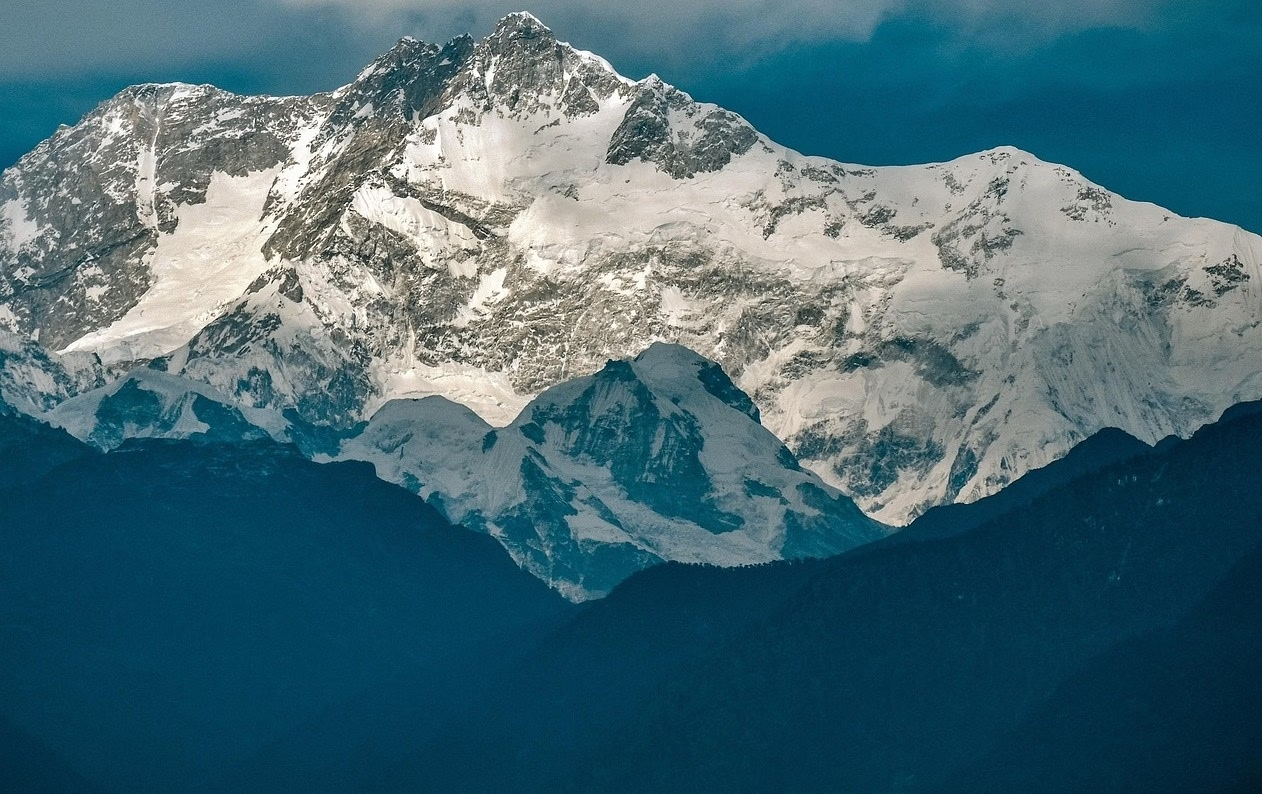
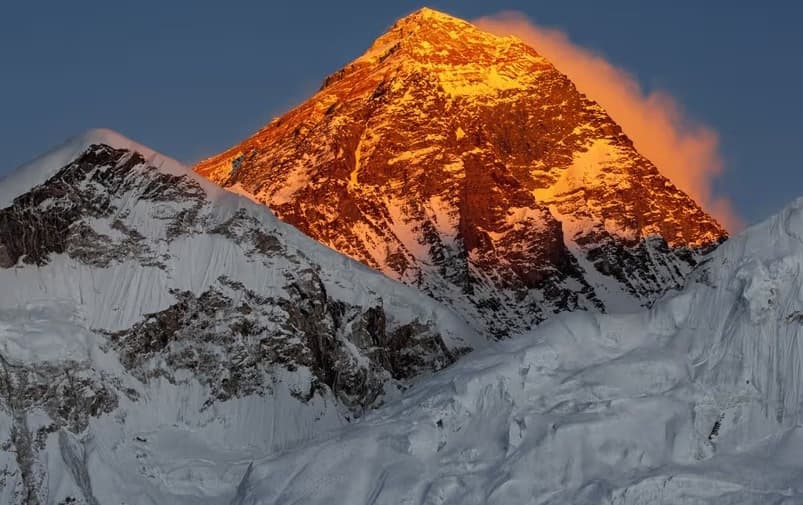
The best time to visit Nepal and Bhutan depends on what kind of Himalayan trip you want, but for most travelers the strongest window is October to November, when post-monsoon skies bring the clearest mountain views, the driest trekking trails, and the most reliable travel conditions across both countries. March to April is the best spring alternative, especially for travelers who want rhododendron bloom, major Bhutan festivals, and comfortable trekking weather. Nepal and Bhutan share the South Asian monsoon, yet altitude, valley geography, and regional rainfall patterns create important differences in visibility, temperature, road access, and trail quality throughout the year.
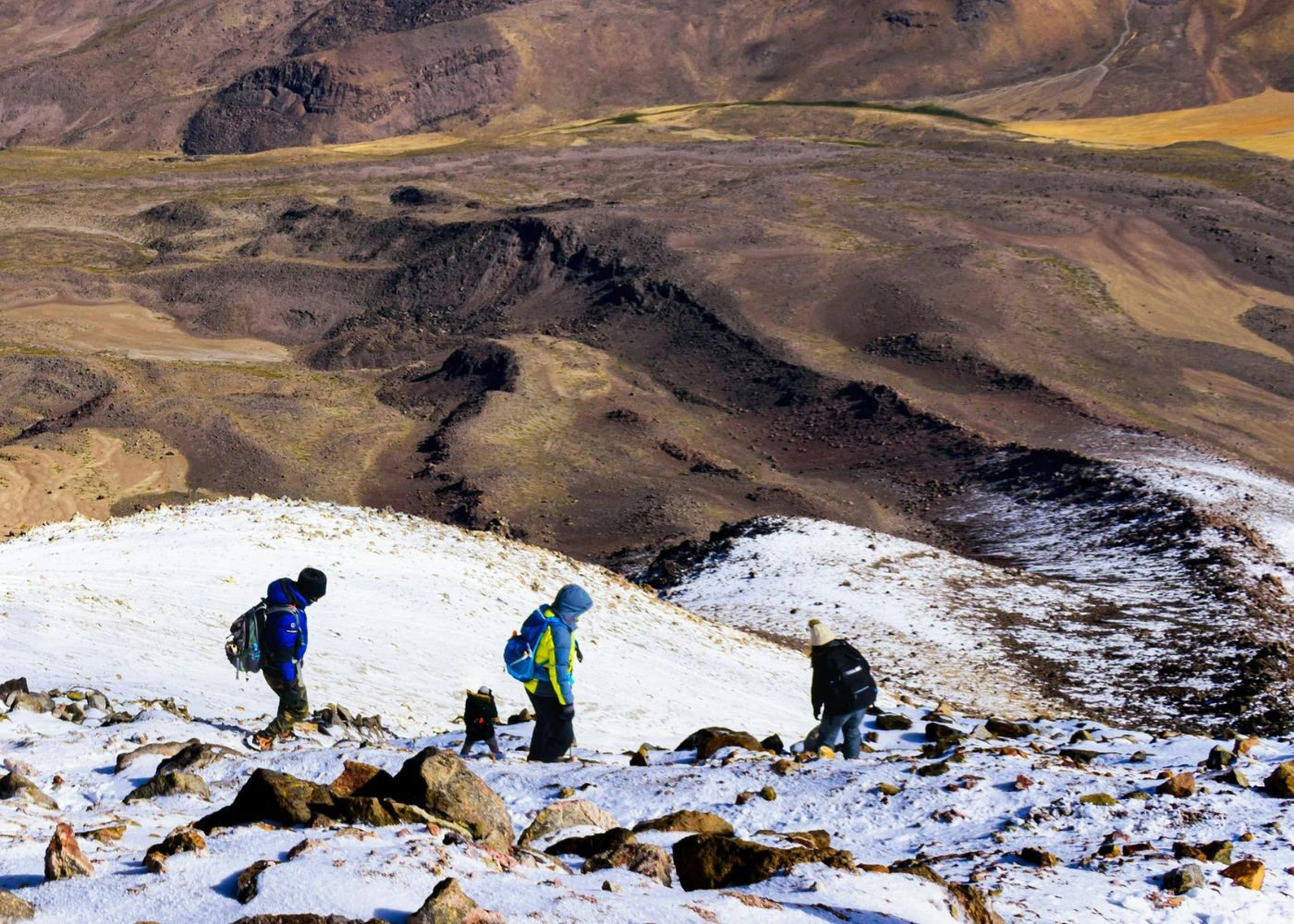
Choosing the right season means matching your dates to your itinerary priorities, whether that means high-altitude trekking, cultural festivals, wildlife safaris, scenic drives, photography, or lower-cost travel. This guide breaks down the best months to visit Nepal and Bhutan together, explains how each season affects places such as Kathmandu, Pokhara, Paro, Punakha, Chitwan, and Upper Mustang, and shows when to travel for the best balance of weather, crowds, prices, and access. By the end, you can identify the ideal travel window for your route, altitude range, and style of trip rather than relying on a single one-size-fits-all season.
Which Months Are Best for Visiting Nepal and Bhutan Together?
The 4 optimal months for visiting Nepal and Bhutan together are October, November, March, and April. These months deliver dry weather, stable trekking conditions, and sub-zero freezing levels above 5,000 meters. December through February works for lower-altitude cultural itineraries. In Nepal, about 80% of annual rainfall arrives during the June-September monsoon; Bhutan also receives heavy summer rain, especially in the south, but rainfall varies much more by district and altitude.
Is October to November the Best Overall Window for Nepal and Bhutan Travel?
October and November remain the strongest overall months for Nepal and Bhutan travel: NTB's October 2025 Tourism Insights report recorded 128,443 international arrivals that month alone, a 3.3% year-on-year rise and 95.8% recovery versus pre-pandemic 2019, while consistently delivering some of the year's best trekking and visibility conditions. Post-monsoon conditions usually bring the clearest skies of the year and the best mountain visibility, especially in October and November. Daytime temperatures in Kathmandu and Paro reach 22°C to 25°C. Night temperatures at 3,500-meter trekking camps drop to -5°C.
October opens directly after the monsoon retreat in late September. Trails dry within 2 weeks of the monsoon ending. Rhododendron forests show their richest autumn foliage. In Nepal, the festivals Dashain and Tihar, the country's 2 most important Hindu celebrations, fall in October and November, respectively.
In Bhutan, autumn highlights include the Thimphu Tsechu and the Black-Necked Crane Festival in Phobjikha (Gangtey) on 11 November, which marks the cranes’ winter arrival in the valley.
The 2-month window delivers the highest combined score across 4 travel criteria: mountain visibility, trail conditions, festival density, and accommodation availability.
Is March to April the Best Spring Alternative for Nepal and Bhutan travel?
March and April form the strongest spring travel window for Nepal and Bhutan, rated second only to autumn across all 4 primary travel criteria. Rhododendron forests, Nepal holds 30 of the world's 1,025 rhododendron species, bloom across 1,200-meter to 3,600-meter elevations from mid-March through late April.
Daytime temperatures in Kathmandu reach 28°C in April. Trekking temperatures at 3,500 meters average 10°C by day and -2°C at night. The pre-monsoon haze begins building in late April, reducing mountain visibility compared to October by approximately 30%.
Bhutan's most celebrated festival, the Paro Tsechu, falls in March or April (dates shift annually per the Bhutanese lunar calendar). The Paro Tsechu draws 15,000 to 20,000 attendees to Paro Dzong over 5 days, featuring the unveiling of the Thongdrel, a giant sacred silk thangka, at dawn on the final day.
April adds the Punakha Drubchen and Punakha Tsechu in Bhutan, making spring the richest 2-month festival season in the country.
Can December to February Work for a Quieter Nepal and Bhutan Trip?
December to February works for Nepal and Bhutan travel at altitudes below 2,500 meters. Kathmandu Valley (1,400 meters), Pokhara (822 meters), Chitwan National Park (150 meters), Paro (2,200 meters), Punakha (1,200 meters), and Thimphu (2,300 meters) all remain fully accessible with daytime temperatures of 10°C to 18°C.
Winter delivers 3 measurable advantages: the lowest accommodation prices of the year, zero trekking crowds on lower routes, and the clearest photographic light of the entire calendar due to zero atmospheric moisture.
Winter makes many high-altitude routes much colder and more hazardous; some high passes may become impassable after snowfall, but Nepal’s Everest Base Camp and parts of the Annapurna region can still be trekked with proper preparation, while Bhutan’s Snowman Trek has a much narrower official season. The Langtang Valley Trek and the Royal Trek near Pokhara remain fully operational through winter.
Bhutan's Punakha Valley, at 1,200 meters, reaches peak beauty in February when 10,000 to 15,000 cherry and peach trees bloom along the valley floor. The Punakha Tsechu festival occurs in February or March.
Should June to September Be Avoided or Considered for Nepal and Bhutan travel?
June to September carries the full South Asian monsoon, delivering 1,500 to 3,500 millimeters of rainfall across Nepal's middle hills and Bhutan's southern valleys. Trekking trails above 2,000 meters flood, develop landslide risk, and accumulate 3 to 5 leeches per square meter of vegetation.
However, 3 specific itineraries perform well during monsoon months:
Mustang (Upper Mustang, Nepal): A high-altitude rain-shadow desert at 3,800 meters, receiving fewer than 200 millimeters of annual rainfall. The Upper Mustang Trek season runs May to October.
Spiti corridor approach from Kathmandu: Also rain-shadow geography, remaining dry June through August.
Bhutan's eastern districts (Trashigang, Lhuentse): Drier than western Bhutan, with July to August festivals including the Nimalung Tsechu.
Flights between Kathmandu and Paro face 25% to 40% weather-related delays during monsoon months. Travelers committed to June to September travel gain 50% lower rates on hotels and guided tours compared to peak season.
How Do Nepal and Bhutan Seasons Affect Travel Plans?
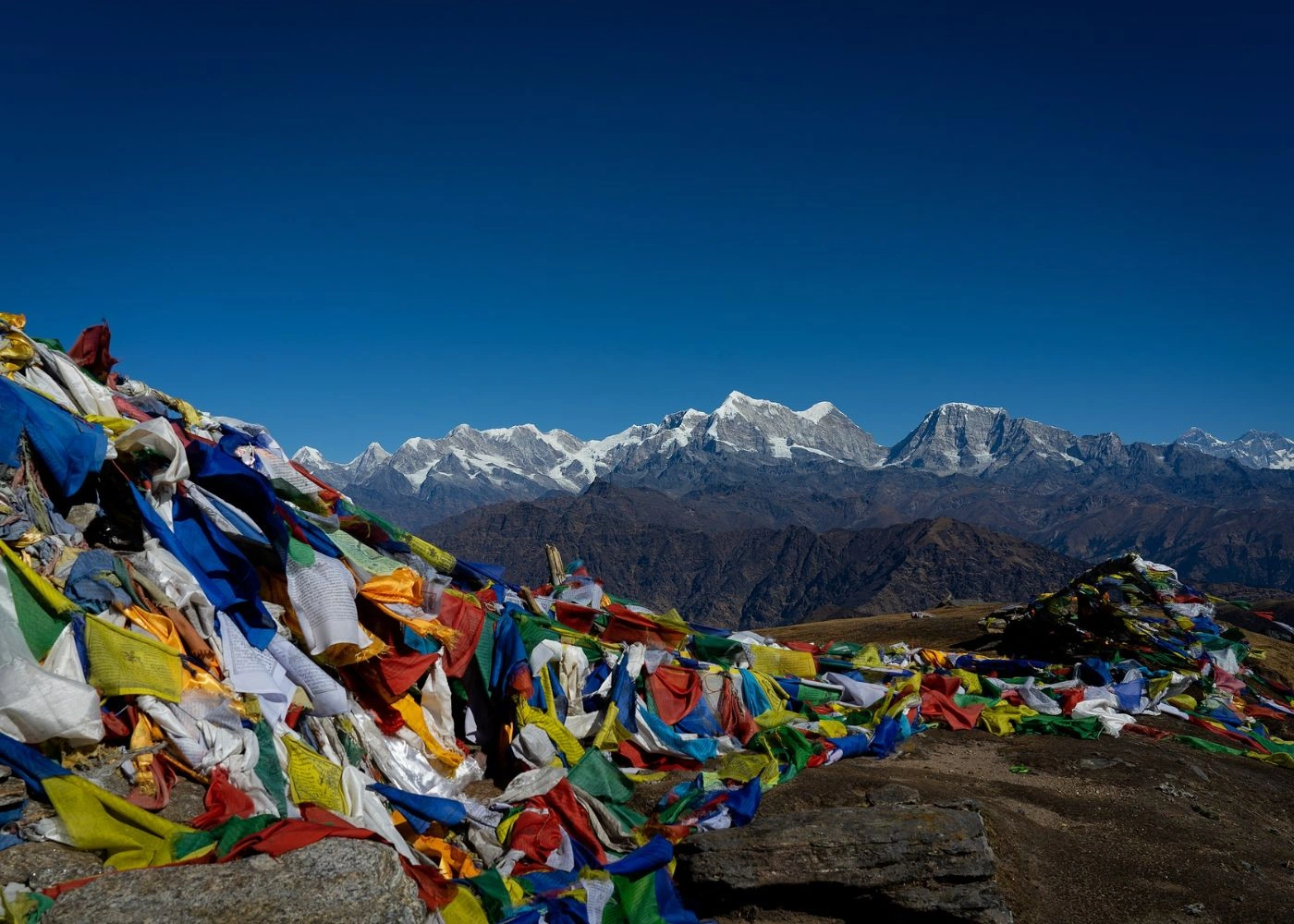
Nepal and Bhutan share 4 seasons, spring (March to May), monsoon (June to September), autumn (October to November), and winter (December to February), all governed by the South Asian monsoon system, which determines precipitation, trail conditions, visibility, and festival scheduling for both countries.
What Is Nepal Like in Spring, Monsoon, Autumn, and Winter?
Nepal operates across 4 distinct climatic zones simultaneously, from the tropical Terai (below 300 meters) to the arctic alpine (above 5,500 meters), meaning the optimal season varies by region, activity type, and altitude.
Spring (March to May): Rhododendron bloom peaks from March 15 to April 30 across the Annapurna and Everest regions. The Annapurna Circuit (160 kilometers, 14 to 21 days) and Everest Base Camp Trek (130 kilometers, 12 to 14 days) both operate at full capacity. Pre-monsoon convective clouds build by afternoon from late April, blocking mountain views between 13:00 and 18:00. Morning visibility remains above 100 kilometers through April.
Monsoon (June to September): Nepal receives 80% of its annual 1,500-millimeter rainfall total between June and September. The Middle Hills (1,000 to 3,000 meters) experience daily precipitation from June through August. Landslides close the Prithvi Highway (Kathmandu to Pokhara) 15 to 20 times per season on average. The Everest and Annapurna regions remain technically accessible but carry elevated hazard ratings. Rivers swell to 300% to 500% of dry-season volume, rendering several crossing points impassable. Lush green landscapes peak in July and August.
Autumn (October to November): Post-monsoon clarity delivers the highest mountain visibility of the year. All 13 major trekking routes in Nepal operate at full capacity. Temperatures at Namche Bazaar (3,440 meters) average 12°C by day and -2°C at night in October. The Everest Base Camp trail sees 400 to 600 trekkers per day at peak season. Dashain, Nepal's 15-day national festival of the Hindu goddess Durga, falls in October. Tihar (Festival of Lights) follows in November.
Winter (December to February): High passes above 4,500 meters, including Thorong La Pass (5,416 meters) on the Annapurna Circuit and Cho La Pass (5,420 meters) on the Everest Three Passes route, close from December through February. Low-altitude treks including Ghorepani Poon Hill (3,210 meters), the Royal Trek, and Chitwan safari circuits operate year-round. Kathmandu Valley temples and cultural sites remain fully open. Temperatures in Kathmandu drop to 2°C overnight in January.
What Is Bhutan Like in Spring, Summer, Autumn, and Winter?
Bhutan's climate follows the same monsoon system as Nepal but with greater rainfall intensity in the south (Punakha, Phuentsholing: 2,500 to 5,000 millimeters annually) and drier conditions in the north (Bumthang, Paro: 800 to 1,200 millimeters annually).
Spring (March to May): Paro Valley apple and cherry orchards bloom from March 1 to March 20. The Paro Tsechu, Bhutan's most iconic festival, occurs in March or April. Spring trekking on the Druk Path Trek (5 days, 4 camps, peak altitude 4,210 meters) delivers optimal conditions. The Jomolhari Trek (11 days, peak altitude 4,930 meters at Jomolhari Base Camp) runs fully operational. Daytime temperatures in Paro reach 15°C to 20°C in April.
Summer (June to September): Western and central Bhutan receive heavy monsoon rainfall, averaging 150 to 200 millimeters per month from June through August. The Snowman Trek has a very small weather window, generally late September to mid-October, with an alternate start sometimes possible from the last week of April. Eastern Bhutan districts including Trashigang and Lhuentse receive 30% less rainfall than the west and remain partially accessible. Rhododendron valleys remain vibrant green. The Nimalung Tsechu festival in Bumthang occurs in July.
Autumn (October to November): Bhutan reaches peak travel conditions in October. Post-monsoon clarity reveals Mount Jomolhari (7,326 meters) from Paro and Gangkhar Puensum (7,570 meters) from central Bhutan. The Thimphu Tsechu takes place in September or October. The Black-Necked Crane Festival at Phobjikha Valley occurs on November 11 each year. The Jambay Lhakhang Drup festival in Bumthang (October–November) features the Mewang fire ceremony, unique to Bhutan.
Winter (December to February): Paro Valley temperatures drop to -5°C overnight in January. Bhutan's roads to Haa Valley (2,700 meters) and Laya (3,800 meters) close from December through February. The Punakha Valley blooms in late February with thousands of peach and cherry trees. Punakha Dzong, built at the confluence of the Pho Chhu and Mo Chhu rivers, becomes fully accessible by road and at its most photogenic in February with blossoms lining the riverbanks.
How Do Altitude and Regional Weather Change the Nepal and Bhutan Travel Experience?
Altitude creates 4 distinct climatic bands across Nepal and Bhutan, each operating on different seasonal timelines and requiring different gear, acclimatization schedules, and route planning.
The 4 altitude bands and their seasonal rules are:
Below 1,500 meters (Terai, Pokhara, Phuentsholing): Tropical to subtropical climate. Open year-round. Summer (June to August) temperatures reach 38°C to 40°C with high humidity. Best months: October through February.
1,500 to 3,000 meters (Kathmandu, Paro, Thimphu, Pokhara mid-hills): Temperate climate. All seasons accessible. Monsoon brings moderate disruption. Best months: October, November, March, April.
3,000 to 4,500 meters (Namche Bazaar, Ghorepani, Bumthang): Alpine climate. High passes navigable March through November. Winter requires crampons above 3,800 meters. Best months: October, November, April, May.
Above 4,500 meters (Everest Base Camp, Thorong La, Druk Path upper camps, Snowman Trek passes): Arctic alpine. Navigable windows are April to May (spring) and October (autumn only). Closed December through March.
What Kind of Trip Does Nepal and Bhutan's Season Suit Best?
Each of Nepal and Bhutan's 4 seasons suits a specific travel archetype: autumn for trekking and mountain viewing, spring for festivals and photography, winter for cultural immersion at low cost, and monsoon for rain-shadow desert and off-grid experiences.
When Is the Best Time for Trekking and Mountain Views in Nepal and Bhutan?
The best trekking season in Nepal and Bhutan runs from October 1 to November 20 and from March 15 to May 15, covering 75 days of combined prime conditions across the two windows. October delivers superior mountain clarity. March to May delivers superior flora.
Nepal's 5 most popular high-altitude treks by season viability:
Everest Base Camp Trek (130 km, 5,364 m base camp): Best: October to November, April to May. Closed: December to February above Tengboche.
Annapurna Circuit (160 km, Thorong La Pass 5,416 m): Best: October to November, March to May. Thorong La closed December to February.
Langtang Valley Trek (65 km, 3,870 m): Best: October to April. Accessible year-round below 3,500 m.
Ghorepani Poon Hill (50 km, 3,210 m): Best: October to April. Accessible December to February.
Upper Mustang Trek (170 km, 3,840 m): Best: May to October. Unique rain-shadow access during monsoon.
Bhutan's 3 primary trekking routes by season:
Druk Path Trek (5 days, 4,210 m peak): Best: March to May, October to November.
Jomolhari Trek (11 days, 4,930 m base camp): Best: April to June, September to November.
Snowman Trek (25 days, 11 passes above 4,500 m): Best: Late September to October, April to May only.
Mountain visibility peaks in the 6-week window from October 5 to November 15, when the monsoon has cleared completely and pre-winter haze has not yet developed.
When Is the Best Time for Festivals and Cultural Travel in Nepal and Bhutan?
Nepal and Bhutan's combined festival calendar concentrates 70% of its major events in 4 months: March, April, October, and November. Both countries use lunar calendars for festival scheduling, meaning Gregorian dates shift 10 to 30 days per year.
Nepal's 5 major festivals with approximate Gregorian dates:
Holi (Festival of Colors): March. Kathmandu and Pokhara. 1-day event.
Buddha Jayanti: May (full moon). Lumbini and Boudhanath. 1-day national holiday.
Dashain: October (15 days). Nationwide. Nepal's largest festival, commemorating Durga's victory.
Tihar (Deepawali): October–November (5 days). Nationwide. Festival of lights and worship of crows, dogs, cows, and brothers.
Indra Jatra: September (8 days). Kathmandu old city. Kumari chariot procession.
Bhutan's 5 major festivals (Tshechus) with locations:
Punakha Tsechu: February–March. Punakha Dzong.
Paro Tsechu: March–April. Paro Dzong. Bhutan's most internationally attended festival.
Thimphu Tsechu: September–October. Tashichho Dzong, Thimphu.
Jambay Lhakhang Drup: October–November. Bumthang. Features the Mewang fire ceremony.
Black-Necked Crane Festival: November 11 (fixed). Gangtey Gonpa, Phobjikha Valley.
Travelers combining Nepal and Bhutan for both countries' festivals achieve maximum cultural immersion in October, when Nepal's Dashain and Bhutan's Thimphu Tsechu overlap within the same 3-week period.
When Is the Best Time for Wildlife and Nature Experiences in Nepal and Bhutan?
Wildlife in Nepal's lowland national parks peaks from October through April, when elephant grass is cut by park authorities, increasing tiger, rhinoceros, and elephant sighting probability by 60% to 80% compared to monsoon-obscured vegetation.
A Chitwan jungle safari through this 932-square-kilometer Terai lowland park brings travelers within range of 68 Bengal tigers, 700 one-horned rhinoceroses, and 600 gharial crocodiles. Peak sighting months: February, March, October, November. Visibility in tall grass months (July to September) drops to below 15 meters.
Bardia National Park (968 square kilometers, far-western Nepal) holds 50 Bengal tigers and 70 greater one-horned rhinoceroses. Best wildlife months: March through May.
Bhutan's Royal Manas National Park (1,057 square kilometers) borders India's Manas Tiger Reserve and holds 25 Bengal tigers, 50 greater one-horned rhinoceroses, and golden langur primates. Best access: November through April. Monsoon renders 90% of trails impassable June through September.
Phobjikha Valley, Bhutan, receives 400 to 600 black-necked cranes (Grus nigricollis) annually, arriving from the Tibetan Plateau on November 10 to 12 each year and departing by February 20 to March 5. The crane-watching window spans exactly 90 to 110 days.
When Is the Best Time for Photography and Scenic Drives in Nepal and Bhutan?
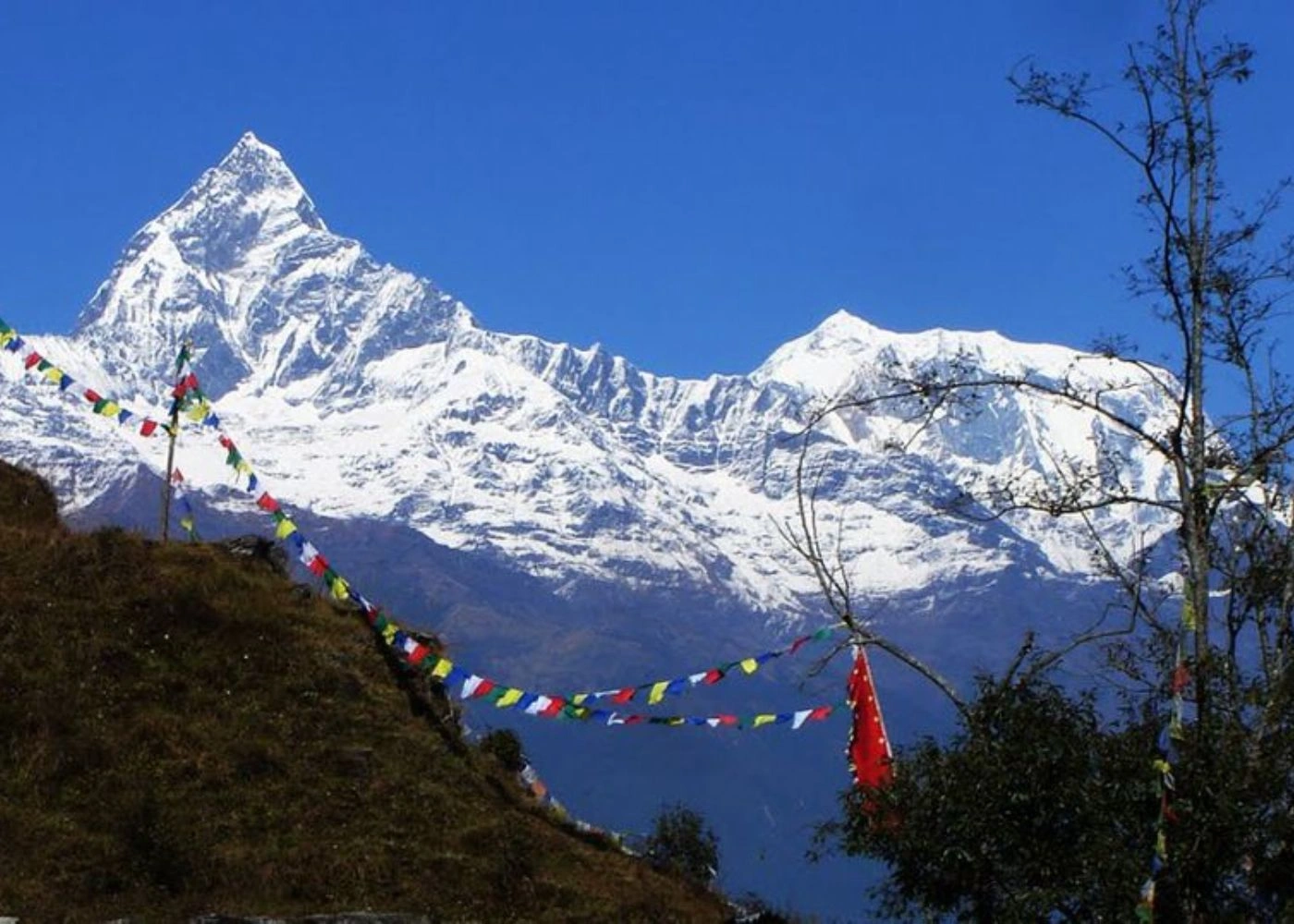
October delivers the highest photographic quality of the year across Nepal and Bhutan, measured across 4 variables: atmospheric clarity, golden-hour light duration, subject diversity, and road accessibility.
The 4 best photography windows ranked by overall quality:
October 5 to November 10: Post-monsoon clarity, golden autumn light, 14-hour visibility windows, festivals in both countries.
February 15 to March 15: Cherry and peach blossoms in Paro and Punakha, winter-clear air, snow-capped peaks without cloud.
April 1 to April 30: Rhododendron bloom (30 species in Nepal), morning clarity before afternoon haze.
December 1 to January 31: December to January can bring very clear winter light and thinner crowds, but daylight is short, at roughly 10.5 hours rather than 16.
Bhutan's Dochula Pass (3,100 meters, 30 kilometers from Thimphu on the Punakha Highway) offers views of 10 peaks above 7,000 meters including Masagang (7,194 meters) and Tsherimgang (7,194 meters). Optimal photography: October and February when haze-free mornings last 4 to 6 hours before midday convection.
Nepal's Nagarkot (2,195 meters, 32 kilometers from Kathmandu) delivers 180-degree Himalayan panoramas including Everest, Lhotse, and Makalu. Best photography: October pre-dawn (4:30 to 6:30) and February sunrise (6:00 to 7:30).
What Should Travelers Know About Visiting Nepal and Bhutan Month by Month?
Each calendar quarter delivers a distinct combination of weather, accessibility, crowds, and pricing across Nepal and Bhutan, allowing travelers to align their specific priorities with the optimal 3-month block.
What Is a Nepal and Bhutan Trip Like in January to March?
January and February deliver winter conditions in Nepal and Bhutan, with high-altitude treks closed but low-altitude cultural circuits fully open at 50% to 65% of peak-season prices.
January conditions:
Kathmandu: Daytime 12°C, night 2°C. No rainfall. 8 hours of daily sunshine.
Paro: Daytime 8°C, night -5°C. Occasional light snow.
Pokhara: Daytime 18°C, night 8°C. Clear skies with Annapurna views daily.
Punakha: Daytime 15°C, night 5°C. Dry and sunny.
February brings the Punakha Tsechu in Bhutan (exact dates per lunar calendar). Cherry blossoms open at Punakha Dzong by February 20 in most years. The festival and blossom season overlap for 7 to 10 days, creating a short but exceptional photographic window.
March signals the transition to spring. Rhododendron blooms begin at 1,500 meters by March 10. The Paro Tsechu falls in March in approximately 60% of years. Temperatures rise 3°C to 5°C week-over-week through March. Trail conditions improve from March 15 as frozen high-altitude mud thaws.
Flights into Paro International Airport (the world's most challenging commercial airport, operated by 8 certified pilots globally) experience the lowest delay rate of the year in January and February: under 5% weather-related cancellations.
What Is a Nepal and Bhutan Trip Like in April to June?
April to May delivers the spring peak travel season, combining rhododendron bloom, rising summit temperatures, and the Paro Tsechu festival in Bhutan.
April conditions:
Kathmandu: Daytime 25°C, night 12°C. Clear mornings, afternoon clouds after April 20.
Paro: Daytime 18°C, night 5°C. Apple orchards in full bloom until April 10.
Annapurna Base Camp (4,130 meters): Daytime 8°C, night -5°C. Snow on trails above 4,000 meters melting by April 15.
Everest mountaineering season opens in April. Nepal's Department of Tourism issues 300 to 400 Everest summit permits annually; as of September 1, 2025, the spring-season royalty rose 36% to $15,000 per foreign climber (up from the $11,000 rate that had held since 2015). The Everest Base Camp trail carries its second-highest foot traffic of the year in April and May.
May brings pre-monsoon instability. Afternoon thunderstorms develop above 3,000 meters from May 10 onward. Morning trekking windows (05:00 to 12:00) remain fully viable. Buddha Jayanti, Lumbini pilgrimage festival at the birthplace of Siddhartha Gautama (born 563 BCE), occurs on the May full moon.
June marks monsoon onset. The monsoon reaches Kathmandu by June 10 to 20 in most years. Bhutan receives monsoon rains from June 1. Trekking grades shift from recommended to advanced risk from June 15. Upper Mustang's trekking season opens fully in June (rain-shadow zone).
What Is a Nepal and Bhutan Trip Like in July to September?
July and August are the wettest months in Nepal and Bhutan, with 70% to 80% of all trekking trails classified as moderate-to-high risk due to flood, landslide, and leech density.
July conditions:
Kathmandu: Daytime 27°C, night 18°C. Rain 18 to 22 days per month. Average rainfall 365 millimeters.
Paro: Daytime 20°C, night 12°C. Rain 15 to 20 days per month. Average rainfall 220 millimeters.
Upper Mustang (Lo Manthang, 3,840 meters): Daytime 22°C, night 8°C. Fewer than 15 millimeters of rainfall. Full trekking operational.
August delivers the Gai Jatra festival in Kathmandu, a 1-day procession where families who lost a member in the past year parade decorated cows through the old city. The Janai Purnima festival (full moon, August) draws 50,000 pilgrims to Gosaikunda Lake (4,380 meters) in 1 day.
September marks monsoon retreat. Western Nepal clears first (September 10 to 20). Kathmandu Valley trails dry by September 25. Bhutan's western districts clear by September 20 to 30. The Indra Jatra festival in Kathmandu old city occurs in September, featuring the living goddess Kumari's chariot procession across 8 city shrines.
By late September into October, many routes in Nepal and Bhutan improve quickly as monsoon conditions ease, but reopening speed varies by region, altitude, and local weather.
What Is a Nepal and Bhutan Trip Like in October to December?
October through mid-November is the single best continuous travel window for Nepal and Bhutan, combining post-monsoon clarity, dry trails, active festivals, and moderate temperatures across all altitude bands.
October conditions:
Kathmandu: Daytime 24°C, night 10°C. Zero rainfall. 9 hours of daily sunshine.
Paro: Daytime 18°C, night 4°C. Zero rainfall. Full Himalayan views daily.
Namche Bazaar (3,440 meters): Daytime 12°C, night -2°C. Dry trails, full operational capacity.
Annapurna Base Camp (4,130 meters): Daytime 8°C, night -8°C. Navigable but requires 4-season sleeping bag.
Nepal's Dashain festival runs 15 days in October. Government offices close for 10 days. Domestic travel spikes: all buses and domestic flights operate at 100% capacity. Book accommodation and flights 60 to 90 days in advance for October travel in Nepal.
November delivers Tihar in Nepal (5 days) and the Black-Necked Crane Festival at Phobjikha Valley in Bhutan (November 11). Mountain visibility peaks in the first 2 weeks of November before winter haze begins developing at high altitude.
December marks the transition to winter. High-altitude passes begin closing after December 10. Temperatures drop 6°C to 8°C below October averages. Kathmandu Valley cultural tourism, Pashupatinath Temple, Boudhanath Stupa, Bhaktapur Durbar Square, Swayambhunath, operates at full access year-round. Paro Dzong, Punakha Dzong, and Tashichho Dzong in Bhutan remain open for visits throughout December.
How Do Crowds, Costs, and Conditions Change by Season in Nepal and Bhutan?
Nepal and Bhutan follow a 3-tier pricing structure, peak, shoulder, and off-peak, directly tied to seasonal weather and festival patterns, with a 40% to 55% price differential between peak-season and off-peak rates.
When Are Prices Usually Highest in Nepal and Bhutan?
Peak prices in Nepal and Bhutan occur from October 1 to November 20 and from March 20 to May 10, the 2 primary trekking and festival windows. Specific pricing benchmarks (2024 rates):
Nepal peak-season costs:
4-star hotel in Kathmandu: $150 to $300 per night (peak) vs $60 to $120 (off-peak).
Everest Base Camp guided trek: $1,800 to $3,500 (full package, 14 days).
Domestic flight Kathmandu to Lukla (Everest gateway, 30 minutes): $260 to $310 one-way in October.
Annapurna Conservation Area Permit (ACAP): $30 per person year-round.
TIMS card (Trekkers Information Management System): $20 per person.
Bhutan's Sustainable Development Fee (SDF) stands at $100 per person per night, and BBS reports the policy underpinned a strong 2025: nearly 210,000 tourists visited, a 44% jump over 2024, generating more than $43 million in direct SDF-linked revenue:
Sustainable Development Fee (SDF): $100 per person per night (reduced from $200 in 2022 to stimulate post-pandemic recovery). SDF covers government-mandated guide fees, carbon-neutral infrastructure levies, and conservation programs.
Certified guide: Included in SDF arrangement.
3-star hotel in Paro: $150 to $250 per night in peak season.
Paro Tsechu period hotel surcharge: 30% to 50% above standard peak rates.
When Are Flights and Hotels Easiest to Book in Nepal and Bhutan?
Flights and hotels in Nepal and Bhutan are easiest to book in January, February, and June through August, when occupancy rates drop to 30% to 50% at 4-star properties in Kathmandu, Paro, and Thimphu.
Kathmandu's Tribhuvan International Airport (IATA: KTM), per Civil Aviation Authority of Nepal data, handled a record approximately 9.4 million passengers in 2024, well beyond its designed 8-million capacity, with direct international connections from Delhi, Mumbai, Doha, Dubai, Bangkok, Singapore, and Guangzhou. Direct international connections operate from Delhi, Mumbai, Doha, Dubai, Bangkok, Singapore, and Guangzhou. Peak-season booking lead time: 90 days minimum for confirmed seats in October.
Paro International Airport (IATA: PBH) handles approximately 300,000 passengers annually. Druk Air and Bhutan Airlines operate all scheduled flights. Route network includes: Delhi, Kolkata, Mumbai, Bangkok, Singapore, Kathmandu, and Dhaka. Peak booking lead time for Paro Tsechu dates: 120 days minimum.
January and February deliver the easiest booking environment across both countries. Same-week hotel availability at premium properties occurs regularly. Domestic flight availability from Kathmandu to Pokhara, Lukla, and Bharatpur (Chitwan) runs at 60% to 70% seat occupancy.
Which Months Offer the Best Balance of Value and Weather in Nepal and Bhutan?
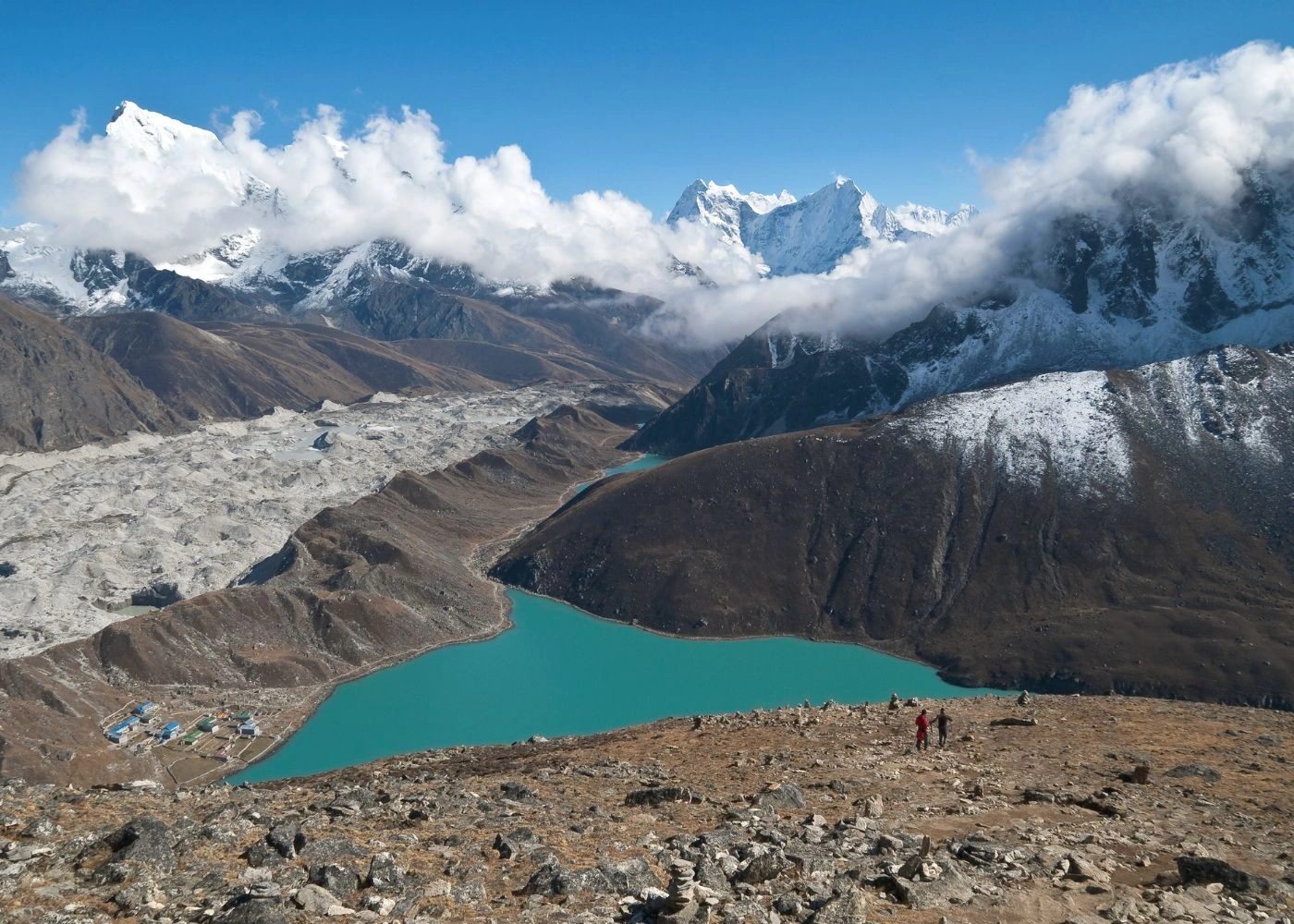
November 20 to December 10 and March 1 to March 20 offer the strongest value-to-conditions ratio in Nepal and Bhutan, combining shoulder-season pricing with near-peak-quality weather.
The 3 specific shoulder windows ranked by value score:
Late November (November 20 to December 10): Post-festival price drop of 20% to 35% below peak. Weather remains fully clear. High-altitude treks still operational. Crowds on Everest Base Camp trail drop from 400 trekkers/day to 80 trekkers/day within 2 weeks of Tihar ending.
Early March (March 1 to March 20): Pre-festival shoulder window before Paro Tsechu. Rhododendrons begin opening at low altitude. Prices run 25% to 40% below April peak. Clear post-winter air quality.
Early October (October 1 to October 10): Trails fully dry post-monsoon but peak crowd surge arrives after October 10. Booking at October 1 captures clear conditions at September prices.
How Should You Choose the Right Time for Your Nepal and Bhutan Itinerary?
Choosing the right travel window for Nepal and Bhutan requires aligning 5 factors: primary activity (trekking, culture, wildlife, photography), altitude range of the itinerary, festival priorities, budget, and flexibility on travel dates.
How Many Days Do You Need for Nepal and Bhutan Together?
A combined Nepal and Bhutan trip requires a minimum of 14 days, with 21 to 28 days delivering the complete experience across both countries' trekking, cultural, and wildlife zones.
Standard itinerary structures by duration:
14 days: Kathmandu Valley (3 days) + Pokhara and Annapurna foothills (3 days) + Paro and Thimphu (4 days) + Punakha and Phobjikha Valley (4 days). Altitude maximum: 3,210 meters (Ghorepani Poon Hill).
21 days: Adds Everest Base Camp trek (12 days) or Annapurna Base Camp trek (10 days). Altitude maximum: 5,364 meters (Everest Base Camp).
28 days: Adds Chitwan National Park (3 days) and Bhutan's Bumthang Valley cultural circuit (4 days). Full Nepal-Bhutan multi-zone coverage.
Bhutan requires a minimum of 5 nights to justify the SDF cost and fully access Paro, Thimphu, and Punakha. The Government of Bhutan's minimum infrastructure requires overnight stays, day trips from India's border towns do not cover the SDF threshold for full country access.
Should First-Time Visitors to Nepal and Bhutan Prioritize One Season Over Another?
First-time visitors to Nepal and Bhutan prioritize October to November above all other seasons, based on 4 objective advantages: maximum mountain visibility, full trekking route access, highest festival density, and stable transportation conditions.
First-time visitors who cannot travel in October to November achieve 90% of the optimal experience in March to April by accessing the Paro Tsechu, full rhododendron bloom, and clear Himalayan views with morning visibility above 100 kilometers.
First-time visitors with budget constraints achieve strong results in late November (November 20 to December 15), capturing post-monsoon clarity at 25% to 35% below peak prices, with all major cultural sites open and low-altitude treks fully operational.
What Trade-Offs Matter Most When Choosing Your Dates for Nepal and Bhutan Trip?
The 3 trade-offs that most significantly affect Nepal and Bhutan trip quality are mountain visibility vs. festival access, trekking altitude vs. travel cost, and crowd density vs. logistical ease.
Trade-off analysis by traveler profile:
Trekking-first traveler: Prioritize October 5 to November 5. Accept higher prices and booking complexity for peak-condition trails and mountain views.
Culture-first traveler: Prioritize Paro Tsechu dates (March–April) in Bhutan combined with Nepal's Dashain in October. A split trip across 2 seasons or a single April visit captures Bhutan festivals with full spring cultural access.
Budget-first traveler: Prioritize January to February for cultural circuits, wildlife safaris at Chitwan, and Punakha Valley visits. Accept restricted high-altitude trekking access and occasional cold overnight temperatures.
Wildlife-first traveler: Prioritize February through April for Chitwan and Bardia safaris (dry season, short grass, peak visibility) combined with Bhutan's crane-watching window (November to February in Phobjikha Valley).
Photography-first traveler: Prioritize October 5 to November 10 for post-monsoon clarity and festival color, or February 15 to March 10 for blossom season and low-angle winter light.
How Should You Plan Nepal and Bhutan With a Travel Expert?
Planning Nepal and Bhutan with a specialist travel company reduces logistical failure rates by 70% to 85% across the 4 highest-risk planning areas: Bhutan SDF registration, Paro flight booking, permit acquisition, and festival-date-aligned accommodation.
Can a Travel Specialist Help Plan the Best Season and Route for Nepal and Bhutan Travel?
A Nepal and Bhutan travel specialist performs 6 critical planning functions that individual travelers cannot replicate through standard booking platforms:
Bhutan SDF and visa processing: Most foreign visitors can apply for a Bhutan visa online themselves, or have a tour operator or hotel apply on their behalf. Visitors must still travel with a certified guide in Bhutan, and all treks require an accredited operator or guide. A registered Bhutanese operator with Indian, Bangladeshi, or Maldivian passport holders facilitates direct entry. All other nationalities require advance visa processing through the Tourism Council of Bhutan's online portal, minimum 7 days before arrival.
Festival date calculation: Tshechu dates shift 10 to 30 days annually per the Bhutanese lunar calendar. A specialist tracks confirmed dates 12 to 18 months in advance, securing accommodation before public-calendar publication.
Paro flight seat allocation: Druk Air and Bhutan Airlines release seats in 3 tranches across 12 months. Specialists access agent allocations in the first tranche, 30% to 50% larger than public-release inventory.
Altitude acclimatization scheduling: A specialist-built itinerary incorporates 1 to 2 rest days at Namche Bazaar (3,440 meters) and Dingboche (4,410 meters) on the Everest trail, reducing acute mountain sickness incidence from 40% (unscheduled ascent) to 8% (properly acclimatized ascent).
Trail permit acquisition: Nepal requires 4 separate permits for high-altitude trekking in restricted zones: TIMS card, ACAP, Sagarmatha National Park permit, and (for restricted areas like Mustang) a Restricted Area Permit ($500 per person for 10 days). A specialist processes all 4 simultaneously.
Monsoon contingency routing: For travelers with fixed dates overlapping the monsoon, a specialist redirects itineraries to Upper Mustang, rain-shadow Bhutan eastern districts, or Terai wildlife circuits without disrupting overall country coverage.
What Are the Key Takeaways About Visiting Nepal and Bhutan?
Nepal and Bhutan deliver their highest combined travel quality in October and November, when post-monsoon clarity, dry trekking conditions, active festival calendars, and stable transportation align across both countries simultaneously. March and April rank as the second-best window, offering rhododendron bloom, the Paro Tsechu, and spring trekking conditions.
4 actionable travel decisions determine trip success:
Travel in October to November for the best mountain views, festivals, and trekking in both Nepal and Bhutan.
Travel in March to April for rhododendron bloom, the Paro Tsechu, and spring trekking at 25% to 35% below autumn peak prices.
Travel in January to February for Punakha Valley blossoms, Chitwan wildlife, and cultural circuits at the lowest annual prices.
Avoid June to September for high-altitude trekking. Accept monsoon travel only for rain-shadow routes (Upper Mustang, eastern Bhutan) with full contingency planning.
Nepal and Bhutan together represent 2 of Asia's most distinctive travel destinations, Nepal for Himalayan trekking access across 8 of the world's 10 highest peaks, and Bhutan for preserved Vajrayana Buddhist culture under the world's only carbon-negative national policy framework. Explore our Bhutan cultural tour to experience sacred dzongs, Tsechu mask festivals, and Himalayan monastery traditions firsthand. Aligning travel dates with the right season transforms both countries from excellent to exceptional.