Pokhara at night is a structured blend of lakeside nightlife, Himalayan scenery, cultural rituals, and local street food ecosystems, making it one of Nepal’s most balanced evening destinations. Centered around Phewa Lake and the Lakeside (Baidam) area, the city offers a range of nighttime experiences that extend beyond typical tourist activities, including sunset viewpoints at Sarangkot and the World Peace Pagoda, evening visits to Tal Barahi Temple and Bindhyabasini Temple, and immersive local food scenes in areas like Bagar Market and Mahendra Pul. The best places to visit in Pokhara at night are defined by their combination of mountain visibility, accessibility, atmosphere, and cultural authenticity rather than nightlife intensity.
A well-planned Pokhara evening typically follows a natural progression from golden hour mountain views of Machapuchare (Fishtail Mountain) and the Annapurna range to lakeside walks, rooftop dining, live music, and late-evening street food exploration. Unlike Kathmandu’s fast-paced nightlife, Pokhara operates on a slower, lake-centered rhythm where experiences like night boating on Phewa Lake, walking the Lakeside promenade, or exploring the Old Bazaar deliver higher value than crowded venues. Understanding timing, location clusters, and local vs tourist zones allows visitors to experience Pokhara at night as a cohesive journey rather than isolated stops, maximizing both scenic and cultural depth within a single evening.
Why Pokhara Transforms After Dark: What Visitors Often Miss
Pokhara's night identity runs deeper than bar menus and lakeside strolls. Understanding the city's evening character helps you make smarter choices about where to go, how long to stay, and what to prioritize.
The City's Dual Identity: Adventure Capital by Day, Lakeside Haven by Night
Pokhara operates as 2 completely distinct cities separated by a single sunset. During the day, it functions as Nepal's primary gateway for Annapurna Circuit trekkers, paragliders departing from Sarangkot, and kayakers crossing Phewa Lake. The streets are filled with gear shops, trekking agencies, and breakfast menus written in 8 languages.
After 6 PM, that energy does not vanish, it concentrates. The lakeside strip between Baidam and Camping Chowk becomes the undisputed center of gravity. Restaurants light their terraces, live music drifts from open windows, and the reflection of the Annapurna range, visible on clear nights across the mirror-flat surface of Phewa Lake, becomes the backdrop for the city's entire evening identity.
What most visitors overlook: Pokhara's nightlife is not loud or chaotic. It is social, slow, and genuinely beautiful. The city lacks the aggressive nightlife of Kathmandu's Thamel. This makes it ideal for solo travelers, couples, and families who want evening atmosphere without noise saturation.
Pokhara at night is a structured blend of lakeside nightlife, Himalayan scenery, cultural rituals, and local street food ecosystems, a fitting backdrop for a destination riding one of Nepal's strongest tourism growth phases, as per Nepal Tourism Board's January 2026 tourism insights report, with the country recording 92,573 international visitor arrivals in January 2026 alone, 15.7% higher than the same month a year earlier.
What the Pokhara Night Scene Actually Looks Like
The Lakeside area (Baidam) is the primary hub of Pokhara's evening tourism, with the city's highest concentration of restaurants, cafés, bars, and live music venues.
Outside Lakeside, 3 distinct evening zones exist:
Mahendra Pul area: local nightlife, street food, and the city's organic commercial pulse
Old Bazaar (Bazar Tole): the oldest market district, nearly empty of tourists but rich in atmosphere
Bagar Market: a hybrid zone where local vendors operate after dark and street food quality peaks between 7 PM and 9 PM
Best Time to Start Your Evening in Pokhara
The optimal starting time for a Pokhara evening is 5:30 PM. This timing captures the Annapurna range during its golden hour, the 30-minute window before full sunset when Machapuchare (Fishtail Mountain) and Annapurna South turn flamingo pink above the lake. After 7 PM, cloud cover and haze frequently reduce mountain visibility to near zero, even on otherwise clear days. Visitors who begin their evenings at 7 PM consistently miss this phenomenon.
1. Phewa Lake Lakeside Promenade: The Core of Pokhara's Nighttime Identity
The Lakeside Promenade is the single most important place to visit in Pokhara at night. It serves as the city's living room, the public space where trekkers celebrate completed hikes, couples share lake views, and street vendors set up carts of roasted corn and warm drinks.
Lakeside Road Between Baidam and Camping Chowk: The Most Active Stretch
The 1.2-kilometer stretch between Baidam bus park and Camping Chowk is where the Pokhara evening experience is most concentrated. This section contains 40+ restaurants with lake-facing terraces, 8 confirmed live music venues (as of current reports), juice bars, bakeries, and the widest selection of seating options from plastic stools to cushioned rooftops.
The promenade operates in 3 distinct phases throughout the evening:
5:30 PM – 7:00 PM: Golden hour walkers, mountain photographers, early diners
7:00 PM – 9:30 PM: Peak activity, all restaurants at capacity, live music begins, street vendors most active
9:30 PM – 11:00 PM: Settled crowd, longer conversations, the atmosphere becomes notably quieter and more relaxed
Walking the full promenade length takes 20 minutes at a casual pace. Most visitors walk it twice, once during golden hour and once after dinner when the lights reflect off the lake.
What most guides miss: The northern end of the promenade near Camping Chowk has less foot traffic but better lake views because the shoreline curves outward. The restaurant terraces here look directly at the uninhabited southern shore of Phewa Lake, giving an unobstructed view that the central strip cannot match.
2. Evening Boating on Phewa Lake: What the Guidebooks Don't Tell You
Night boating on Phewa Lake is available from the main boat ghat (jetty) until approximately 6:30 PM, depending on the season. Wooden rowboats rent for NPR 300–500 per hour. Evening boating on Phewa Lake offers a peaceful way to experience the city's lights and mountain scenery, a fitting introduction to a Ramsar Wetland of International Importance whose ecosystem services are valued at more than USD 279,000 per year and which shelters globally threatened species such as the Indian pangolin.
3 practical details that matter:
Life jackets are mandatory and are provided at the ghat, confirm before departure
The southern shore near Barahi Temple offers the best vantage point for lake photography after dark
Avoid the ghat nearest to the hotel zone, boats there charge 30–50% more; walk 200 meters north to the public ghat for standard rates
3. Barahi Temple on Phewa Lake: An Unexpected Evening Ritual
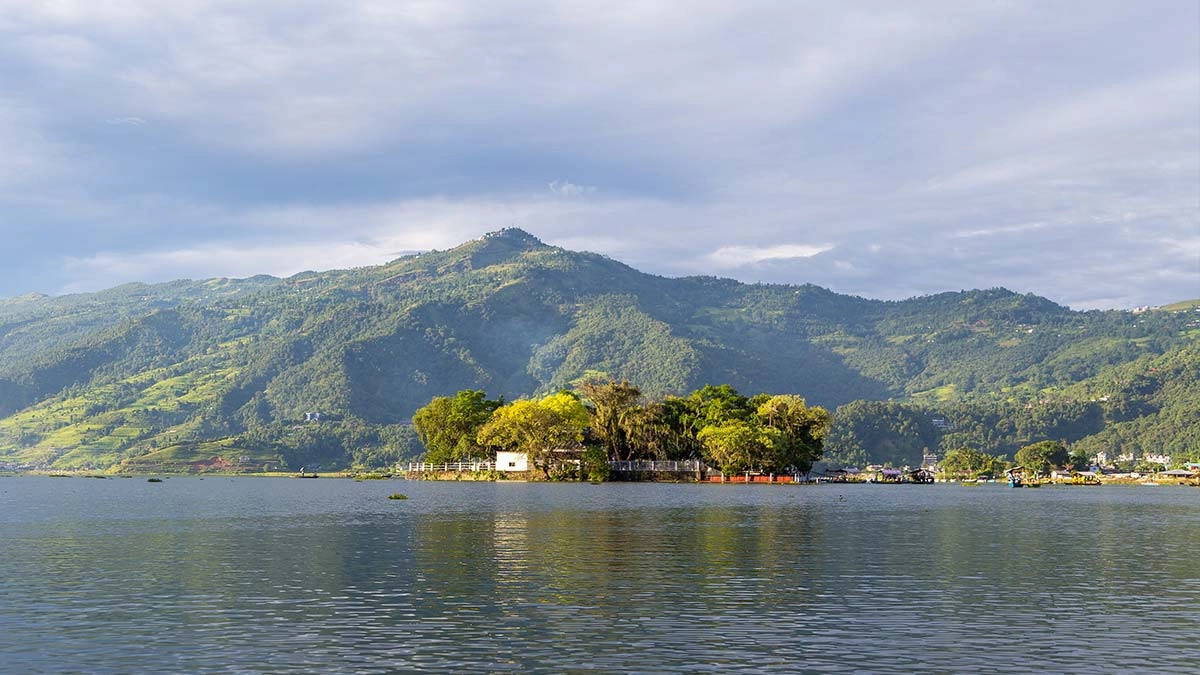
Barahi Temple sits on a small island 150 meters from the main ghat. Tal Barahi Temple is one of Pokhara’s best-known lake attractions. During the day, the temple receives thousands of visitors. At dusk, the crowd drops to a fraction of that number, and the brief boat crossing (NPR 20–30 round trip) takes you to one of the most atmospheric religious sites in Pokhara.
Tal Barahi Temple is dedicated to the boar manifestation of Ajima, representing Shakti; a 2023 ethnographic study of Pokhara valley's goddess temples (Prithvi Journal of Research and Innovation) found that worship practices at the temple encode a message of reverence for feminine power that local priests link directly to community welfare and women's dignity. The smell of incense, the sound of bells, and the view of the lake at twilight from the island steps constitute a sensory experience that no rooftop restaurant can replicate. Evening visits between 5:30 PM and 6:30 PM are the best because the lighting is natural, the crowd is minimal, and the last boats return before dark.
4. Best Rooftop Restaurants and Bars for a Nighttime View in Pokhara
Pokhara city offers a wide variety of rooftop restaurants and bars, particularly around the Lakeside area, many of which provide mountain and lake views. The quality gap between the best and worst is significant. Knowing which criteria matter helps visitors avoid spending their one premium dinner evening at a mediocre view with an overpriced menu.
What Makes a Rooftop Restaurant in Pokhara Worth Visiting at Night
3 factors determine rooftop restaurant quality in Pokhara's evening scene:
Mountain View Orientation: Restaurants on the western side of Lakeside Road face east, away from the mountains. Restaurants on the eastern side, or those elevated above 3 floors, offer clear sightlines toward Machapuchare and the Annapurna range. Always confirm orientation before booking.
Live Music Schedule: Most live music in Pokhara's restaurants begins at 7:30 PM and ends by 10:00 PM. Venues with house bands (as opposed to passive background speakers) create dramatically better atmosphere. The music styles range from Nepali folk fusion to Western covers, with the best venues blending both.
Menu vs. Atmosphere Balance: A large number of Pokhara's lakeside restaurants invest heavily in atmosphere and underinvest in food quality. The highest-quality kitchens in Lakeside tend to be smaller, less decorated, and slightly removed from the primary tourist strip. Dal bhat at these local-facing restaurants consistently outperforms the same dish at tourist-facing venues at half the price.
The Annapurna Range at Dusk: Where to Watch It and Why Timing Matters
Watching Machhapuchhre (Fishtail Mountain) change color during sunset is widely considered one of Pokhara's most memorable free experiences. The mountain sits at 6,993 meters and is visible from most of the eastern Lakeside strip when weather permits.
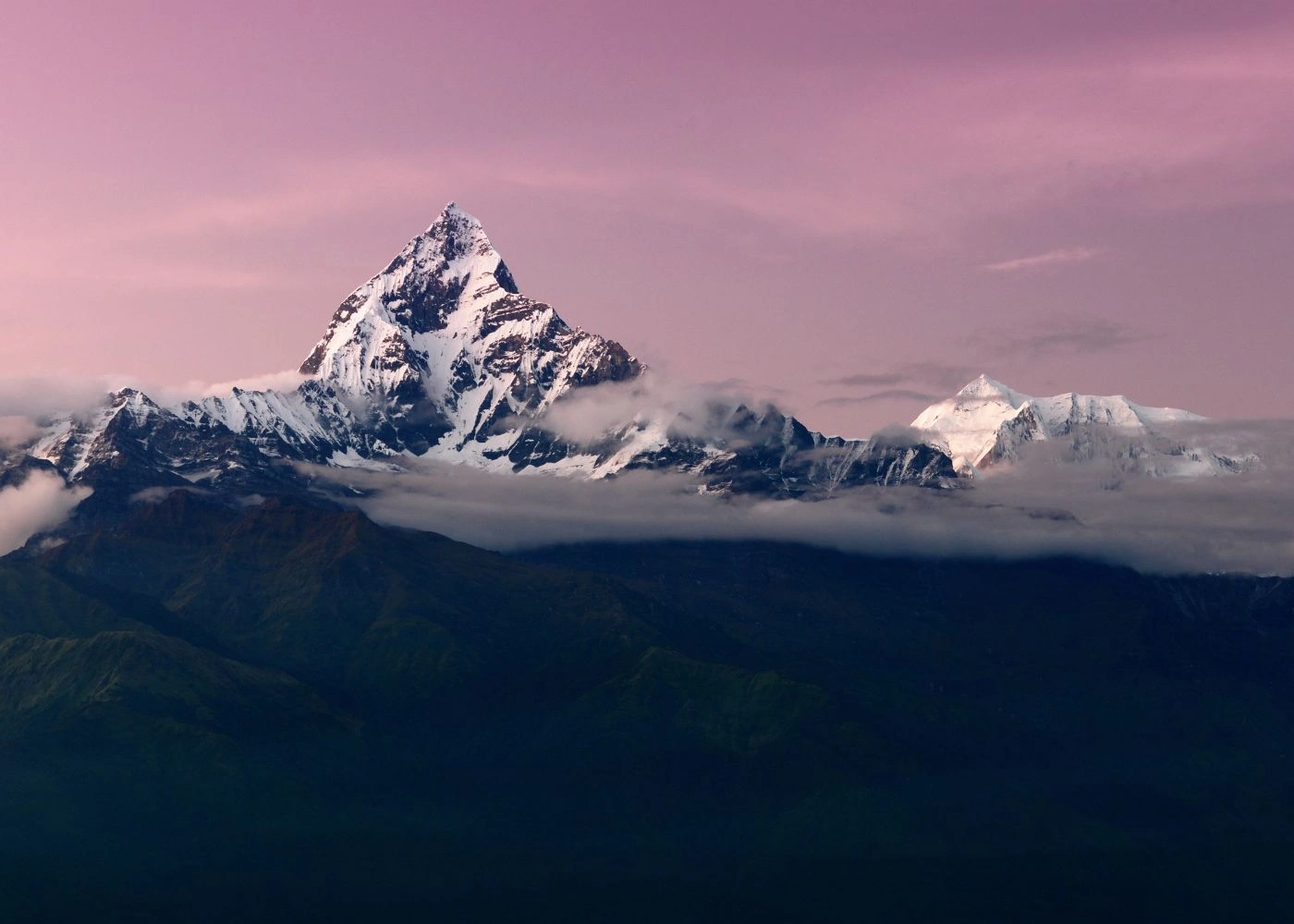
The color progression runs: white → amber → flamingo pink → deep rose → gray silhouette over approximately 35 minutes. The transition from pink to gray happens fast, within 7 minutes, so positioning yourself before 5:45 PM is non-negotiable on clear-sky evenings.
Sarangkot, the ridge 5 kilometers northwest of Lakeside, offers the most dramatic elevated sunset view. Taxis reach the summit viewpoint in 20 minutes for NPR 600–800. Sunrise at Sarangkot receives all the fame, but the sunset view from Sarangkot looking south over the lake and city is equally compelling and attracts a fraction of the crowds, an advantage that travelers visiting Nepal in December will especially appreciate, when mountain clarity across the Annapurna range peaks.
Live Music Venues in Pokhara That Go Beyond the Tourist Experience
Pokhara has produced a number of genuinely talented musicians who perform nightly in its lakeside venues. The venues worth seeking out share 3 characteristics: they feature Nepali artists (not cover bands playing Western hits exclusively), they maintain consistent quality across seasons, and their stage setup is visible from most seating positions.
The city's live music scene centers on 3 genres: Nepali folk (lok dohori), blues-influenced acoustic guitar, and jazz fusion incorporating traditional instruments like the sarangi and madal. Visitors who spend time at smaller venues away from the 5 busiest restaurants on the main strip consistently report better musical quality and a more authentic experience.
Pokhara Night Markets and Street Food: Where Locals Actually Eat After Dark
The street food experience in Pokhara after dark operates in 2 parallel universes: the tourist-facing snack menus on Lakeside Road and the actual Nepali street food culture thriving 10 to 15 minutes' walk away. Visitors who only experience the first universe miss the most honest food in the city.
5. Bagar Market Area After Dark: The Local Street Food Hub
Bagar is the commercial center of Pokhara for residents rather than tourists. The market area sits approximately 1.5 kilometers east of Lakeside and becomes a functioning street food district between 6:00 PM and 9:30 PM. Vendors set up on the roadside with carts serving momo (steamed dumplings), chatpate (spiced puffed rice with vegetables), sekuwa (grilled meat skewers), and sel roti (circular rice bread).
Momo pricing in Bagar runs NPR 80–120 for a full plate of 8 to 10 pieces. The same dish on Lakeside Road costs NPR 200–350 at most restaurants. The quality comparison consistently favors Bagar, the dough is fresher, the filling denser, and the accompanying achar (chutney) is made in-house rather than from commercial stock.
The atmosphere in Bagar after dark is genuinely local. Families eat together on plastic furniture under fluorescent lights. School children buy chatpate from corner carts. The absence of other tourists is itself an experience worth having.
6. Mahendra Pul Night Market: The City's Commercial Evening Pulse
Mahendra Pul is the main commercial intersection of Pokhara, located between the old city and the lakeside tourist zone. The area comes alive between 7:00 PM and 10:00 PM with vendors selling clothing, electronics, and prepared food from sidewalk stalls.
3 street foods at Mahendra Pul worth trying:
Pani puri: hollow fried spheres filled with spiced potato and tamarind water; NPR 30–50 for a serving of 6
Aloo chop: deep-fried potato fritters with spiced filling; NPR 20–40 each
Fresh sugarcane juice: pressed on-site; NPR 30–50 per glass
The market also contains sweet shops selling barfi (milk-based fudge), juju dhau (Bhaktapur-style yogurt sold in Pokhara), and sel roti made fresh through the evening. Navigating this area requires no Nepali language, pointing and gesturing communicates every transaction successfully.
7. Old Bazaar (Bazar Tole): The Most Underrated Night Walk in Pokhara
Old Bazaar is the historical center of Pokhara and predates the tourist development of Lakeside by several centuries. Walking through Bazar Tole at night is one of the most atmospherically distinct experiences available in the city. The narrow lanes are lit by a combination of shop fluorescents and occasional street lamps. Traditional Newari architecture frames both sides. Temples occupy street corners that most map applications do not label.
Old Bazaar receives far less attention than Lakeside in many travel itineraries, making it a quieter option for an evening walk. This omission is the most significant information gap in Pokhara travel content. The walk from Bagar Market to Old Bazaar takes 12 minutes on foot. The area is safe, populated with local residents going about evening routines, and entirely free of the performative atmosphere that characterizes parts of Lakeside.
The Bhimsen Temple and the stone water spouts (dhara) along the main lane of the old bazaar are particularly striking after dark when the remaining evening shopkeepers close their shutters and the street quiets to footsteps.
Spiritual and Cultural Night Experiences in Pokhara
Pokhara holds 3 significant religious sites that reward evening visits specifically, not as compromises for visitors who run out of daytime hours, but as destinations where the evening context genuinely enhances the experience.
8. Bindhyabasini Temple Evening Aarti: Timing and What to Expect
Bindhyabasini Temple is the oldest and most sacred Hindu temple in Pokhara, dedicated to the goddess Bhagwati. The temple sits on a hilltop at the northern edge of the old city and is visible from many parts of Pokhara as a lit landmark after dark.
The evening aarti (ritual lamp offering) takes place daily between 6:00 PM and 7:00 PM. This ceremony involves priests performing fire rituals before the goddess, accompanied by bells, drums, and devotional singing. The atmosphere is identical to what you find at major Hindu temples across Nepal, dense incense, orange marigold offerings, and the specific emotional intensity of communal worship.
Bindhyabasini Temple, dedicated to the goddess Bhagwati, is examined in a 2023 peer-reviewed ethnographic study as one of Pokhara valley's most significant sites of goddess worship, where, according to interviews with the temple's own conservation committee, local devotion is rooted in both protection from hardship and hope for a better life.
Visitors are welcome to observe. Photography without flash is generally accepted. The hilltop also provides one of the better free views of Pokhara city after dark, the lights of the lakeside area spread below and the lake reflects the city's glow to the west.
Practical detail most visitors miss: The temple is accessed via a steep staircase of approximately 120 steps. The climb takes 8 minutes at a moderate pace. Appropriate dress (covered shoulders and knees) is required. Shoes are removed at the top.
9. World Peace Pagoda (Shanti Stupa): Sunset and the Transition to Night
The World Peace Pagoda, or Shanti Stupa, stands at 1,100 meters on a ridge south of Phewa Lake, profiled by Nepal Tourism Board, the country's official tourism authority, as one of the region's finest vantage points for the Annapurna range. It is the most architecturally striking structure in Pokhara and one of the most photographed.
The pagoda is accessible by boat across the southern end of Phewa Lake (NPR 500–800 round trip, negotiated at the main ghat) followed by a 45-minute uphill hike. Alternatively, taxis reach the pagoda via road in 25 minutes for NPR 700–900.
The World Peace Pagoda is widely regarded as one of Pokhara's finest sunset viewpoints, offering panoramic views of Phewa Lake, the city, and the Annapurna range. The 360-degree view encompasses Phewa Lake directly below, the entire Pokhara valley, Machapuchare and the Annapurna range to the north, and the lower Himalayan foothills extending south. The pagoda itself glows white against the darkening sky during the final minutes of sunset.
The pagoda closes to visitors at 7:00 PM. Plan departure from Lakeside by 4:45 PM to reach the summit comfortably before sunset begins at approximately 5:45 PM (varies by season).
10. Devi's Fall and Gupteshwor Cave at Night: Is It Worth Visiting?
Devi's Fall is a waterfall located 2 kilometers south of the main Lakeside area where the Phusre Khola stream drops abruptly underground. Gupteshwor Cave, directly across the road, is a sacred cave containing a Shiva shrine and connects underground to the base of the waterfall.
Both sites are accessible until approximately 6:30 PM (check current operating hours on arrival). An evening visit to Gupteshwor Cave specifically, when the interior is lit by temple candles and the Shiva lingam at the deepest section glows in orange light, is more evocative than the same visit at midday. The entry fee is NPR 100 for Gupteshwor Cave and NPR 100 for Devi's Fall (separate tickets).
The honest assessment: Devi's Fall loses significant visual impact during the dry season (November–March) when water flow reduces to a trickle. The evening visit to Gupteshwor Cave remains worthwhile year-round. The combination of both is most rewarding during monsoon season (June–September) when water volume is at its peak.
Practical Tips for Exploring Pokhara at Night Safely and Confidently
Pokhara is one of Nepal's safer tourist cities at night. Understanding which areas to prioritize, how to move between them, and what practical considerations apply helps you navigate the evening with full confidence.
Which Areas of Pokhara Are Safe at Night for Solo Travelers
Lakeside Road (Baidam to Camping Chowk) is the safest area for solo travelers of all genders at any hour until midnight. The street maintains consistent foot traffic, restaurants and bars remain open, and the presence of other tourists creates a natural safety network.
Mahendra Pul and Bagar Market are safe until approximately 10:00 PM. These are working commercial areas that wind down after that hour. A solo traveler visiting after 10:00 PM will find empty streets rather than dangerous ones, the risk is being the only person in an unlit area, not active safety threats.
Old Bazaar is safe but quiet after 9:00 PM. Visit between 7:00 PM and 9:00 PM for optimal atmosphere and presence of local residents.
Sarangkot road after dark requires a taxi. The road is unlit, winding, and unsuitable for walking. Taxis are available on Lakeside Road at all hours. Agree on the fare before departure: NPR 600–800 one way to Sarangkot is standard.
3 general safety principles for Pokhara at night:
Stay on lit streets in unfamiliar areas
Confirm taxi prices before entering the vehicle, metered taxis are uncommon; negotiated fares are standard
Carry a small flashlight for temple stairs and the World Peace Pagoda trail
Transportation Options After Dark in Pokhara
4 primary transportation options operate after sunset in Pokhara:
Local taxis are the most practical option for any destination more than 1 kilometer from Lakeside. They are available throughout the night on the main Lakeside strip and respond to hotel calls. Negotiate fares before entering: NPR 150–250 within Lakeside; NPR 400–600 to Bagar or Old Bazaar; NPR 700–900 to Sarangkot or Devi's Fall. For broader Nepal transport strategies, our Nepal backpacker travel guide covers shared buses, local transit, and budget-conscious travel tips beyond Pokhara.
Electric rickshaws (e-rickshaws) operate within the Lakeside area until approximately 9:30 PM. They carry 3 to 4 passengers, cost NPR 50–100 for short trips, and are the easiest way to move between the northern and southern ends of Lakeside Road.
Walking is entirely practical for all destinations within Lakeside. The main strip is flat, well-lit, and safe. Walking to Bagar takes 25 minutes from central Lakeside and is safe until 9:30 PM.
Motorcycle taxis are available from identified stands near the main ghat. They are faster than cars in traffic, cost slightly less, and are widely used by Nepali residents for short evening trips.
What to Carry, Wear, and Avoid on a Pokhara Night Out
Carry:
Cash in small denominations (NPR 20, 50, 100): street vendors and temples rarely change large bills
A light jacket or shawl: evenings below 2,500 meters feel cold from October through March even when days are warm
A flashlight or charged phone for temple steps and unlit pathways
Your accommodation address in written form: taxi drivers navigate by landmark, not GPS
Wear:
Covered shoulders and knees if temple visits are planned: lightweight cotton layers satisfy this requirement without adding bulk
Closed-toe footwear: temple floors, boat docks, and uneven Old Bazaar lanes are all safer with closed shoes
Avoid:
Displaying expensive camera equipment openly in the Mahendra Pul and Bagar areas after 9:00 PM
Accepting unlicensed boat rides after dark from individuals approaching on the promenade, use the official ghat
Drinking tap water from any source, bottled water (NPR 20–40 for 1 liter) is available at every shop throughout the evening
10 Best Places to Visit in Pokhara at Night
The 10 best places to visit in Pokhara at night, organized by experience type:
# | Place | Best Time | Experience Type | Cost |
1 | Lakeside Promenade (Baidam to Camping Chowk) | 5:30–9:30 PM | Walk, dining, atmosphere | Free |
2 | Phewa Lake Night Boating | 6:00–8:30 PM | Nature, photography | NPR 300–500/hr |
3 | Barahi Temple Island | 5:30–6:30 PM | Spiritual, photography | NPR 20–30 (boat) |
4 | World Peace Pagoda (Shanti Stupa) | 5:00–7:00 PM | Panoramic views, spiritual | NPR 500–900 (transport) |
5 | Bindhyabasini Temple Evening Aarti | 6:00–7:00 PM | Spiritual, cultural | Free |
6 | Sarangkot Sunset Viewpoint | 5:30–6:30 PM | Mountain views | NPR 600–800 (taxi) |
7 | Bagar Market Street Food | 7:00–9:30 PM | Local food culture | NPR 80–200 (meal) |
8 | Mahendra Pul Night Market | 7:00–10:00 PM | Street food, shopping | NPR 30–100 (snacks) |
9 | Old Bazaar (Bazar Tole) Night Walk | 7:00–9:00 PM | Culture, history | Free |
10 | Gupteshwor Cave | Until 6:30 PM | Spiritual, natural | NPR 100 (entry) |
Planning Your Pokhara Night Itinerary: A 3-Hour Route That Works
Visitors with a single evening in Pokhara can cover the highest-value experiences efficiently using this 3-hour sequence:
4:45 PM: Depart for World Peace Pagoda or Sarangkot (taxi). Reach viewpoint by 5:15 PM.
5:30–6:15 PM: Watch sunset and mountain color transition. Return to Lakeside by 6:45 PM.
6:45–7:30 PM: Walk Lakeside Promenade. Stop at the Barahi Temple ghat for lake view.
7:30–9:00 PM: Dinner at a rooftop restaurant on eastern Lakeside Road. Request a mountain-facing table.
9:00–9:45 PM: Walk to Bagar Market for street food dessert: momo, sel roti, or sweet shop stop.
This sequence delivers mountain views, lake atmosphere, cultural context, and genuine local food in a single evening without requiring a vehicle after the Sarangkot or pagoda return.
What Makes the Pokhara Night Experience Different From Other Nepal Cities
Pokhara's evening identity stands distinct from Kathmandu's Thamel and from Chitwan's quieter night scene for 3 specific reasons:
The lake is the organizing principle. Every major evening destination in Pokhara either faces the lake, connects to it by boat, or uses it as a visual backdrop. This geographic coherence gives the city's nightlife a focused, contained quality absent from Kathmandu's sprawling grid.
The mountain scale is visible at night. In Kathmandu, the Himalayan range sits 80–120 kilometers away and is only visible on clear days. In Pokhara, Machapuchare rises 6,993 meters just 28 kilometers from the lakeside. After sunset, its silhouette remains visible against the sky. On full moon nights, the snow-covered upper ridges reflect enough moonlight to be seen clearly from the promenade.
The pace is intentionally slow. Pokhara's hospitality culture does not rush tables. Many lakeside restaurants encourage a relaxed dining experience, especially those offering live music and lake views. Live music extends the evening without escalating its energy. This creates an unusual atmosphere for a tourist city, one that rewards staying still more than constant movement a quality that defines Pokhara equally during winter in Nepal, when crisp evenings and mountain silhouettes add another dimension to the lakeside after dark.
Visitors who approach Pokhara's night as an experience of stillness, rather than a schedule of attractions to complete, consistently report it as among the most memorable parts of their Nepal travel. The city earns that response honestly.


