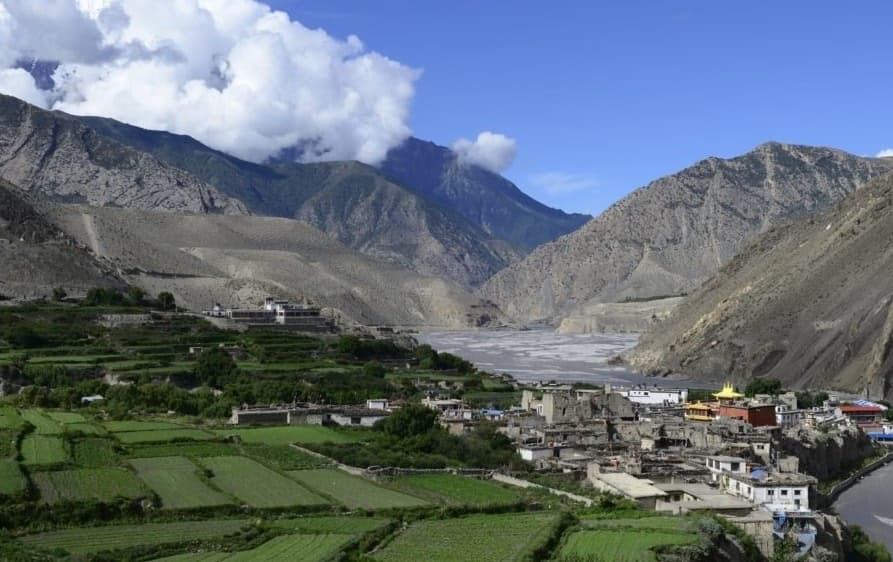
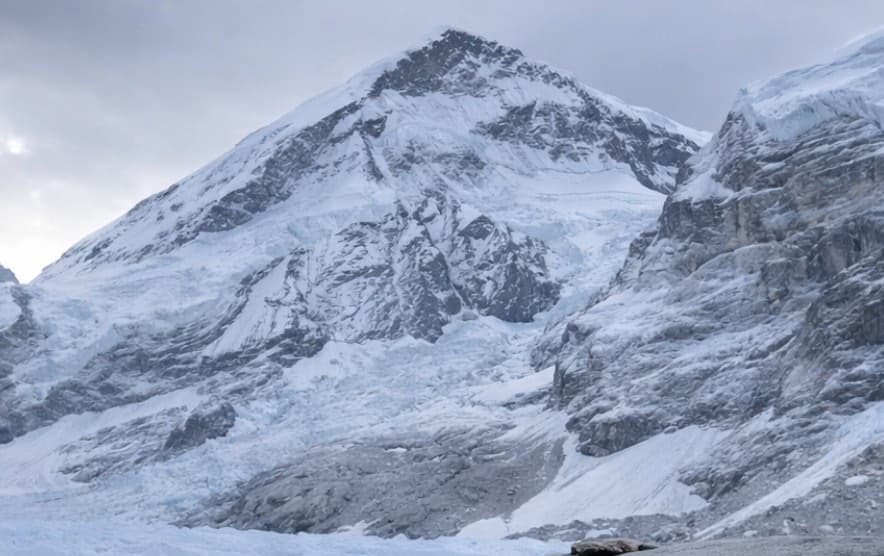
The Annapurna Base Camp Trek is one of Nepal's most popular high-altitude Himalayan adventures, taking trekkers to an elevation of 4,130 meters through the Annapurna Conservation Area. For Indian travelers, it is also one of the most affordable international trekking experiences because Nepal offers visa-free entry for Indian citizens, SAARC-discounted trekking permits, convenient overland and flight connections, and growing acceptance of Indian payment methods. However, the total Annapurna Base Camp Trek cost depends on far more than the package price. Transportation, permits, accommodation, meals, guide and porter services, travel insurance, trekking gear, seasonal demand, route selection, and daily trail expenses all influence the final budget.
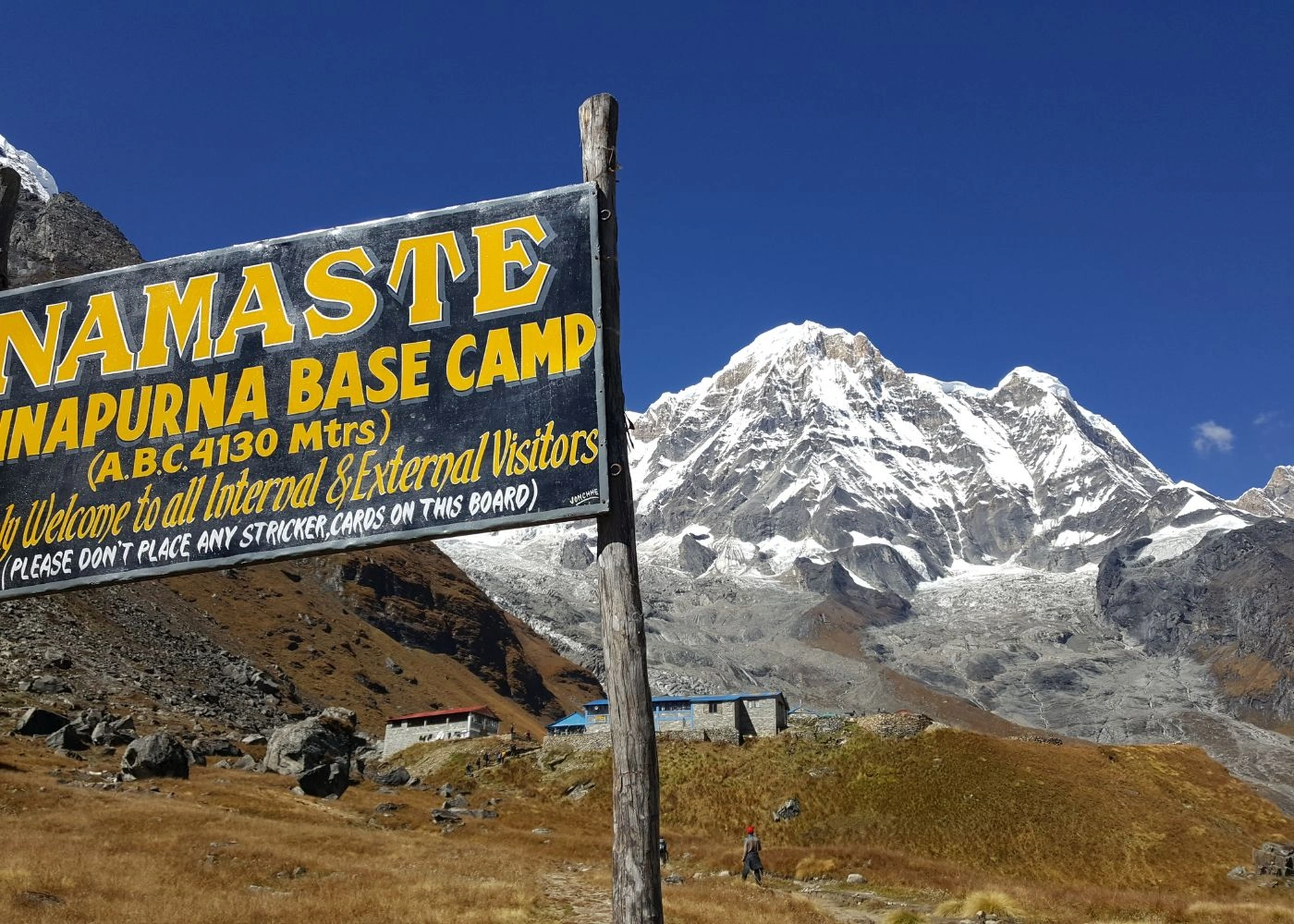
This complete 2026 cost guide breaks down every expense Indian trekkers should expect before, during, and after the Annapurna Base Camp Trek. It explains current permit fees, transportation costs from India and within Nepal, tea house accommodation, food prices, guide and porter charges, equipment expenses, travel insurance, hidden trail costs, and practical ways to reduce your overall budget without compromising safety or trekking experience. Whether you are planning a budget group trek, a private guided adventure, or a comfortable package, this guide provides accurate cost estimates in both INR and NPR to help you plan your Annapurna Base Camp Trek with confidence.
How Much Does the Annapurna Base Camp Trek Cost for Indians?
The Annapurna Base Camp Trek costs Indian travelers between INR 20,000 and INR 70,000 per person for a complete trip. Because hiring a guide through a registered agency is legally mandatory, budget trekkers must factor in shared support costs by joining a group, which brings the minimum overland budget closer to INR 35,000–45,000. Trekkers who fly from India and hire a licensed guide with a porter spend INR 50,000–70,000. Indian nationals pay zero visa fees and SAARC-discounted permit rates totaling INR 1,250, a structural cost advantage over all other foreign nationals. This makes the ABC trek one of the most cost-accessible Himalayan treks for Indians.
What Is the Average Budget for the Trek?
The average Annapurna Base Camp Trek budget for an Indian traveler ranges from INR 20,000 to INR 70,000 per person, covering all expenses from departure to return. Because independent trekking is illegal, the most cost-effective option is to join an agency-led group trek overland, which typically costs between INR 35,000 and INR 45,000. Trekkers who fly from India and hire a licensed guide with a porter typically spend INR 50,000–70,000.
Here is a realistic cost summary across the 3 main trekking styles for Indian nationals in 2026:
Trek Style | Duration | Nepal-Only Cost | Total (incl. India travel) |
Standard (Guide + Porter) | 10–12 days | INR 40,000–55,000 | INR 50,000–70,000 |
Comfort / Private Package | 12–14 days | INR 65,000–90,000 | INR 80,000–1,10,000 |
These figures include permits, accommodation, meals, transport within Nepal, and guide/porter costs where applicable. Travel insurance and international travel to Nepal are additional.
What most competitors do not tell you: Indian trekkers enjoy 3 structural advantages over other foreign nationals. First, zero visa costs, all other nationalities pay USD 30–50 per person at the Nepal border. Second, SAARC-discounted permit rates that are 66% lower than standard foreign permit fees. Third, while NPR is Nepal's only legal tender, INR cash (in denominations of ₹100 and ₹200) is widely accepted at a fixed peg of 1 INR = 1.6 NPR. Most importantly for 2026, Indian tourists can now seamlessly use domestic UPI apps (like PhonePe, BHIM, or Google Pay) to scan Fonepay QR codes across Nepal. This cross-border digital payment system drastically reduces the need to carry large wads of cash for city expenses and agency fees.
What Is Included in the Trek Cost?
Standard Annapurna Base Camp Trek packages for Indian travelers include 6 core components: trekking permits (ACAP and TIMS), tea house accommodation along the route, all meals from breakfast through dinner, a licensed trekking guide, a porter for baggage support, and local transportation between Pokhara and the trailhead.
A well-structured package from a registered Nepali trekking company, such as Nepal Intrepid Treks, typically covers:
Annapurna Conservation Area Permit (ACAP)
TIMS (Trekkers' Information Management System) card
Tea house accommodation on twin-sharing basis (single supplement applies)
3 meals per day during the trek
Licensed English-speaking guide
Porter (1 porter shared between 2 trekkers in most packages)
Surface transfers from Pokhara to the trailhead and back
Basic first aid kit and emergency oxygen
What this cost does not include (and what trekkers routinely under-budget for): travel from India to Nepal, travel insurance, personal trekking gear, hot showers, battery charging fees, Wi-Fi, bottled water, alcoholic beverages, and tips for the guide and porter.
What Is Usually Excluded from the Trek Cost?
5 categories are almost always excluded from ABC trek packages, regardless of the provider: international travel, travel insurance, personal equipment, trail extras, and guide/porter tips.
The trail extras trip up even experienced trekkers. Hot showers cost NPR 200–500 (INR 125–313) per use above Chhomrong. Charging a phone or camera costs NPR 100–300 (INR 63–188) per device. Bottled mineral water runs NPR 150–400 (INR 94–250) depending on altitude, prices increase by roughly NPR 50 per 500 meters of elevation gain. These small costs accumulate to INR 3,000–8,000 across a 10-day trek if you are not carrying a water filter and power bank.
What Factors Affect the Annapurna Base Camp Trek Cost?
.webp)
5 primary factors control the total Annapurna Base Camp Trek cost: trek duration, season, group size, chosen route, and level of support services. Each additional trekking day adds INR 2,500–5,000 in combined accommodation, food, and guide expenses. Peak seasons (March–May and September–November) raise tea house and guide costs by 15–20%. A group of 8 trekkers reduces the per-person support cost by 25–35% compared to a solo private arrangement. Route extensions such as Ghorepani–Poon Hill add INR 8,000–15,000 and 2–3 extra days.
Does Trek Duration Change the Overall Cost?
Trek duration directly controls the total cost, with each additional day adding approximately INR 2,500–5,000 in combined accommodation, food, guide, and porter expenses. The minimum viable ABC trek lasts 7 days from Pokhara and back. The most recommended itinerary runs 10–12 days and includes proper acclimatization stops. Extended versions adding Ghorepani and Poon Hill require 14–16 days and cost INR 10,000–20,000 more.
A 7-day rush itinerary increases the risk of altitude-related illness and reduces the trek experience significantly. Trekkers with limited time can review the Short Annapurna Base Camp Trek to understand what a fast, direct 10-day route to base camp looks like. The 10-day version offers the best cost-to-experience ratio for most Indian trekkers.
Does the Season Affect Trek Prices?
Peak seasons (March–May and September–November) increase accommodation and guide costs by 15–20% compared to off-season months; our detailed guide on the best time for the ABC trek breaks down how each month affects visibility, trail conditions, and teahouse pricing. Tea house room rates rise during high season because demand exceeds trail capacity, especially at Chhomrong, Himalaya Hotel, and Annapurna Base Camp itself.
Season | Months | Accommodation | Conditions | Relative Cost |
Spring (Peak) | Mar–May | Higher | Clear skies, rhododendrons | 15–20% above base |
Monsoon (Off) | Jun–Aug | Lower | Heavy rain, leeches, mist | 10–15% below base |
Autumn (Peak) | Sep–Nov | Highest | Best visibility | 20–25% above base |
Winter (Off) | Dec–Feb | Lowest | Snow, cold, some closures | 15–20% below base |
Permit costs stay fixed year-round regardless of season, NPR 1,000 for ACAP (SAARC rate) and NPR 1,000 for TIMS whether you trek in October or January.
Does Group Size Reduce the Cost?
Group treks reduce the per-person cost by 20–35% compared to private treks. In a group of 8–12 trekkers, the guide and porter costs are distributed across all participants, bringing the daily support cost per person from INR 2,500 down to INR 800–1,200.
Group tours also pre-negotiate better tea house rates in advance, especially during peak season. The trade-off: fixed departure dates, a set itinerary, and a shared pace. For Indian trekkers traveling with friends or family, a private group of 4–6 people offers the best combination of cost savings and flexibility.
How Does the Trek Route Influence the Budget?
The standard ABC route via Nayapul–Chhomrong–Machapuchhre Base Camp is the most cost-efficient, covering approximately 110 km round trip in 10 days. Alternate routes add cost through extended days, additional tea house stops, and additional transport.
The 3 most common route variations and their cost implications are:
Standard route (Nayapul to ABC and back): Base cost, 10–12 days, most tea houses available
Ghorepani + Poon Hill extension: Adds INR 8,000–15,000, 2–3 extra days, classic sunrise view over Dhaulagiri and Annapurna South
Ghandruk loop return: Avoids repeating the same trail, minimal cost difference, recommended for scenic variety
How Much Do Transportation Costs Add?
Transportation adds INR 5,000–36,000 to the total budget, depending on whether Indian travelers fly or travel overland. A round-trip flight from Delhi to Kathmandu costs INR 10,000–30,000. The overland route via Gorakhpur–Sunauli costs INR 3,000–6,000 round trip and takes 22–28 hours. Within Nepal, the Kathmandu–Pokhara tourist bus costs NPR 800–1,200 (INR 500–750), and the Pokhara–trailhead shared jeep costs NPR 400–800 (INR 250–500). While ATMs are unavailable beyond Pokhara, most city expenses before the trek can be paid via UPI. However, internet connectivity on the upper trail is unreliable, so you must withdraw enough NPR cash in Pokhara to cover all high-altitude tea house meals, extras, and guide/porter tips.
What Is the Cost of Travel from India to Nepal?
Indian nationals traveling to Nepal have 2 primary options: overland via border crossings or direct flights. No visa or visa fee applies to either route.
By air: Direct flights connect Delhi, Kolkata, Mumbai, Varanasi, and Bengaluru to Kathmandu. Delhi–Kathmandu is the highest-traffic route, with one-way fares ranging from INR 5,000–15,000 depending on airline and advance booking. Kolkata–Kathmandu is the shortest and often cheapest connection at INR 4,000–12,000 one way. Booking 4–6 weeks in advance yields the lowest fares.
By road (overland): The Sunauli–Bhairahawa crossing (nearest to Gorakhpur, UP) is the most popular land route for Indian trekkers. Total overland cost from Delhi via train + bus ranges from INR 1,500–3,500 per person one way. Travel time is 20–28 hours. The Raxaul–Birgunj crossing is preferred by travelers from Bihar, Jharkhand, and West Bengal.
Route from India | Travel Mode | One-Way Cost (INR) | Travel Time |
Delhi → Kathmandu | Flight | 5,000–15,000 | 1h 45m |
Kolkata → Kathmandu | Flight | 4,000–12,000 | 55 min |
Delhi → Sunauli (overland) | Train + Bus | 1,500–3,000 | 22–28 hours |
Gorakhpur → Bhairahawa | Bus | 800–1,200 | 3 hours |
Nepal Rastra Bank eased its long-standing restriction in July 2026: Indian ₹200 and ₹500 notes issued after November 9, 2016 are now accepted in Nepal up to a combined limit of ₹25,000 per person, though ₹2,000 notes and pre-2016 high-denomination notes remain banned, carry a mix of smaller notes as a backup where possible.
How Much Does Transportation Within Nepal Cost?
Transportation within Nepal adds INR 2,000–8,000 to the total trek budget, covering the Kathmandu–Pokhara sector and the Pokhara–trailhead transfer.
Kathmandu to Pokhara (tourist bus): NPR 800–1,200 (INR 500–750), 7–8 hours
Kathmandu to Pokhara (flight): NPR 4,400–6,715 (INR 2,750–4,200), 25 minutes. (Indian citizens benefit from a special discounted fare bracket on Nepal's domestic airlines, which is significantly cheaper than the standard foreign national rate).
Pokhara to Nayapul/Ghandruk (shared jeep): NPR 400–800 (INR 250–500), 1–1.5 hours
Pokhara to Nayapul (private jeep): NPR 3,000–5,000 (INR 1,875–3,125), 1.5 hours
ATMs are not available once you leave Pokhara. Carry enough NPR cash for the entire trek duration, including guide and porter payment, tips, trail extras, and a contingency buffer of NPR 5,000–10,000 (INR 3,125–6,250).
What Are the Costs of Permits, Accommodation, and Meals?
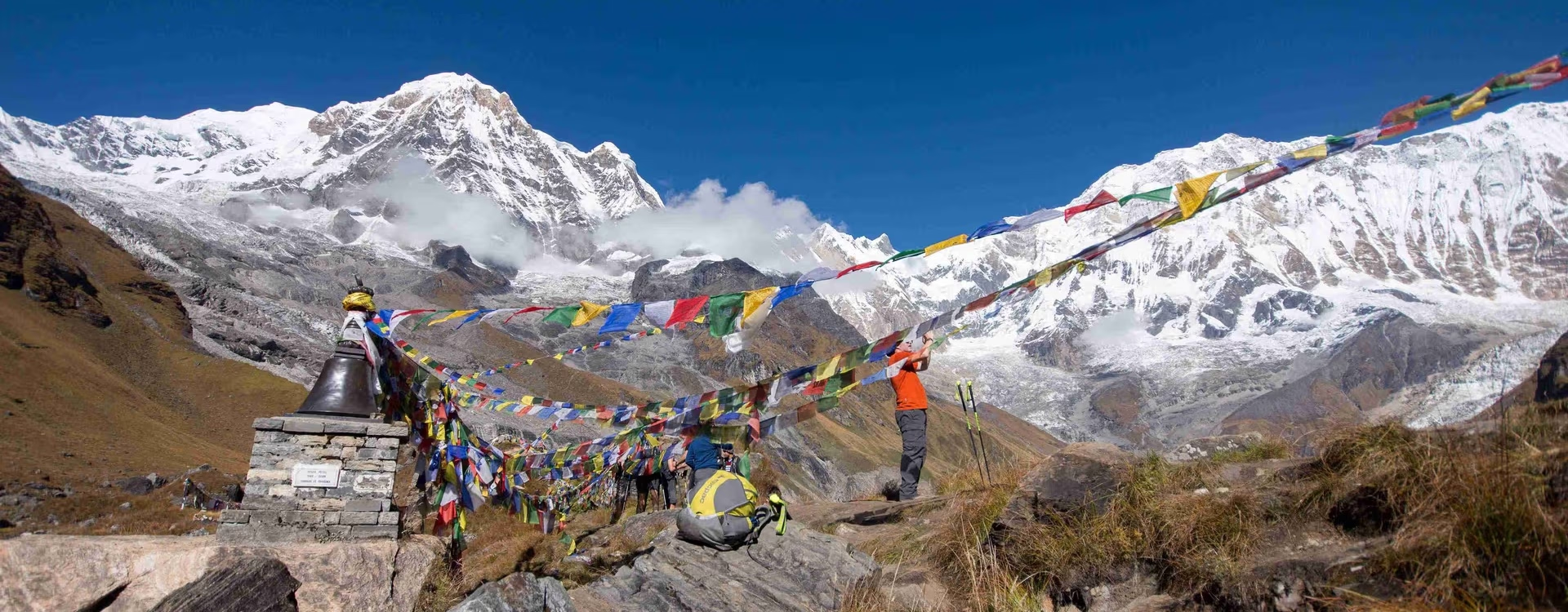
Indian nationals pay NPR 2,000 (INR 1,250) total for the two mandatory permits, ACAP at NPR 1,000 and TIMS at NPR 1,000, under SAARC discounted rates. Tea house accommodation costs NPR 200–1,500 (INR 125–938) per night, with prices rising at higher altitudes. Daily food expenses range from NPR 1,200–2,500 (INR 750–1,563) depending on menu choices and altitude. Dal bhat, with unlimited refills at most lodges, delivers the highest caloric value per rupee on the trail. A 10-day combined accommodation and food budget for a standard trek runs INR 15,000–25,000.
How Much Do Trekking Permits Cost?
Per the Nepal Tourism Board's official TIMS Card fee schedule, Indian nationals pay the SAARC rate of NPR 1,000 for TIMS (versus NPR 2,000 for non-SAARC nationals), and the card is now issued digitally with a QR code once your agency completes online registration and payment via ConnectIPS or NepalPay.
This is a significant discount from the standard foreign national rate. Non-SAARC trekkers pay NPR 3,000 for ACAP alone. The SAARC (South Asian Association for Regional Cooperation) benefit applies to Indian citizens presenting a valid passport or government-issued photo ID (Voter ID is accepted).
Permit | Foreign Rate (NPR) | SAARC Rate (NPR) | Indian Cost (INR) |
ACAP | 3,000 | 1,000 | ~625 |
TIMS (agency) | 2,000 | 1,000 | ~625 |
Total | 5,000 | 2,000 | ~1,250 |
Both permits are issued at the Nepal Tourism Board office in Kathmandu (Bhrikutimandap) or the ACAP office in Pokhara (Damside). Registered trekking agencies handle this paperwork on behalf of their clients, which saves time during peak season when queues can stretch to 2 hours. Do not obtain permits at the trail checkpoint in Birethanti, double fees are charged at the entry check-post.
According to NTNC's 2024 Annual Report on the Annapurna Conservation Area, the ACAP funds conservation operations across all 7,629 square kilometers of Nepal's largest protected area, supporting trail maintenance, wildlife management, and more than 100,000 resident community members. The TIMS card registers trekkers' information with authorities so that rescue teams can locate and assist them in emergencies. For a complete 2026 breakdown of ABC trek permit fees, including checkpoint rules, double-charge fines, and the documents Indian nationals need at NTB offices, see our dedicated permit cost guide.
What Are the Accommodation Costs on the Route?
Tea house accommodation costs NPR 200–1,500 (INR 125–938) per night, depending on altitude, season, and facilities. Most tea houses on the ABC route offer free or low-cost rooms when trekkers commit to eating all meals at the same lodge, this is the standard arrangement on the trail.
Accommodation costs by zone:
Zone | Key Stops | Per Night (NPR) | Per Night (INR) |
Lower trail | Tikhedhunga, Ghorepani, Ghandruk | 300–600 | 188–375 |
Mid trail | Chhomrong, Sinuwa | 500–900 | 313–563 |
Upper trail | Dovan, Himalaya Hotel, Deurali | 600–1,200 | 375–750 |
Summit zone | Machhapuchhre BC, ABC | 800–1,500 | 500–938 |
Above Chhomrong, there are no luxury lodges. All accommodation is basic tea house style, a private room with a bed, blanket, and shared squat toilet. Hot showers and private bathrooms are available in the lower sections (Ghandruk, Chhomrong) for an additional NPR 200–500.
How Much Should You Budget for Food and Drinks?
Daily food and drink costs range from NPR 1,200–2,500 (INR 750–1,563) depending on dietary choices and altitude. Simple Nepali meals, dal bhat (lentil soup with rice), noodle soup, or momos, cost NPR 350–600 per plate. Western dishes like pasta, pizza, and sandwiches cost NPR 500–900. Hot drinks run NPR 100–250 per cup.
A realistic 10-day food budget:
Budget (dal bhat + tea focus): INR 7,500–9,500
Standard (mixed menu): INR 12,000–15,000
Liberal (hot drinks, snacks, multiple courses): INR 16,000–20,000
Dal bhat is the smartest choice on the ABC trail for 2 reasons: it is the most filling option per rupee, and most tea houses offer unlimited refills at no extra charge. Trekkers burning 400–600 calories per hour on steep ascents consistently underestimate their caloric needs, budget for at least 3 full meals plus 2 snacks per day.
How Much Should You Budget for Guides and Porters?
A licensed trekking guide costs NPR 2,500–3,500 per day (INR 1,563–2,188), and a porter costs NPR 1,500–2,500 per day (INR 938–1,563), excluding their meals and accommodation. Guide and porter meals add approximately NPR 1,000–1,500 per person per day on top of the daily rate. For a 10-day trek, the combined guide and porter cost with full meal coverage totals INR 35,000–52,000. Tips are standard practice, budget INR 3,000–5,000 for the guide and INR 2,000–3,000 for the porter at trek end. These are expected additions, not optional gestures.
Is Hiring a Guide Worth the Cost?
A licensed trekking guide costs NPR 2,500–3,500 per day (INR 1,563–2,188) for a 10-day ABC trek, totaling INR 15,625–21,875. This figure typically does not include the guide's accommodation and food, which is standard protocol, the trekking agency or trekker covers these costs, adding approximately NPR 1,500–2,000 per day.
Hiring a guide is worth the cost for 5 specific reasons:
Route judgment: Between Bamboo and Deurali, weather shifts rapidly and conditions change within hours; a guide monitors cloud patterns and makes informed pacing decisions.
Altitude monitoring: Experienced guides recognize early signs of altitude sickness before trekkers do, including subtle AMS symptoms that most trekkers miss at 3,500+ meters, and they know the correct descent protocols when those signs appear.
Tea house negotiation: Guides secure rooms in advance at busy stops like Chhomrong and Himalaya Hotel during peak season, preventing the scenario of arriving exhausted to a full lodge.
Emergency coordination: If evacuation is required, a guide who speaks Nepali and knows rescue contacts can cut response time from hours to minutes.
Cultural insight: A local guide from the Annapurna region connects trekkers with the Gurung, Magar, and Thakali communities whose villages line the trail.
Solo trekking without a guide has been officially banned across Nepal's national parks and conservation areas, including the ABC route, under the Nepal Tourism Board's official guide-mandate notice effective April 1, 2023, a rule NTB confirms applies even to expats and diplomats residing in Nepal. However, above 3,000 meters, having professional support shifts from a convenience to a genuine safety measure.
Annapurna-region data backs this up: a peer-reviewed study of the Himalayan Rescue Association's Manang aid post found that 11.6% of the 2,904 trekkers and locals treated there between 2018 and 2023 had an altitude-related illness, a real-world reminder of why route judgment and early symptom recognition matter above 3,500 meters.
How Much Does a Porter Cost?
A porter costs NPR 1,500–2,500 per day (INR 938–1,563) for the ABC trek. Like guides, porters require meal and accommodation coverage, adding NPR 1,000–1,500 per day. One porter typically carries a maximum of 20–25 kg and is shared between 2 trekkers in group packages.
Total porter cost for a 10-day trek with meal coverage:
Low end: NPR 25,000 = INR 15,625
Mid range: NPR 35,000 = INR 21,875
What most trekking guides do not mention clearly: tip your guide INR 3,000–5,000 and your porter INR 2,000–3,000 at the end of the trek. This is not optional etiquette, it is an expected and essential part of their income. Budget this into your total from the start.
What Additional Expenses Should You Expect?
3 additional expense categories, travel insurance, equipment, and trail extras, add INR 10,000–22,000 to the total trek budget. Travel insurance covering helicopter evacuation up to 5,000 meters costs INR 3,500–7,000 and is non-negotiable. Full gear rental in Kathmandu or Pokhara costs INR 3,000–9,000 for a 10-day period. Trail extras, hot showers, device charging, bottled water, and Wi-Fi, accumulate to INR 3,000–8,000 across the full trek. A contingency cash buffer of NPR 10,000–15,000 (INR 6,250–9,375) covers weather delays, extra nights, and emergency purchases.
How Much Should You Budget for Travel Insurance?
Travel insurance covering the ABC trek costs INR 3,500–7,000 for a policy with helicopter evacuation coverage up to 5,000 meters. This is non-negotiable.
Annapurna Base Camp sits at 4,130 meters. Helicopter evacuation from the upper trail to Pokhara costs USD 2,000–4,000 (INR 1,65,000–3,30,000) without insurance coverage. Medical treatment at a Pokhara hospital for altitude illness runs USD 500–2,000. No trekker should reach Chhomrong without confirmed insurance that explicitly covers:
High-altitude trekking up to at least 5,000 meters
Emergency helicopter evacuation
Medical repatriation to India
Several Indian insurers and international travel insurance providers offer Nepal trekking-specific policies. Verify the altitude coverage ceiling before purchasing, some standard travel insurance plans cap coverage at 3,000 meters, which is insufficient for ABC.
What Are the Costs of Equipment Rental or Purchase?
Essential trekking gear rental costs NPR 200–600 (INR 125–375) per item per day in Kathmandu's Thamel area or Pokhara's Lakeside market. Buying gear in Thamel costs 40–70% less than purchasing equivalent equipment in India.
Key gear costs in Kathmandu/Pokhara (2026 prices):
Item | Rental/Day (NPR) | Purchase (NPR) | Purchase (INR) |
Down jacket | 200–400 | 2,500–5,000 | 1,563–3,125 |
Sleeping bag (-10°C) | 200–350 | 2,000–4,500 | 1,250–2,813 |
Trekking poles | 100–200 | 800–2,000 | 500–1,250 |
Gaiters | 100–150 | 500–1,200 | 313–750 |
Trekking boots | 300–500 | 3,000–8,000 | 1,875–5,000 |
Indian trekkers arriving with personal gear, sturdy trekking boots, thermal base layers, and a 40-liter daypack, avoid the largest equipment costs. Trekkers who need full rental coverage for a 10-day trek should budget INR 5,000–9,000 for equipment alone.
How Much Extra Cash Should You Carry?
Carry a minimum trail cash buffer of NPR 10,000–15,000 (INR 6,250–9,375) beyond your planned daily expenses. This covers 4 realistic extra costs: additional nights if weather delays the trek, emergency purchases (medication, replacement gear), higher-than-expected altitude food prices, and ATM failure (the nearest ATM to the trail is in Pokhara, 60+ km from ABC).
Practical cash distribution: keep enough for 2 days of expenses in your day pack in case baggage is separated from you. Leave the bulk of cash with your guide in a waterproof pouch.
How Can Indian Travelers Reduce the Annapurna Base Camp Trek Cost?
Indian trekkers reduce the ABC trek cost by 20–40% through 3 key decisions: timing the trek in the off-season, joining a group departure, and booking directly with a Kathmandu-based agency. December–February and June–August offer tea house rates 15–20% below peak-season prices. A group of 4–6 Indian friends booking a private group itinerary achieves near-group pricing with private-trip flexibility. Booking directly with a Nepali agency like Nepal Intrepid Treks eliminates the 15–30% commission Indian intermediary agents add. Carrying a water filter and power bank removes INR 3,000–6,000 in daily trail extra costs.
When Is the Cheapest Time to Trek?
December–February (winter) and June–August (monsoon) offer the lowest trekking costs, with tea house accommodation running 15–20% below peak-season rates. Guide and porter availability is higher, which creates room for negotiation on daily rates.
Winter trekking (December–January) on the ABC route is feasible below 3,500 meters but becomes genuinely dangerous above Chhomrong due to ice and snow. Experienced winter trekkers with proper gear and a professional guide can complete the trek, but first-time high-altitude hikers should avoid this window.
The monsoon window (June–August) brings persistent rain, leeches on the lower trail, and poor visibility. However, the Annapurna Sanctuary above 2,500 meters is often in a rain shadow that keeps skies clearer than the lower sections. Indian trekkers comfortable with wet conditions can save INR 8,000–15,000 by choosing this window.
The best cost-to-experience compromise is late November (post-autumn peak, pre-winter cold) or late February–early March (pre-spring rush). Temperatures remain manageable, crowds are thinner, and lodge rates begin dropping from their October–November peaks.
Should You Choose a Group Trek or a Private Trek?
Group treks reduce per-person costs by 25–40% compared to private treks of the same duration and service level. A standard 10-day private ABC trek with guide and porter costs INR 55,000–70,000 per person. The same itinerary in a group of 8 costs INR 35,000–45,000 per person.
Group treks have 3 practical benefits beyond cost: built-in social support (important at altitude), shared guide expertise across multiple trekkers, and pre-confirmed tea house reservations that protect against full lodges during peak season.
The limitation of group treks is pace rigidity. If you are significantly faster or slower than the group average, a private or semi-private arrangement (2–4 people) offers the best blend of flexibility and cost savings.
Indian trekkers who form their own group of 4–6 friends or family members and book a private itinerary together get private-trip flexibility at near group-trip prices. This is the most recommended approach for Indian travelers who plan far enough in advance.
What Budgeting Tips Can Help You Save Money?
7 proven cost-reduction strategies for Indian trekkers on the ABC route:
Book directly with a Nepali agency. Indian agents add 15–30% commission on Nepal trek packages. Booking through a registered Nepali agency like Nepal Intrepid Treks removes this markup.
Carry a water filter. A Sawyer Squeeze or Lifestraw filter costs INR 1,500–3,000 and eliminates NPR 150–400 daily bottled water costs, saving INR 1,500–3,500 across a 10-day trek.
Bring a portable power bank (20,000 mAh minimum). This avoids NPR 100–300 daily charging fees at every tea house stop.
Choose dal bhat over Western menu items. Consistent dal bhat ordering saves INR 3,000–6,000 across a 10-day food budget.
Travel overland from India. The Gorakhpur–Sunauli overland route costs INR 1,500–3,000 round trip vs. INR 10,000–30,000 for round-trip flights. For trekkers with 14+ days, this saving is substantial.
Rent gear in Kathmandu or Pokhara, not at home. Nepal's gear rental market is among the most affordable in Asia, renting a quality sleeping bag, down jacket, and poles costs INR 3,000–5,000 for a 10-day period.
Trek in a group of 4–6. Form your own group and negotiate a private group rate with the agency, combining the flexibility of a private trek with the economics of group travel.
Why Should Indians Book the Annapurna Base Camp Trek with Nepal Intrepid Treks?
Nepal Intrepid Treks is a Kathmandu-registered agency that processes permits at verified SAARC rates and eliminates the Indian middleman commission entirely. All package pricing is provided in both NPR and INR with current exchange rates, so Indian clients budget accurately before departure. Guides assigned to Indian groups communicate fluently in Hindi and understand the cultural preferences of trekkers from across India. The team advises clients on INR banknote restrictions in Nepal, correct border crossing options from different Indian cities, and permit documentation requirements specific to Indian nationals. Indian trekkers receive a personalized cost breakdown based on group size, departure city, and chosen route variation.
Can Nepal Intrepid Treks Provide the Best Value for Indian Trekkers?
Nepal Intrepid Treks is a Kathmandu-registered trekking company with specialized experience serving Indian trekkers on the Annapurna Base Camp route. Booking directly with a Kathmandu-based agency removes the Indian agency middleman commission entirely, which reduces the package cost by 15–30% compared to booking through Indian operators.
Nepal Intrepid Treks structures ABC trek packages for Indian nationals with 4 specific advantages:
SAARC-optimized permit processing: The team handles ACAP and TIMS documentation at Indian-national discounted rates, presenting the correct ID documentation at permit offices to ensure trekkers pay NPR 2,000 rather than NPR 5,000.
INR-compatible pricing communication: All cost breakdowns are provided in both NPR and INR with current exchange rates, so Indian clients budget accurately before departure.
Guides with Indian cultural familiarity: Nepali guides assigned to Indian groups understand Hindi and communicate naturally with trekkers from across India, from Rajasthan to Tamil Nadu.
Flexible group assembly: Indian trekkers who want to reduce costs but cannot form a private group can join a Nepal Intrepid Treks departing group and benefit from shared costs without fixed tour group constraints.
The team also advises Indian clients on the specific currency note restrictions in Nepal (no INR 500+ notes), the best border crossing options from different Indian cities, and the correct documents needed for permit issuance, practical details that most generalist agencies overlook.
Indian trekkers planning the ABC route in 2026 are encouraged to explore the Annapurna Base Camp Trek package page for full itinerary details and group pricing, or contact Nepal Intrepid Treks directly to receive a personalized cost breakdown based on group size, preferred departure window, and chosen route variation.
What Are the Key Takeaways About the Annapurna Base Camp Trek Cost for Indians?
The Annapurna Base Camp Trek is genuinely accessible for Indian travelers, more so than for any other foreign nationality, because of zero visa costs, SAARC permit discounts, and INR acceptance across Nepal.
The total cost for an Indian trekker breaks down into these verified 2026 figures:
Permits: INR 1,250 (ACAP + TIMS at SAARC rates)
Travel from India to Nepal: Overland: INR 3,000–6,000 round trip and by air: INR 10,000–30,000 round trip
Transportation within Nepal: INR 2,000–6,000
Accommodation (10 nights): INR 3,000–9,500
Meals (10 days): INR 7,500–18,000
Licensed guide (10 days incl. meals): INR 20,000–28,000
Porter (10 days incl. meals): INR 15,000–22,000
Travel insurance: INR 3,500–7,000
Tips (guide + porter): INR 5,000–8,000
Miscellaneous (charging, showers, snacks, contingency): INR 4,000–10,000
Total range: INR 25,000–32,000 (budget solo, overland) to INR 70,000–1,00,000 (private guided, air travel, comfort style)
The Annapurna Base Camp Trek rewards those who plan carefully, not those who spend the most. Indian trekkers who book 8–10 weeks in advance, choose the right season, travel in a small private group, and work with a trusted Nepali agency like Nepal Intrepid Treks complete one of the world's finest mountain treks for a fraction of what it costs international visitors. The preparation investment before the trek determines both the quality of the experience and the accuracy of the final bill.